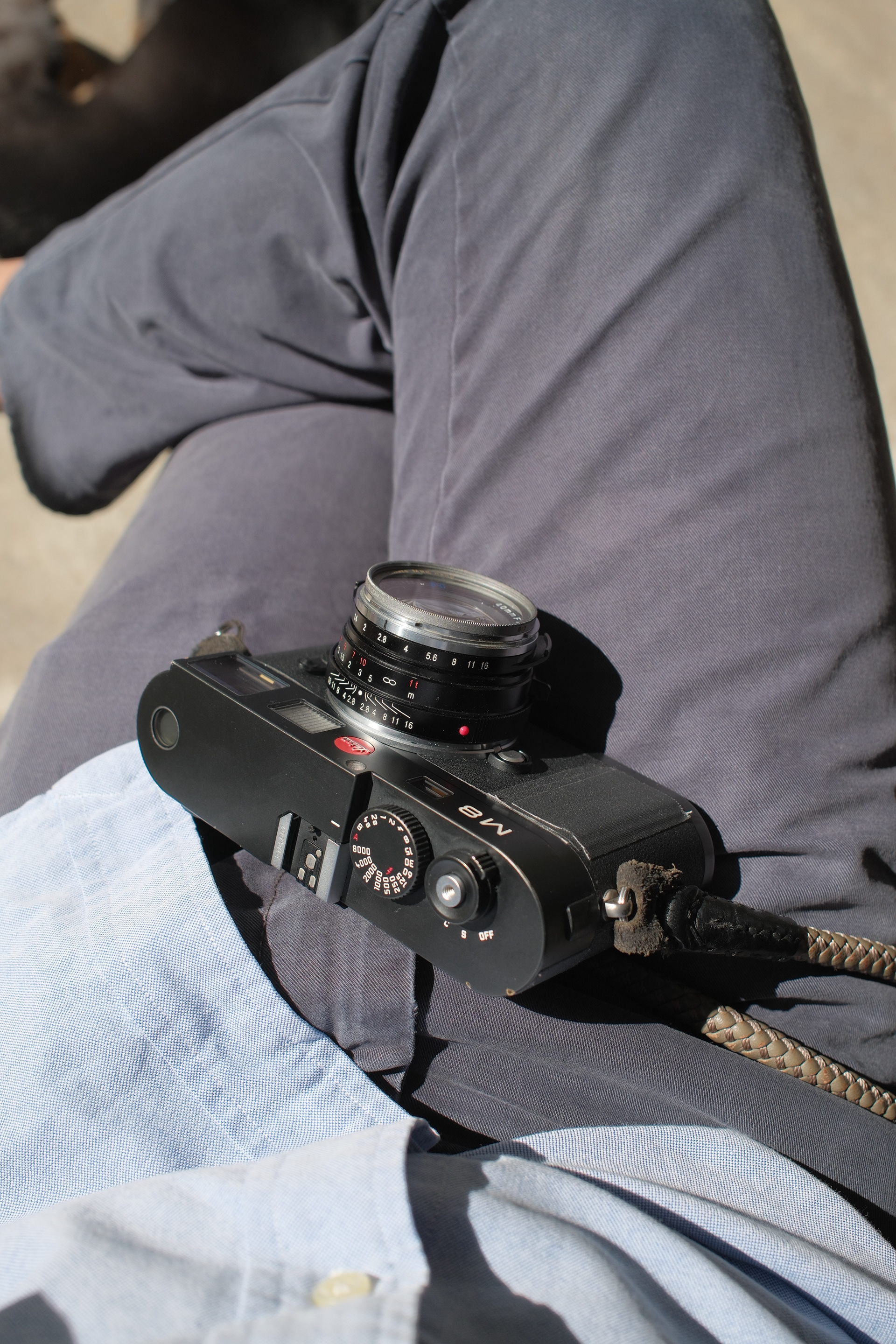
Leica M8 + Voigtlander Nokton 1,4/40mm
Twelve days..
At the time of writing this [mid-November 2025], I've owned the Leica M8 for a total of twelve days… 12.
But I shot 837 frames, across four countries, during the days and nights.
Am I qualified to provide an accurate and well-researched review of this camera? Perhaps not. But I can give my opinions, from someone who is an M11-P user with a love-hate relationship.
TLDR thoughts: I feared I would like the M8 more than the M11-P. My fears are proving true. Does it work in 2025? Yes and no. Yes, the images hold up amazingly well, especially for social media and website sharing; it is also incredibly fun. No, modern niceties don't exist, and it needs time to breathe.
Two month [update]..
At the time of writing this [mid-January 2026], I've owned the Leica M8 for two months now and shot ~3,000 frames over six countries.
Over the same time frame, I took 870 frames with the M11-P. I said in the words above I feared I would enjoy the M8 more than the M11-P, even though the latest and greatest M has all the technical marvel one could want. Even though the M8 is not even full frame. The results confirm this. Perhaps it's still the honeymoon period with the M8, or perhaps it's really the following 3 things I've found so far.
The small but stellar 10MP file sizes - it's so small that I shoot with abandon and worry, but the images and sharpness really do hold up the modern sensors.
The colours - so much easier to work with and pleasing out of the box. Not needing to worry about that magenta issue with the M11, or needing to edit. every. single. image.
The operating speed - this is a big one. The M11 is a s-l-o-w camera, it take an age to wake from sleep, to start up and be able to shoot. The amount of times I've missed a shot or frustrated by not remembering to pre-wake the camera. The M8 by comparison is a Ferrari, it's not quick by modern day standards, but it's clearly ready when you are.
The spec sheet
I'm not one to talk specs, not sure I've ever listed them out in any review before but I do believe it is relevant here if only to provide reference to how this camera stacks up against modern counter-parts.
Leica M8 (2006)
10.3MP
APS-H CCD sensor (1.33x crop)
3936 x 2630 pixels
ISO 160 - 2,500
Dynamic Range 11.3 EV
Leica M11-P (2023)
60MP
Full-frame CMOS sensor
9528 x 6328 pixels
ISO 64 - 50,000
Dynamic Range up to 15 EV
By any technical measure, a modern iPhone will have better camera specs, but still why did I pay US $1,300 for this 12 days ago and shot so many frames since?


The Unlikely Time Traveler: A 2025 Review of the Leica M8
In an era where your fridge probably has more processing power and your phone can take a portrait of a black cat in a coal mine, why would anyone in 2025 use a digital camera from 2006 that has more documented "quirks" than a British sitcom?
The answer, against all logic, is colour alchemy.
The Leica M8 is not a relic; it's a specialised tool for the photographer who believes the soul of an image is captured, not manufactured in post-production. It’s a camera that demands a specific workflow and, in return, rewards you with a unique, tangible beauty that feels almost illicit to achieve so easily.
The Heart of the Matter: That CCD Sensor
The entire argument for the M8's relevance hinges on its 10.3-megapixel CCD sensor. Think of modern CMOS sensors as brilliant, over-eager interns who capture everything and let you sort it out later. The M8’s CCD sensor is the wise, slightly cantankerous master craftsman who gets it right the first time and doesn’t appreciate your meddling.
It renders colour with a depth and character that is immediately recognisable. Reds are deep and velvety, blues have a certain cool clarity, and greens are lush without looking like they belong in a video game. The infamous "Leica glow" is likely just the sensor's pleasant way of dealing with highlights it finds too vulgar to render sharply.
The result? Straight-out-of-camera DNGs, that require minimal to zero editing bar changing Lightroom profile from 'camera standard' to 'Adobe standard'. The files are so well-tuned that often all that's needed is a slight exposure nudge and a moment of silent gratitude. In a world drowning in sliders and presets, the M8 is your escape from digital serfdom.
The Quirks & The Compromises (The 2025 Perspective)
Let's address the folklore. The M8 is not "perfect." It's "interesting."
The IR/UV Issue: This is the M8's party trick. It sees a world invisible to you, where black synthetic fabrics are a lovely shade of magenta and distant foliage has a cyanic shimmer. The mandatory IR/UV cut filters are not an accessory; they are the camera's spectacles. Forgetting one is like showing up to a shoot having left your lenses at home. But don't be afraid to venture out if you don't have one either. I did for the first 10 days of ownership, and it was fine for the most part.
The Cropped Sensor (1.33x): Your beautiful 35mm lens becomes a slightly tight 47mm. This is the camera’s way of encouraging you to buy more lenses, a subtle nod to Leica’s business model that was ahead of its time. On the plus side, your wide-angles get to show off their sharpest centre portion, like a singer who only has to hit the high notes.
Since I've taken it home, mine has pretty much had the Voigtländer Nokton 1,4/40mm permanently attached to it. At 53mm, it's almost perfect as an everyday, but the tramlines don't match. It may bother some, but it hasn't bothered me, although using the rangefinder window is pretty much a guessing game at the best of times.
The "Low" ISO: Let’s be charitable and call the M8’s low-light performance “atmospheric.” Its native ISO stretches from a pristine 160 to a daring 2500, though venturing beyond 640 is less a technical exercise and more a leap of faith into a beautiful, gritty abyss. The resulting noise isn't the clinical, colour-free luminance of modern cameras; it's a textured grain that resembles high-speed film, adding a certain moody credibility to the scene.
While you won't be shooting midnight basketball, the M8 works wonderfully for any scenario where the light is low but available—a dimly lit bar, a cobblestone street under a single gas lamp, or a living room by lamplight. It forces you to see with the darkness rather than defeat it, and in doing so, it creates images that feel authentically of the moment, not artificially salvaged from it.
The "Low" Resolution: 10 megapixels is more than enough for stunning prints and the internet. It forces you to focus on composition over the ability to crop until you’re basically just photographing a single pixel. The files are manageable, elegant, and won't fill your hard drive with clinical details you never asked for.
The sensor, ironically, is perfect for 2025. Although extremely small by today's standards, it is ideal for quick social media sharing, including websites. Without an AA filter and with Leica glass, it is stupidly sharp for a 10MP file, meaning from shoot to share is seconds and minutes, not hours in front of a computer.
The "Compromised" Shutter: In a delightful paradox that perfectly encapsulates the M8's character, its shutter mechanism is both a celebrated feature and a notorious quirk. The good news is the top shutter speed of 1/8000s—a spec that would be impressive on a modern camera and is frankly audacious for a nearly 20-year-old digital. This allows you to shoot wide-open with a Summilux in brilliant daylight, transforming harsh sun into creamy, dreamy backgrounds. The bad news, of course, is the longevity. Achieving that 1/8000s speed unleashes what is said to be rough on the camera, that Leica reduced its top speed to 1/4000s in subsequent M8.2 models.
Both a blessing and a curse, as from my perspective, I love the soundscape that is best described as a percussive CLACK-TCHUNK-whirr that is part vintage typewriter, part sliding bolt on a rifle. It’s discreet in the way a fire alarm is discreet. So, while you gain a powerful technical tool for controlling light, you announce its use to everyone in the immediate vicinity, making candid photography a thrilling test of your subject's nonchalance. It’s a magnificent, anachronistic flex, and it's what eventually sold me on to buy a M8.
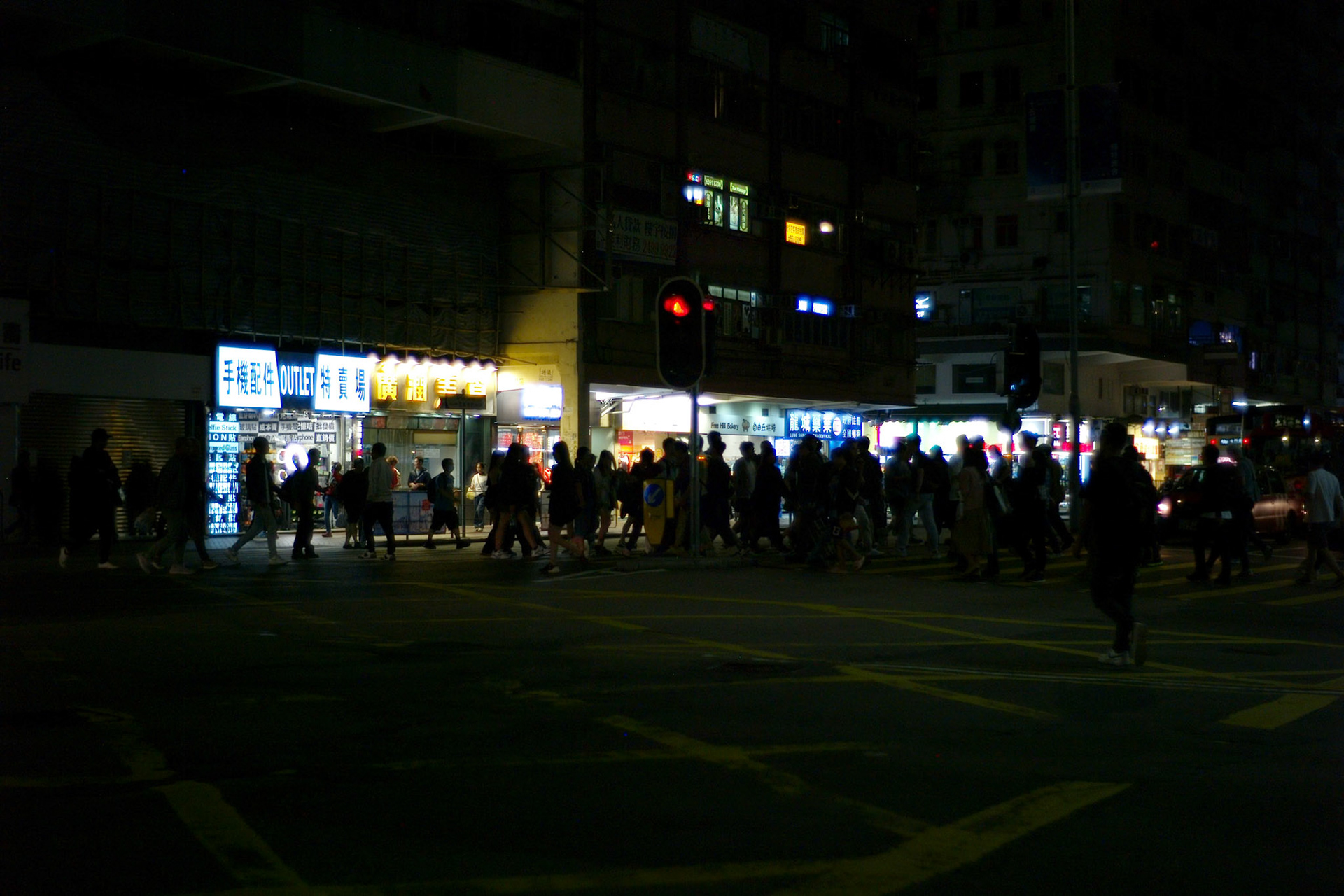
Hong Kong - Leica M8
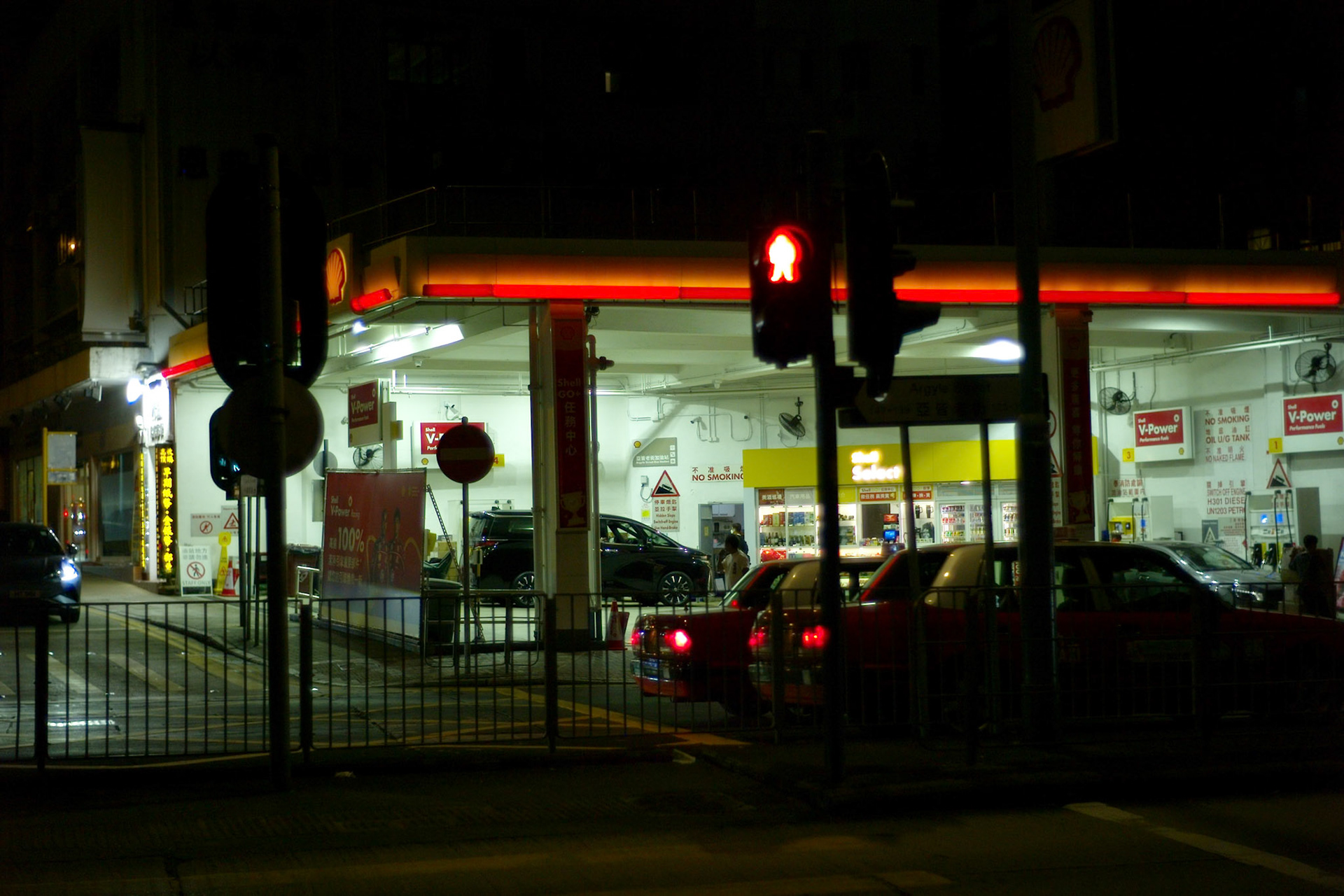
Hong Kong - Leica M8

Hong Kong - Leica M8

Hong Kong - Leica M8

Hong Kong - Leica M8

Jakarta, Indonesia - Leica M8

Jakarta, Indonesia - Leica M8

Jakarta, Indonesia - Leica M8

Jakarta, Indonesia - Leica M8

Jakarta, Indonesia - Leica M8
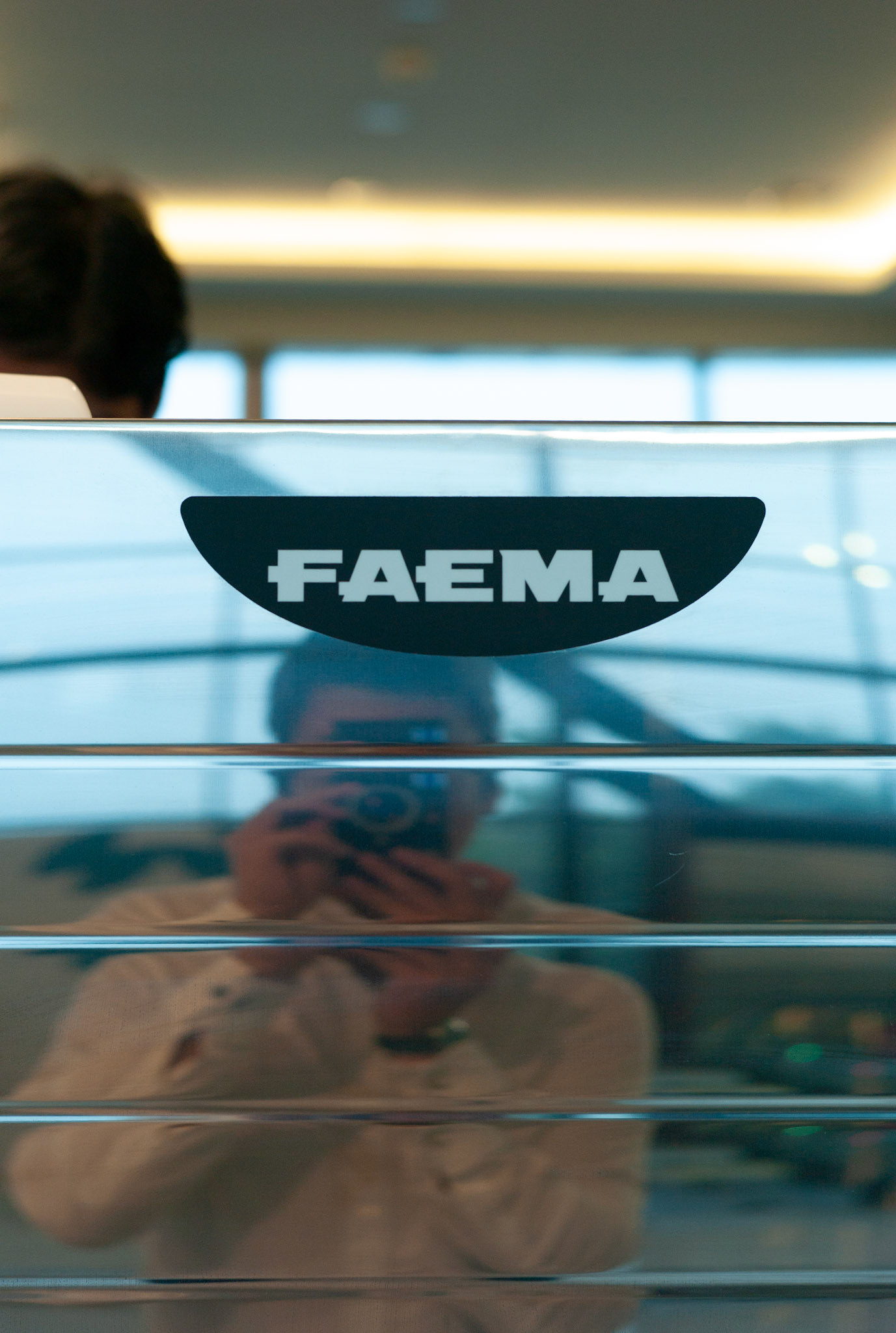
Jakarta, Indonesia - Leica M8

Jakarta, Indonesia - Leica M8

Jakarta, Indonesia - Leica M8
The Timeless Experience
Handling the M8 is a tactile joy. The brass body feels like it could stop a bullet, or at the very least, confidently dissuade a would-be thief through sheer mass. The shutter sound, a satisfyingly loud ker-CHUNK, announces your photographic intent with the subtlety of a starting pistol. It’s the antithesis of a silent electronic shutter, which is, let's be honest, a bit sneaky.
In 2025, this analogue-digital hybrid experience is a form of mindfulness. Or perhaps it's just that the 1-second boot-up time and glacial buffer force you to contemplate your life choices.
Who Is The M8 For in 2025?
This is not a camera for everyone. It is a passionate choice for:
1. The Purist and Film Lover: It’s the closest a digital camera has ever come to the "film look" without the minor inconveniences of, you know, buying and developing film.
2. The Street Photographer: Its discreet size is perfectly paired with a shutter sound that ensures every subject within a 20-metre radius knows they've been photographed. It builds character.
3. The Portraitist: The colour rendition and "glow" make skin tones look human, not like polished marble. A radical concept in 2025.
4. Anyone Suffering from Editing Fatigue: If you're tired of spending hours in Lightroom trying to make your files look worse in a more artistic way, the M8 provides an instant, beautiful solution.
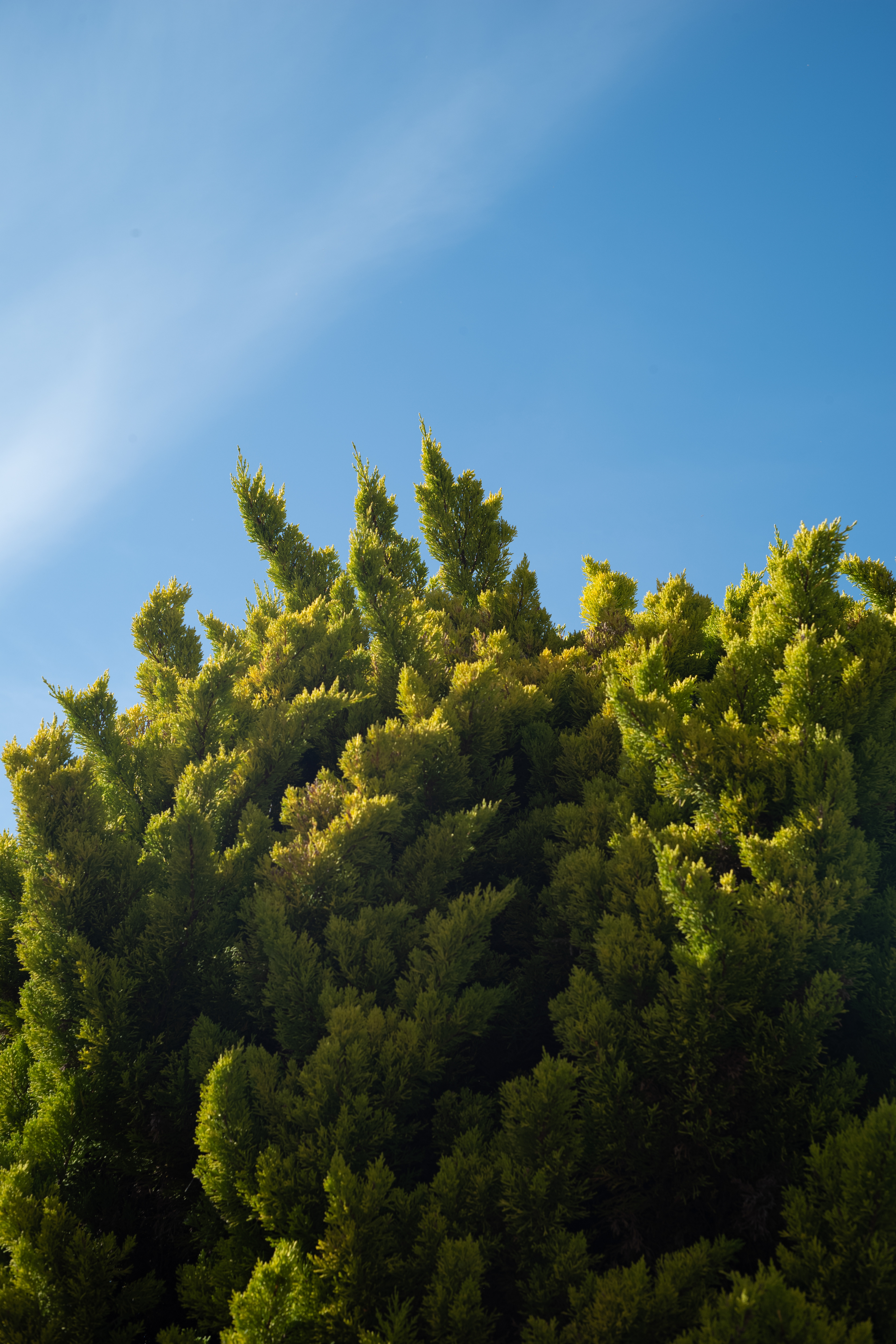
Worcester, UK - Leica M8 + Thypoch Ksana 21mm F/3.5
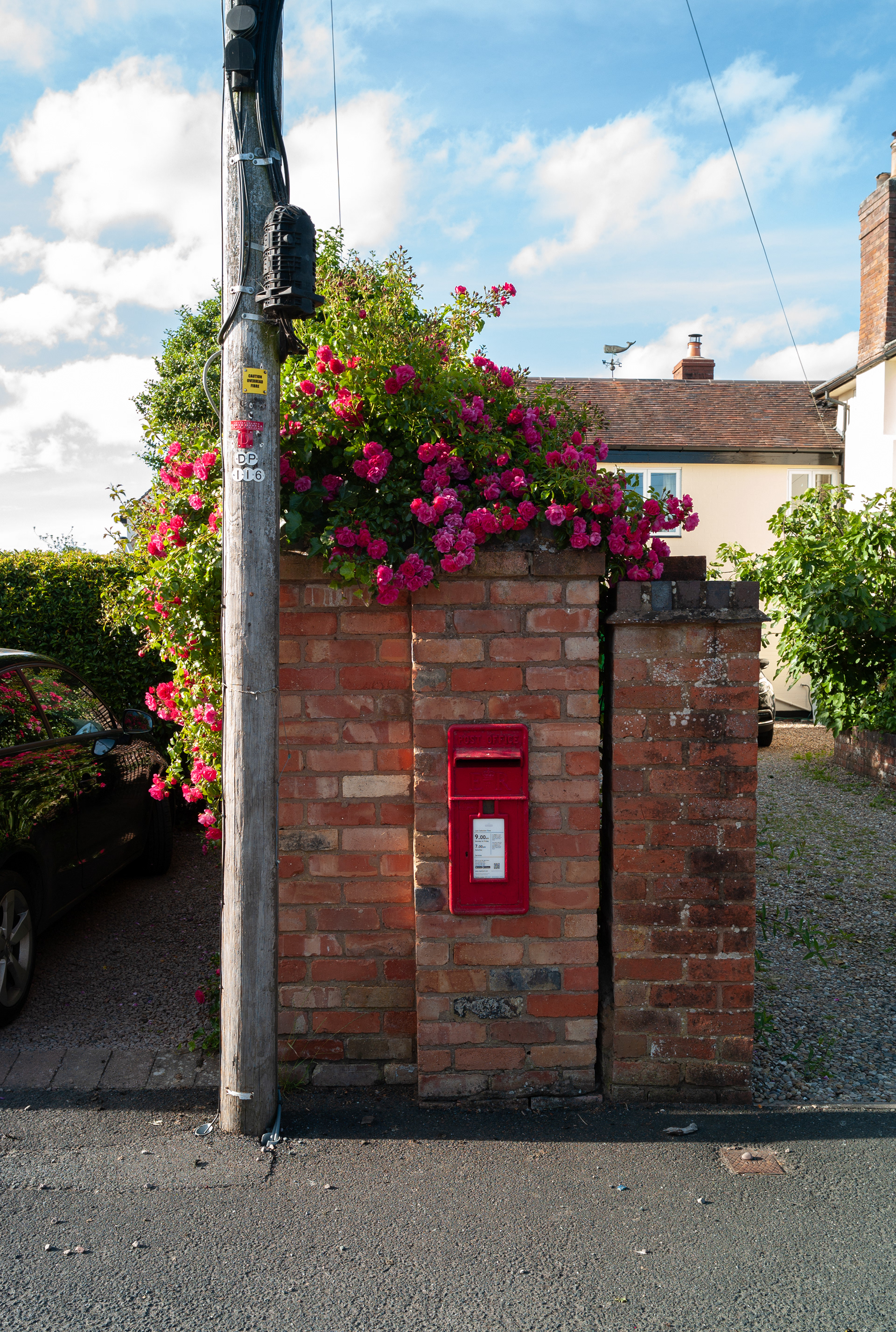
Worcester, UK - Leica M8 + Thypoch Ksana 21mm F/3.5
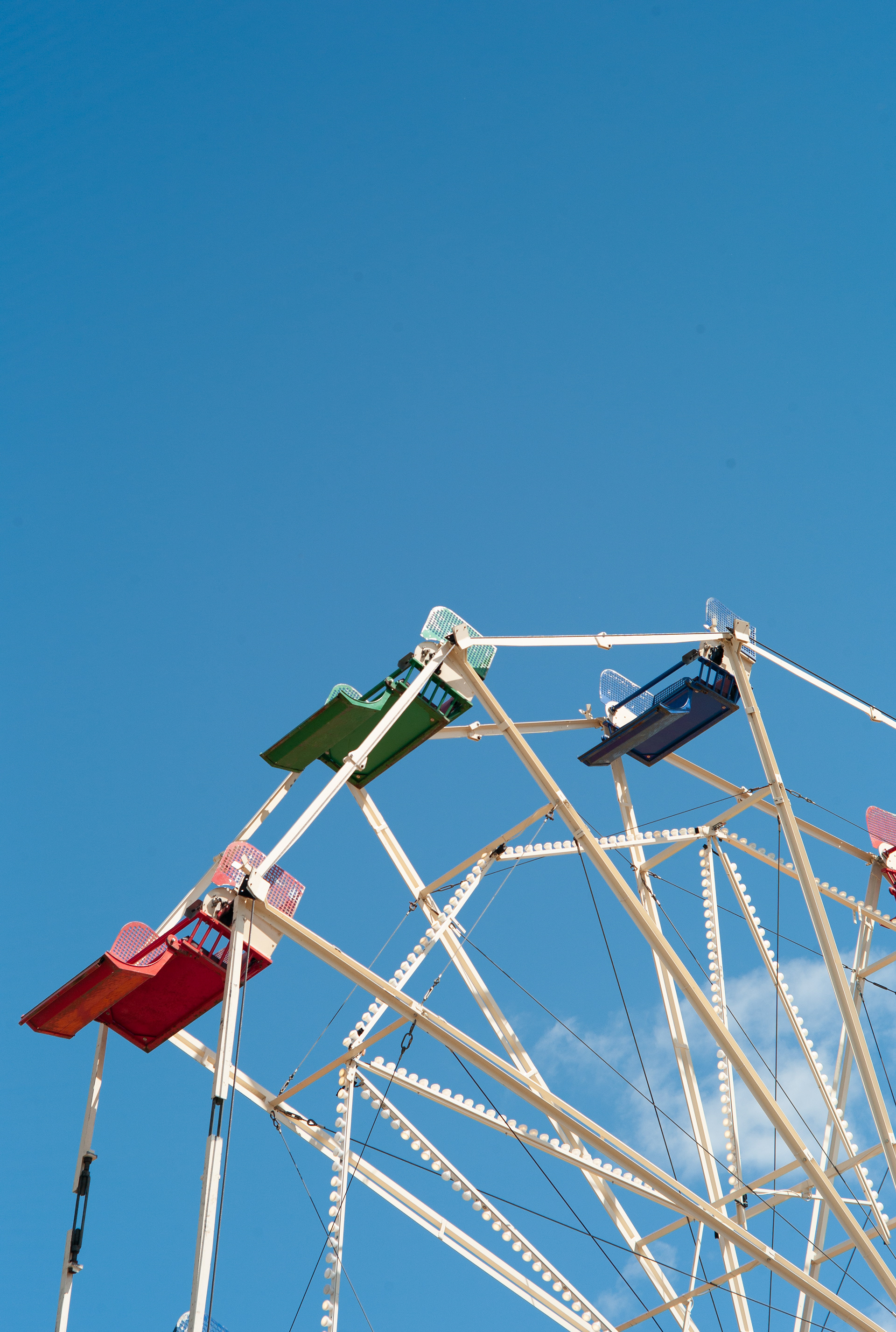
Worcester, UK - Leica M8 + Zeiss C Sonnar 50mm F/1.5

Three Counties Showground, UK - Leica M8 + Thypoch Ksana 21mm F/3.5
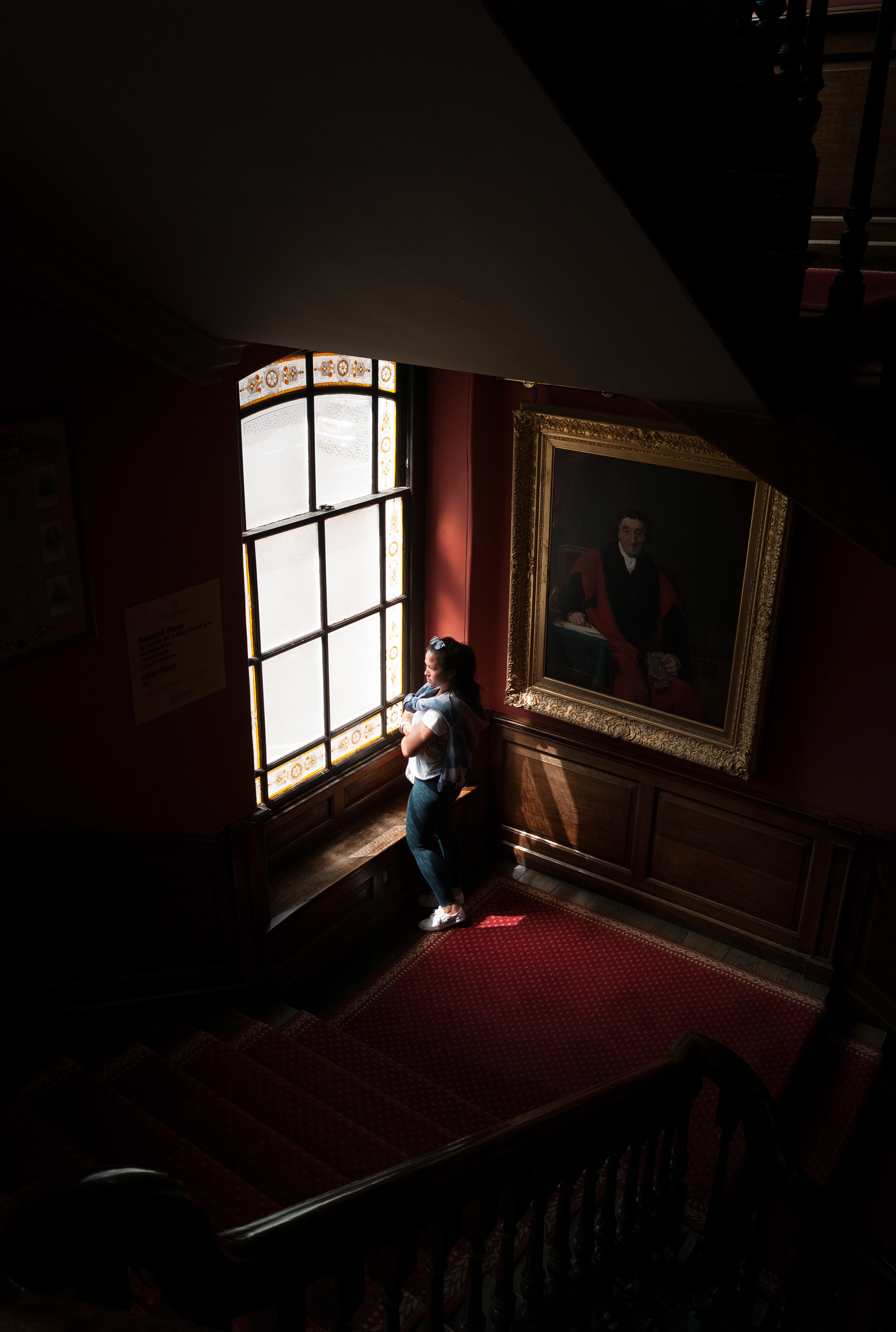
Worcester, UK - Leica M8 + Thypoch Ksana 21mm F/3.5

Worcester, UK - Leica M8 + Thypoch Ksana 21mm F/3.5
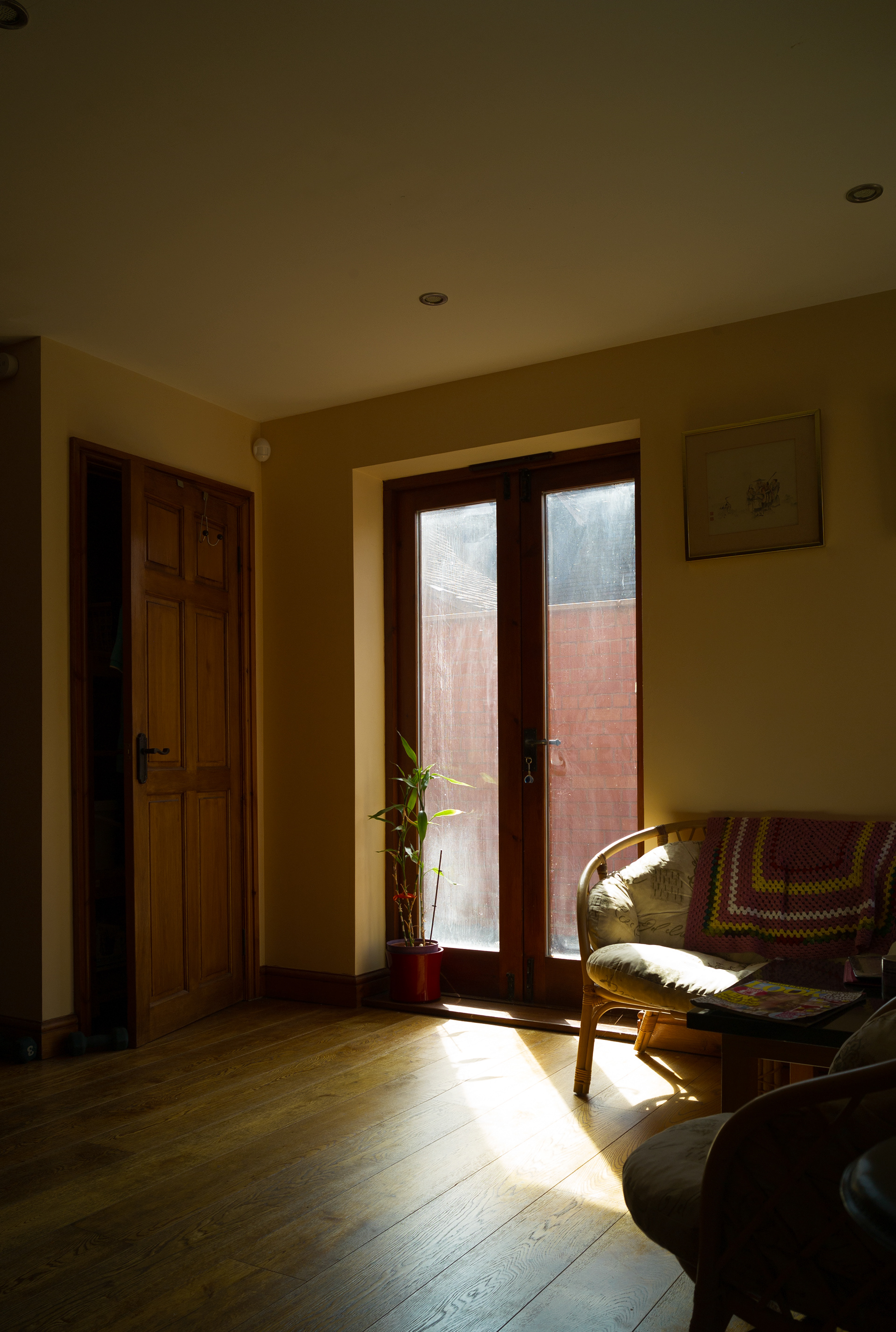
Worcester, UK - Leica M8 + Thypoch Ksana 21mm F/3.5

Burford, UK - Leica M8 - Thypoch Ksana 21mm F/3.5
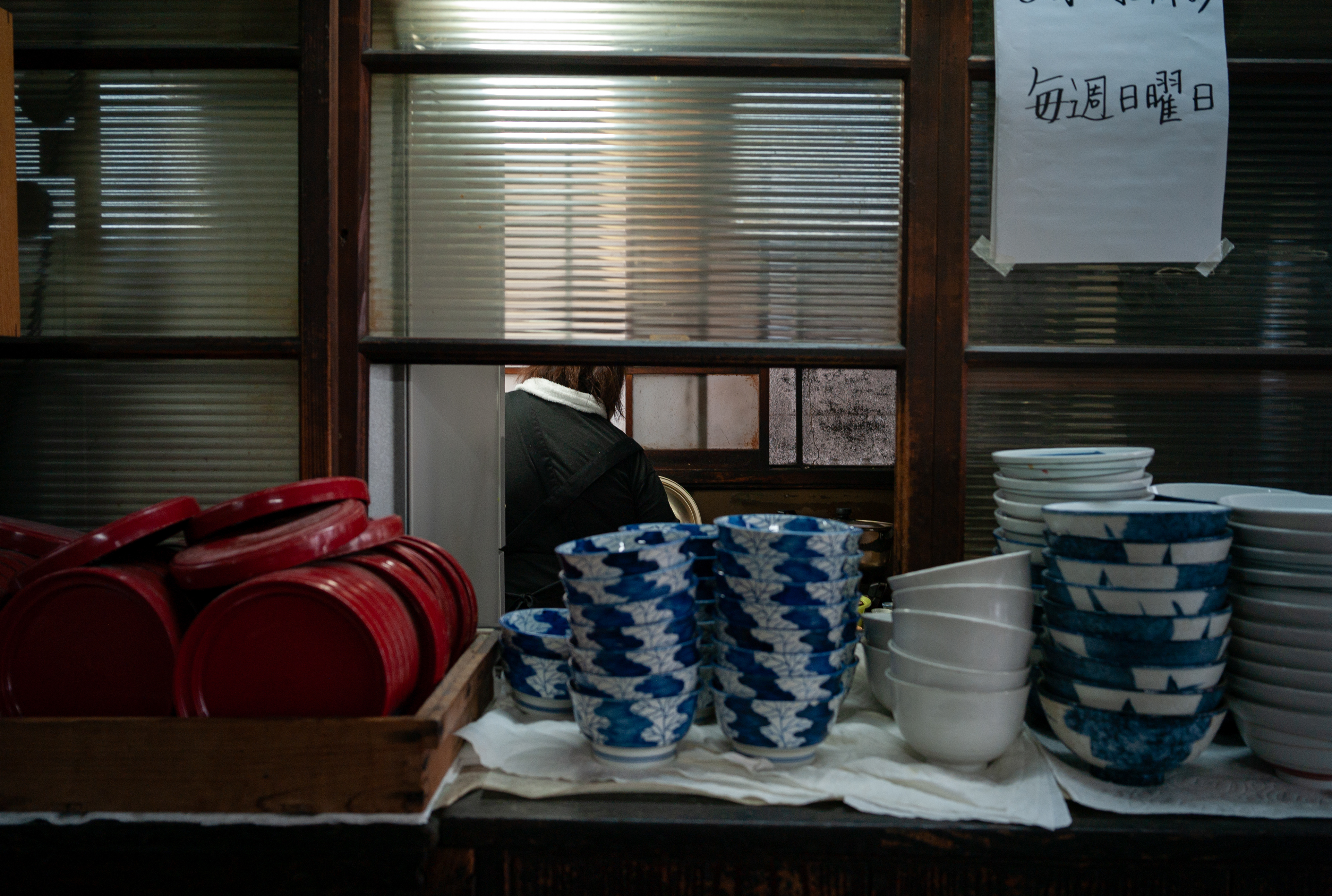
Tokyo, Japan - Leica M8 - Thypoch Ksana 21mm F/3.5

Tokyo, Japan - Leica M8 - Thypoch Ksana 21mm F/3.5
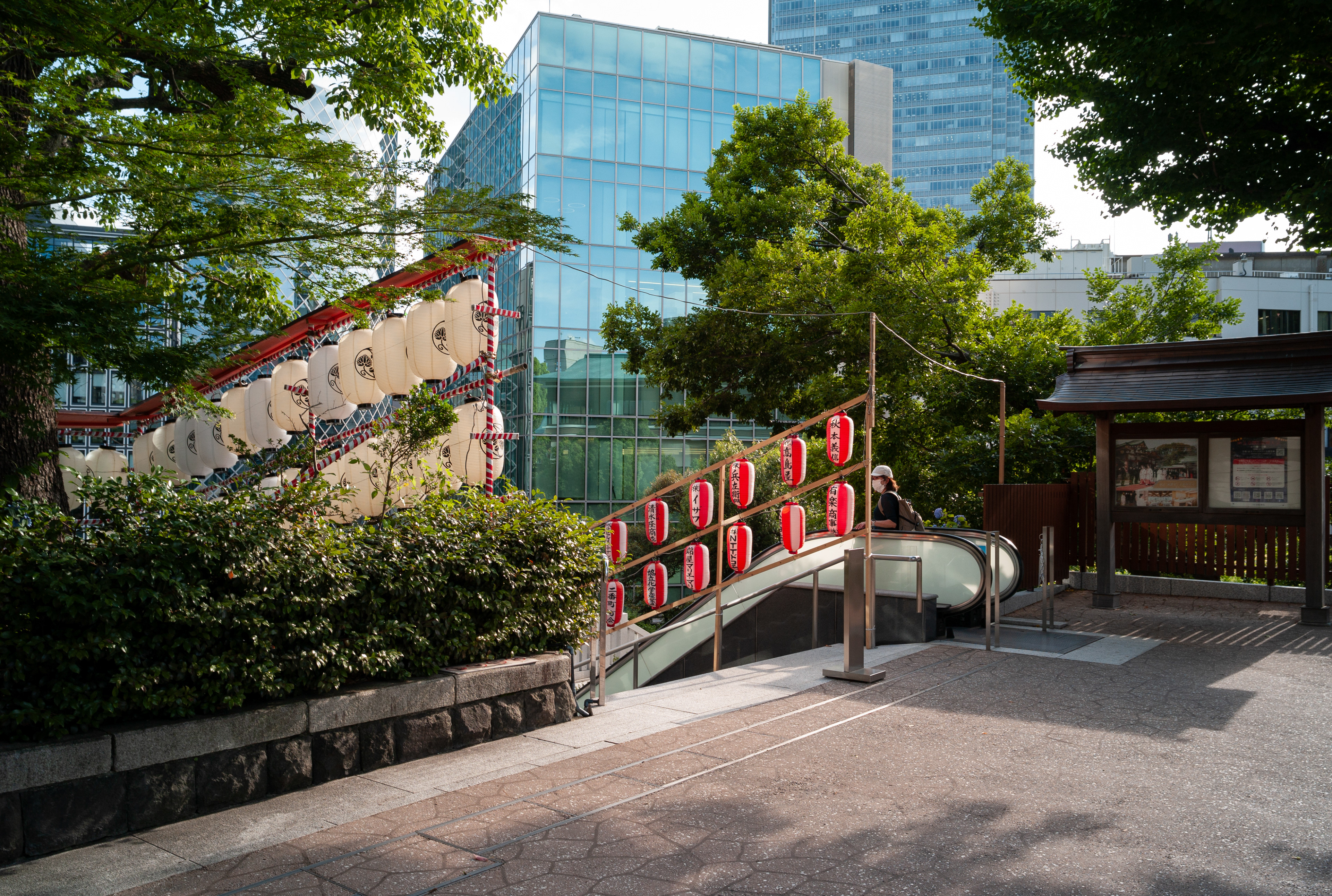
Tokyo, Japan - Leica M8 - Thypoch Ksana 21mm F/3.5
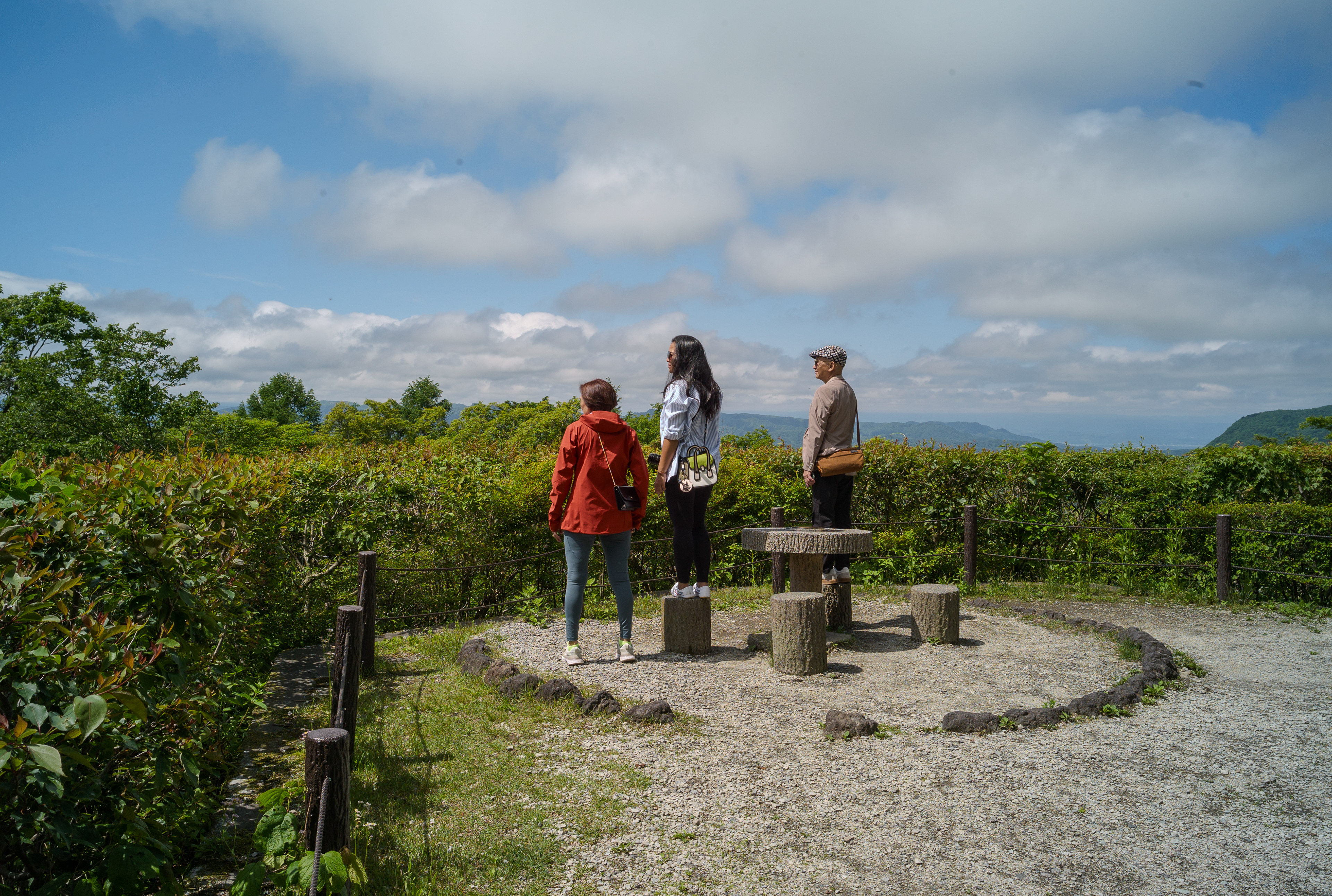
Karuizawa, Japan - Leica M8 - Thypoch Ksana 21mm F/3.5

Karuizawa, Japan - Leica M8 - Thypoch Ksana 21mm F/3.5
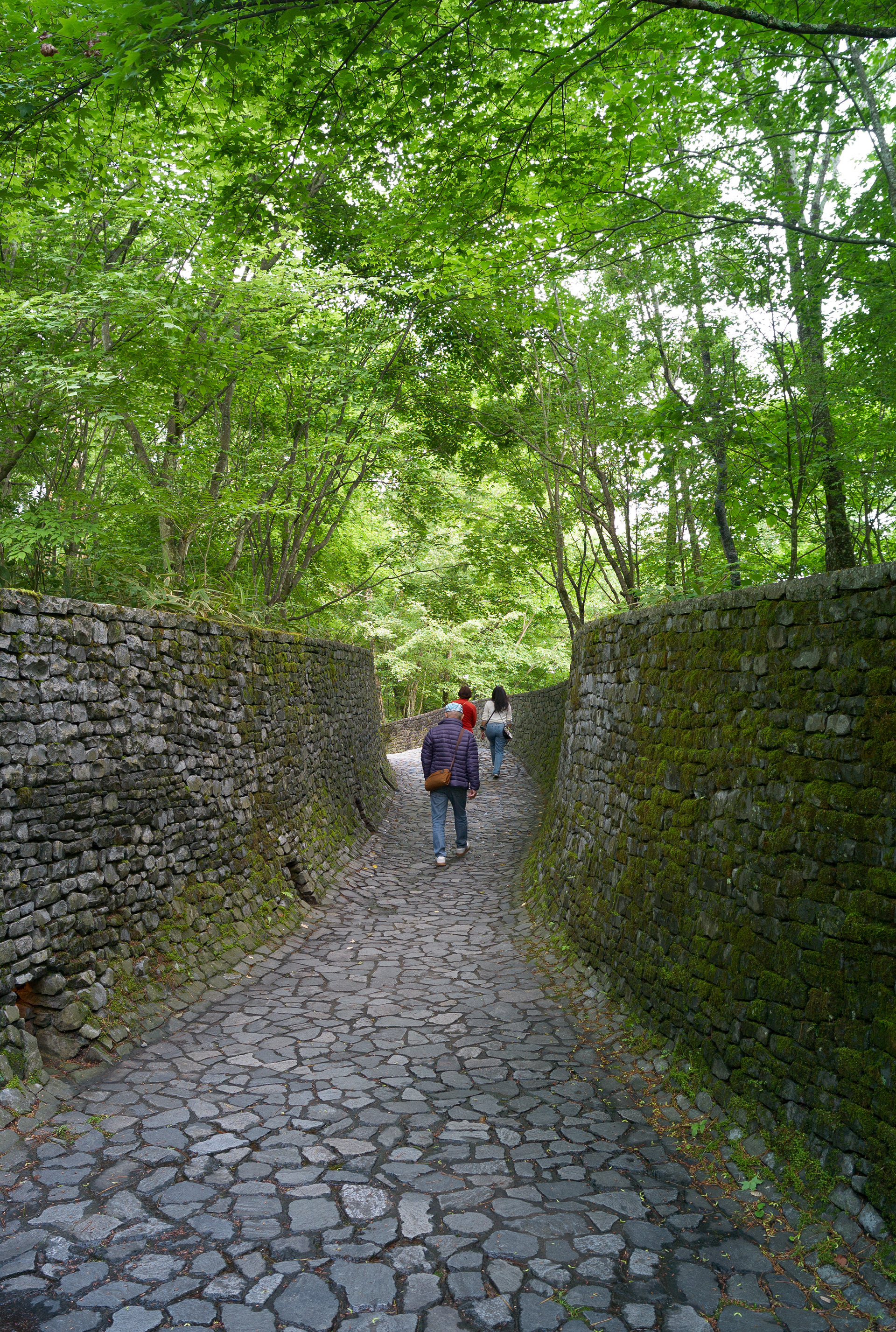
Karuizawa, Japan - Leica M8 - Thypoch Ksana 21mm F/3.5
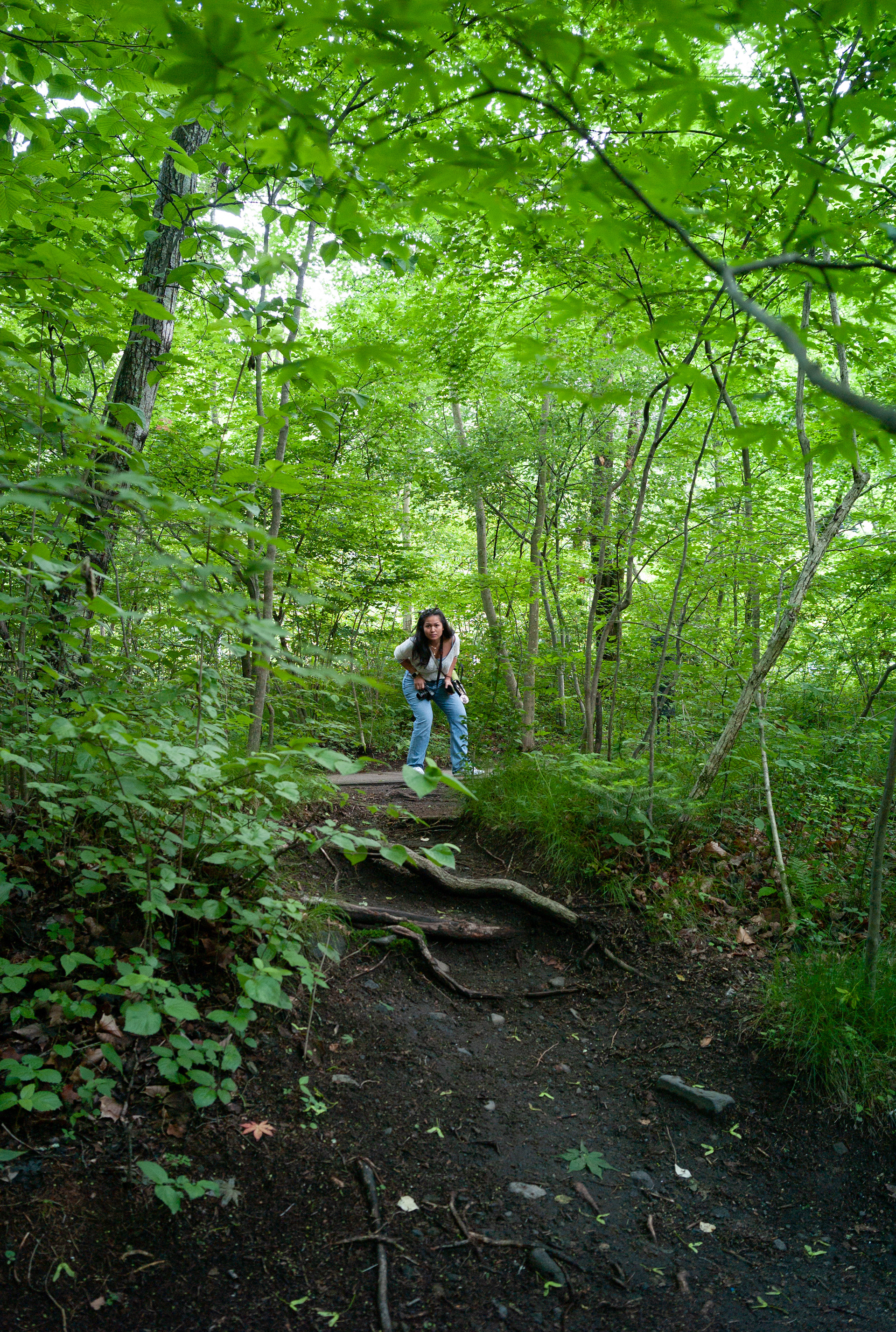
Karuizawa, Japan - Leica M8 - Thypoch Ksana 21mm F/3.5
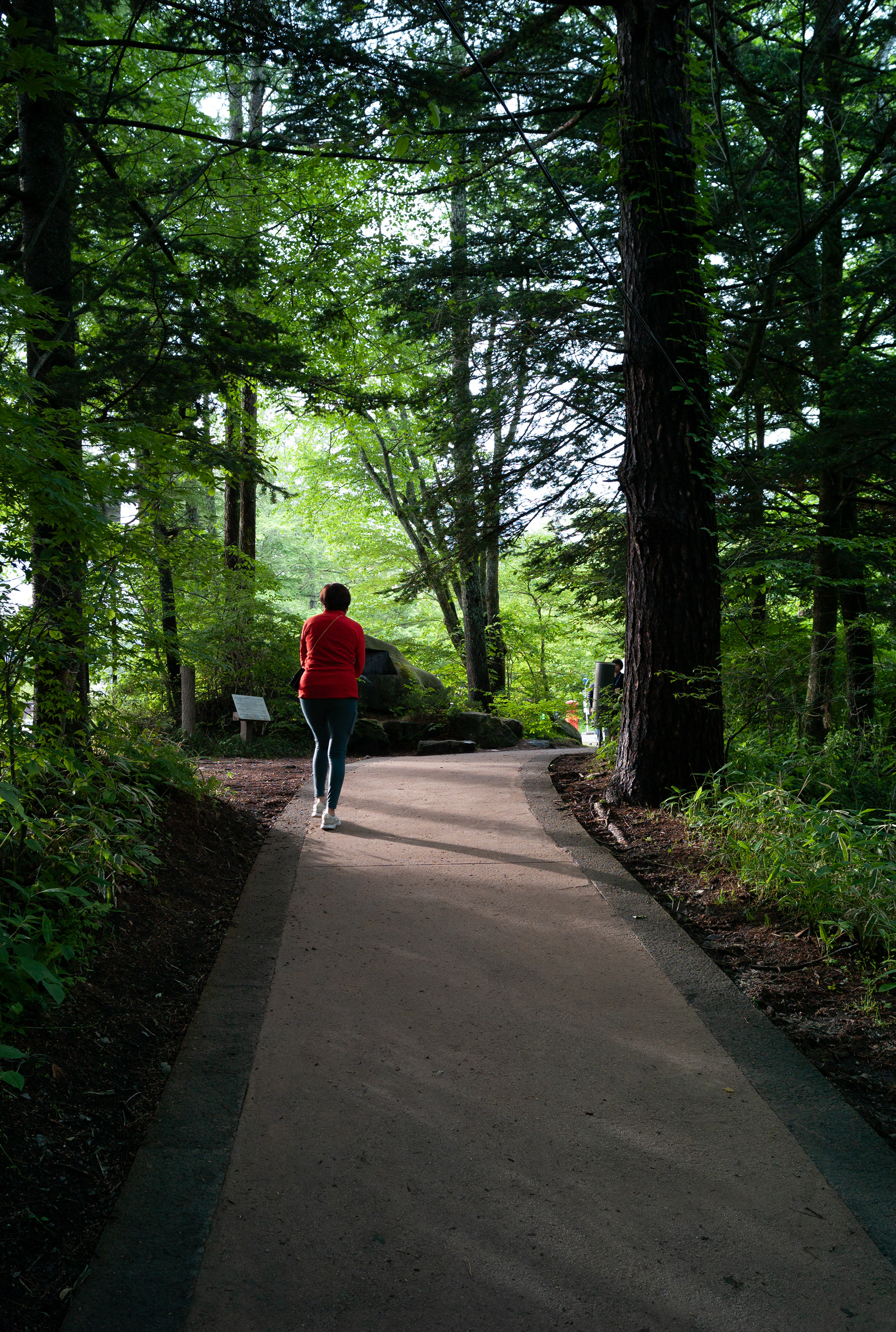
Karuizawa, Japan - Leica M8 - Thypoch Ksana 21mm F/3.5

Karuizawa, Japan - Leica M8 - Thypoch Ksana 21mm F/3.5

Karuizawa, Japan - Leica M8 - Thypoch Ksana 21mm F/3.5

Karuizawa, Japan - Leica M8 - Thypoch Ksana 21mm F/3.5
The Verdict
The Leica M8 in 2025 is more than a collector's item. It is a highly relevant photographic tool for those who prioritise character over convenience, colour science over computational trickery, and fun over work.
It asks you to accept its charmingly anachronistic rules. In return, it gifts you with some of the most uniquely beautiful, ready-to-use digital files ever created. It’s a time machine that doesn’t just take you back to 2006; it transports your subjects to a place where light and colour feel more real.
If you can find a well-maintained copy, the Leica M8 isn't just a camera you buy; it's a photographic path you choose. And in 2025, that path is refreshingly, hilariously, and beautifully paved with its own set of compromises. Just don't forget the filters.
What about the Leica M9?
I've been tempted by two in a store when I went to pick up a spare M8 battery (one black M9one silver M9-P), great condition but at 3x the price I paid for my M8, I didn't see it adding anything the M8 didn't already give me.
Shutter was softer but still with that nostalgic vibe - but not worth 3x more.
Full-frame sensor didn't even factor into my mind vs APS-H sensor in the M8; the 40mm Nokton at 53mm equivalent was almost perfect and so far pretty much glued to the camera.
ISO performance wasn't a concern on M8 as you can probably tell. I've shot a lot at night, and I can't see the M9 being that much better.
It handled the same, M8/9/9-P/11-P - all the same TBH.
Colours slightly different, slightly cooler, better corrected white balance, and less of a magenta hue to some of the shadow tones - I actually prefer the M8 colours.
Maybe I'll pick one up in the future, but for now, the M8 is a GOAT of a camera.
Also. Don't forget the images. All are DNG, imported into Adobe Lightroom, and 90% of the only edit is to change to Adobe Standard/Portrait/Colour profile and then export. Simples.

Saigon, Vietnam - Leica M8

Saigon, Vietnam - Leica M8

Saigon, Vietnam - Leica M8
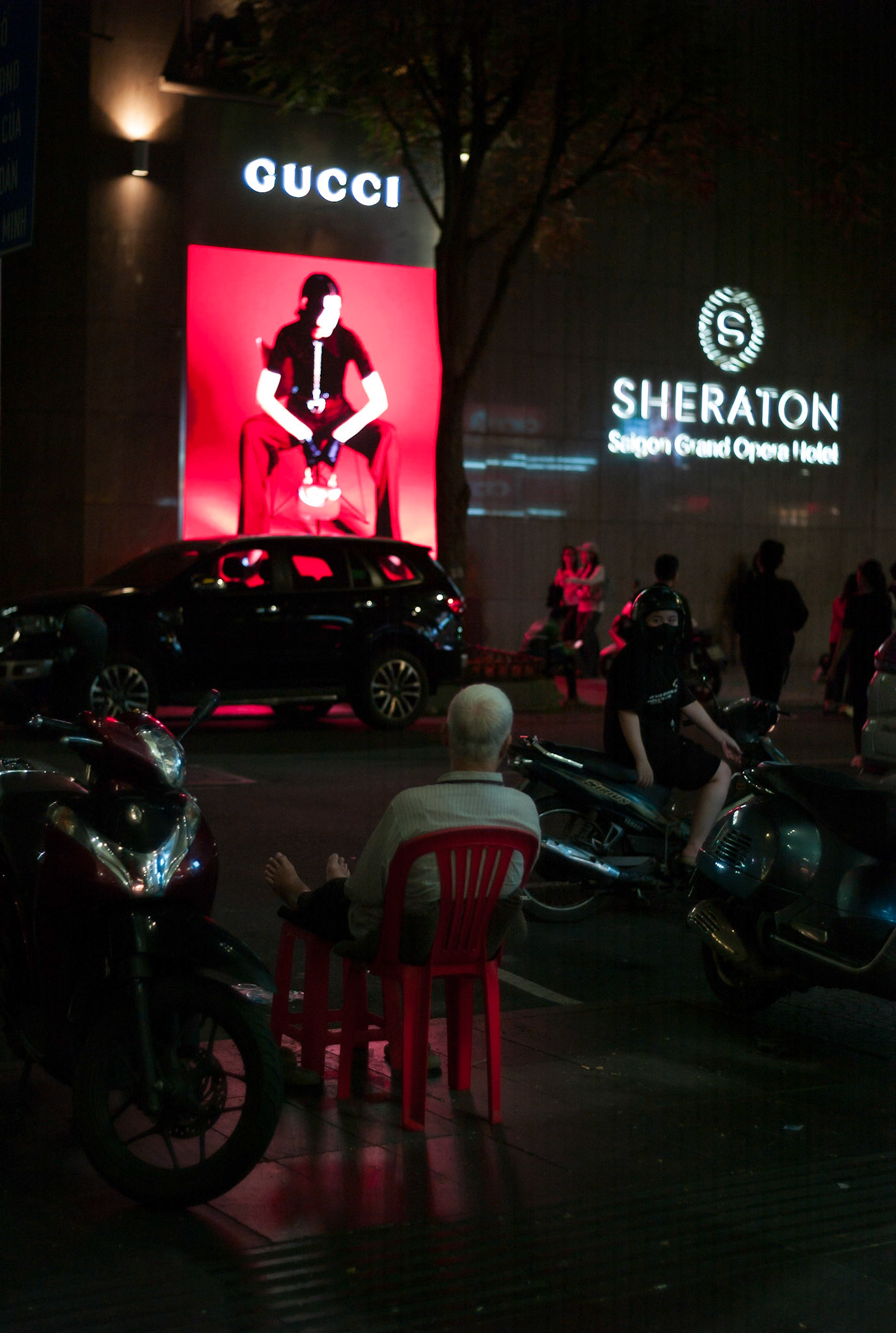
Saigon, Vietnam - Leica M8

Saigon, Vietnam - Leica M8
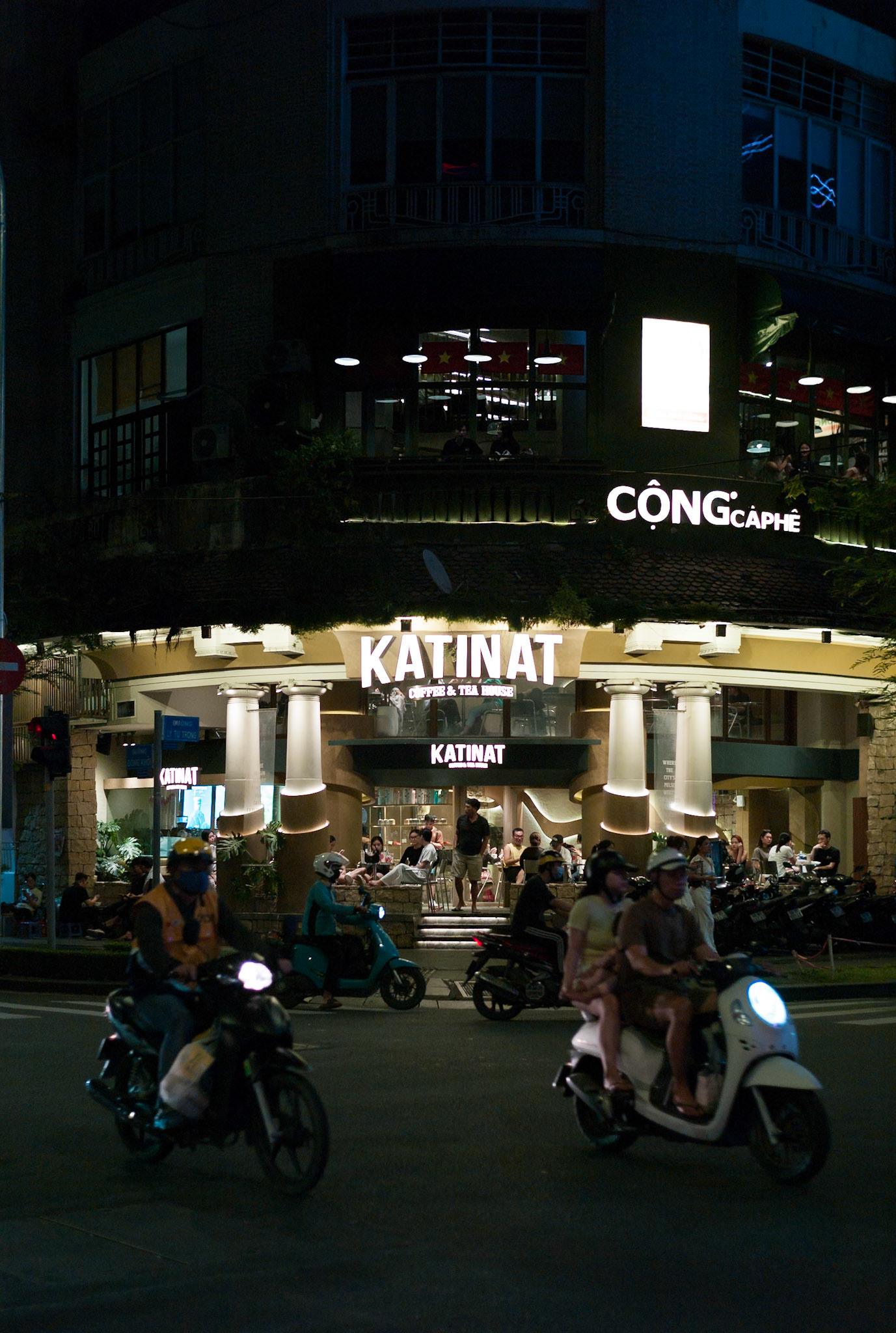
Saigon, Vietnam - Leica M8

Saigon, Vietnam - Leica M8
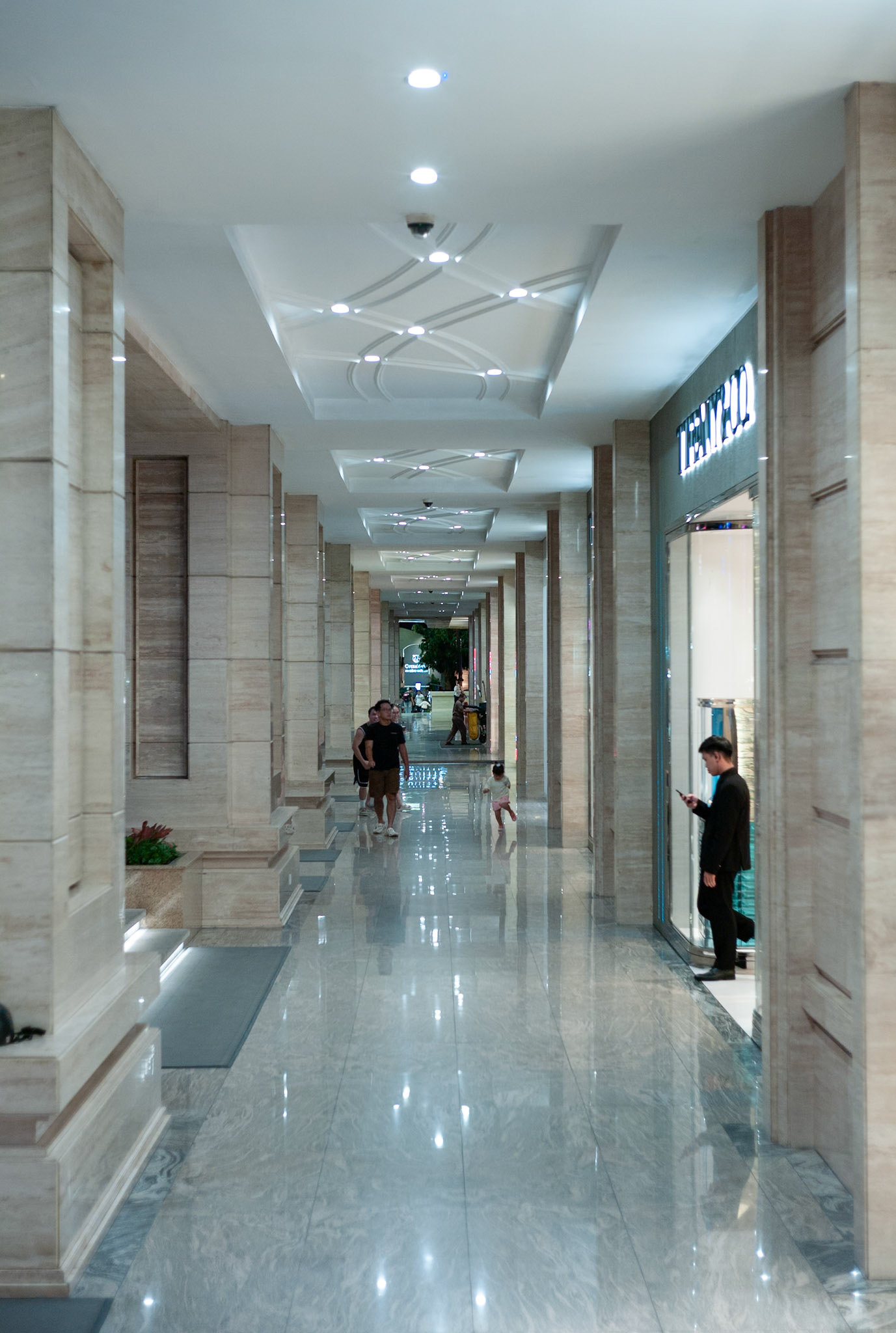
Saigon, Vietnam - Leica M8

Hong Kong - Leica M8

Hong Kong - Leica M8
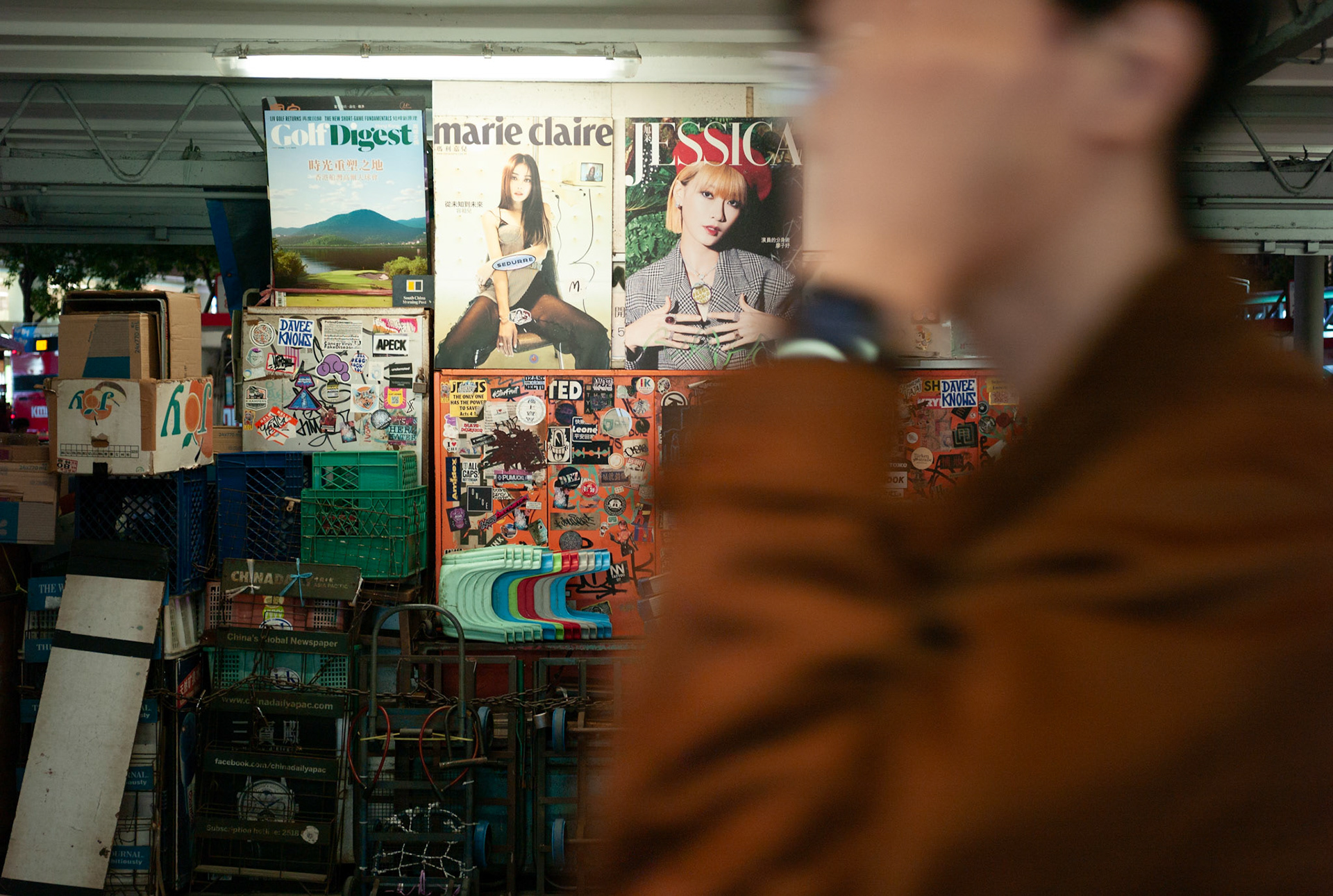
Hong Kong - Leica M8
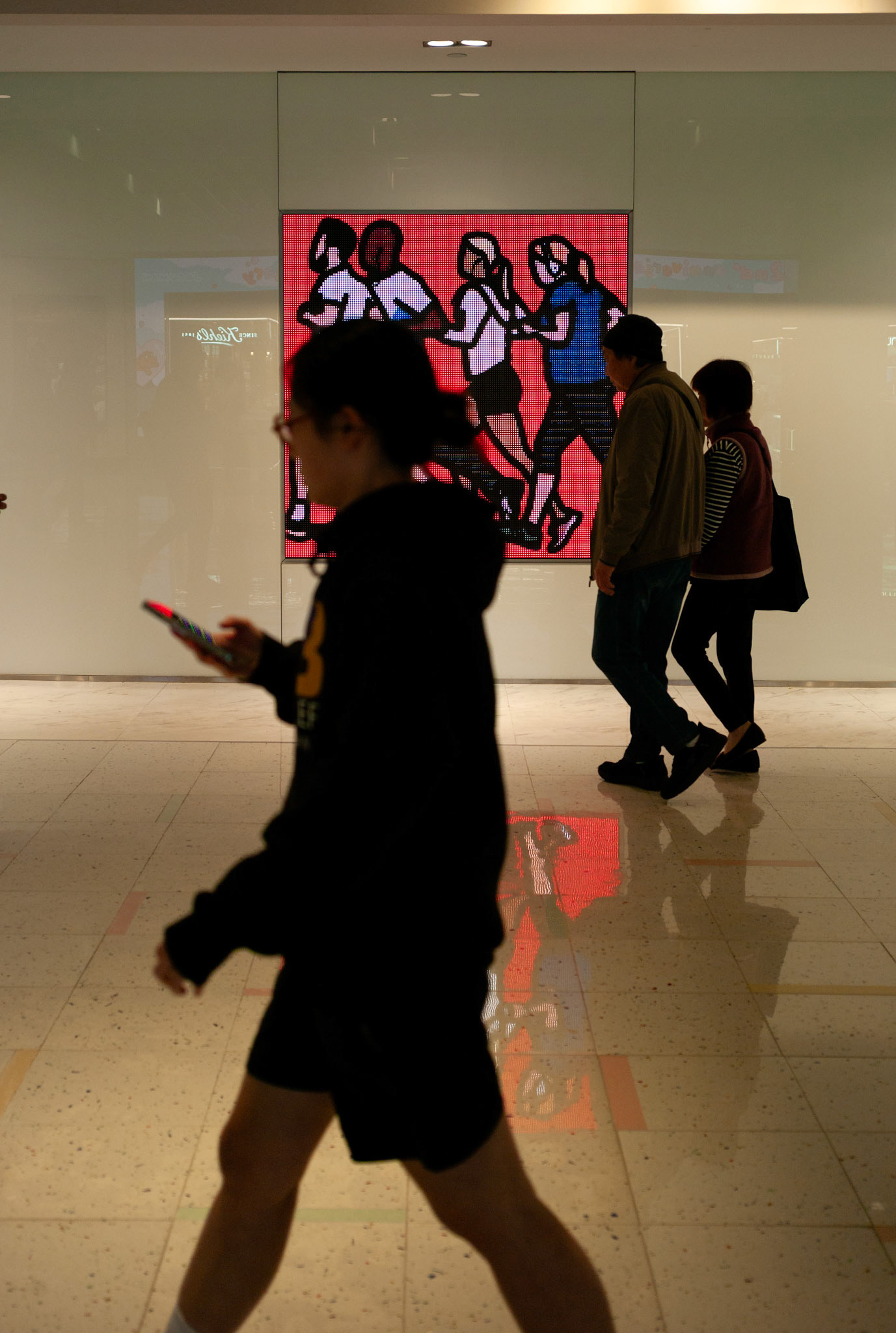
Hong Kong - Leica M8
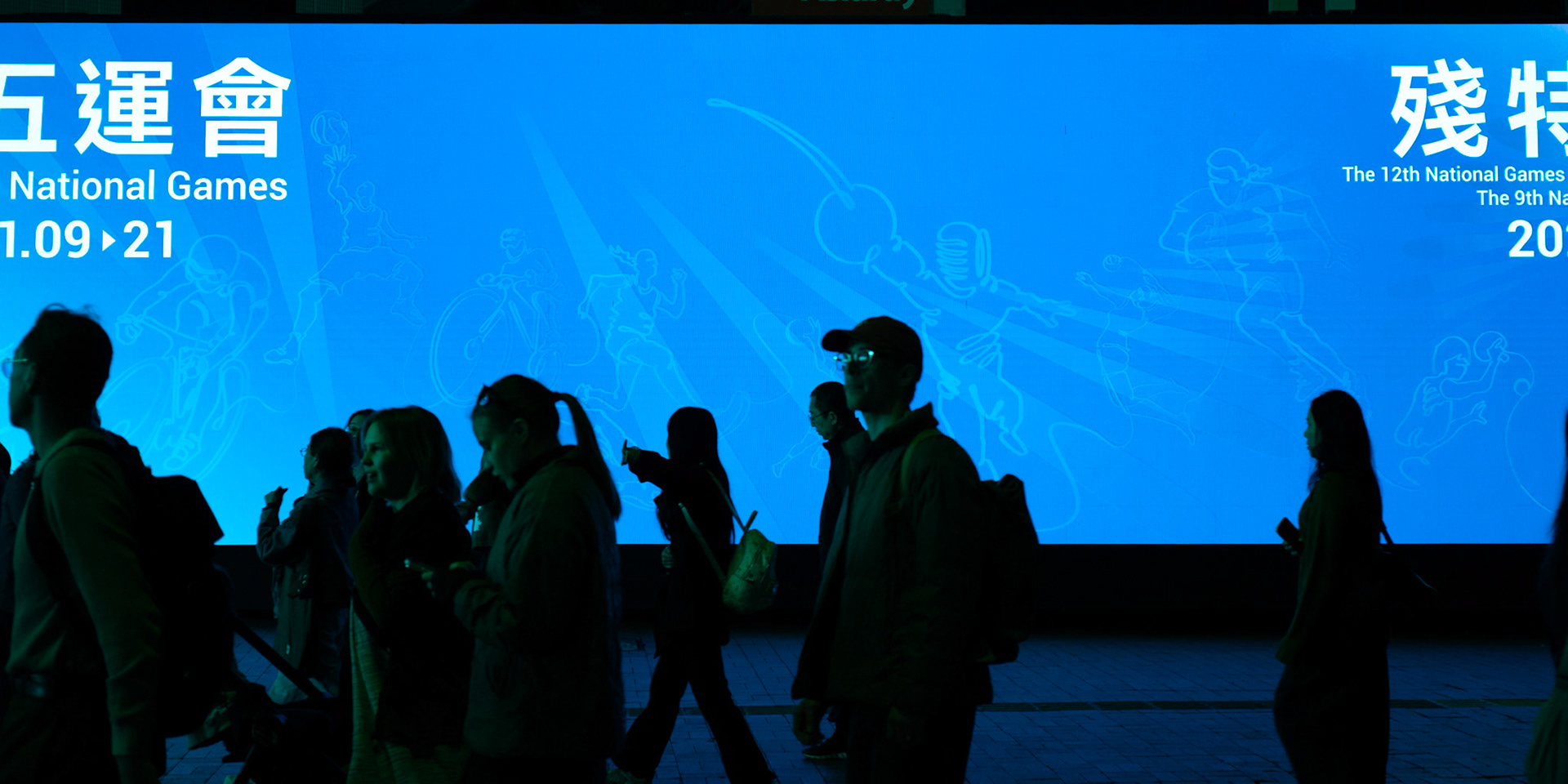
Hong Kong - Leica M8
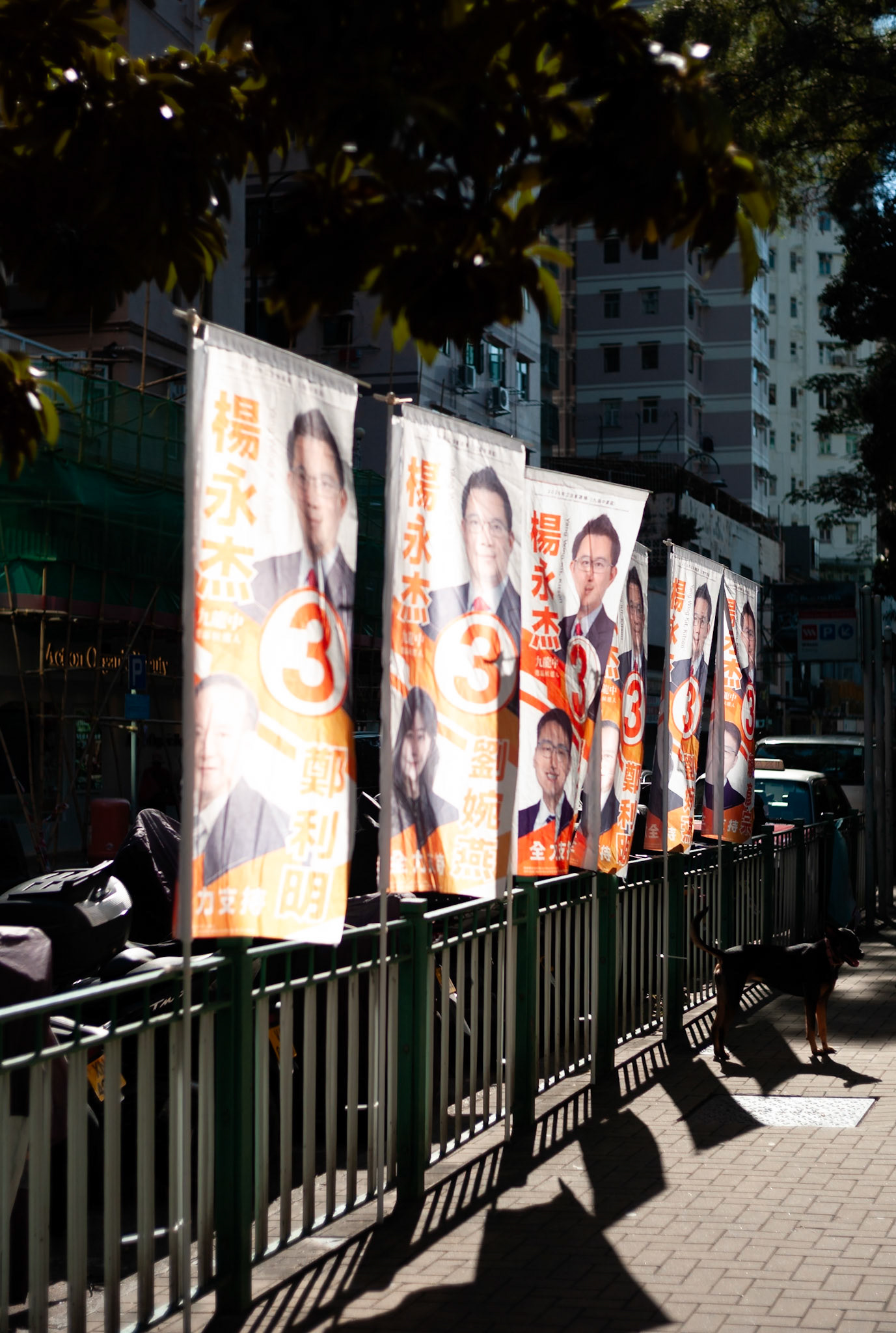
Hong Kong - Leica M8

Hong Kong - Leica M8

Hong Kong - Leica M8

Hong Kong - Leica M8

Hong Kong - Leica M8

Hong Kong - Leica M8

Hong Kong - Leica M8

Hong Kong - Leica M8

Hong Kong - Leica M8

Hong Kong - Leica M8

Hong Kong - Leica M8

Hong Kong - Leica M8
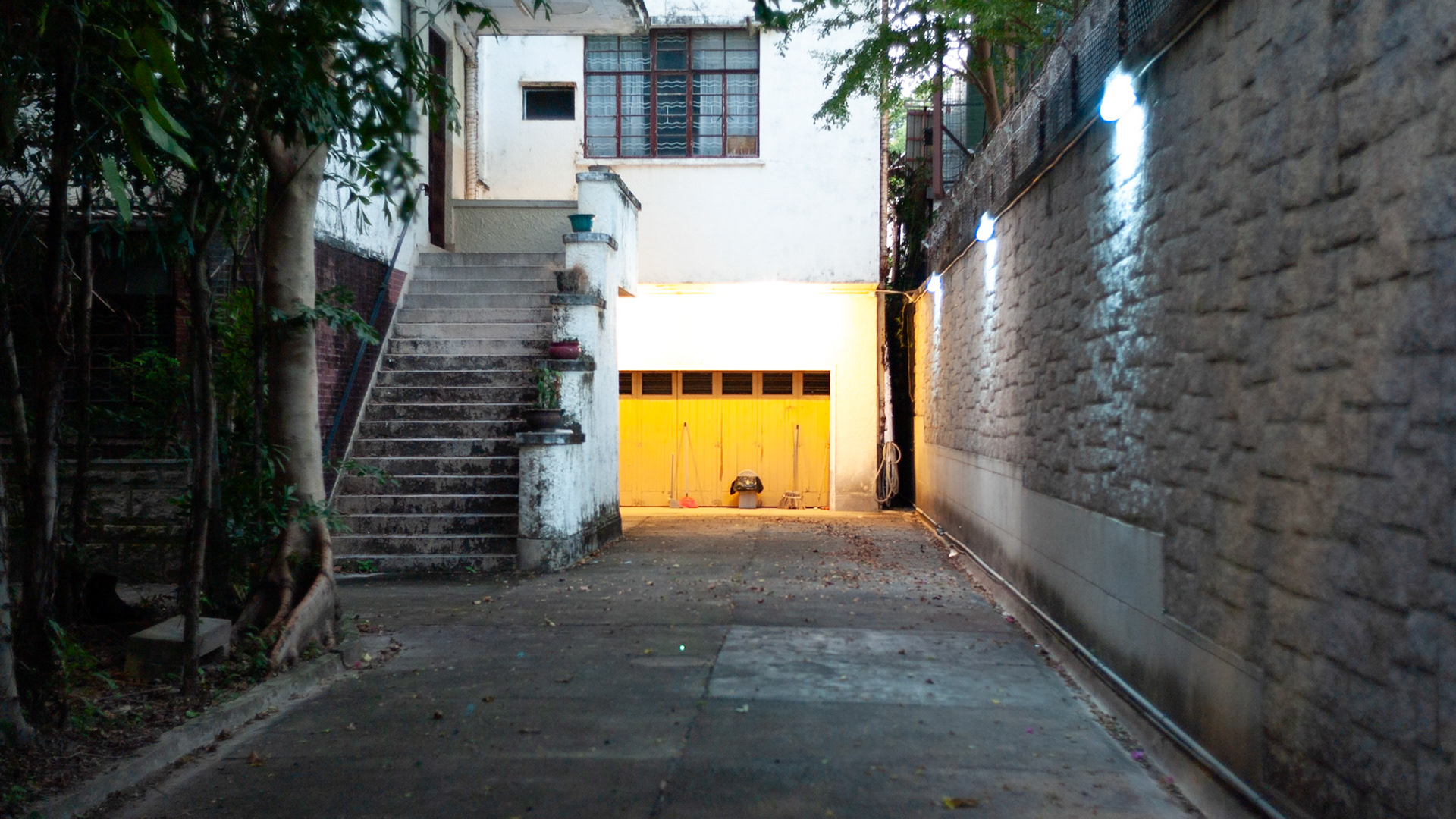
Hong Kong - Leica M8

Hong Kong - Leica M8

Hong Kong - Leica M8
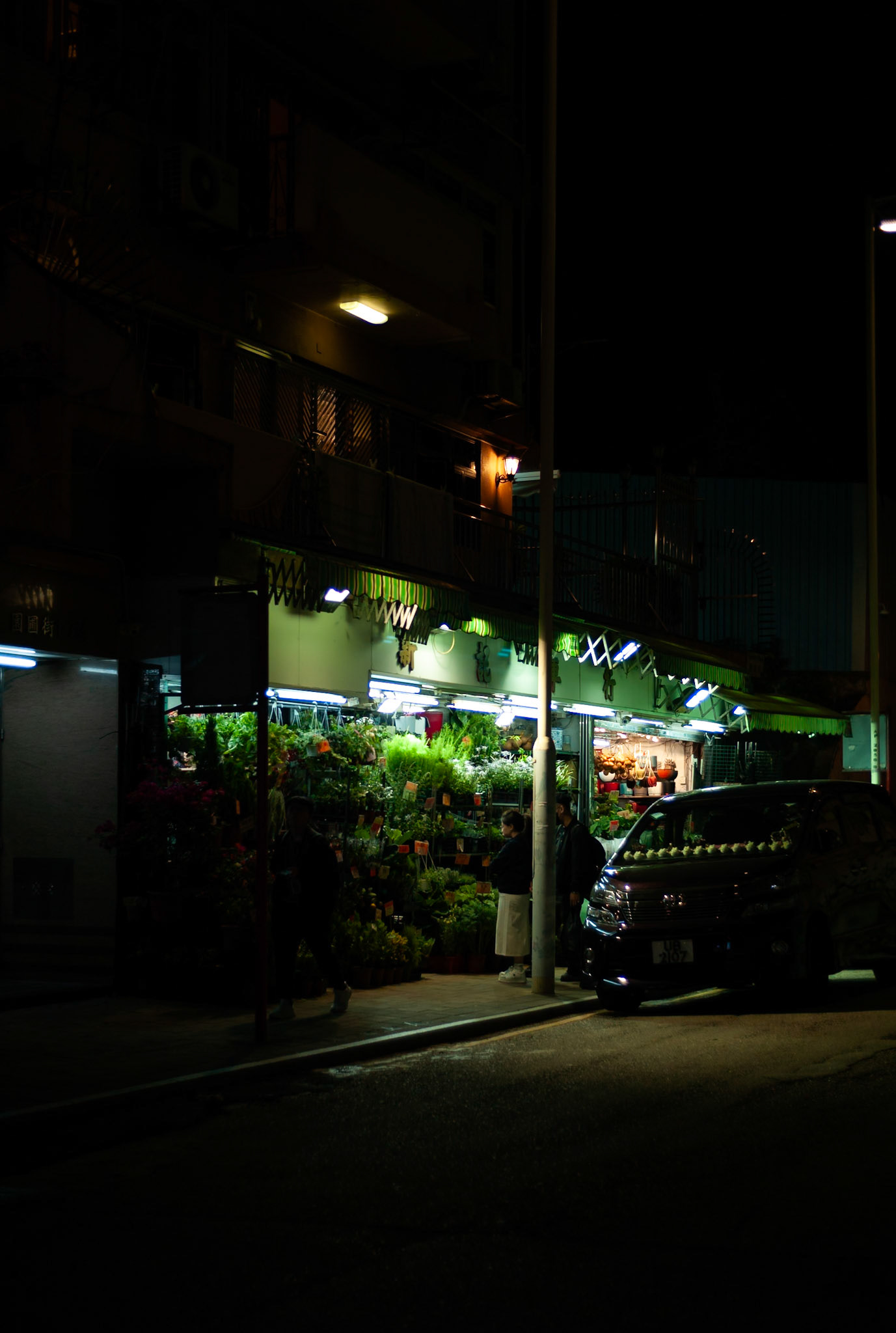
Hong Kong - Leica M8
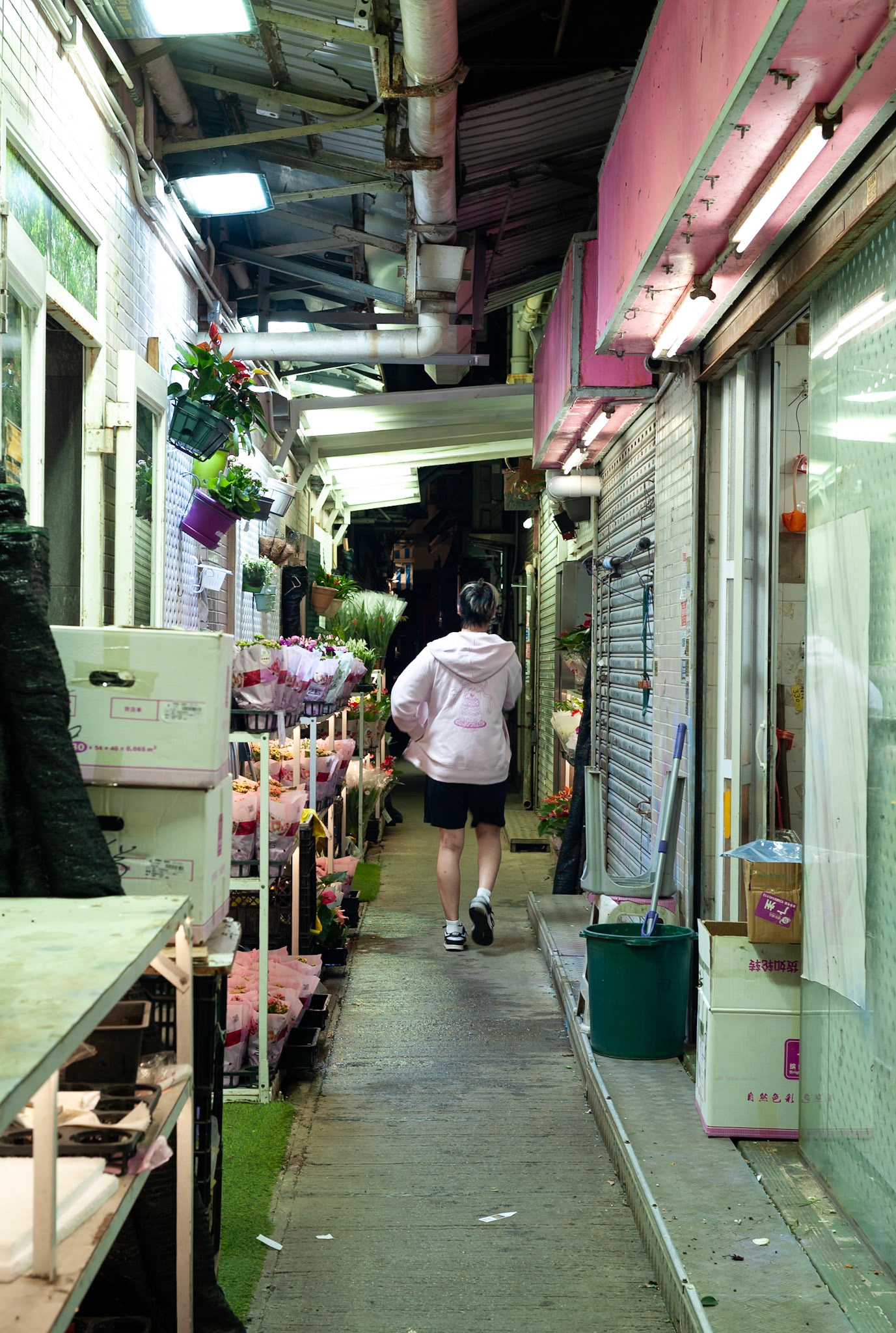
Hong Kong - Leica M8

Hong Kong - Leica M8

Hong Kong - Leica M8

Hong Kong - Leica M8

Hong Kong - Leica M8

Hong Kong - Leica M8

Hong Kong - Leica M8
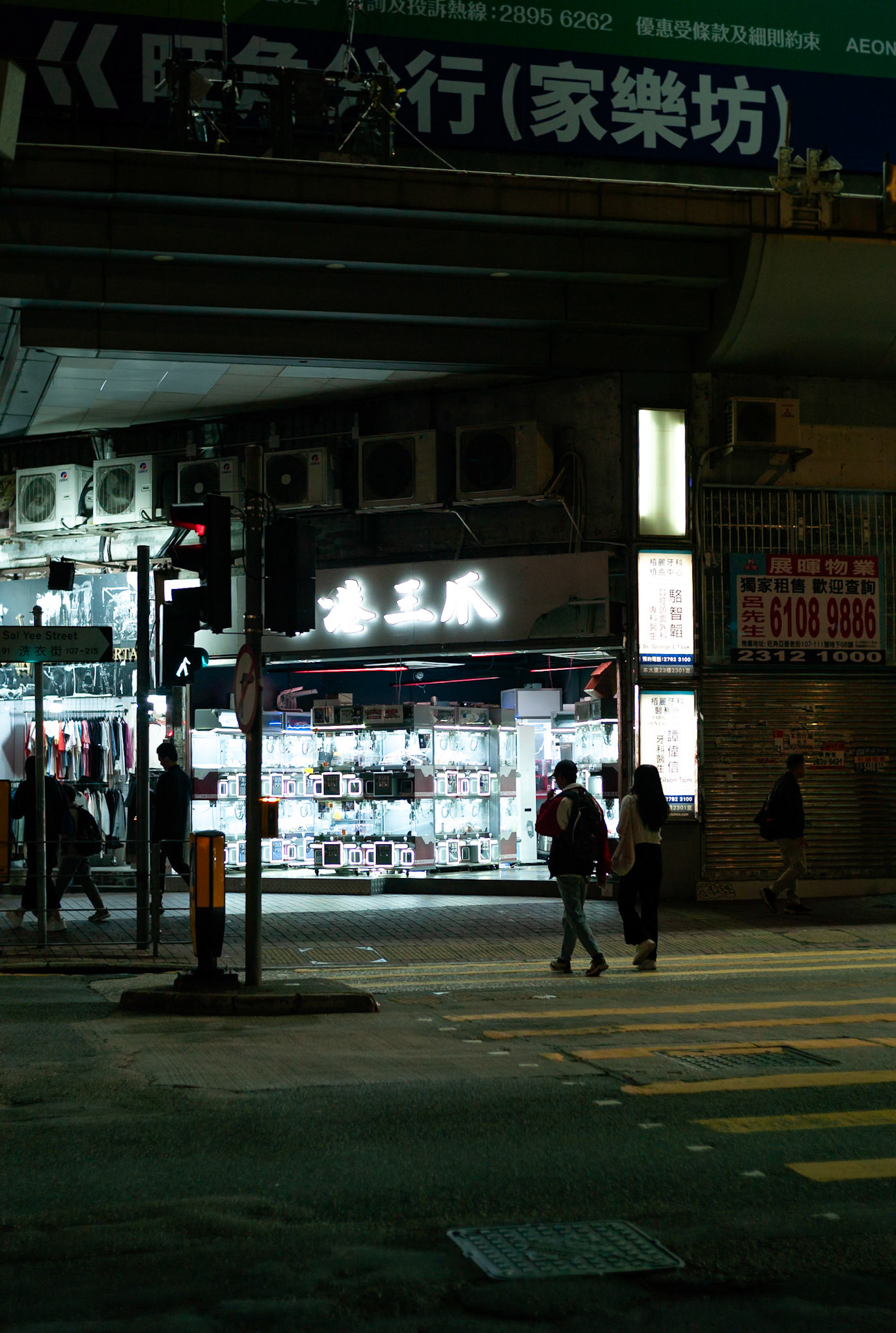
Hong Kong - Leica M8

Hong Kong - Leica M8
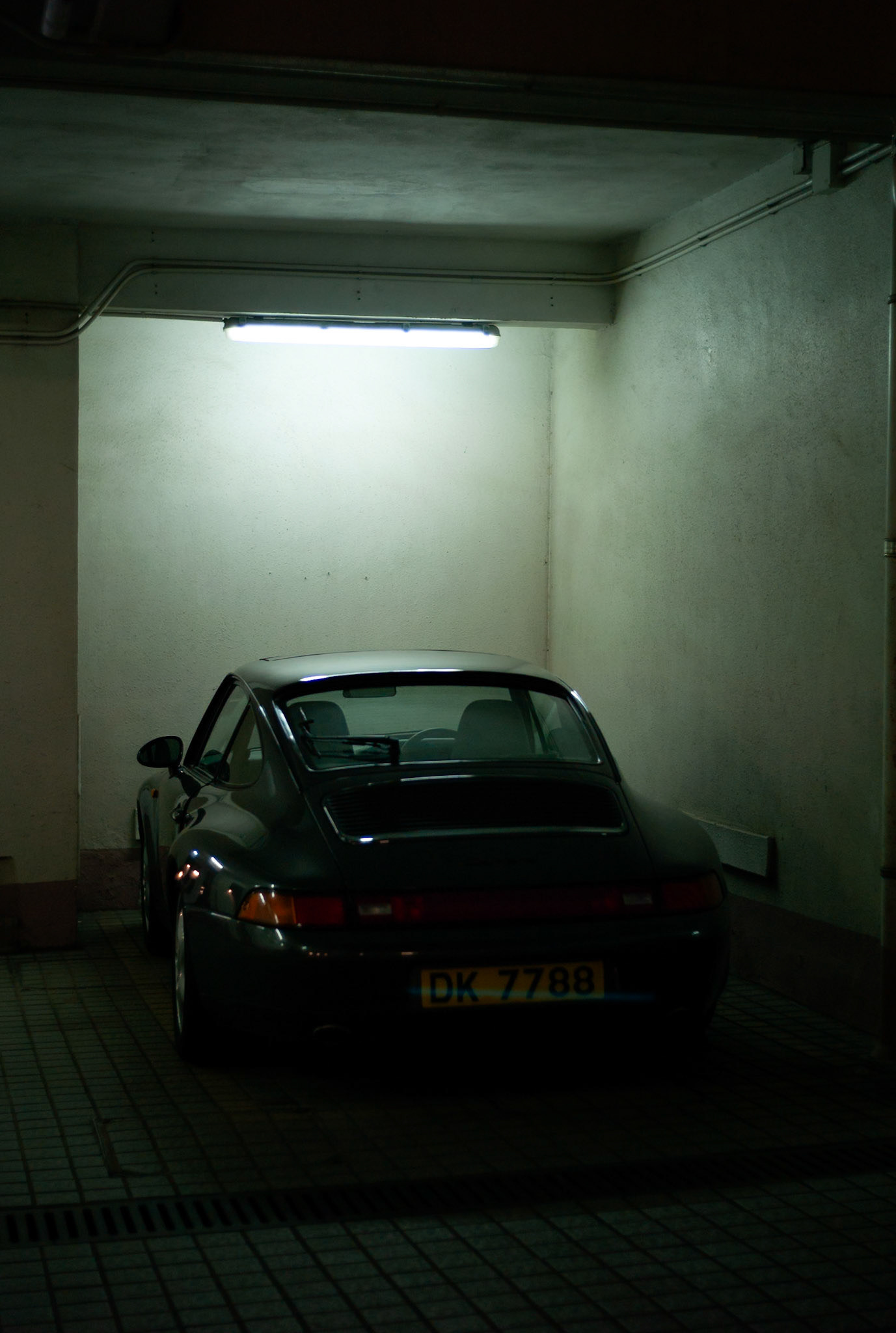
Hong Kong - Leica M8

Hong Kong - Leica M8
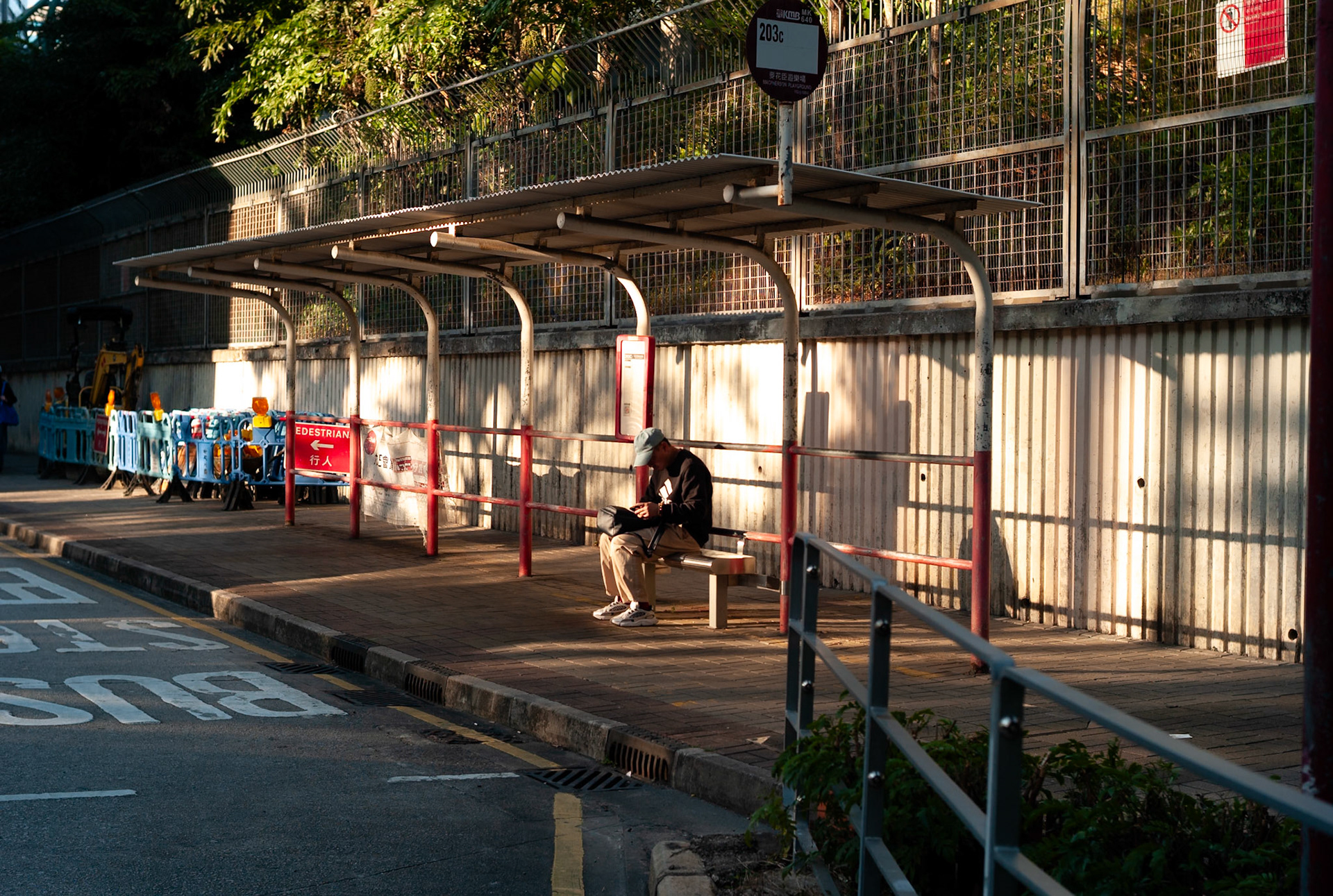
Hong Kong - Leica M8
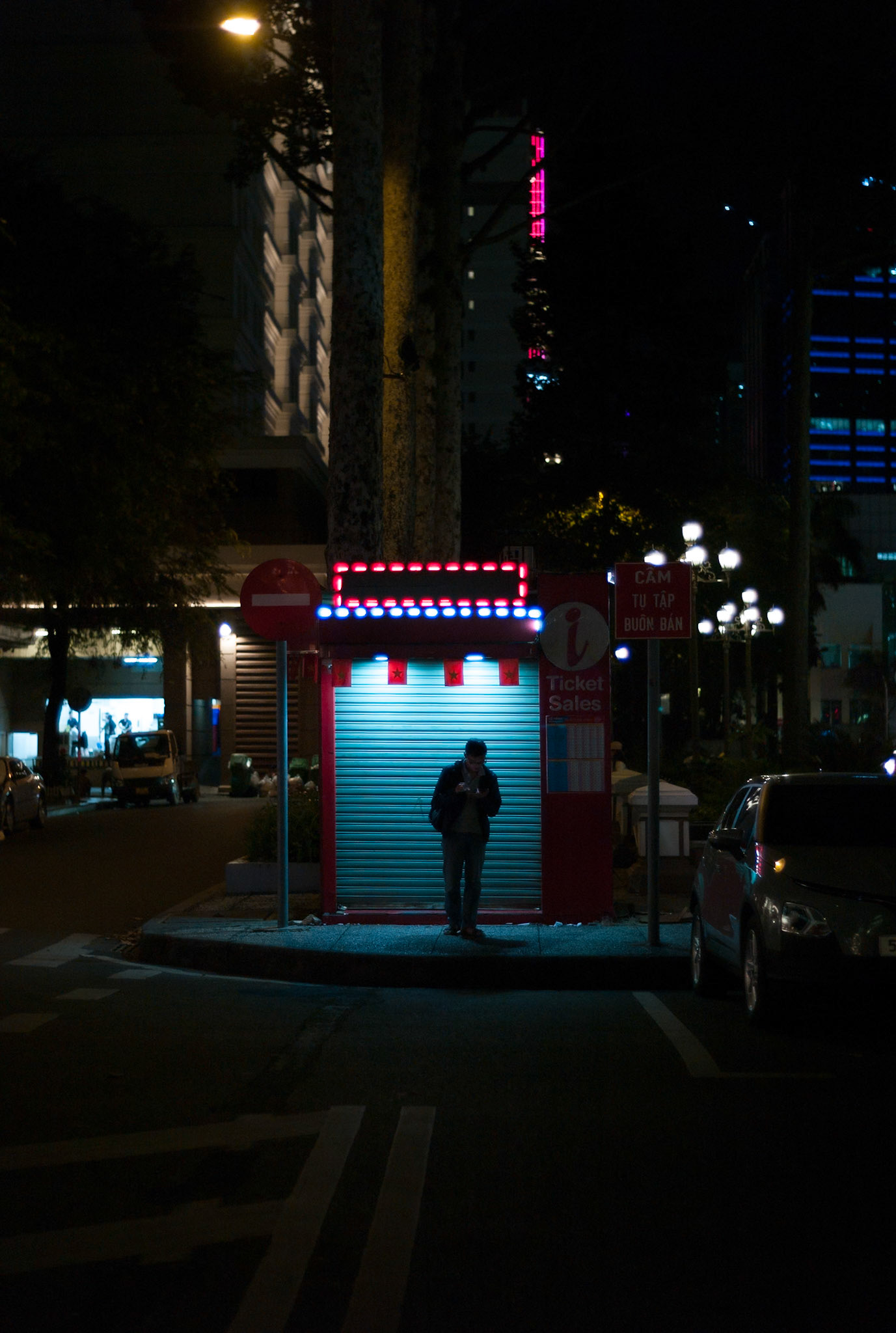
Saigon, Vietnam - Leica M8
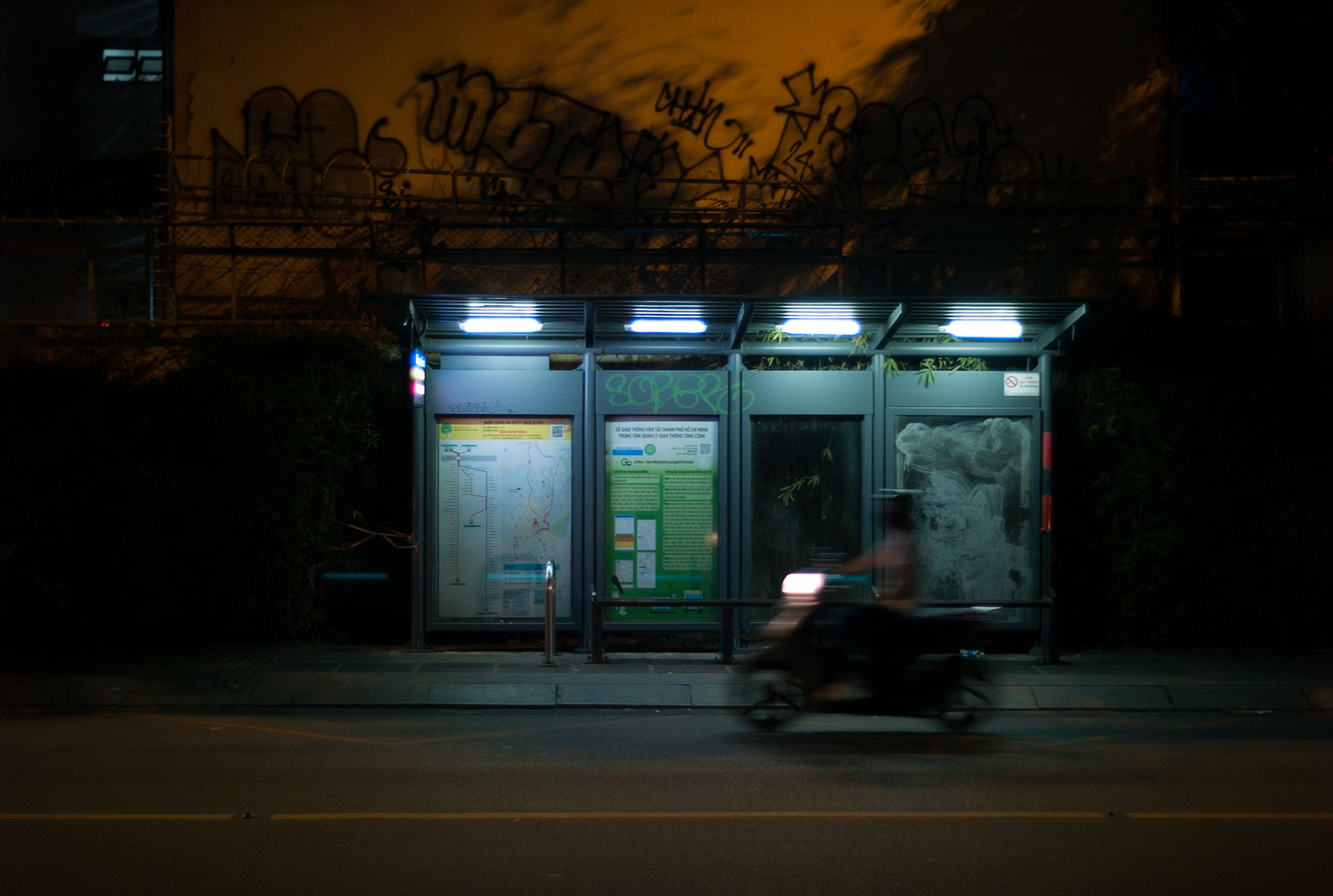
Saigon, Vietnam - Leica M8
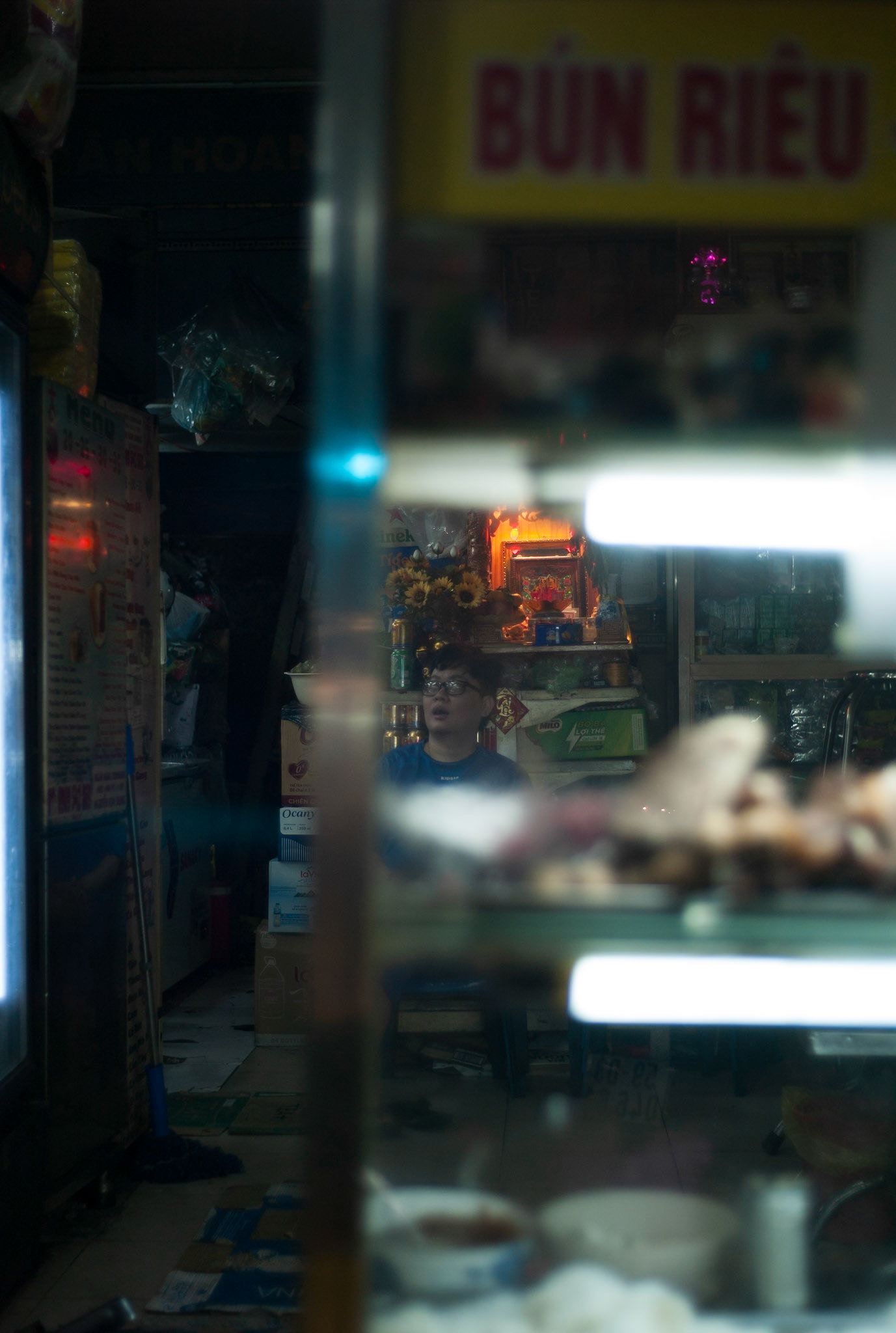
Saigon, Vietnam - Leica M8

Saigon, Vietnam - Leica M8

Saigon, Vietnam - Leica M8

Saigon, Vietnam - Leica M8

Hong Kong - Leica M8

Hong Kong - Leica M8

Hong Kong - Leica M8

Hong Kong - Leica M8
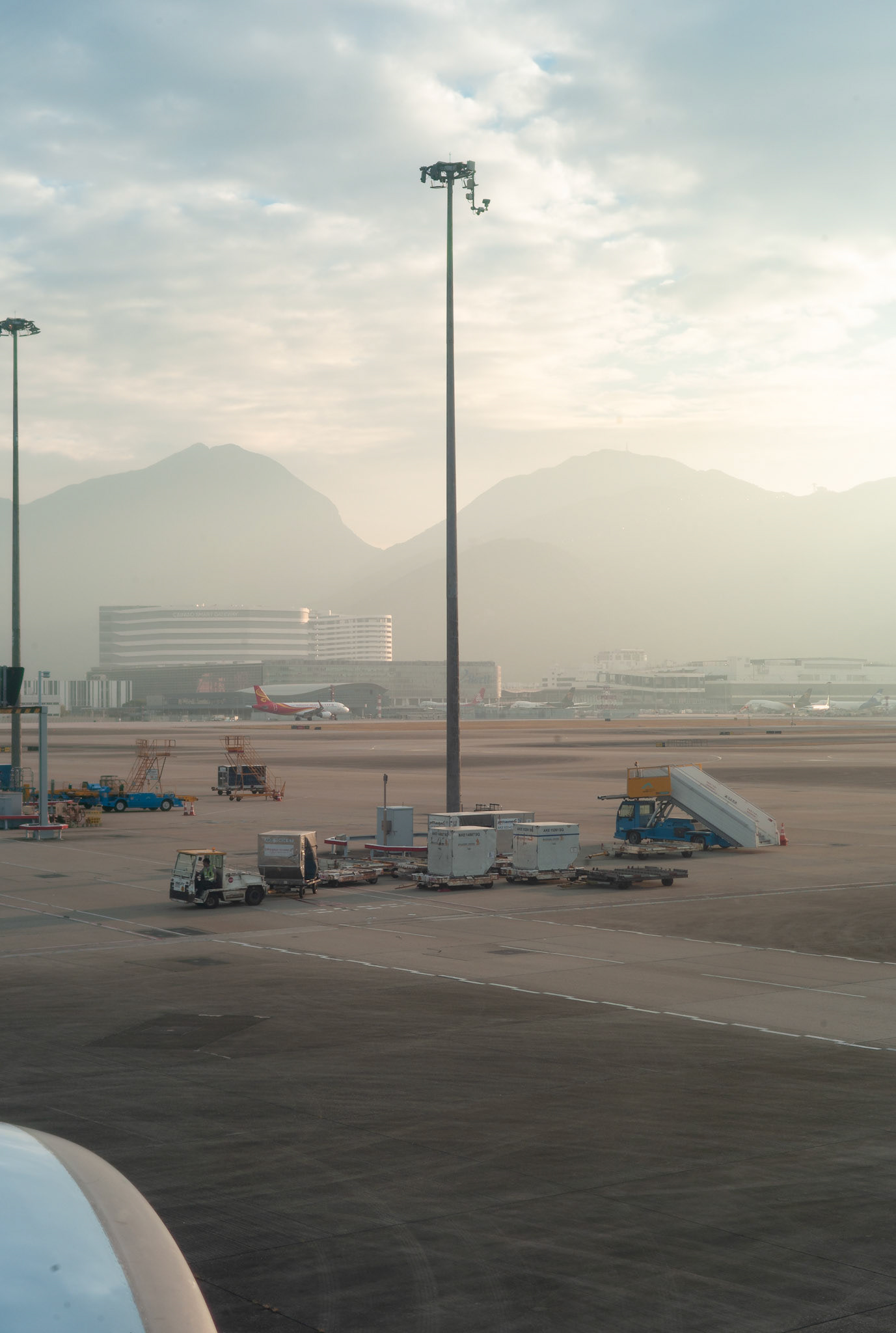
Hong Kong - Leica M8

Hong Kong - Leica M8


Saigon, Vietnam - Leica M8

Saigon, Vietnam - Leica M8

Saigon, Vietnam - Leica M8

Saigon, Vietnam - Leica M8

Saigon, Vietnam - Leica M8
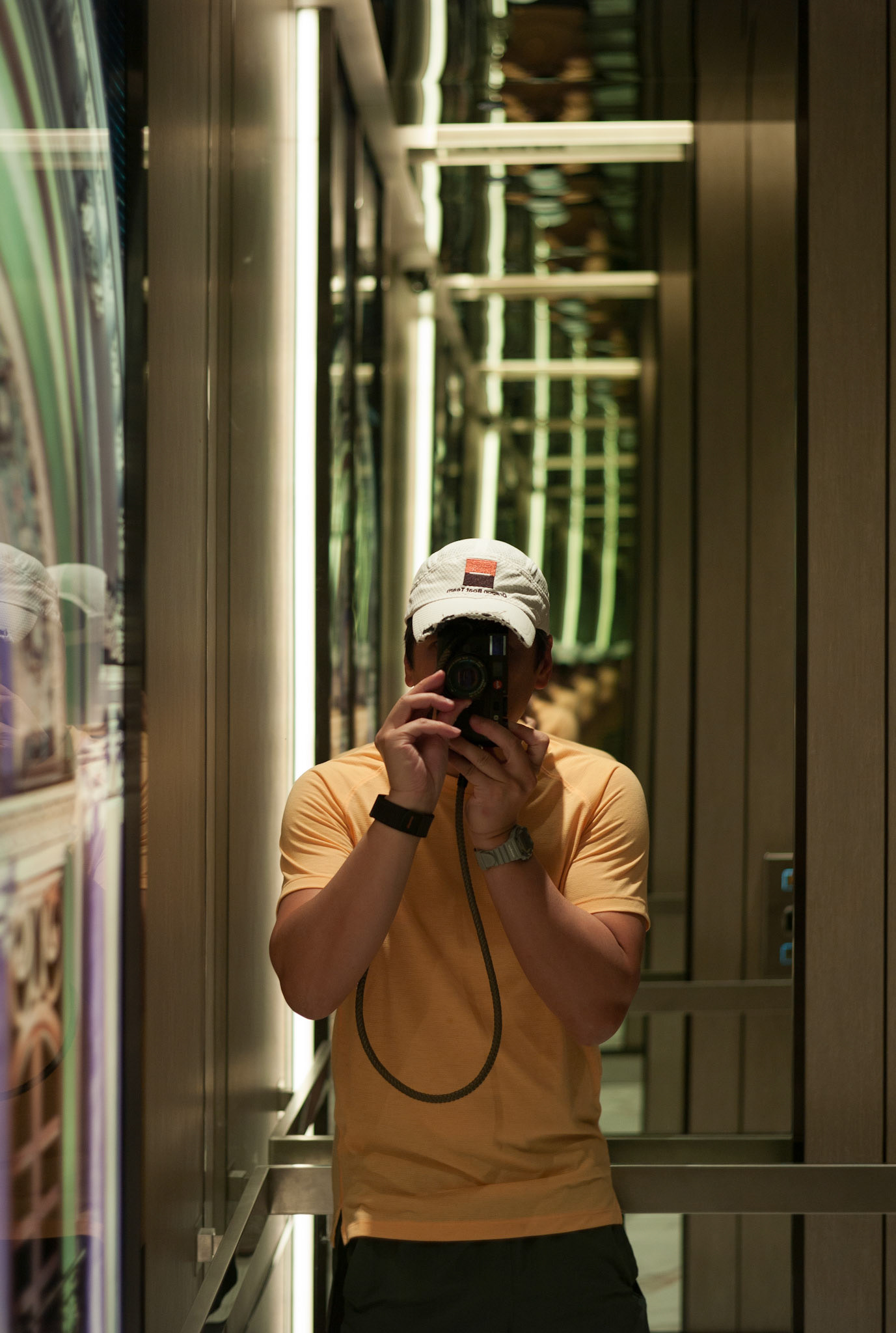
Saigon, Vietnam - Leica M8
Bonus round
Ever since getting the M8, I've shot nothing but the M8. Now I have a M8.2 too.
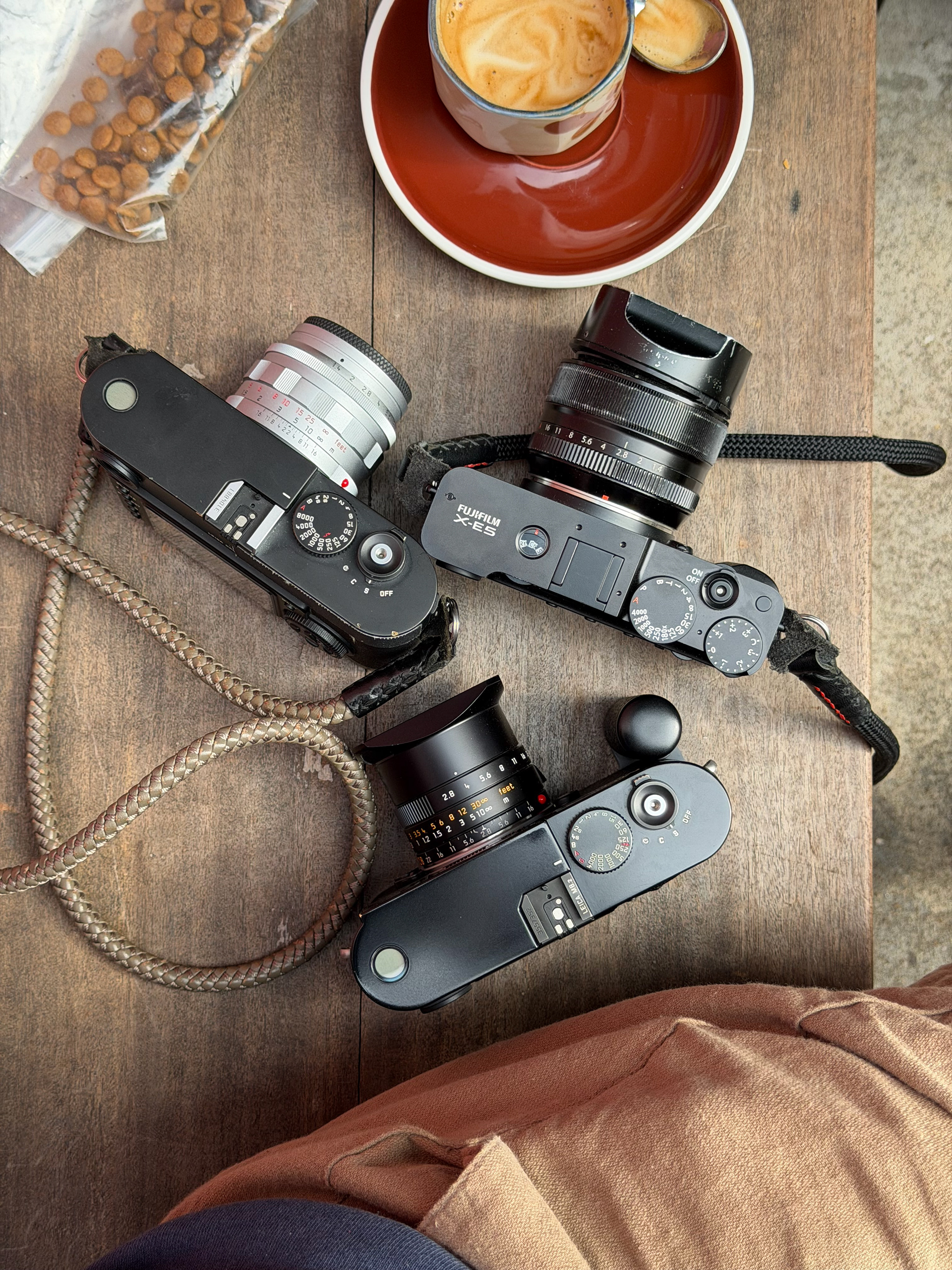
Leica M8 + Summilux 50mm F1.4 Reissue; Leica M8.2 + Elmarit 28mm F2.8

Leica M8 + Nokton 1.4/40mm; Leica M8.2 + Elmarit 28mm F2.8
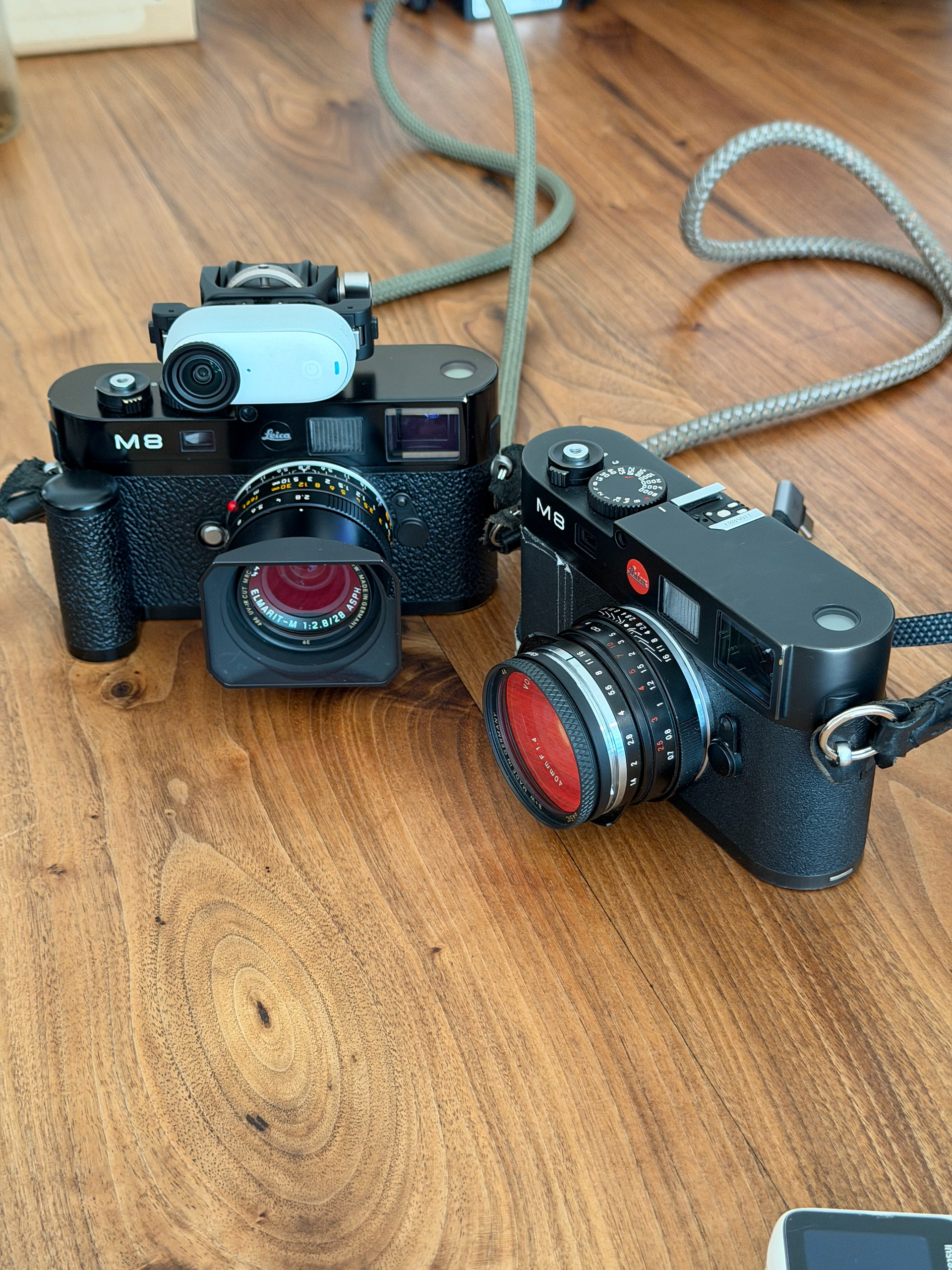
Leica M8 + Nokton 1.4/40mm; Leica M8.2 + Elmarit 28mm F2.8
Leica M8 (2006)
Glass LCD screen
-
0.7m distance calibration
-
1/8000s max shutter speed
1/250s flash sync speed
-
Black Chrome body
Leica M8.2 (2008)
Sapphire glass LCD screen
Brighter framelines
2m distance calibration
Upgraded quieter shutter
1/4000s max shutter speed
1/180s flash sync speed
Snapshot exposure mode
Glossy Black Paint body