I've been fortunate to travel far and wide, and in each location capture life, scenes and interests shared even wider. I do the same for Hong Kong but not in the same way, it doesn't get curated, it doesn't get shared because it is my life. But that does not make it any less interesting for others.
This is my Home Kong, this is my Hong Kong.
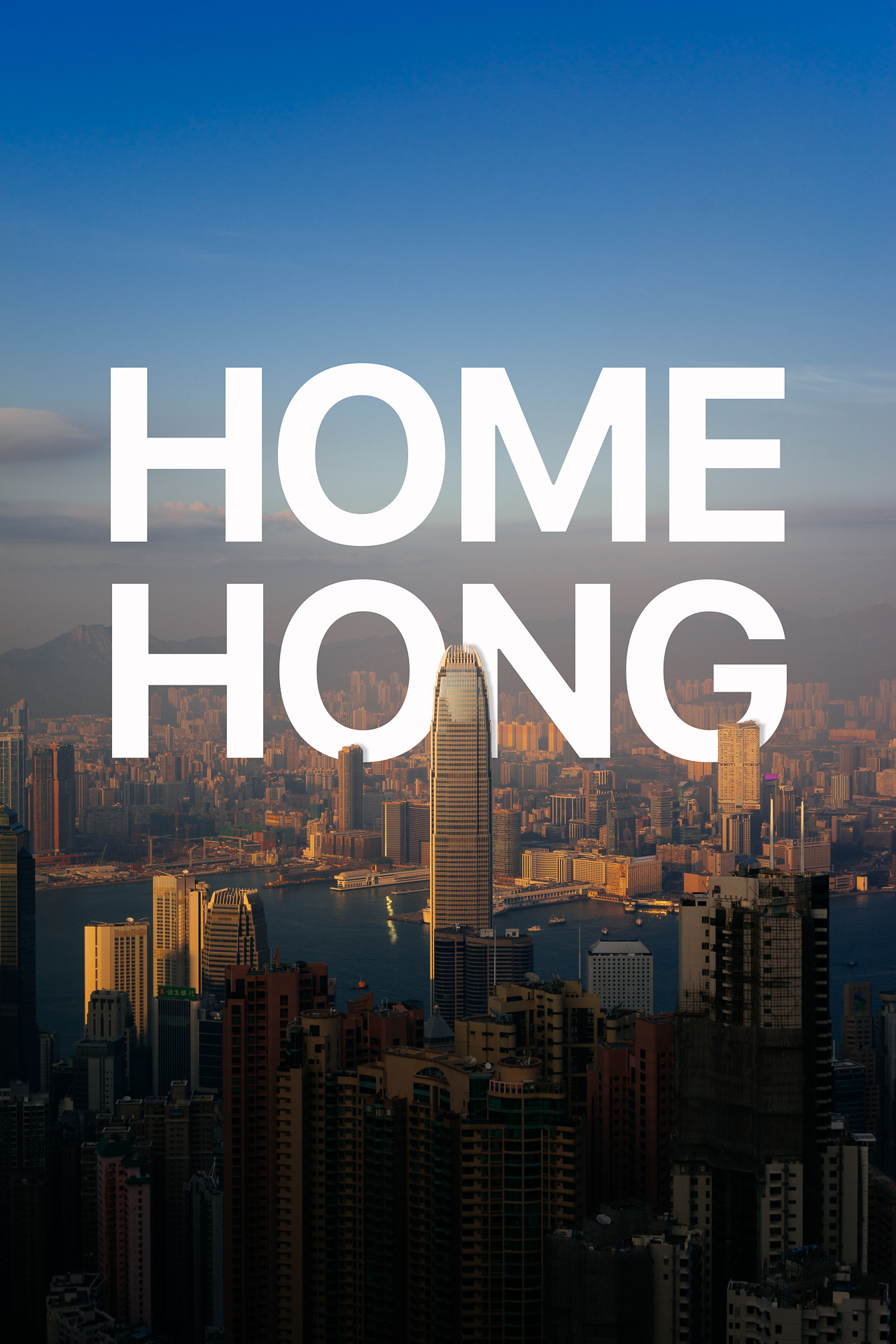
Hong Kong skyline - Sony A7R + Zeiss C Sonnar 1,5/50mm ZM
Hong Kong’s skyline is a masterclass in urban drama. A dense forest of neon, glass, and steel framed by the harbour and mountains. The classic postcard view from the Tsim Sha Tsui Promenade offers an unobstructed sweep across Victoria Harbour to the towering bank and corporate headquarters of Central, but the real magic happens during blue hour, when the city lights flicker on against a gradient of indigo and violet.
For a higher perspective, head up to The Peak at sunset; the layers of skyscrapers melt into a golden haze before transforming into a galaxy of LEDs. Don’t overlook the less conventional angles—the gritty charm of the old Kai Tak runway park or the reflections in the International Commerce Centre’s glass. A tripod is essential after dark to capture the Symphony of Lights in crisp, glowing trails, turning one of the world’s most iconic horizons into your own light-painted canvas.
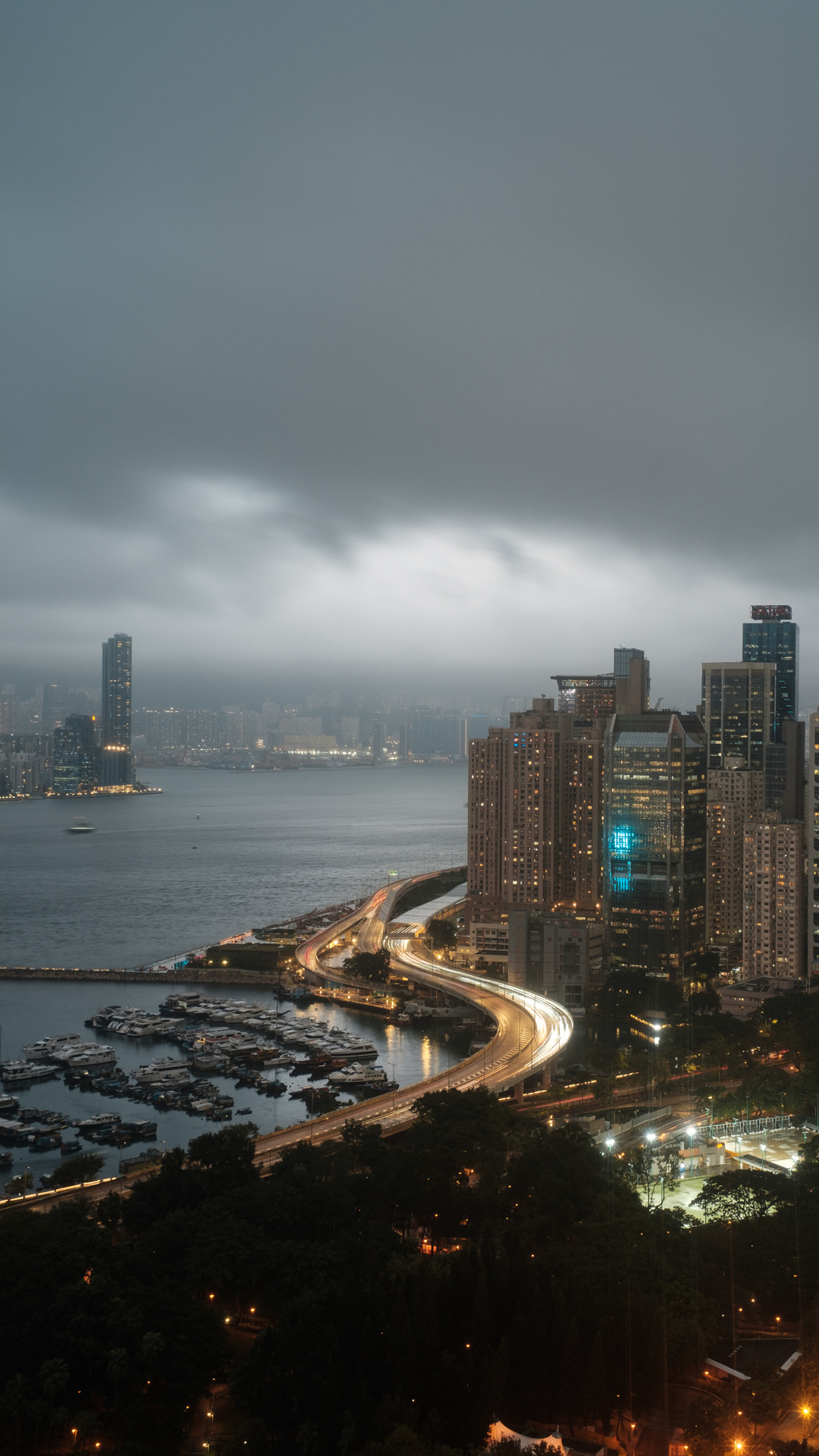
Causeway Bay - Fujifilm X-Pro2 + Voigtlander Nokton 27mm F/2
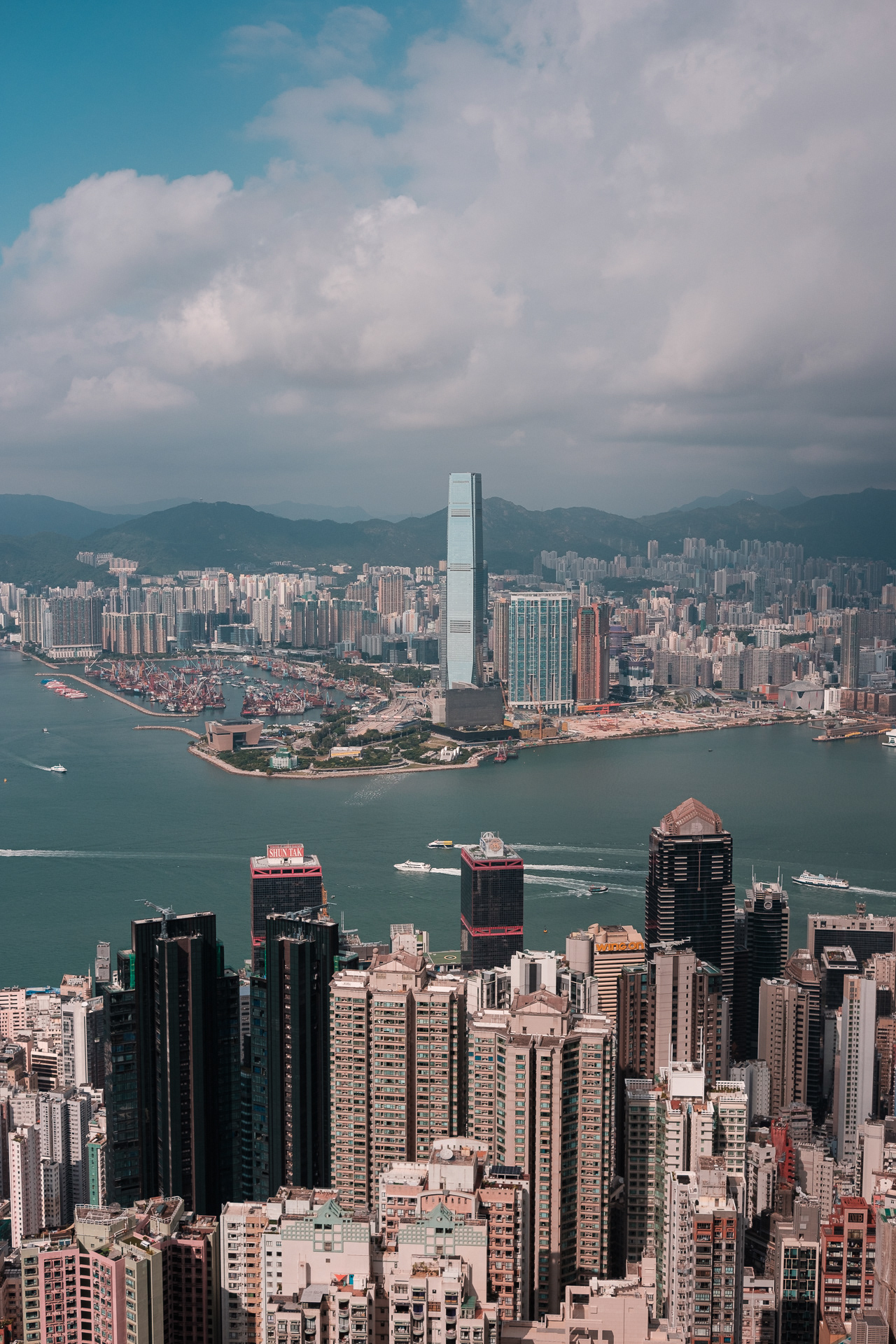
The Peak - Fujifilm X-Pro2 + Voigtlander Nokton 27mm F/2
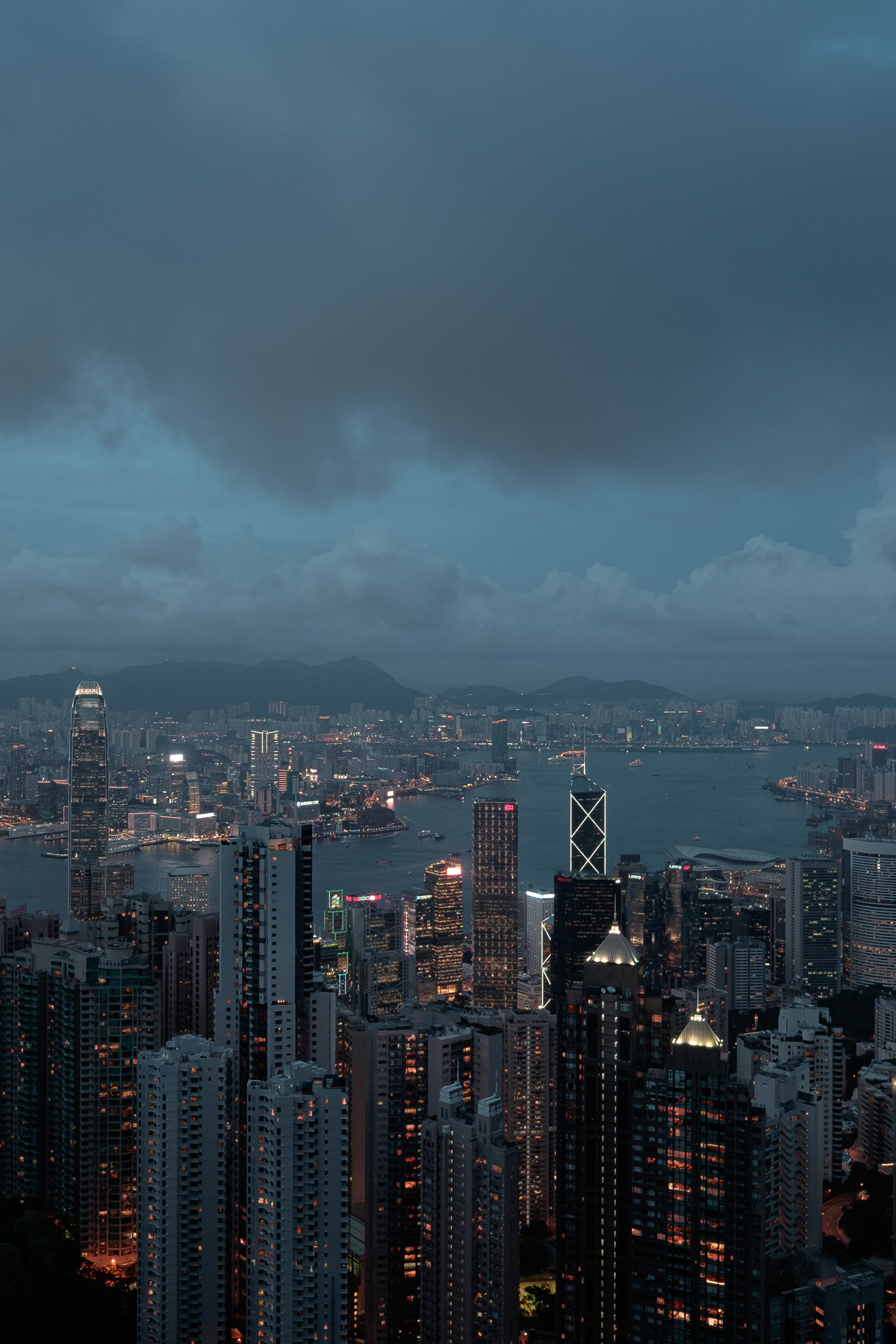
The Peak - Fujifilm X-T1 + XF14mm F/2.8
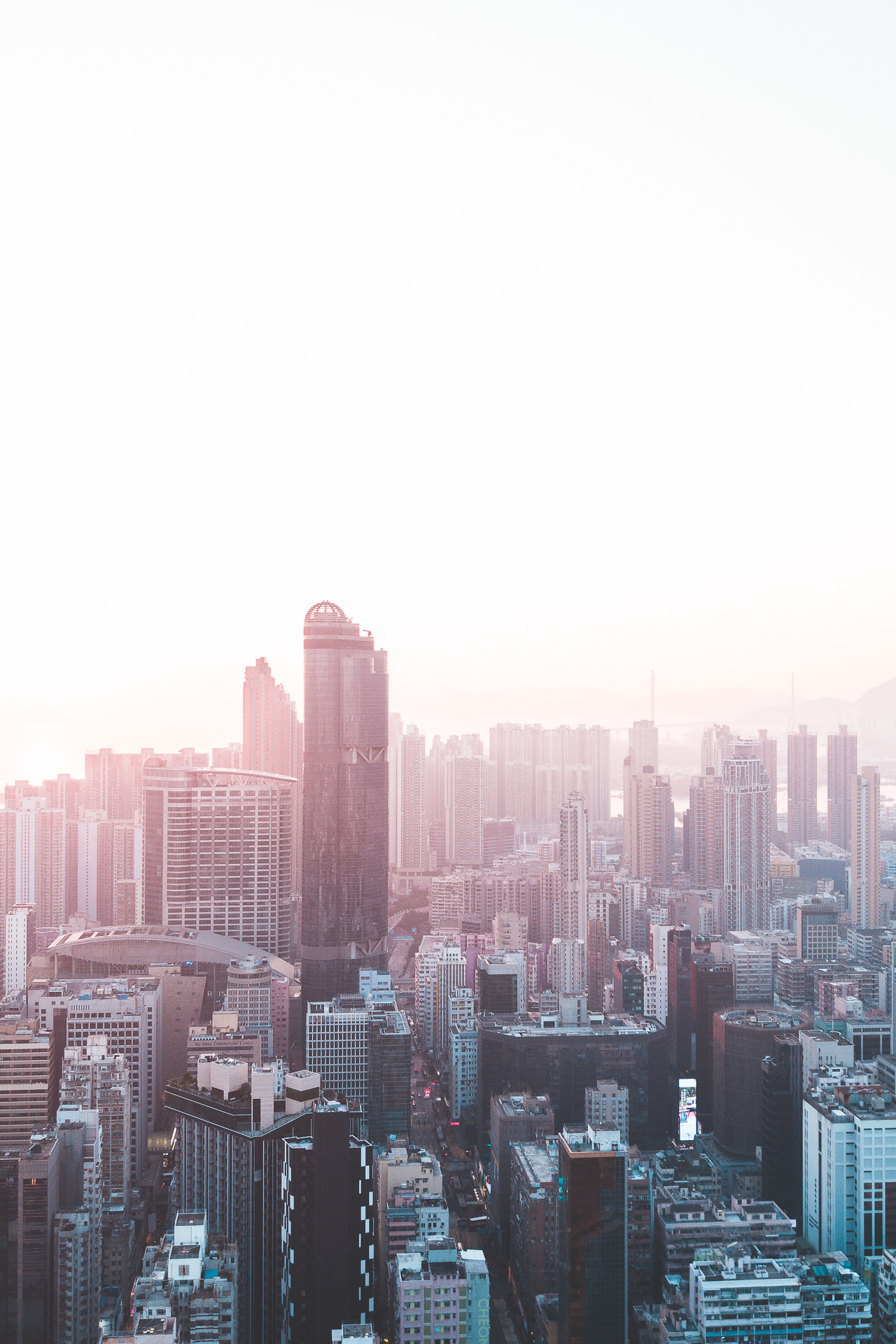
Mong Kok - DJI Mavic Pro
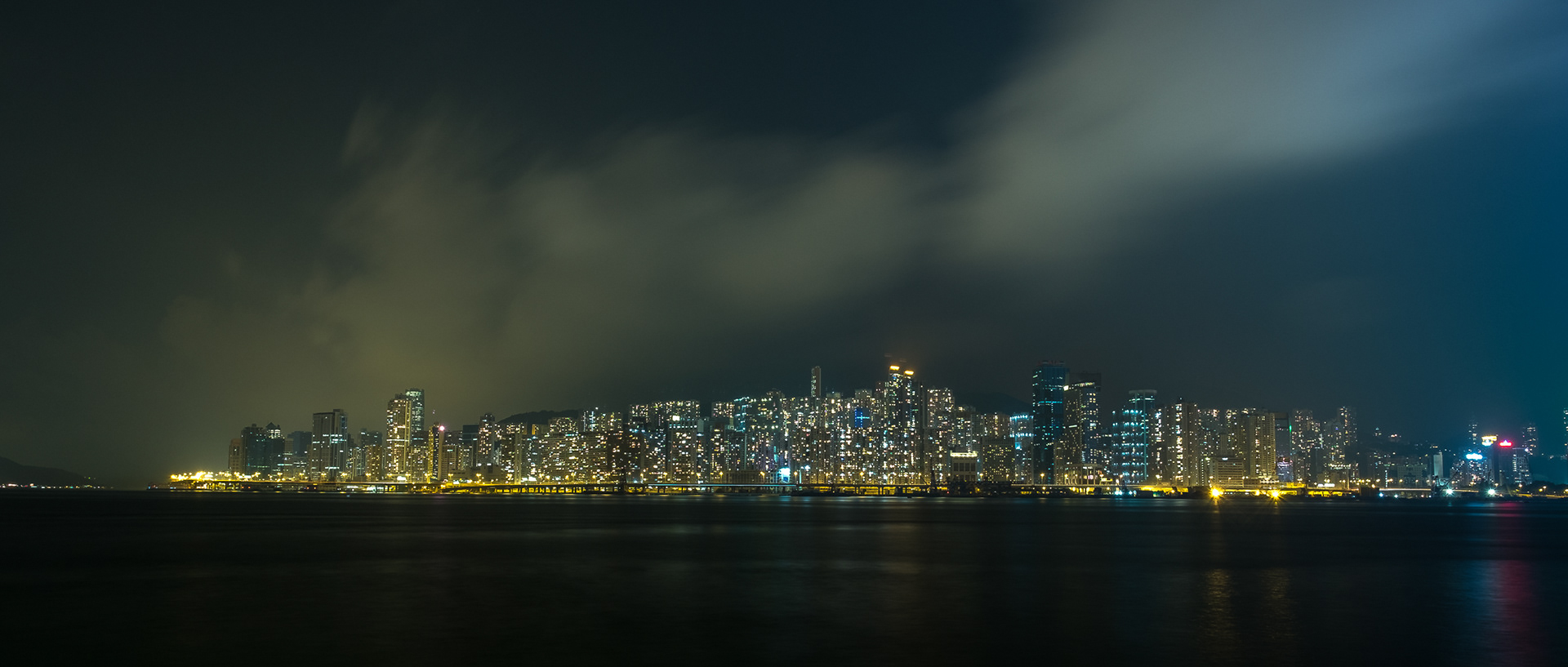
Hong Kong Island from Hung Hom - Fujifilm X-E1 + XF14mm F/2.8
Hong Kong’s waters and coastline are a revelation emerald bays, volcanic sea arches, and scattered islands turn the South China Sea into a photographer’s playground. Start on a red-sail junk at golden hour, when low sun gilds the harbour and tradition meets modernity in one frame. Head east to the rugged Sai Kung Peninsula for the hexagonal rock columns of the Geopark and the white sands of Tai Long Wan.
From sunrise silhouettes of fishing boats to long-exposure veils over rocky shelves, the shoreline offers a striking, salt-laced contrast to the city’s vertical fame.
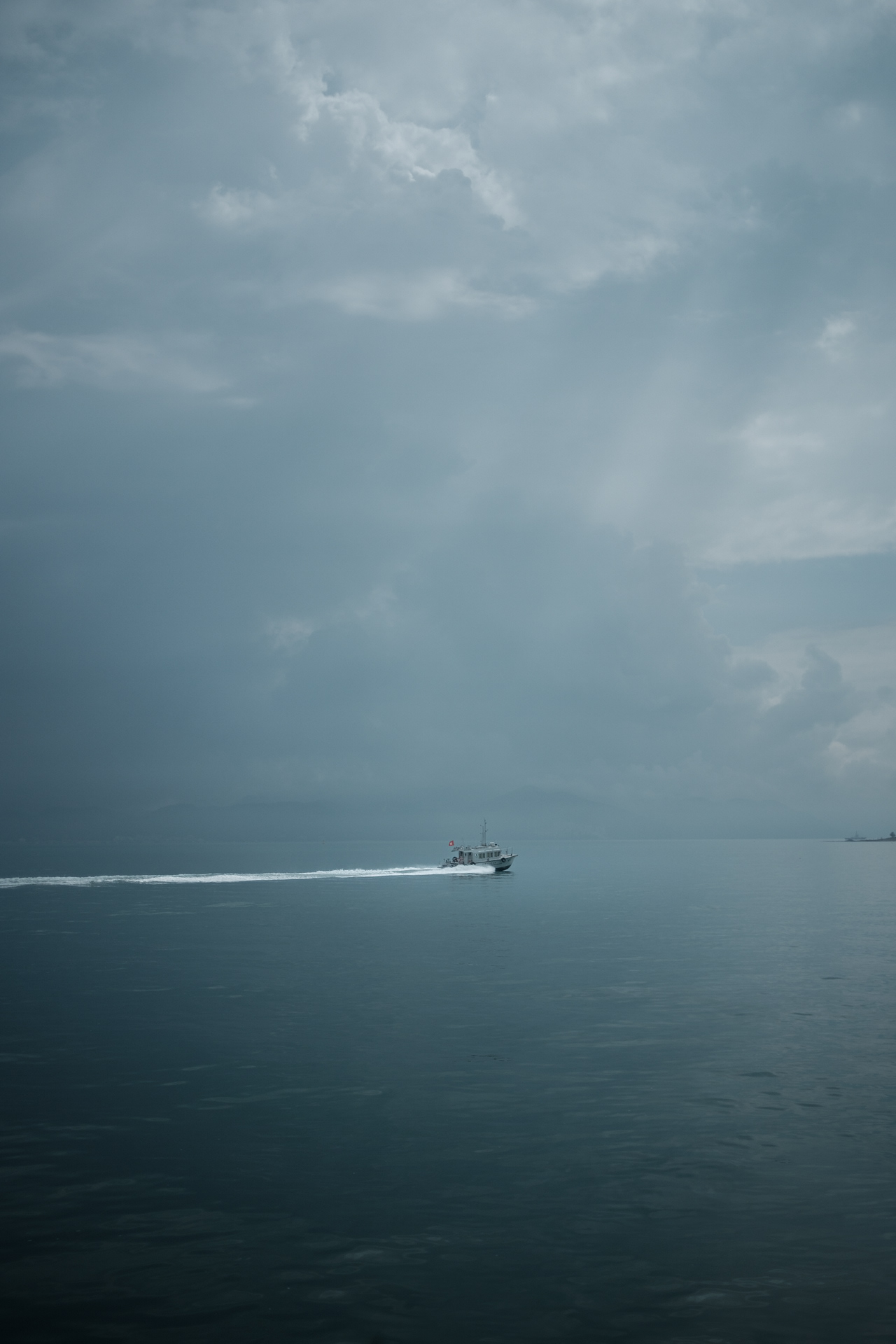
Speedboat - Fujifilm X-Pro2 - Voigtlander Nokton 27mm F/2
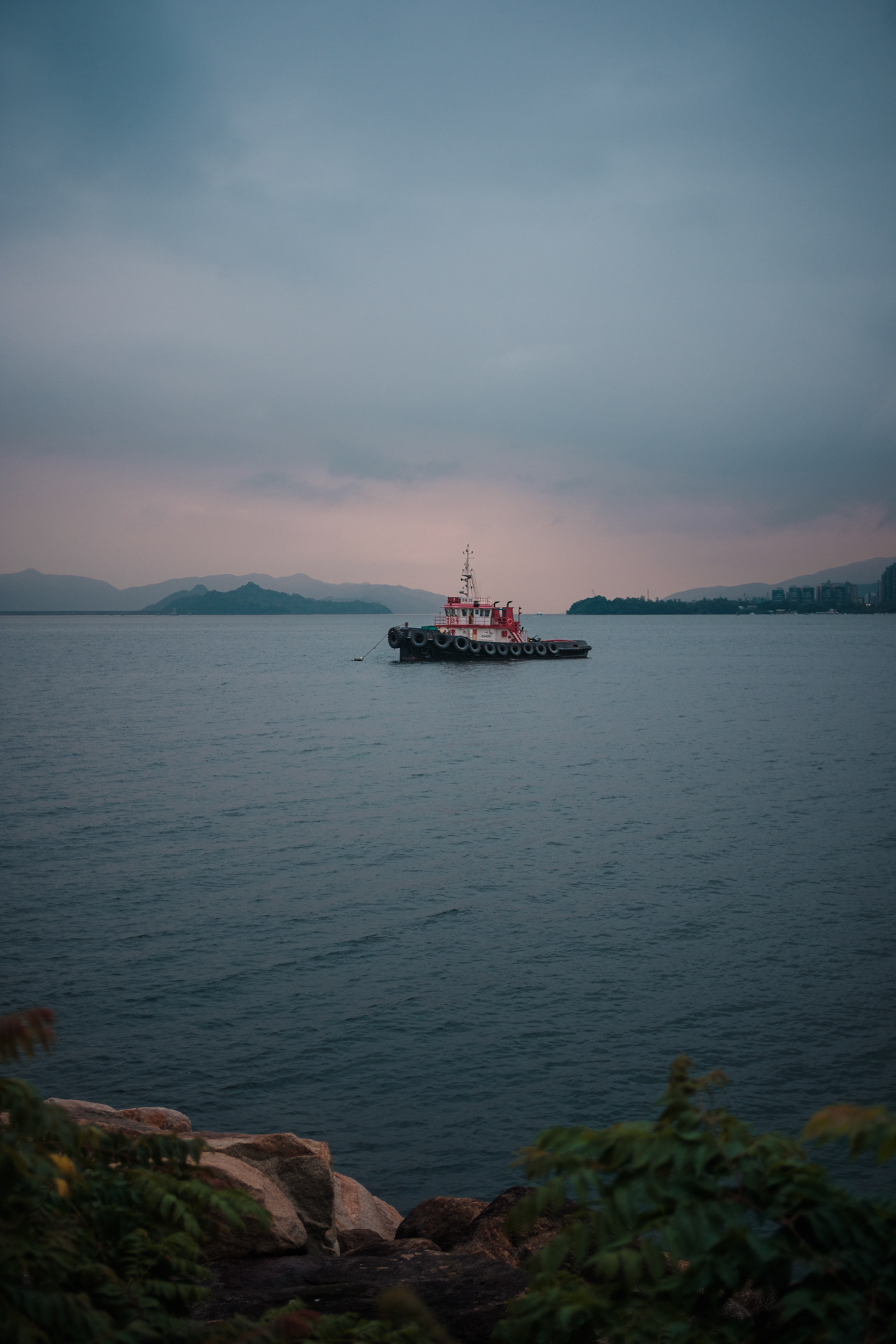
Boat - Fujifilm X-Pro2 - Voigtlander Nokton 27mm F/2
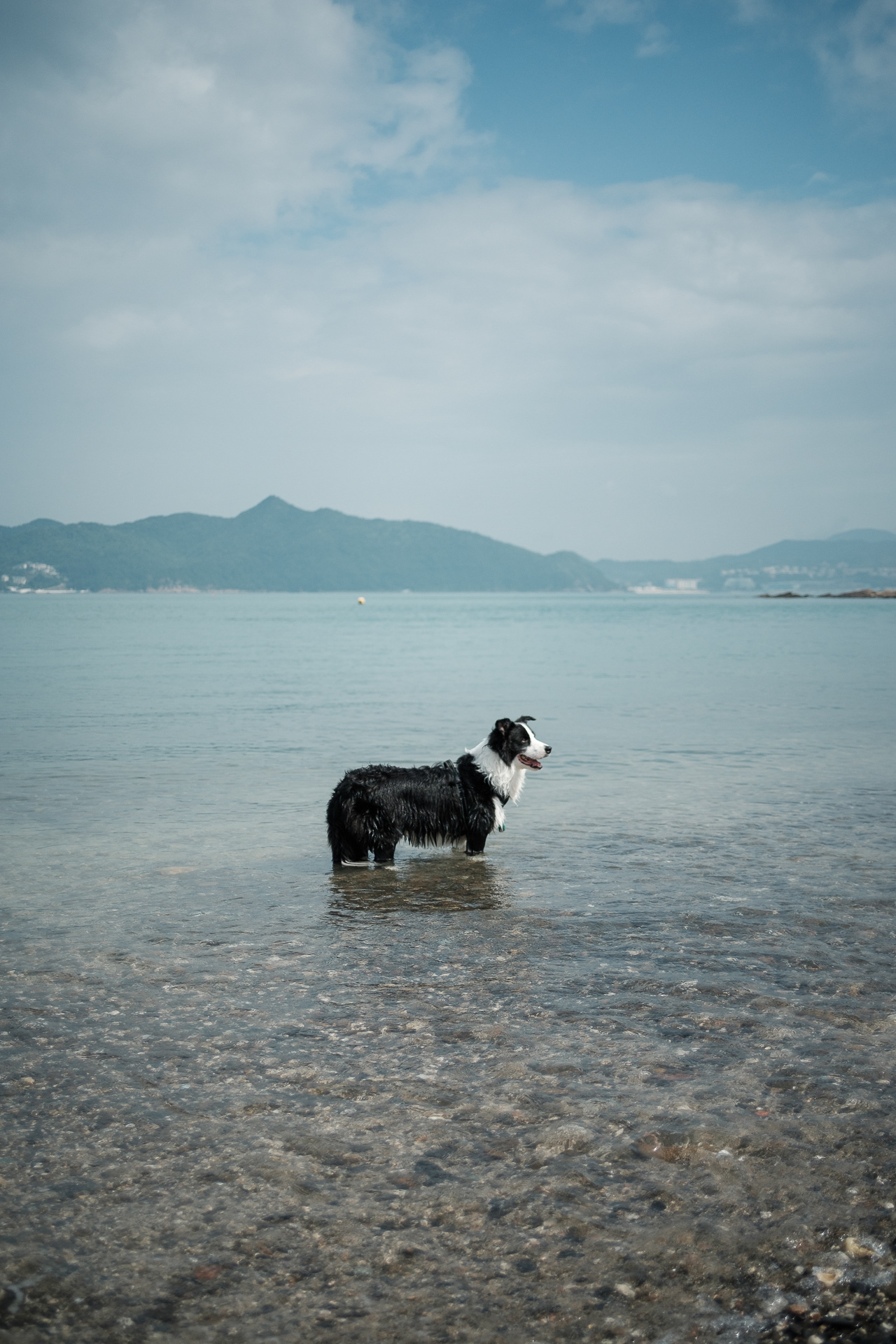
Border Collie - Ricoh GRIII
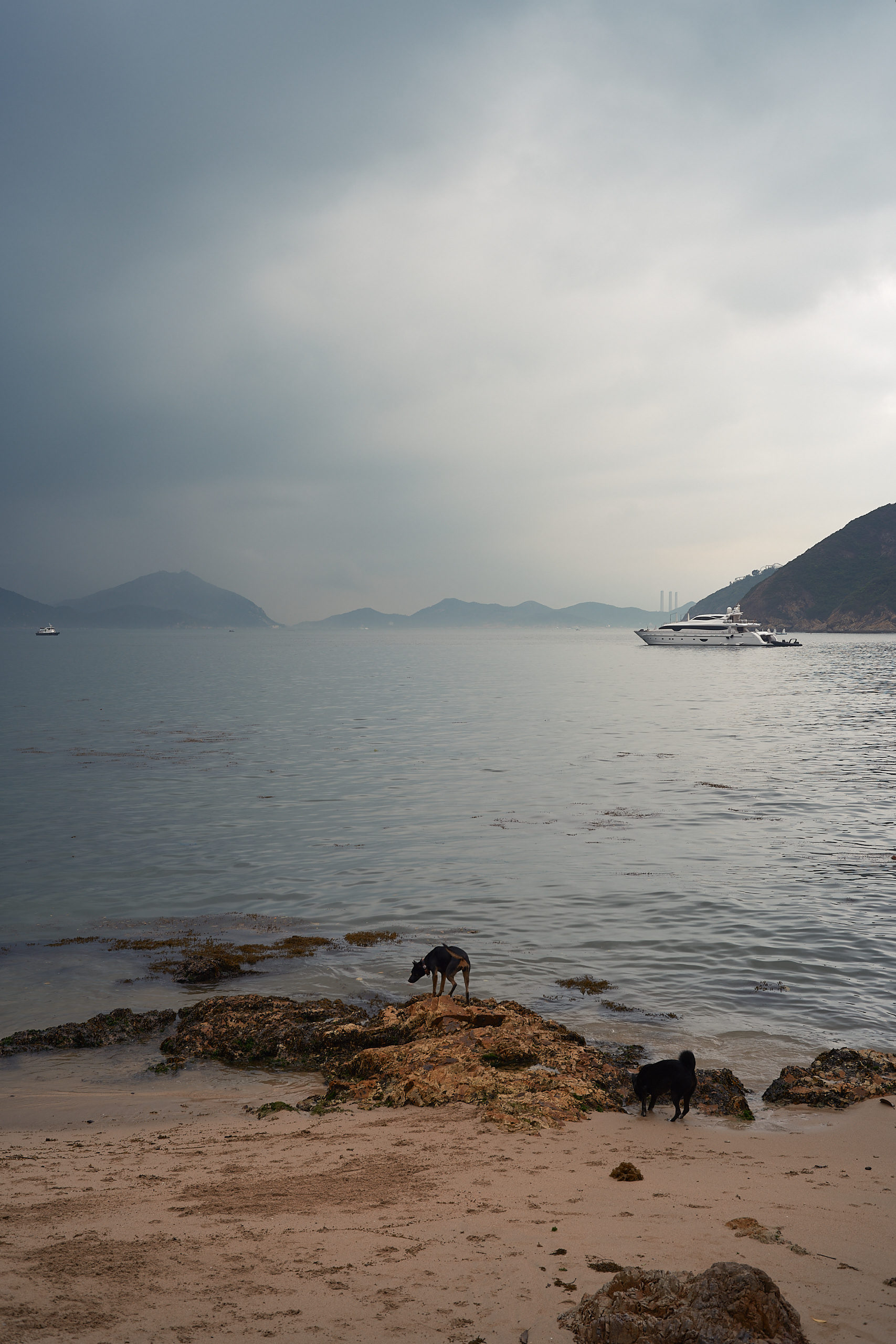
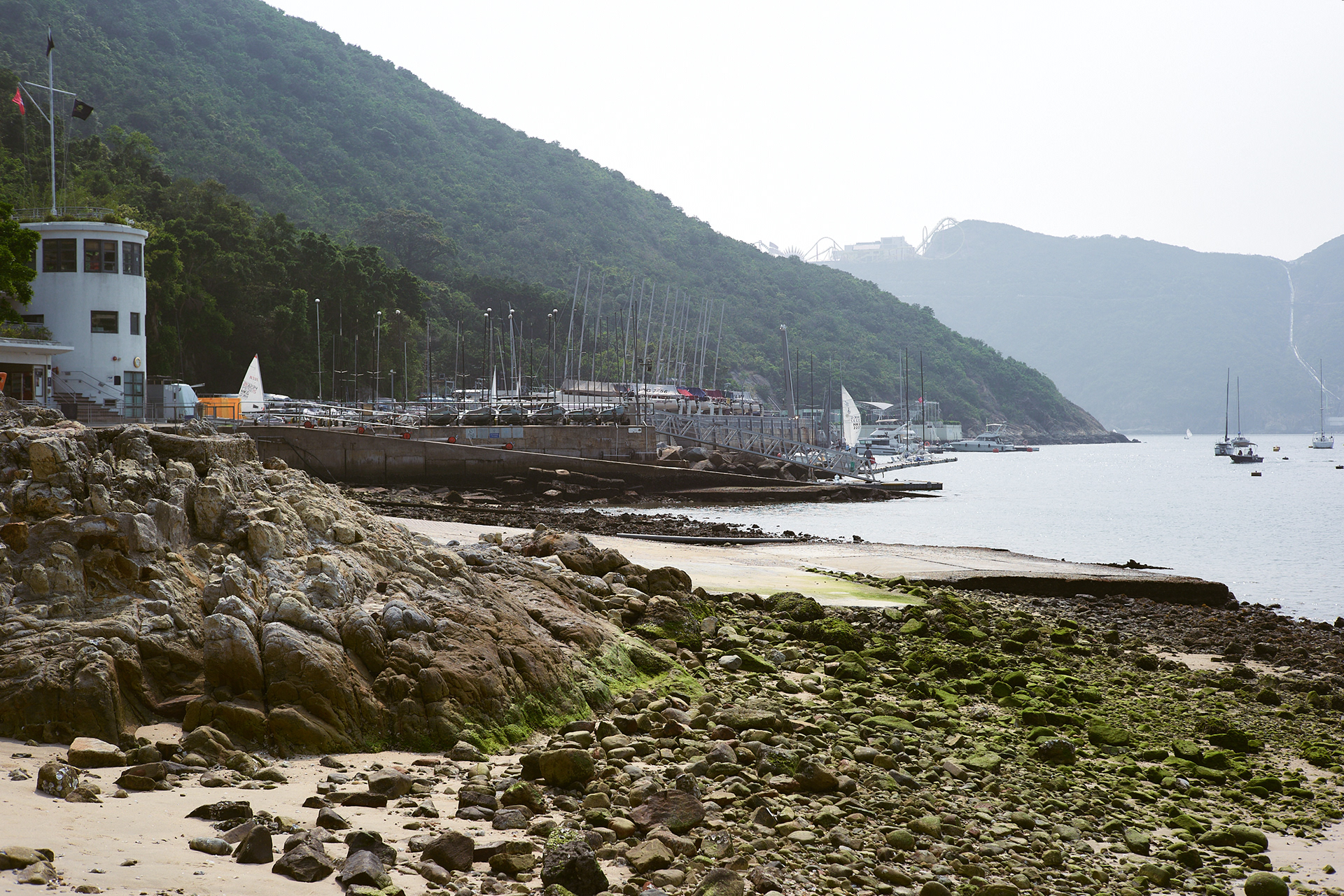
Repulse Bay - Leica SL2-S + Voigtlander Nokton 40mm F/1.4
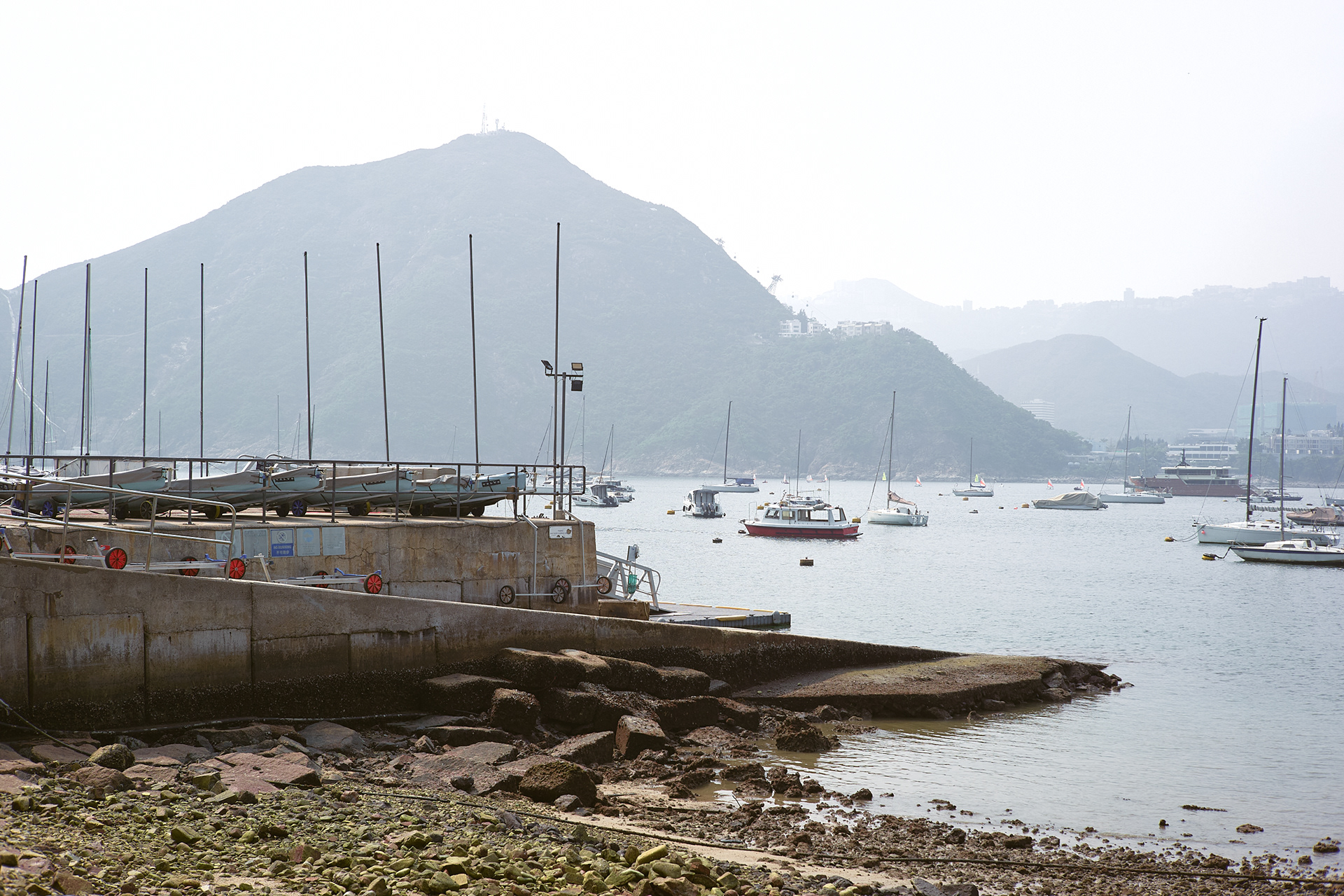
Middle Island - Leica M10-P Reporter + APO-Summicron 50mm F/2
Middle Island - Leica M10-P Reporter + APO-Summicron 50mm F/2
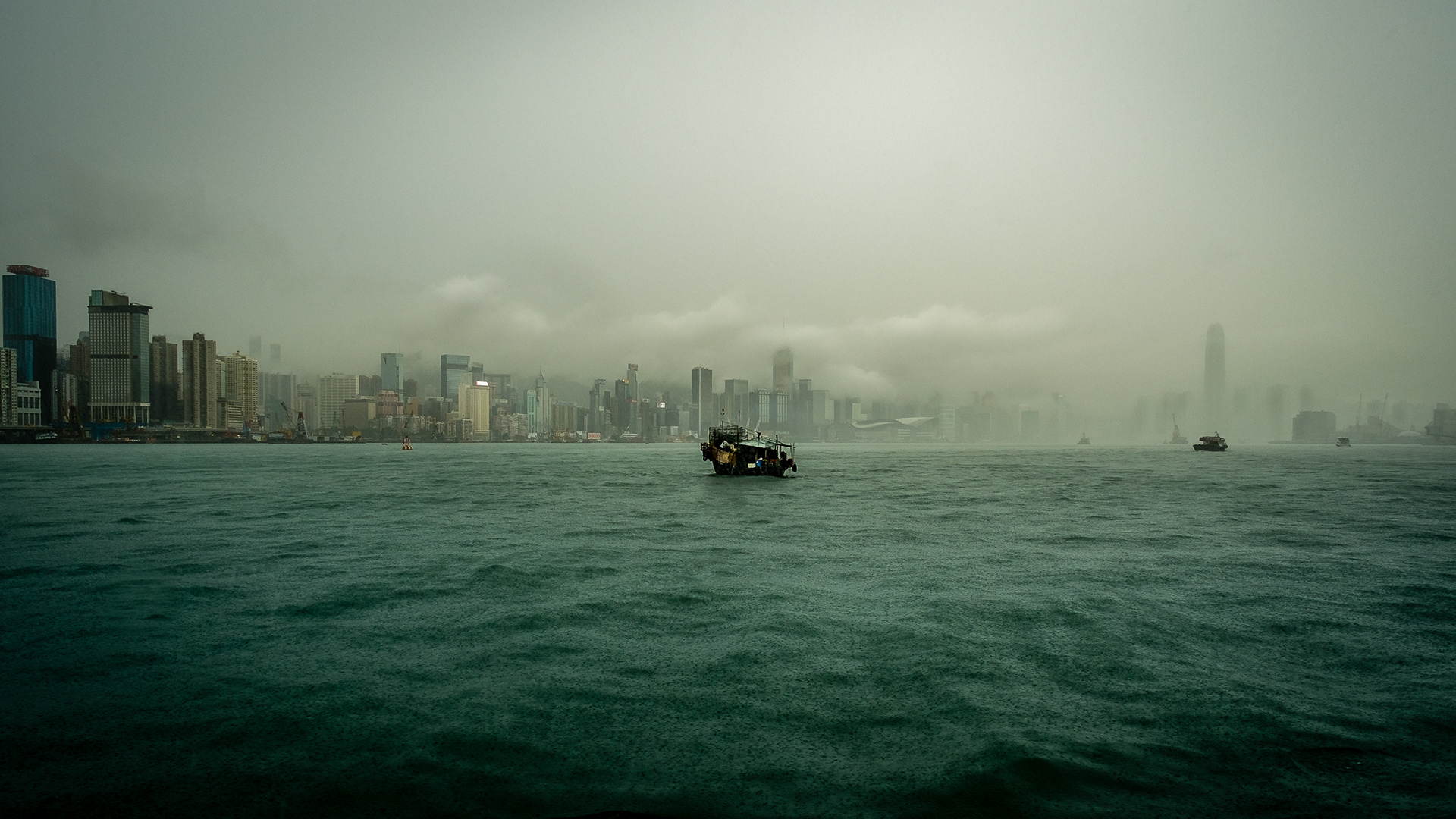
Victoria Harbour - Fujifilm X-E1 + XF14mm F/2.8
Kowloon from the Kai Tak Cruise Terminal offers a rare and expansive perspective—one that flips the classic postcard. From the old runway park, you frame the dense, glittering wall of East Kowloon’s towers across the water, with the harbour stretching wide in the foreground and Lion Rock rising hazily behind. It’s a panorama best savoured at sunset, when the buildings catch fire in orange and pink, their reflections smeared across the sheltered channel.
The terminal’s rooftop garden delivers a clean, elevated sightline free of the Tsim Sha Tsui crowds, while the grassy apron below allows for creative, low-angle compositions with passing sailboats. A wide-angle zoom is ideal to capture the sweep from Kwun Tong to Hung Hom; arrive early to claim a bench, and stay through blue hour as the district transforms into a dense, electric tapestry unmatched from any other shore.
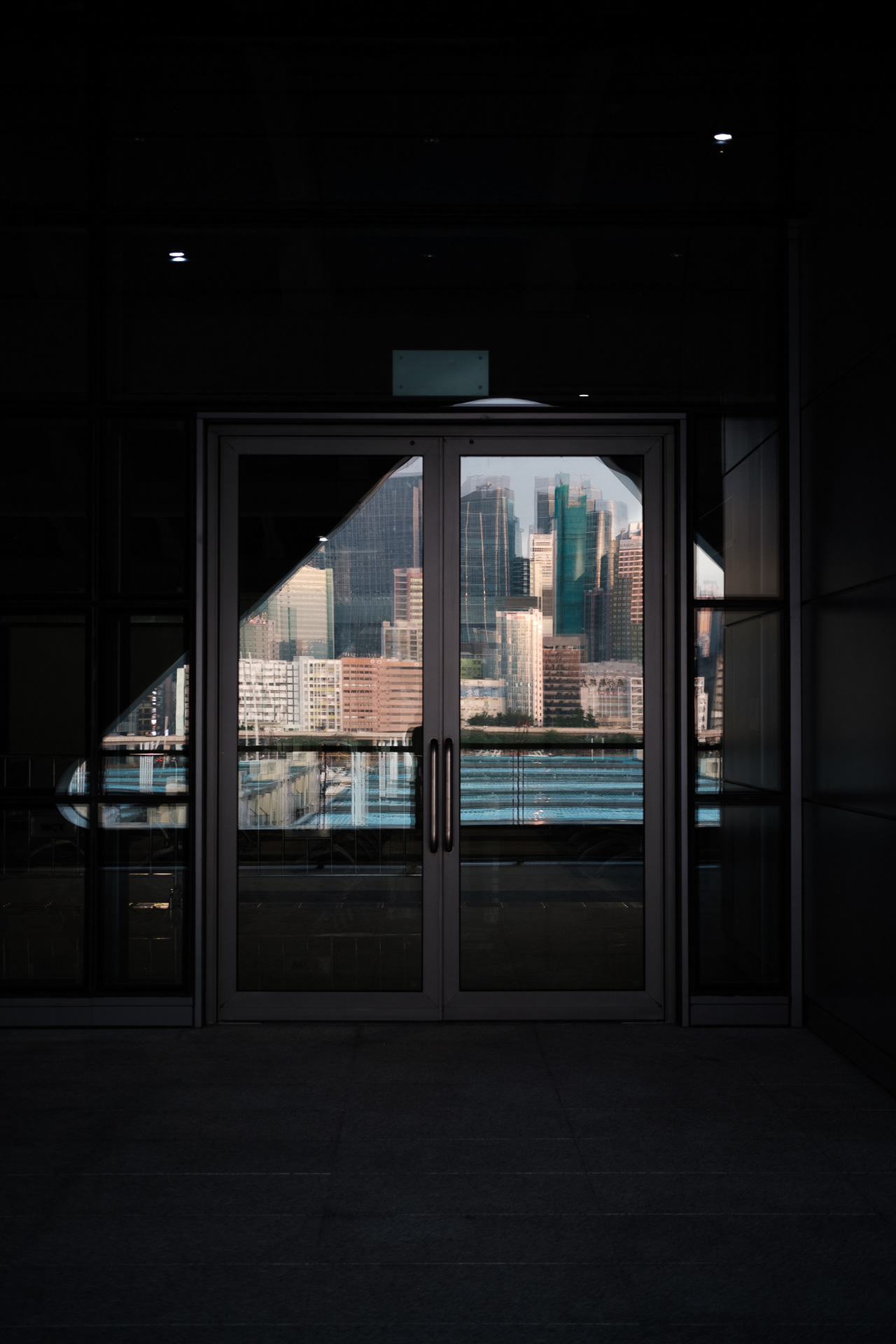
Kai Tak Cruise Terminal - Fujifilm X-Pro2 + Voigtlander Nokton 27mm F/2
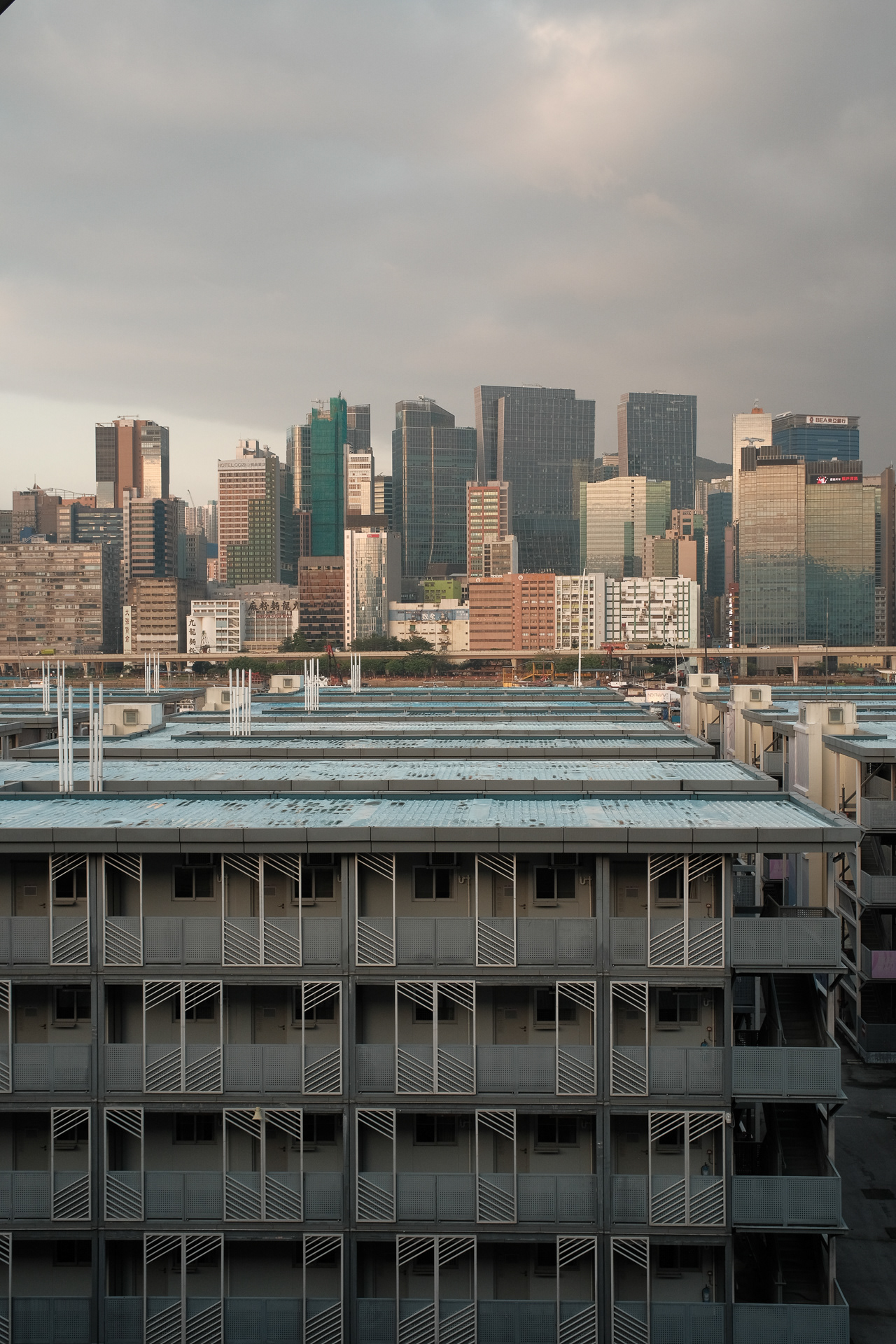
Kai Tak Cruise Terminal - Fujifilm X-Pro2 + Voigtlander Nokton 27mm F/2
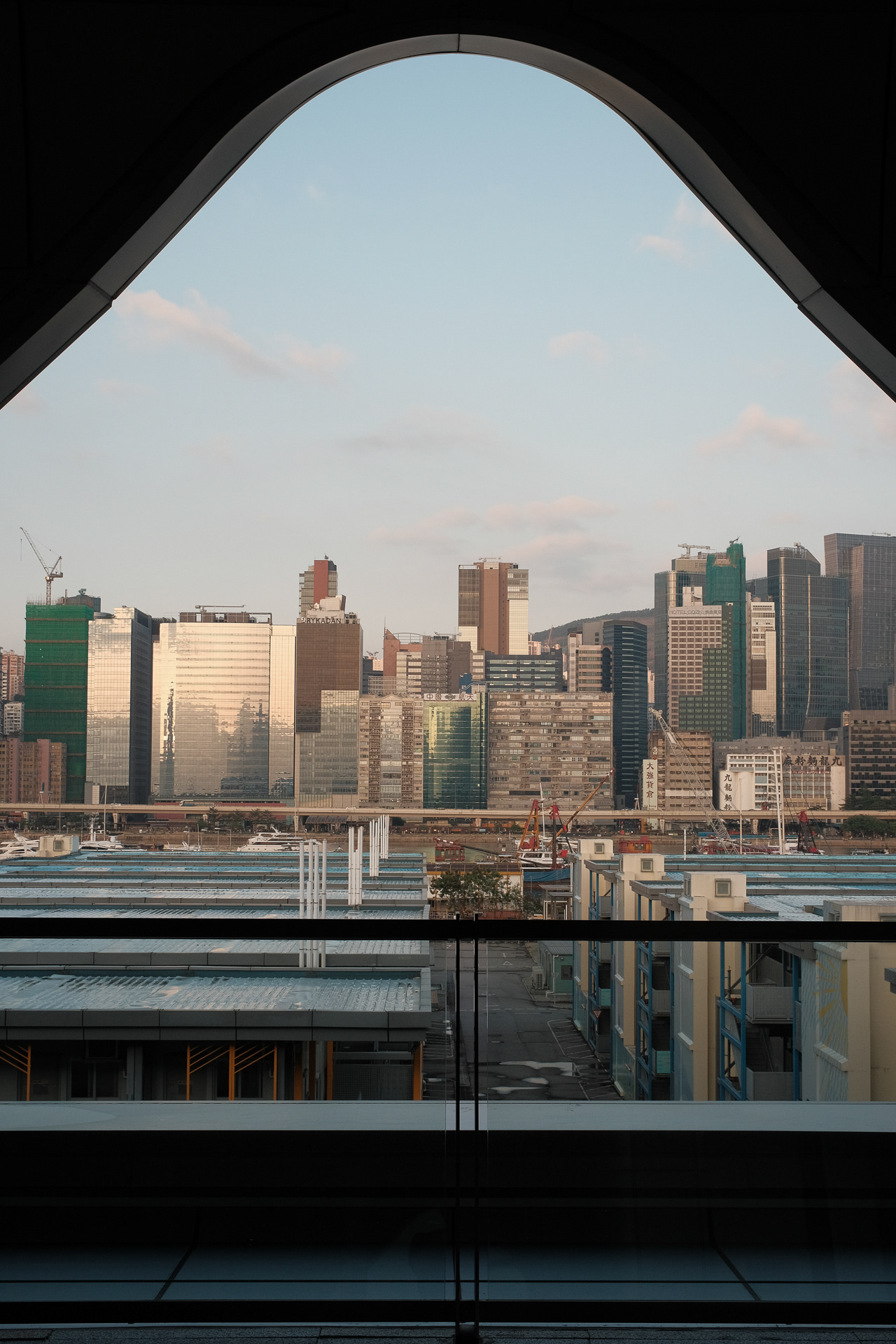
Kai Tak Cruise Terminal - Fujifilm X-Pro2 + Voigtlander Nokton 27mm F/2
A masterclass in colour and chaos, Hong Kong’s wet markets are the city’s living canvas—with Hung Hom and Mong Kok offering two distinct palates. Hung Hom’s indoor labyrinth on Ma Tau Wai Road glows under fluorescent light, slumping with glossy seafood and marbled pork; it’s a quiet, blue-hued theatre of daily trade. Mong Kok’s lanes, erupting from Yim Po Fong Street, are its screaming opposite: open-air avalanches of crimson dragon fruit, plucked chickens, and neon signs mirrored in wet pavement.
Shoot early morning for shafts of light slicing through awnings and steam rising from breakfast stalls. A fast prime lens unlocks the dim Hung Hom portraits, while a 35mm nails Mong Kok’s layered street chaos. Leave the flash in your bag, move gently, and this salt-sprayed, sweet-rotten symphony will reward you with the city’s most unguarded frames.
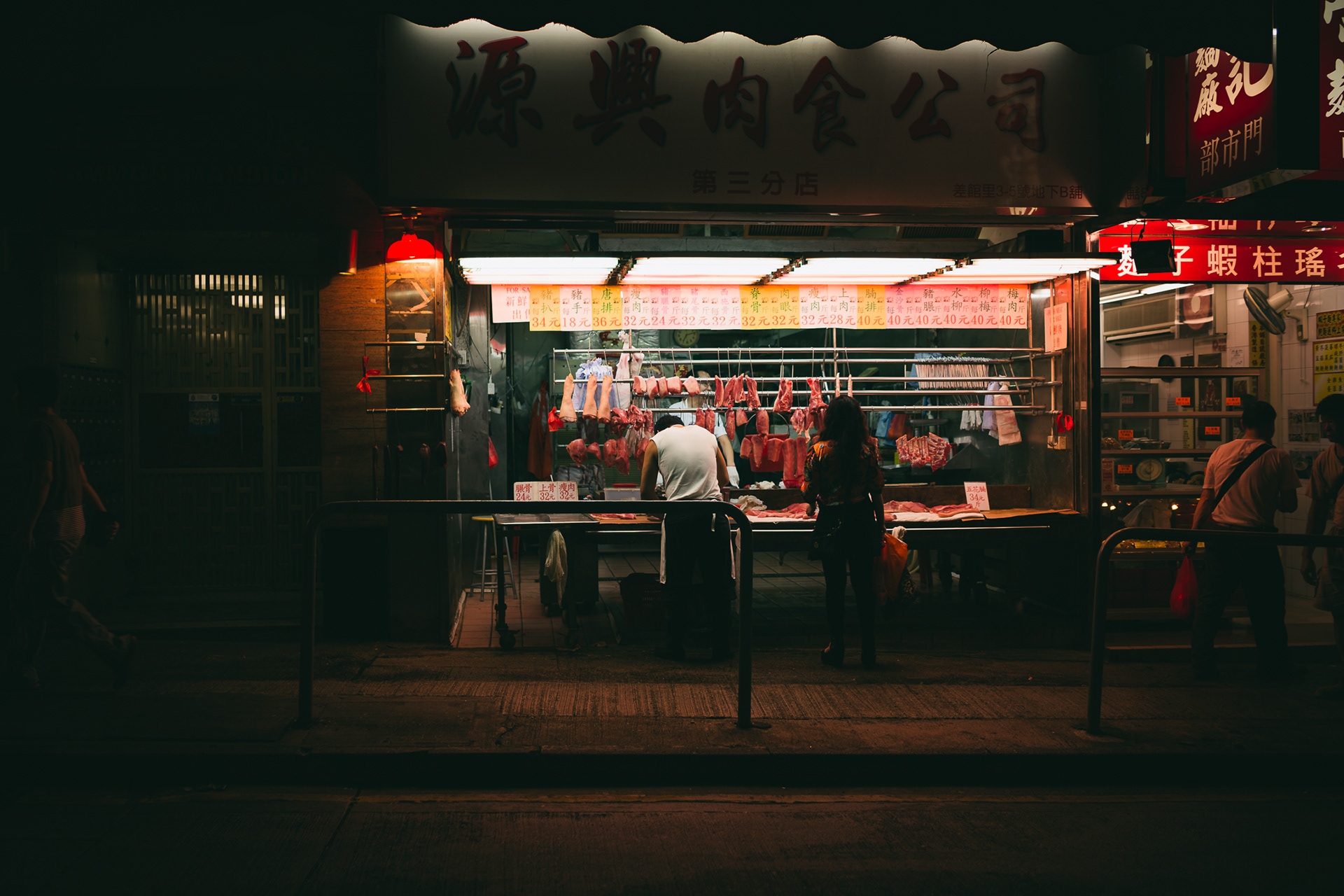
Hung Hom Wet Market, Hong Kong - Sony RX1
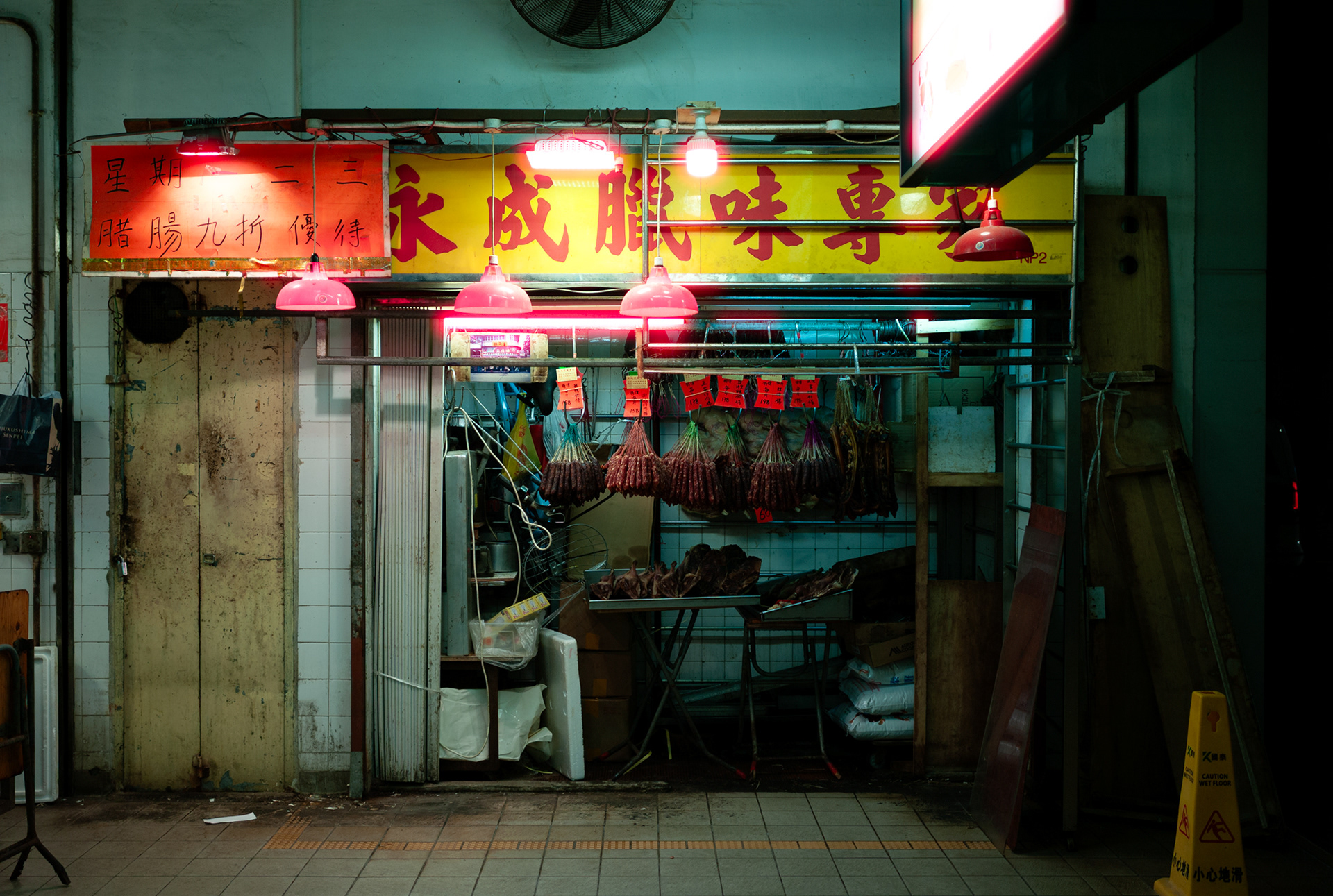
Mong Kok Wet Market - Leica M8 + Elmarit 28mm F/2.8
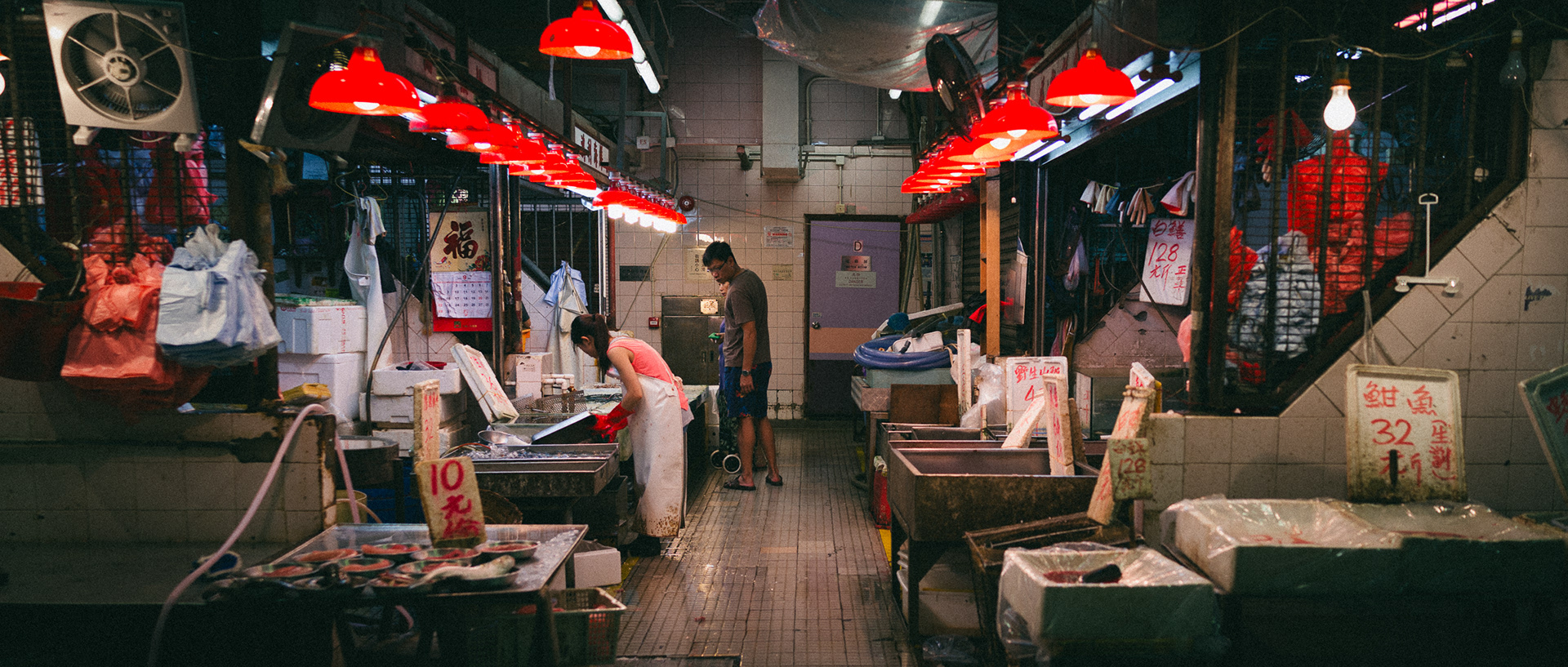
Hung Hom Wet Market, Hong Kong - Sony RX1
The Monster Building in Quarry Bay is Hong Kong’s most cinematic crush of density—a stacked honeycomb of five interconnected blocks forming a colossal canyon of concrete, laundry, and lived lives. The iconic courtyard shot looks straight up into a dizzying, near-monochrome void of jutting air-conditioners and wire-woven sky, made famous by *Transformers* and a thousand Instagram grids.
Arrive early morning, when a blade of sunlight slices through the gap, carving deep shadows against the pastel facades. An ultra-wide lens—14mm or wider—is non-negotiable to swallow the vertical crush; a tripod helps steady the low-light gape. Move quietly and quickly; this is no movie set but a breathing, elbow-tight community, and the best frames come when you’re invisible. In a city of glass spires, the Monster Building is the raw, unretouched heartbeat.
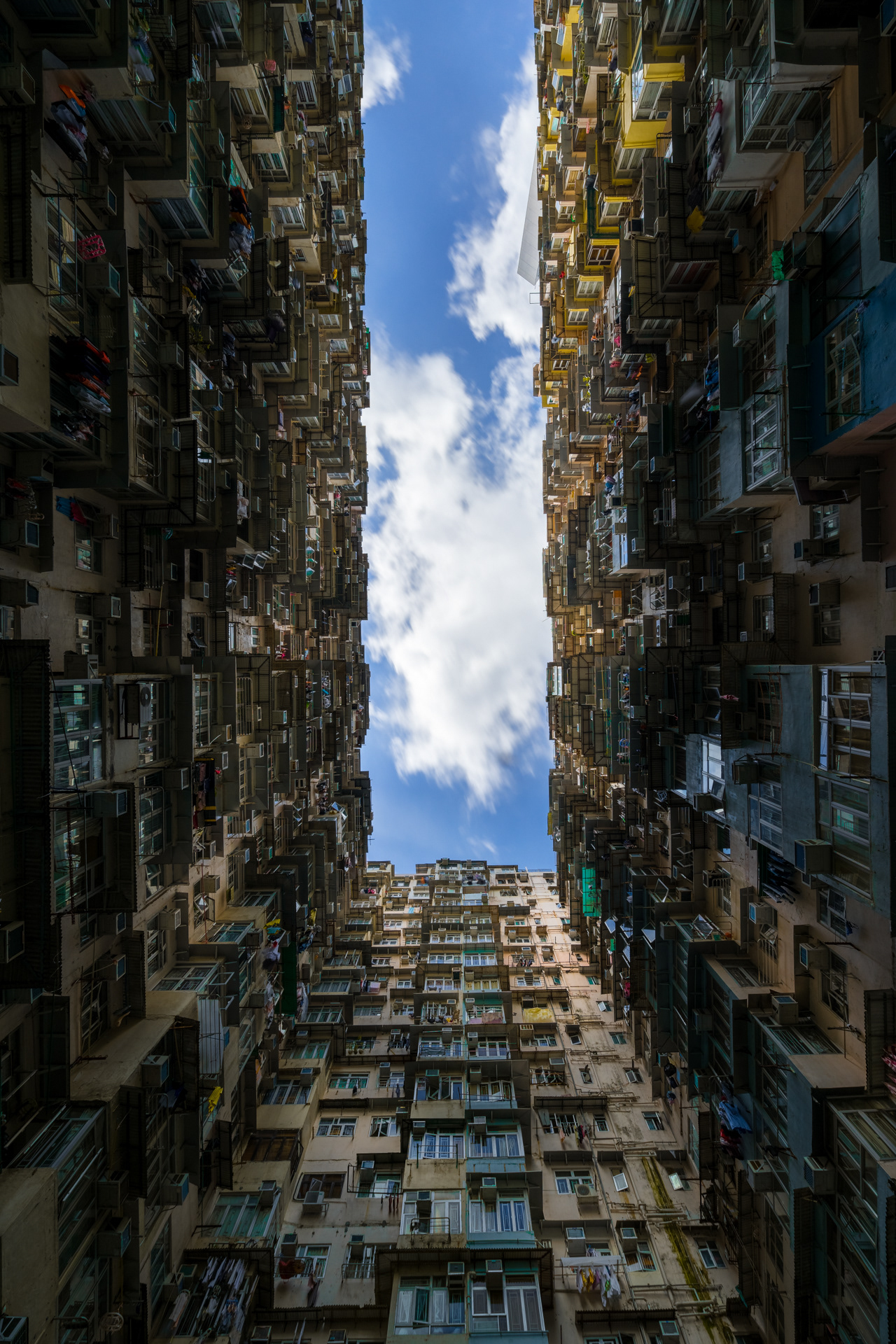
Monster Building - Sony A7R + FE16-35mm F/4
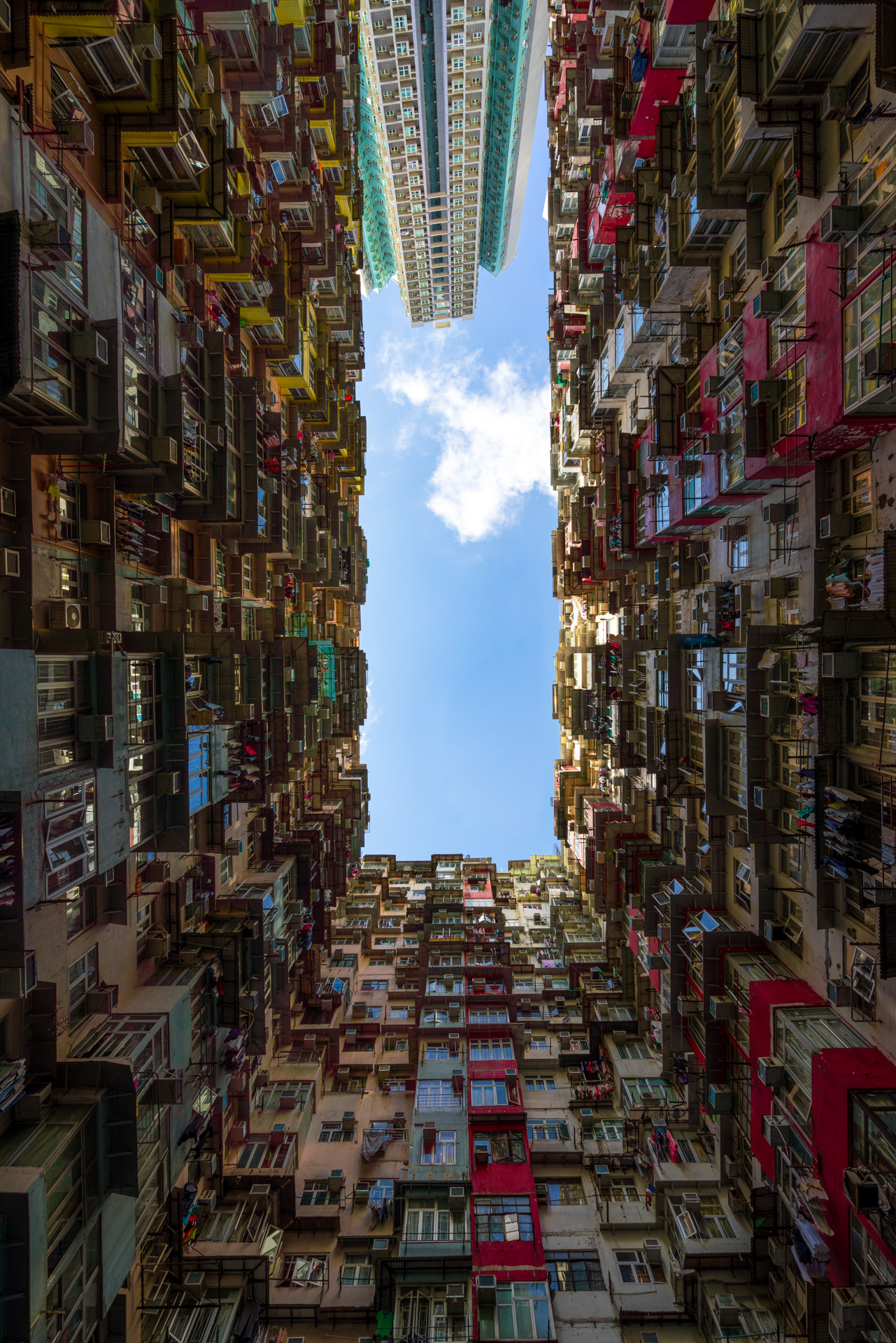
Monster Building - Sony A7R + FE16-35mm F/4
Central is where colonial bones and glass-blade towers collide, making it Hong Kong a rich architectural canvas. Start at Tai Kwun, where restored granite walls, red-brick barracks, and breezy courtyards sit in sharp conversation with sleek modern interventions—shoot the Parade Ground from a low angle at late afternoon, when golden light rakes across the textured facades and the surrounding skyscraper tops just peek over.
Step out into the corporate canyons: the HSBC building’s raw structural exoskeleton, the Bank of China Tower’s crystalline triangles, and the mirrored geometry of Cheung Kong Center. A polariser deepens the blue against polished steel, and early-morning emptiness lets you capture these giants in crisp, uncrowded silence—architecture as monument, not background.
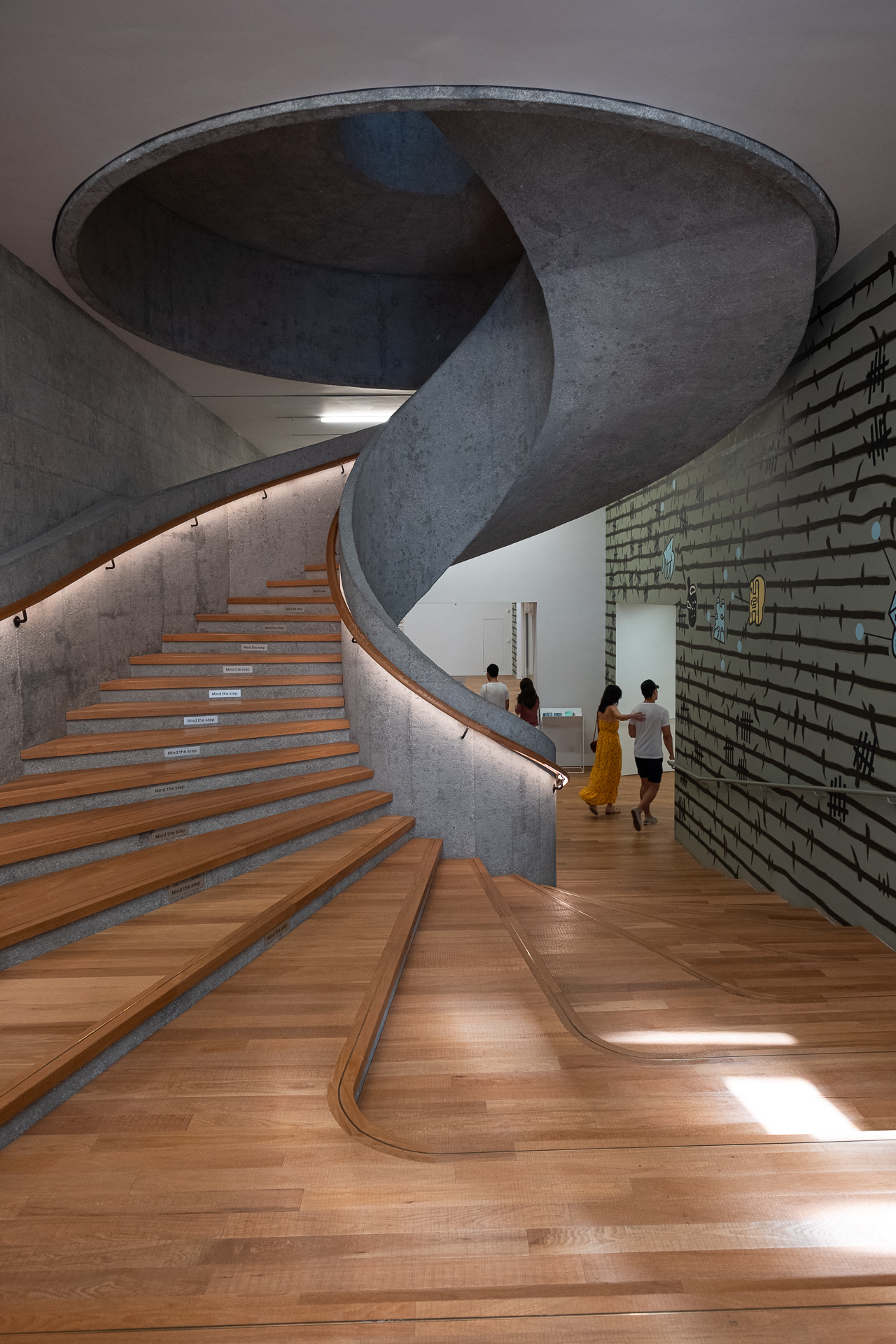
Tai Kwun - Fujifilm X-Pro2 + XF14mm F/2.8
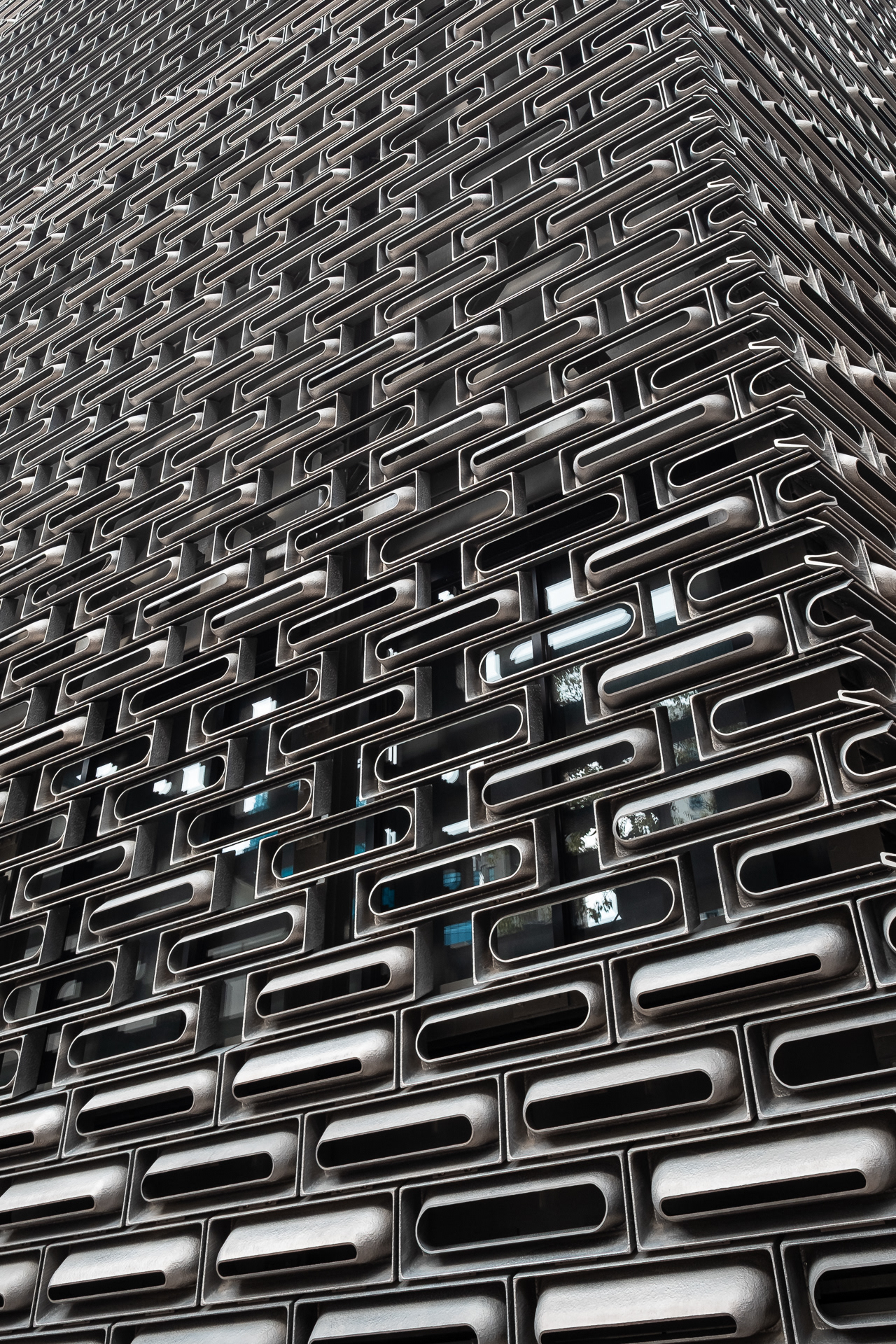
Tai Kwun - Fujifilm X-Pro2 + XF14mm F/2.8
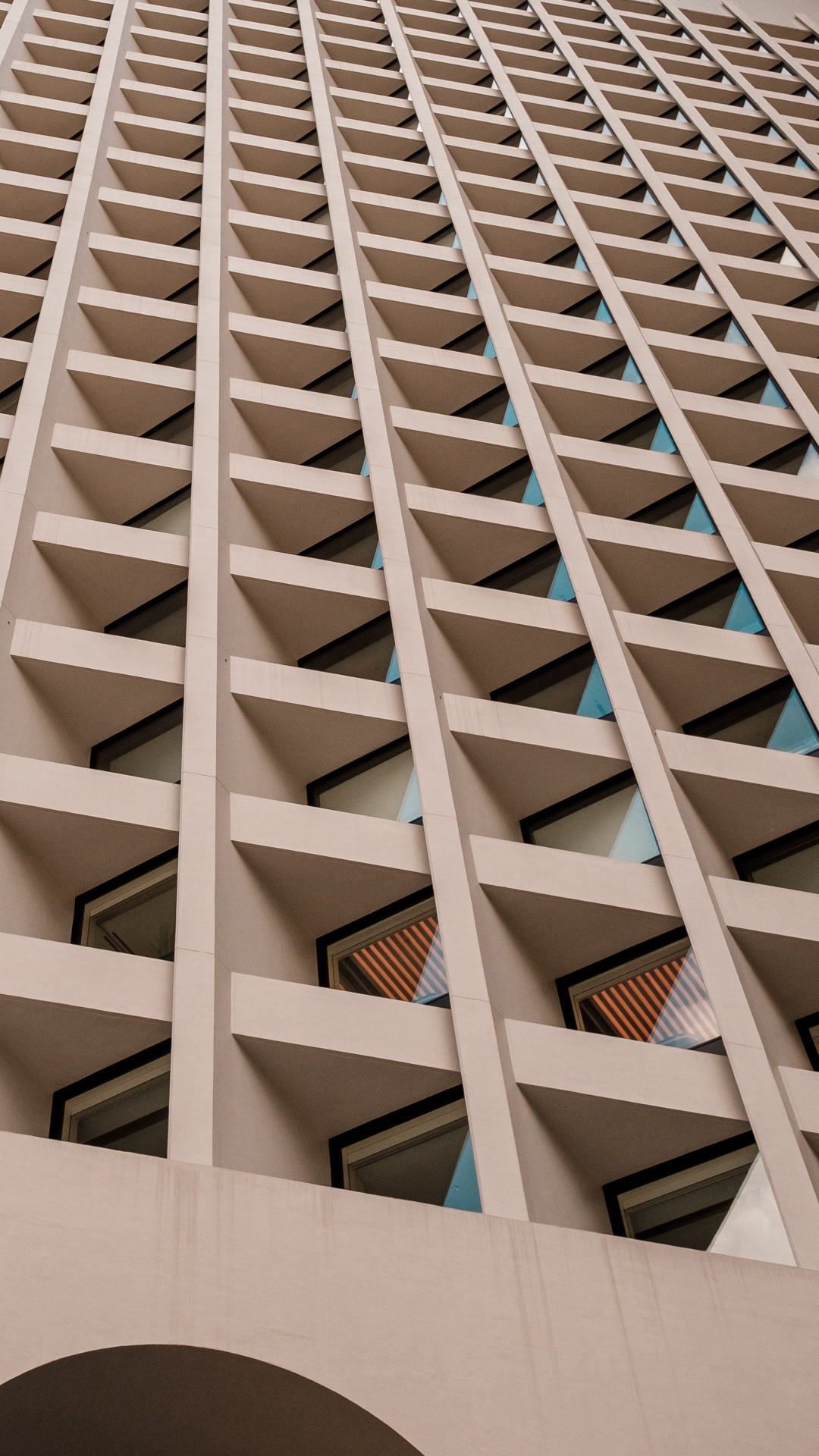
The Murray - Fujifilm X-Pro2 + XF14mm F/2.8
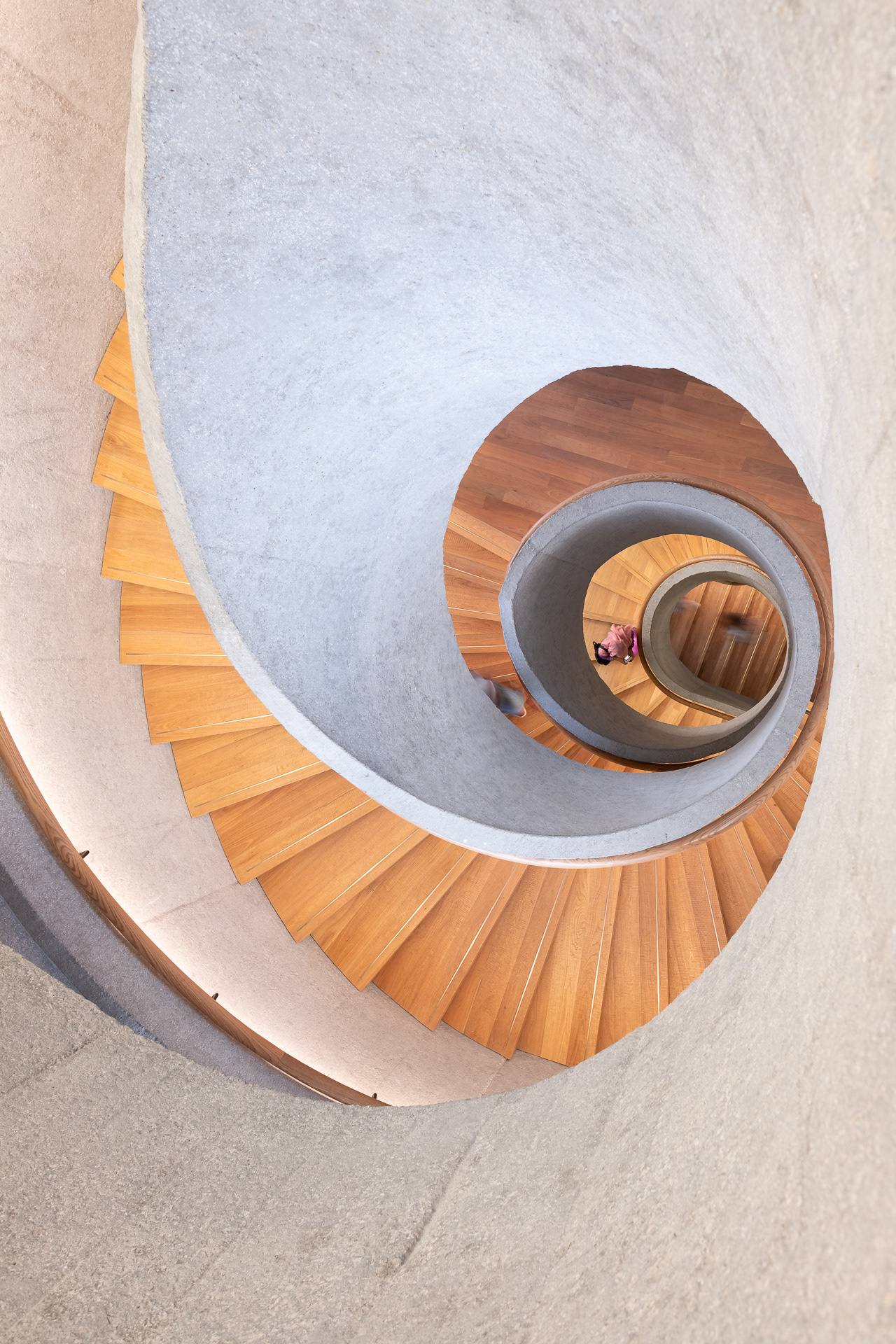
Tai Kwun - Fujifilm X-Pro2 + XF14mm F/2.8
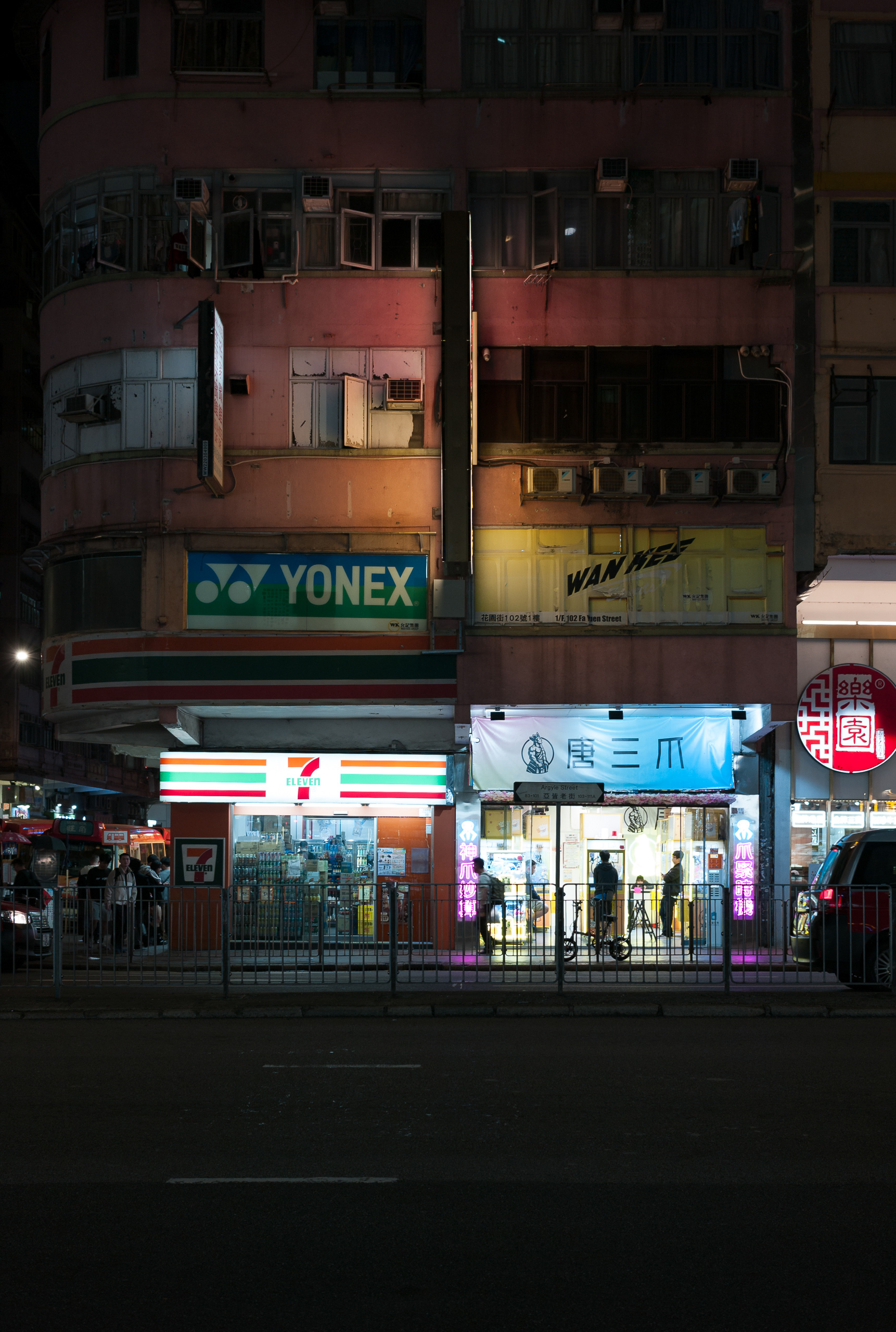
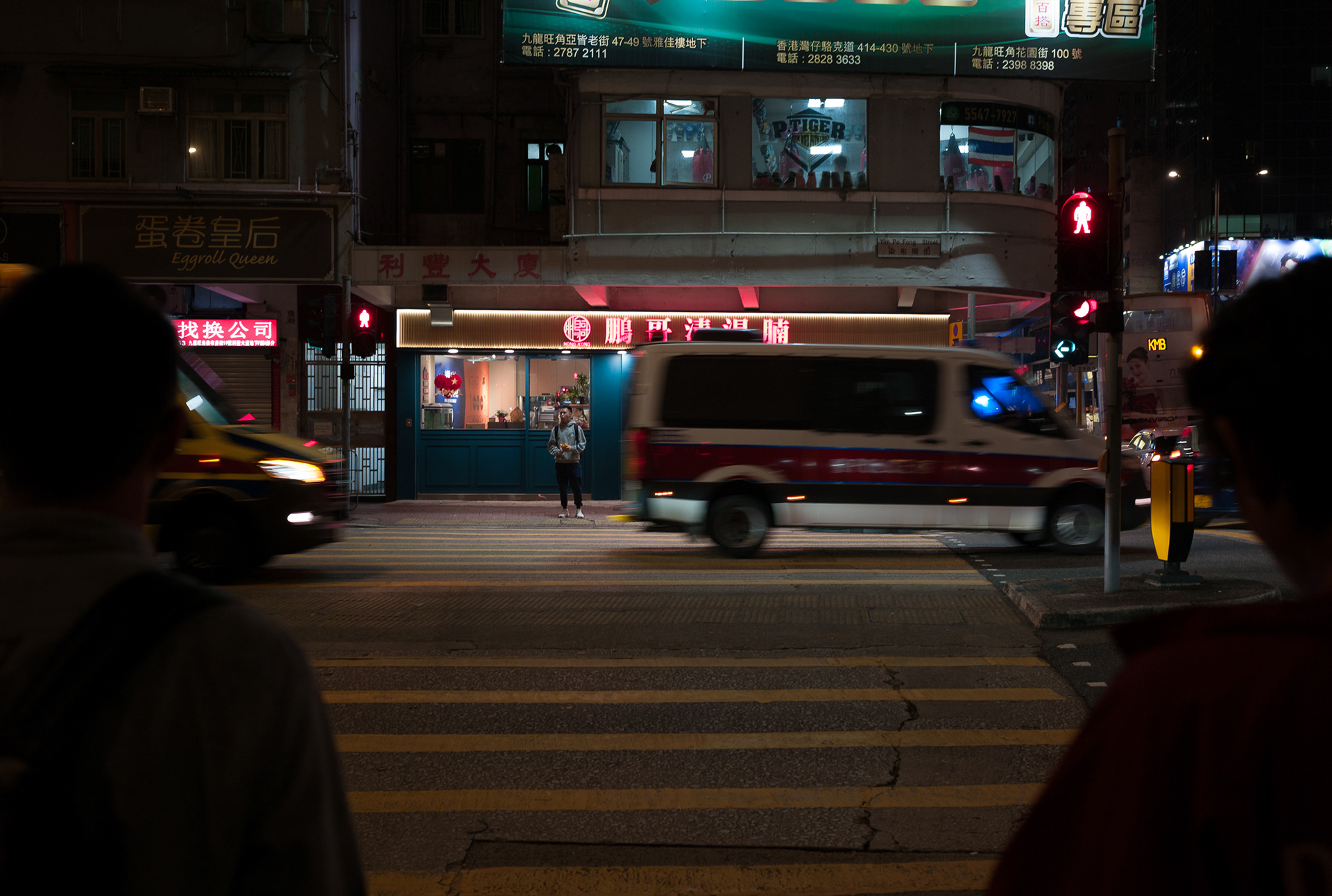
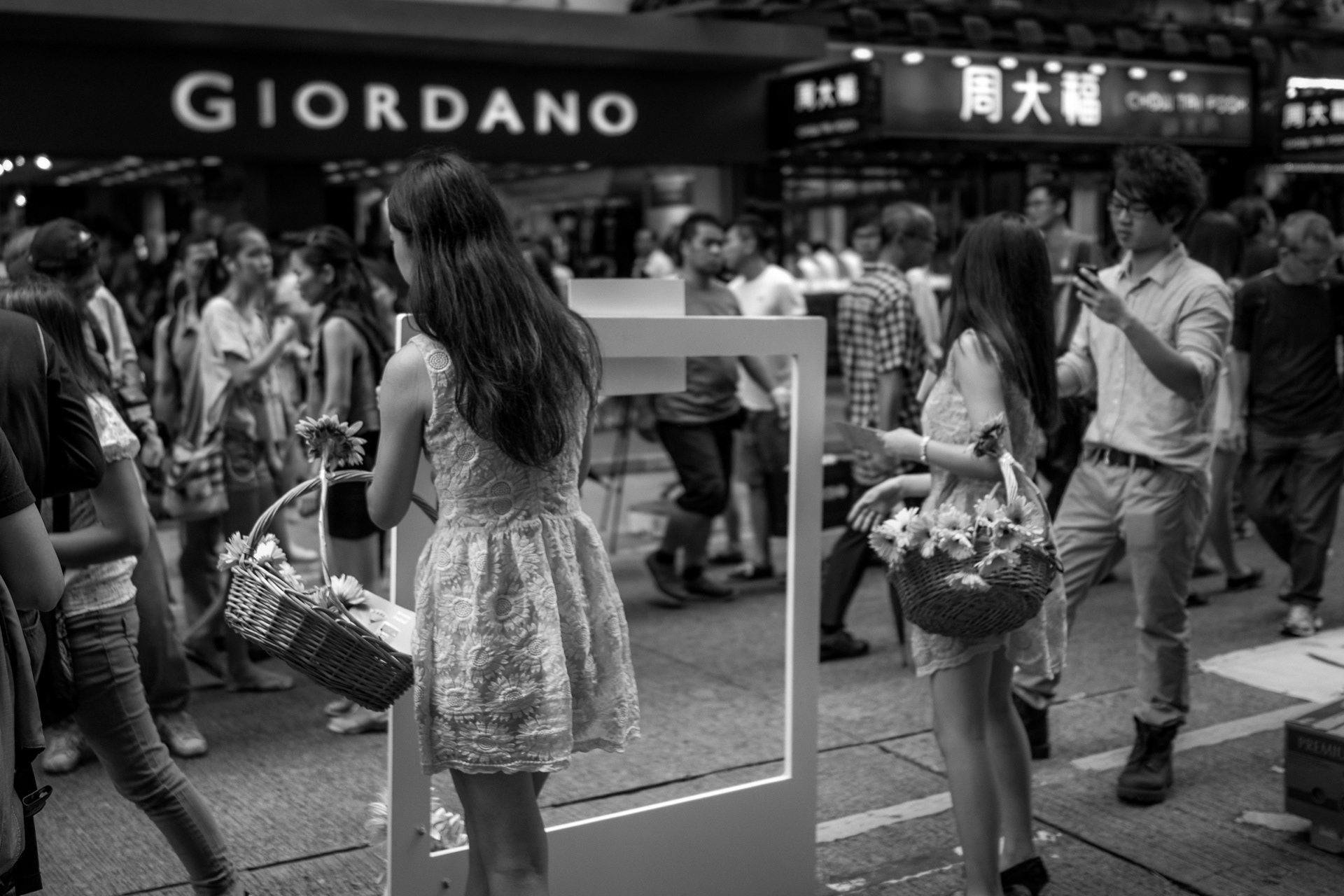
Mongkok is street photography at full volume—a neon-soaked, elbow-to-elbow theatre where every pavement inch hums with transaction and motion. Start at the intersection of Sai Yeung Choi Street and Dundas Street at blue hour, when the canyon of hanging signs ignites in candy-coloured Mandarin and the pedestrian crush becomes a blur of umbrellas, shopping bags, and darting glances. Fa Yuen Street's sneaker lanes and the goldfish-bag glow of Tung Choi Street offer tighter, more intimate frames; work a fast 35mm or 50mm prime wide open to separate faces from the neon soup.
Zone-focus, shoot from the hip, and keep moving—Mongkok rewards instinct over tripods. The rain-slicked pavements after a sudden downpour are a gift, doubling every sign and silhouette into a liquid mirror. This isn’t staged chaos; it’s the city’s truest, loudest heartbeat, and the frames come to those who melt into the current.
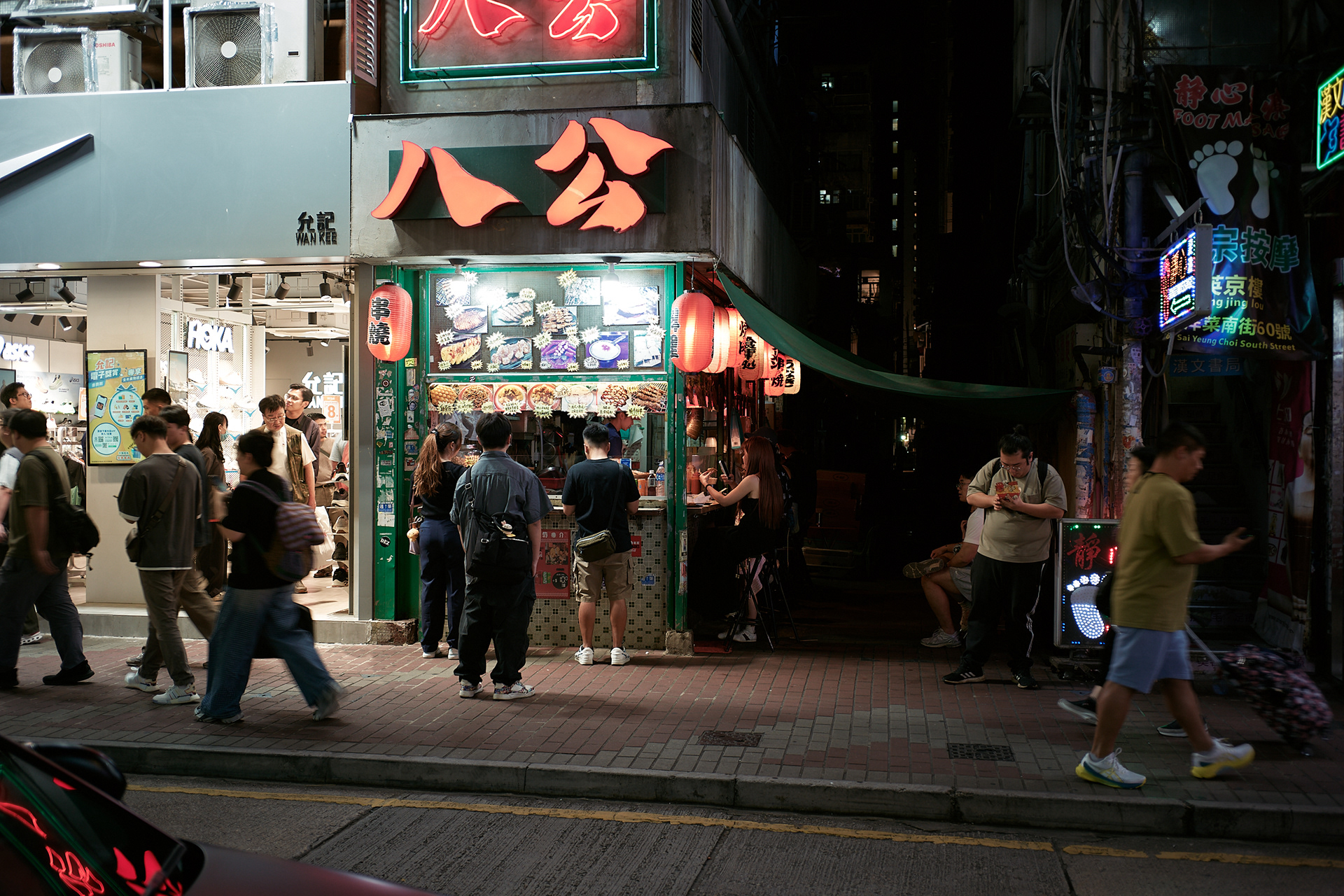
Mongkok street nights - Leica M10-P Reporter + Zeiss C Biogon 35mm F/2.8
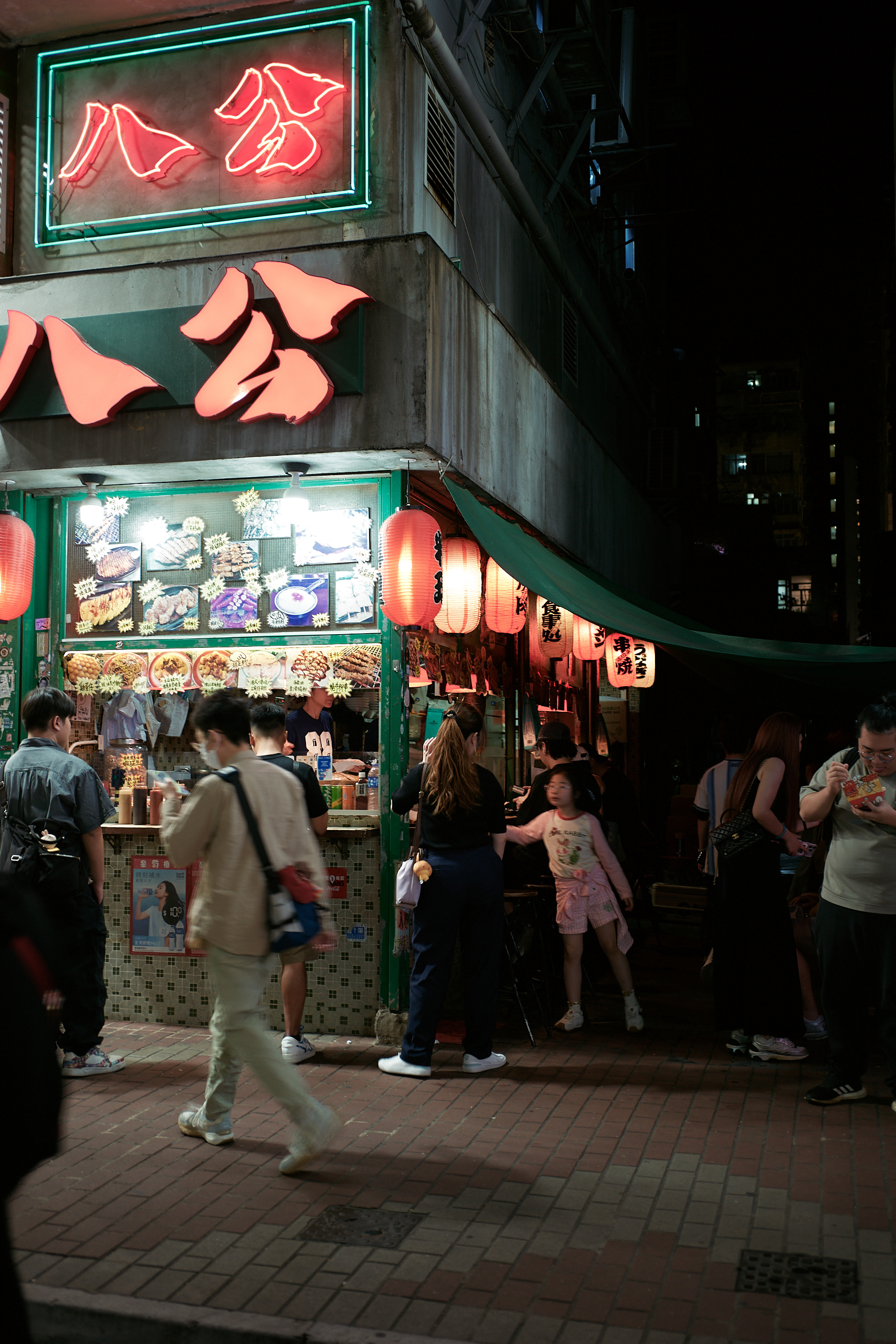
Mongkok street nights - Leica M10-P Reporter + Zeiss C Biogon 35mm F/2.8
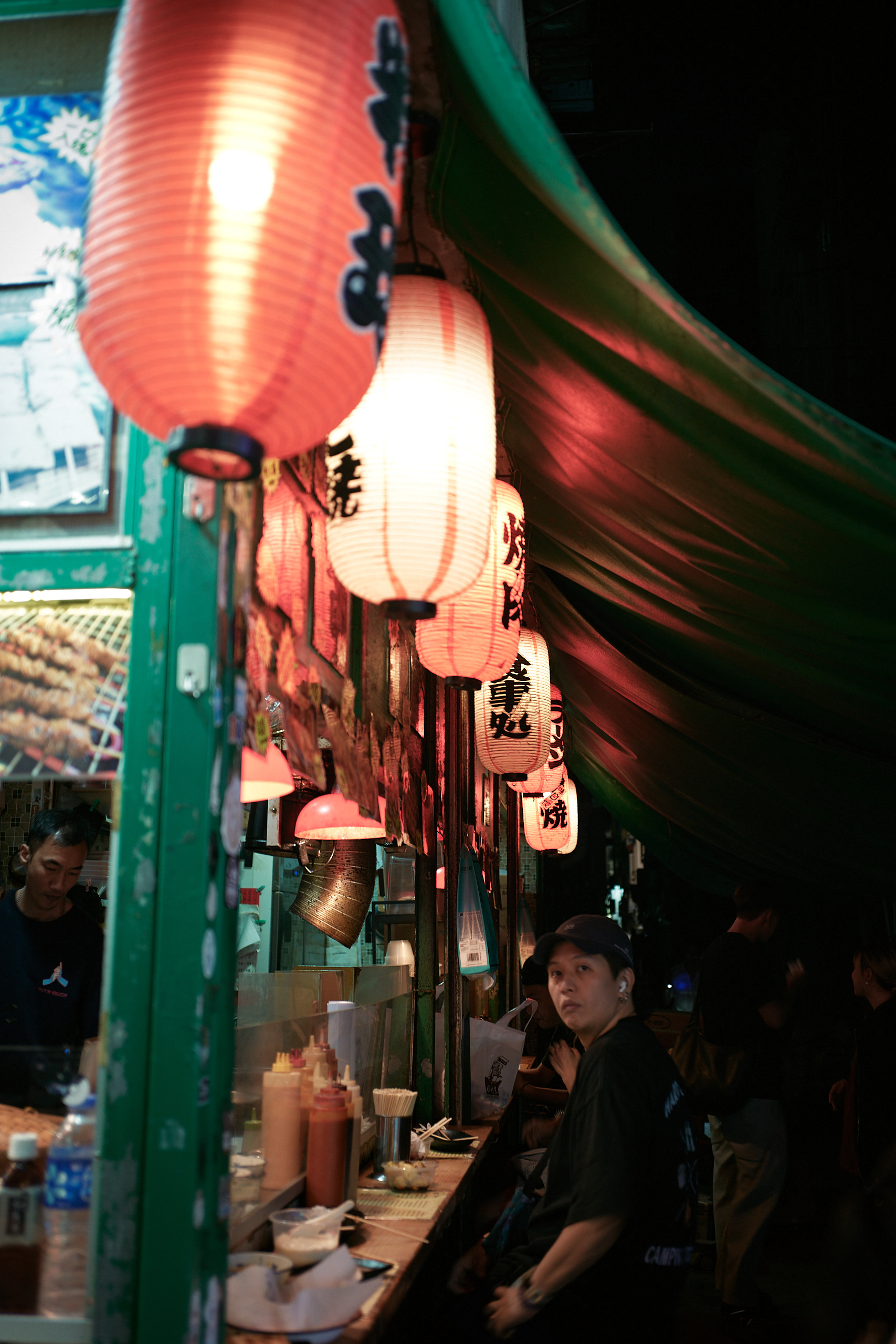
Mongkok street nights - Leica M10-P Reporter + Zeiss C Biogon 35mm F/2.8
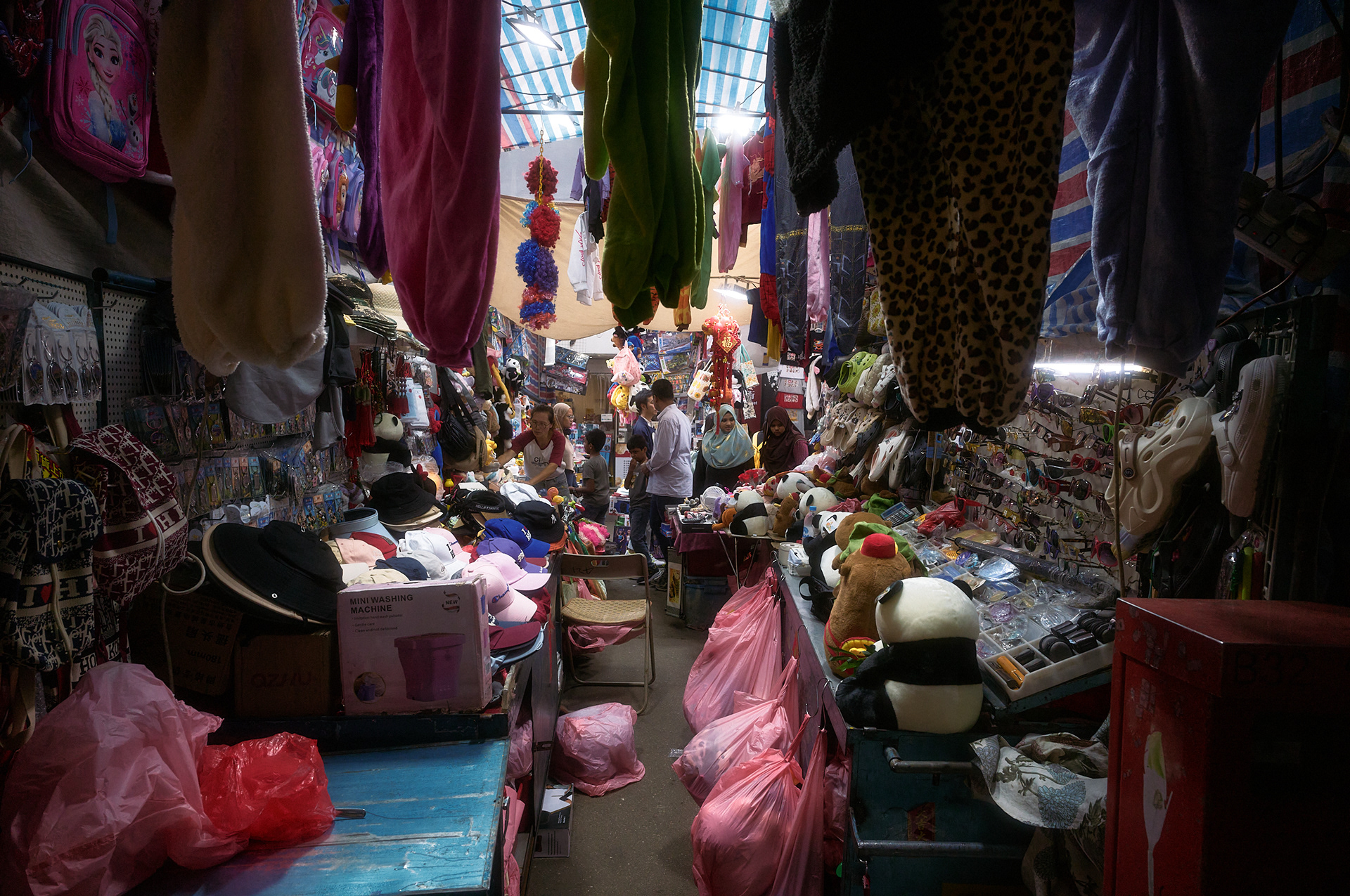
Ladies Market - Leica M11-P + Thypoch Ksana 21mm F/3.5
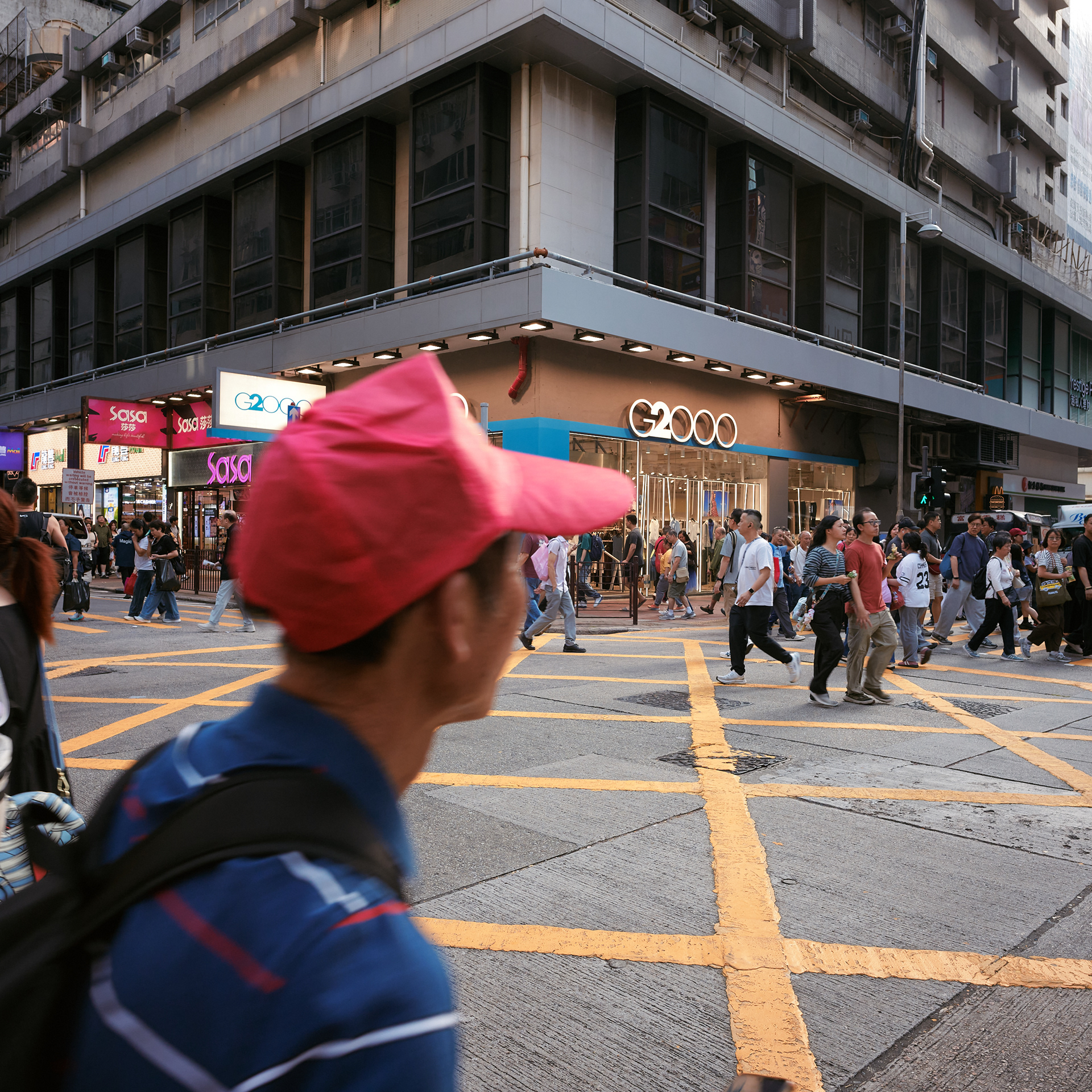
Mong Kok - Leica M11-P + Thypoch Ksana 21mm F/3.5
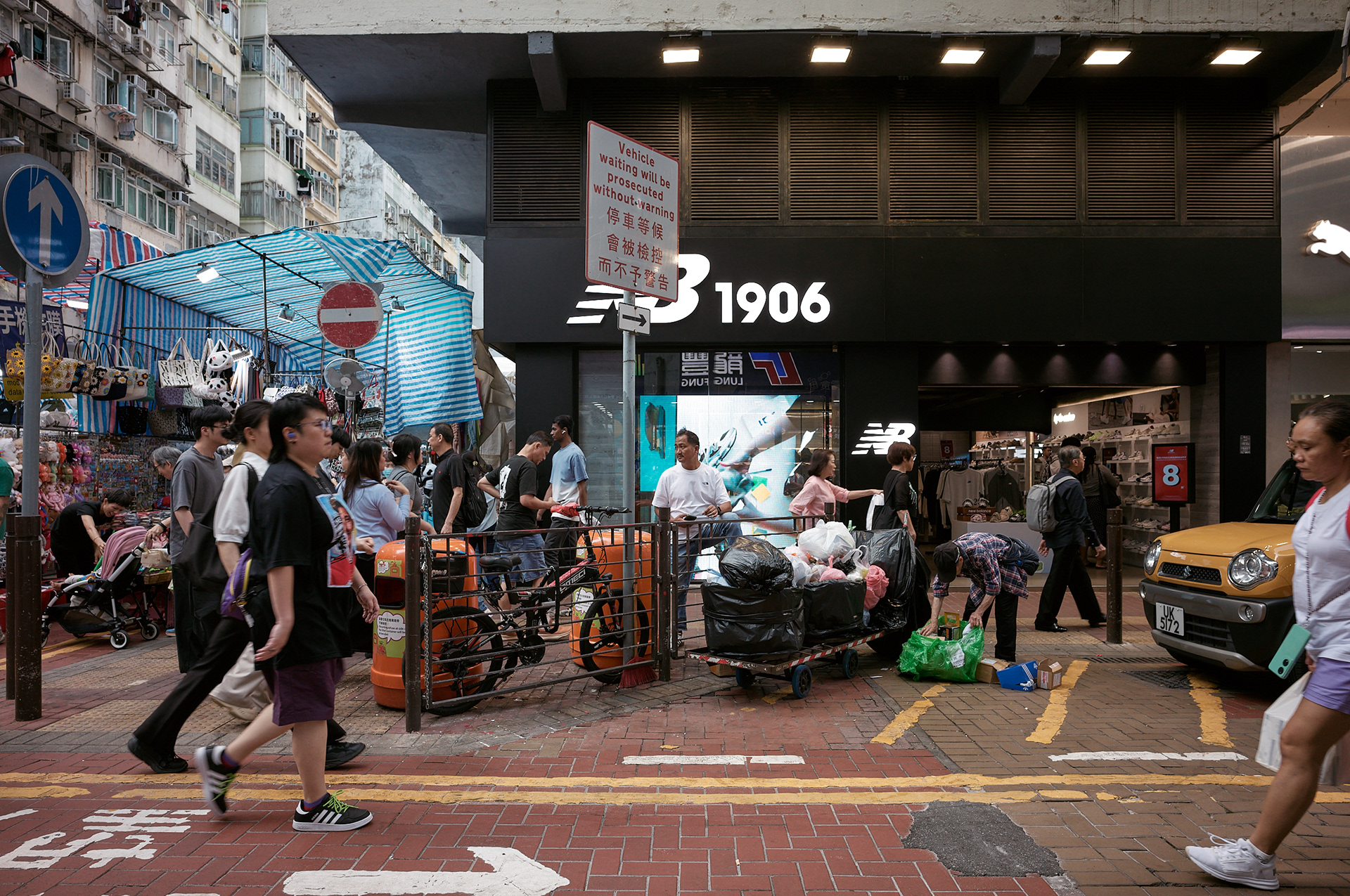
Mong Kok - Leica M11-P + Thypoch Ksana 21mm F/3.5
Mong Kok - Leica M8 + Elmarit 28mm F/2.8
Mong Kok - Leica M8 + Elmarit 28mm F/2.8
Mong Kok - Leica M8 + Elmarit 28mm F/2.8
Mong Kok - Sony RX1
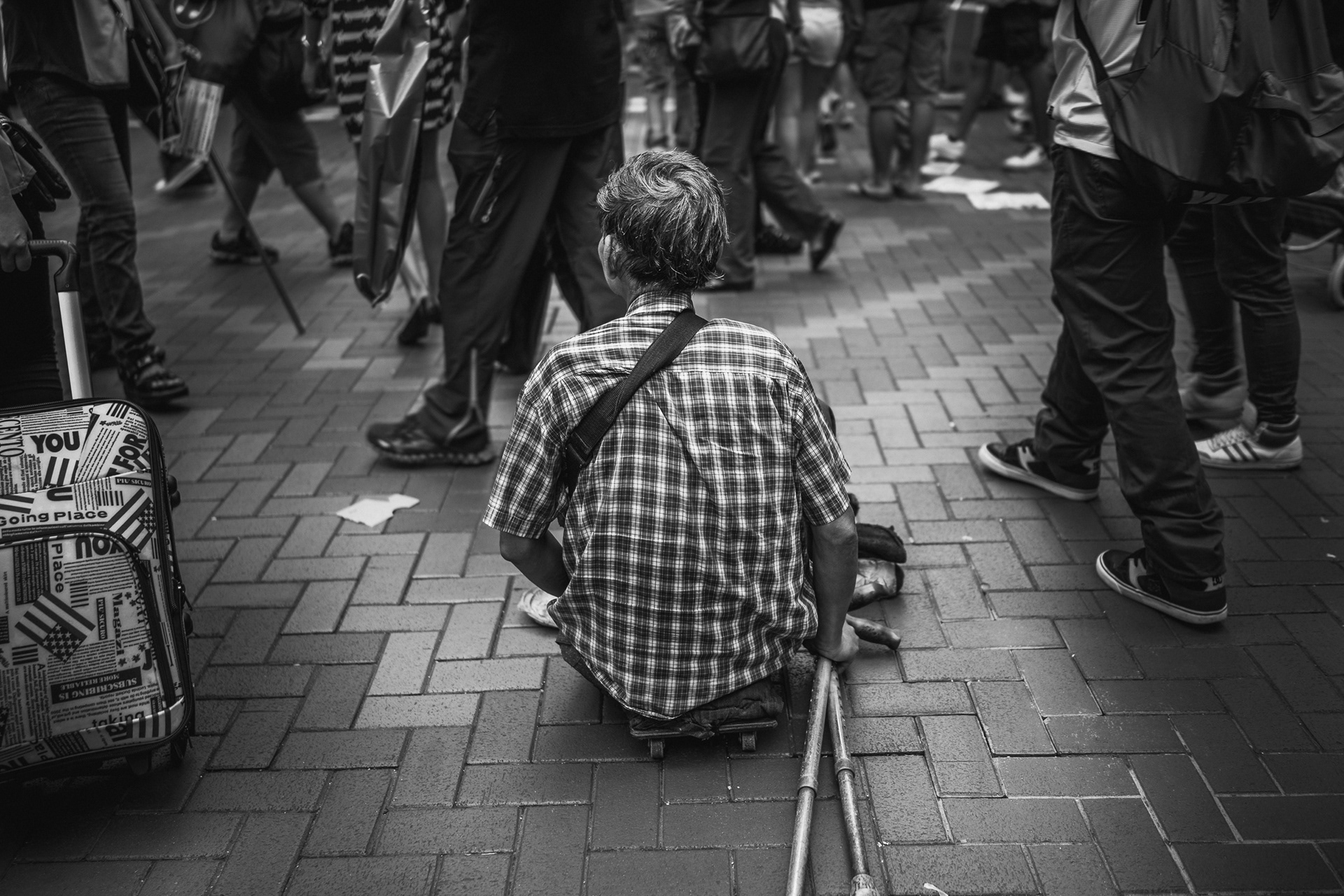
Mong Kok - Sony RX1
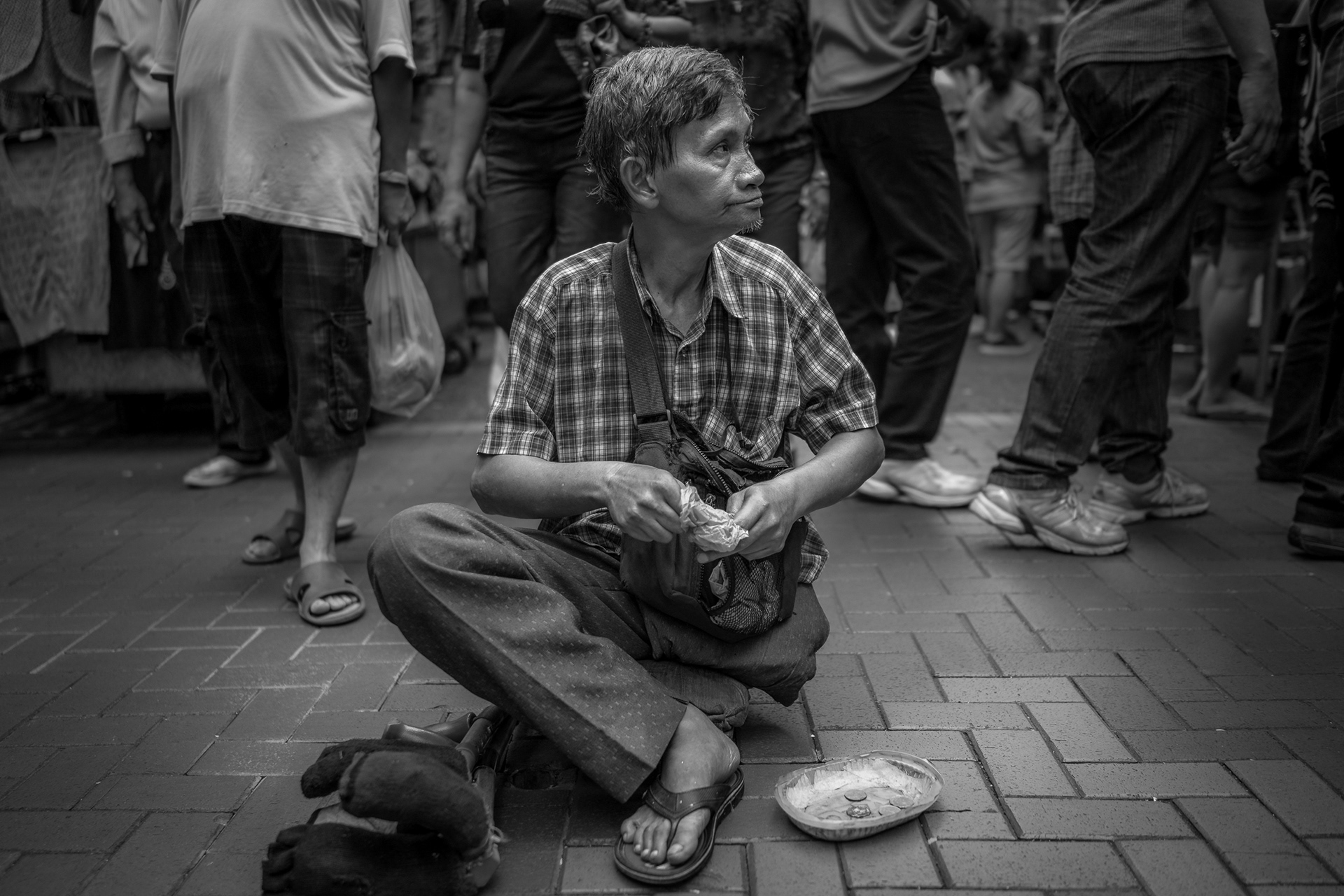
Mong Kok - Sony RX1
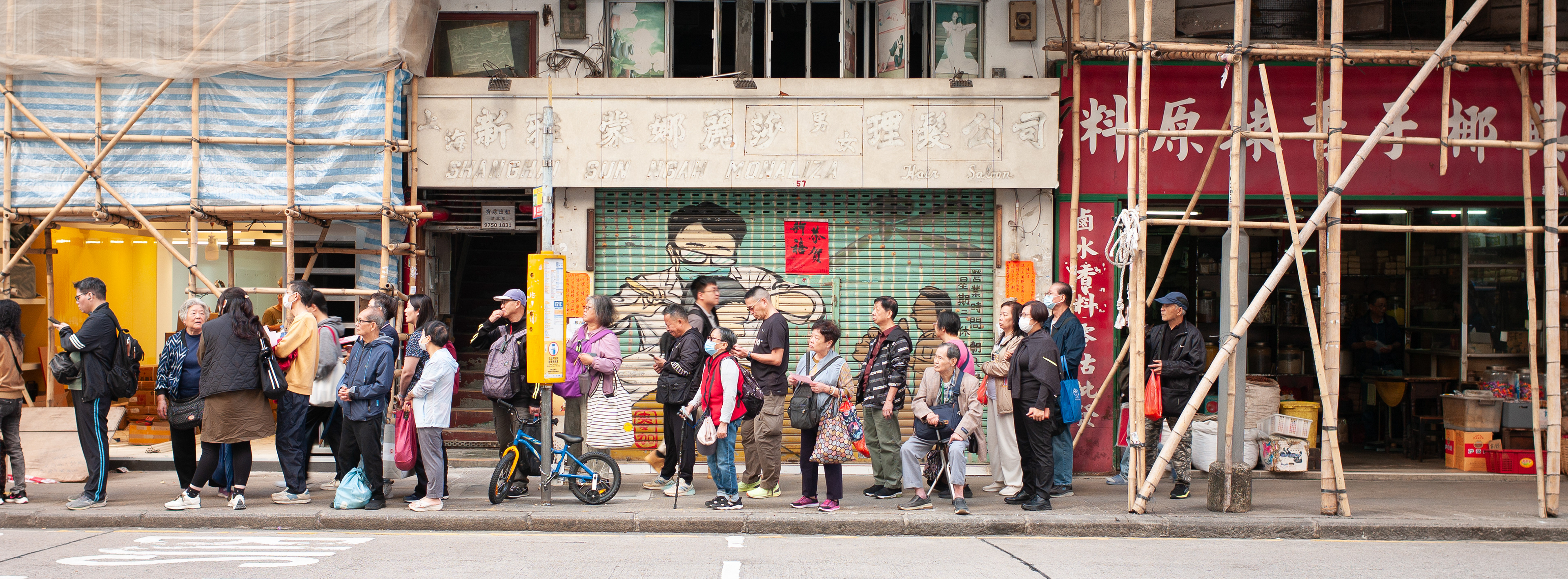
Mong Kok - Leica M8 + Elmarit 28mm F/2.8 ASPH
The reborn Kai Tak area is a photographer’s frontier of sharp new architecture and sky-high open-air malls that frame the harbour like nowhere else. Start at Airside, whose cascading terraces and rooftop garden offer clean, geometric lines against sweeping views of the old runway and Kowloon Bay—shoot at golden hour when the glass cladding catches fire.
Nearby, the Kai Tak Cruise Terminal’s open-top park weaves into the new mall’s breezy decks, creating elevated platforms for minimal, people-dotted compositions with Lion Rock hovering beyond. Work a wide zoom to compress the sleek horizontal planes, and pack a polariser to deepen the sky and cut reflections from polished surfaces. The real gift is the sense of space: rare breathing room in Hong Kong, where you can frame the future city rising from reclaimed land, its sharp edges softened by ribbons of green and blue.
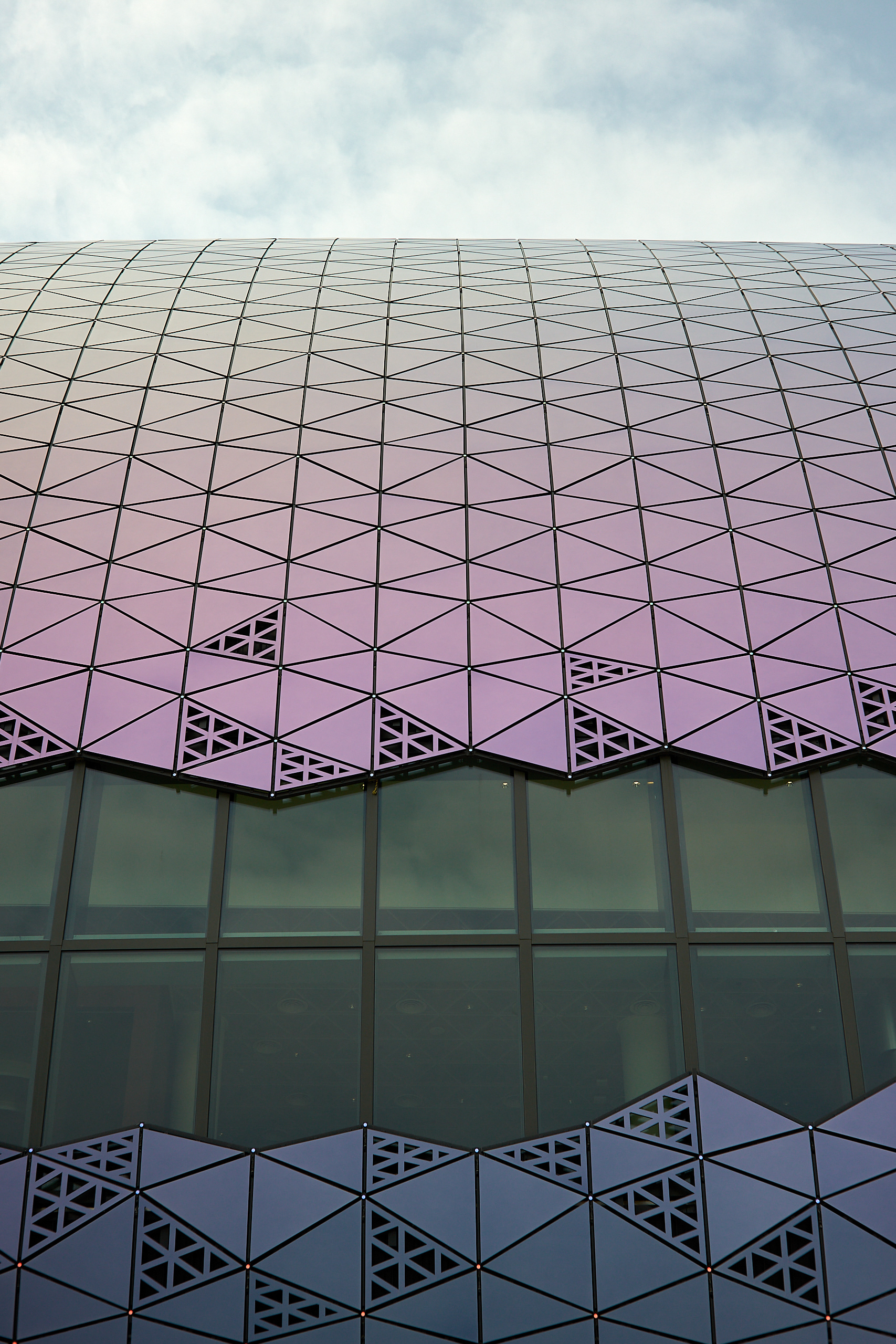
Kai Tak - Leica M10-P Reporter + Zeiss C Sonnar 1,5/50mm
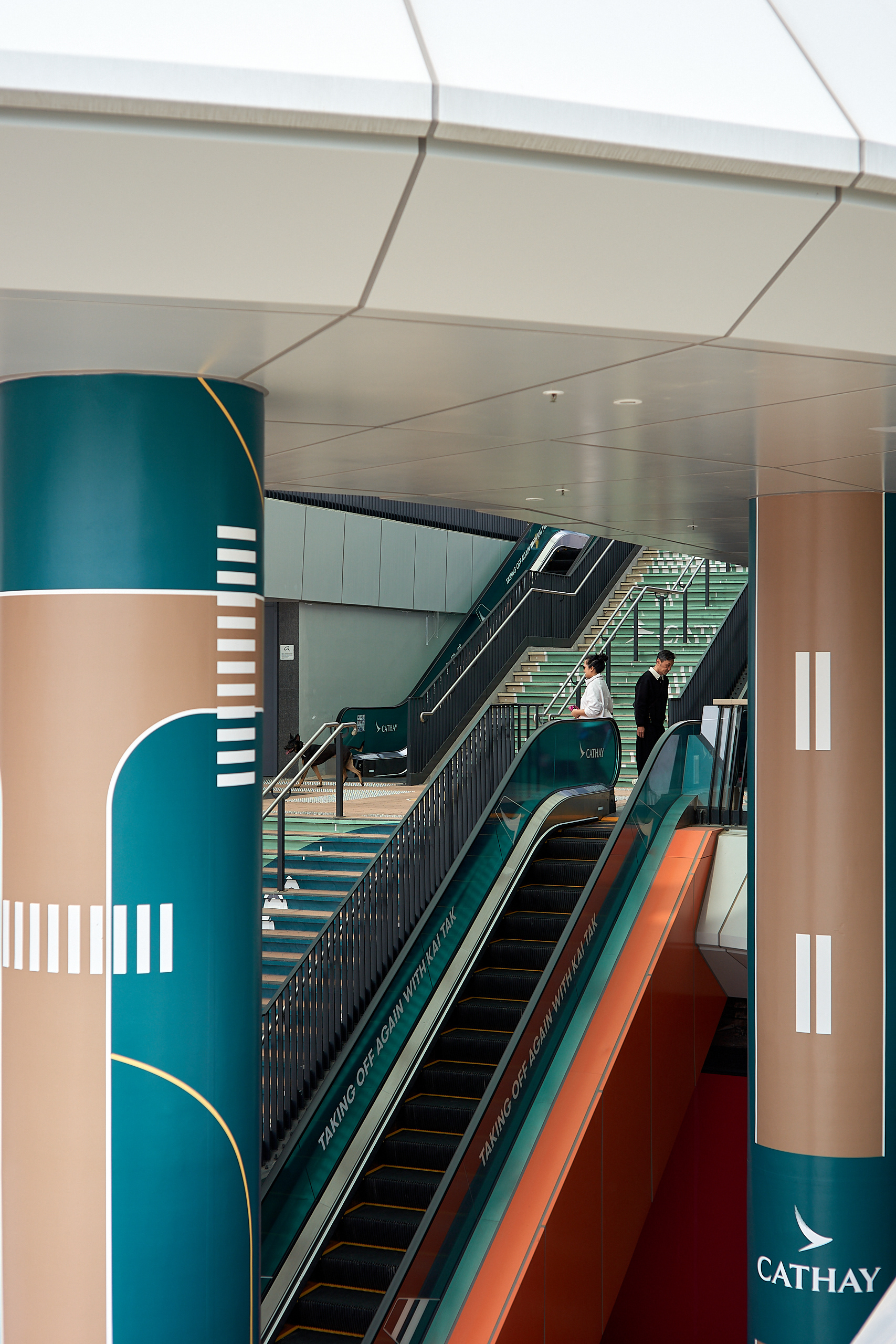
Kai Tak - Leica M10-P Reporter + Zeiss C Sonnar 1,5/50mm
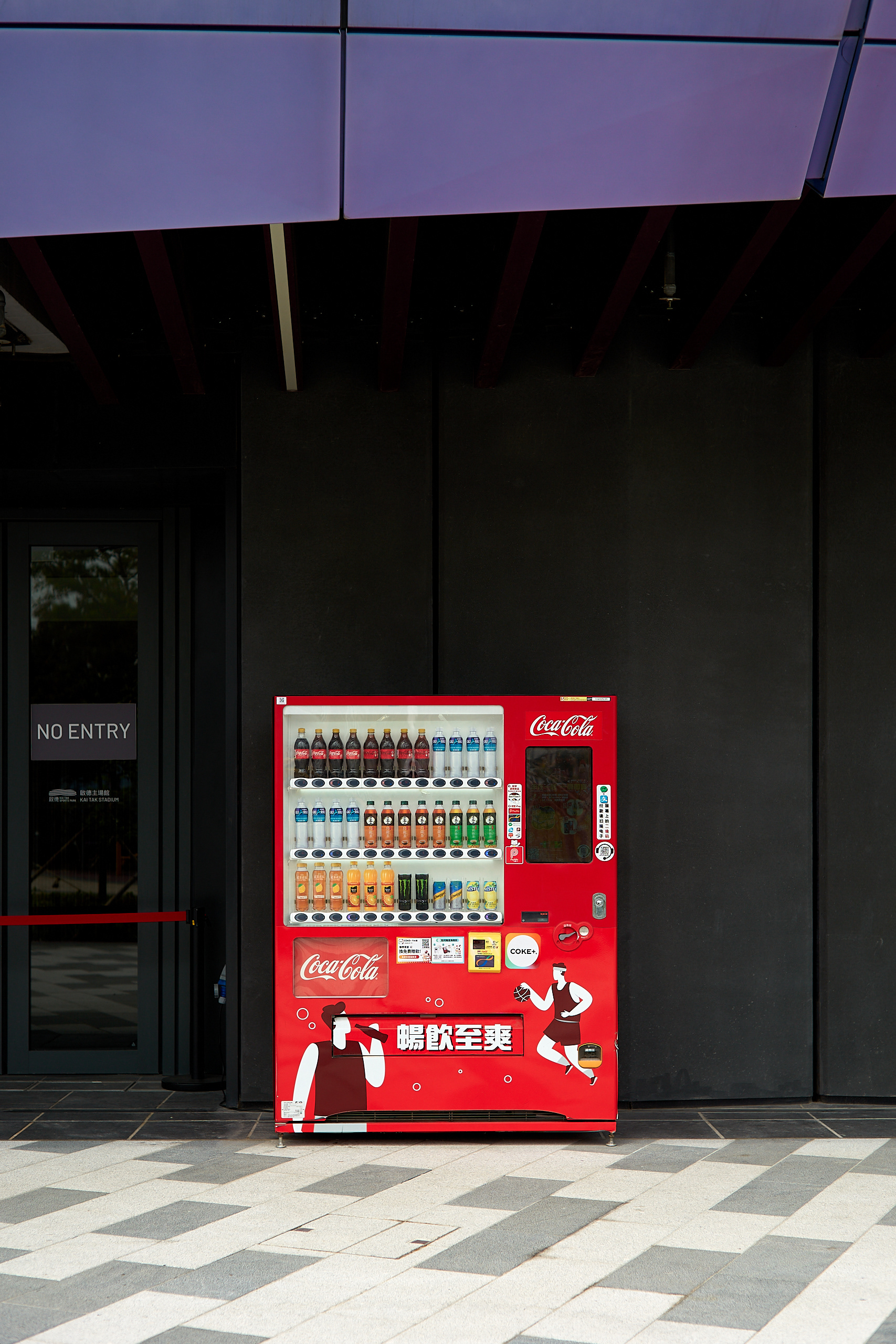
Kai Tak - Leica M10-P Reporter + Zeiss C Sonnar 1,5/50mm
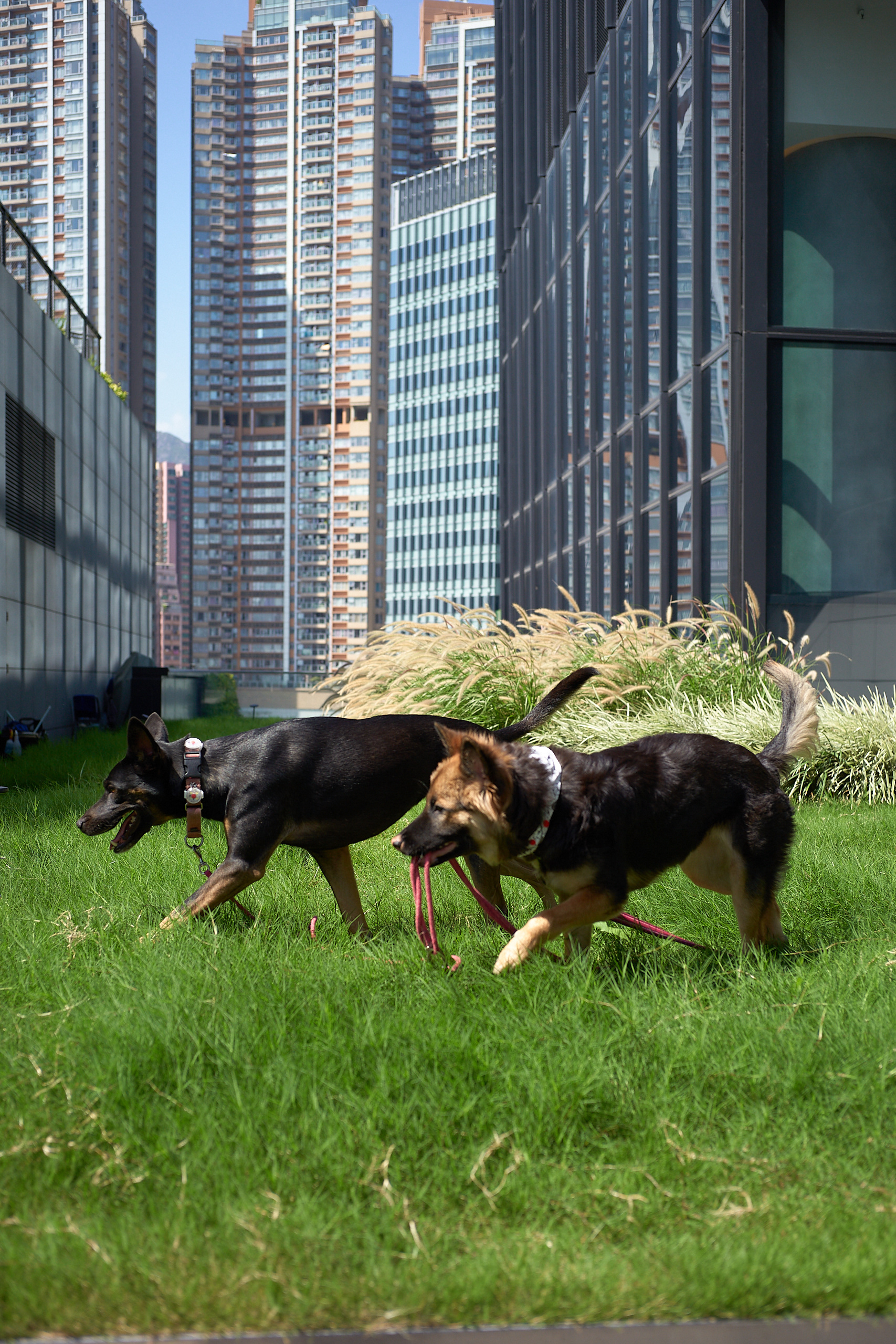
Kai Tak - Leica M10-P Reporter + Zeiss C Biogon 2.8/35mm
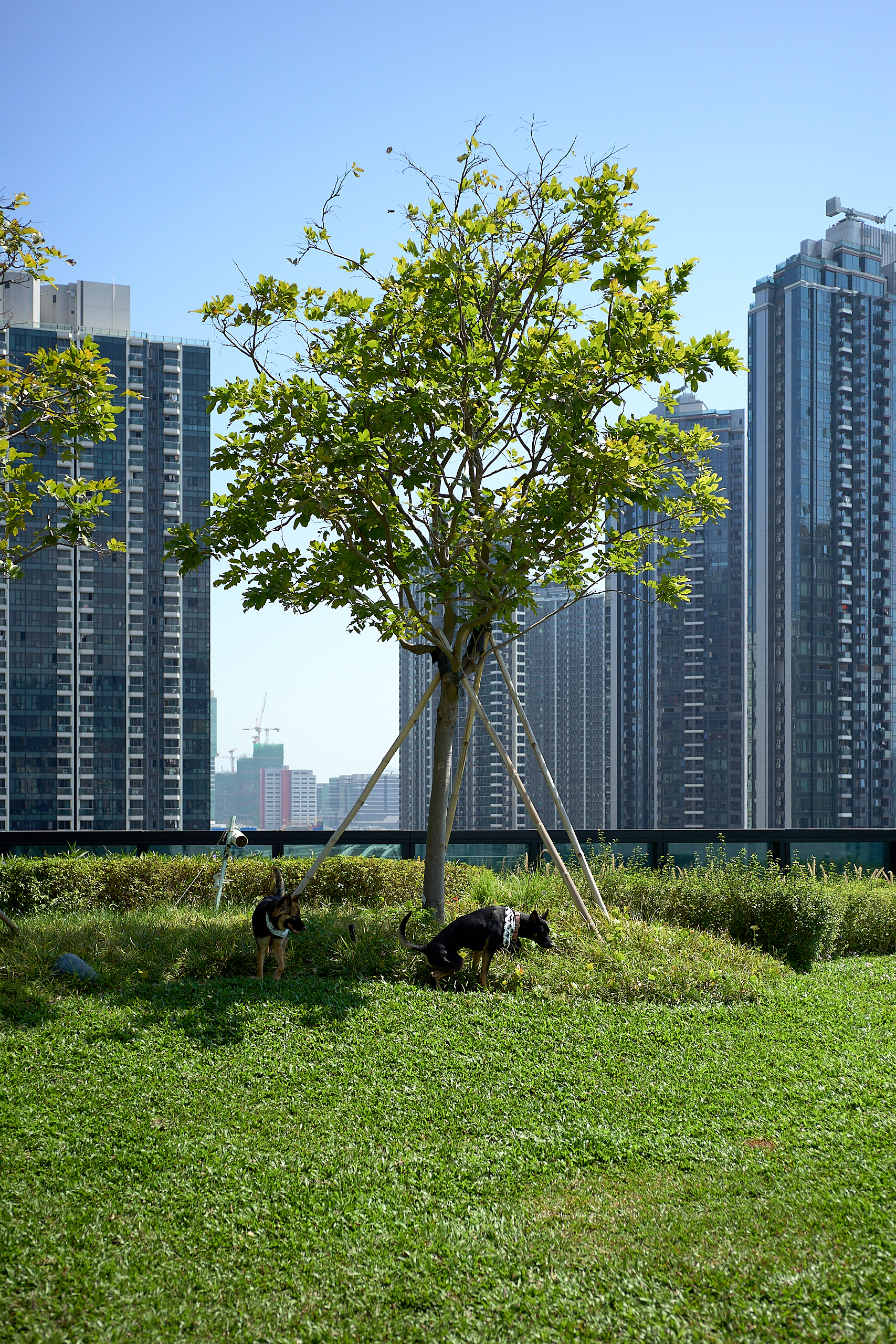
Kai Tak - Leica M10-P Reporter + Zeiss C Biogon 2.8/35mm
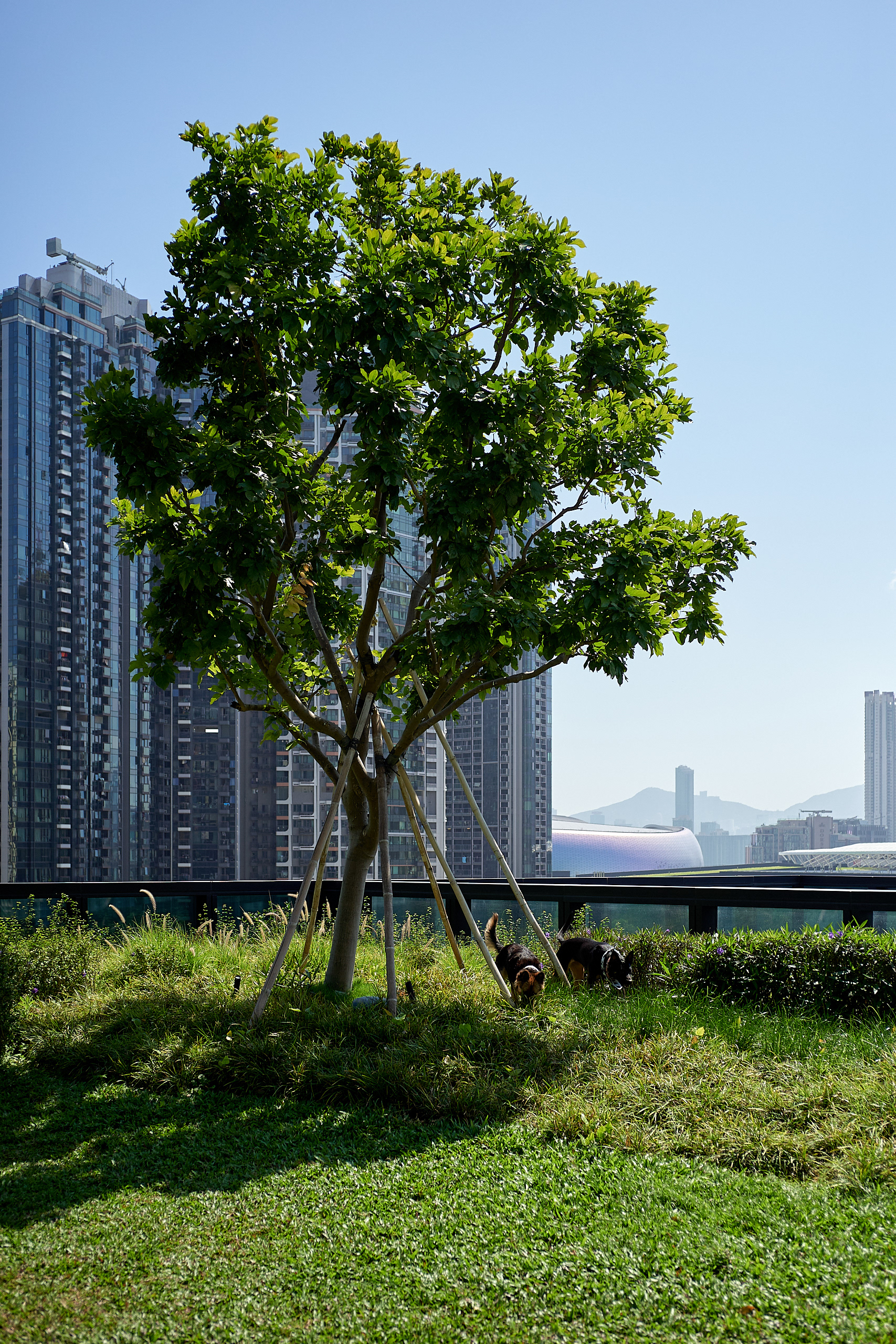
Kai Tak - Leica M10-P Reporter + Zeiss C Biogon 2.8/35mm
Tsim Sha Tsui is the harbour’s front-row seat, a dense strip where colonial relics, chrome malls, and the postcard skyline converge. The Clock Tower and Avenue of Stars deliver the classic head-on view, but wander east to the waterfront beneath the InterContinental for a quieter, low-angle frame—lapping waves and trampled stone in the foreground, Central’s glass monoliths rising beyond. At blue hour, the promenade becomes a theatre of tripods; a wide zoom captures the full sweep, while a short telephoto compresses the Star Ferry’s green-and-cream silhouette against the glowing towers.
Duck into the neon veins of Ashley Road or the vintage Mido Café’s balcony for grittier, street-level frames. Shoot the Symphony of Lights in silhouette, or arrive at dawn to catch the city blushing over empty benches—TST rewards patience and a polariser, serving skyline grandeur with salt air and ship horns.
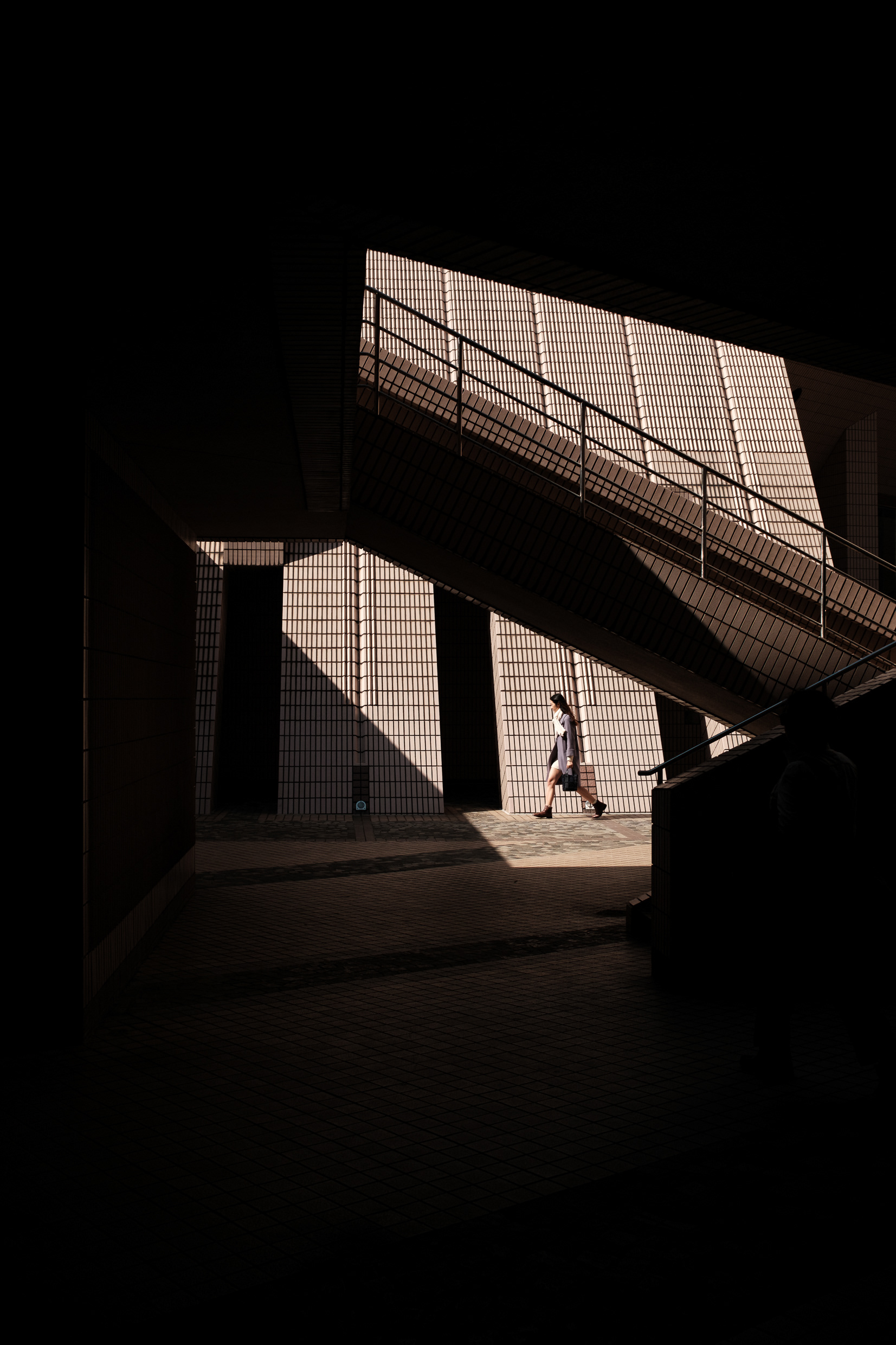
Tsim Sha Tsui - Fujifilm X100VI
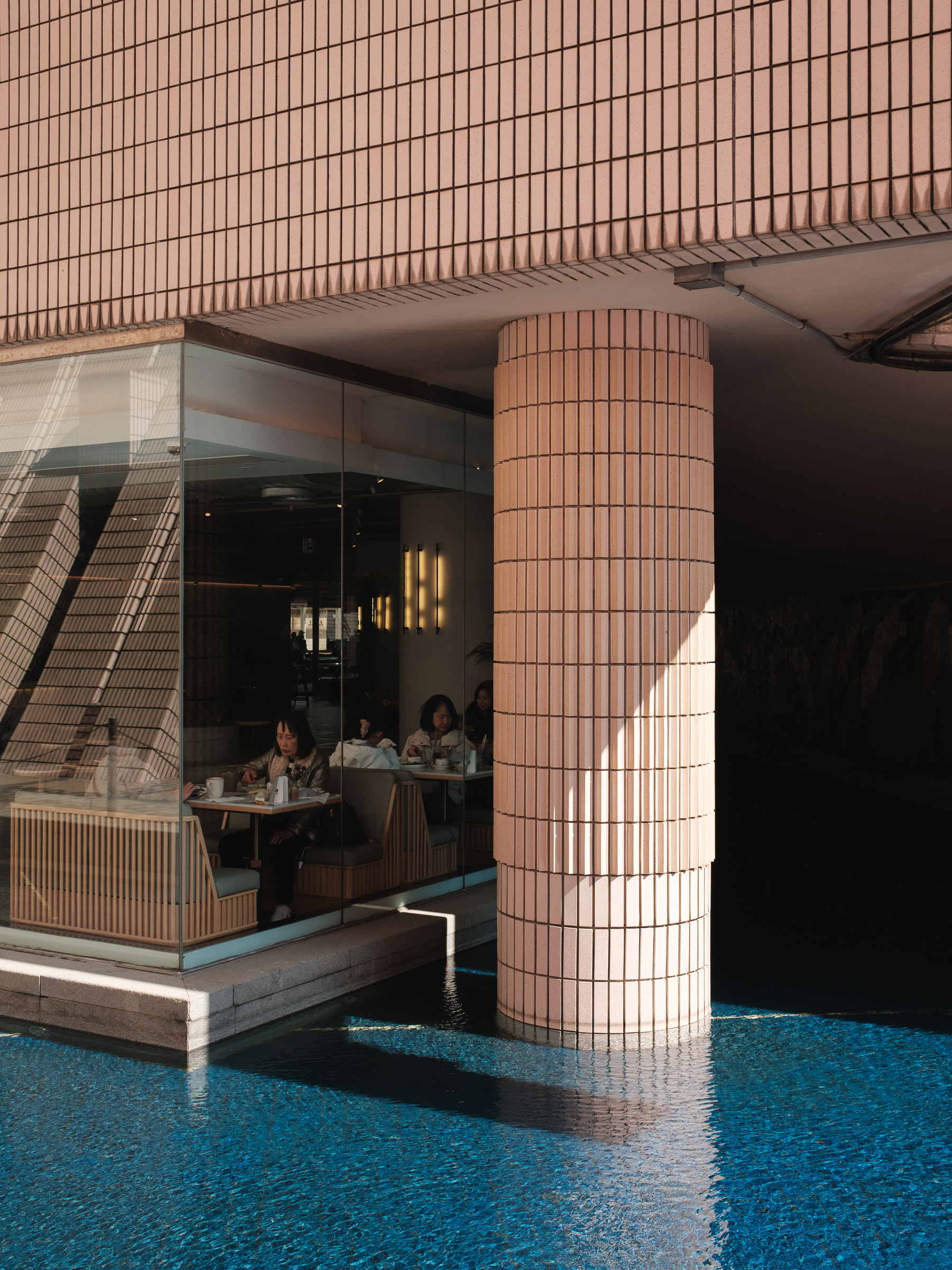
Tsim Sha Tsui - Fujifilm X100VI
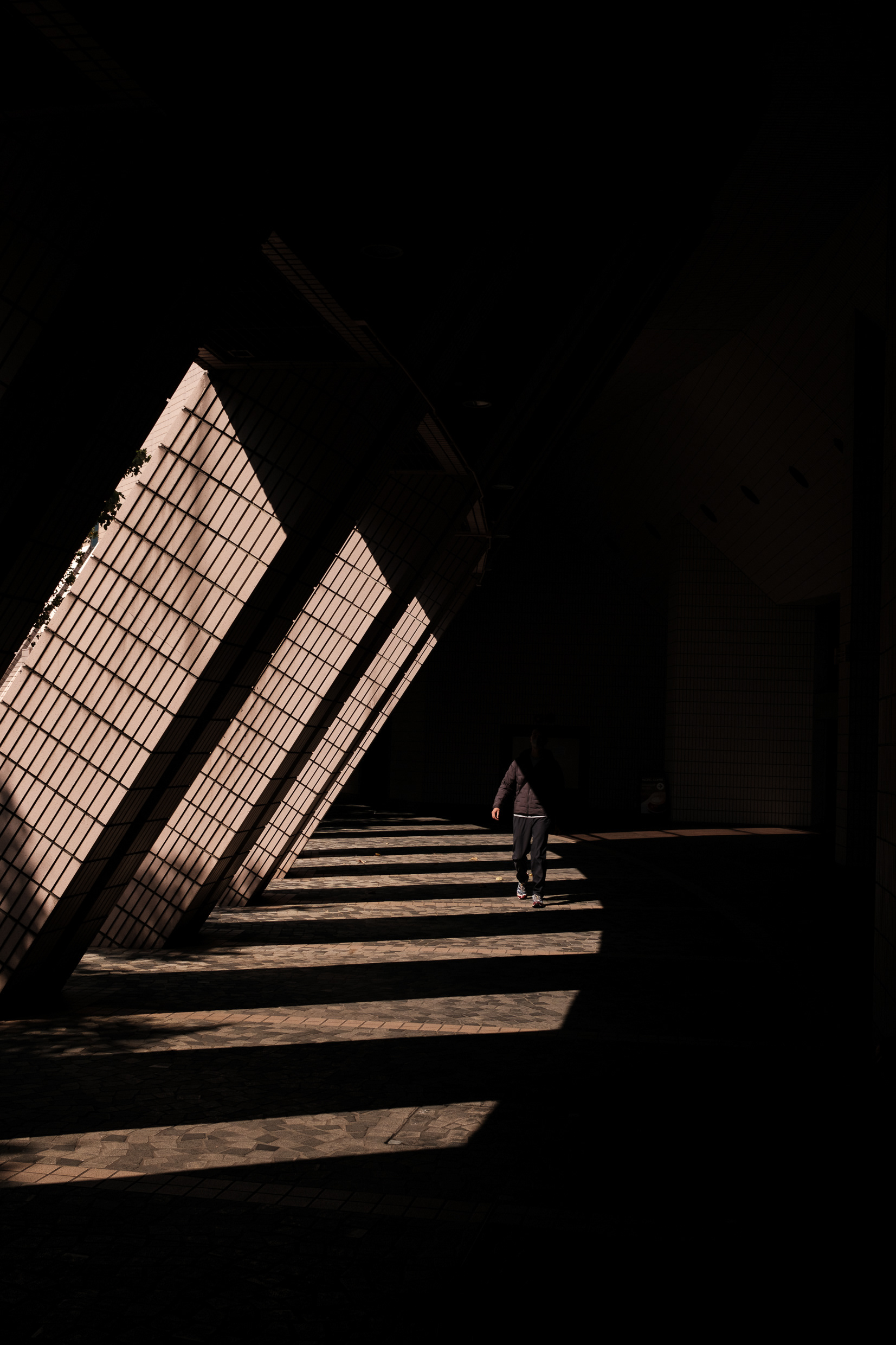
Tsim Sha Tsui - Fujifilm X100VI
Hong Kong International Airport is a cathedral of aviation on Lantau, where Norman Foster’s white ribs sweep overhead in waves of light and engineered grace. Inside Terminal 1, frame the departure hall’s rhythmic vaults with an ultra-wide lens, but skip the tripod—brace against the cool polished floors to avoid drawing attention. The true star is the Sky Bridge observation deck: mount a 200mm lens to isolate an A380 climbing over the South China Sea, its silhouette pressed against the green peaks of Lantau.
Time your visit for late afternoon, when the low sun floods the concourse, then stay through blue hour as the terminal glows from within and runway lights streak across the water. This isn’t just a transit point; it’s a sleek, kinetic ballet of glass, steel, and contrails, framed by mountain and sea.
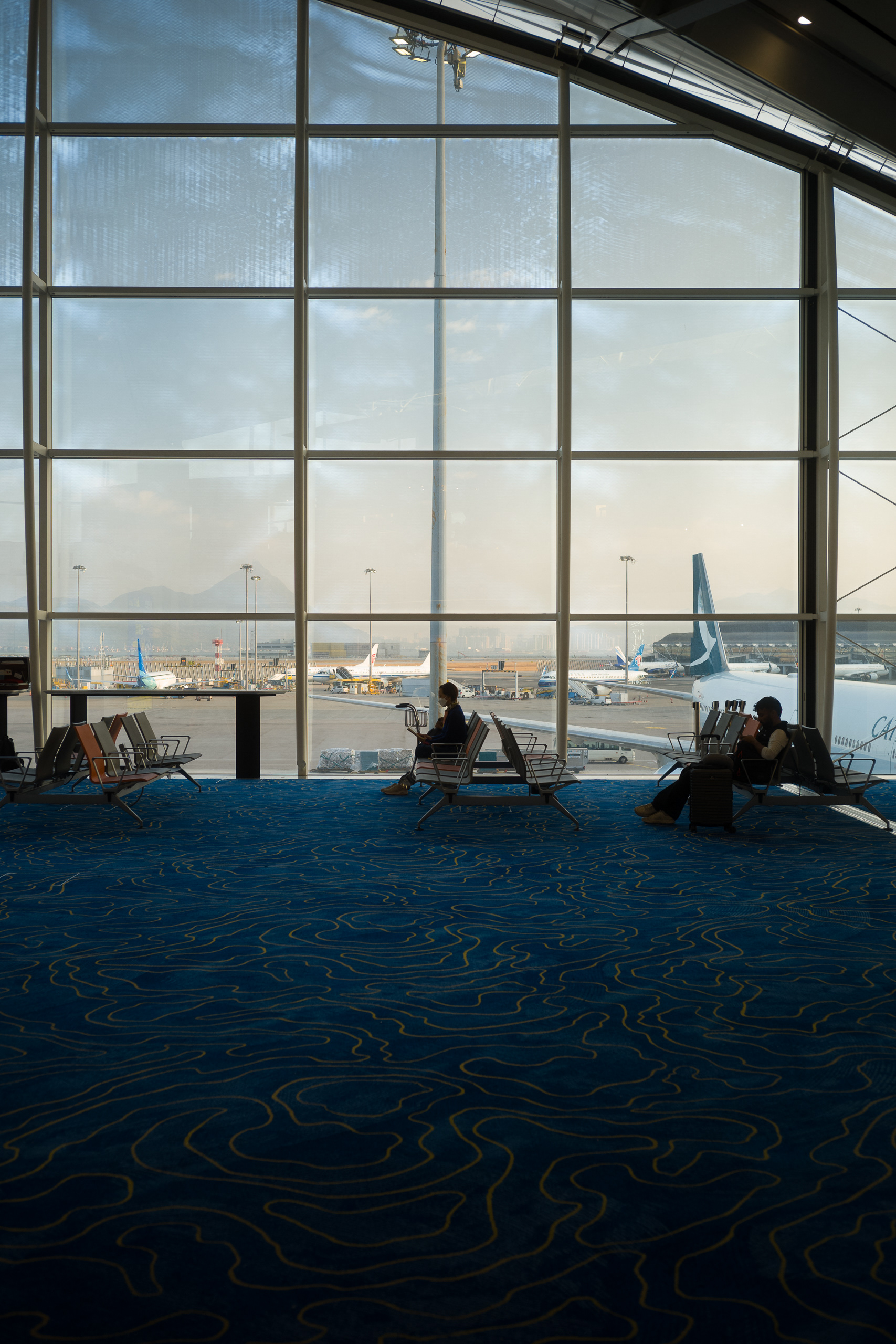
HKIA - Leica M10-P Reporter + Zeiss C Sonnar 1,5/50mm
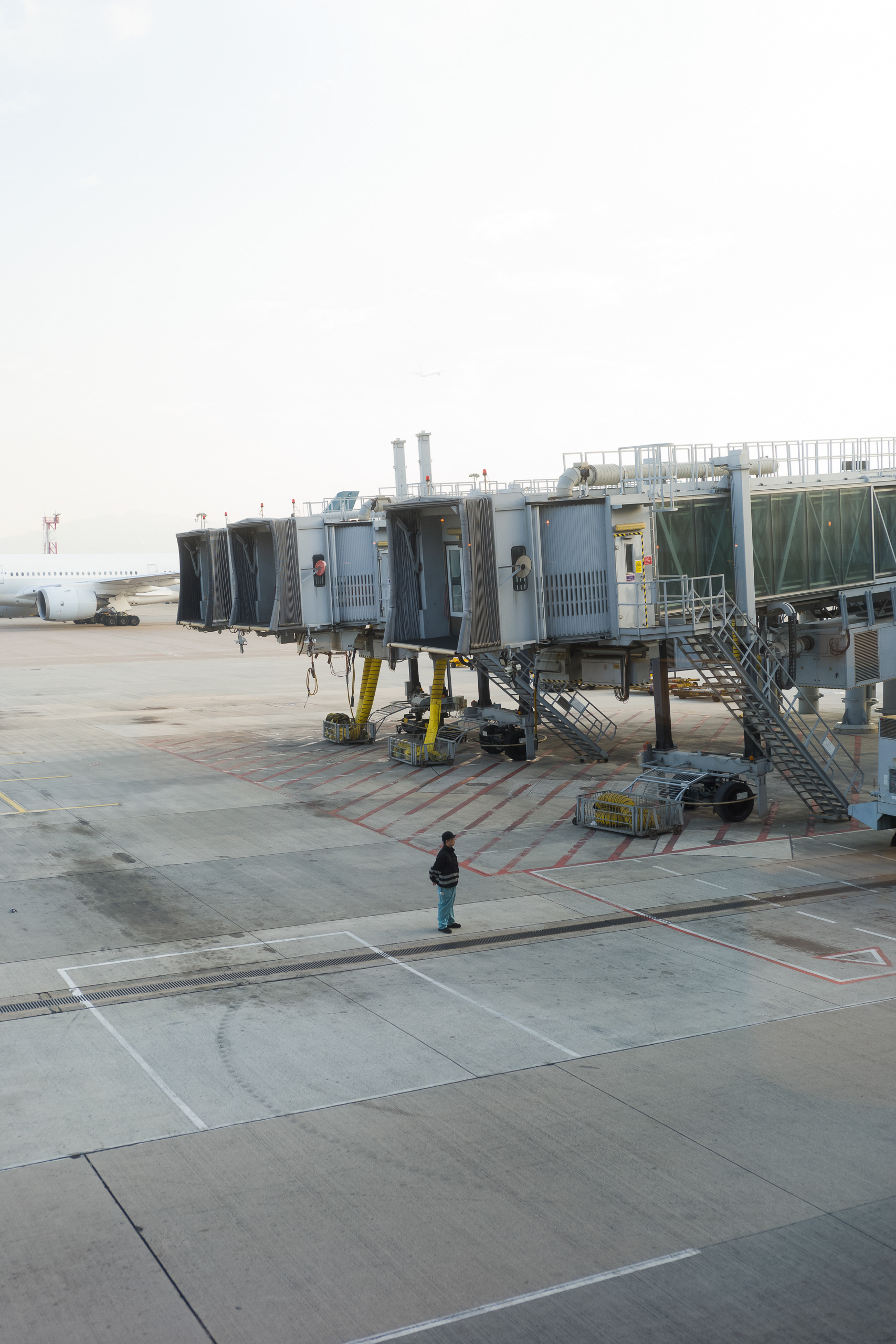
HKIA - Leica M10-P Reporter + Zeiss C Sonnar 1,5/50mm
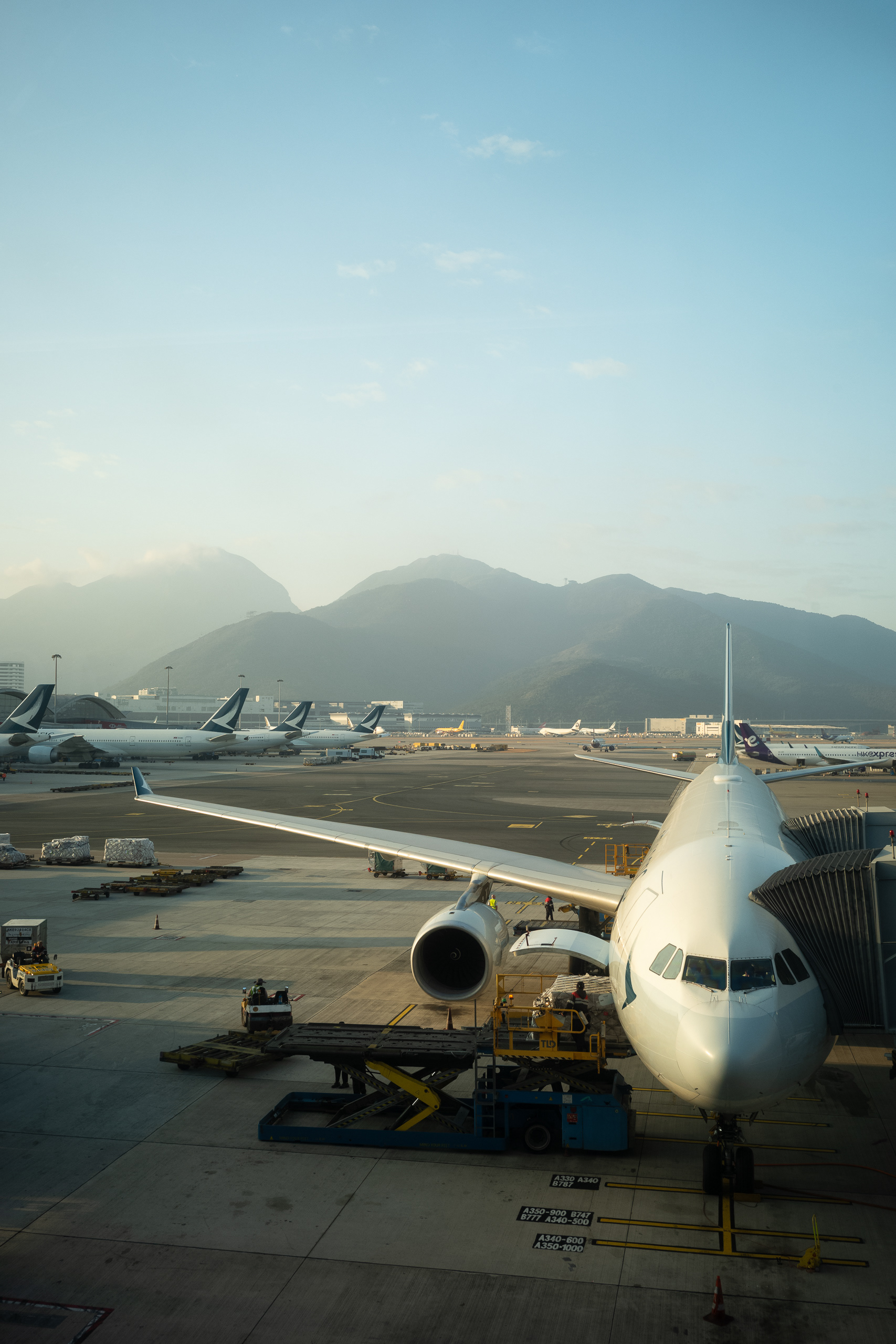
HKIA - Leica M10-P Reporter + Zeiss C Sonnar 1,5/50mm
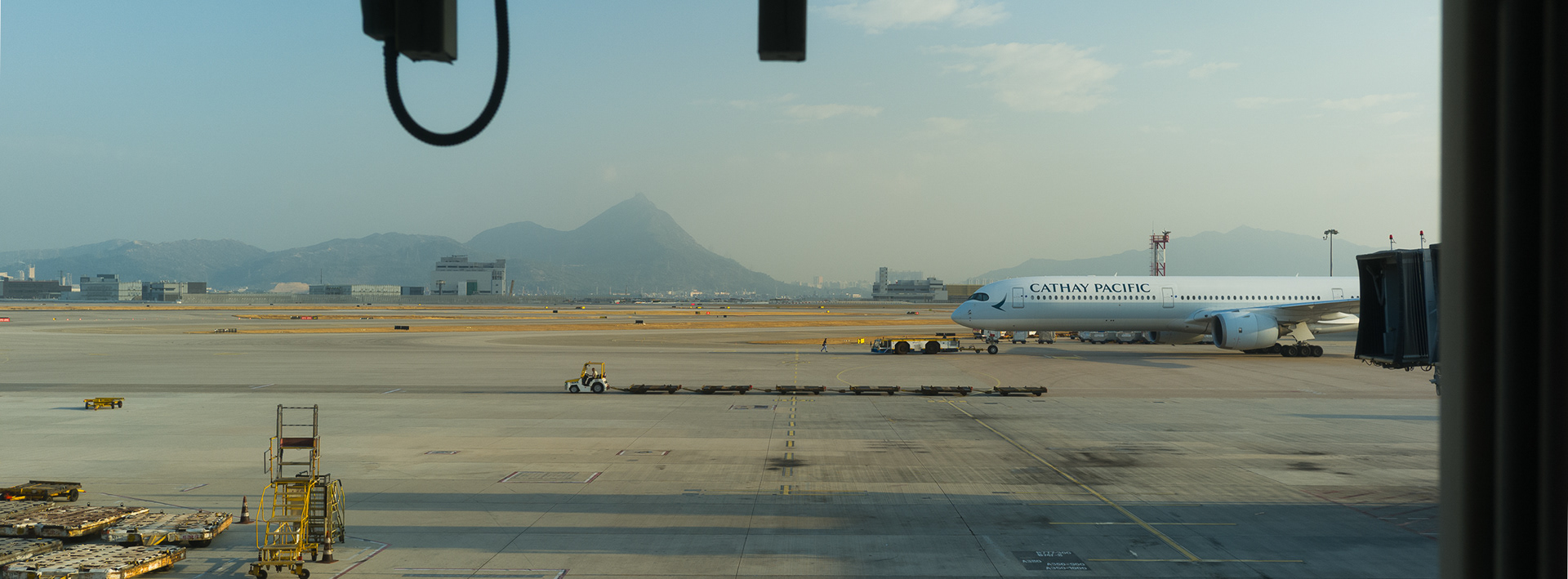
HKIA - Leica M10-P Reporter + Zeiss C Sonnar 1,5/50mm
North Point is where the tram becomes intimate theatre—the “ding-ding” chiming through a canyon of old walkups, wet-market awnings, and weathered signboards. King’s Road narrows perfectly here, forcing the green-and-cream carriages into tight visual frames you won’t find on the broader Central stretch. Stand near the North Point terminus curve at golden hour, when low sun paints the tram’s upper deck in honeyed light and passengers lean out like a living Edward Hopper painting.
A 50mm prime isolates those quiet cabin moments; a slow shutter and panning capture the blur of a tram sliding through market stalls near Chun Yeung Street. Return at blue hour for motion streaks—a tripod on the footbridge yields crisp trails threading through neon. Move softly, board one for the ride, and you’ll leave with a portrait of a neighbourhood still beating at street level.
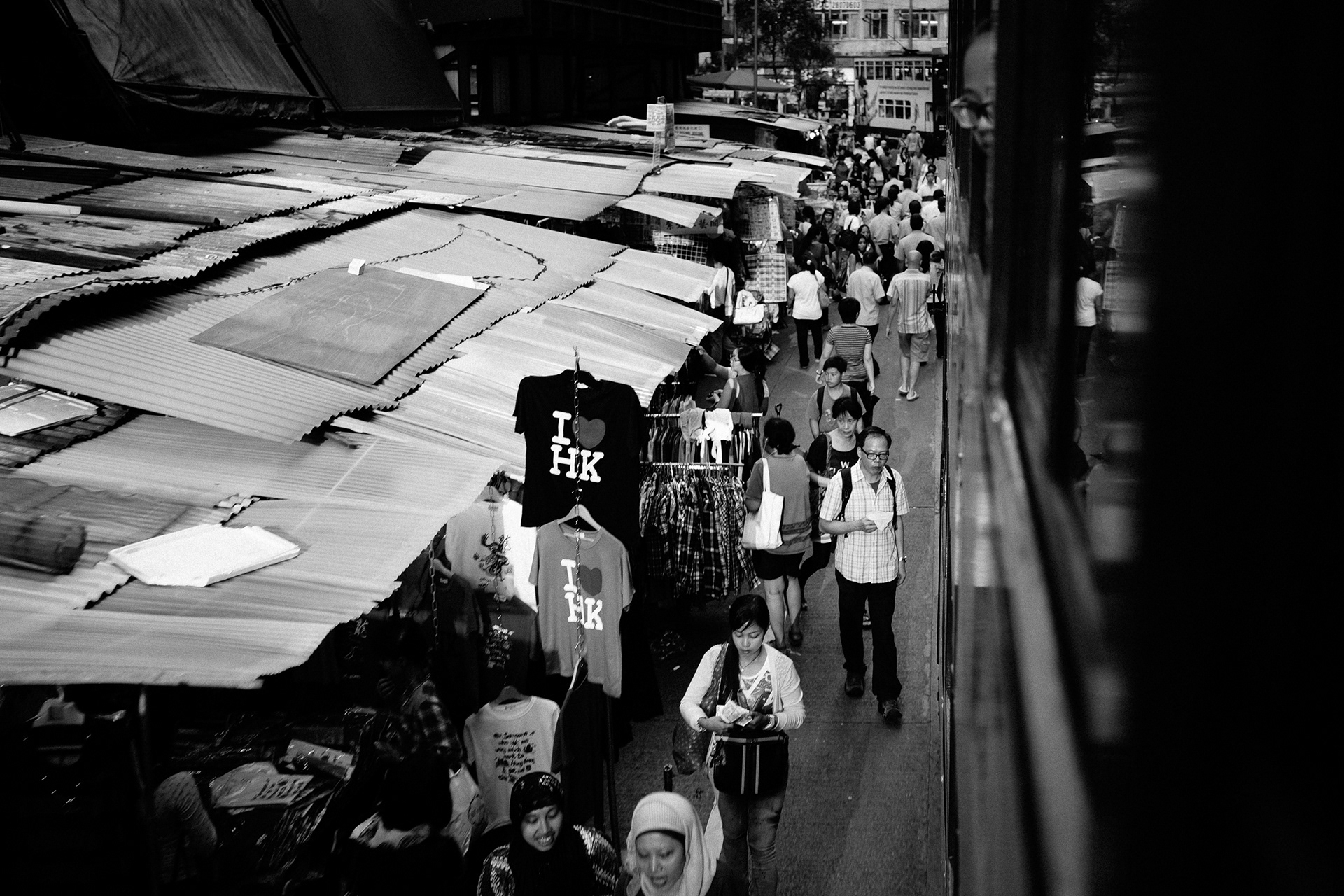
North Point - Sony RX1
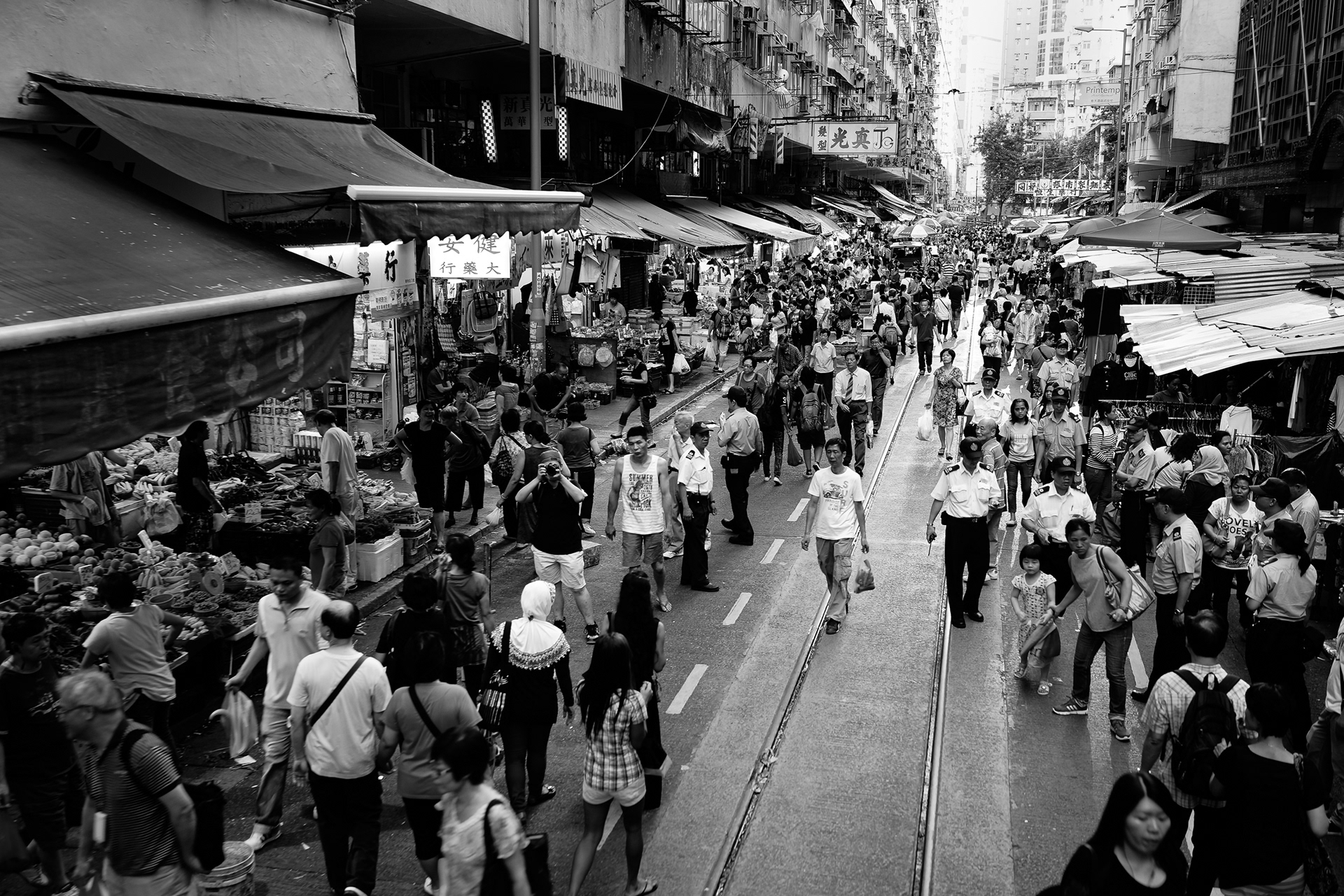
North Point - Sony RX1
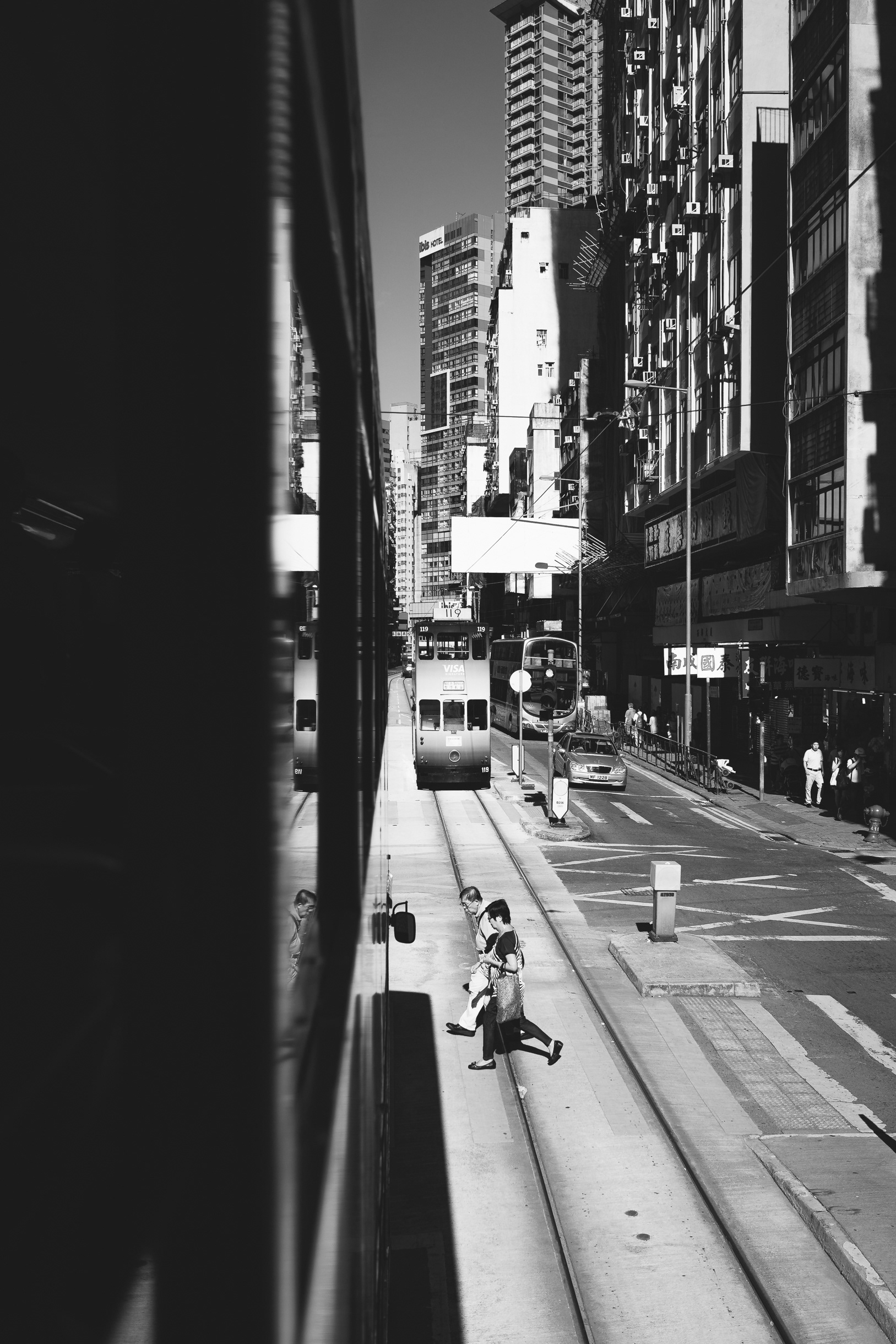
North Point - Sony RX1
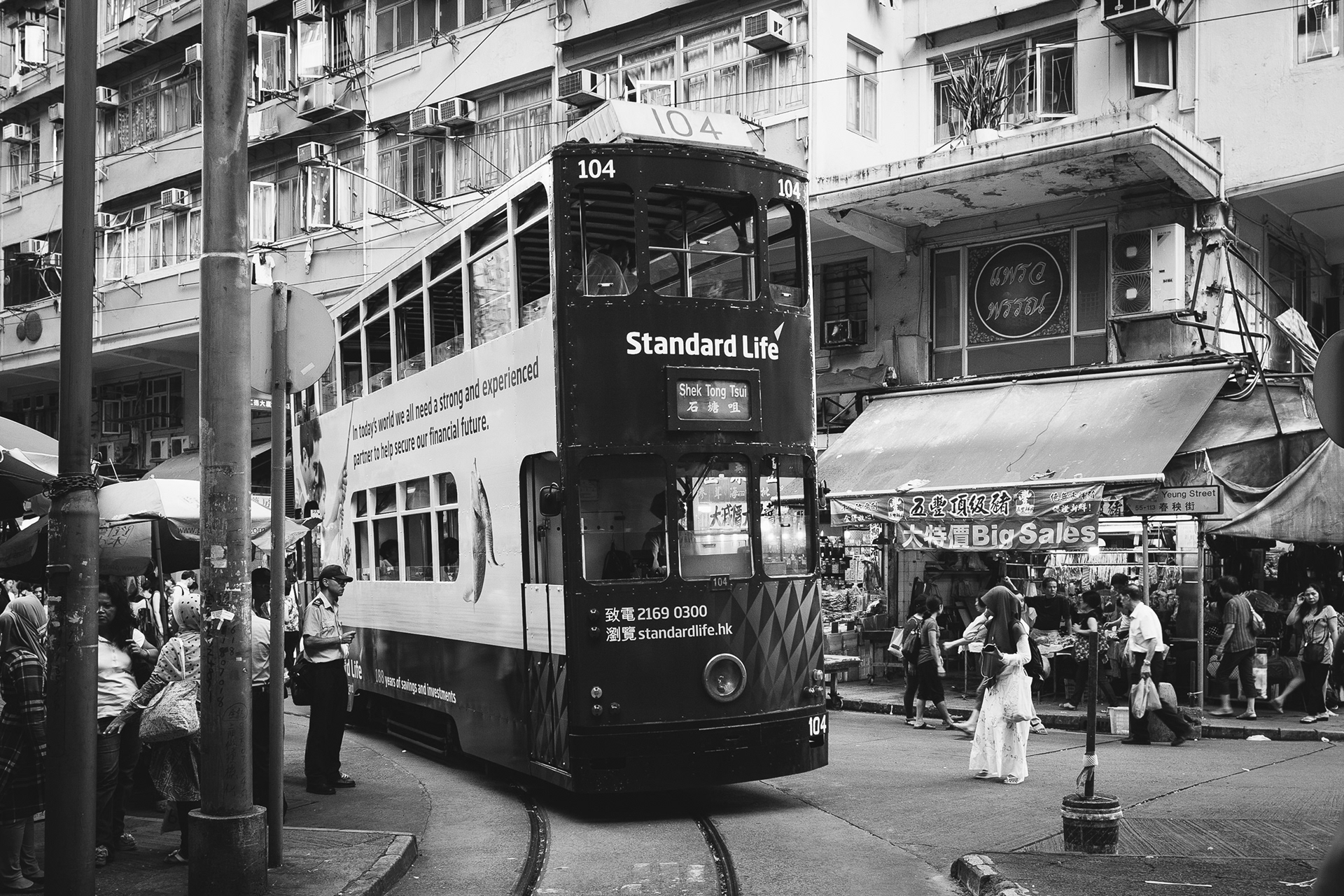
North Point - Sony RX1
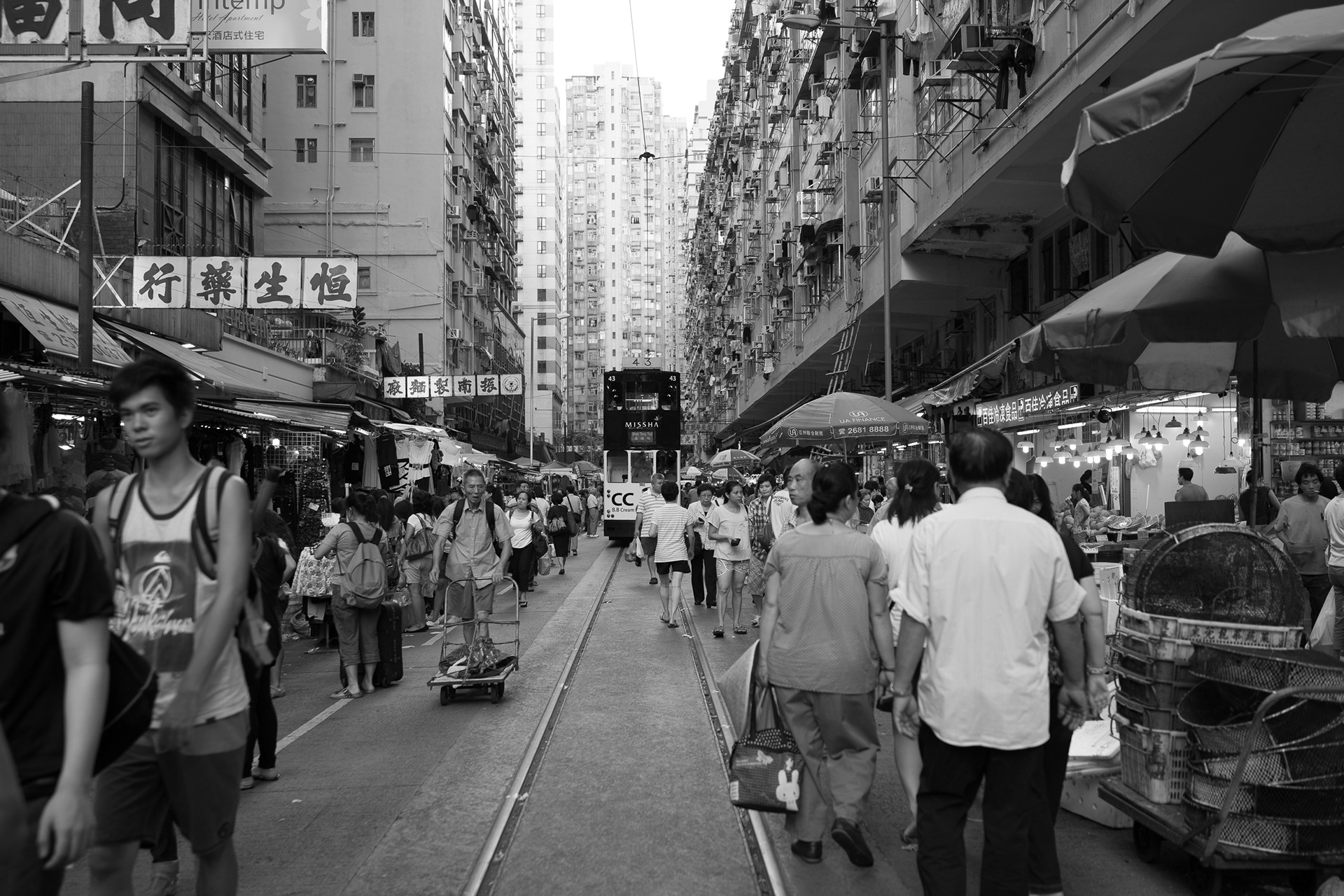
North Point - Sony RX1
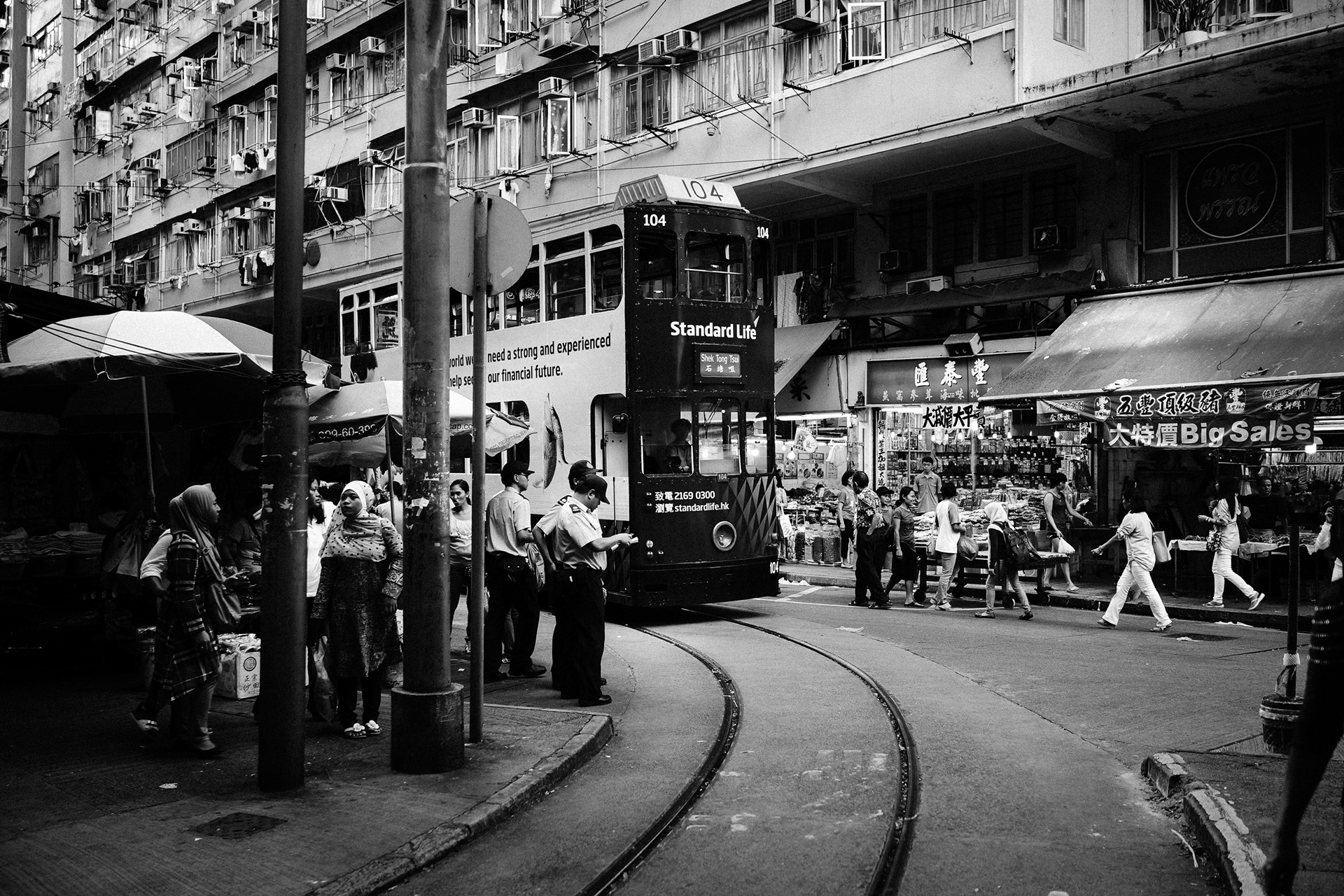
North Point - Sony RX1
Hong Kong’s country parks are the city’s wild counterpoint—jade ridges that plunge into turquoise coves within an hour’s hike of the financial heart. The Dragon’s Back delivers the classic hero shot: a wide zoom at sunrise catching the sinuous spine of the trail, hikers silhouetted on the crest, and the South China Sea glittering beyond Shek O.
For a mountain-above-clouds vision, climb Tai Mo Shan at dawn and let a telephoto compress the city’s glass towers poking through the mist like islands. The MacLehose Trail stages offer highland savannahs and volcanic coastlines, but shoot the Tai Lam stretch in late afternoon when golden hour floods the reservoirs. A polariser saturates the greens and blues. Lace up, start early, and you’ll frame a vertical wilderness where soaring kites and city skylines share one impossible, breathtaking frame.
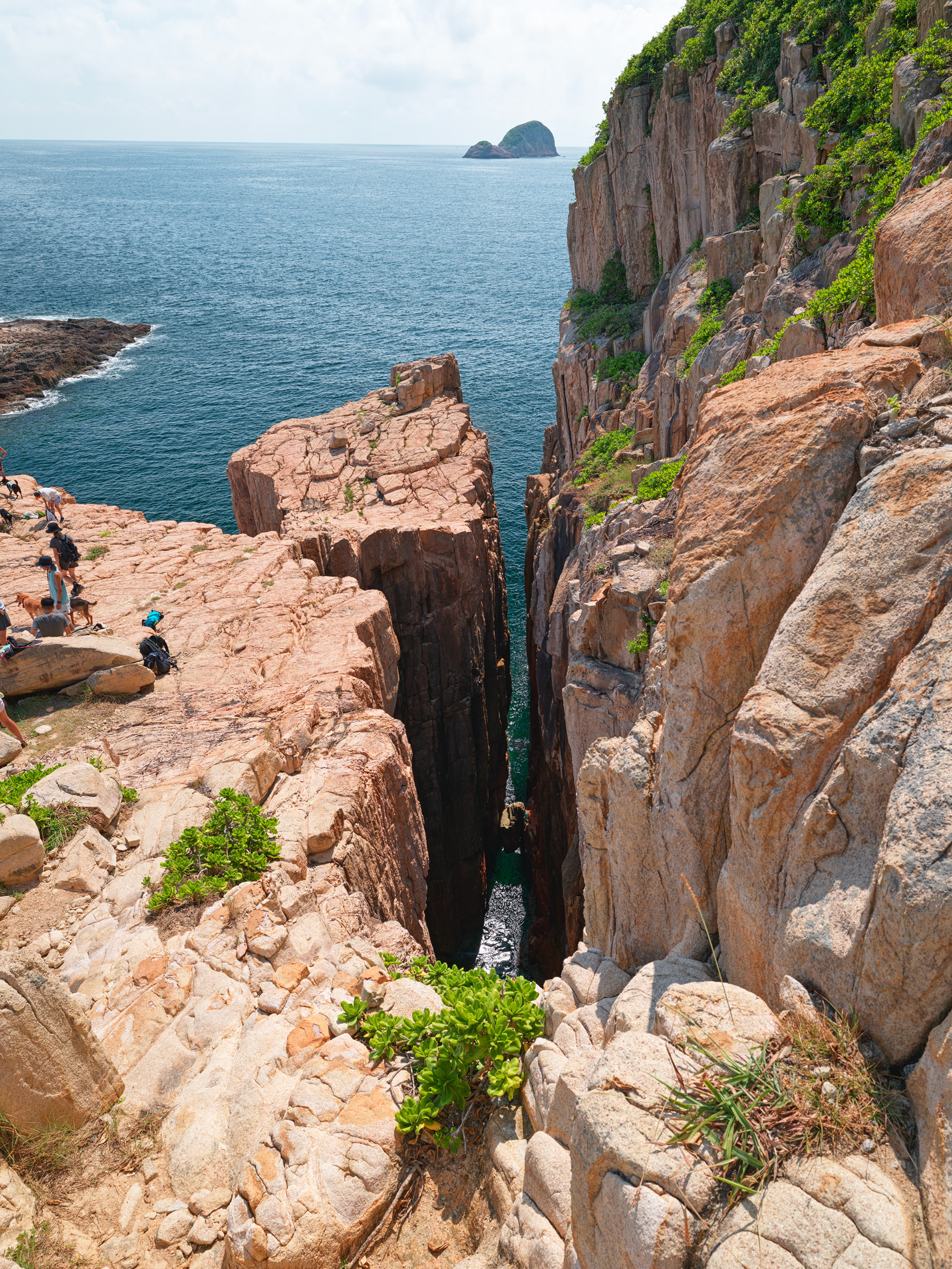
Island - Hasselblad X2Dii + XCD28P
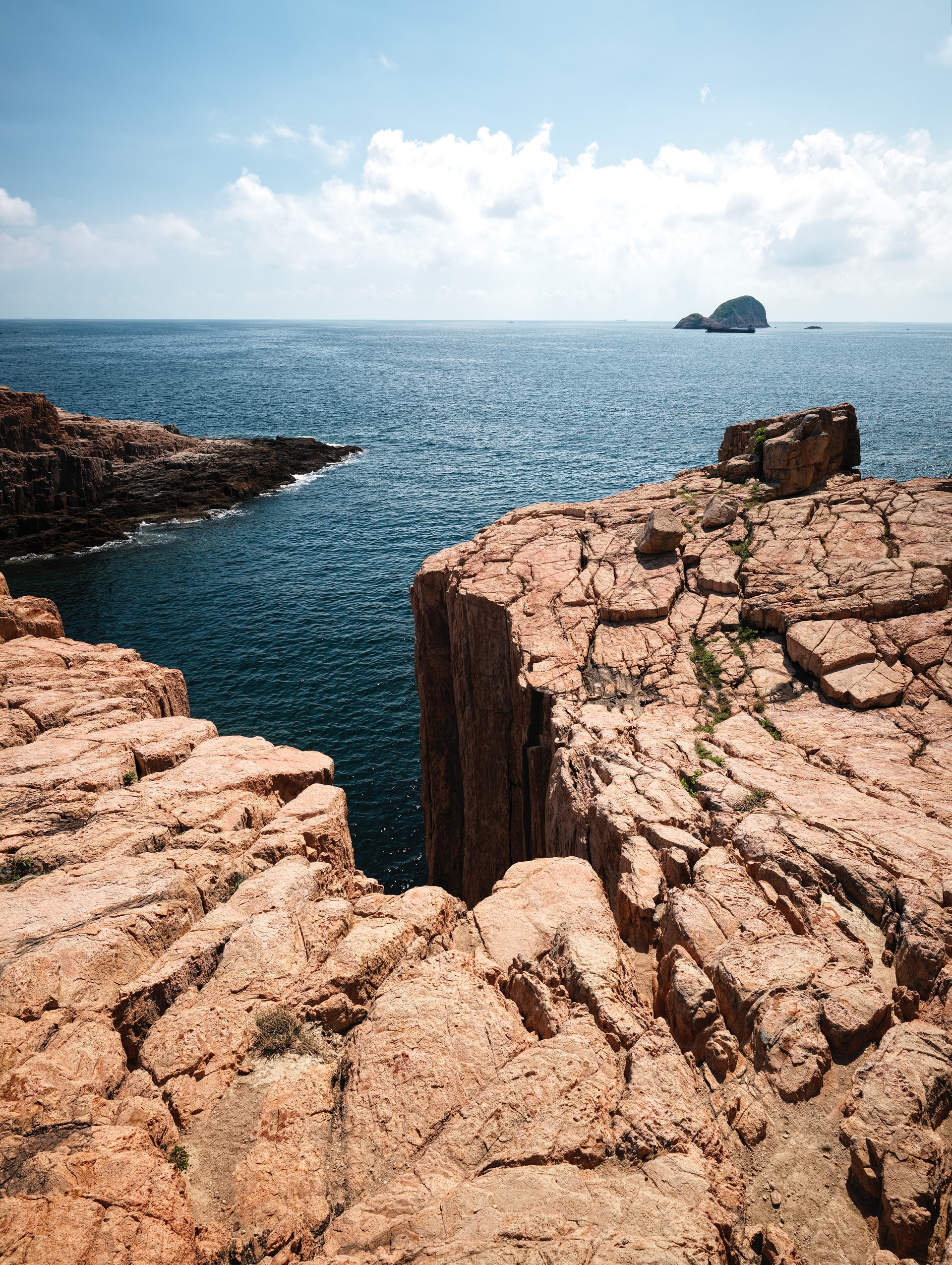
Island - Hasselblad X2Dii + XCD28P
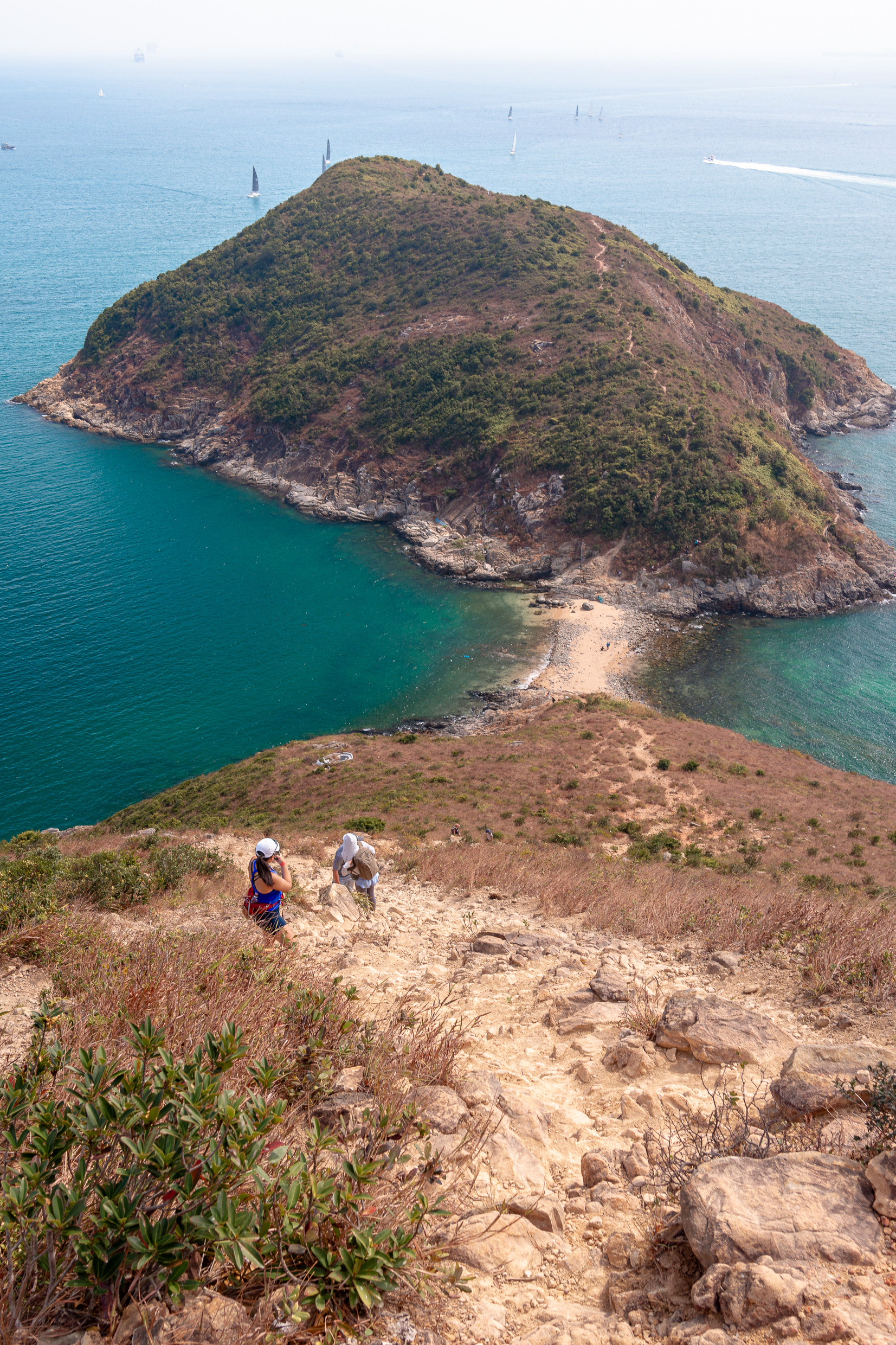
South Island hike - Sony RX1
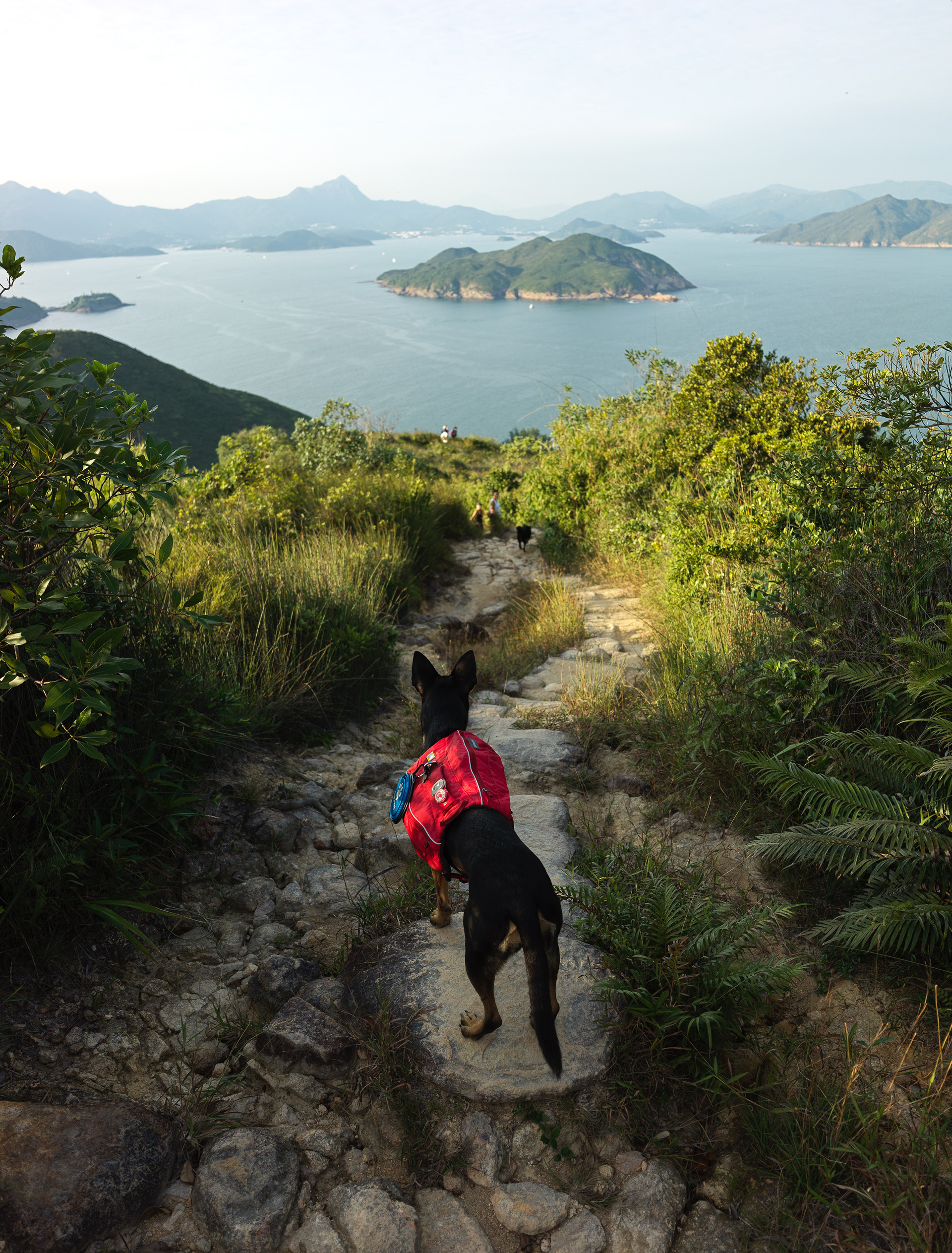
Lobster Bay - Hasselblad X2Dii + XCD28P
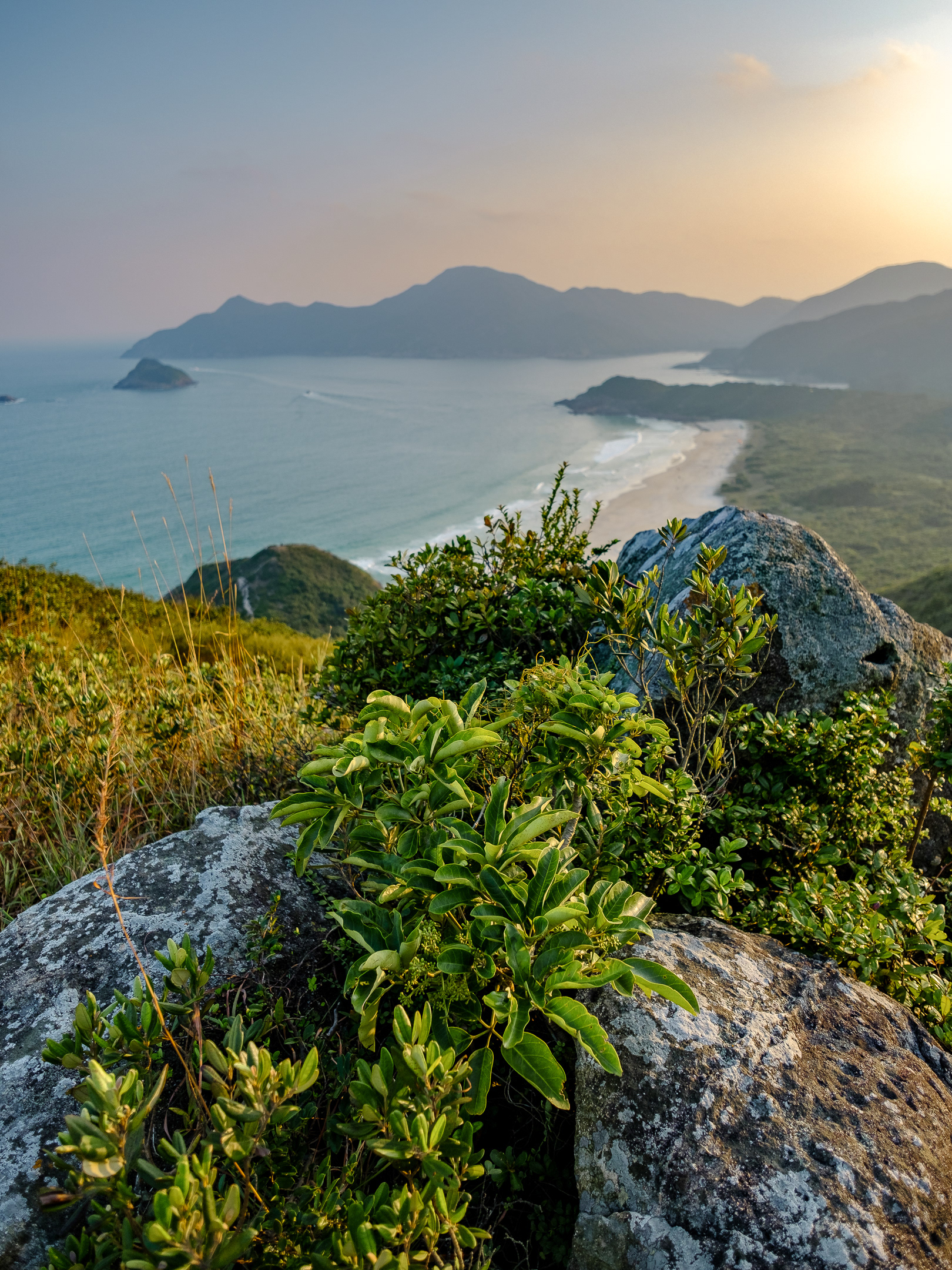
Hiking - Fujifilm X-Pro2 + XF14mm F/2.8
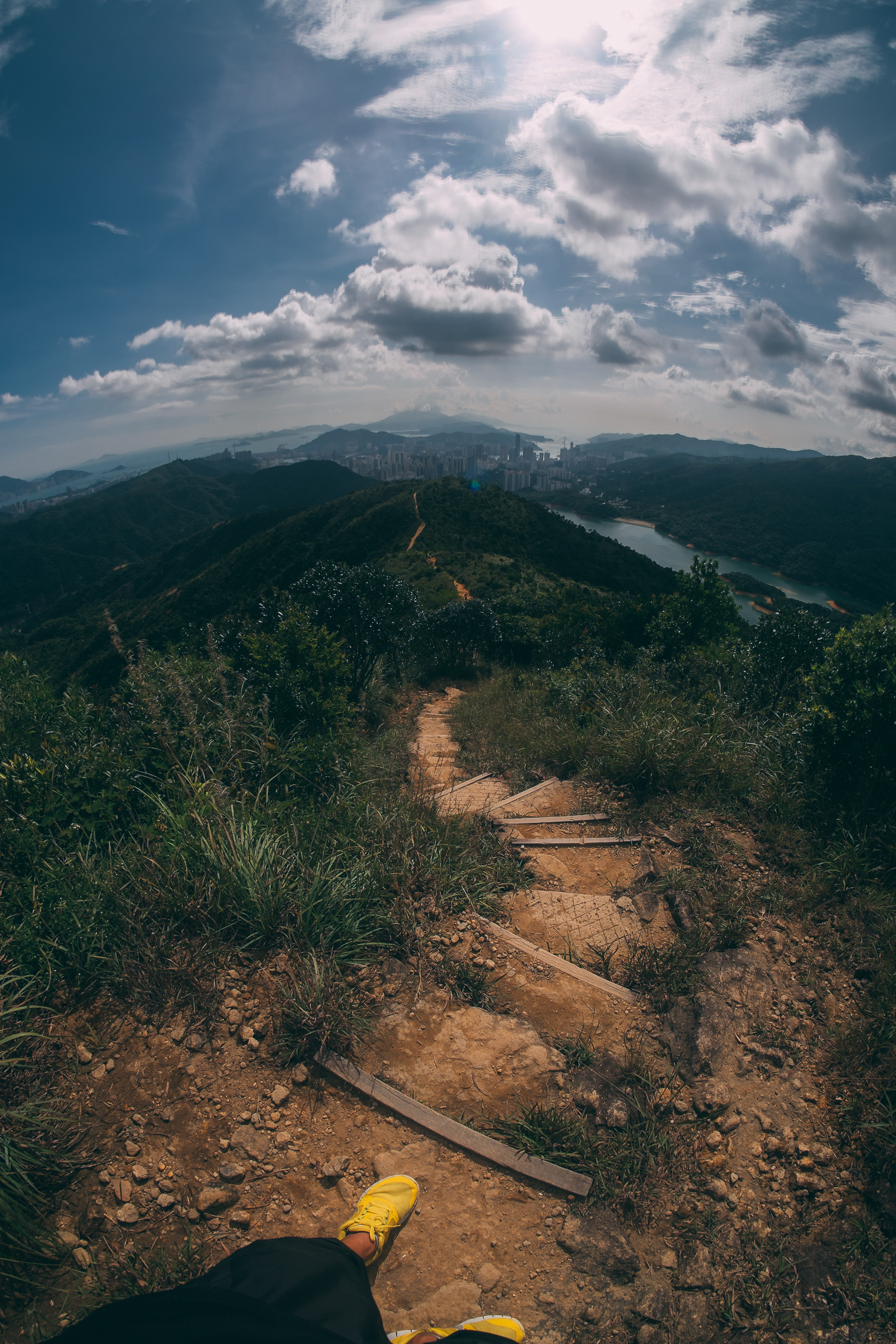
Hiking - Fujifilm X-T1 + Rokinon 8mm
Choi Hung Estate is Hong Kong’s pastel dream—a burst of candy-coloured towers wrapped around a basketball court that has become one of the city’s most surreal photo stages. The Rainbow Court, anchored between the estate’s candy-hued blocks, works best with an ultra-wide lens pointed straight up or level to trap the full symmetry: palm trees, vivid walls, and hoop frames under a bleach-blue sky.
Arrive early on a weekday morning to dodge the selfie queues and catch the low sun flaring off the building faces. A quick 24mm or wider captures the full arena view; if someone’s shooting hoops, drop to a low angle for motion against that iconic façade. Move lightly—this is a working estate, not a set—and the reward is a dizzying, joyful geometry that turns an everyday public court into a pop-art postcard of Hong Kong density.
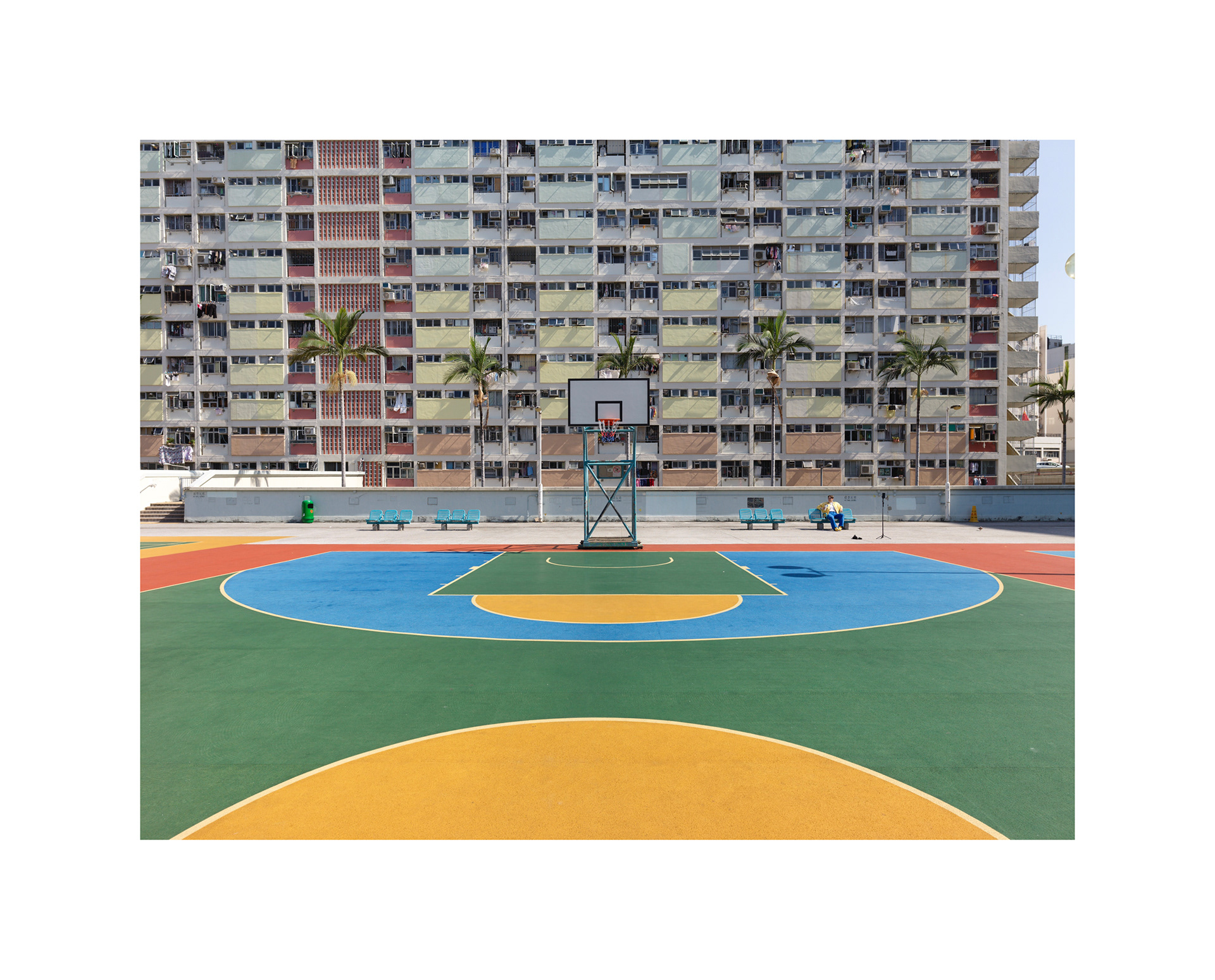
Choi Hung Estate - Hasselblad X1Dii + XCD28P
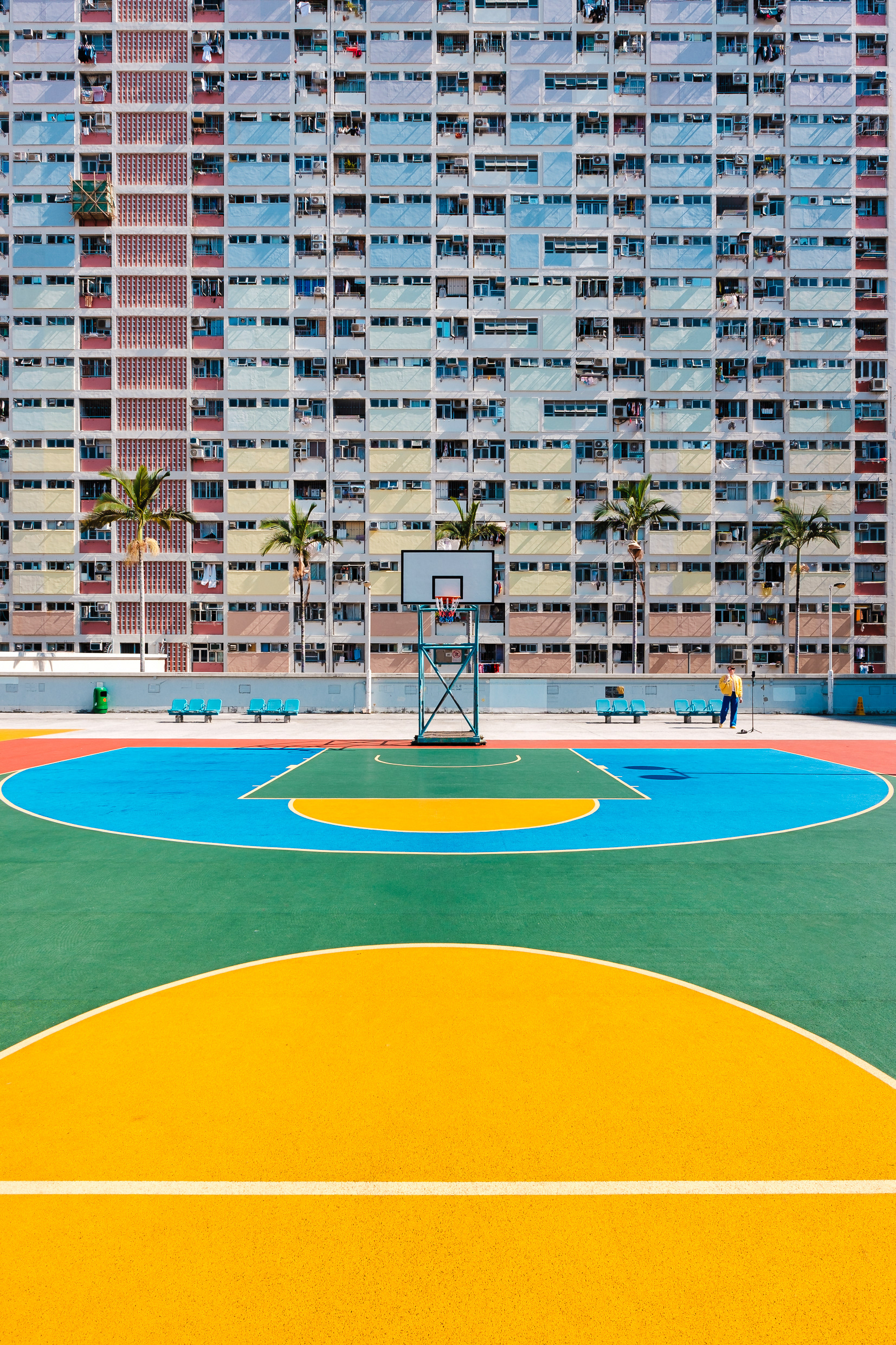
Choi Hung Estate - Fujifilm X-Pro2 + Sigma 10-18mm F/2.8
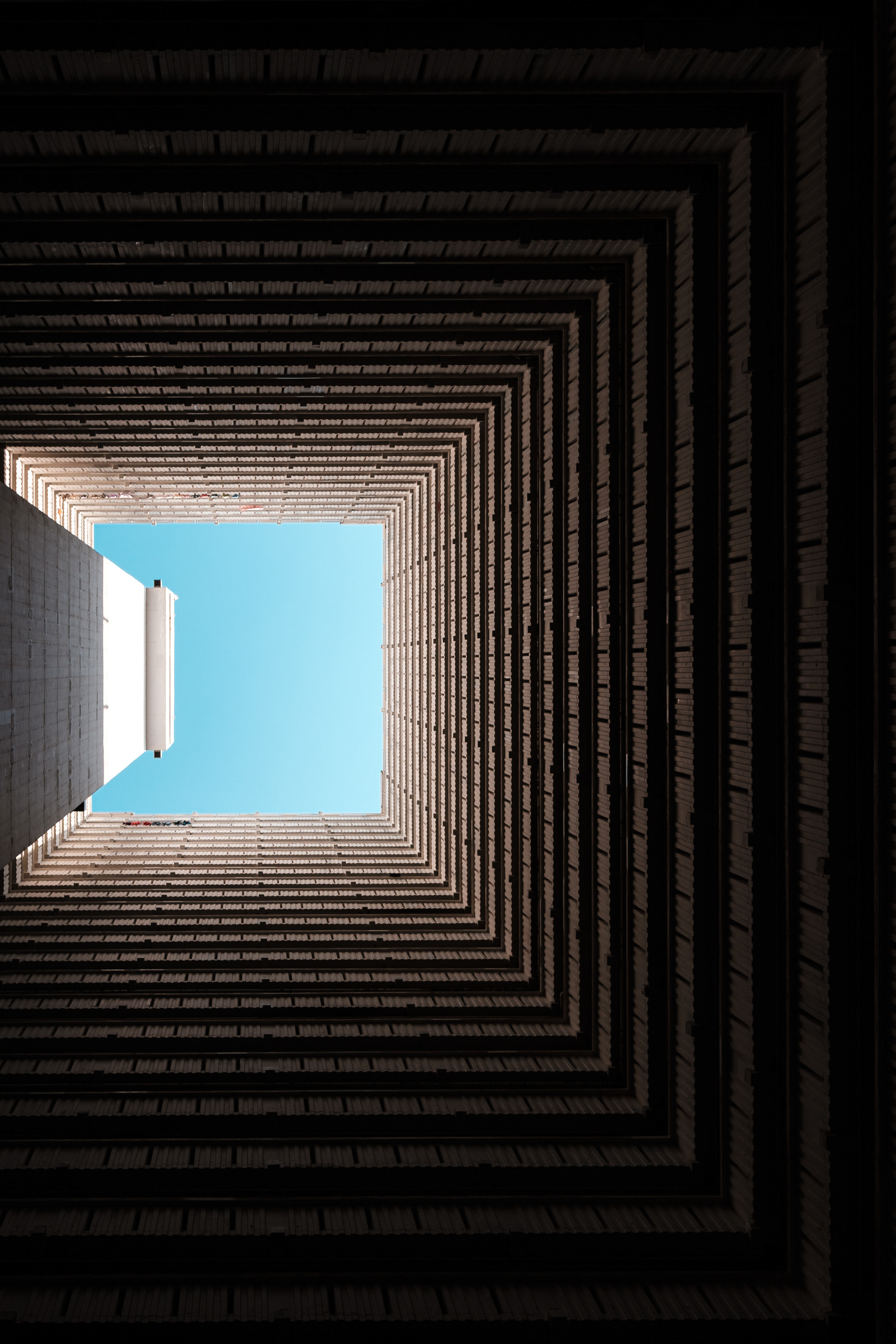
Choi Hung Estate - Fujifilm X-Pro2 + Sigma 10-18mm F/2.8
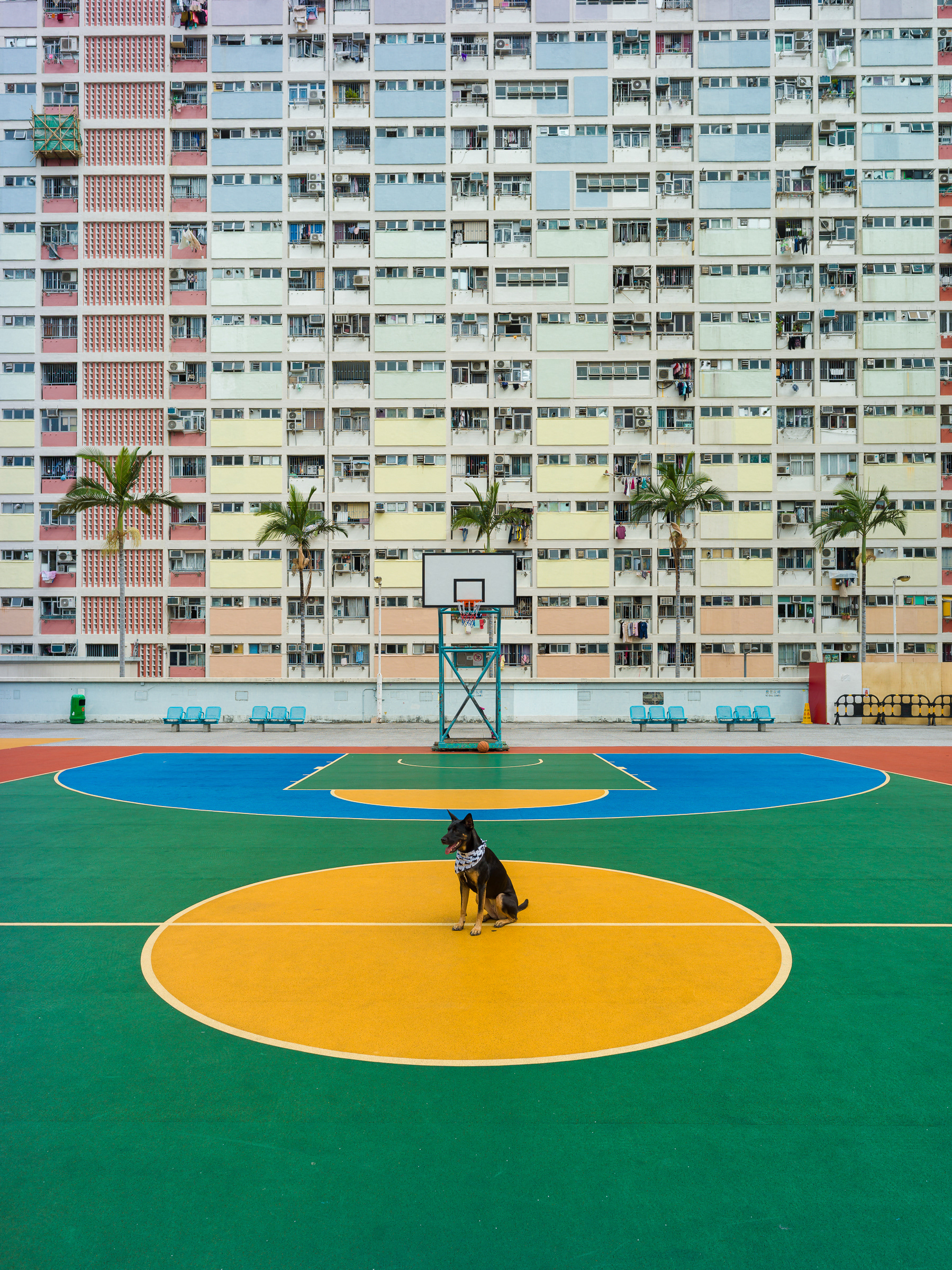
Choi Hung Estate - Hasselblad X1Dii + XCD28P
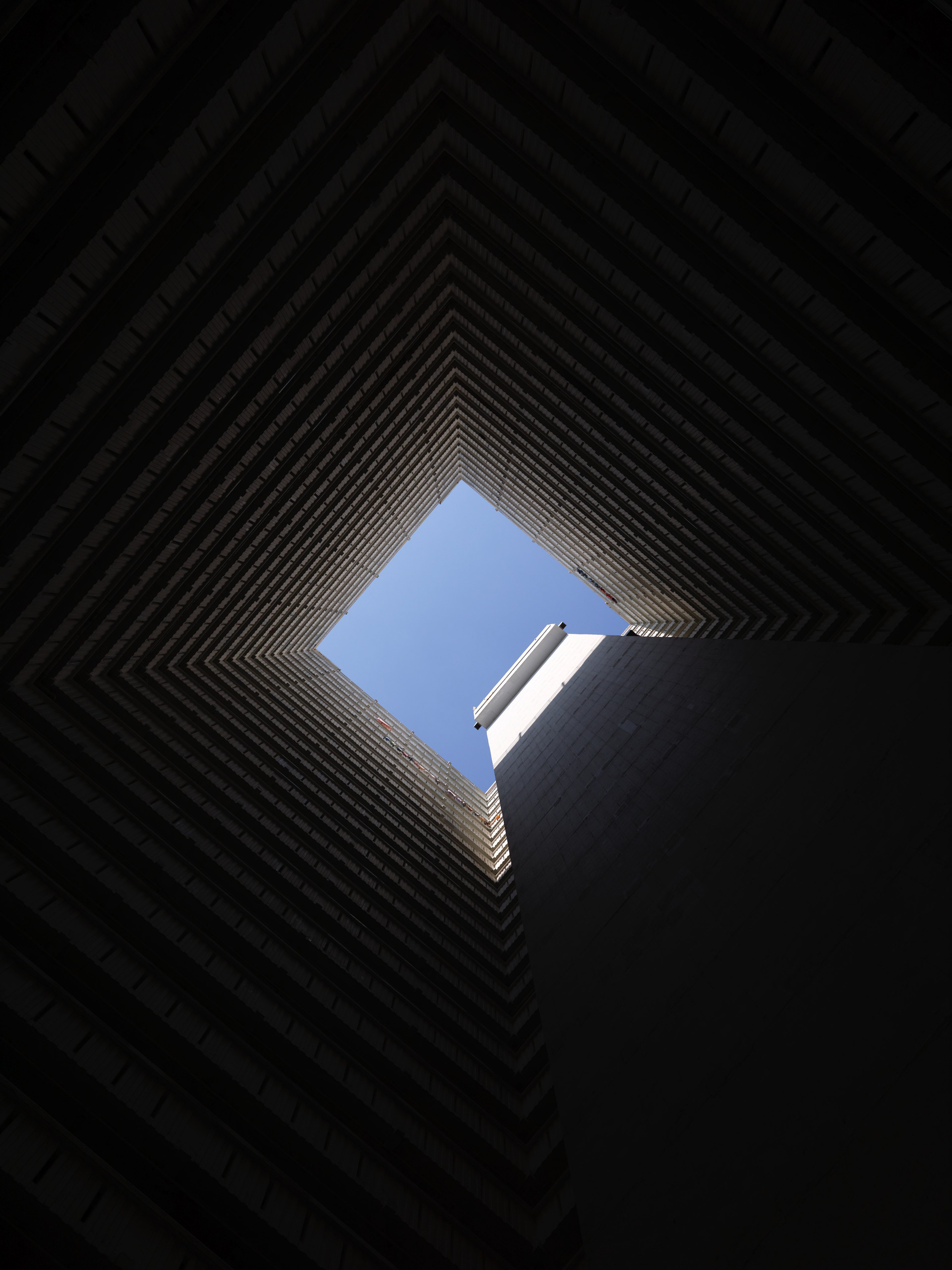
Choi Hung Estate - Hasselblad X1Dii + XCD28P
Hong Kong rooftops are a two-tiered universe—gritty, lived-in platforms in Sham Shui Po colliding with sleek, vertiginous perches on Hong Kong Island. In Sham Shui Po, wear-smooth staircases open onto low-rise walkup roofs cluttered with TV antennas, rusting water tanks, and bamboo laundry poles crisscrossing the sky; a wide 24mm lens compresses the dense cage of tenement blocks while golden-hour light rakes across peeling paint and pigeon coops. Cross the harbour, and the skyscraper game changes—from sky terraces like Sevva or the Eyebar, a 70-200mm lens pulls the glass towers of Central into tight, compressed stacks, their mirror skins holding the sunset.
Shoot the old walkups in the afternoon for deep shadow play on wall textures; time the modern rooftops at blue hour, when the city ignites beneath your feet and infinity pools bleed light. Always tread lightly—knock for permission in the tenements, buy a drink at the bars—and you’ll capture a vertical city split between nostalgic chaos and polished air.
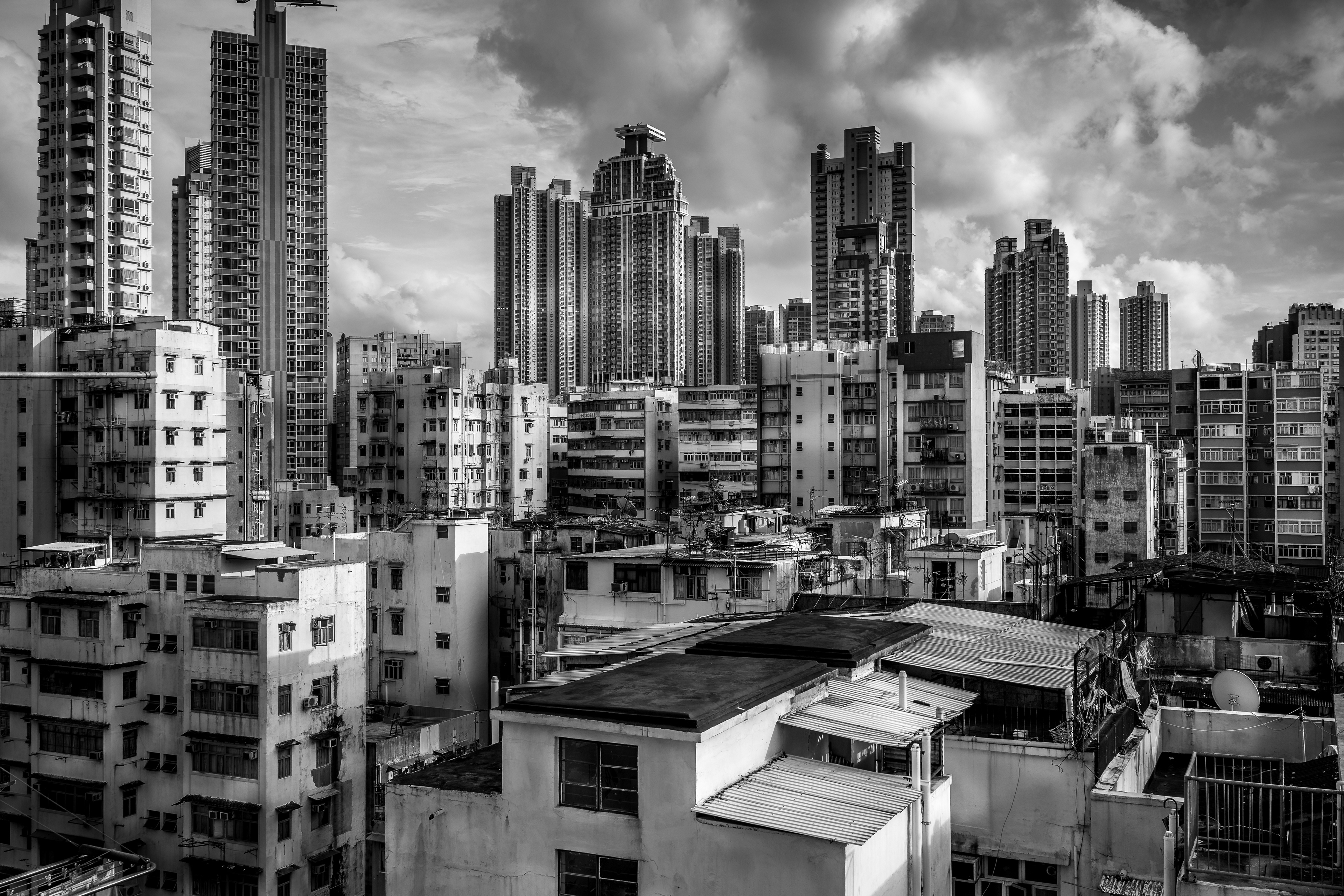
Prince Edward - Sony RX1
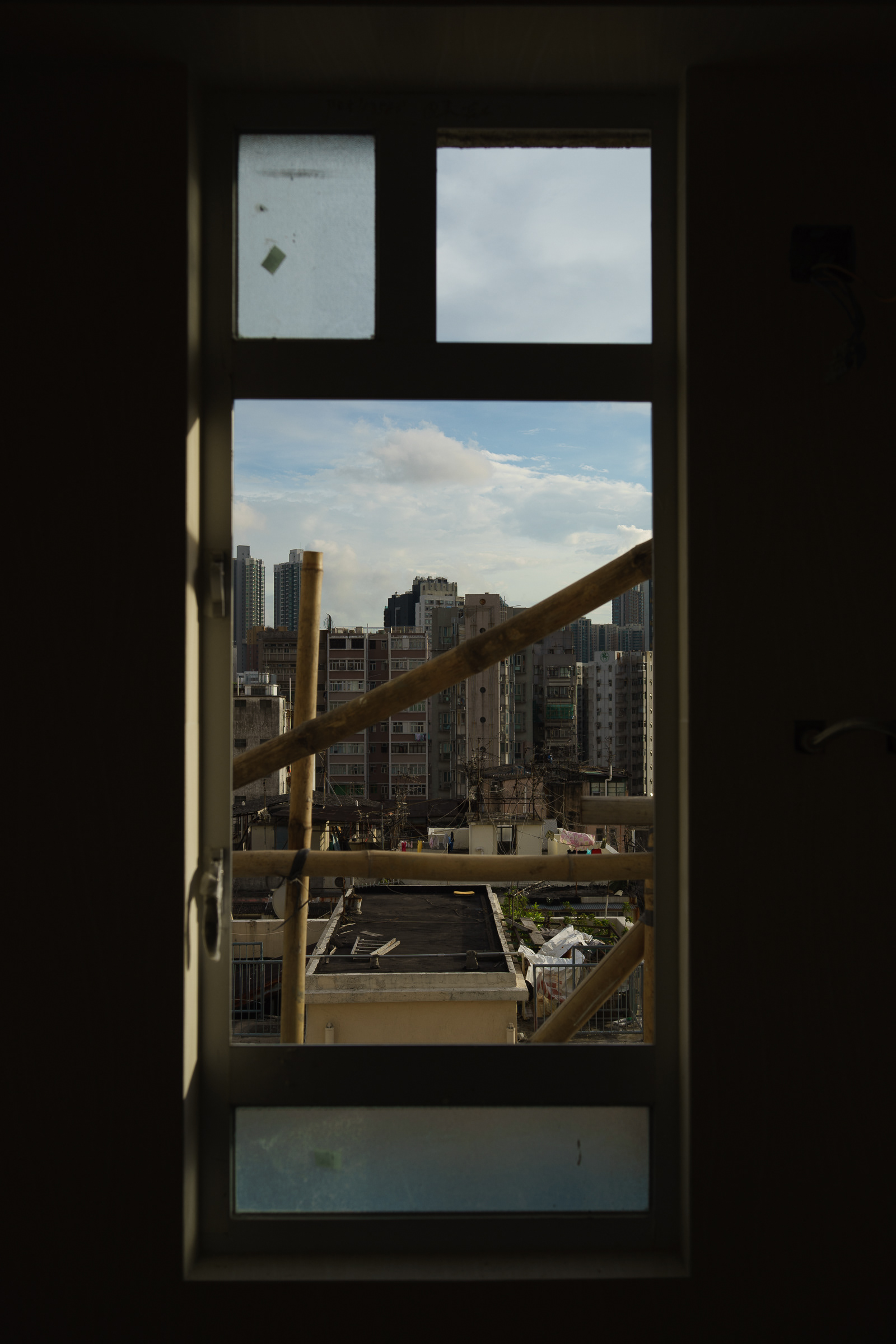
Prince Edward - Sony RX1
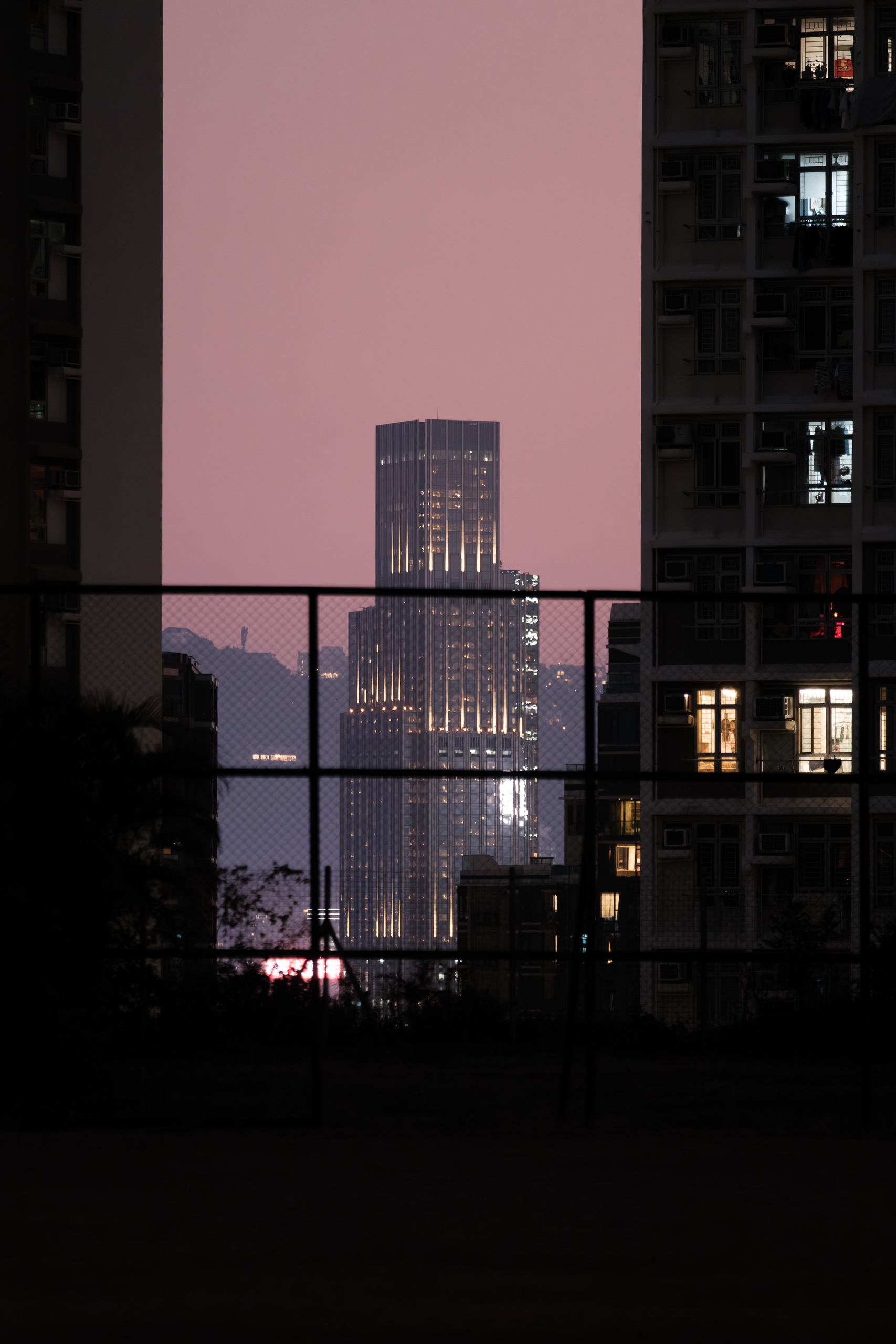
Red Hill - Fujifilm X-E5 + XF50-140mm F/2.8
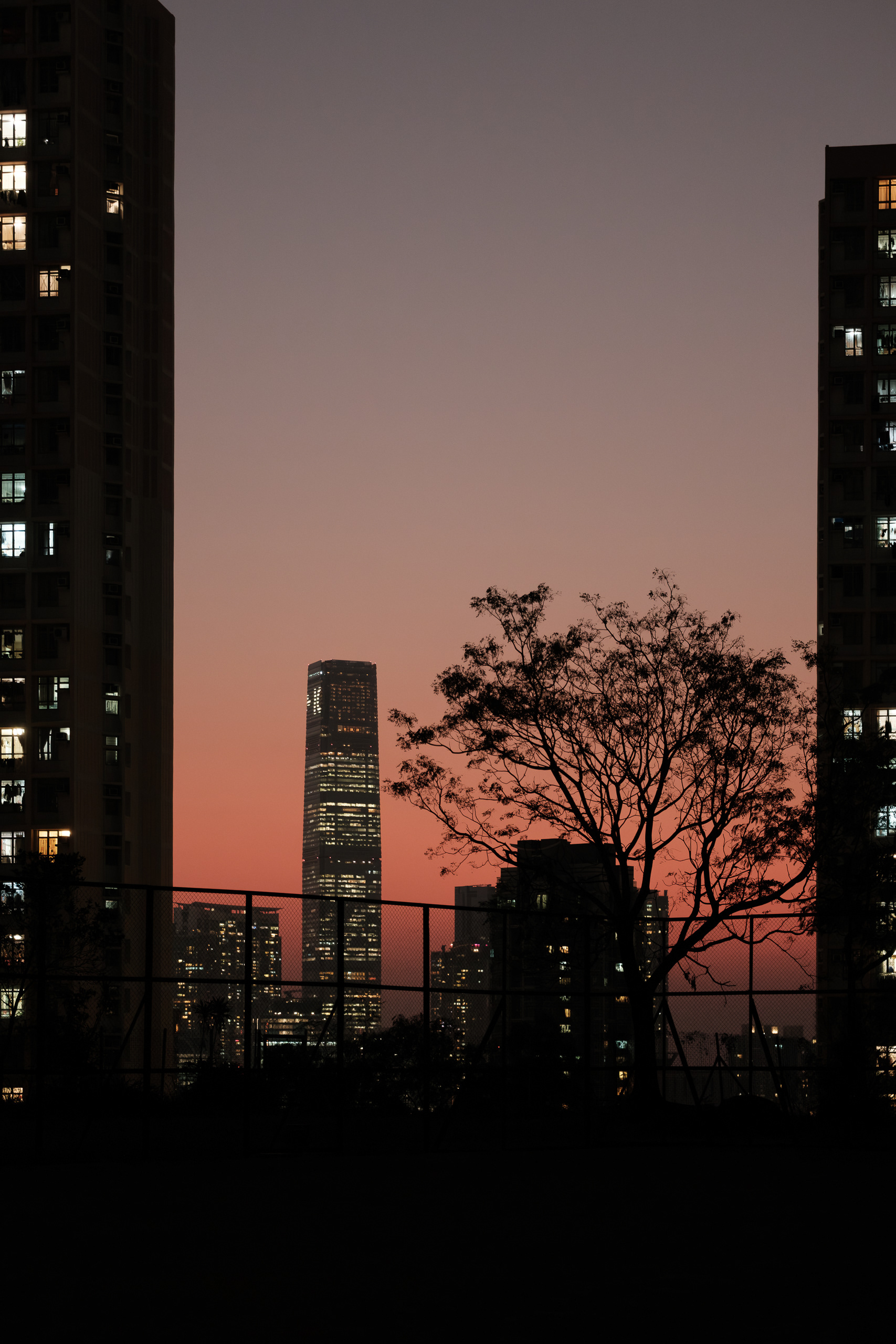
Red Hill - Fujifilm X-E5 + XF50-140mm F/2.8
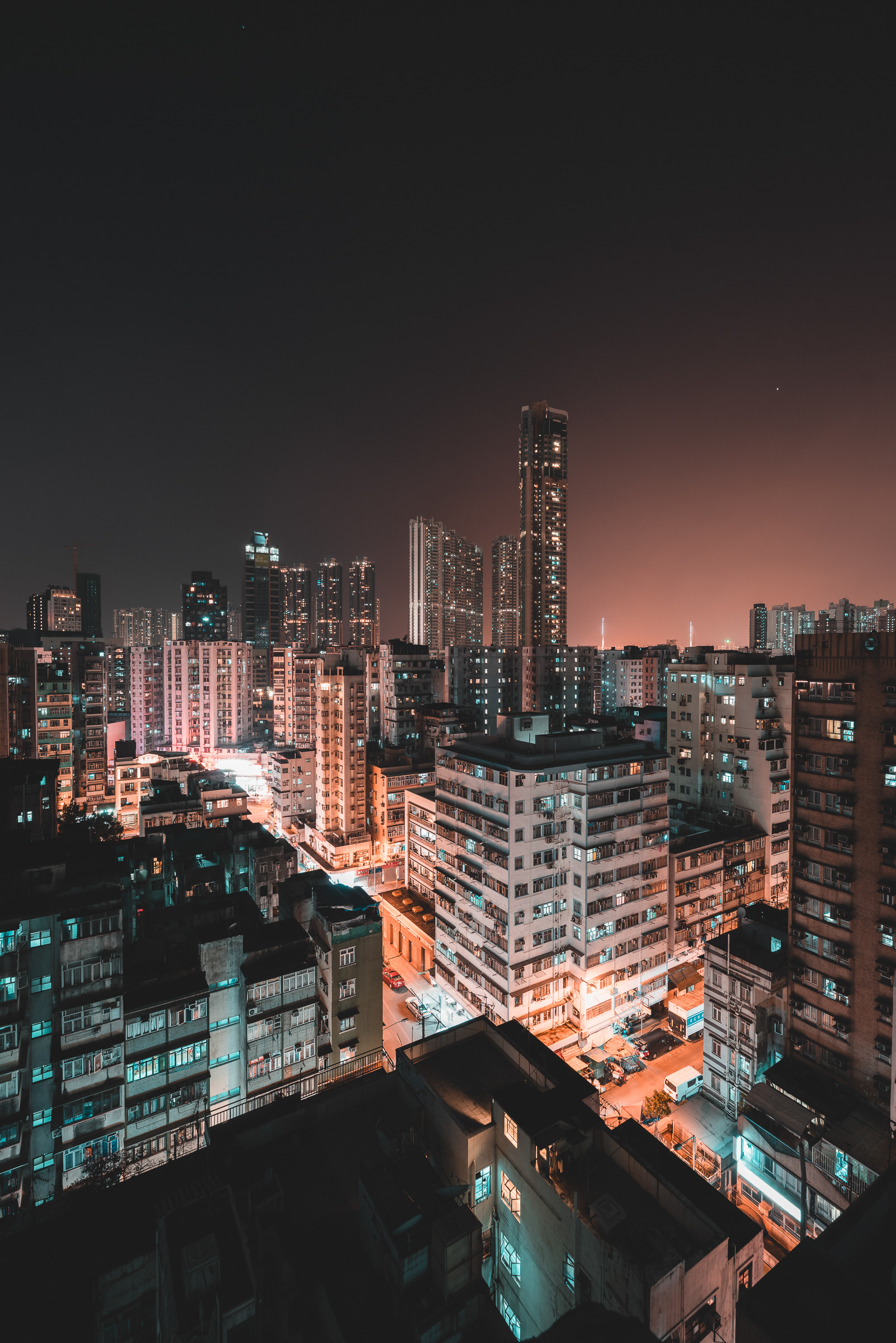
Prince Edward - Sony A7R + FE16-35mm F/4
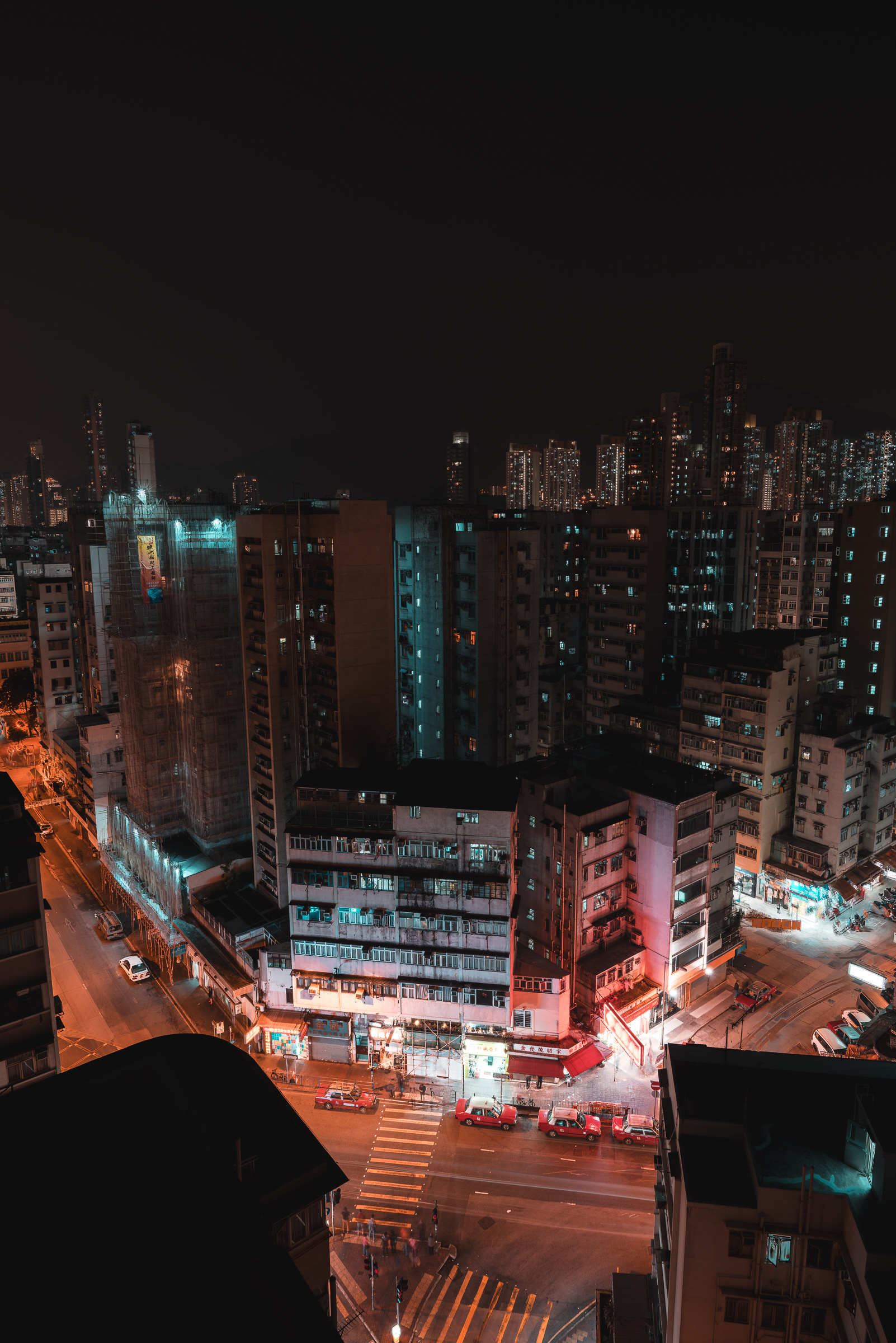
Prince Edward - Sony A7R + FE16-35mm F/4
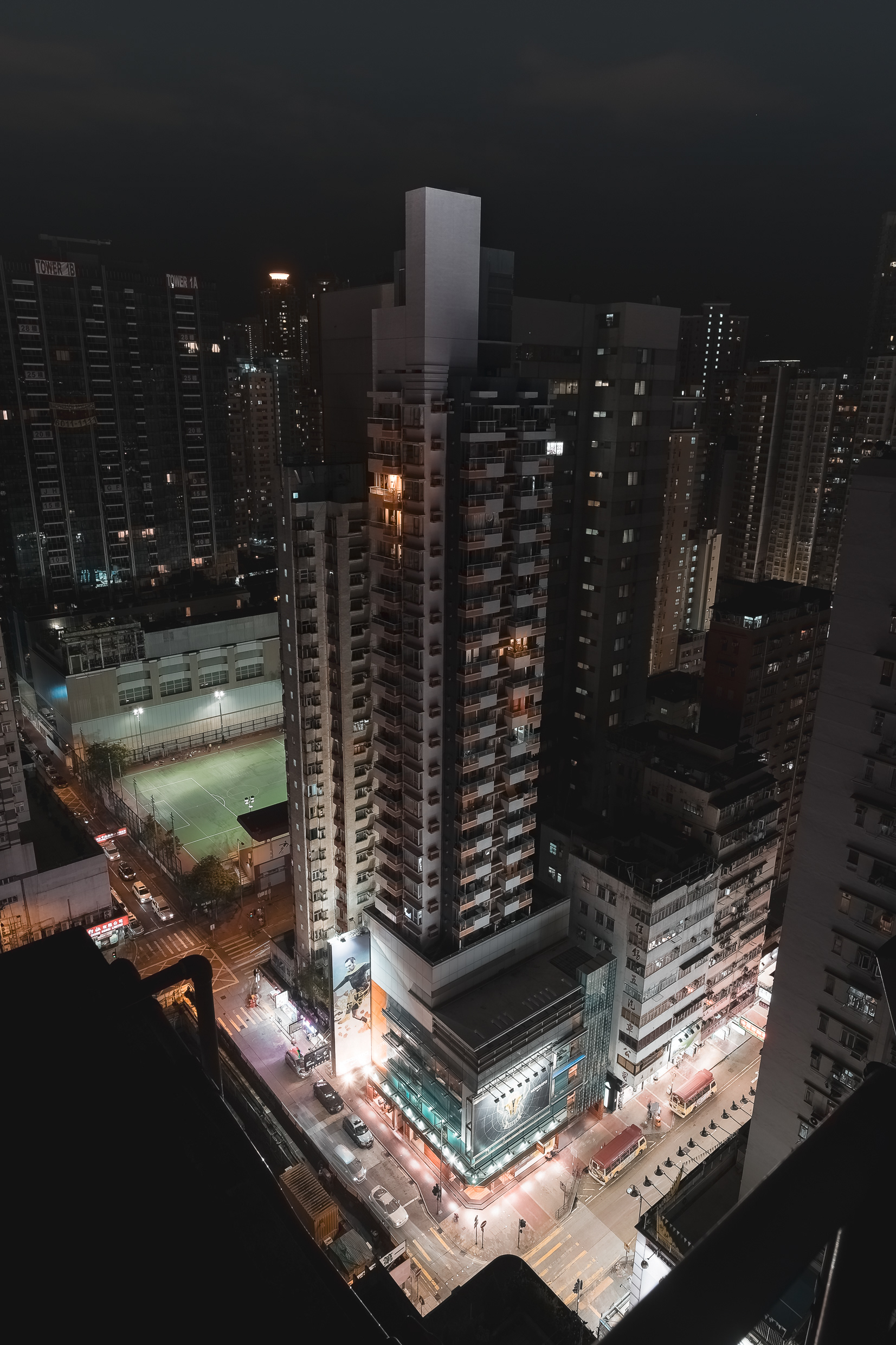
Mong Kok - Fujifilm X-T1 + XF14mm F/2.8
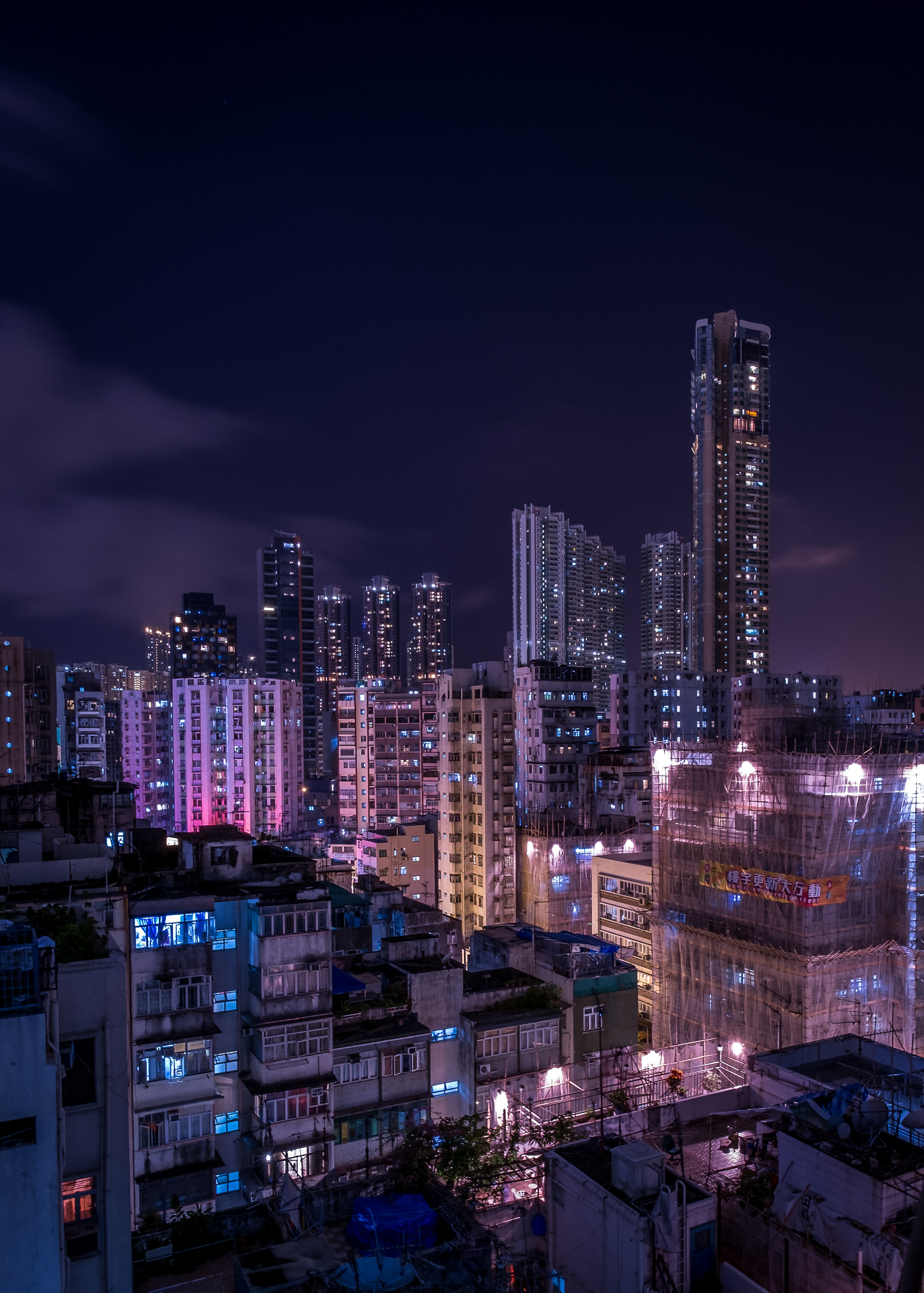
Mong Kok - Fujifilm X-E1 + XF14mm F/2.8
To Kwa Wan's backstreets are a gritty, golden pocket of old Kowloon—where the steam of *cha chaan teng* milk tea meets the flicker of scarlet lanterns strung across narrow lanes. Duck into a booth at a decades-old coffee shop on Pak Tai Street, and frame the condensation-fogged windows with a fast 50mm wide open, capturing the blur of a server pouring silk-stocking tea against cracked Formica tables. Step outside at blue hour, when the paper lanterns above the side alleys off To Kwa Wan Road ignite, their warm glow bleeding onto wet tarmac and rusted shop shutters.
A 35mm lens sucks in the layered intimacy—hanging ducks, glowing signage, and a stray cat threading through the legs of a stool. Skip the tripod, shoot from the hip, and let the narrow geometry of the neighbourhood guide you. This is Hong Kong's unscripted heart: caffeine, neon, and lantern-light that hums long after the tourist map has been folded.
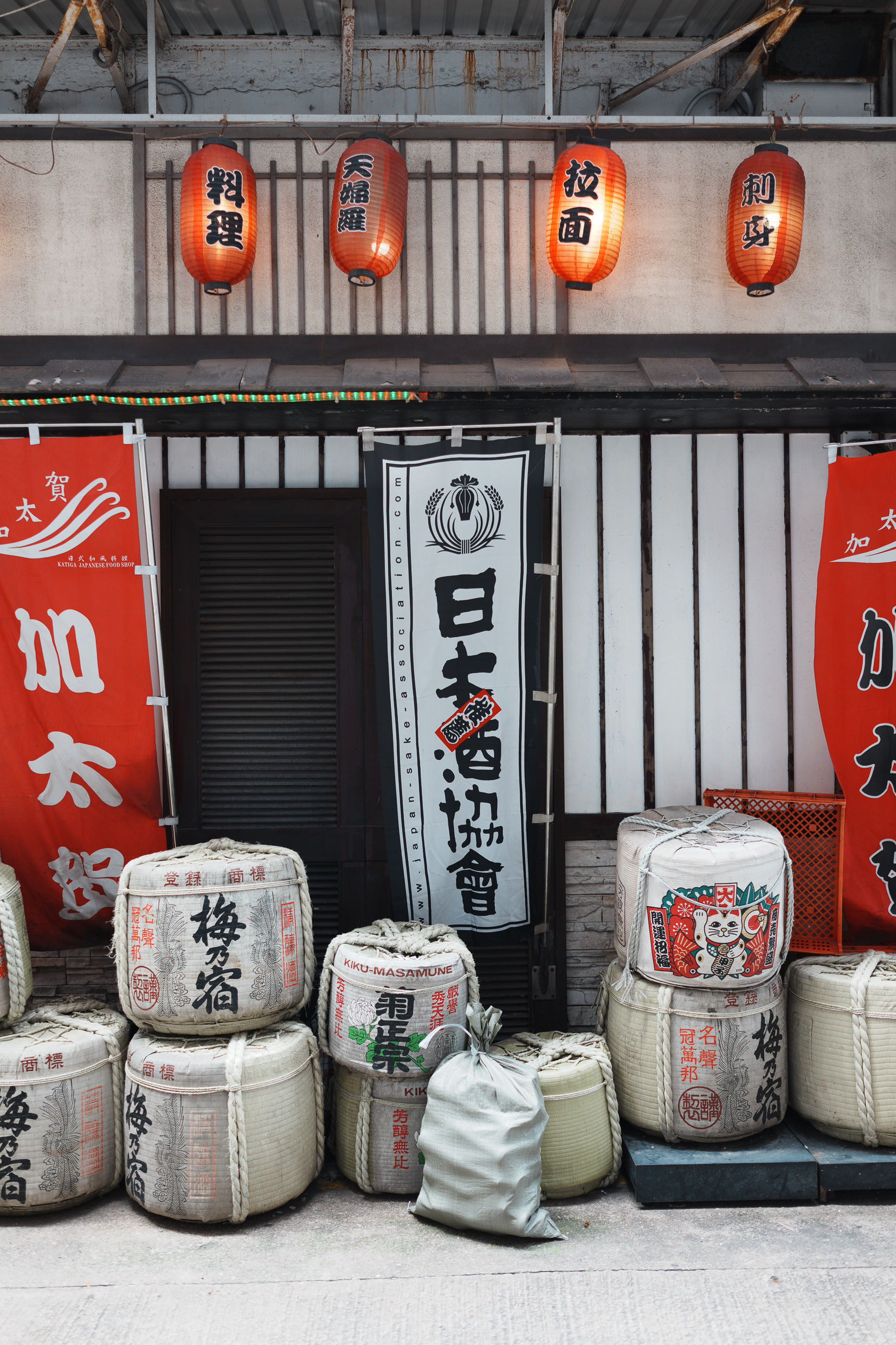
To Kwa Wan - Sony RX1RM3
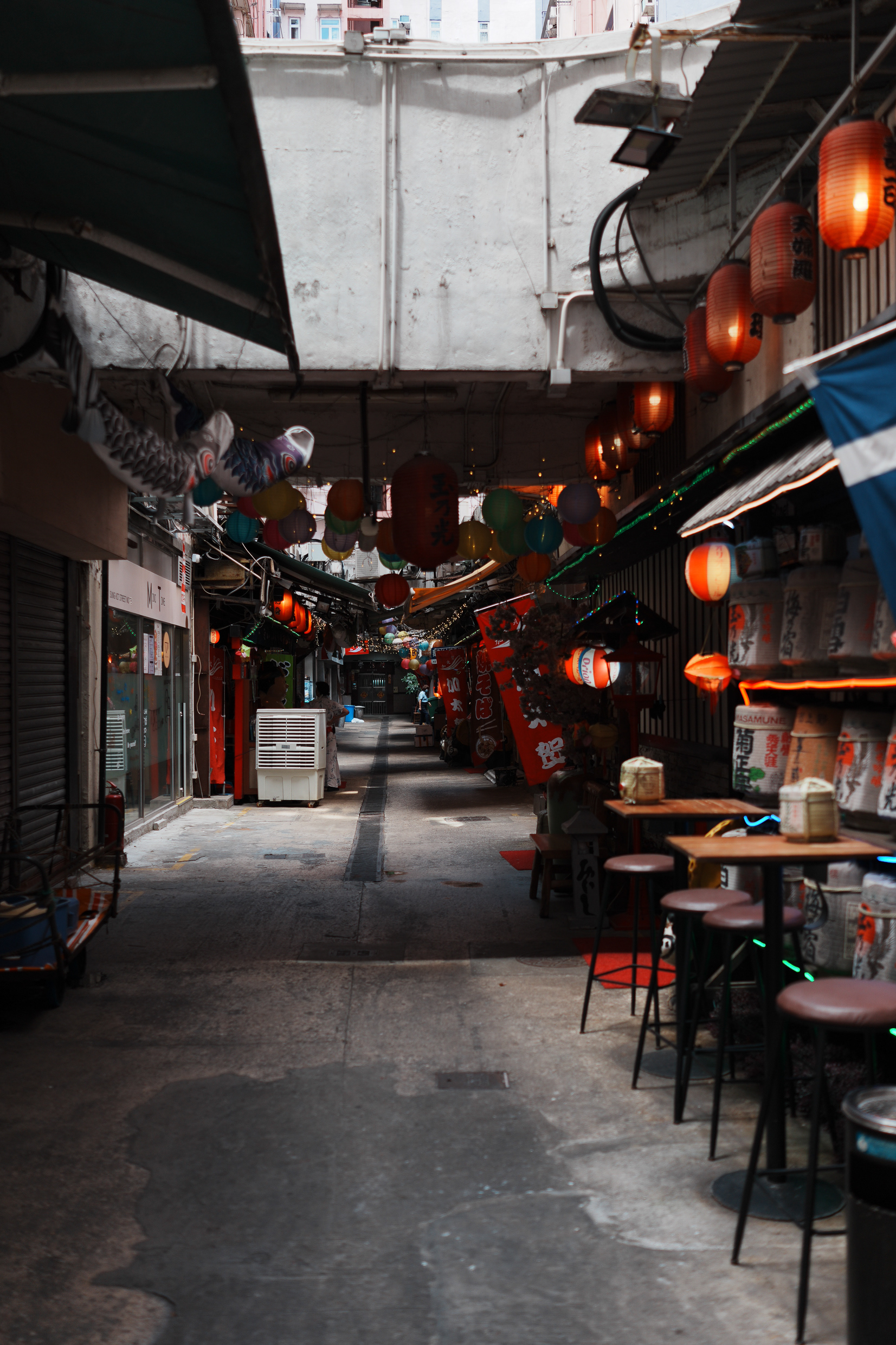
To Kwa Wan - Sony RX1RM3
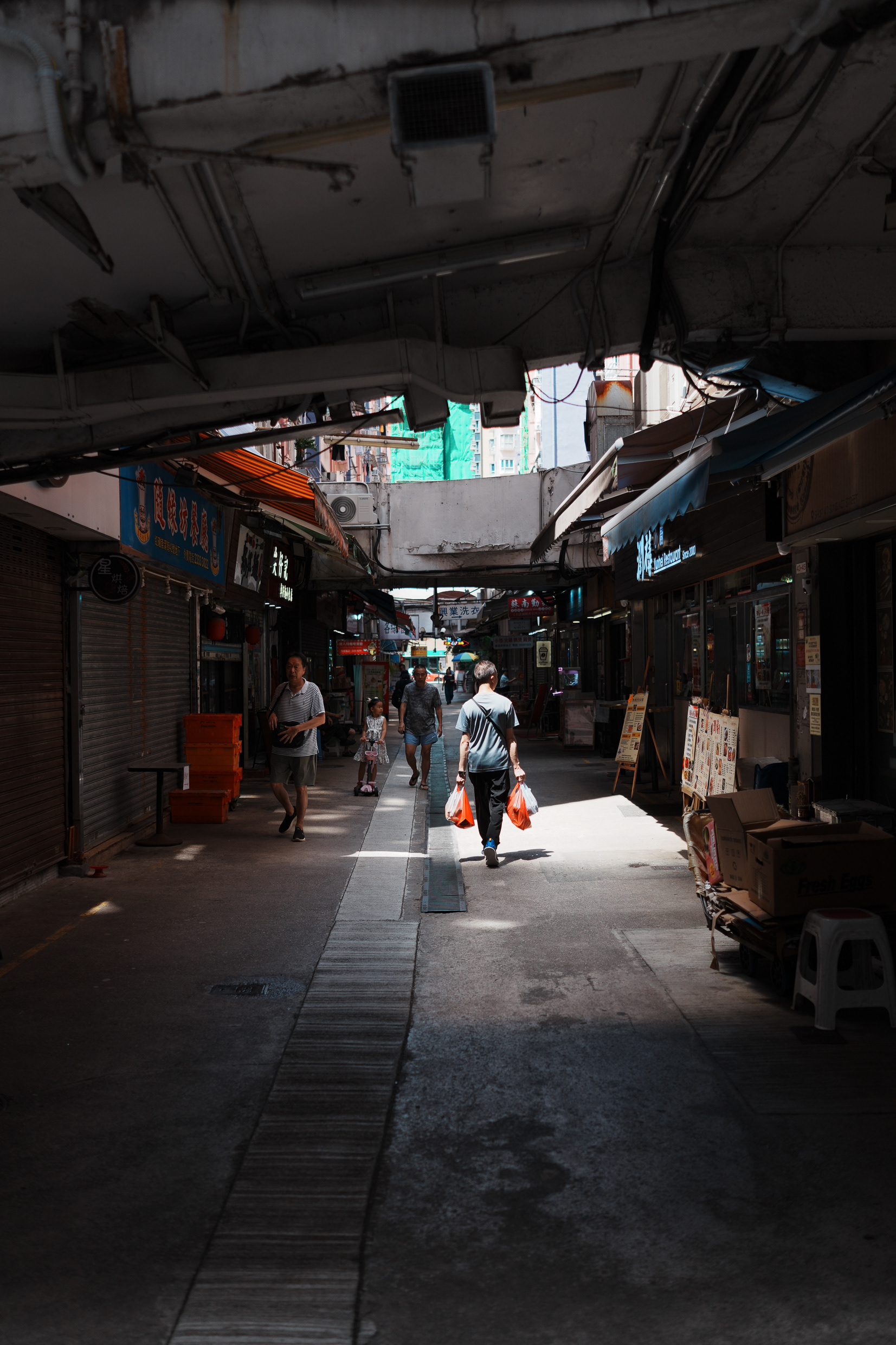
To Kwa Wan - Sony RX1RM3
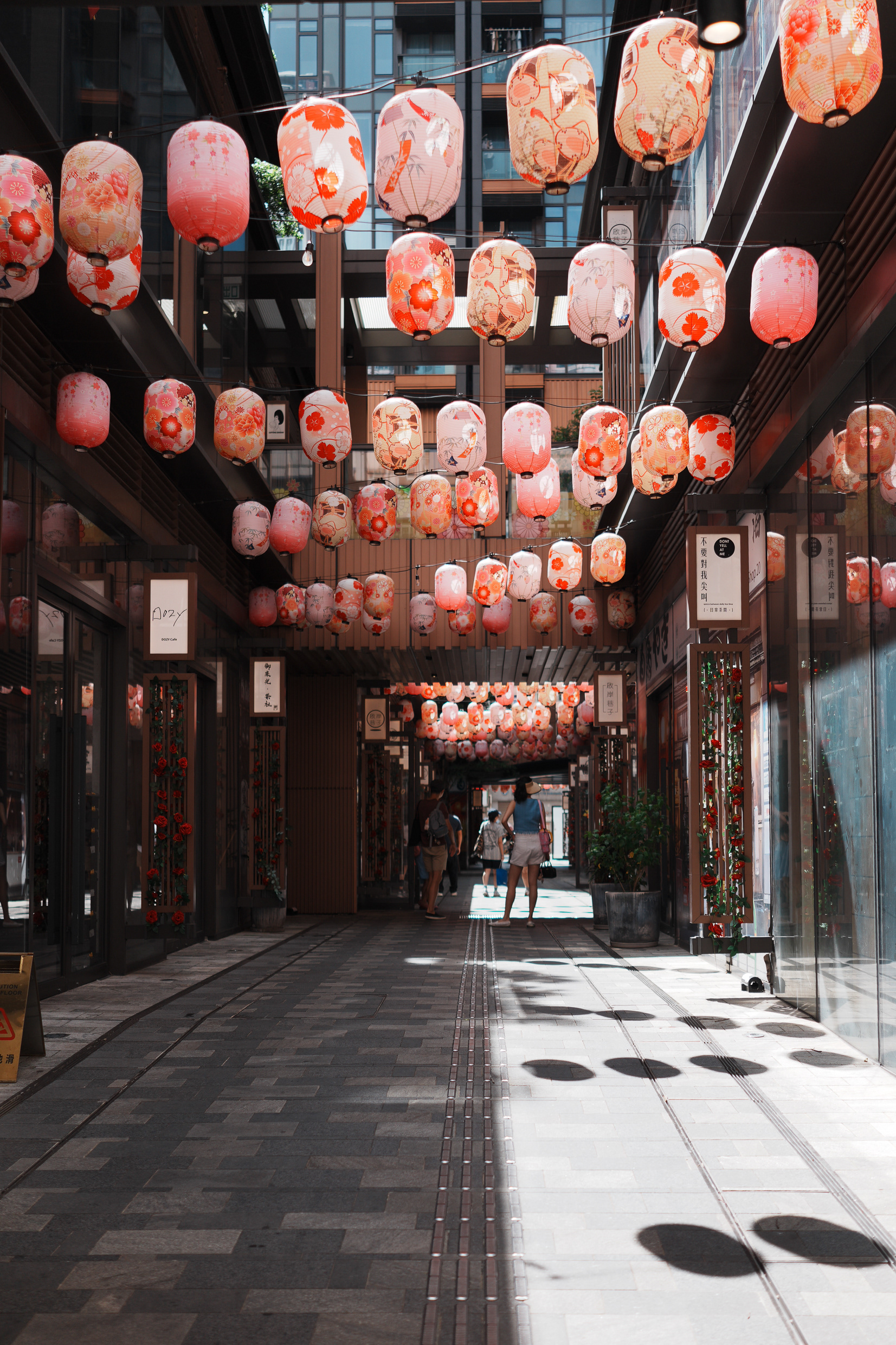
To Kwa Wan - Sony RX1RM3
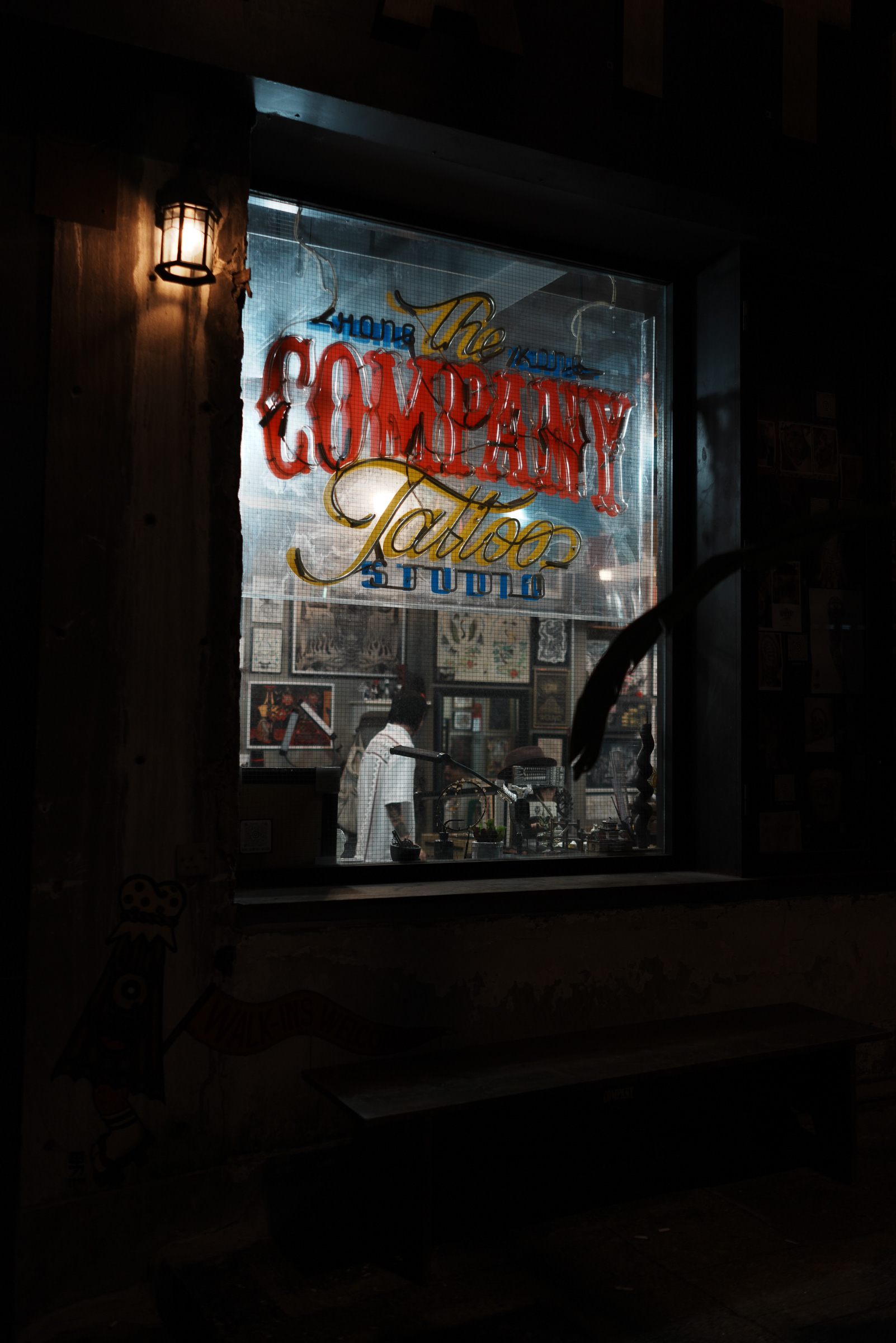
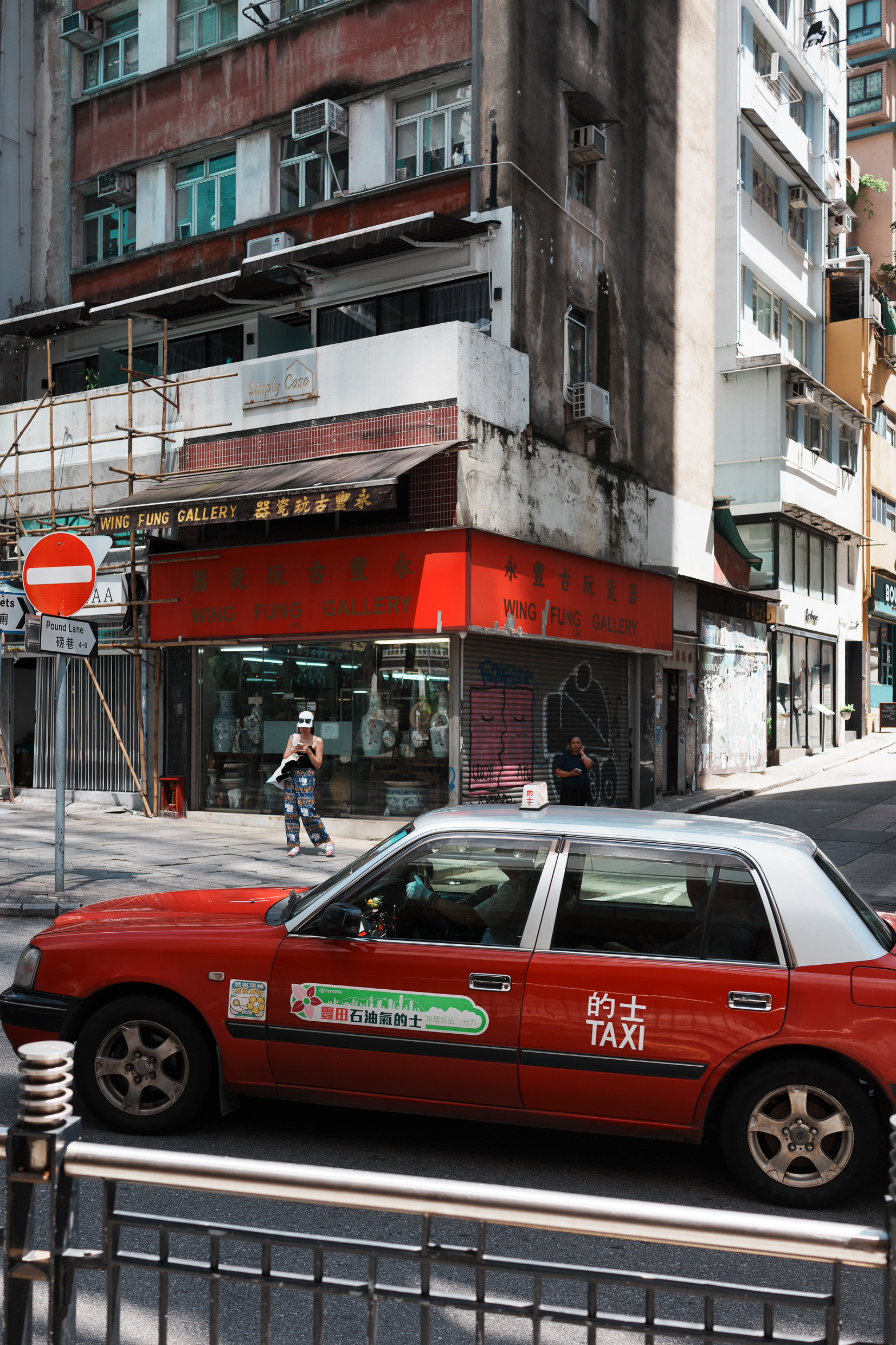
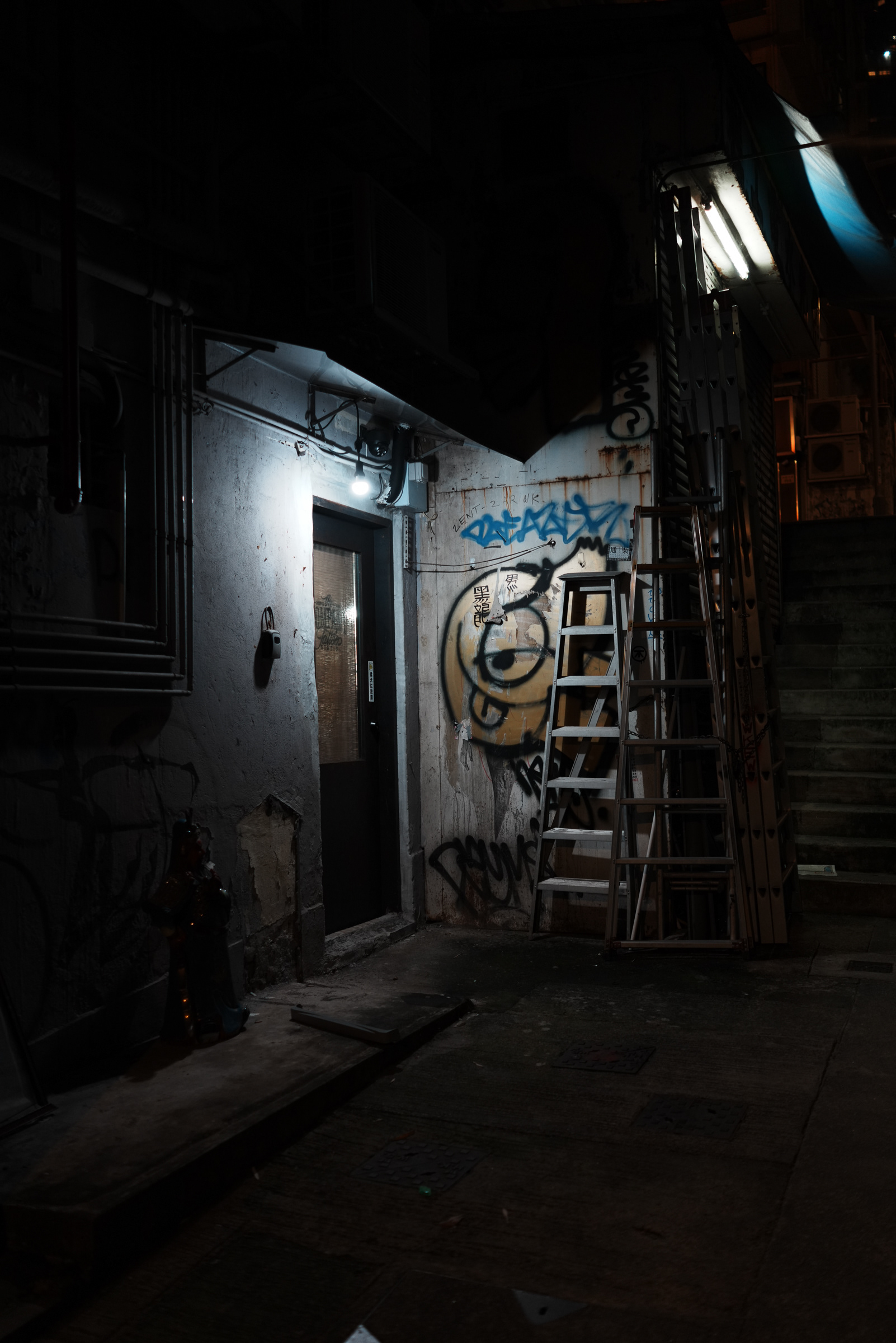
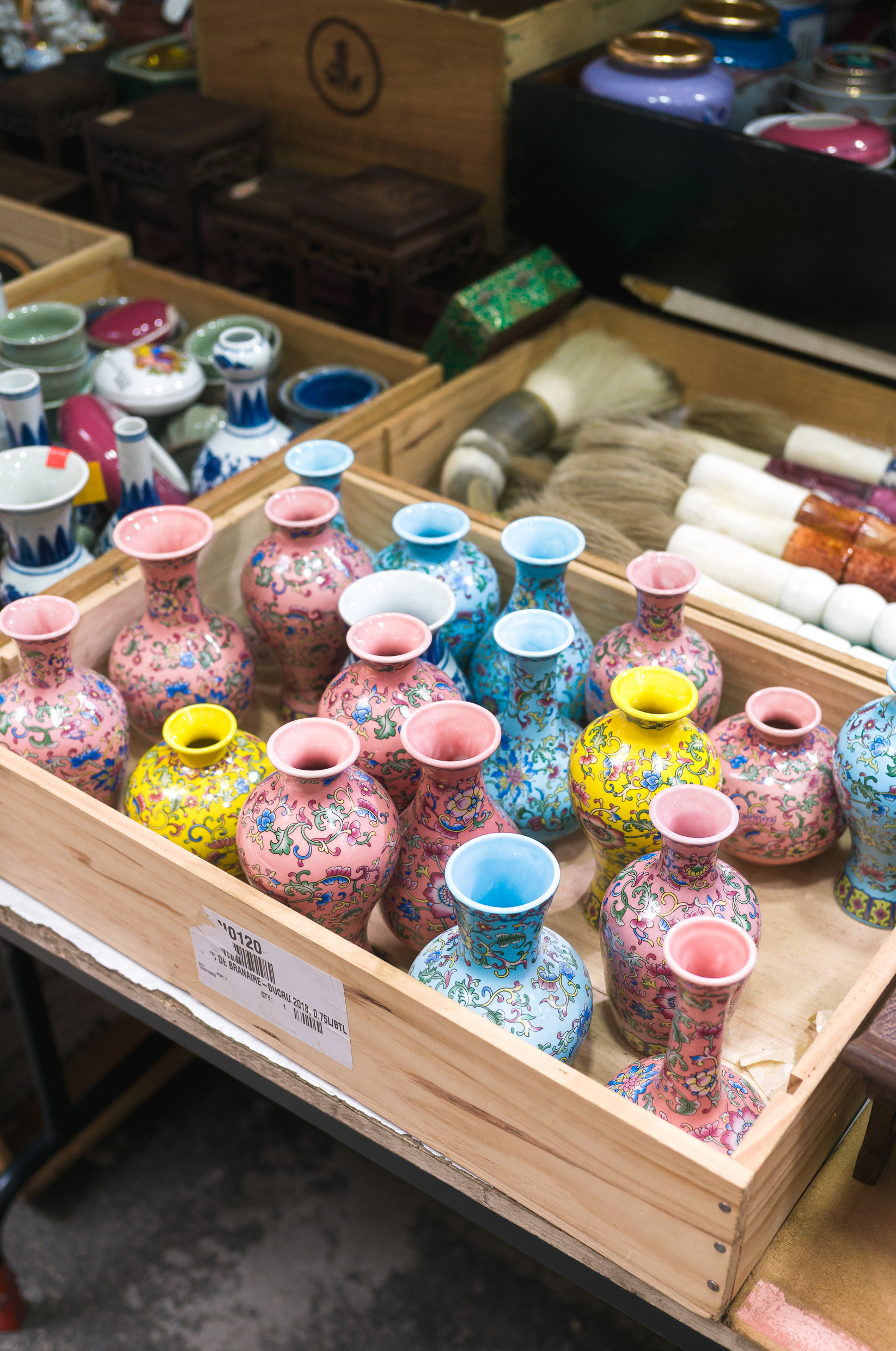
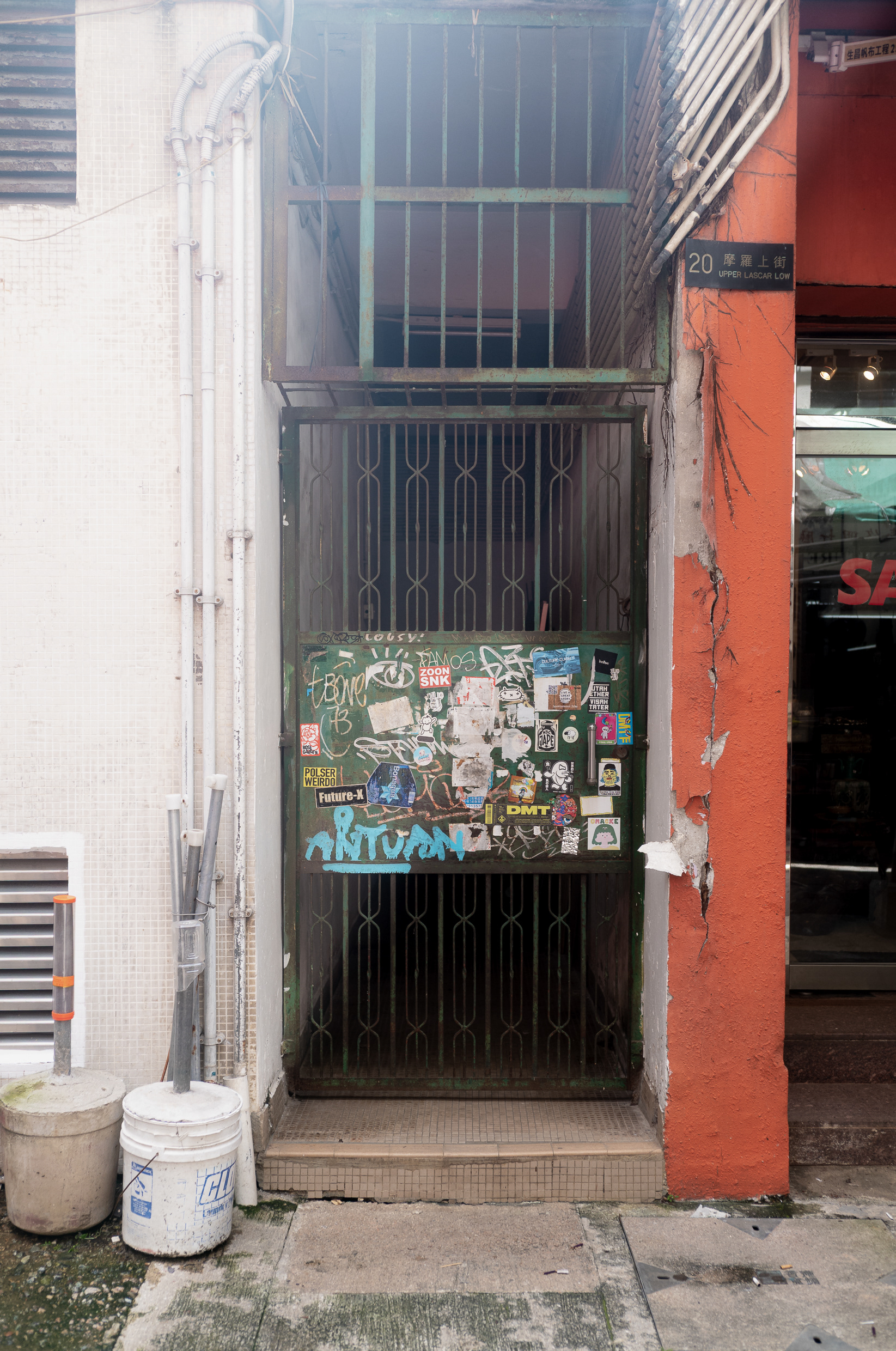
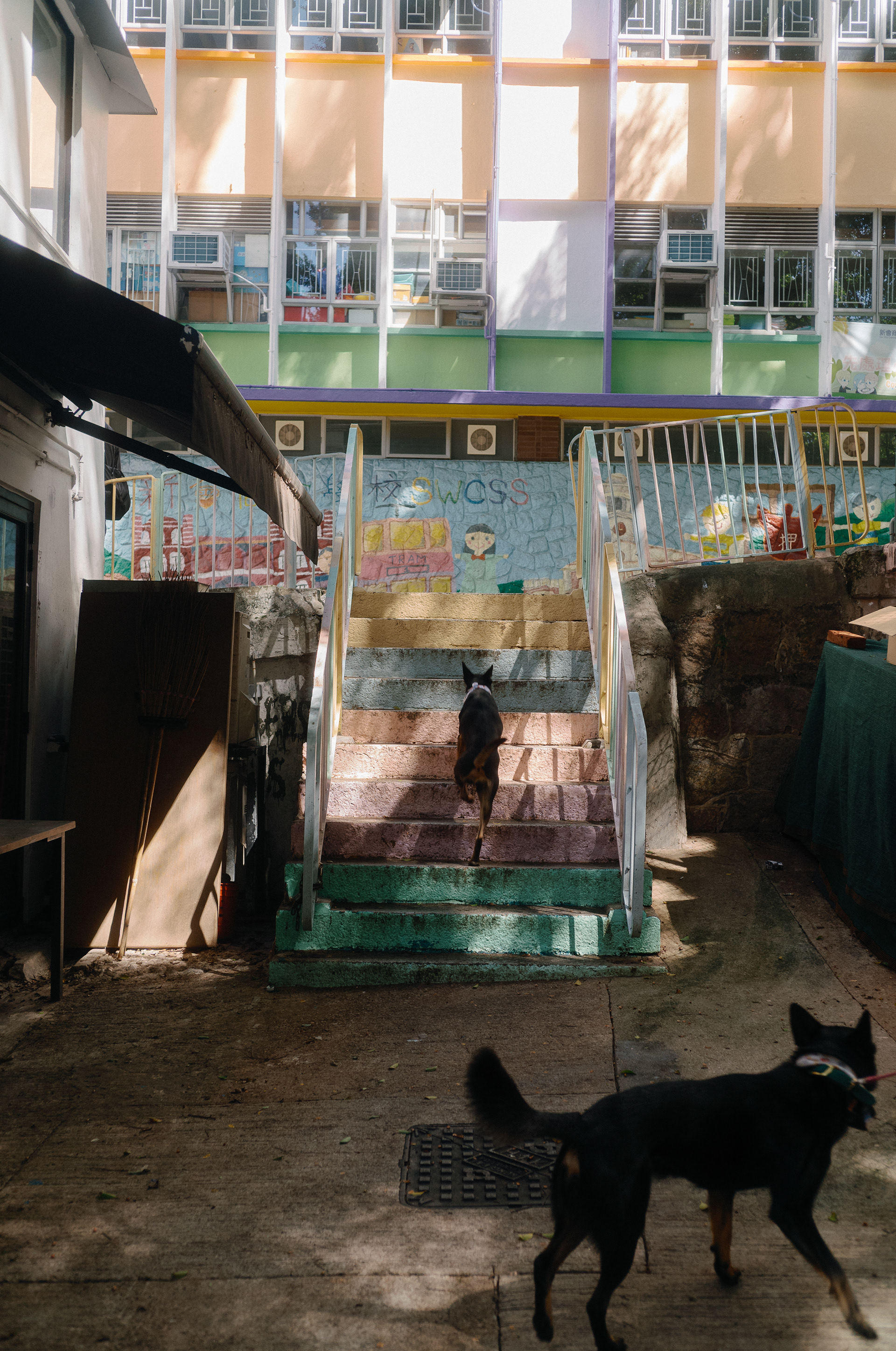
Sheung Wan is where hip coffee culture collides head-on with the salt-roughened chaos of old Hong Kong—a district of cold-brew minimalism tucked beside dried-seafood lanes. Start your morning on Po Hing Fong or Tai Ping Shan Street, where minimalist cafés spill onto steep concrete steps; a fast 35mm lens frames the steam rising from a flat white against peeling Tong Lau shutters and a grandmother shuffling past with a shopping trolley. By late afternoon, shift to the market stalls along Des Voeux Road West and Ko Shing Street, where sacks of ginseng and salted fish hang in golden light, their textures popping through a macro lens.
The real magic sits in the unexpected collisions—a neon-lit temple incense coil seen from a gallery window, or a single-origin brew balancing on a rusting cargo scale. Shoot in the damp morning for soft diffusion and an emptier frame; drink a coffee, buy some herbs, and move gently. Sheung Wan rewards the patient eye with a quietly layered portrait of a city still trading in both beans and brine.
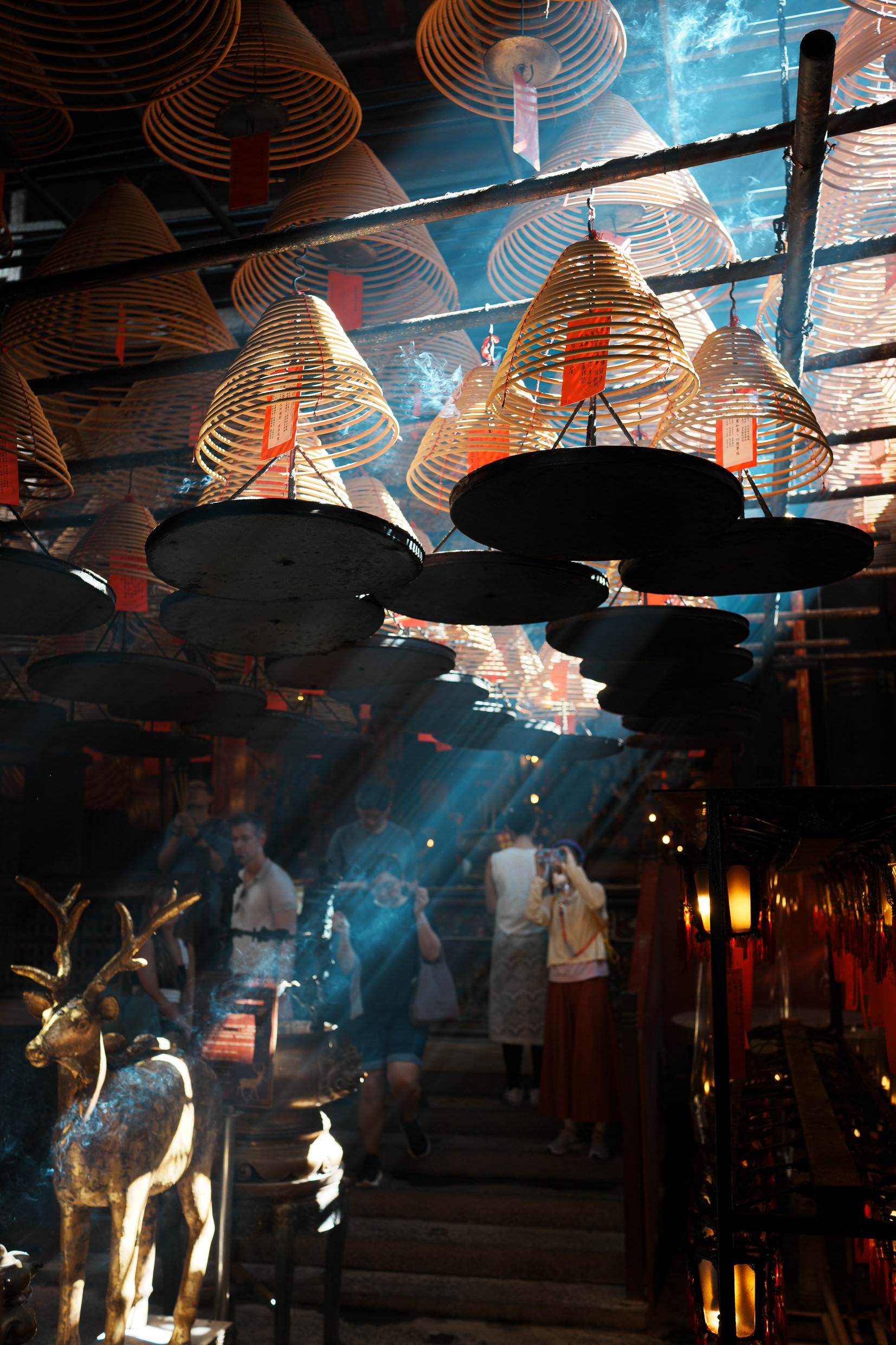
Man Mo Temple is a dim, fragrant dream—a sanctuary where centuries of smoke have stained the air amber and the rafters disappear behind suspended coils of incense. Arrive just after opening, when the first low shafts of morning light knife through the haze and gilded deities catch fire in the darkness. The temple breathes in slow rhythm: whispered prayers, the soft clack of divination blocks, and embers glowing at the tips of giant cones like ruddy stars.
Let the silence swallow you, brace against a weathered pillar, and find your frame in the quiet corners—a worshipper’s silhouette dissolving into smoke, red prayer tags swaying in a breath of air, and that rich, incense-laced stillness that feels impossibly far from the Soho streets just outside the door.
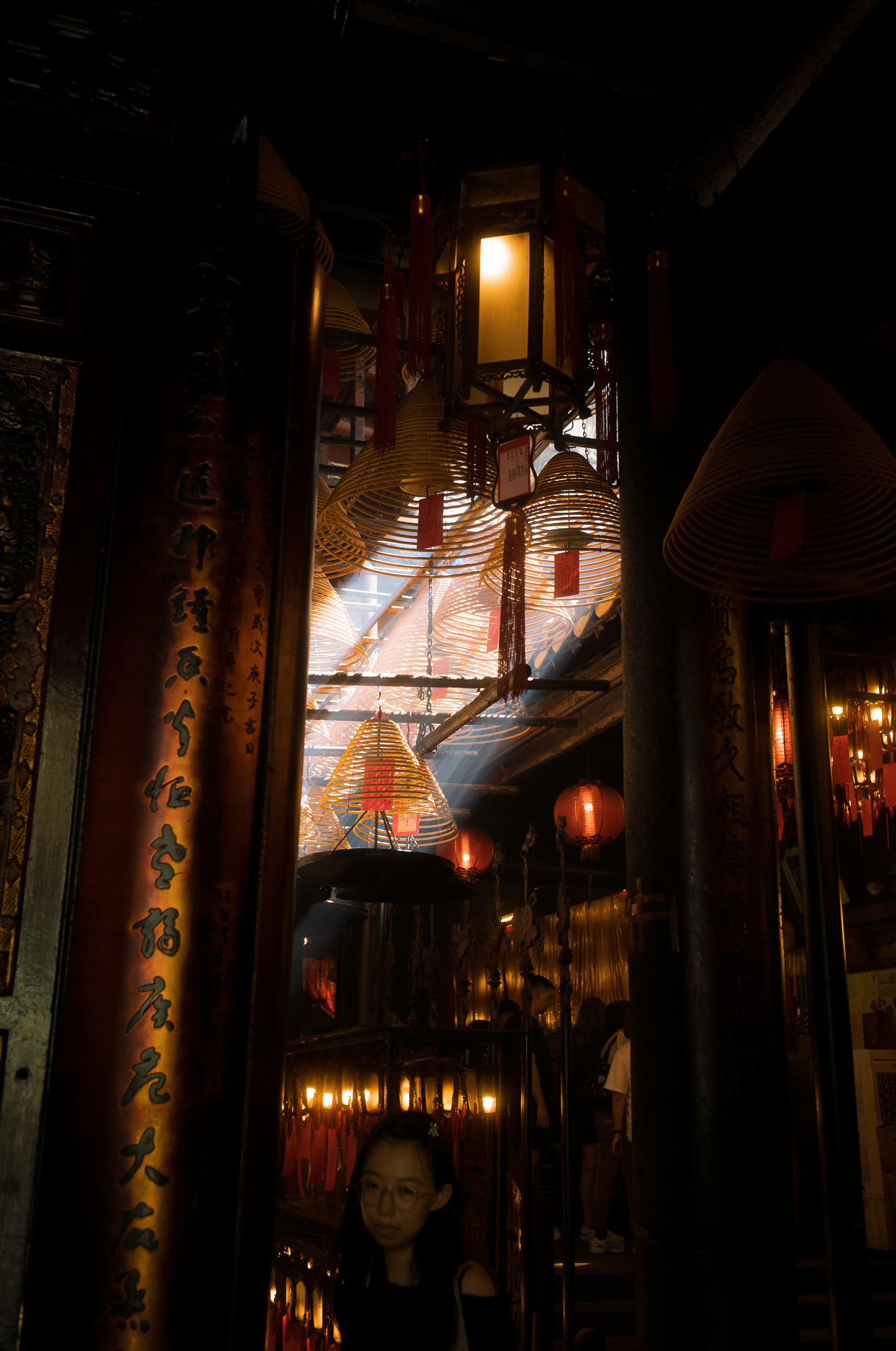
Man Mo Temple - Leica M11-P + Zeiss C Biogon 35mm F/2.8
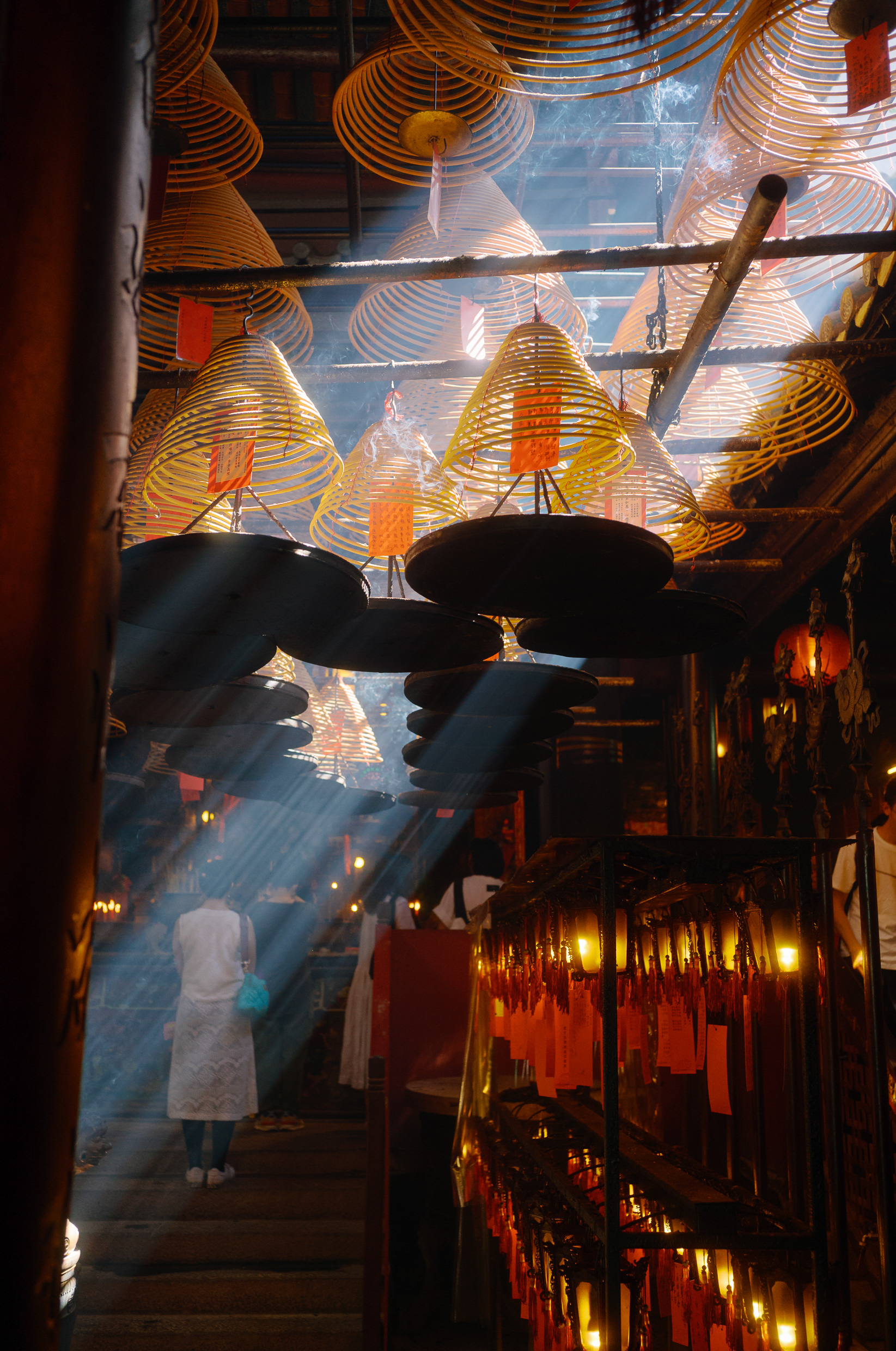
Man Mo Temple - Leica M11-P + Zeiss C Biogon 35mm F/2.8
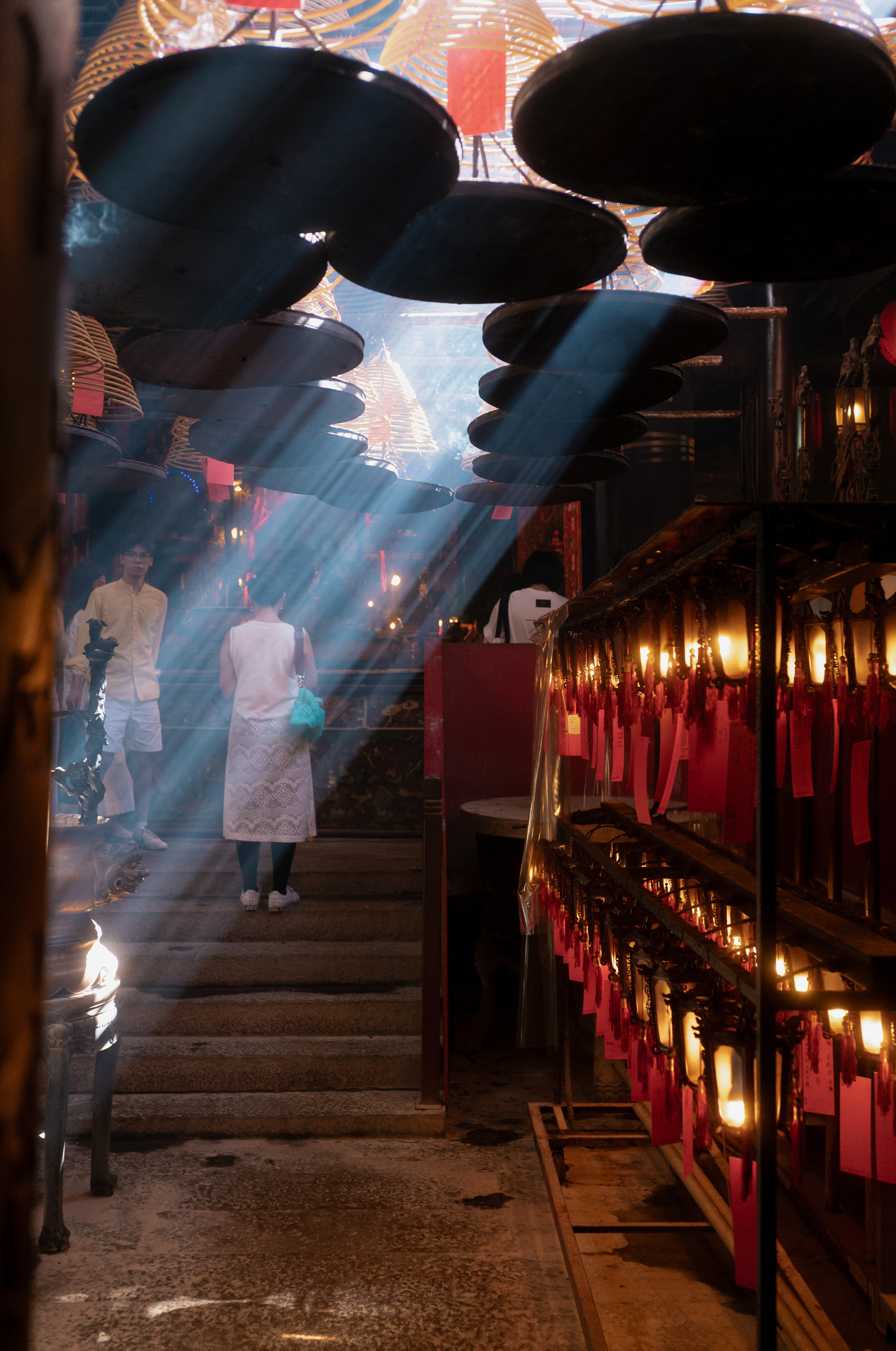
Man Mo Temple - Leica M11-P + Zeiss C Biogon 35mm F/2.8