The Hasselblad X2D II 100C: A 'Rangefinder' Shooter's Different Take
After a year with five different Leicas, I've come to learn that my camera shelf is less a curated collection and more a cabinet of curiosities, each with its own unique and slightly irrational purpose.
The Fujifilm X-Pro2 is my everyday, beat-up companion.
The Leica M8 is vibes.
The Leica M10-P is the one that makes me feel like a "real" photographer, even if its metering is actively trying to ruin my highlights.
And the M11-P... well, it mostly gathers dust, as I've documented elsewhere.
So, what on earth am I doing with a Hasselblad X2D II 100C? This isn't just a step up; it's a leap into another gravitational field. I had to see if a camera built like a polished Swedish locomotive could ever find a permanent spot in a bag next to a brass M.
First Impressions & The Weight of the Thing
Right out of the box, the X2D II is an object of desire. Where the M11-P feels like a precise, heirloom instrument, the Hasselblad is a study in modern, sleek minimalism. It's dense. At around 850 grams, it's noticeably heavier than an M body. It carries its weight like a solid block of machined metal, not a box of electronics. The joystick on the back is a godsend. It's a small thing, but for anyone who's ever fumbled with the M11-P's touchscreen in the rain, the tactile feedback is a revelation.
The menu system is, without a doubt, the most elegant and intuitive I've encountered, rivaling Leica's stripped-down approach but with a distinct Scandinavian logic. However, where the Leica M is about the quiet, mechanical *thwip* of its shutter, the Hasselblad reminds you it's a computer. There's a perceptible shutter lag—maybe a quarter of a second—that feels like an eternity when you're used to the instant response of a rangefinder.
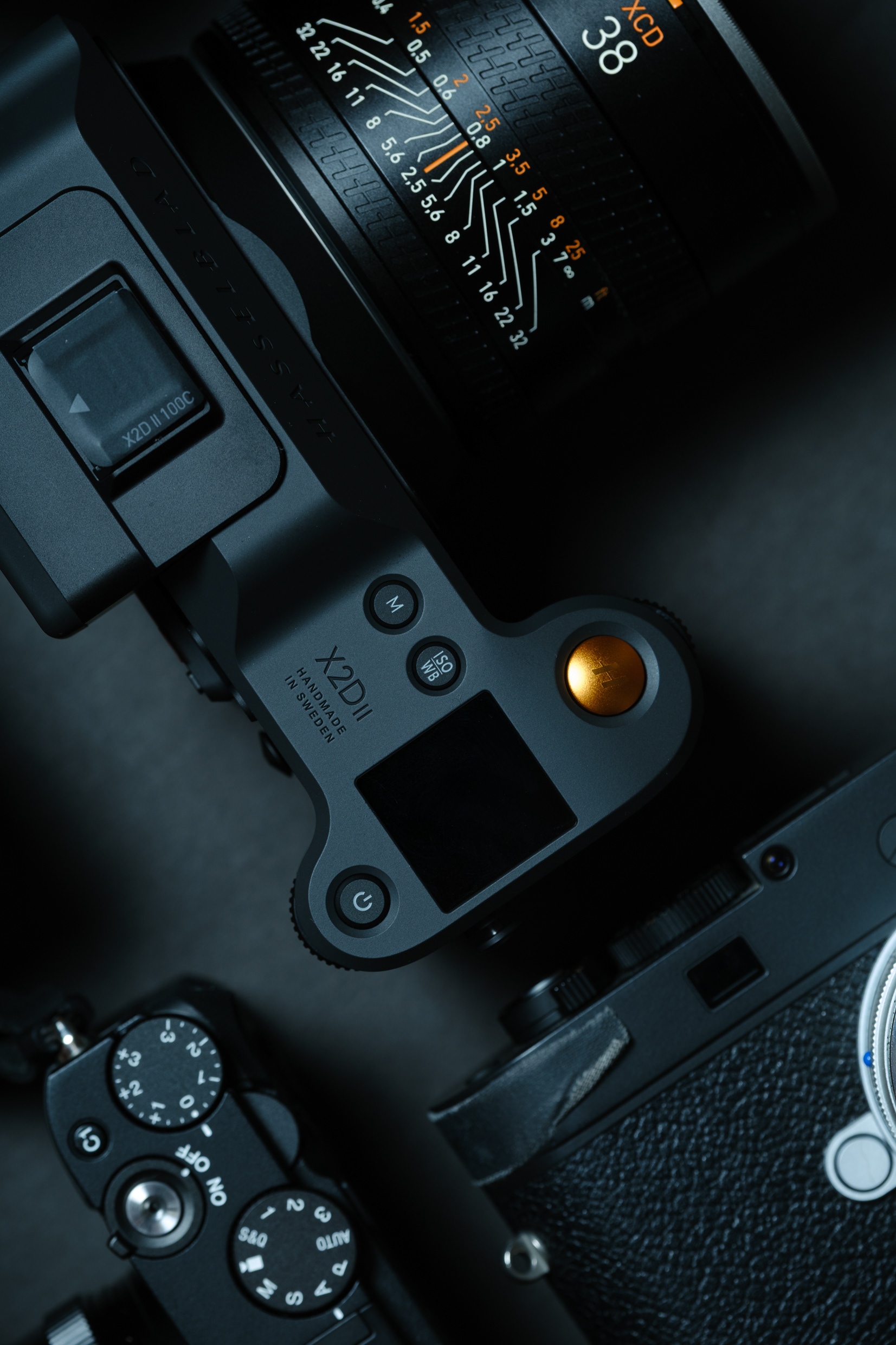
Hasselblad X2Dii - Fujifilm X-E5 + XF50-140mm F2.8

Hasselblad X2Dii - Fujifilm X-E5 + XF50-140mm F2.8
The Viewfinder and the Art of Seeing
This is where the two worlds fundamentally collide. The X-Pro2's hybrid finder and the M's bright-line OVF allow you to see *beyond* the frame, to anticipate. You're connected to the scene. The X2D II's 5.76M-dot EVF is arguably the best electronic viewfinder I've ever put my eye to. It's huge, crisp, and provides a flawless, immersive preview of your final image. It's a beautiful, information-rich window. You trade the outside world for perfect technical feedback. For a landscape or a meticulously composed portrait, this is superior. For a fleeting street moment, it feels like a step removed from reality.
The Image Quality: Where Physics Wins
This is where any sense of brand preference or body style simply melts away. The 102-megapixel, 44x33mm sensor is a sledgehammer of image quality. The dynamic range is so vast—it's like having a safety net the size of a football field. You can pull shadows from a backlit scene in a way that would make an M11 file look like a JPEG. The resolution is, of course, punishingly detailed. With the 35-100mm zoom, I could zoom in on a portrait and count individual eyelashes.
But it's not just about the pixels. The Hasselblad Natural Colour Solution (HNCS) is a different beast. The files are flat in the best possible way—like a perfectly exposed, 16-bit digital negative that's begging for your interpretation in Lightroom. It's a more transparent, less "pre-cooked" look than what I'm used to. You are given the raw ingredients, not a finished meal.
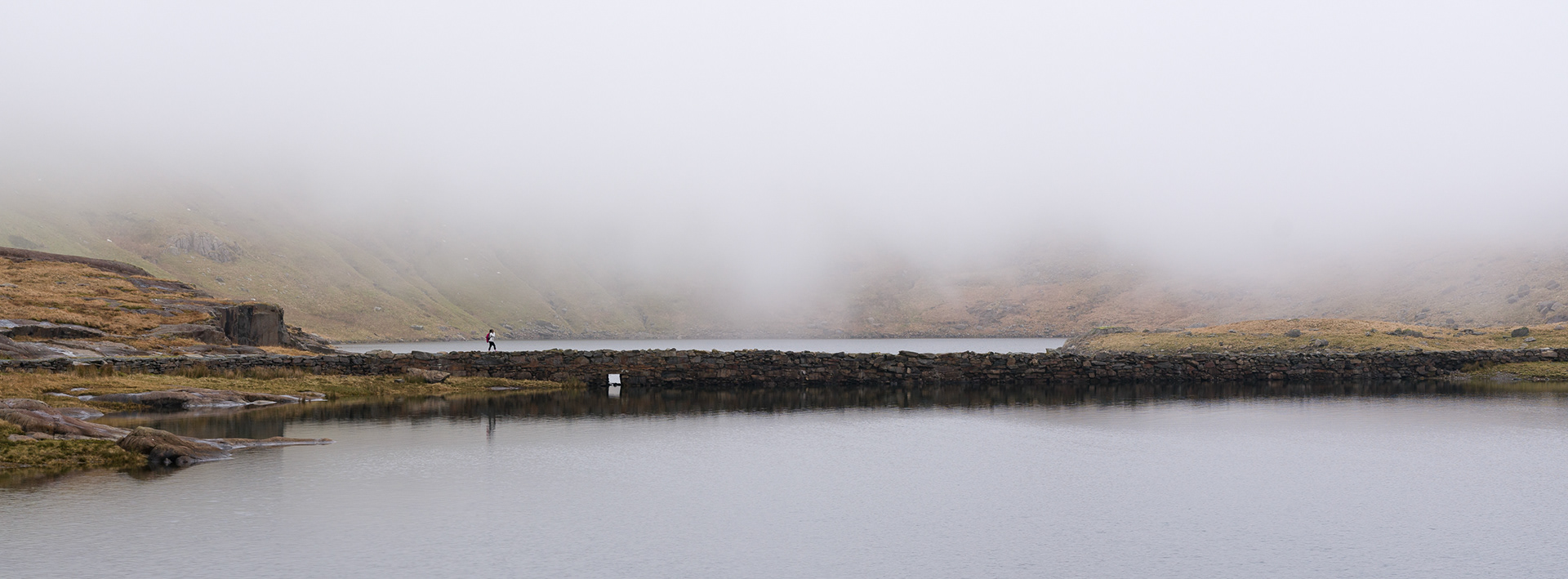
Wales - Hasselblad X2Dii + XCD 35-100E
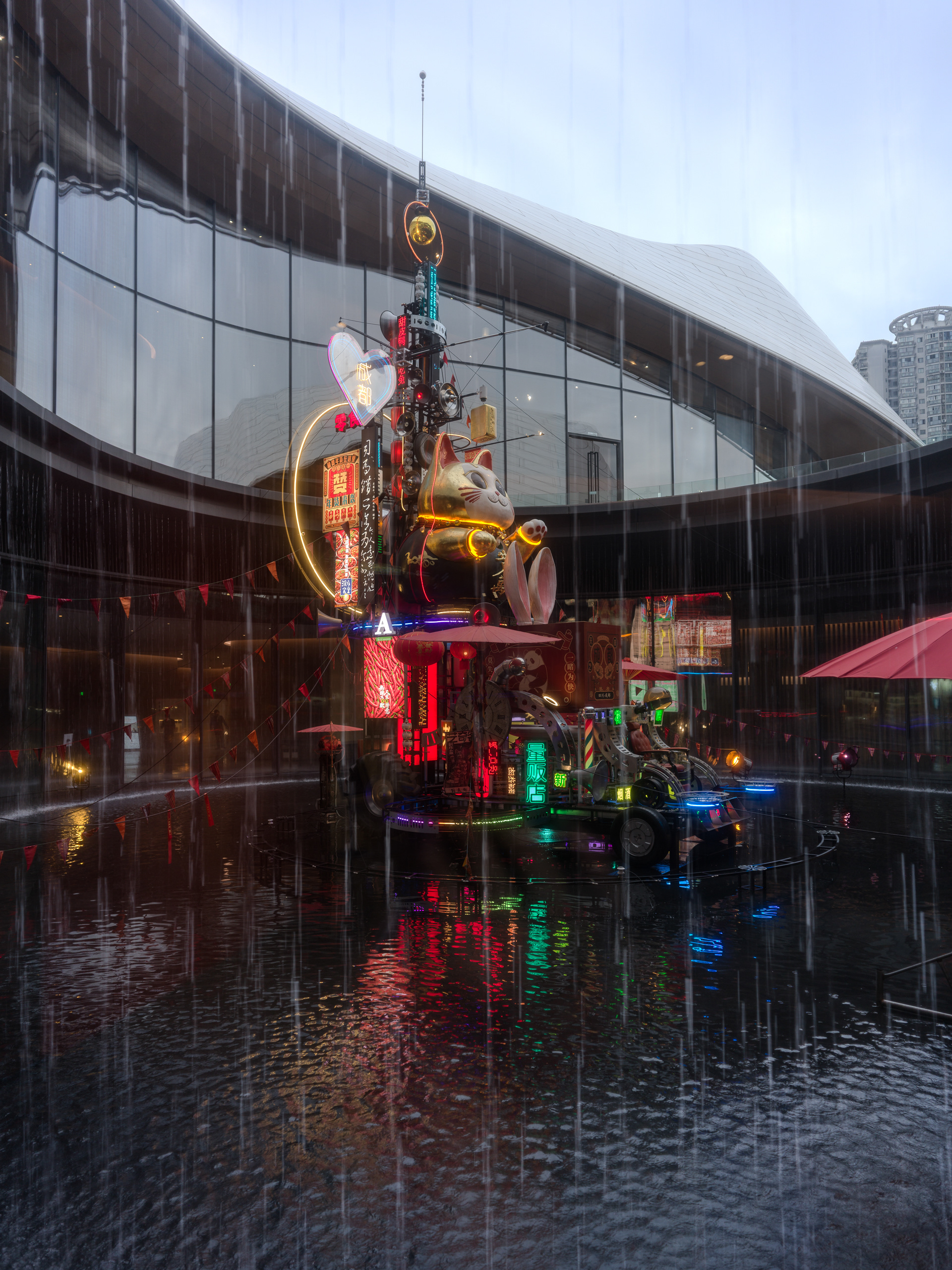
Chengdu - Hasselblad X2Dii + XCD 28P

Chengdu - Hasselblad X2Dii + XCD 28P
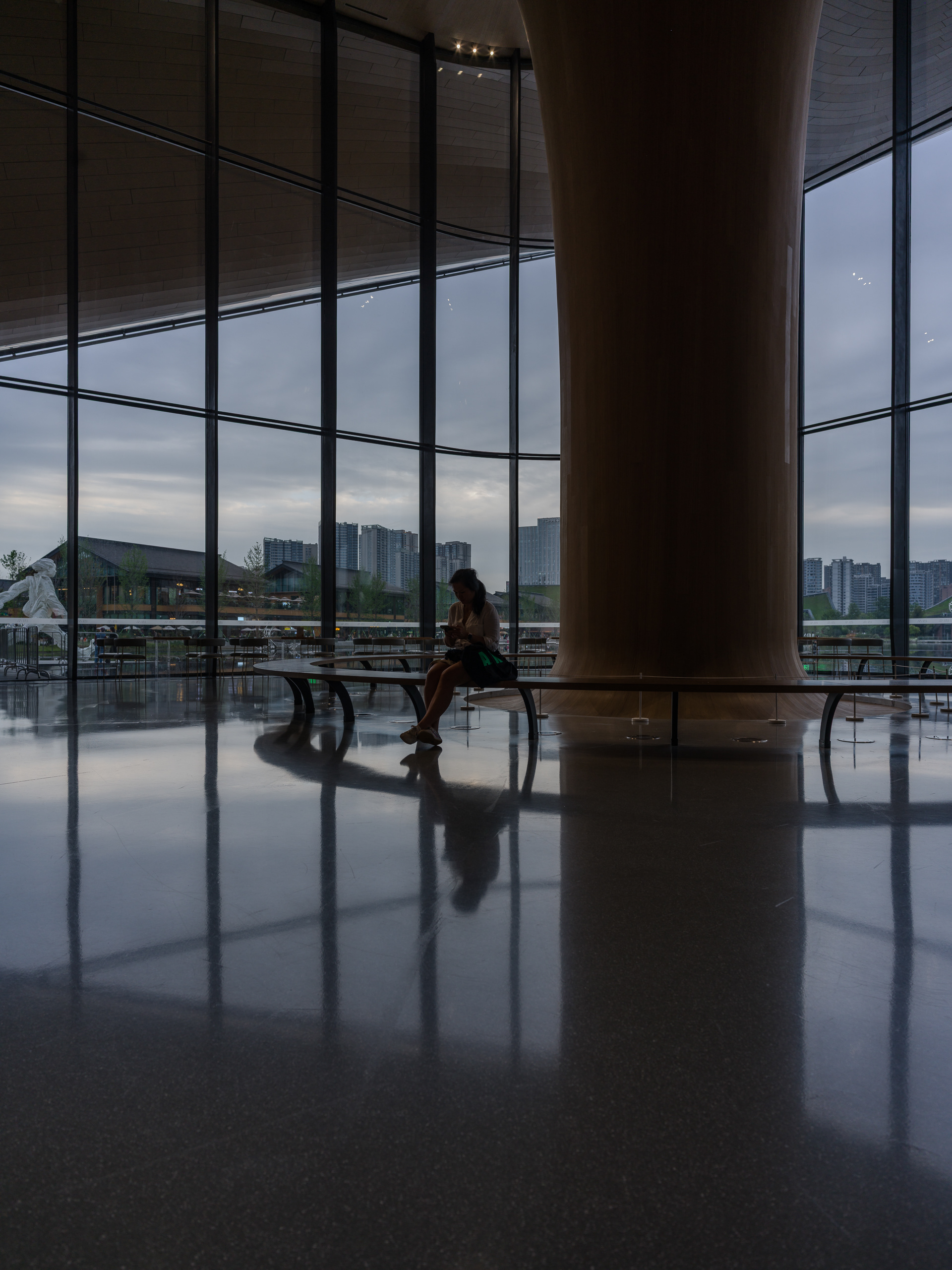
Chengdu - Hasselblad X2Dii + XCD 28P
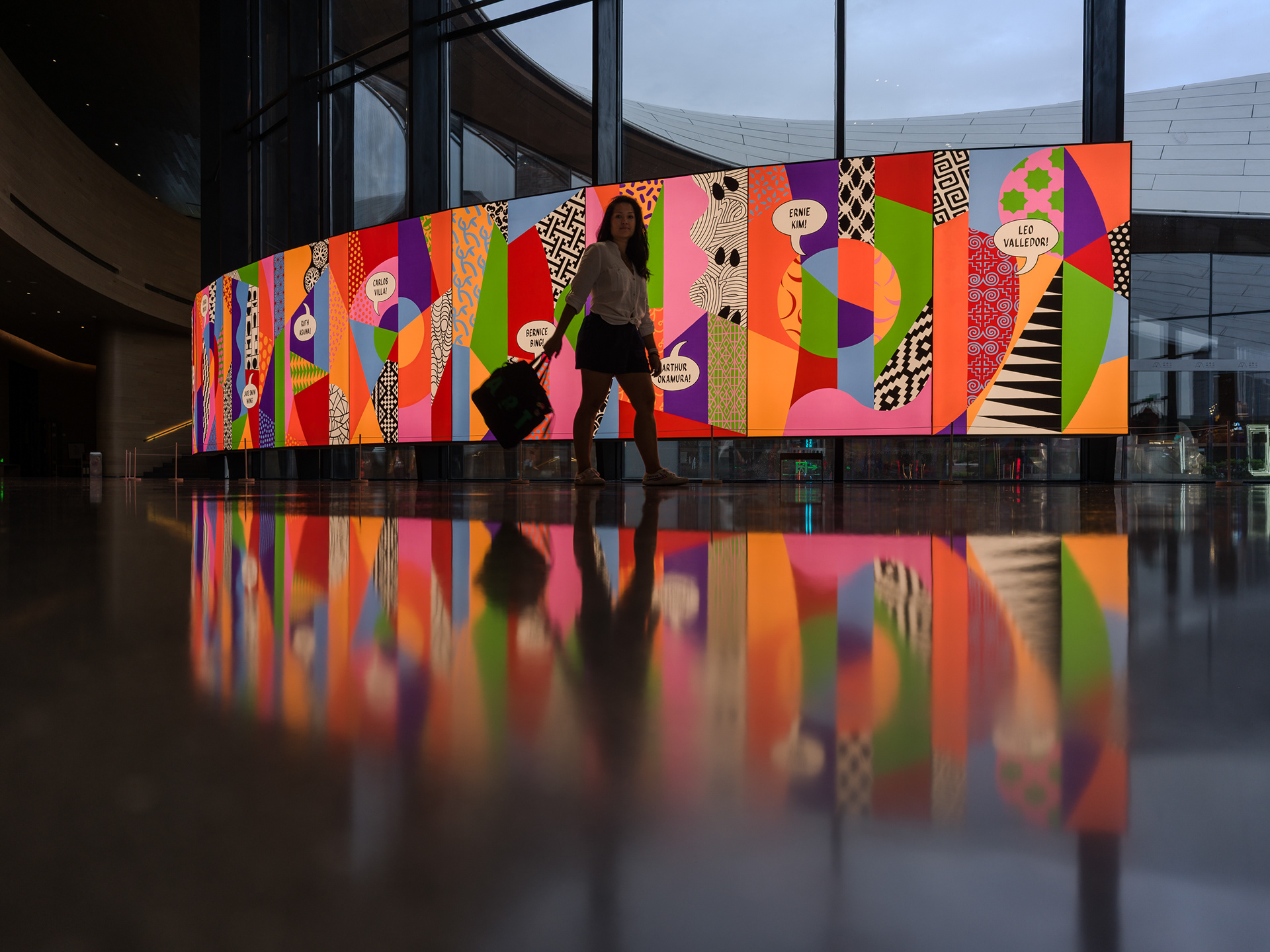
Chengdu - Hasselblad X2Dii + XCD 28P

Jiuzhaiguo - Hasselblad X2Dii + XCD 35-100e

Jiuzhaiguo - Hasselblad X2Dii + XCD 35-100e

Jiuzhaiguo - Hasselblad X2Dii + XCD 35-100e

Jiuzhaiguo - Hasselblad X2Dii + XCD 35-100e

Jiuzhaiguo - Hasselblad X2Dii + XCD 35-100e

Jiuzhaigou - Hasselblad X2Dii + XCD 35-100e
The Glass: A Different Kind of Character
We can't talk about the X2D II without talking about what we bolt onto the front of it. If you're coming from an M body, you're used to lenses with names (Summicron, Summilux, Noctilux) and distinct personalities. The XCD lenses—especially the newer V series with the improved shutters—are different beasts entirely. They are optical scalpels. They are flawless to the point of being almost anonymous. There's no swirl, no glow, no vignette unless you add it later. It's a clean, transparent window onto the sensor.
I've been using the 35-100mm zoom as a do-it-all workhorse, and I have to admit, the convenience is liberating after years of fumbling with a 50mm Summicron cap in the cold. But I do miss the character. If you're looking for the Hasselblad equivalent of a vintage Summilux, you won't find it here. You'll find perfection. Whether that excites you or bores you is a matter of personal taste.
Living With It: The Good, The Bad, The Workarounds
The Good: The image quality is monumental. The dynamic range is so liberating it's almost unfair. The leaf shutter is a silent assassin for flash work. And the camera, despite its size, is surprisingly comfortable to use.
The Bad: The shutter lag. It's a constant, low-grade annoyance for anyone coming from a rangefinder. It forces you to slow down in a way that can sometimes feel like the camera is in charge, not you.
The Unsexy Practicalities: Let's talk about the stuff nobody puts in the brochure. The battery life is actually not bad and... fine. But "fine" for a modern mirrorless camera means you should still carry spares for a full day out, unlike the M10-P which lasts a week on a single charge. And the CFexpress Type B card? It's blazing fast, but it adds a layer of cost and a different card reader to your bag. Coming from the world of SD cards and tiny Leica batteries, this is an adjustment.
The Workarounds: You just have to accept it. You have to embrace a different rhythm. This isn't a camera for decisive moments; it's for the moments you *create*.

Botswana - Hasselblad X2Dii + XCD 55V

Botswana - Hasselblad X2Dii + XCD 55V
The Upgrade Path: Why the X2D II is the Right Choice in 2026
I've spent time with the X1D II and, more recently, the 907x 50C. And if I'm being honest, I have a soft spot for both of them that borders on irrational. The 907x, especially, is a camera you *want* to love. It's a design object first and a digital back second. But reading back through my own notes on the 907x in 2025, there's a recurring theme: "slow," "deliberate," "you have to work for it." That's charming when you're in the mood. It's maddening when you're not.
The X2D II is the first Hasselblad in the modern mirrorless era that doesn't feel like a compromise. If you're coming from an X1D II, the jump is monumental. The old camera felt like a beautiful proof of concept; the X2D II feels like the finished product. The startup time is no longer something you measure with a calendar. The autofocus, while still not Sony-level, is actually usable for a moving human being. And the addition of in-body image stabilisation is the kind of feature that, once you have it, makes you wonder how you ever lived without it.
For the 907x shooter, the decision is harder. You lose the modular charm and that wonderful tilting screen that makes waist-level shooting feel like 1957. But what you gain is a camera that can keep up with 2026. It's not just a better Hasselblad; it's a genuinely modern camera. The X2D II is the point where the "flawed but alluring" equation finally tips towards "alluring" with far fewer caveats.
A Word on Phocus: The Software You Have to Love (or Hate)
You cannot talk about the Hasselblad experience without talking about Phocus. And look, I get it. We all live in Lightroom. We have years of presets and a workflow that's baked into our muscle memory. The thought of opening another piece of software feels like a chore.
Here's the honest truth: Phocus is both a revelation and a frustration. On the plus side, it's the only way to get the full, unadulterated Hasselblad Natural Colour Solution. The colours are just *better* in Phocus. They're richer, more accurate, and the highlight recovery is in a different league. It's also free, which is more than we can say for Capture One these days. On the downside, the interface feels like it was designed by the same person who programmed the X1D's original startup sequence. It's clunky. It's not intuitive. The tethering is rock-solid, but the local adjustment tools feel a decade behind.
These days, I've stopped pretending. I no longer use Phocus. Life is too short and my hard drive is too full of TIFF files I'll never revisit. I import my Hasselblad files straight into Lightroom Classic and get on with it. Yes, the HNCS colour science nerds will tell me I'm leaving something on the table. And maybe I am. But you know what? The files out of the X2D II are so good that the tiny, incremental improvement I *might* get from Phocus simply isn't worth the friction. Lightroom's Hasselblad profiles are more than adequate, and I'd rather spend an extra five minutes with my family than wrestling with a clunky interface for a 2% colour improvement that only I would ever notice. If that makes me a bad Hasselblad owner, so be it.

Tanzania - Hasselblad X2Dii + XCD 55V

Tanzania - Hasselblad X2Dii + XCD 55V

Tanzania - Hasselblad X2Dii + XCD 55V

Tanzania - Hasselblad X2Dii + XCD 55V

Tanzania - Hasselblad X2Dii + XCD 55V
When I Reach for the Hasselblad vs. The Leica (A Quick Cheat Sheet)
After a few months of juggling three systems, this is the internal dialogue that plays out when I open the gear cupboard:
The Hasselblad X2D II: I'm shooting a planned portrait. I'm heading to a location with tripod legs and a golden hour deadline. I want to print *big*. I want to fix my exposure mistakes in post without the image falling apart. This is the camera for the final image, the one that will hang on a wall.
The Leica M10-P: I'm walking the dog. I'm meeting friends for dinner. I want to remember how this Tuesday *felt* rather than how many pores were on my subject's nose. I want to be invisible. This is the camera for the process, the one that makes me enjoy the act of taking a photograph.
The Fujifilm X-Pro2: It's raining. I'm going somewhere sketchy. I don't want to worry about a $10,000 setup. Or, I just want to shoot JPEGs with the Classic Chrome sim and call it a day. This is the camera for when life happens and the camera is just a tool, not a precious object.
Conclusion: Soulful Overkill
I've seen other reviews where people say the X2D is "so good it's a joyless experience." After living with it, I think that's half the story. It *is* soulful. There's a quiet, deliberate poetry to the way it renders a file—a sense of calm that you don't get from the frantic energy of a 35mm sensor. It's just a different kind of soul. It's not the soul of a jazz club at 1 AM; it's the soul of a cathedral at dawn.
But let's be honest with ourselves. For anyone who isn't printing billboards or shooting fine-art landscapes for a living, this camera is absolute, glorious overkill. It's a luxury item. There is no world in which I *need* 102 megapixels and 16-bit colour to take a photo of my coffee or my kid in the garden. My X-Pro2 and M10-P already do that job with more charm and far less weight.
And that's the key word: secondary. The X2D II 100C has firmly settled into being my secondary camera. It's the one I reach for when the light is perfect, when I have a specific vision in mind, or when I simply want to treat myself to the best possible image-making experience money can buy. It will never be the camera I grab on my way out the door "just in case."
If you can afford it, and more importantly, if you have the patience to live with its deliberate, almost meditative pace, it is absolutely worth it. The files will stop you in your tracks. Just know that it's a luxury, and it's a luxury that will probably spend more time on the shelf than in your hand. But when you do take it down, it's a reminder of just how far photography can go.
I'm genuinely curious—has anyone else here made peace with the Hasselblad as a "second body"? Or am I just trying to justify the shelf space? Let me know on Threads if you've found a way to make medium format your daily driver.

Hong Kong - Hasselblad X2Dii + XCD 28P

Hong Kong - Hasselblad X2Dii + XCD 55V

Hong Kong - Hasselblad X2Dii + XCD 55V

Hong Kong - Hasselblad X2Dii + XCD 55V

Hong Kong - Hasselblad X2Dii + XCD 28P

Hong Kong - Hasselblad X2Dii + XCD 55V

Tanzania - Hasselblad X2Dii + XCD 55V
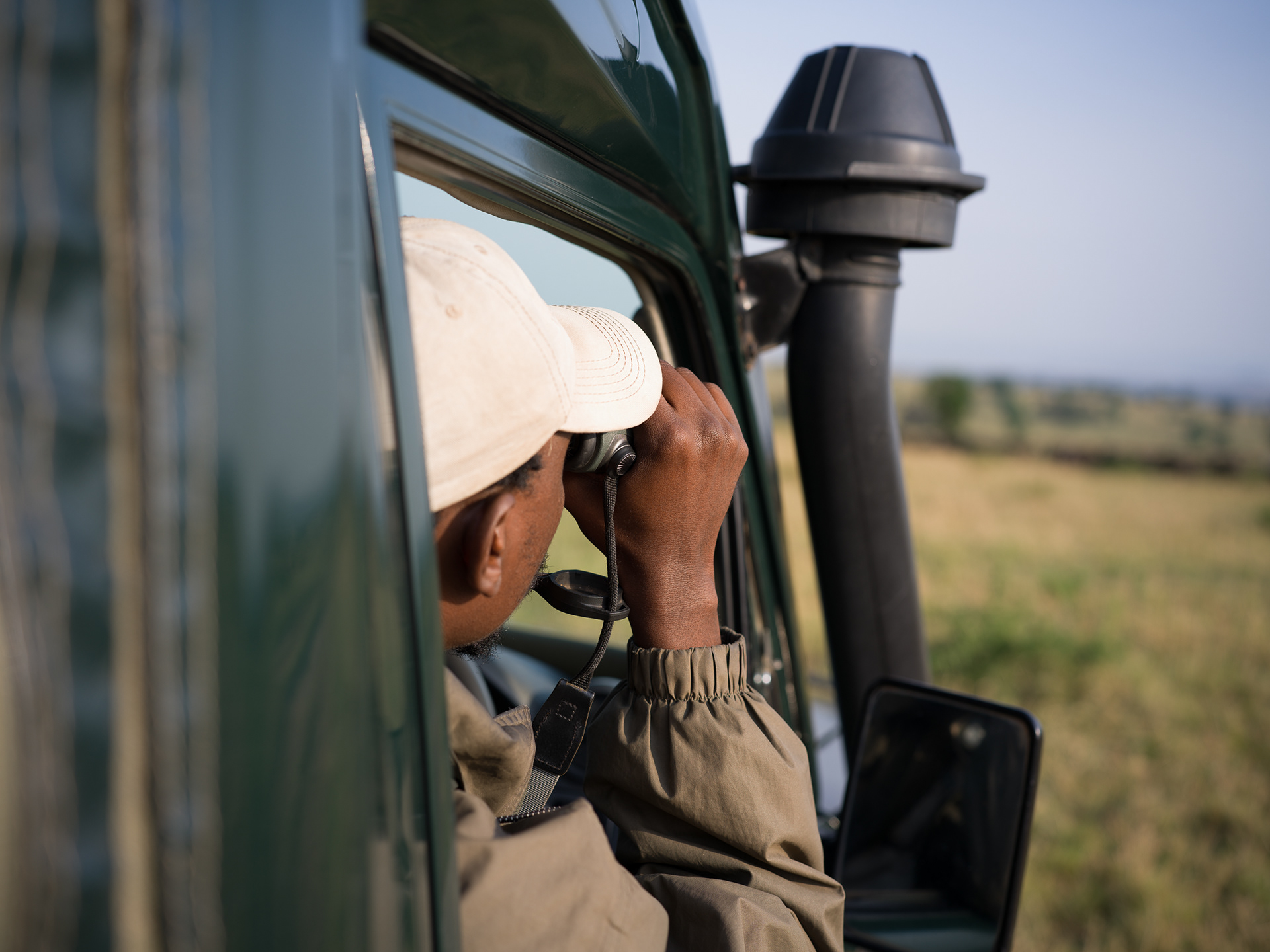
Tanzania - Hasselblad X2Dii + XCD 55V
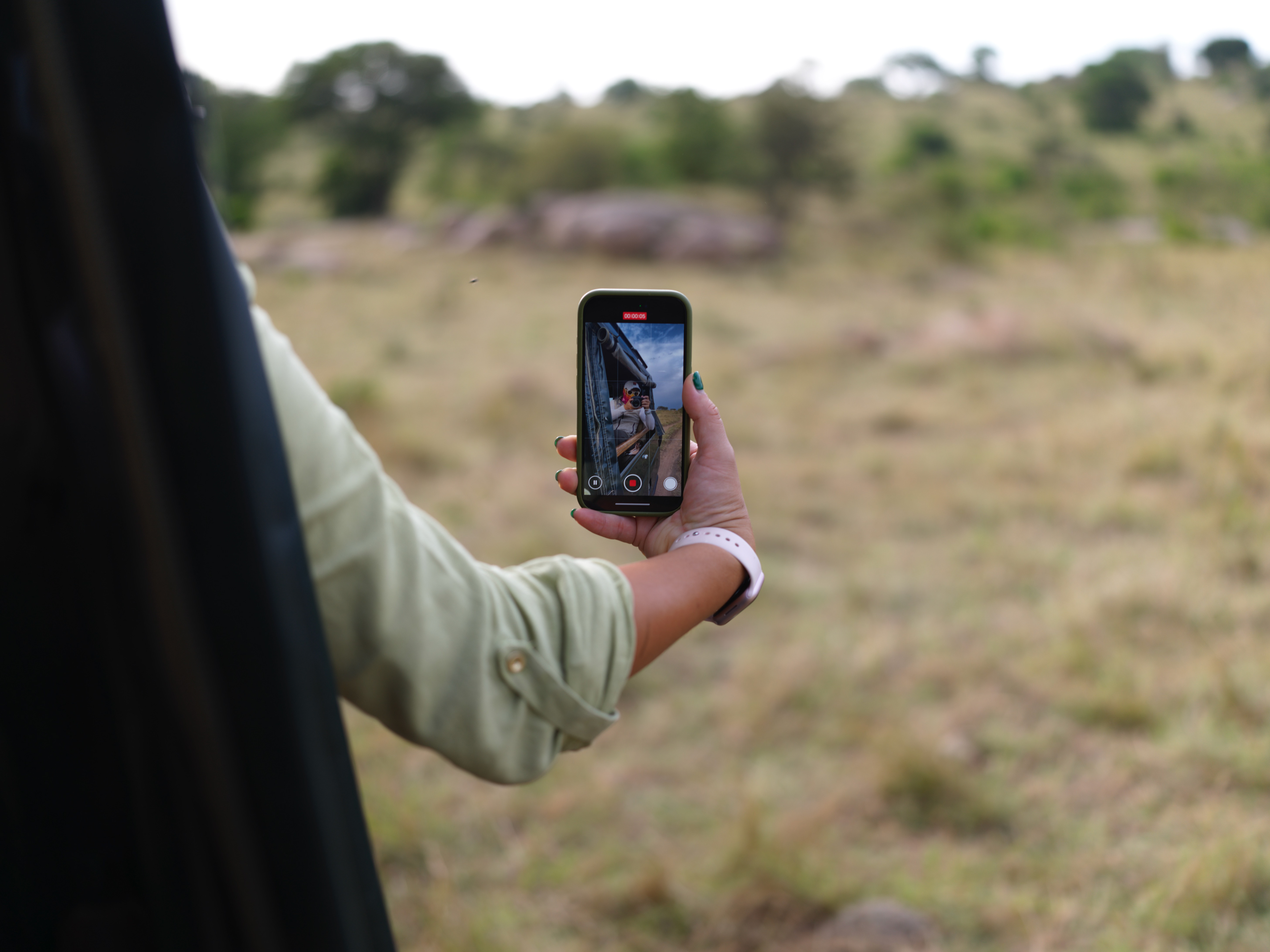
Tanzania - Hasselblad X2Dii + XCD 55V

Tanzania - Hasselblad X2Dii + XCD 55V

Tanzania - Hasselblad X2Dii + XCD 55V
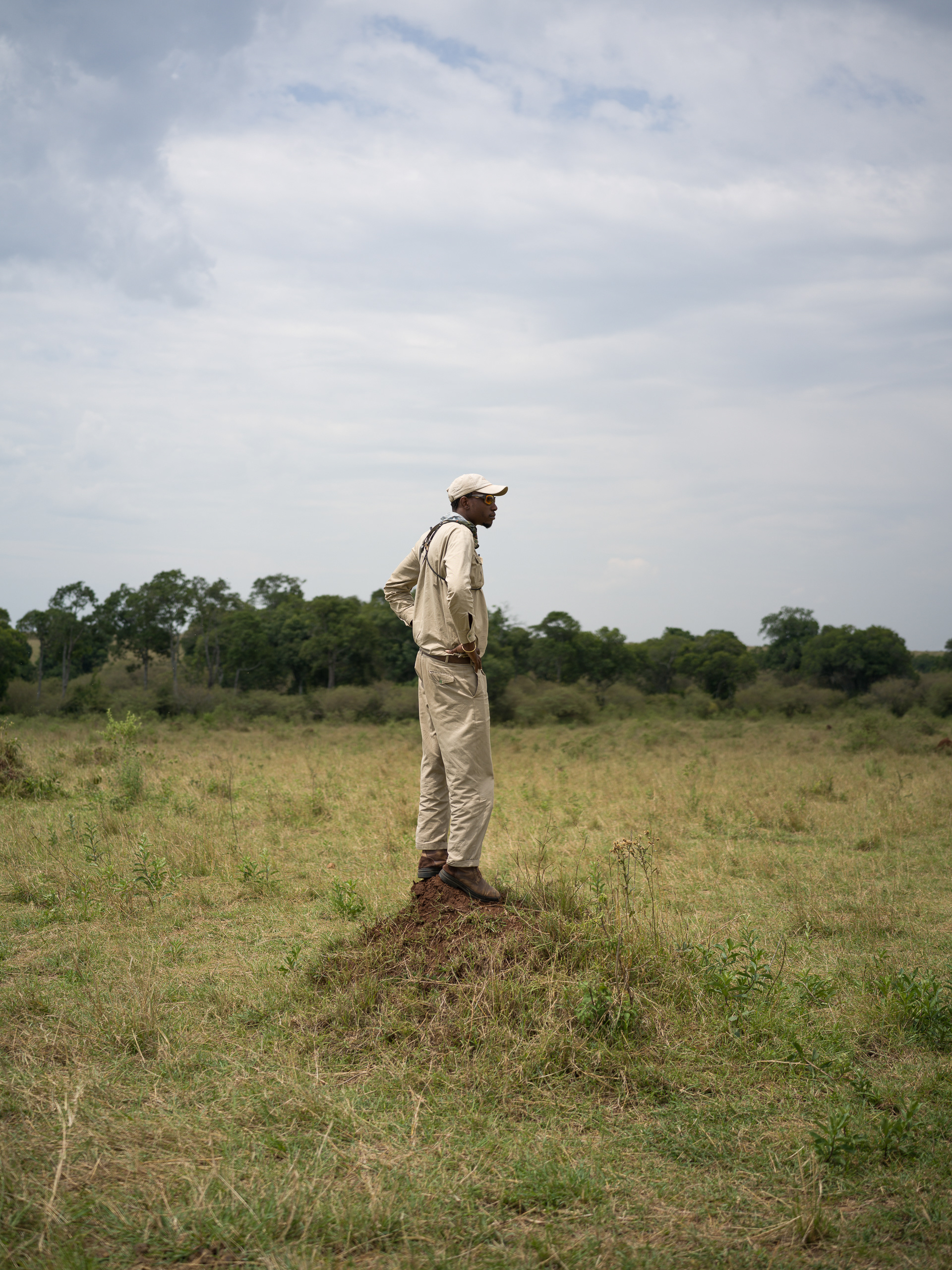
Tanzania - Hasselblad X2Dii + XCD 55V

Botswana - Hasselblad X2Dii + XCD 55V

Tanzania - Hasselblad X2Dii + XCD 55V
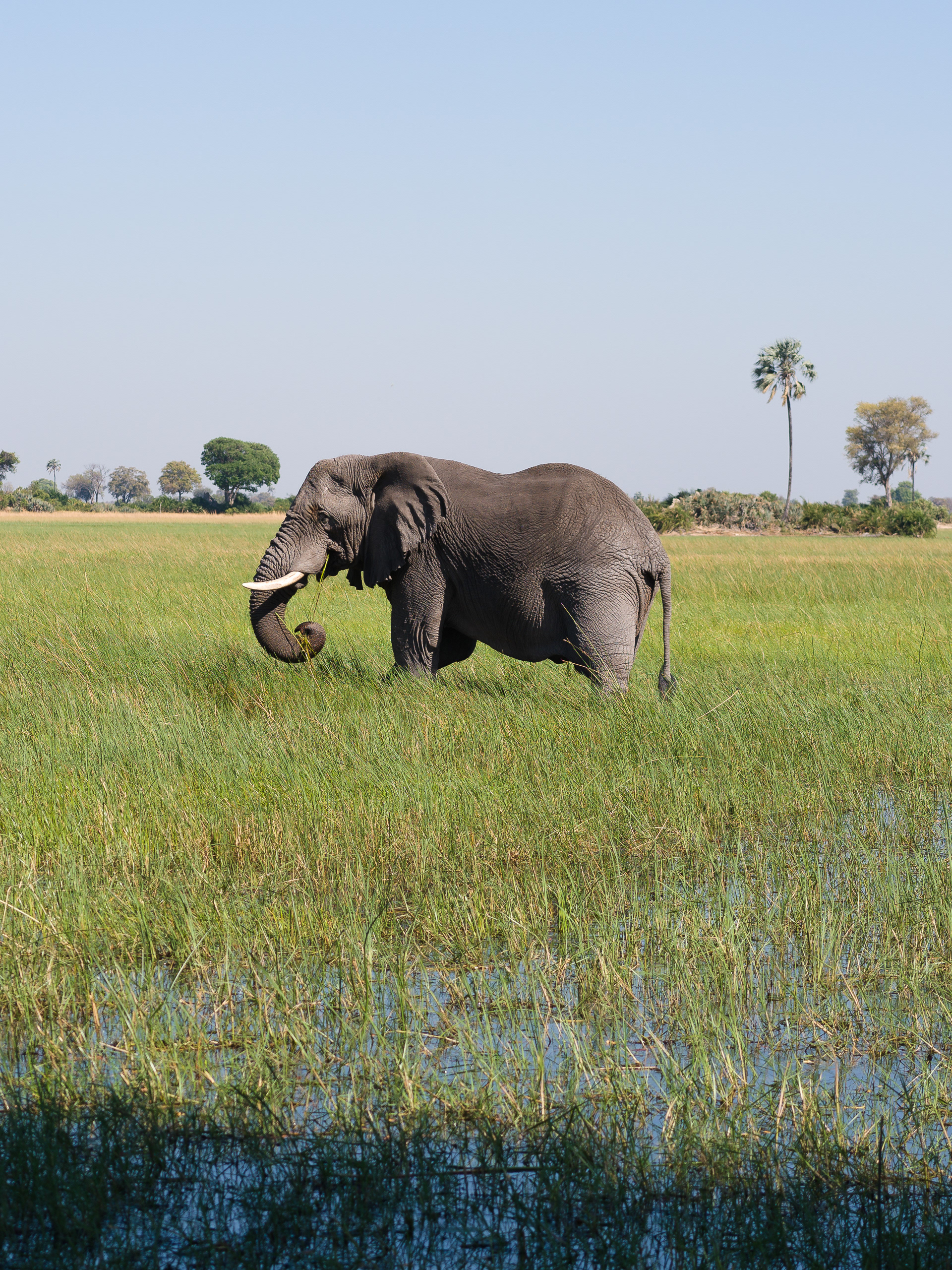
Botswana - Hasselblad X2Dii + XCD 55V
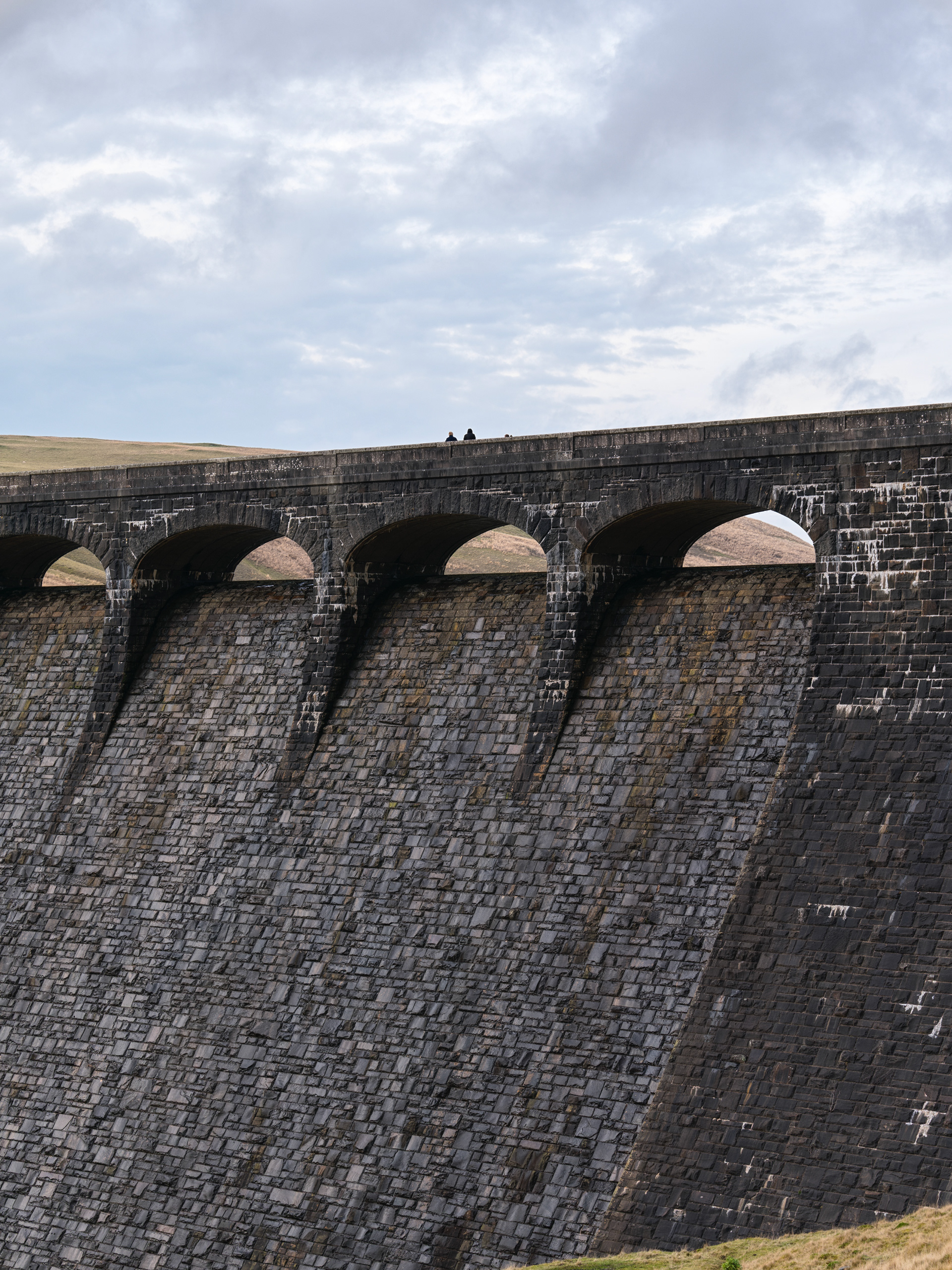
Wales - Hasselblad X2Dii + XCD 35-100E

Wales - Hasselblad X2Dii + XCD 35-100E
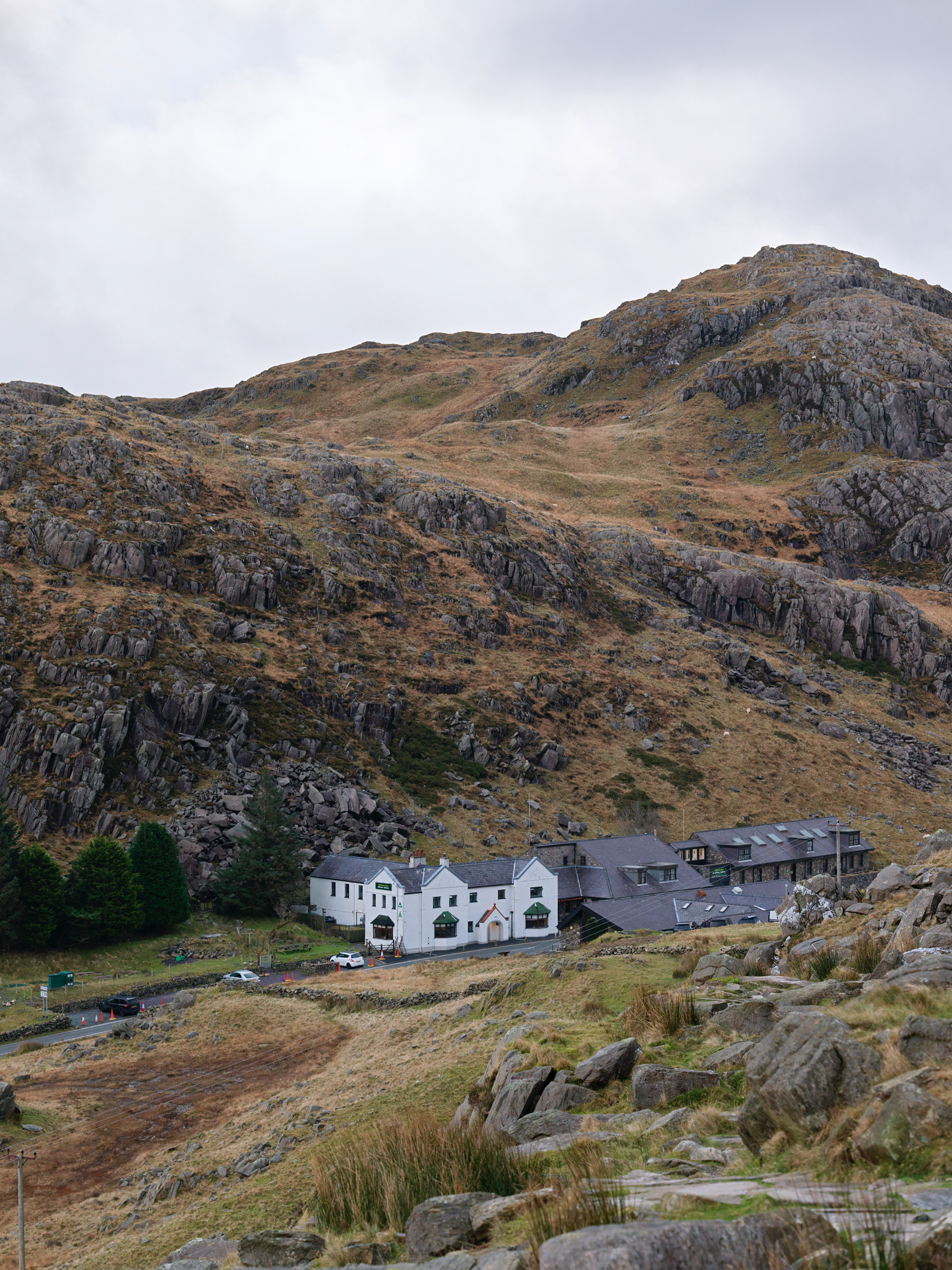
Wales - Hasselblad X2Dii + XCD 35-100E
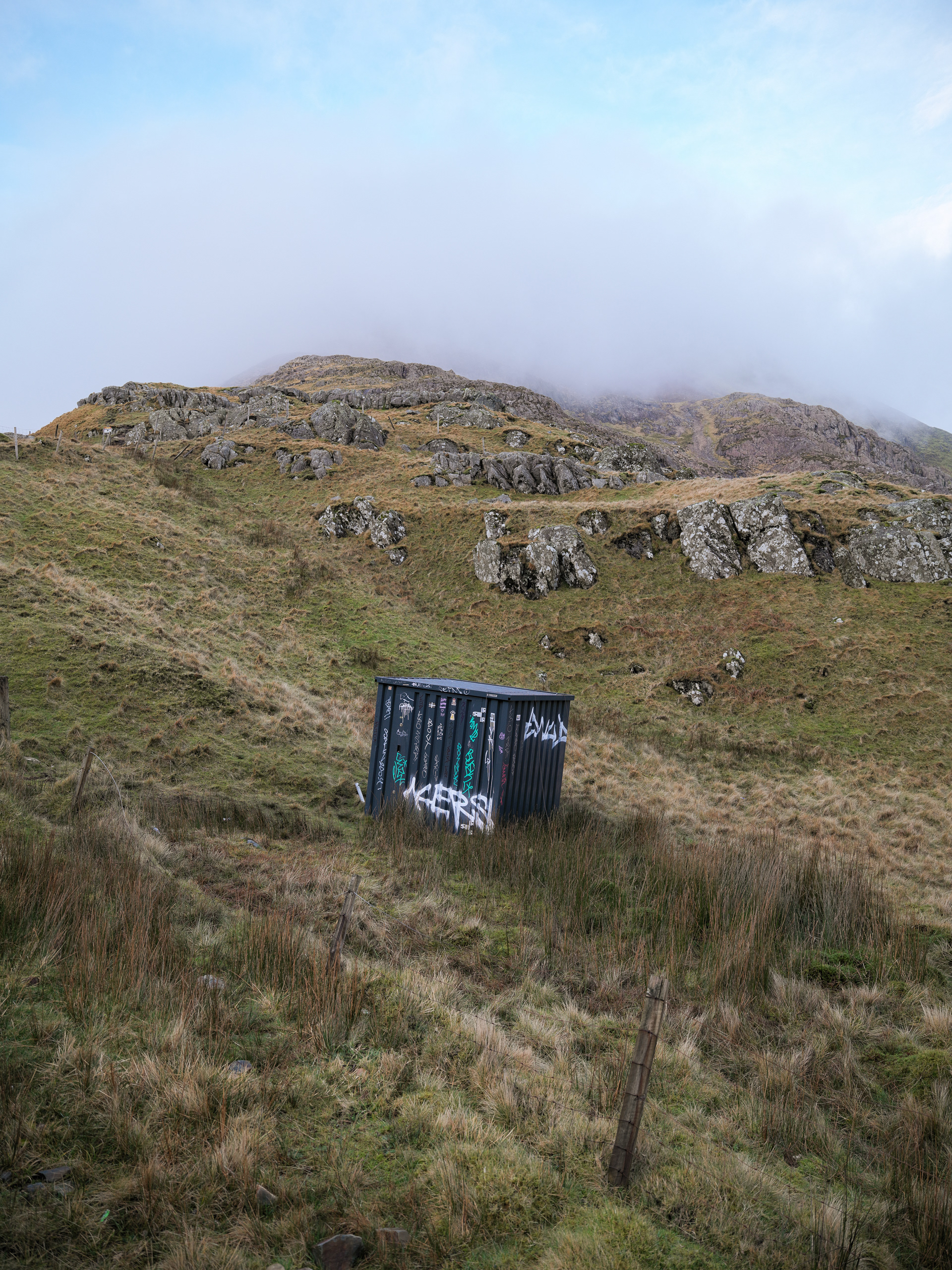
Wales - Hasselblad X2Dii + XCD 35-100E
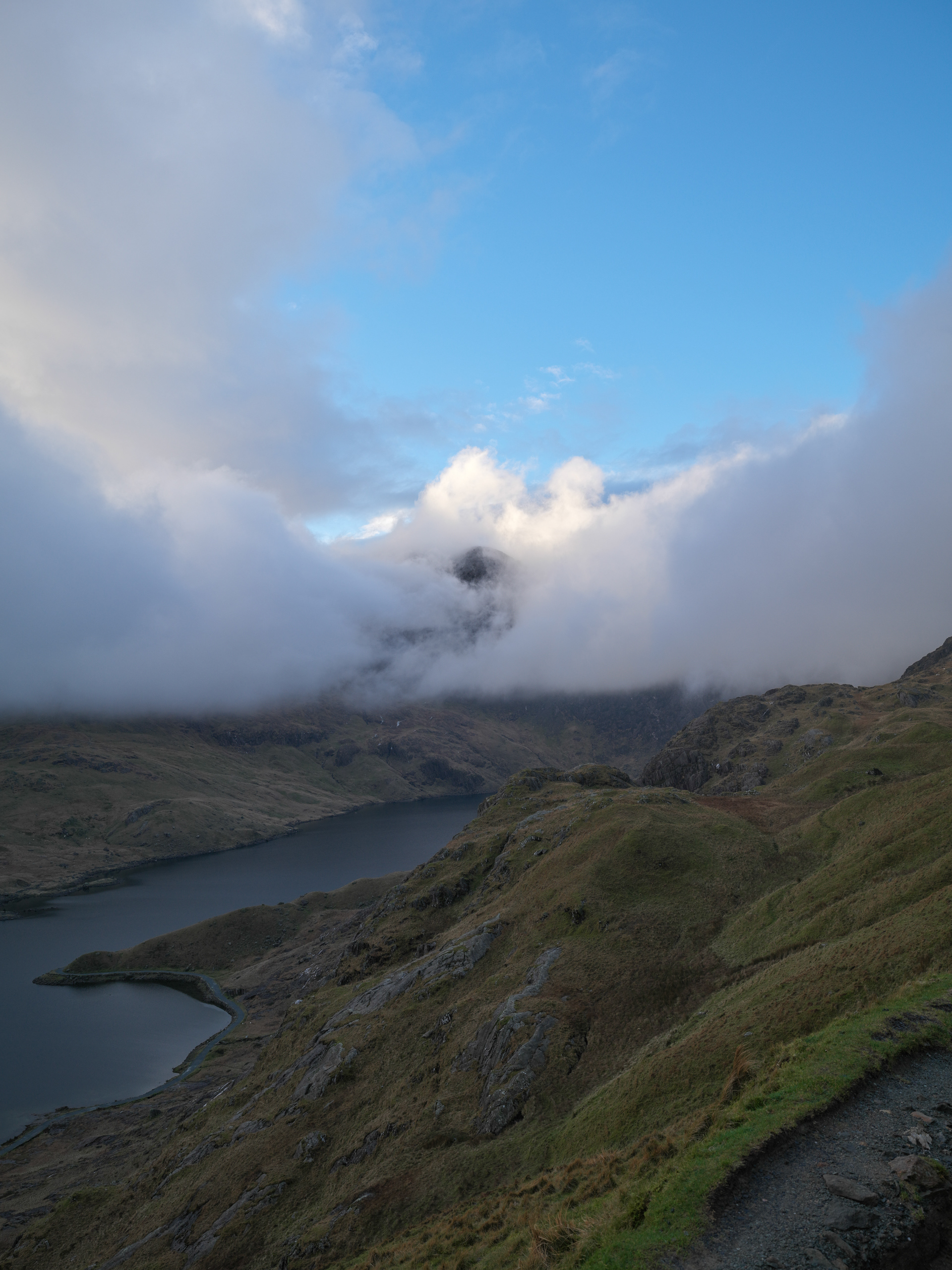
Wales - Hasselblad X2Dii + XCD 35-100E
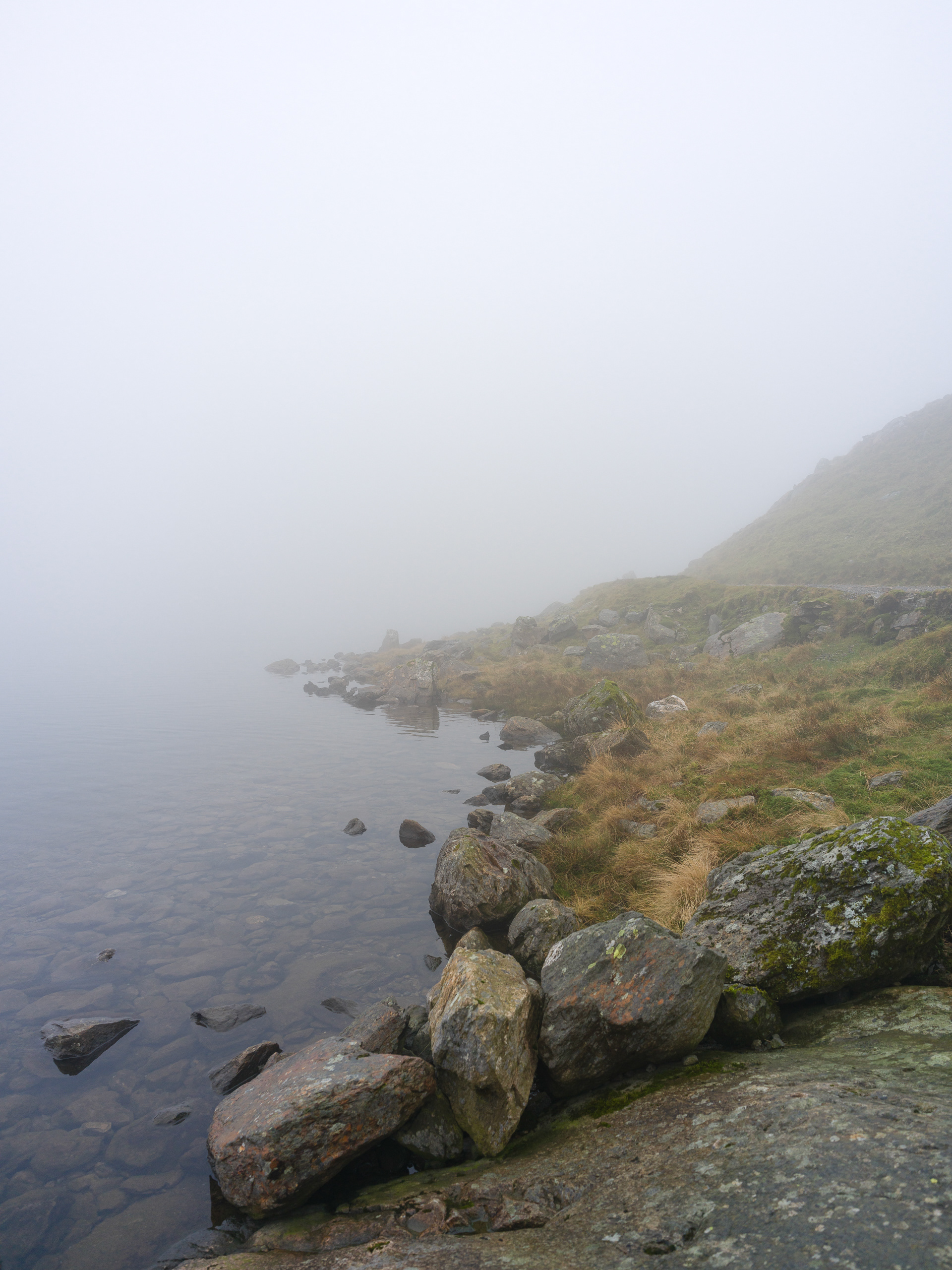
Wales - Hasselblad X2Dii + XCD 35-100E

Wales - Hasselblad X2Dii + XCD 35-100E
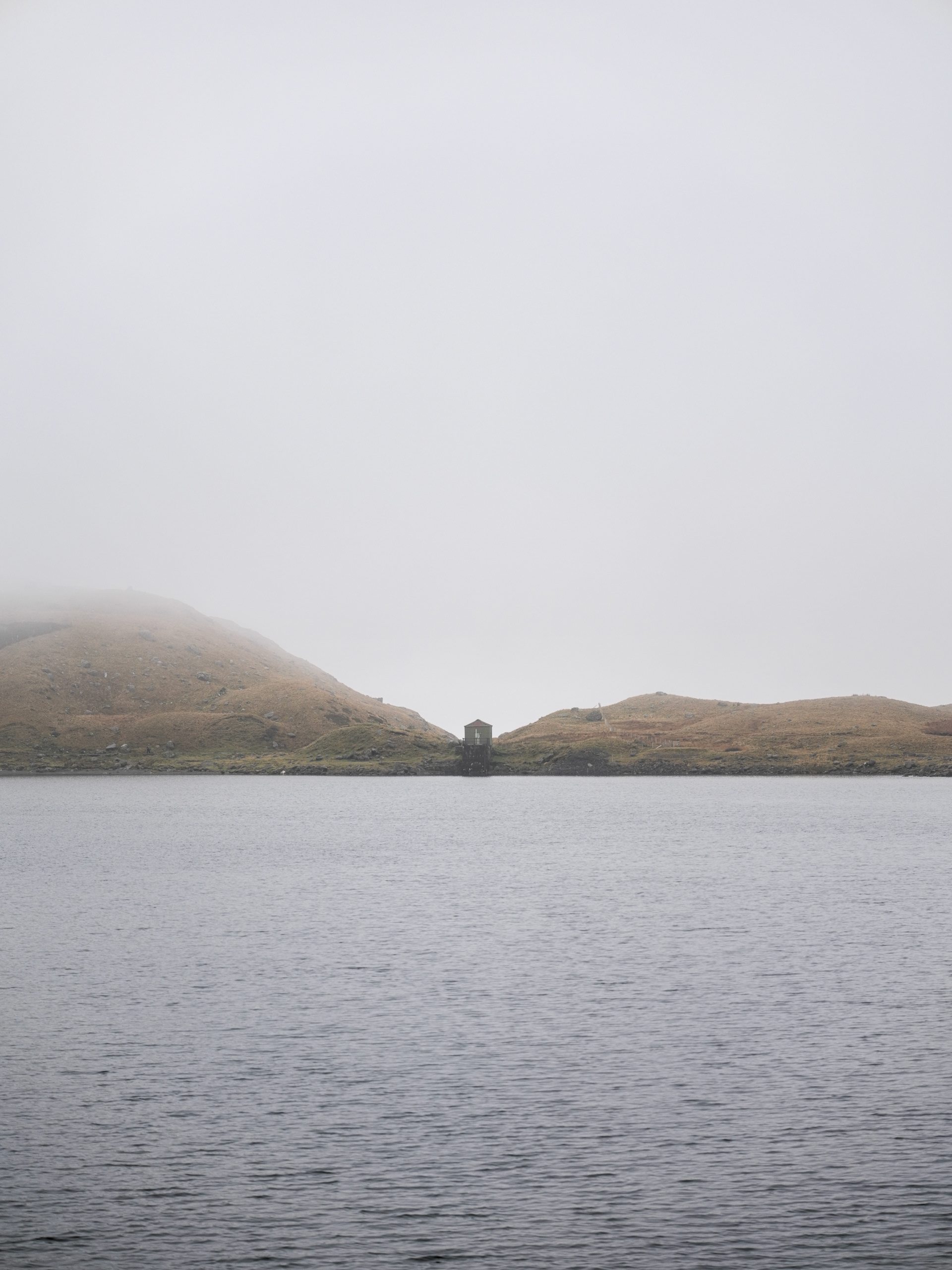
Wales - Hasselblad X2Dii + XCD 35-100E
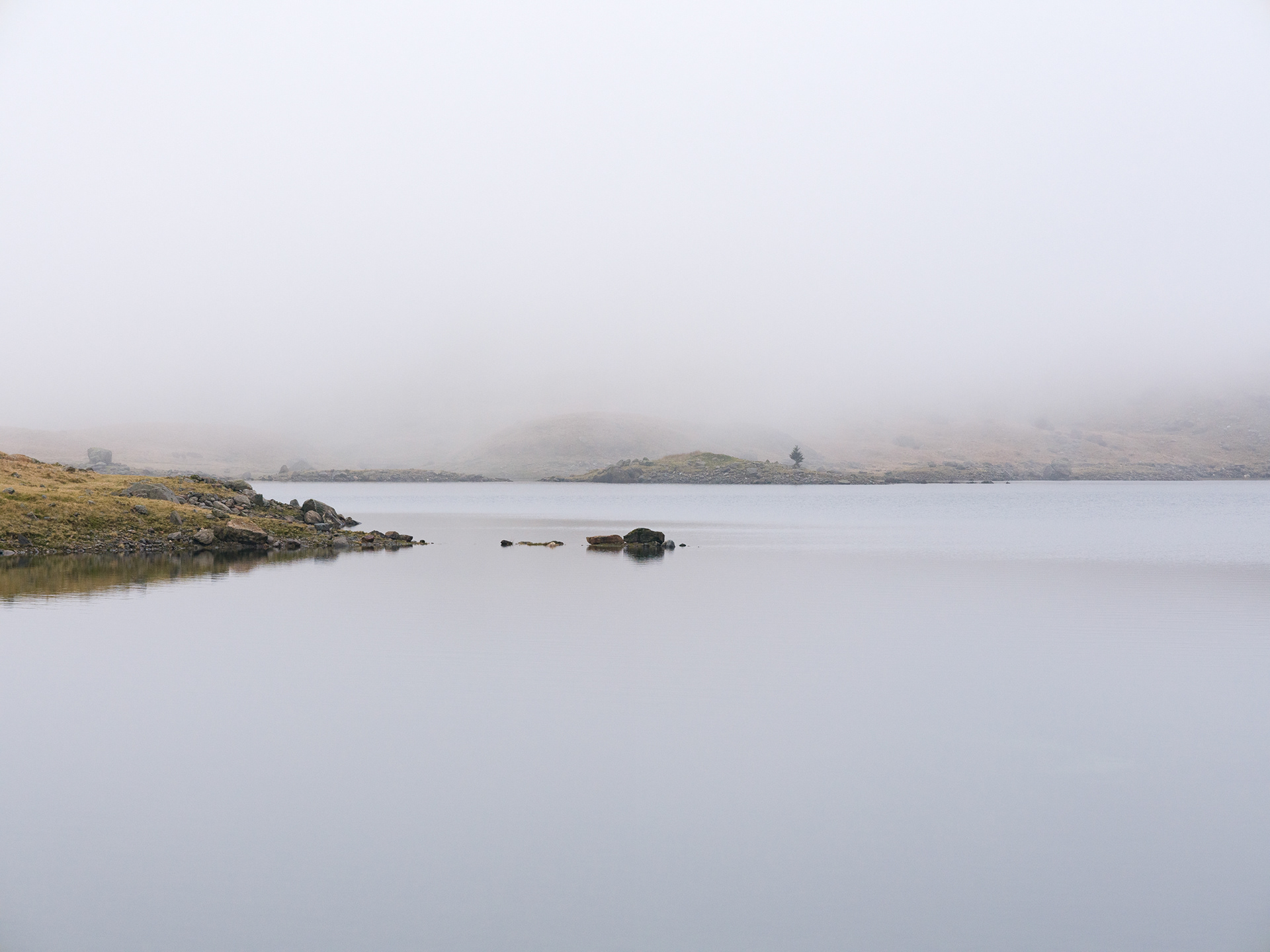
Wales - Hasselblad X2Dii + XCD 35-100E
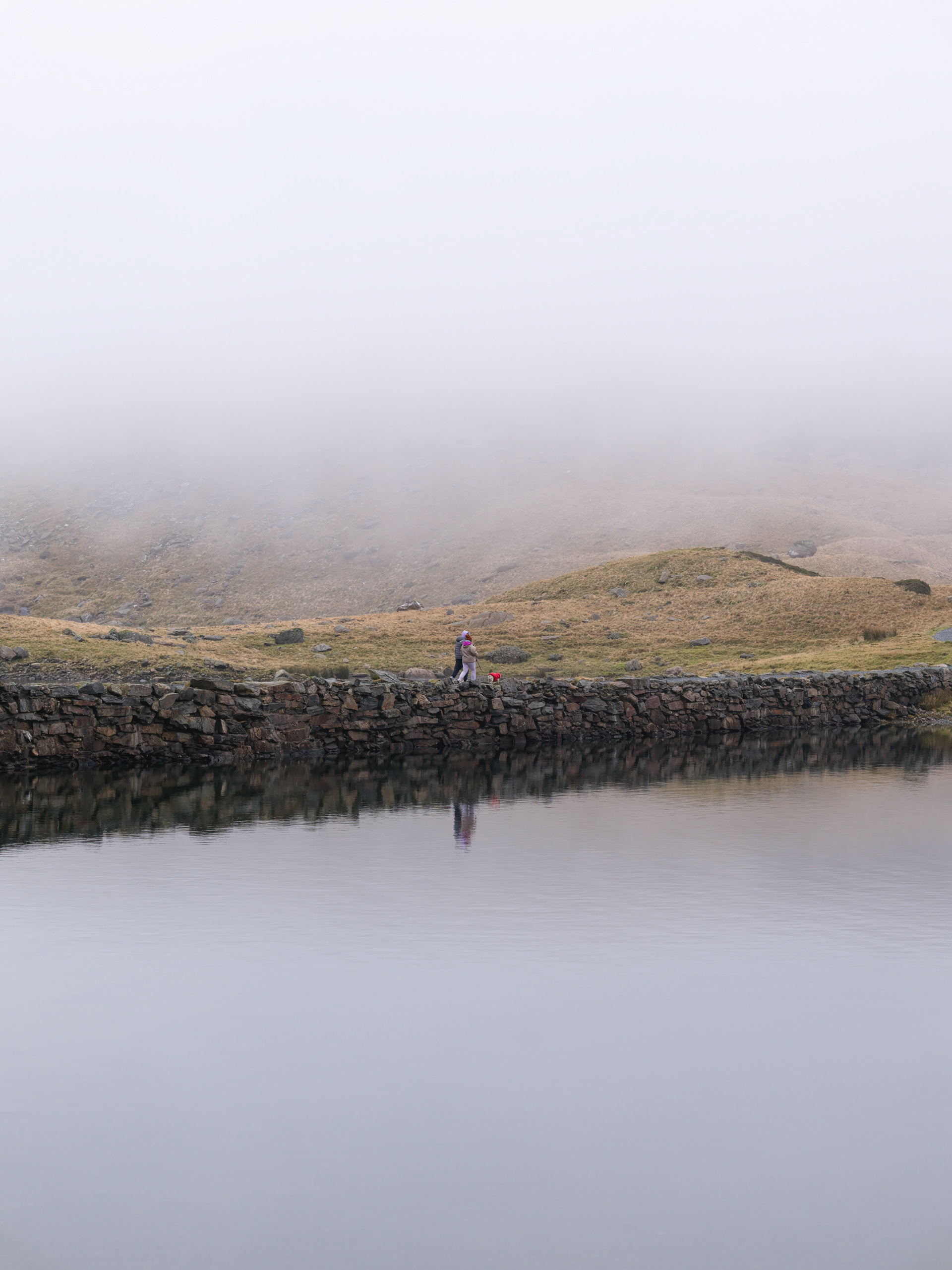
Wales - Hasselblad X2Dii + XCD 35-100E

Wales - Hasselblad X2Dii + XCD 35-100E
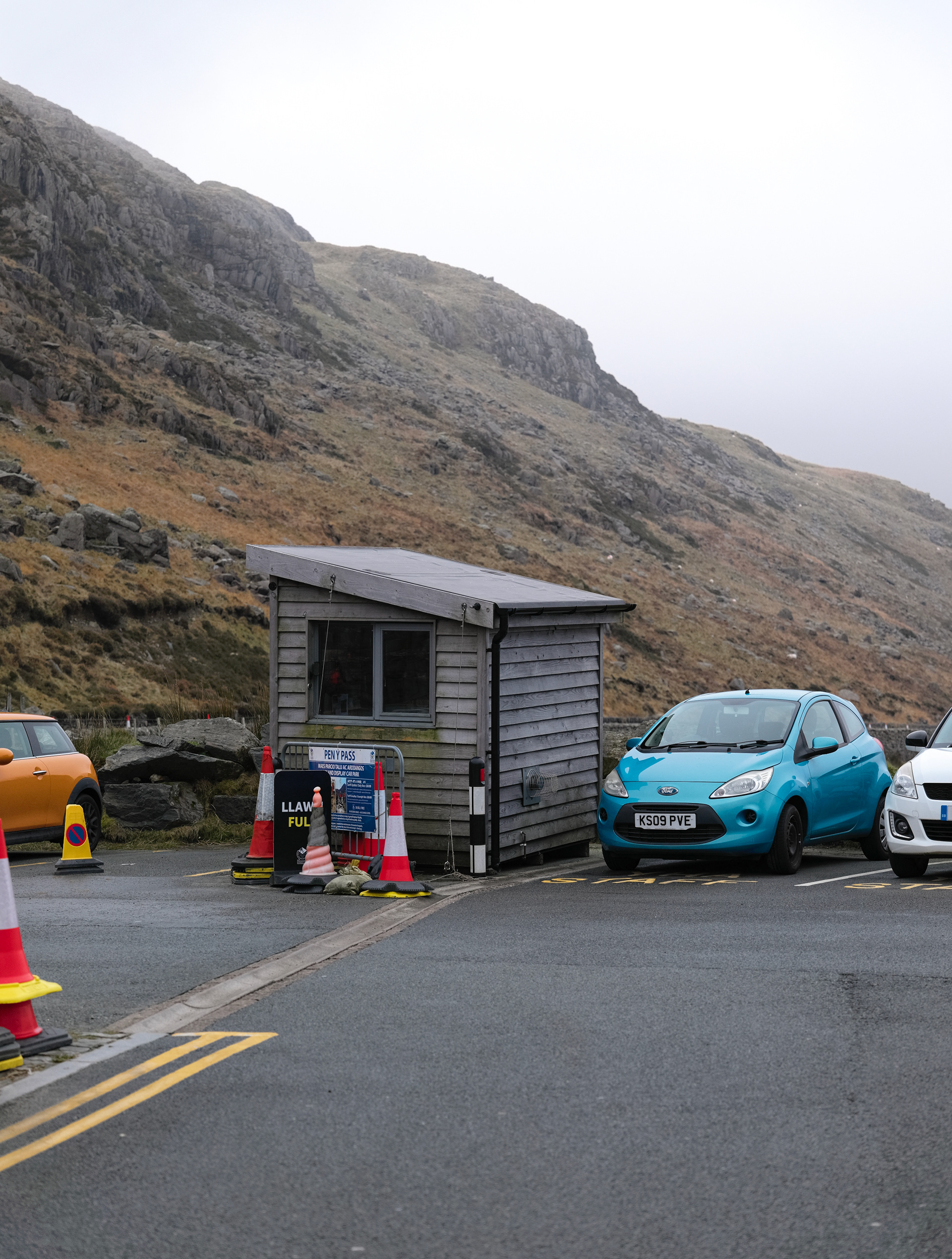
Wales - Hasselblad X2Dii + XCD 35-100E
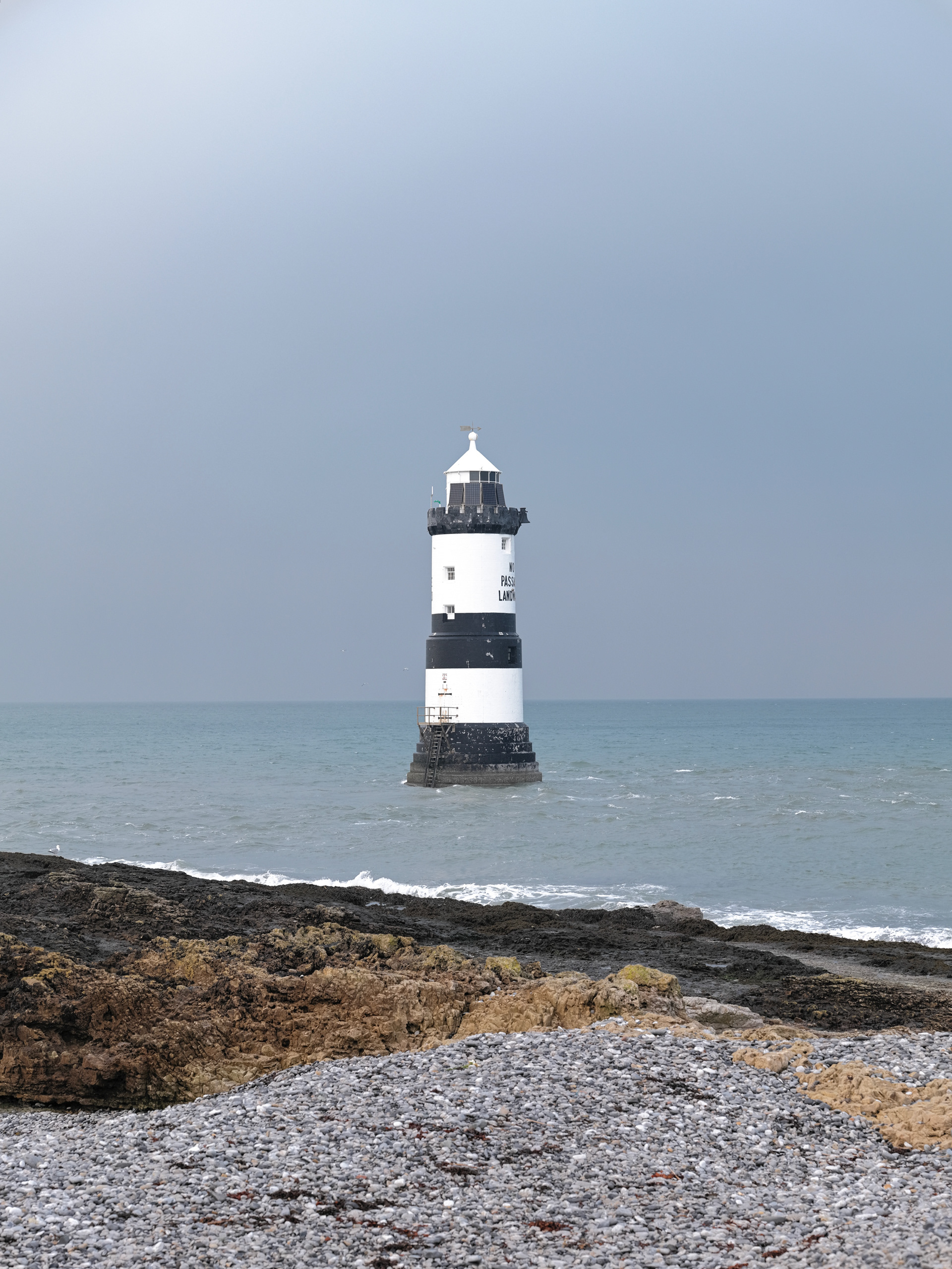
Wales - Hasselblad X2Dii + XCD 35-100E

Wales - Hasselblad X2Dii + XCD 35-100E
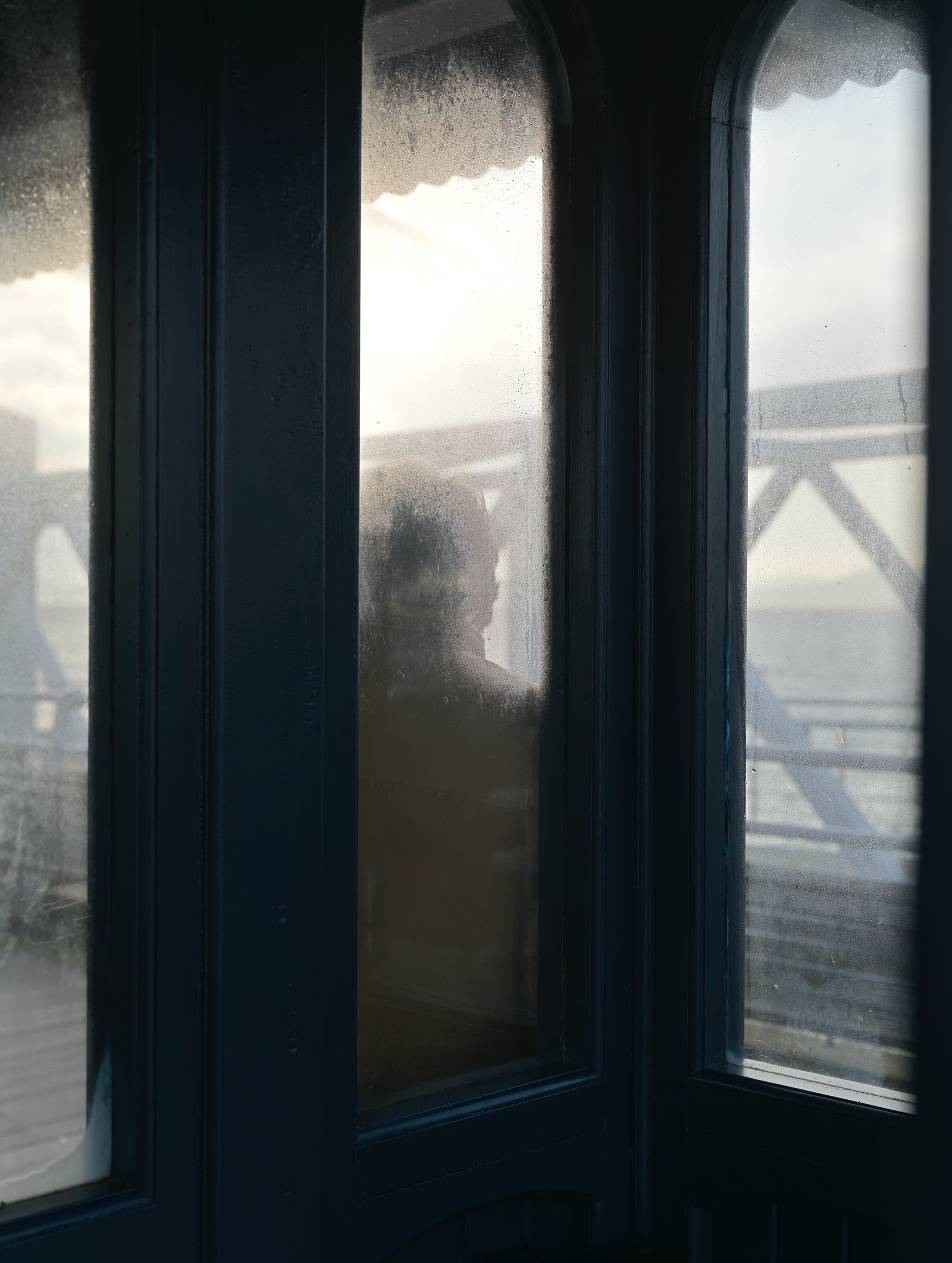
Wales - Hasselblad X2Dii + XCD 35-100E
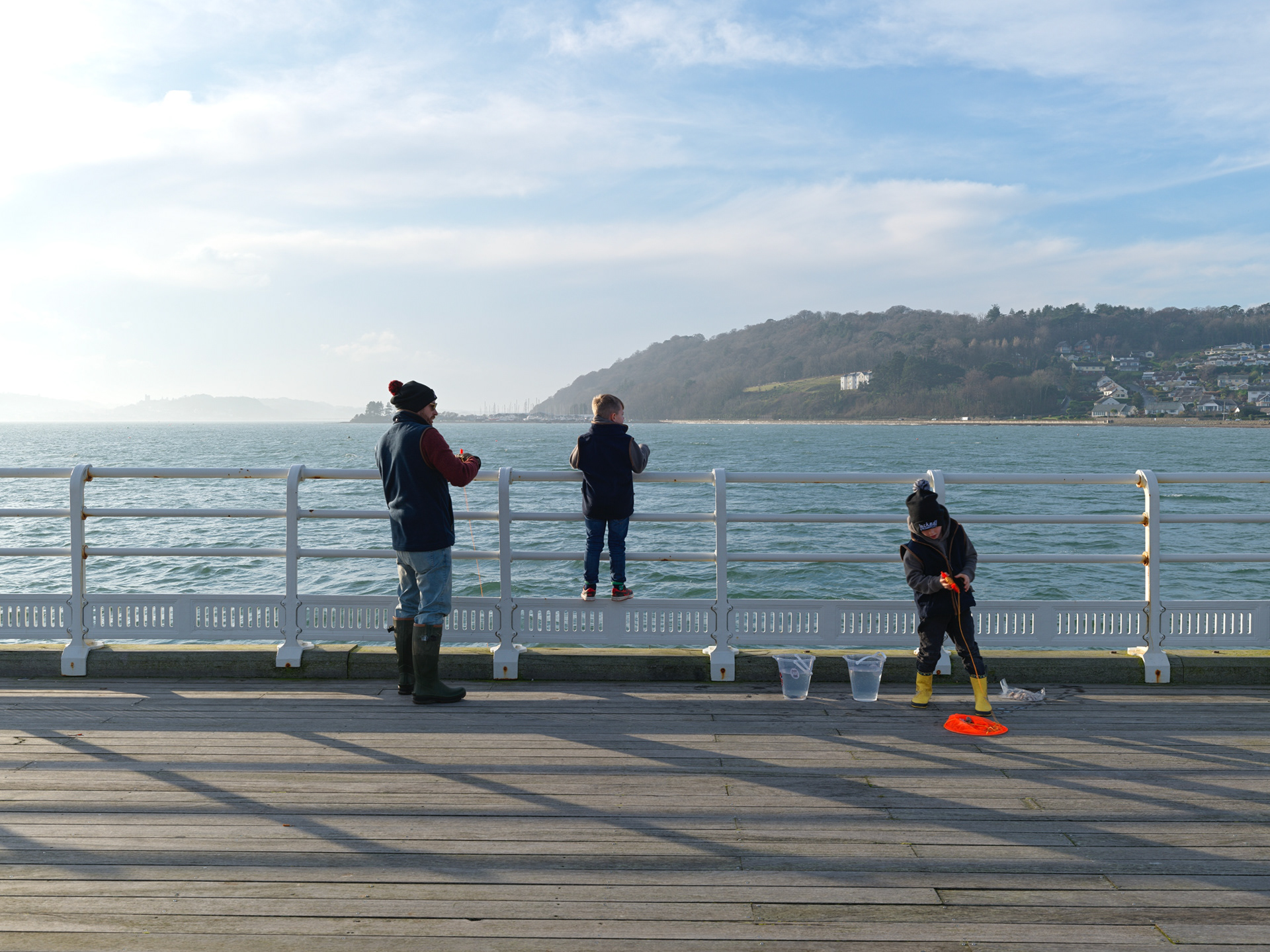
Wales - Hasselblad X2Dii + XCD 35-100E
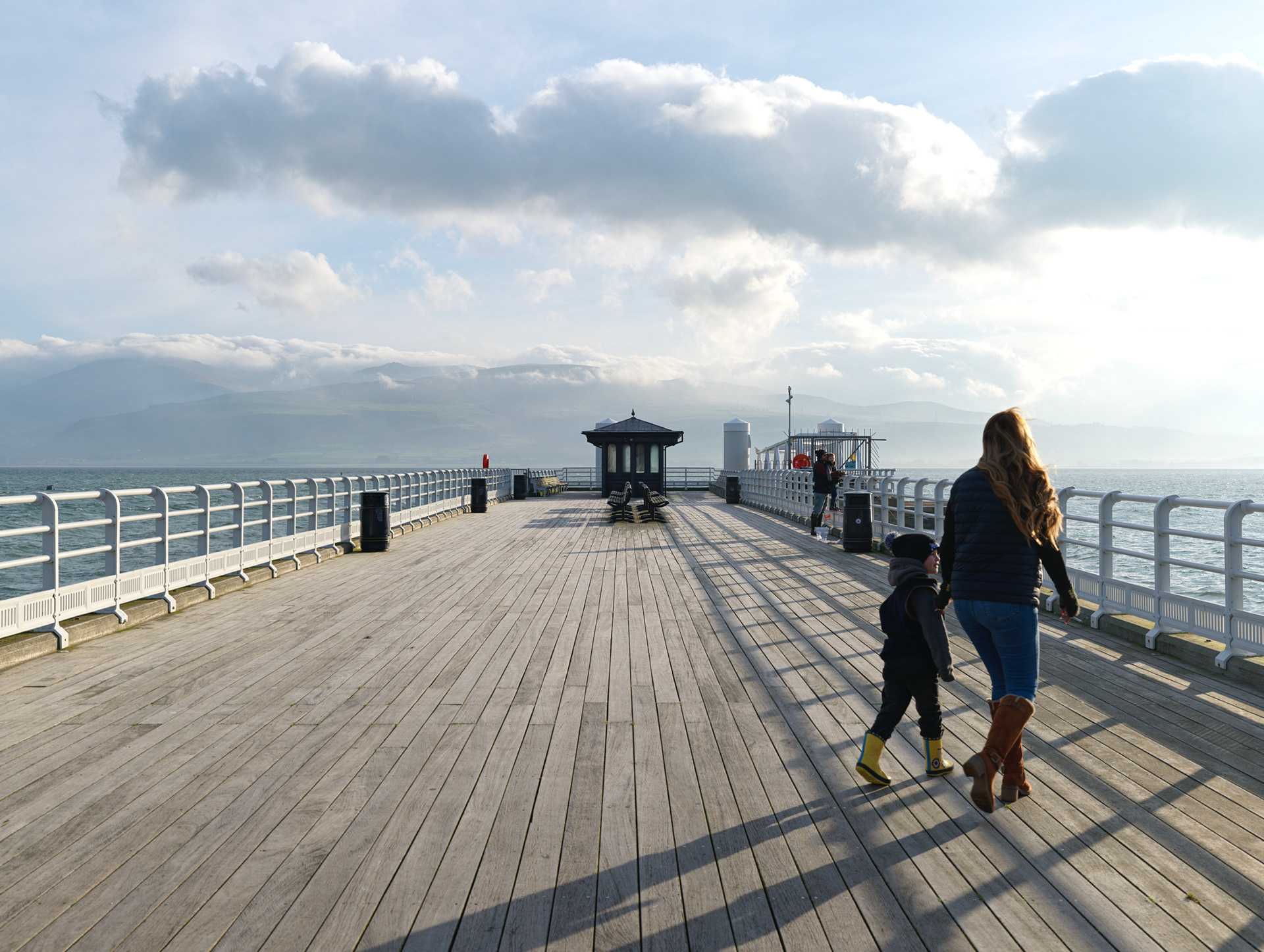
Wales - Hasselblad X2Dii + XCD 35-100E

London - Hasselblad X2Dii + XCD 35-100E

London - Hasselblad X2Dii + XCD 35-100E

London - Hasselblad X2Dii + XCD 35-100E

London - Hasselblad X2Dii + XCD 35-100E
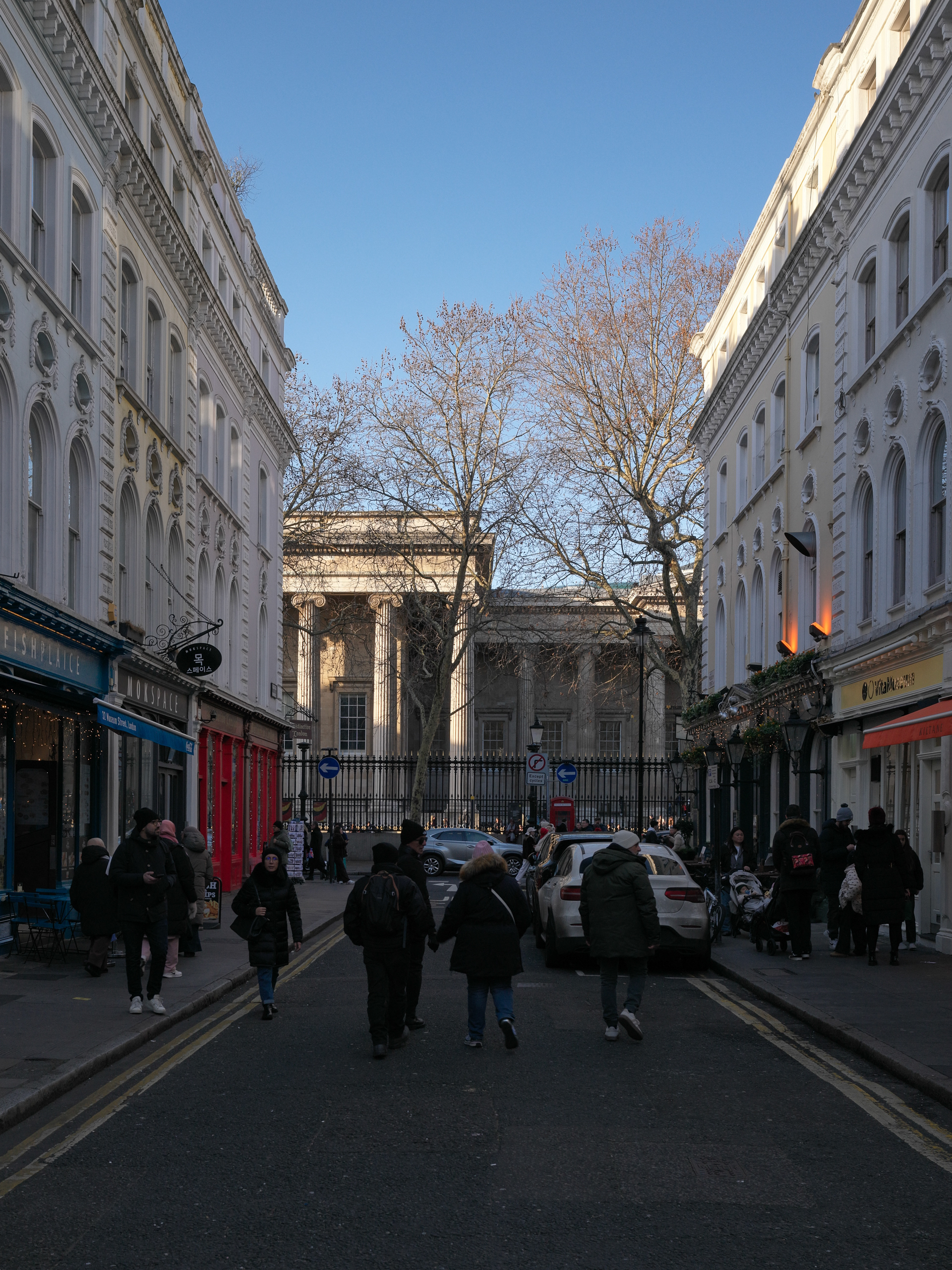
London - Hasselblad X2Dii + XCD 35-100E
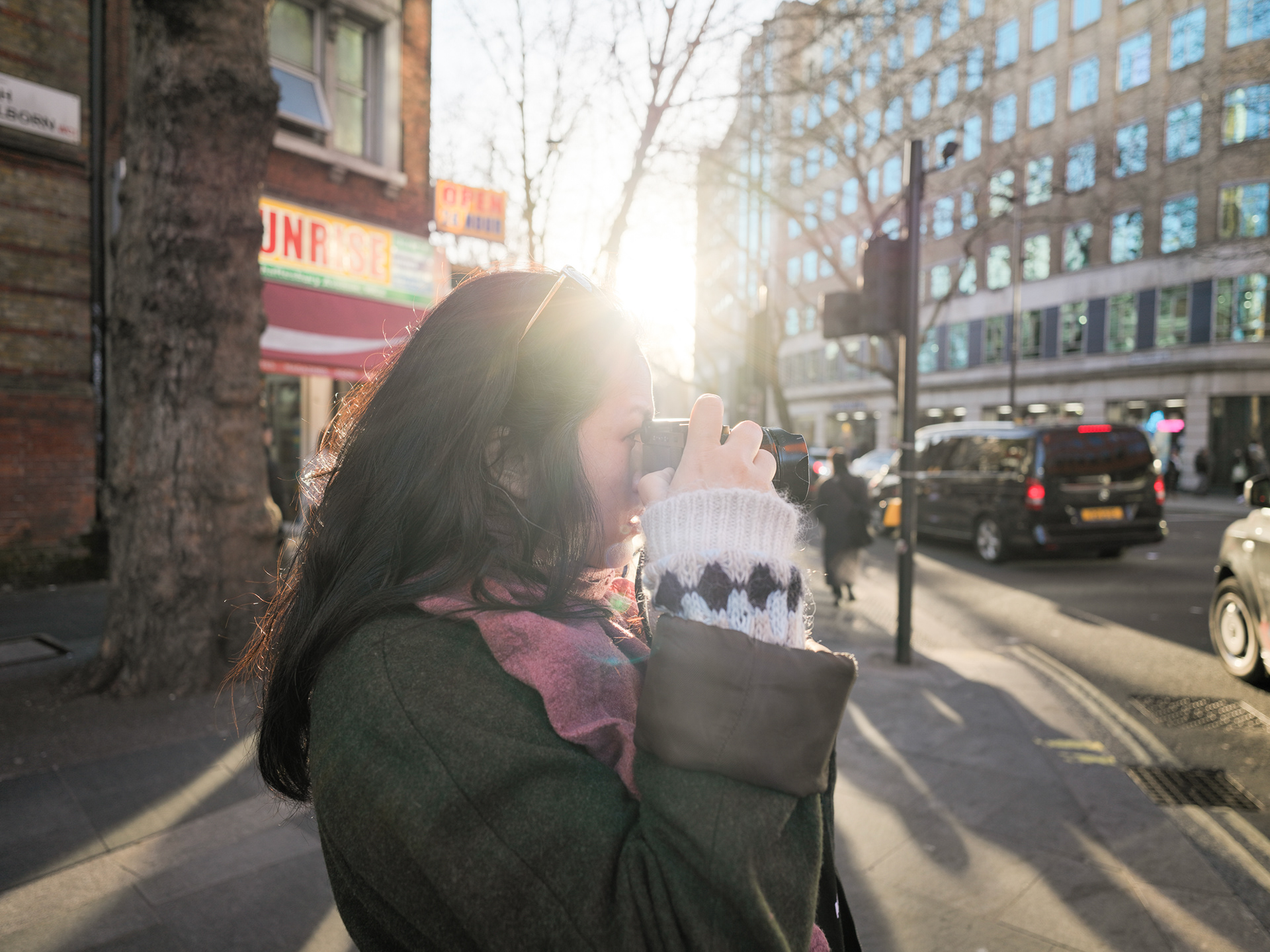
London - Hasselblad X2Dii + XCD 35-100E

London - Hasselblad X2Dii + XCD 35-100E
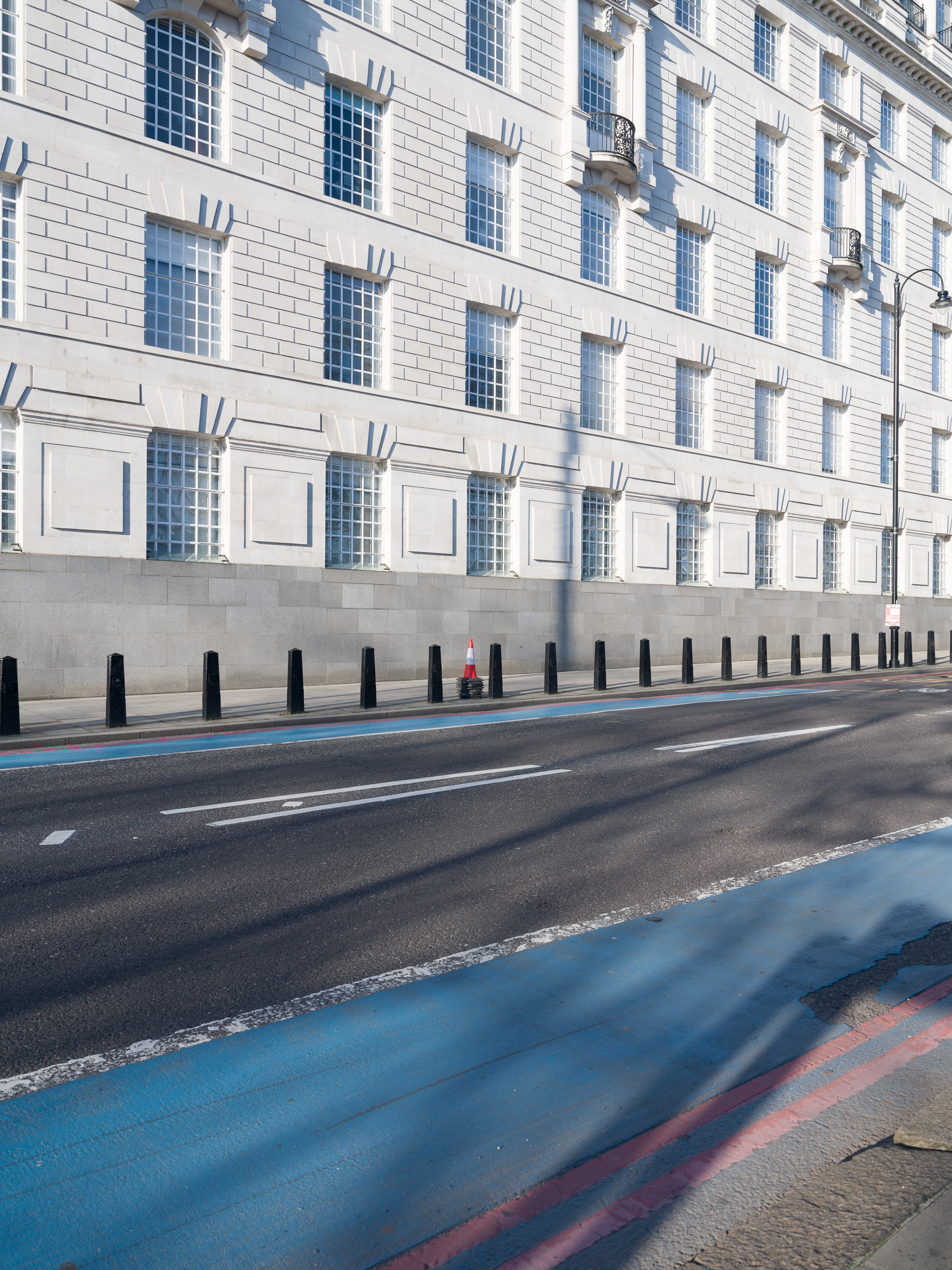
London - Hasselblad X2Dii + XCD 35-100E

London - Hasselblad X2Dii + XCD 35-100E
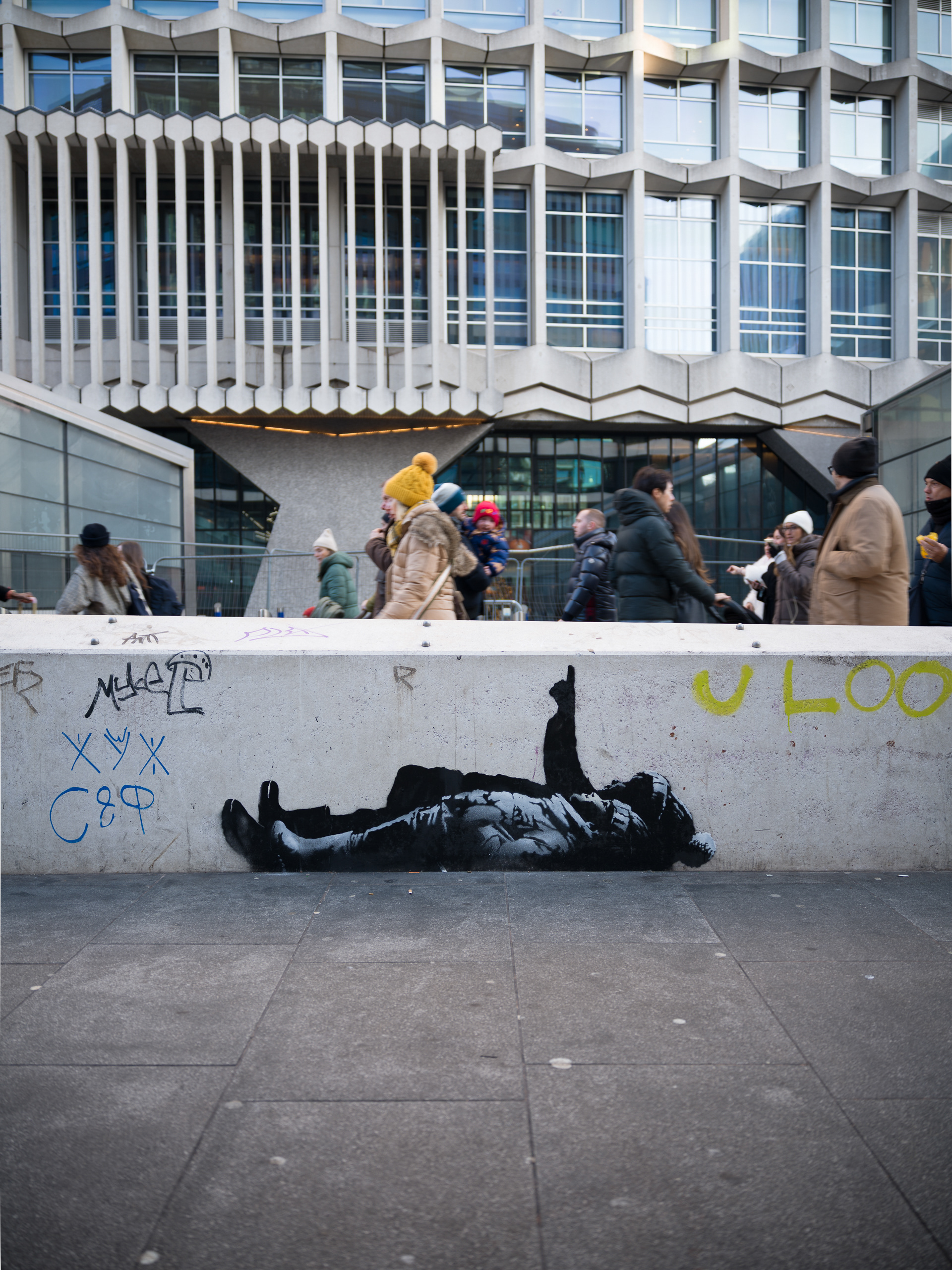
London - Hasselblad X2Dii + XCD 35-100E

London - Hasselblad X2Dii + XCD 35-100E

London - Hasselblad X2Dii + XCD 35-100E
