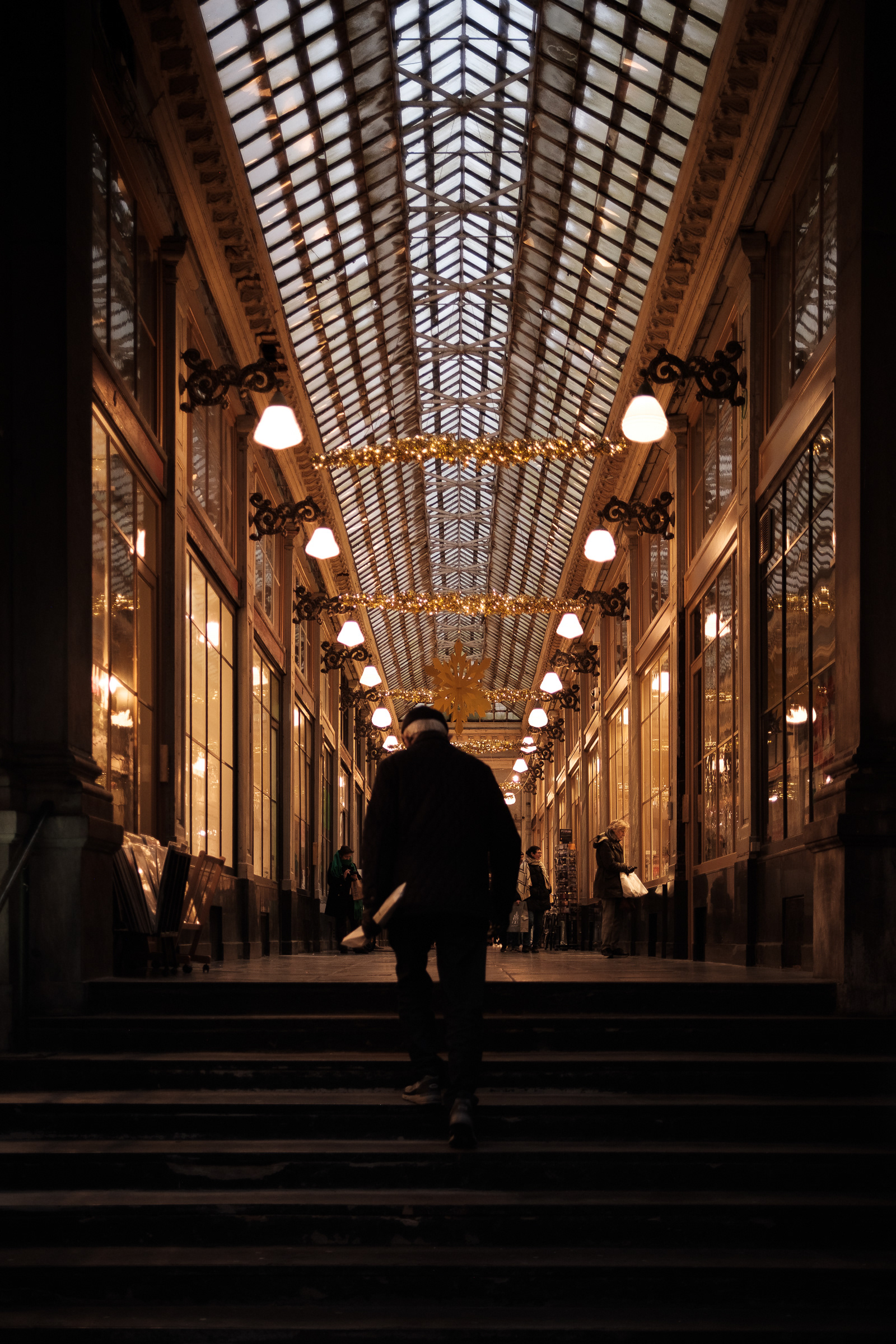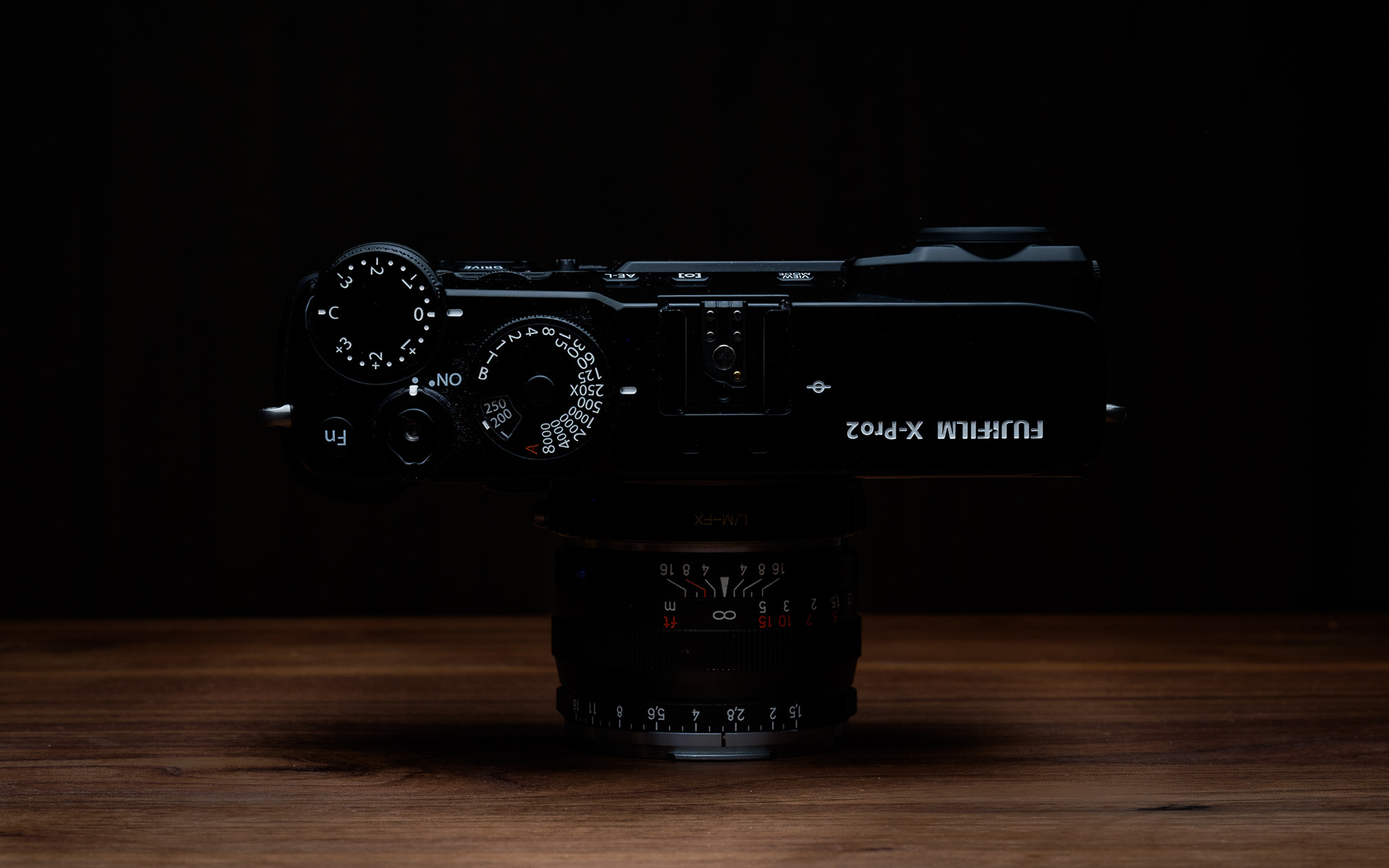
Fujifilm X-Pro2 + Zeiss C Sonnar 50mm F/1.5 on a m-mount adapter
Fujifilm X-Pro2 Review After 9 Years: Is It Still Worth Buying in 2026?
By jkspepper | Updated: April 2026
Quick summary – This is my favourite camera, probably of all time. This specific one too, to the point I'd rather pay more money to have this one repaired than have to replace with a newer one... this is my X-Pro2.
The X-Pro2 isn’t the best camera by 2026’s metrics, but for a certain shooter – one who values character over specs, mood over megapixels – it remains stubbornly and magnificently the rightest camera. If you care more about a fun shooting experience than technical marvels, simple editing over hours in Lightroom, and images that look superb straight out of camera… read on.
Status in 2026: Discontinued (buy used) • Firmware: 5.11 (final, but solid) • Used price: Less than a new iPhone SE • Repair support: Likely until ~2028 or until parts run out
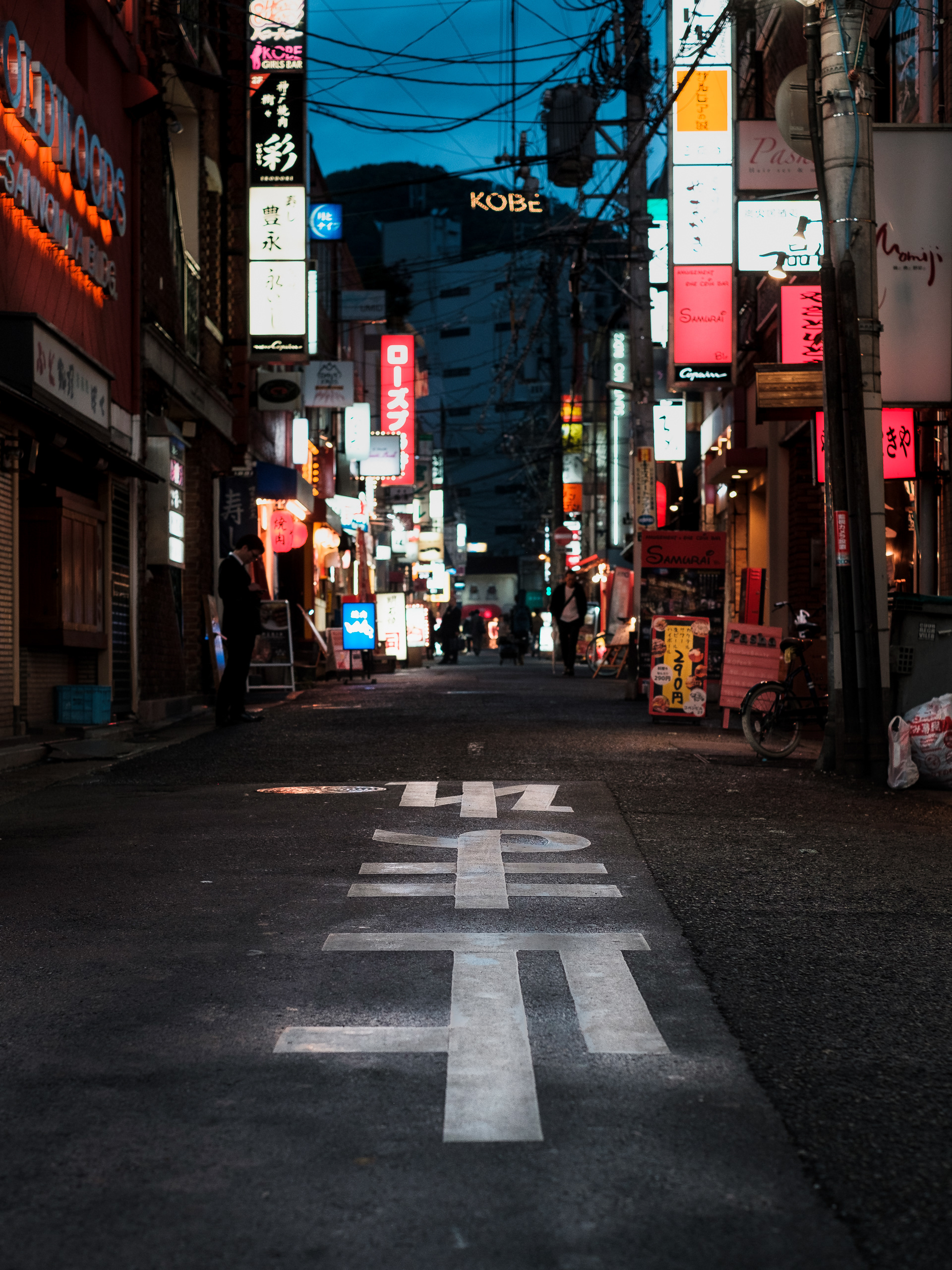
Kobe, Japan - Fujifilm X-Pro2 + XF35mm F/1.4
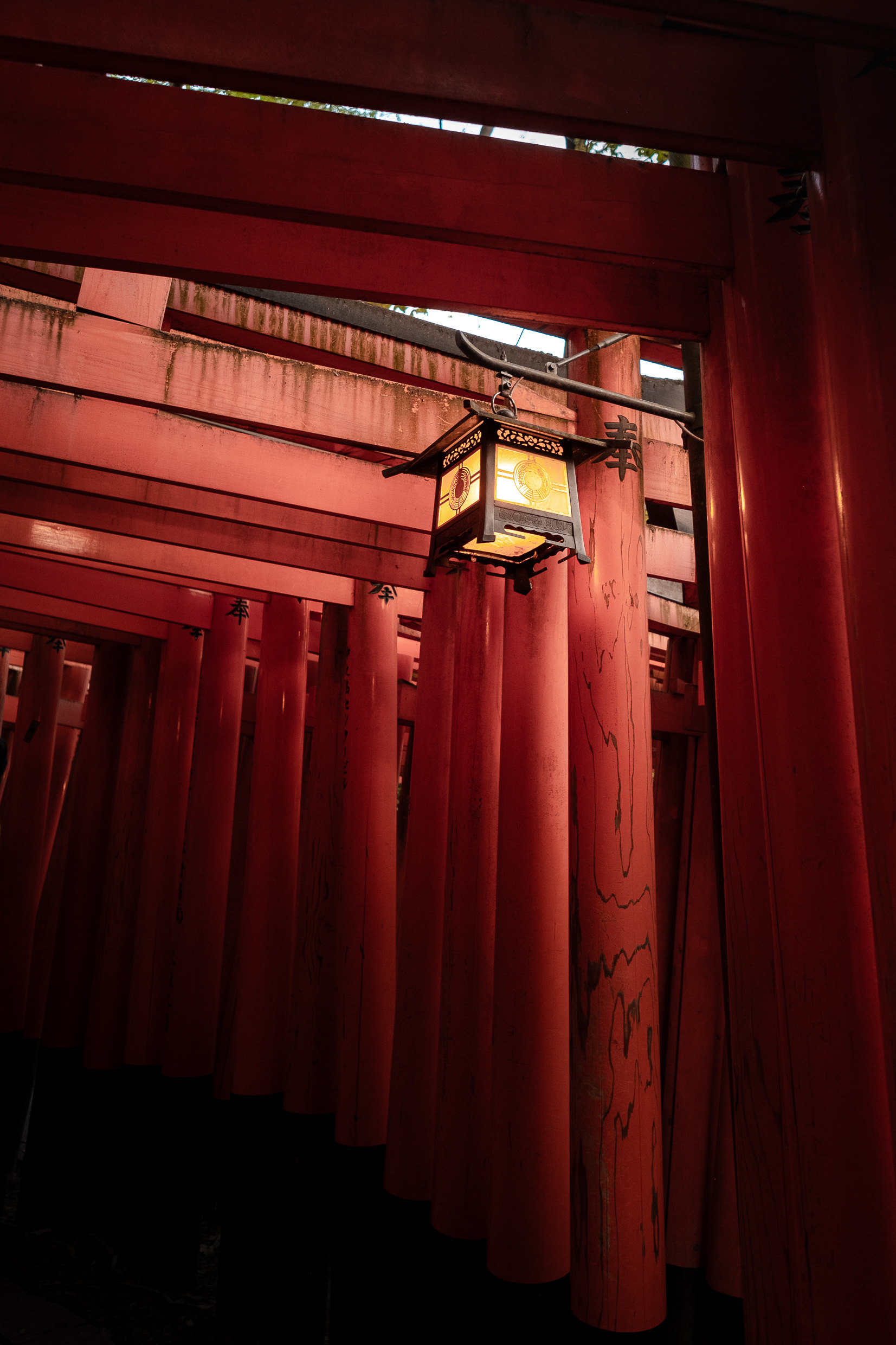
Osaka, Japan - Fujifilm X-Pro2 + XF14mm F/2.8
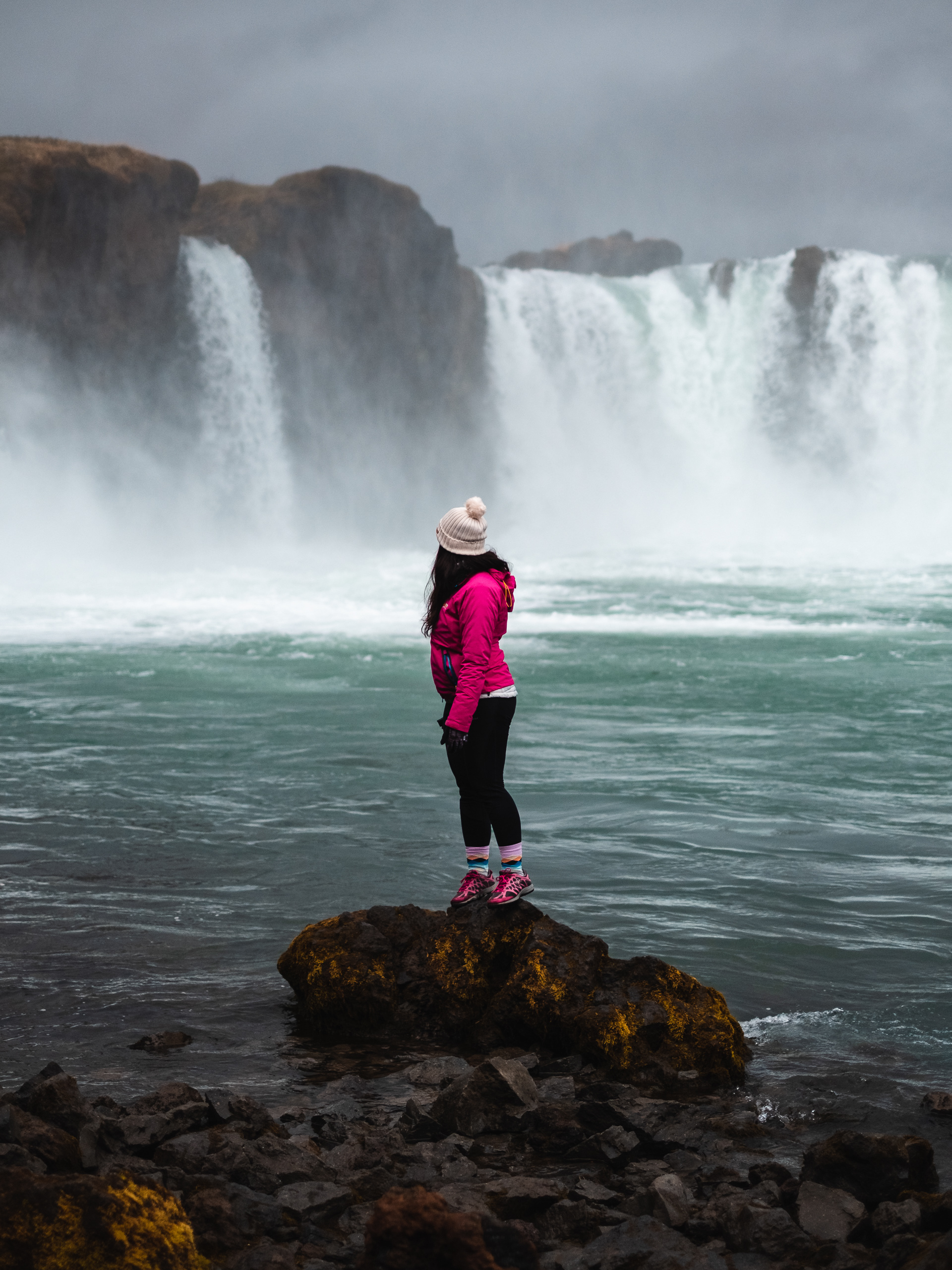
Iceland - Fujifilm X-Pro2 + XF35mm F/1.4
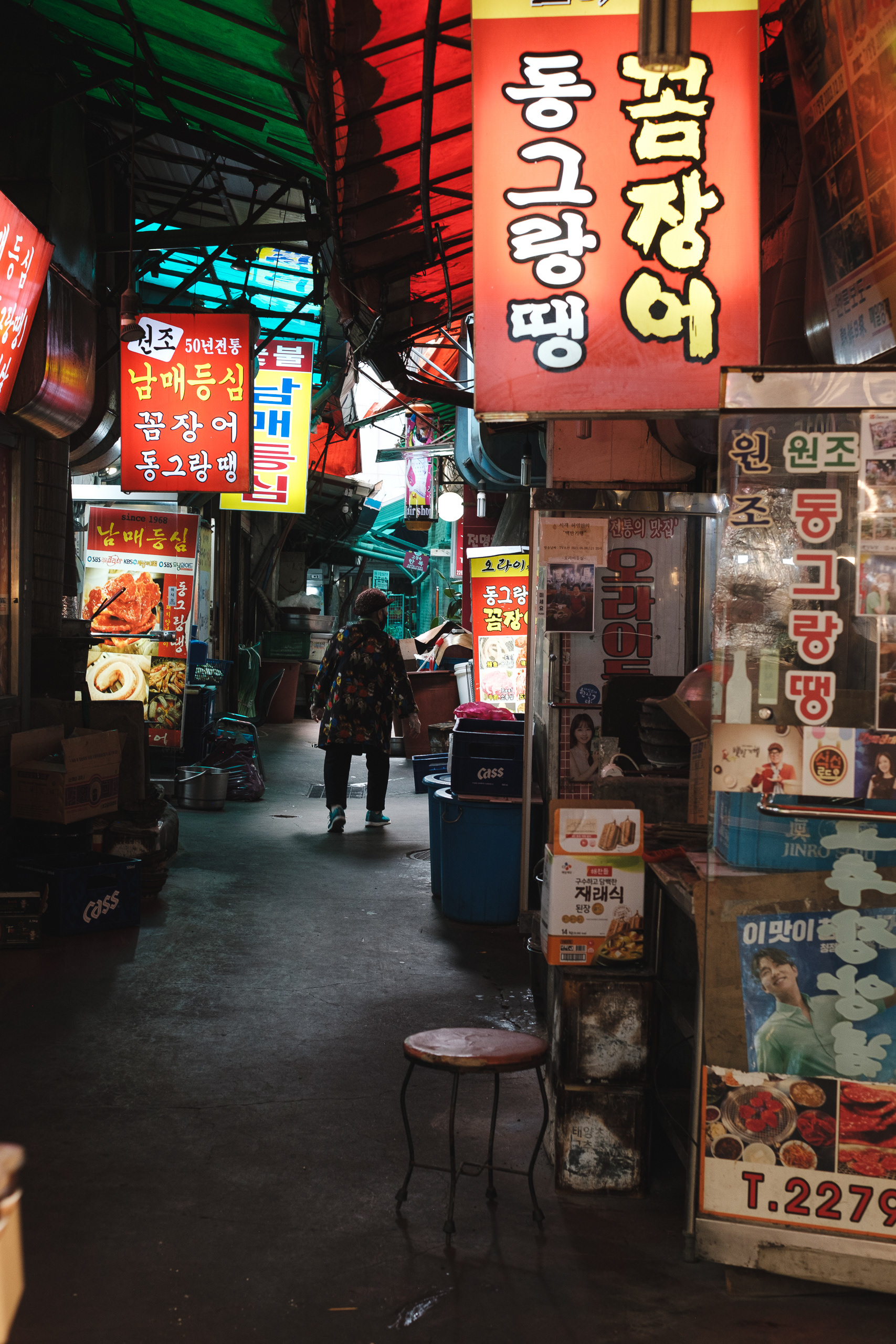
Seoul, Korea - Fujifilm X-Pro2 + XF35mm F/1.4
Vibrant colours, easy editing over the years with the Fujifilm X-Pro2
How is it going after 9 years?
This review is a living document, updated for 2026.
But TLDR: If you care more about a fun shooting experience over technical marvels, simple editing over hours in front of a screen in Lightroom, and images that output superbly for sharing and social media (just skip the words and look at the images below...) - you may continue.
The 2026 Reality Check: The X-Pro2 in Today's Market
Before we dive into the emotional bit, let's get the factual bit out of the way. As of 2026:
Status: The X-Pro2 is officially discontinued. You are buying used, and that's okay.
Firmware: It remains stable on Version 5.11. This is the final frontier; no new features are coming, but it works flawlessly with modern glass like the Viltrox Pro series and Fuji's latest f/1.4 primes.
Pricing: The used market has settled. A clean X-Pro2 body costs less than a new iPhone SE. This is the best value proposition in serious photography right now.
Support: Fujifilm historically supports repairs for about 10-12 years. You've likely got until 2028 to send it in for a new shutter or top plate if needed.
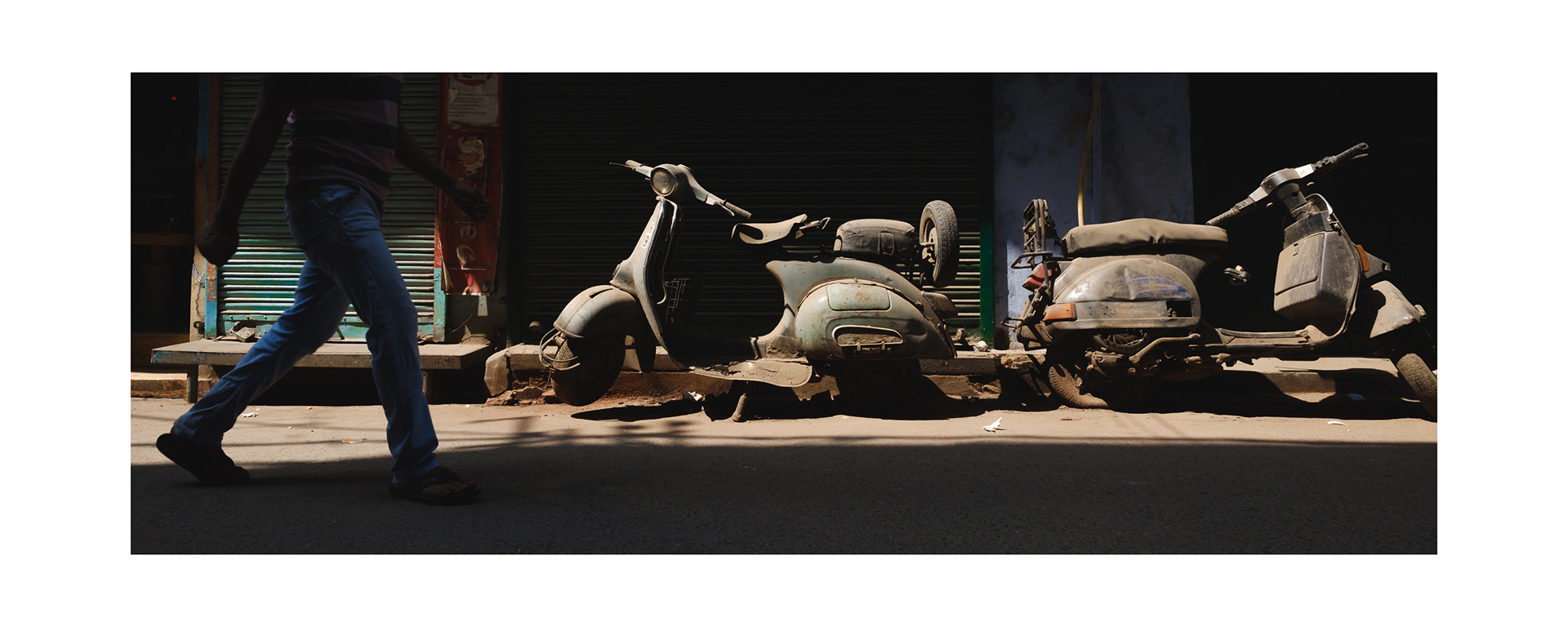
India - Fujifilm X-Pro2 + XF14mm F/2.8
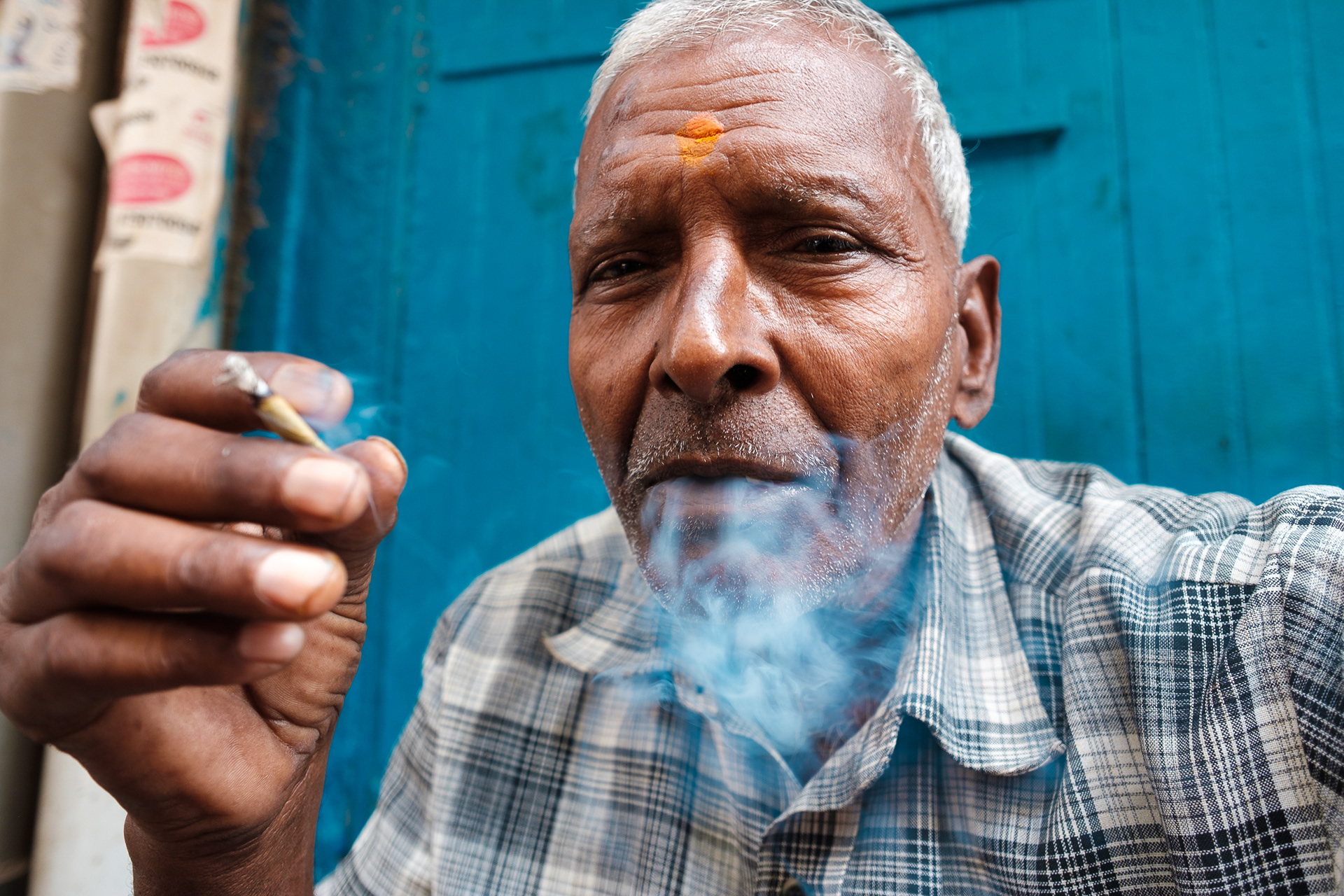
India - Fujifilm X-Pro2 + XF14mm F/2.8
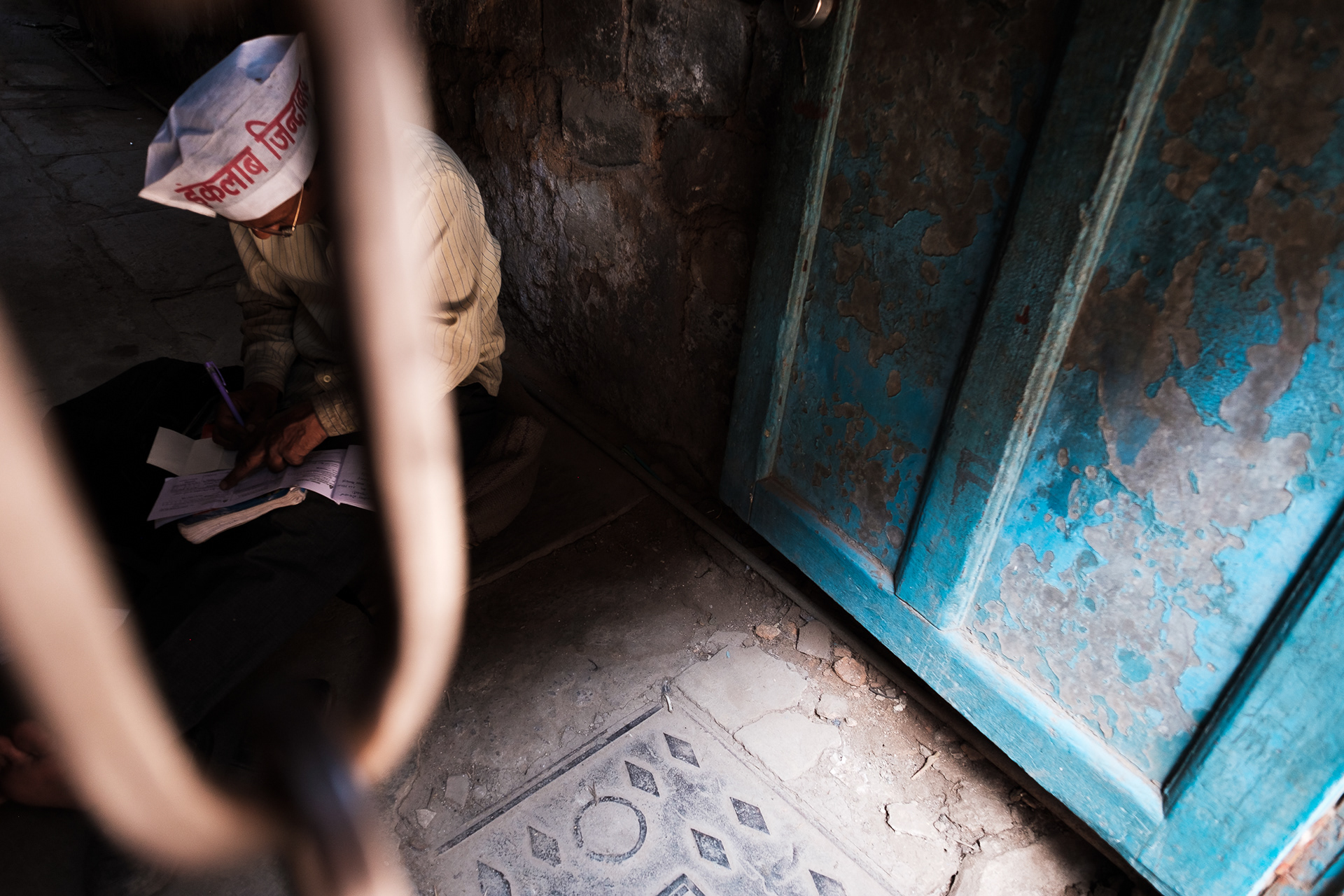
India - Fujifilm X-Pro2 + XF14mm F/2.8
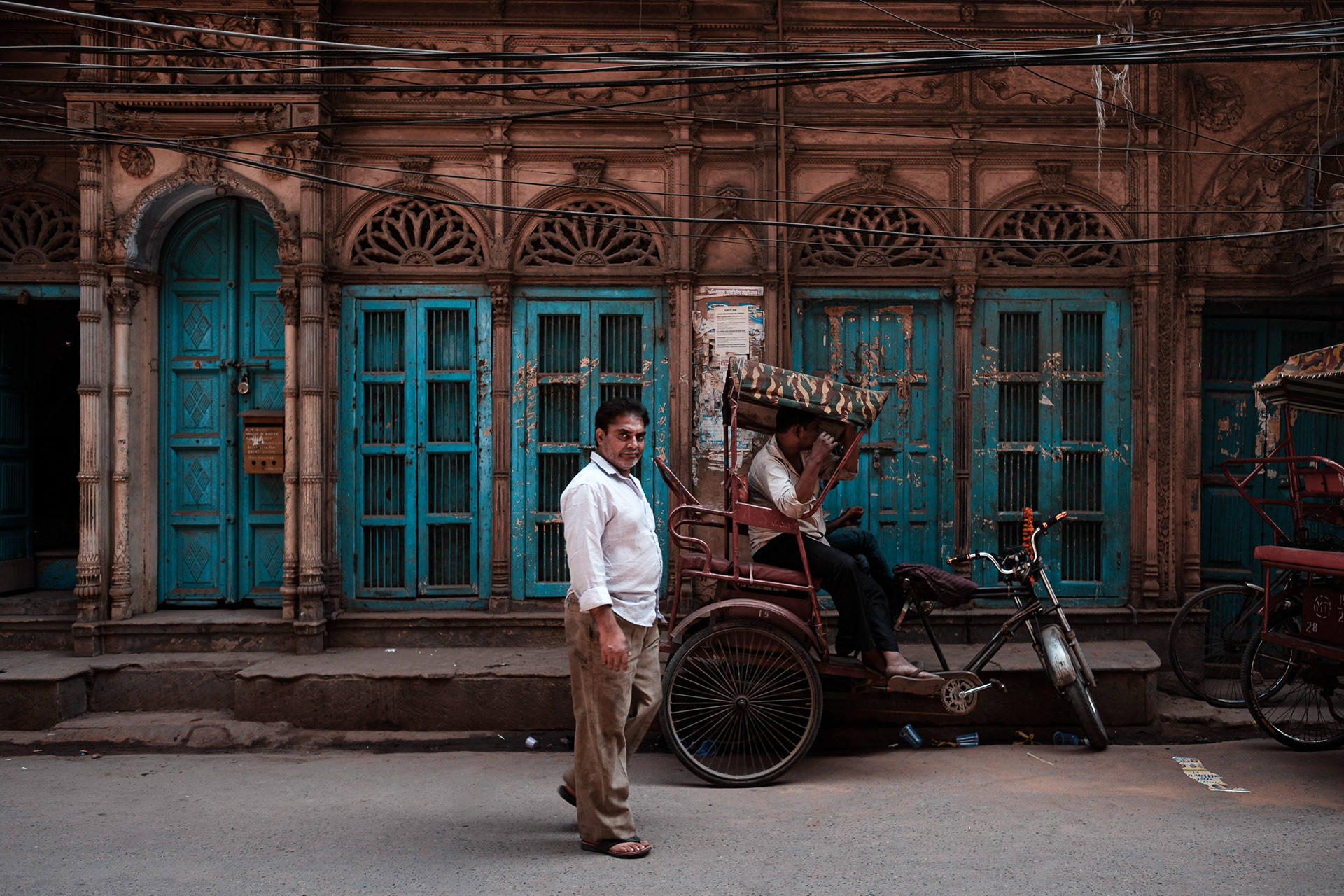
India - Fujifilm X-Pro2 + XF14mm F/2.8
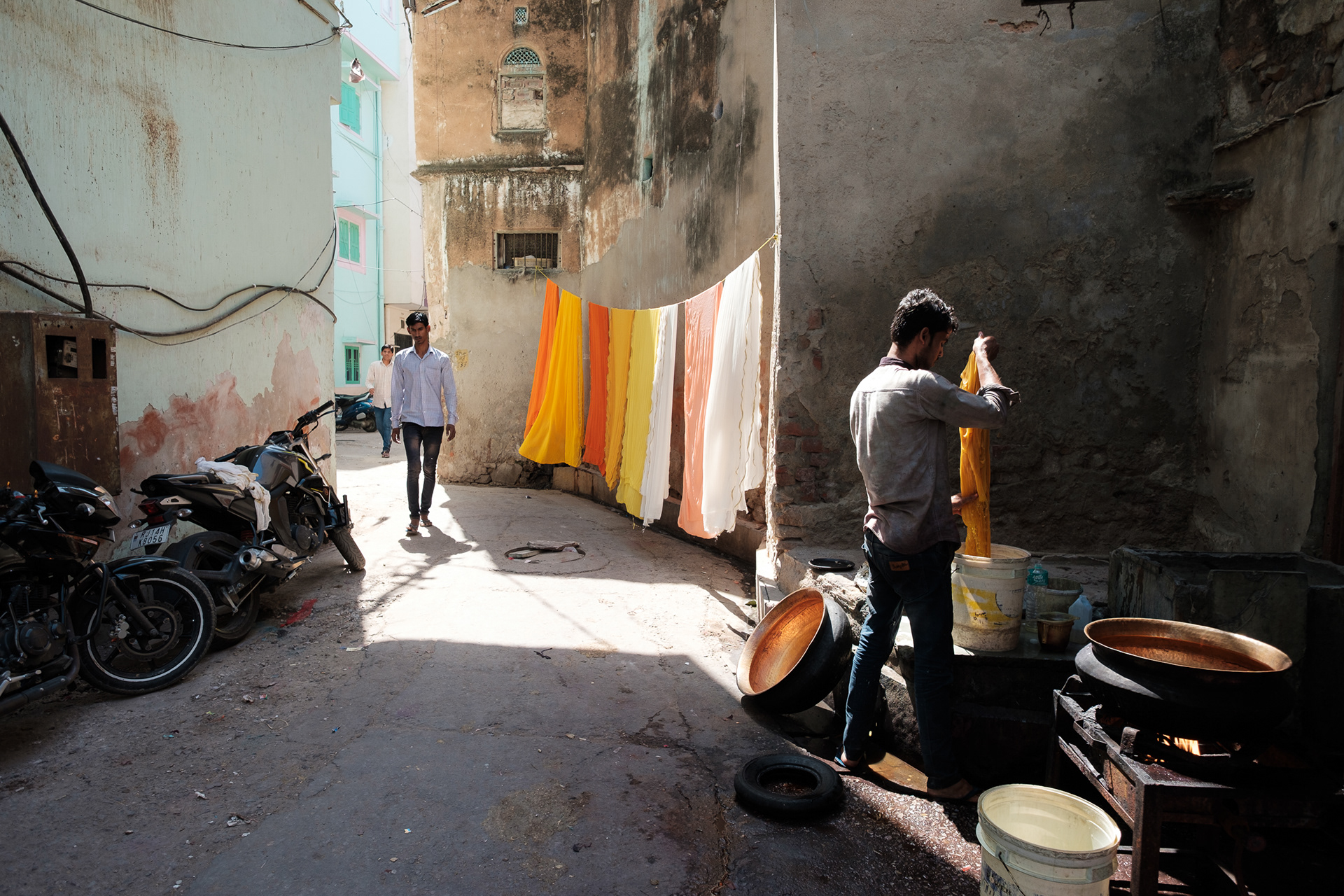
India - Fujifilm X-Pro2 + XF14mm F/2.8
street photography in India with the X-Pro2, the camera loves chaotic, colourful light
The Fujifilm X-Pro2 in 2026: A Review for the Delightfully Stubborn
Let us, for a moment, set aside the cacophony of 50-megapixel sensors, the AI-powered subject detection that knows your dog’s existential dread before you do, and cameras that can shoot 8K video until their batteries die and the heat death of the universe. Let us instead consider a relic, a paragon of thoughtful anachronism: the Fujifilm X-Pro2. In the year of our lord 2026, this camera is not just still kicking; it’s holding court at the pub, telling rambling, beautiful stories while newer models outside frantically track focus on a speeding e-scooter.
The Greatest Camera Fujifilm Ever Made (A Statement Made with Calm, Unwavering Bias)
To declare the X-Pro2 Fujifilm’s magnum opus is to invite heated debate from X100 series devotees and GFX shooters with wallets the size of small asteroids. Yet, here we stand. It is the perfect distillation of Fuji’s ethos: a digital camera that feels like a deeply personal photographic tool rather than a computational imaging slab.
It has the hybrid viewfinder—a party trick that never gets old, allowing you to toggle between a crisp EVF and the optical, frameline-bounded joy of a rangefinder (ish).
Its dials are physical, satisfyingly clicky, and require actual human intention to operate. There are no touchscreen swipes to enter “Vintage Noir Super HD” mode.
It is a camera that believes you have a brain, and it’s rather charmingly optimistic about that.
24 Megapixels: The Sweet Spot of “Enough”
In 2026, where phone sensors have more pixels than some national censuses, the X-Pro2’s 24MP sensor seems almost quaint. Quaint, and absolutely perfect.
It provides resolution enough to crop a little, print a lot, and never, ever stress about the 80GB folder of near-identical RAW files you’ve just created on a walk. It is a liberating constraint. The camera isn’t asking you to feed its insatiable pixel hunger; it’s saying, “Here is a very competent canvas. Now go make a picture.”
The files are robust, malleable, and lack the clinical, microscopic detail that can make every portrait an unforgiving dermatological survey.
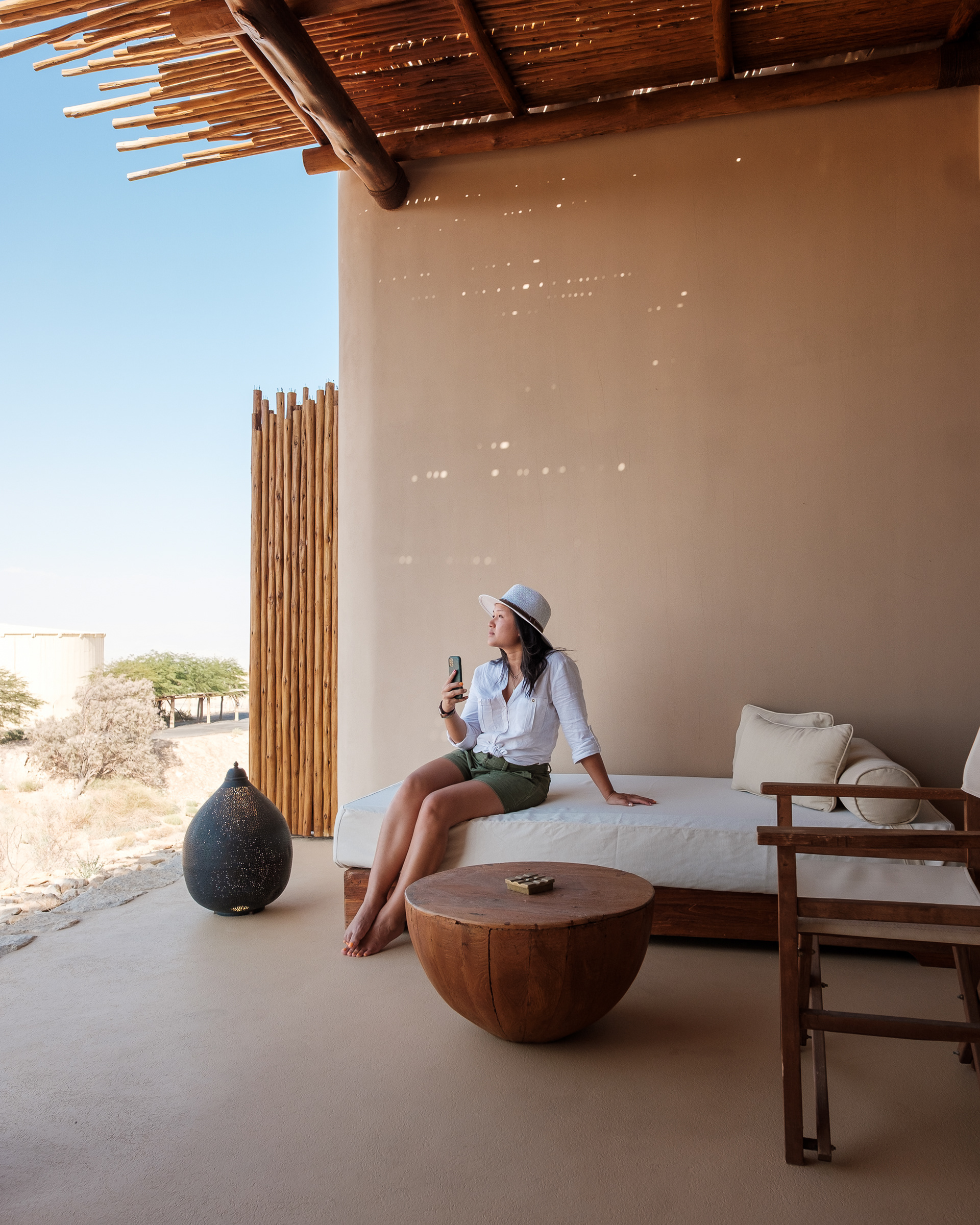
Israel - Fujifilm X-Pro2 + XF14mm F/2.8
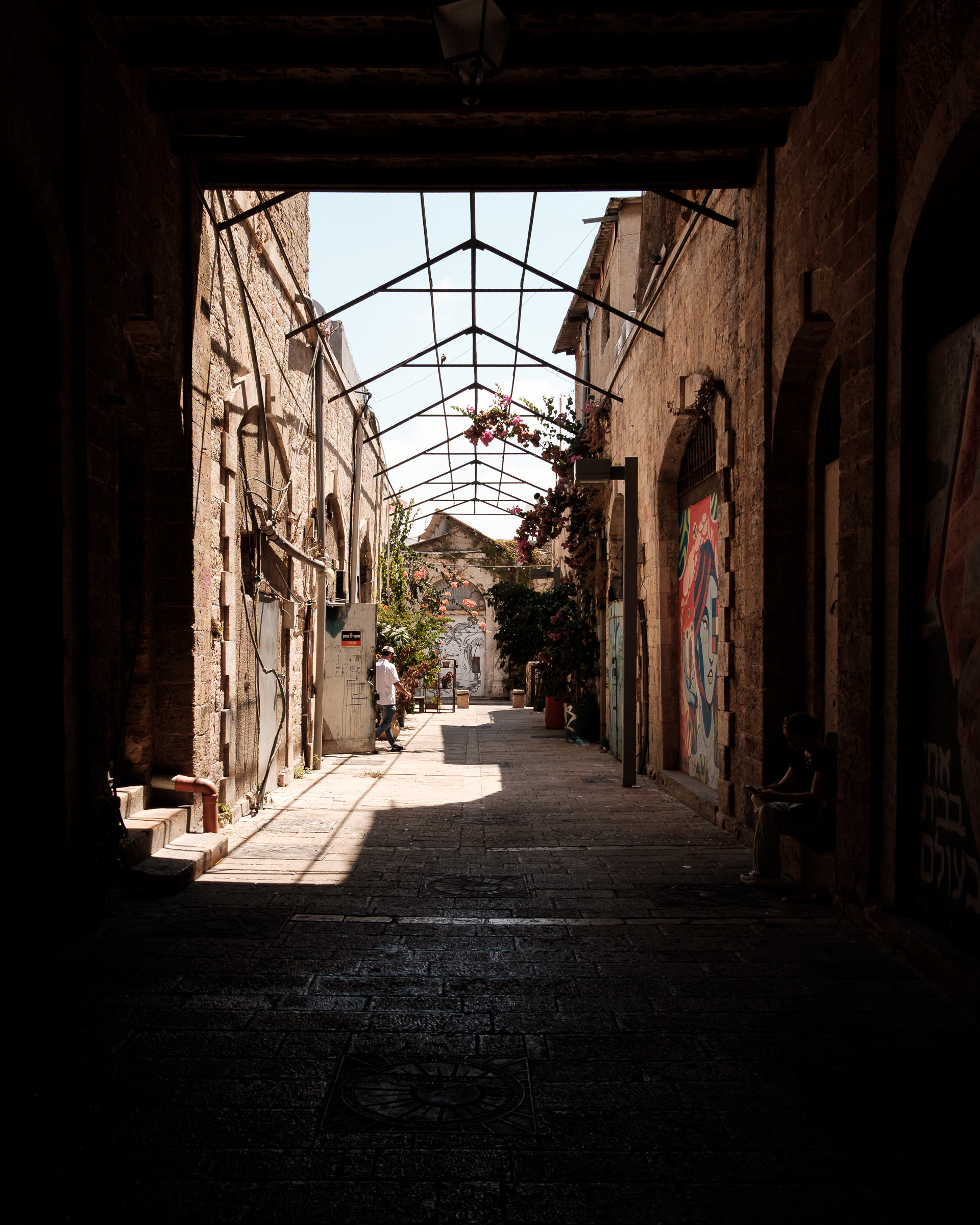
Israel - Fujifilm X-Pro2 + XF16mm F/2.8
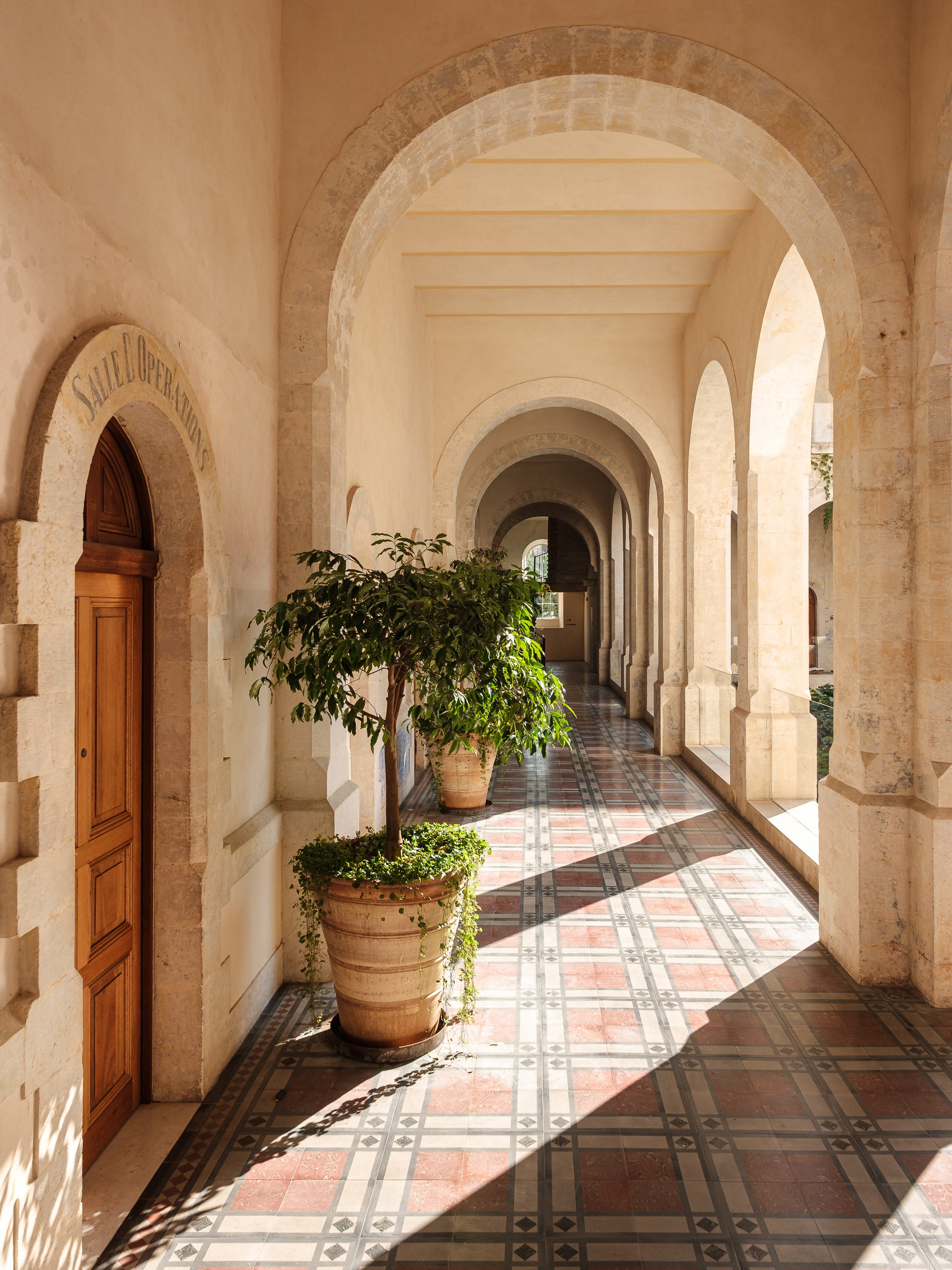
Israel - Fujifilm X-Pro2 + XF14mm F/2.8

Israel - Fujifilm X-Pro2 + XF14mm F/2.8
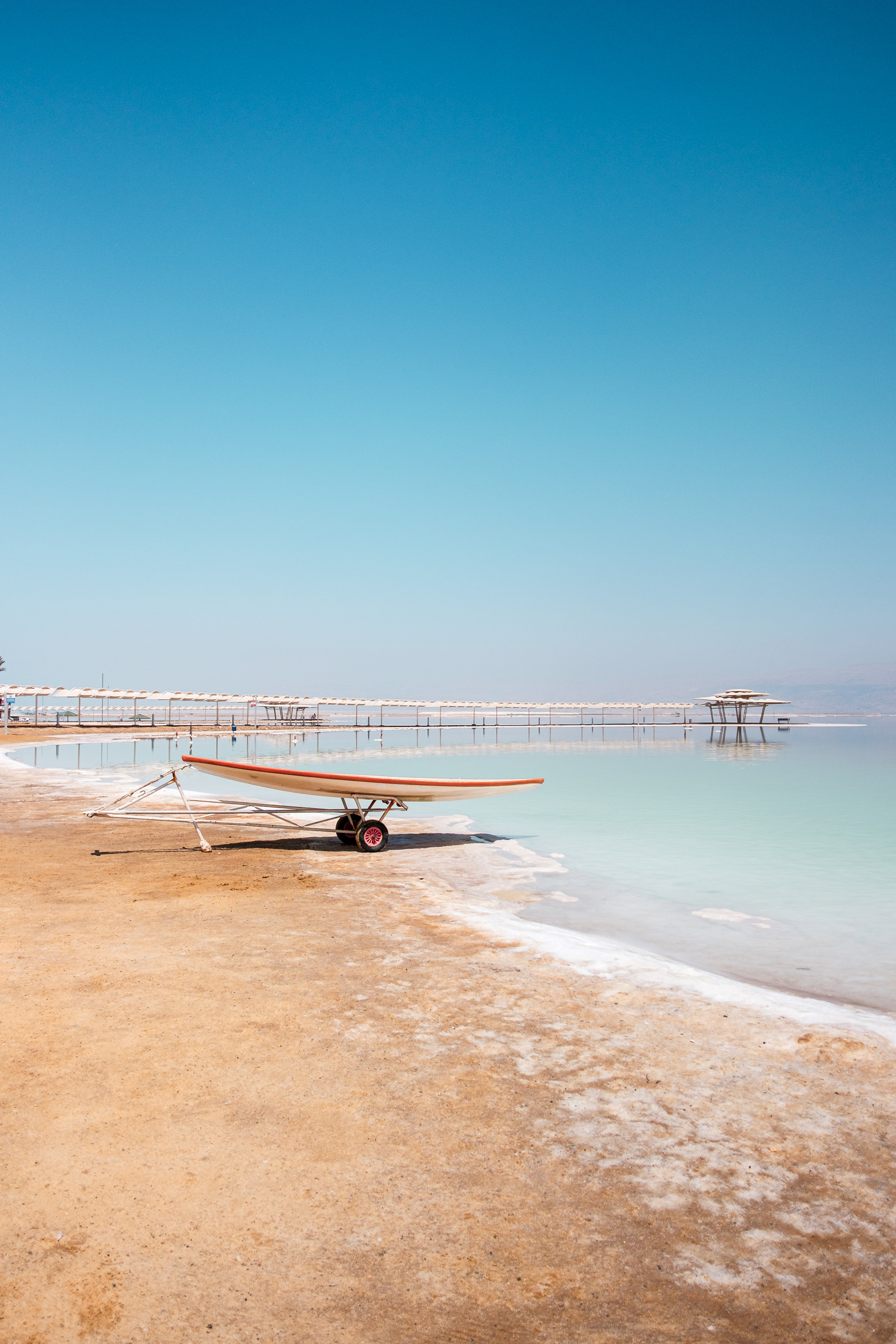
Dead Sea - Fujifilm X-Pro2 + XF16mm F/2.8

Tel-Aviv - Fujifilm X-Pro2 + XF35mm F/1.4
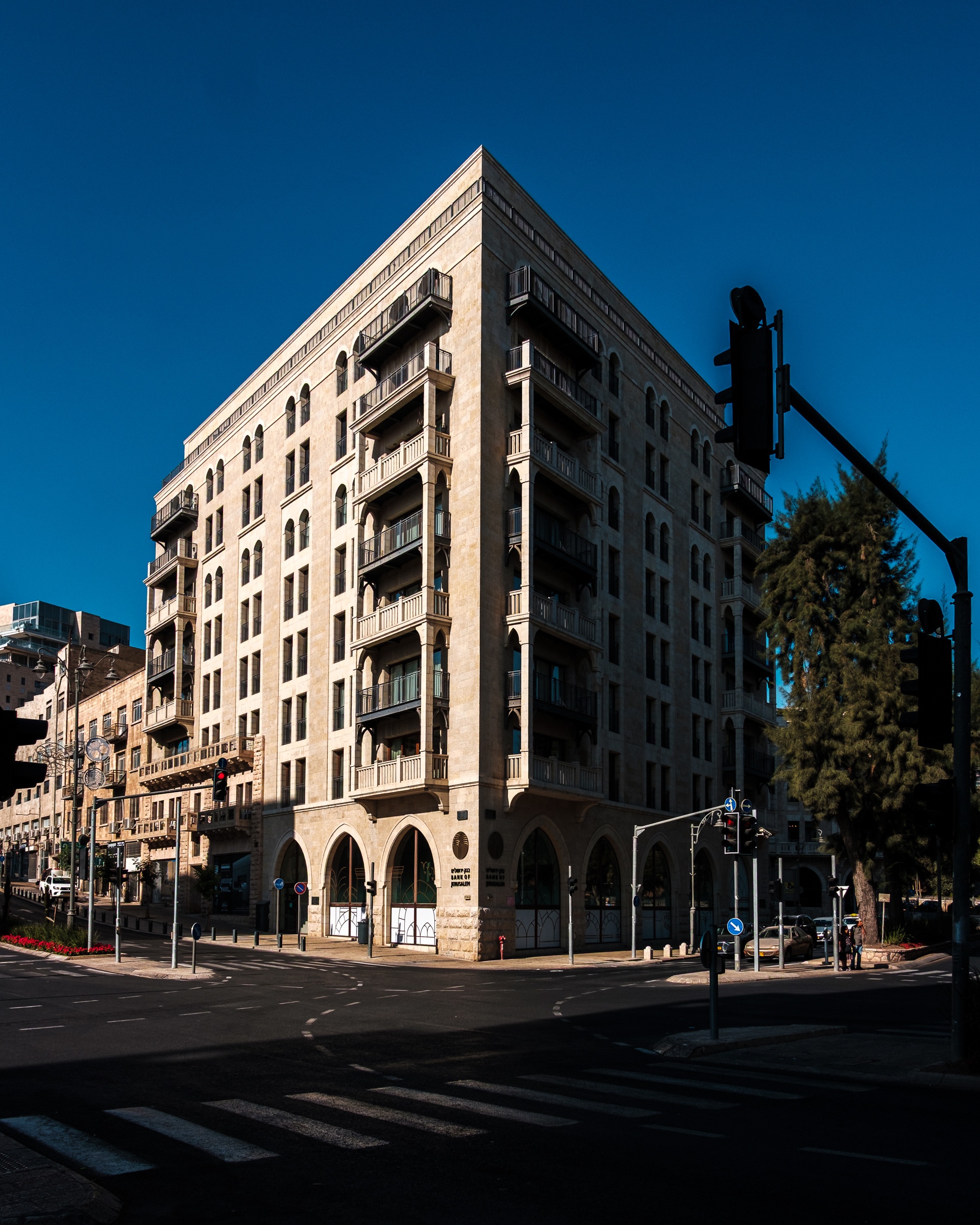
Tel-Aviv - Fujifilm X-Pro2 + XF16mm F/2.8

Tel-Aviv - Fujifilm X-Pro2 + XF50-140mm F/2.8
travel photography in Israel with the Fujifilm X-Pro2
The Colour Science: Where the Magic (and the Fun) Never Fades
This is the X-Pro2’s trump card, its fountain of youth. While other brands were busy perfecting “accurate” colour, Fujifilm’s engineers were apparently time-traveling, bottling the essence of lost emulsions.
The JPEGs it produces are not mere images; they are pre-varnished moods.
Classic Chrome remains the undisputed champion of melancholic cool.
Astia renders skin tones with a flattering, gentle grace.
Provia is the dependable, all-purpose hero.
Acros black and white that feels like pushed Tri‑X.
This colour science is the ultimate fun-hack. You can shoot JPG with confidence, spend less time dithering in Lightroom, and more time actually photographing. In 2026, with AI-powered editing apps trying to fake this look, the X-Pro2 is the real deal. It makes you look good with minimal effort, a trait more valuable than any spec sheet accolade.
Technical Quirks (Let’s Not Call Them “Flaws,” Shall We?)
Ah, but it is not perfect. To use the X-Pro2 in 2026 is to engage in a gentle waltz with its… character.
Autofocus: It is not fast. It is, let’s say, considered. It hunts in low light with the hesitant determination of a man looking for his keys in a darkened hall. Compared to the psychic, lock-on tracking of modern bodies, it feels downright pastoral. This, however, forces a slower, more methodical approach. You learn to anticipate, to use the focus stick’s delightful “clunk” to snap onto your subject. It’s photography, not radar-assisted targeting.
Battery Life: One might charitably call it “artistic brevity.” You will buy extra batteries. You will think of them as rolls of film. Note for 2026: The NP-W126S batteries are cheap and plentiful on the used market. There is no excuse not to have three in your pocket.
The Screen: It doesn’t flip out, selfie-style, or rotate to vlog. It tilts. Just a bit. It’s a nod to convenience from a company that believes you should probably just use the viewfinder anyway.
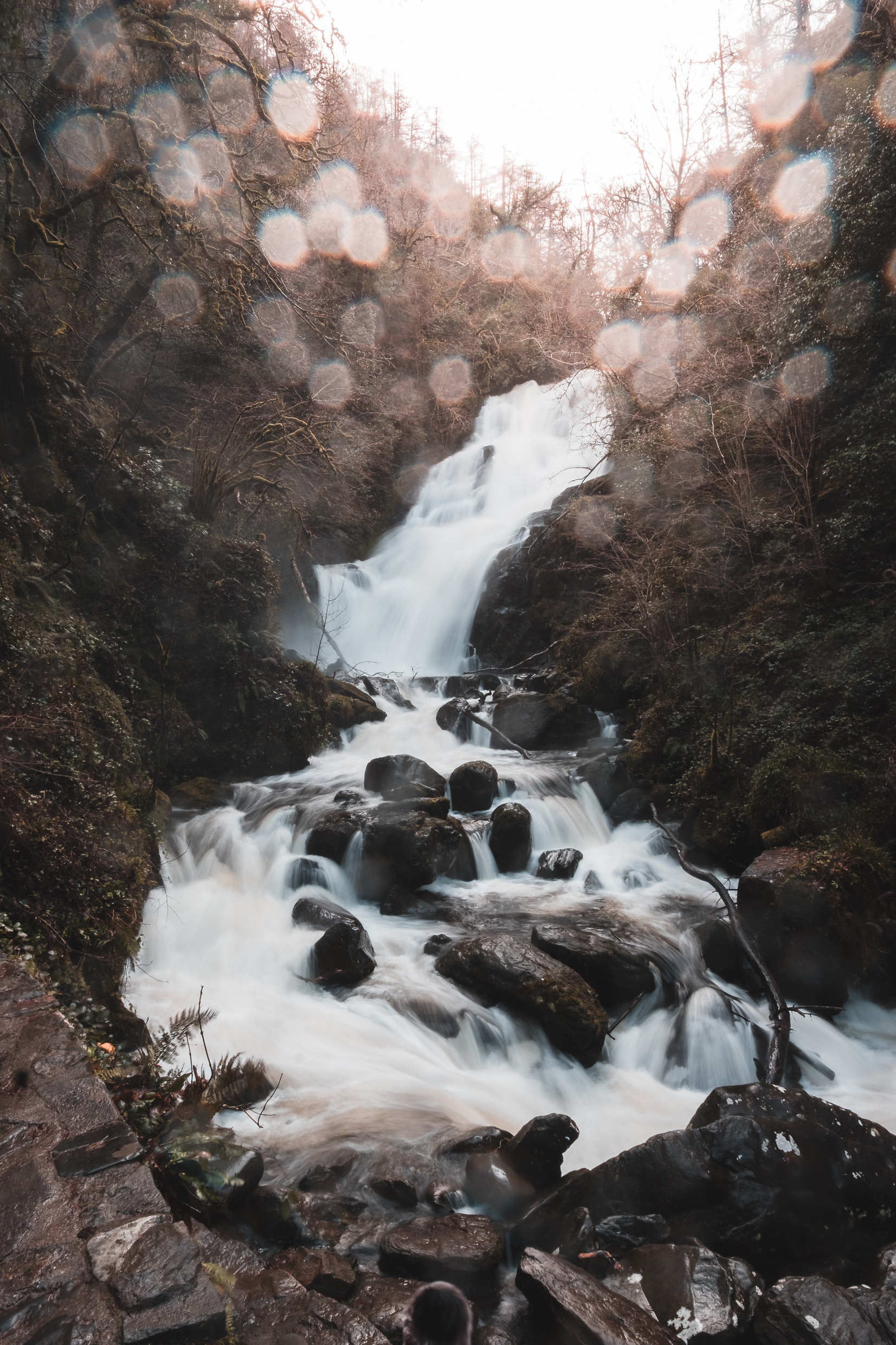
Ireland - Fujifilm X-Pro2 + XF14mm F/2.8
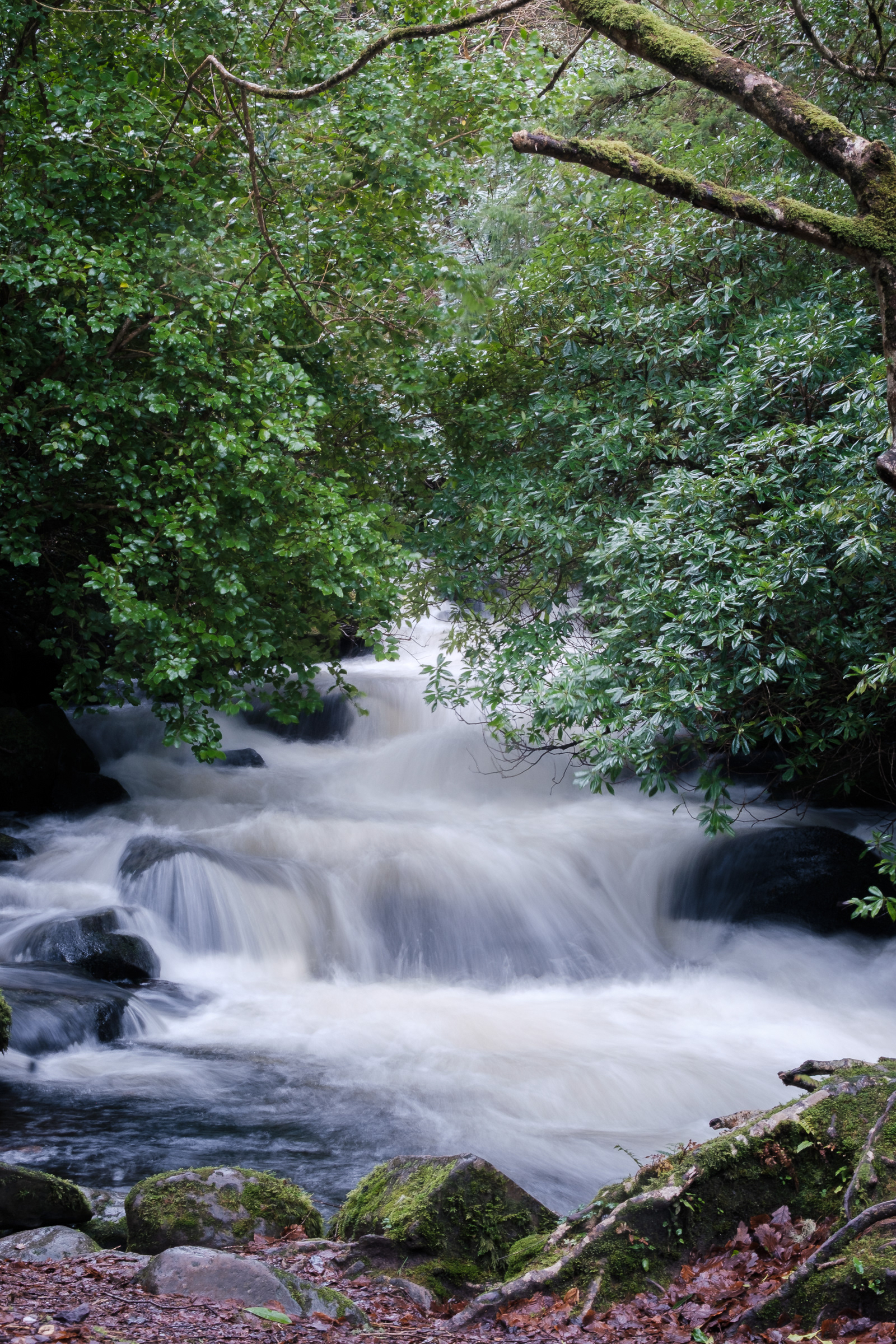
Ireland - Fujifilm X-Pro2 + XF50-140mm F/2.8
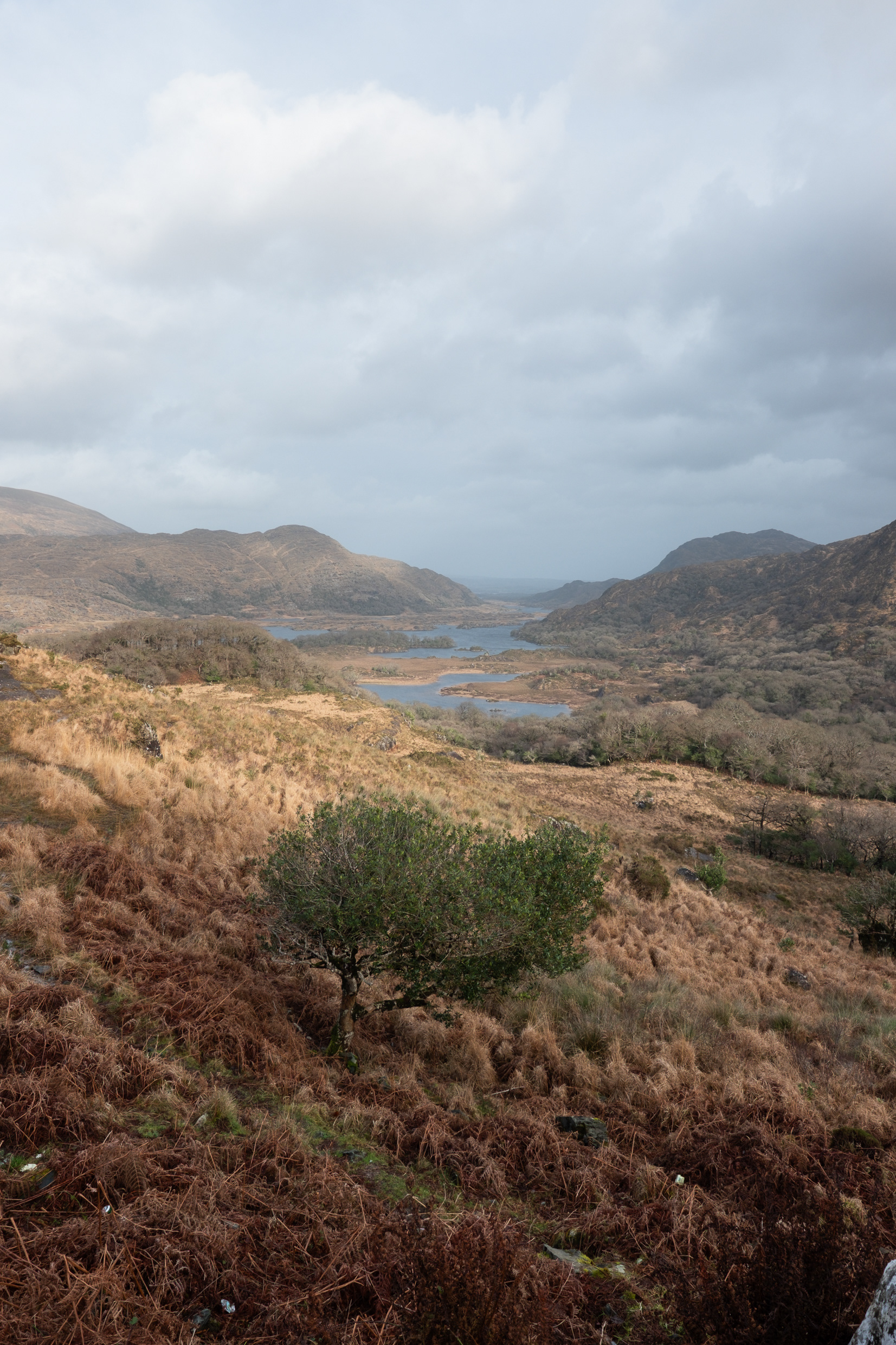
Ireland - Fujifilm X-Pro2 + XF14mm F/2.8
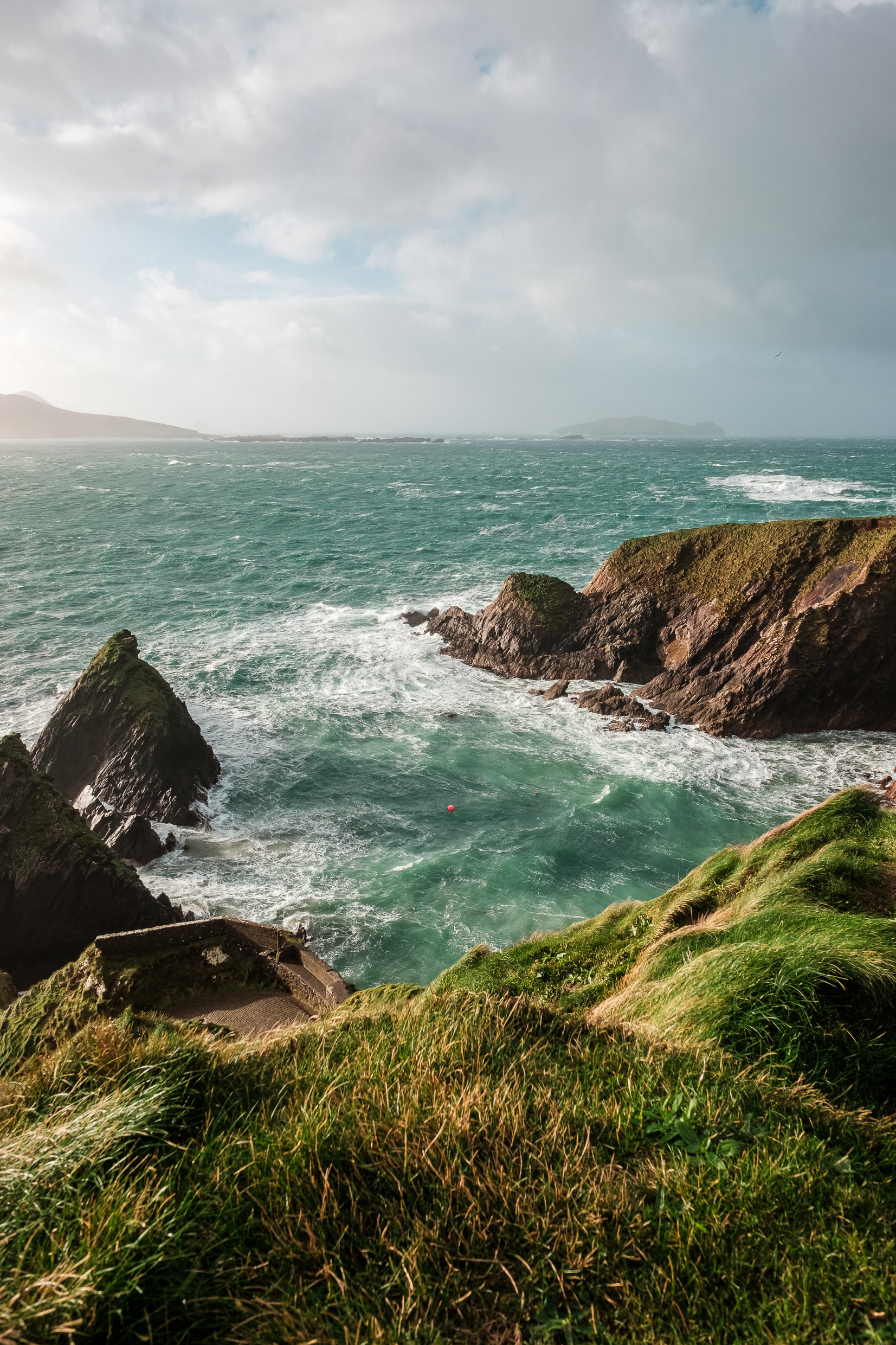
Ireland - Fujifilm X-Pro2 + XF14mm F/2.8
landscape photography in Ireland with the Fujifilm X-Pro2
Relevance in 2026: The Antidote to Overwhelm
So why, amidst the technological marvels of 2026, does the X-Pro2 not just persist, but thrive?
Because it is an antidote.
It removes the pressure to chase technical perfection and replaces it with the joy of making an image that simply feels right. It’s a camera about the photograph, not the photography. It fits in the hand perfectly, makes a wonderfully muted shutter sound, and through that brilliant optical viewfinder, frames the world not as data to be captured, but as a scene to be composed.
The Fujifilm X-Pro2 is not the best camera by 2026’s metrics. But for a certain shooter—the one who values character over specs, mood over megapixels, and the sheer, unadulterated fun of making beautiful colour images—it remains, stubbornly and magnificently, the rightest camera. And that is a far greater achievement.
The Leica Detour: Why I Shoot an M10-P Reporter Now (But Keep the X-Pro2)
Editor's Note: Since writing the bulk of this review, my daily carry has changed. I now shoot with a Leica M10-P Reporter edition. But before you accuse me of abandoning the faith, let me explain why the X-Pro2 isn't going anywhere—and why, in many ways, it prepared me for the Leica experience better than any other camera could.
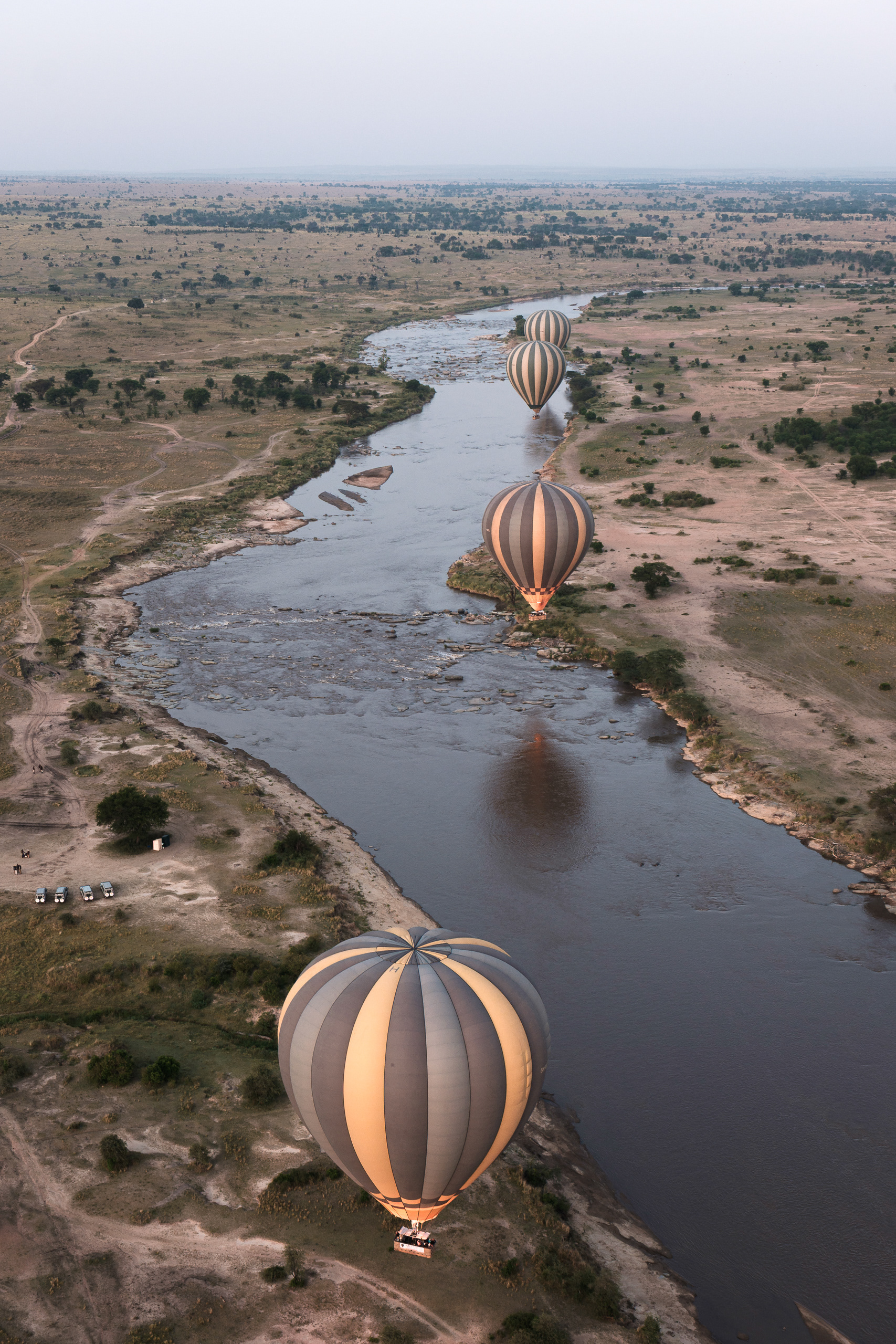
Serengeti National Park, Tanzania - Fujifilm X-Pro2 + XF16-80mm F/4
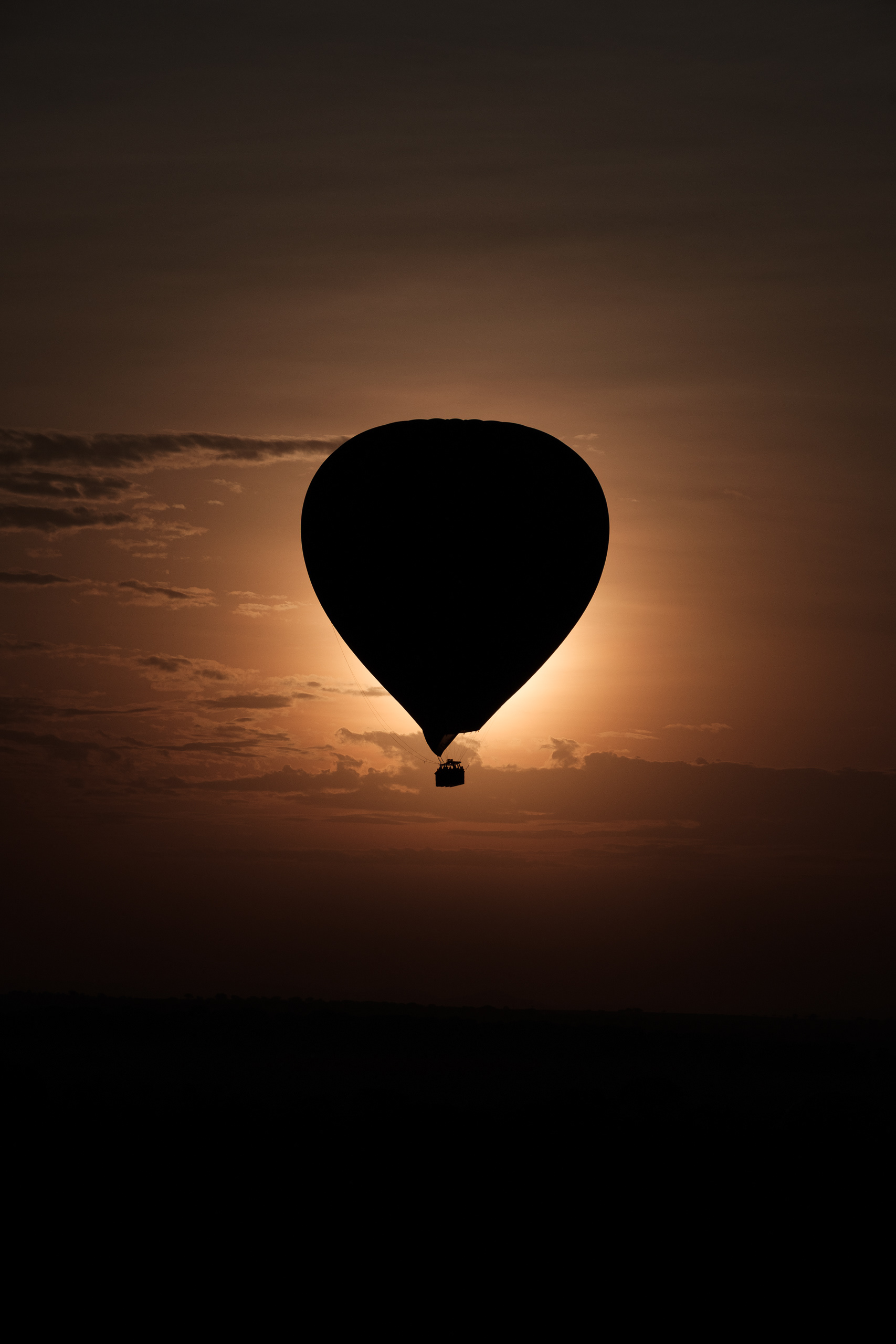
Serengeti National Park, Tanzania - Fujifilm X-Pro2 + XF16-80mm F/4
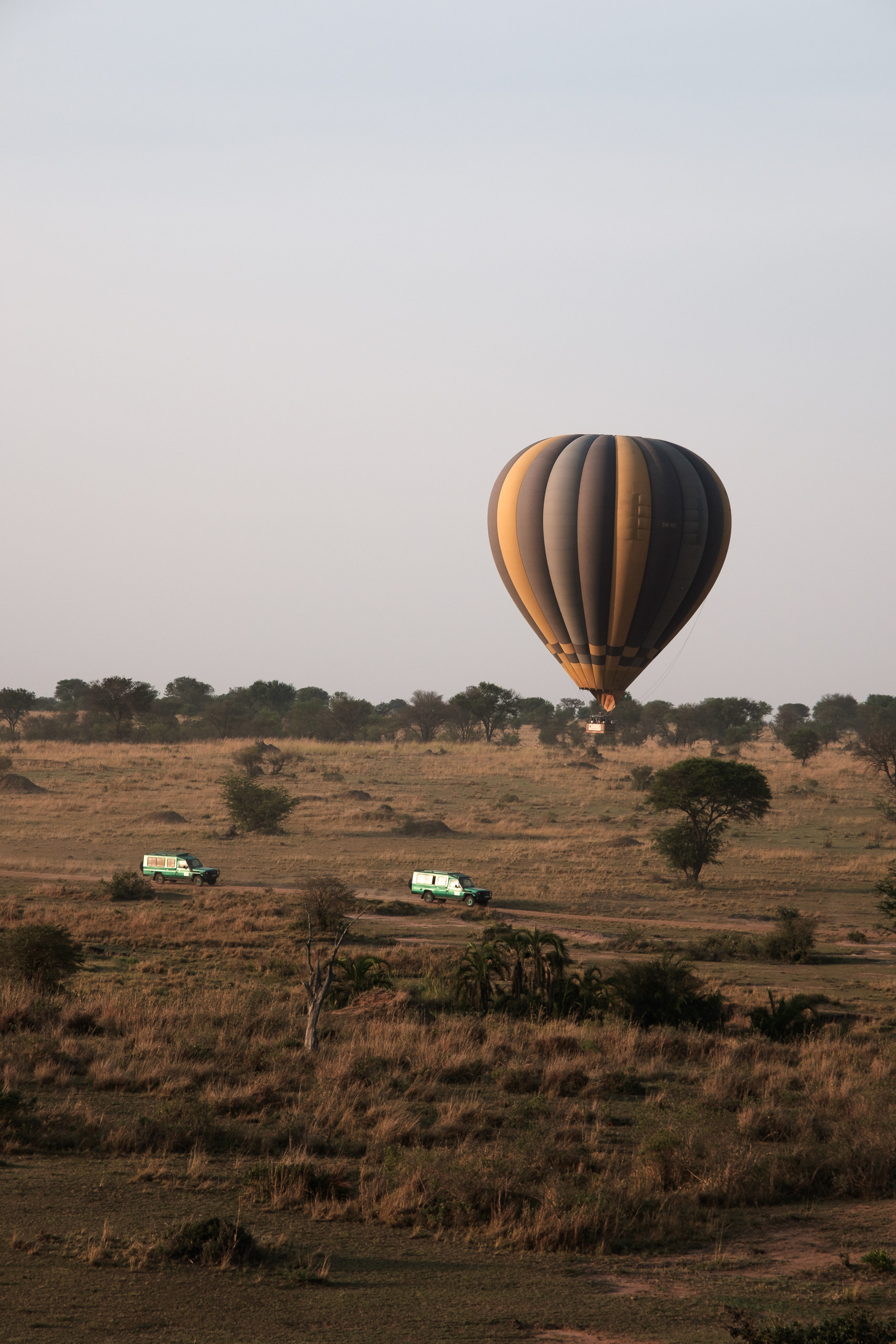
Serengeti National Park, Tanzania - Fujifilm X-Pro2 + XF16-80mm F/4
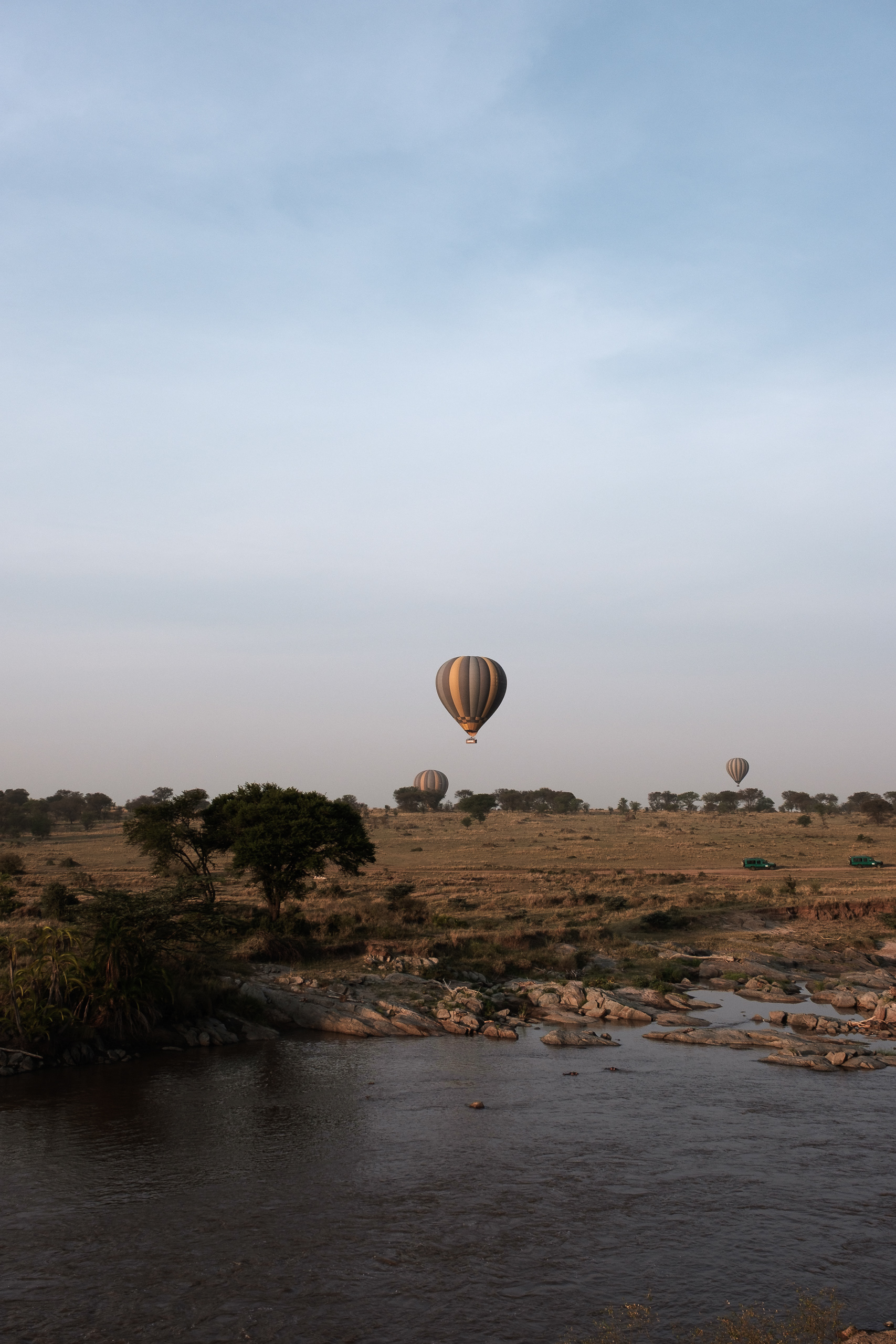
Serengeti National Park, Tanzania - Fujifilm X-Pro2 + XF16-80mm F/4
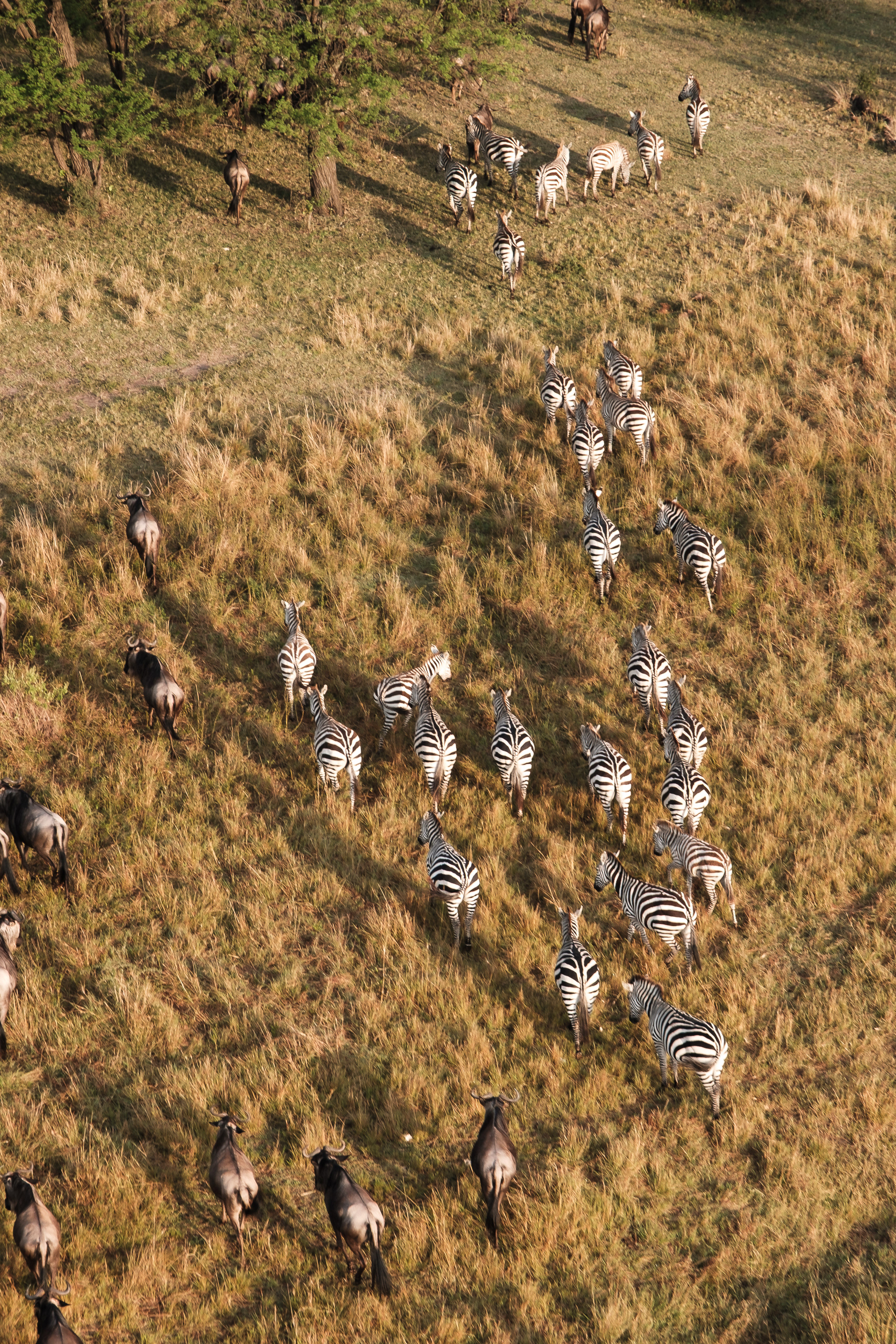
Serengeti National Park, Tanzania - Fujifilm X-Pro2 + XF16-80mm F/4
Serengeti National Park, Tanzania - Fujifilm X-Pro2 + XF50-140mm F/2.8
Wildlife and safari photography with the Fujifilm X-Pro2
The Myth of the "Leica Look" and What the X-Pro2 Taught Me First
After one year and five Leica cameras, I can tell you with absolute certainty: the "Leica Look" is a myth. It's a convenient shorthand for the M10's limitations—crushed blacks, highlight sensitivity, and the habit of underexposing by a third of a stop—masquerading as character.
Different Leica models render colour completely differently. The M11-P uses a stock Sony sensor (the same as in the Sony A7R series) and produces flat, technically excellent files that require extensive editing. The M8 has its own strange, wonderful CCD magic. There is no consistent "Leica colour."
What the Leica does offer—and what the X-Pro2 prepared me for—is a shooting experience that prioritises intention over automation.
That Voigtlander Nokton 27mm f/2.0 I used on the X-Pro2 was the gateway drug. Shooting a small, manual-focus lens on a rangefinder-style body awakened a style of enjoyment I didn't know I was missing. It gave me the confidence that I could live with a manual-only system. The X-Pro2's hybrid viewfinder, with its optical framelines, is the closest thing to a Leica M's rangefinder patch you'll find without spending five figures. It taught me to anticipate moments, to zone focus, and to trust my eye over the camera's brain.
The Startup Lag Problem (And Why the X-Pro2 Wins)
One of the primary reasons my M11-P now sits on a shelf collecting dust is startup lag. Upon turning the camera on, the M11-P takes an inordinate amount of time to wake up—the shutter curtain must open, the sensor must initialise—and by the time it's ready, the moment is gone. I lost count of how many street scenes vanished while I waited, camera to my eye, for a £8,000 paperweight to wake up.
The M10-P, which meters off the shutter curtain (like older Leicas), solves this. It's ready the instant it reaches my eye. But you know what else is ready instantly? The X-Pro2. It has never made me wait for a shot. Not once in nine years. In 2026, when we're drowning in cameras that need to "boot up" like desktop computers, the X-Pro2's immediacy is a revelation.
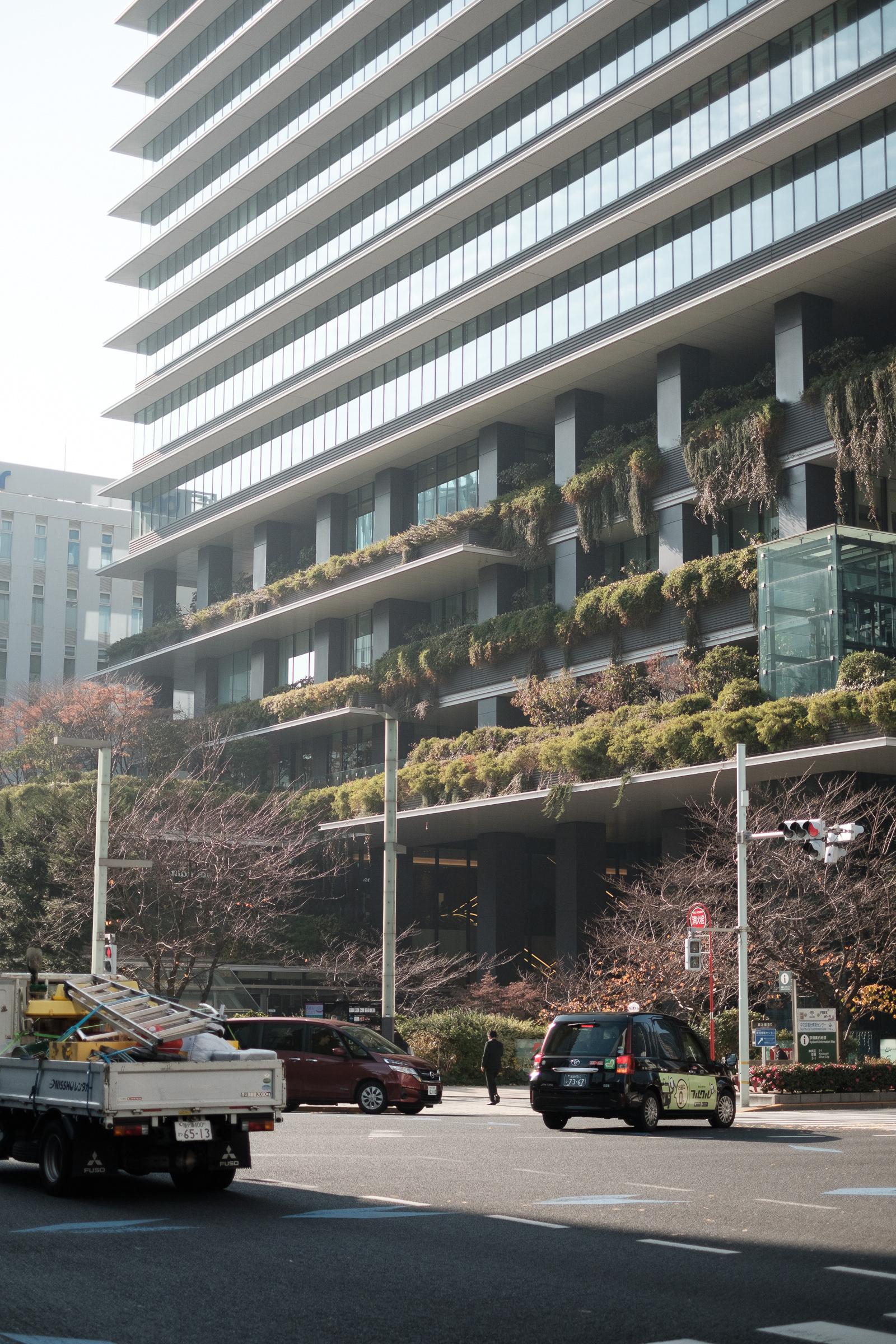
Tokyo, Japan - Fujifilm X-Pro2 + XF35mm F/1.4
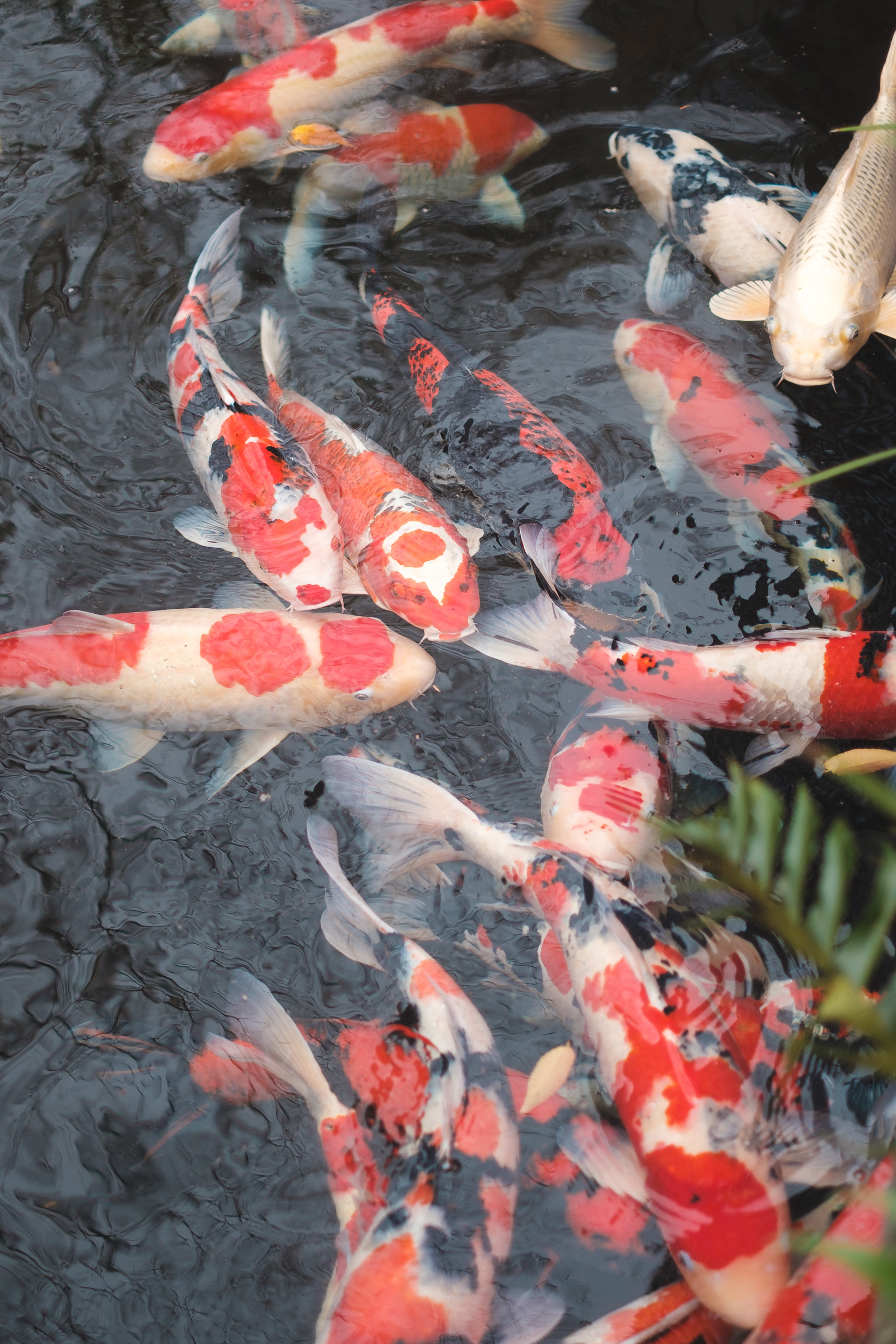
Tokyo, Japan - Fujifilm X-Pro2 + XF35mm F/1.4
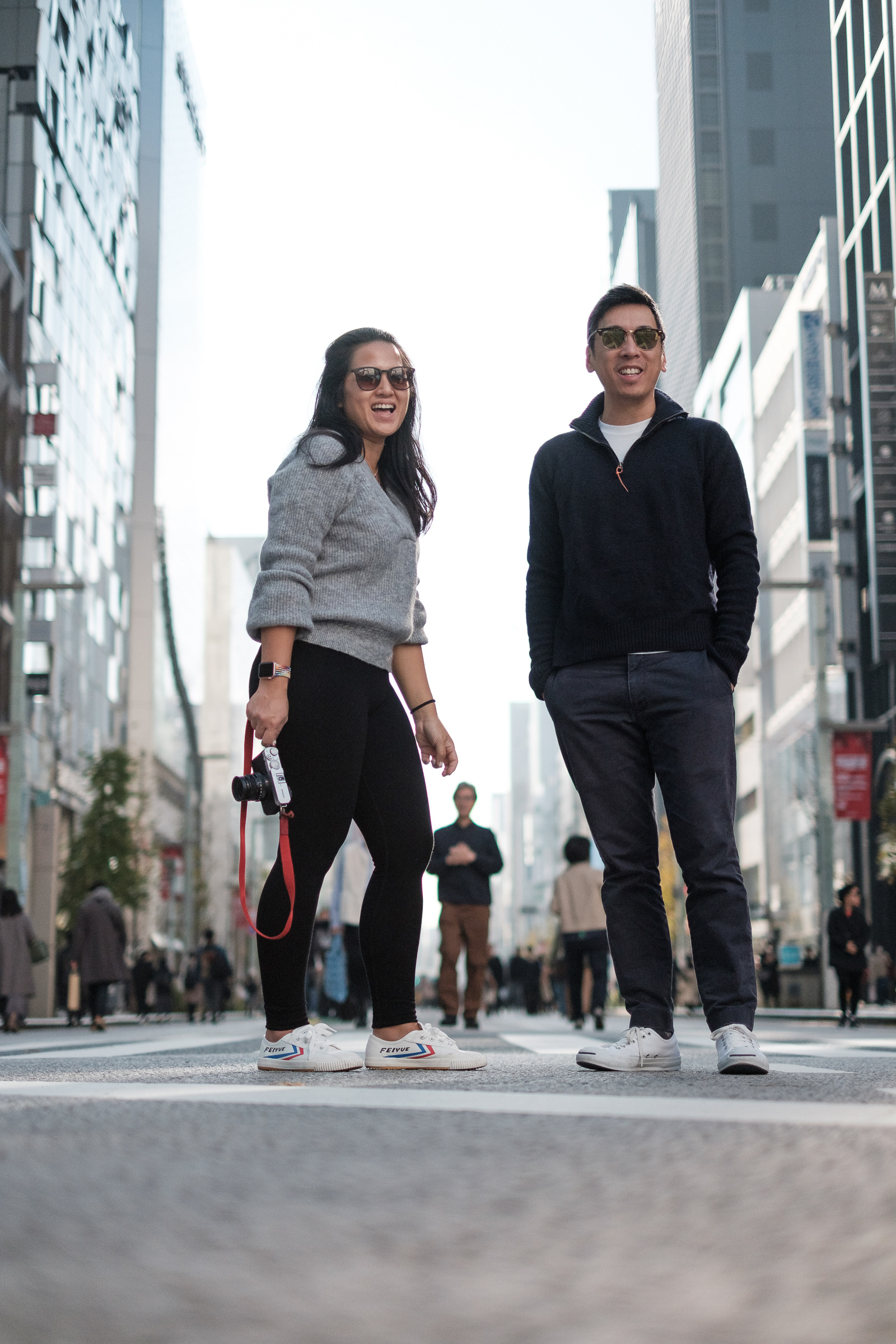
Tokyo, Japan - Fujifilm X-Pro2 + XF35mm F/1.4
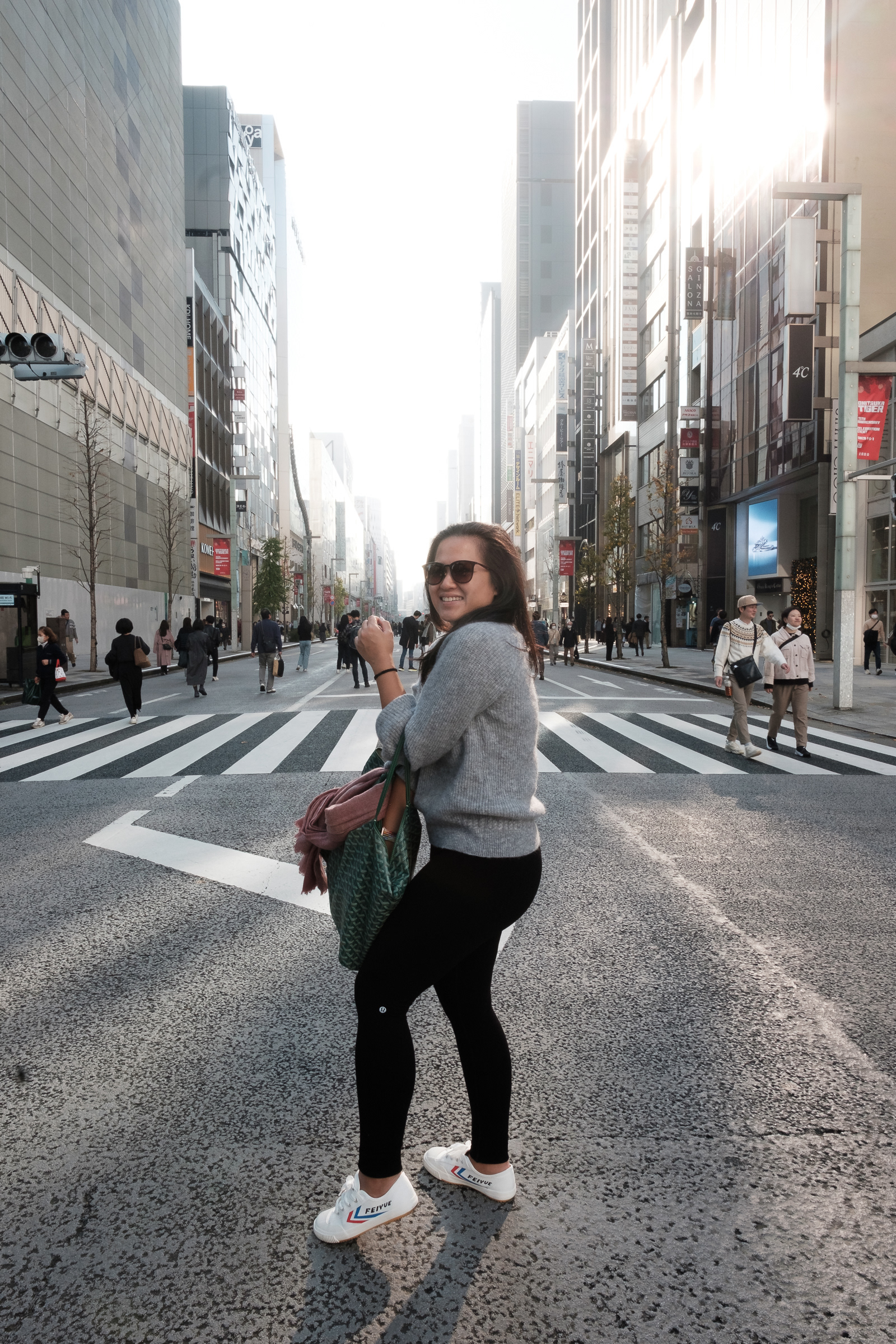
Tokyo, Japan - Fujifilm X-Pro2 + XF35mm F/1.4
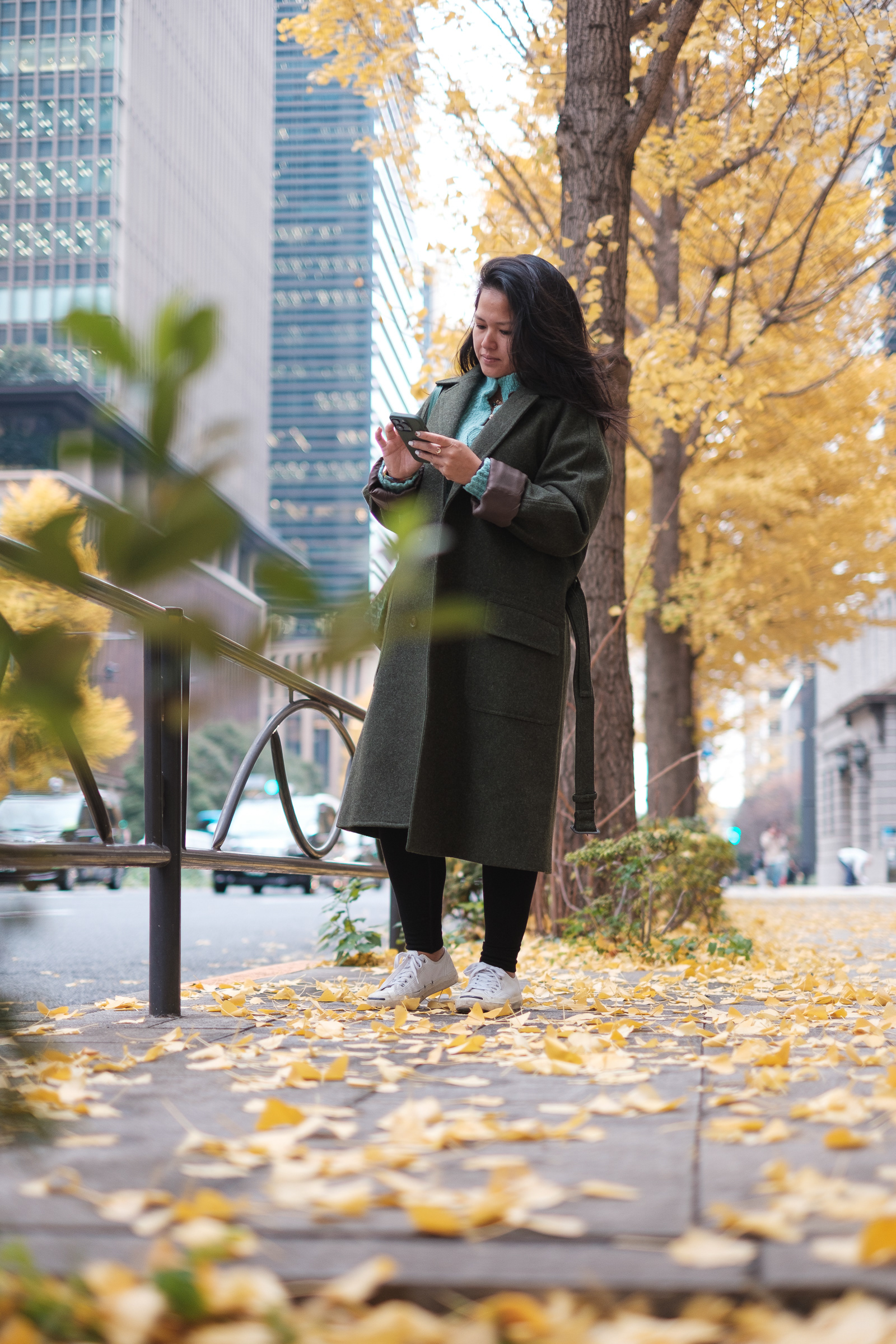
Tokyo, Japan - Fujifilm X-Pro2 + XF35mm F/1.4
Lifestyle photography in Japan with the Fujifilm X-Pro2
The Editing Burden: Why Fujifilm Colours Still Matter
Here's the dirty secret about the Leica M11-P: the files are boring. Technically perfect, low noise, sharp—but flat. They require work. Hours in Lightroom. The reason I loved the Fujifilm system for so many years is that I only edited the images I wanted to, not those I needed to.
The X-Pro2's JPEGs—especially Classic Chrome and Acros—are finished images straight out of the camera. They have a baked-in mood that Leica's DNG files simply don't possess unless you build presets from scratch. Even now, when I want to go for a walk and not think about post-processing, I grab the X-Pro2. It's my palate cleanser, my sketchbook.
The Leica M10-P Reporter is for when I want to slow down and craft an image with intention. The X-Pro2 is for when I just want to live and capture what I see.
The X-Pro2 as the Perfect Companion
I'm not here to convince you to buy a Leica. (If you're curious about that journey, read my full M10-P Reporter review here.) I'm here to tell you that even after sipping from the finest German chalices, the X-Pro2 remains the most refreshing drink in my bag.
It's the camera I recommend to friends who ask, "What should I buy to learn photography?" It's the camera I keep in my car. It's the camera that reminds me that the best camera isn't the one with the highest megapixels or the most prestigious badge—it's the one that gets out of your way and lets you see.
The Leica M10-P Reporter is a beautiful, flawed, and deeply rewarding camera. But the Fujifilm X-Pro2 is a masterpiece of democratic joy. And in 2026, that matters more than ever.
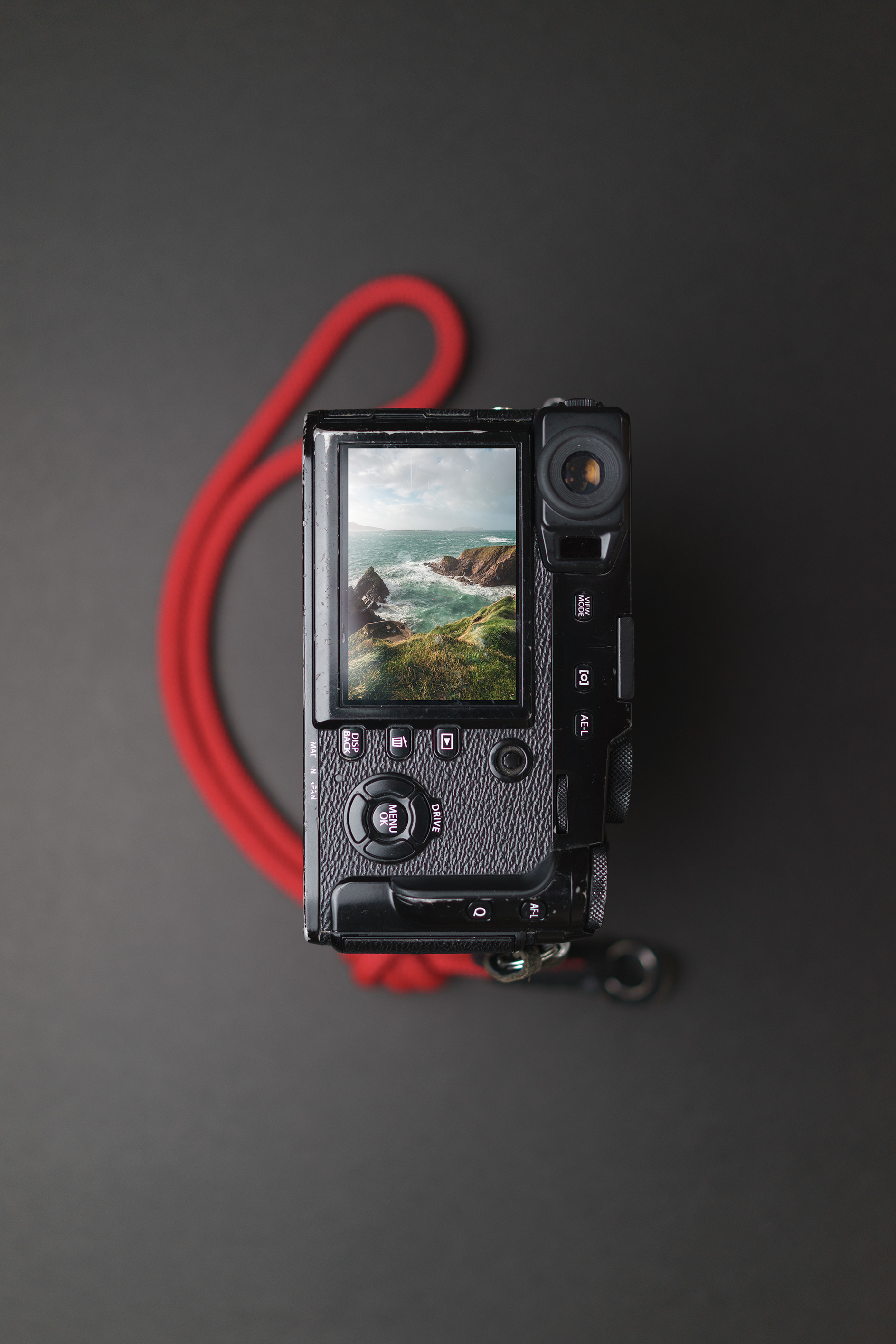
Fujifilm X-Pro2
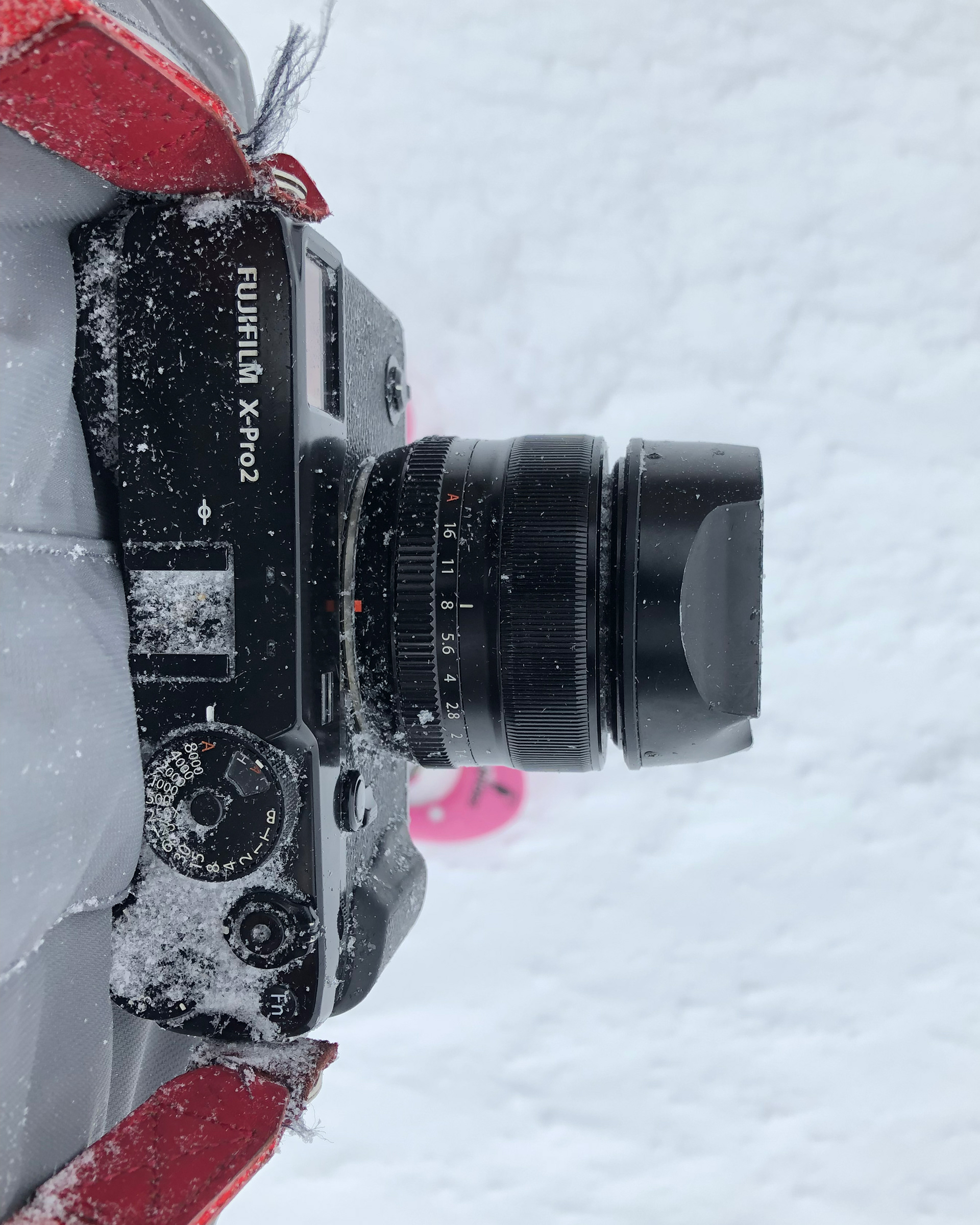
Fujifilm X-Pro2 + XF35mm F/1.4
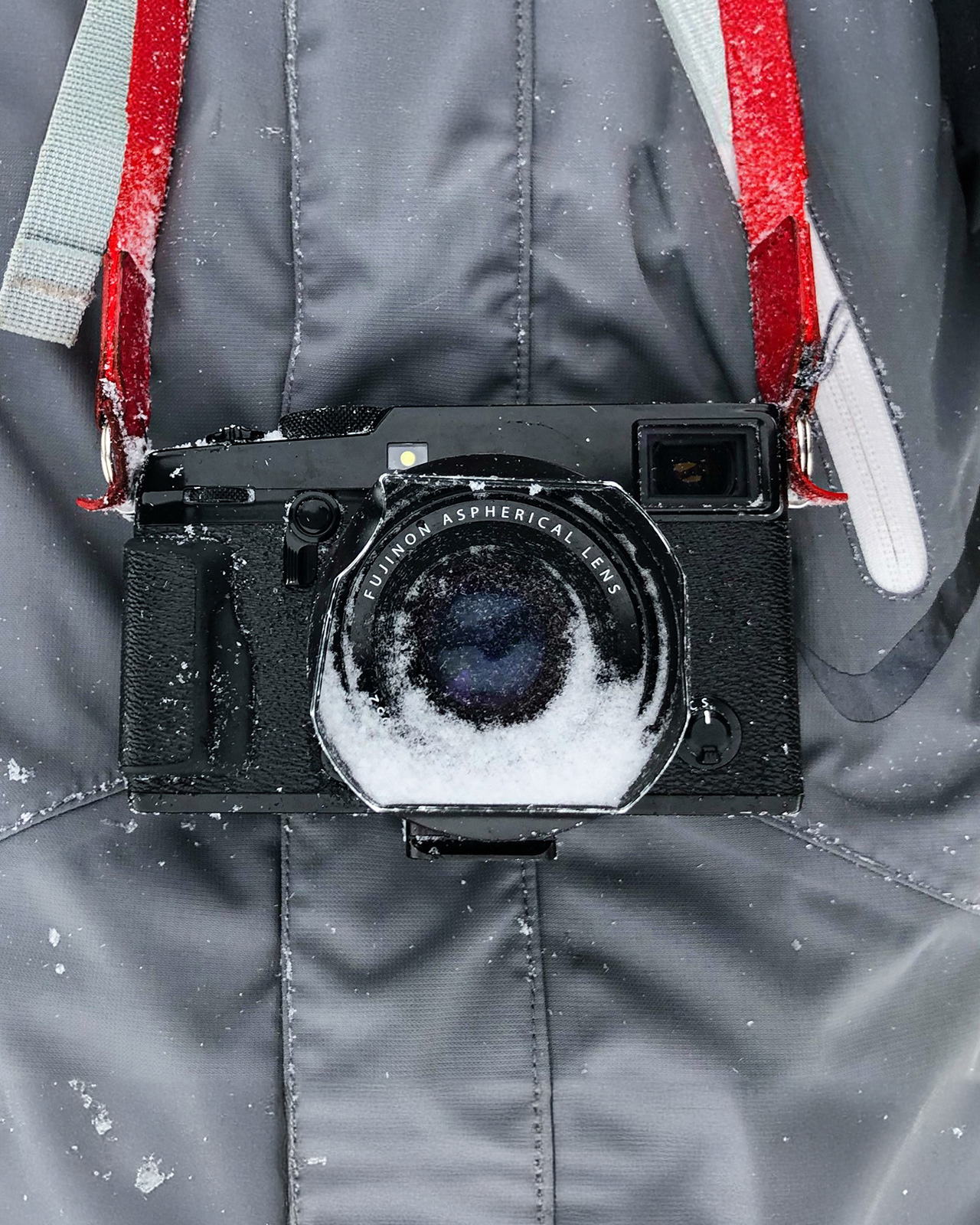
Fujifilm X-Pro2 + XF35mm F/1.4
Recommended Lenses for the Long Haul (2026 Update)
If you're picking one of these up now, don't just put a big zoom on it. This body shines with small, fast primes. Here's what I'm using in 2026:
Lens
Fujinon XF 35mm f/1.4 R
The noisy, slow focusing legend. The images on this 24MP sensor look like a vintage film scan.
Voigtlander Nokton 27mm f/2.0
Manual focus with a focus tab that feels like it was designed for the X-Pro2's OVF.
Fujifilm XF 14mm f/2.8 R
If you want to give the X-Pro2 a shot of ultra wide adrenaline, this is the glass.
Vibe
Dreamy, Documentary
Slow, Tactile, Pure
Sharp, Modern, Cinematic
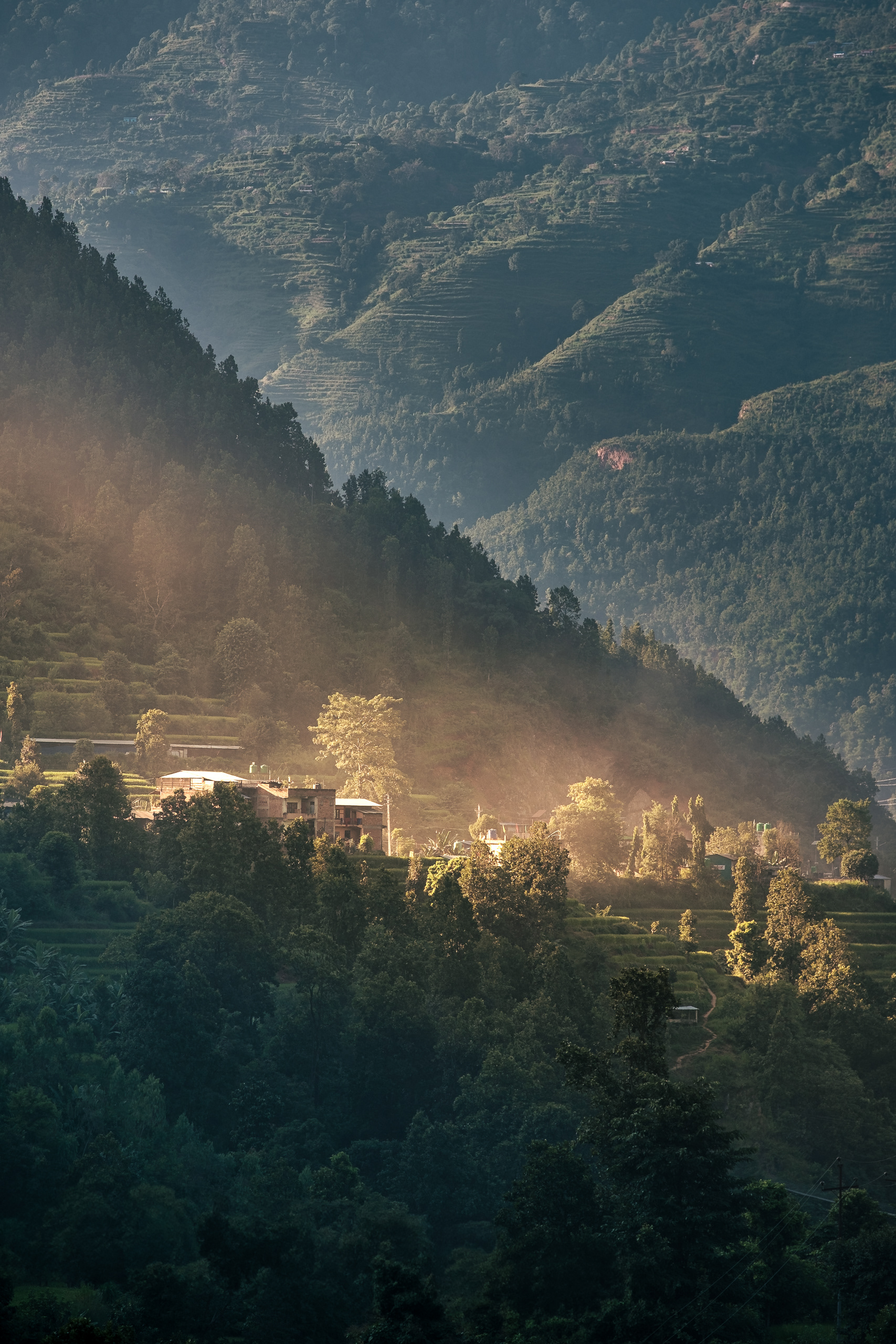
Nepal - Fujifilm X-Pro2 + XF50-140mm F/2.8
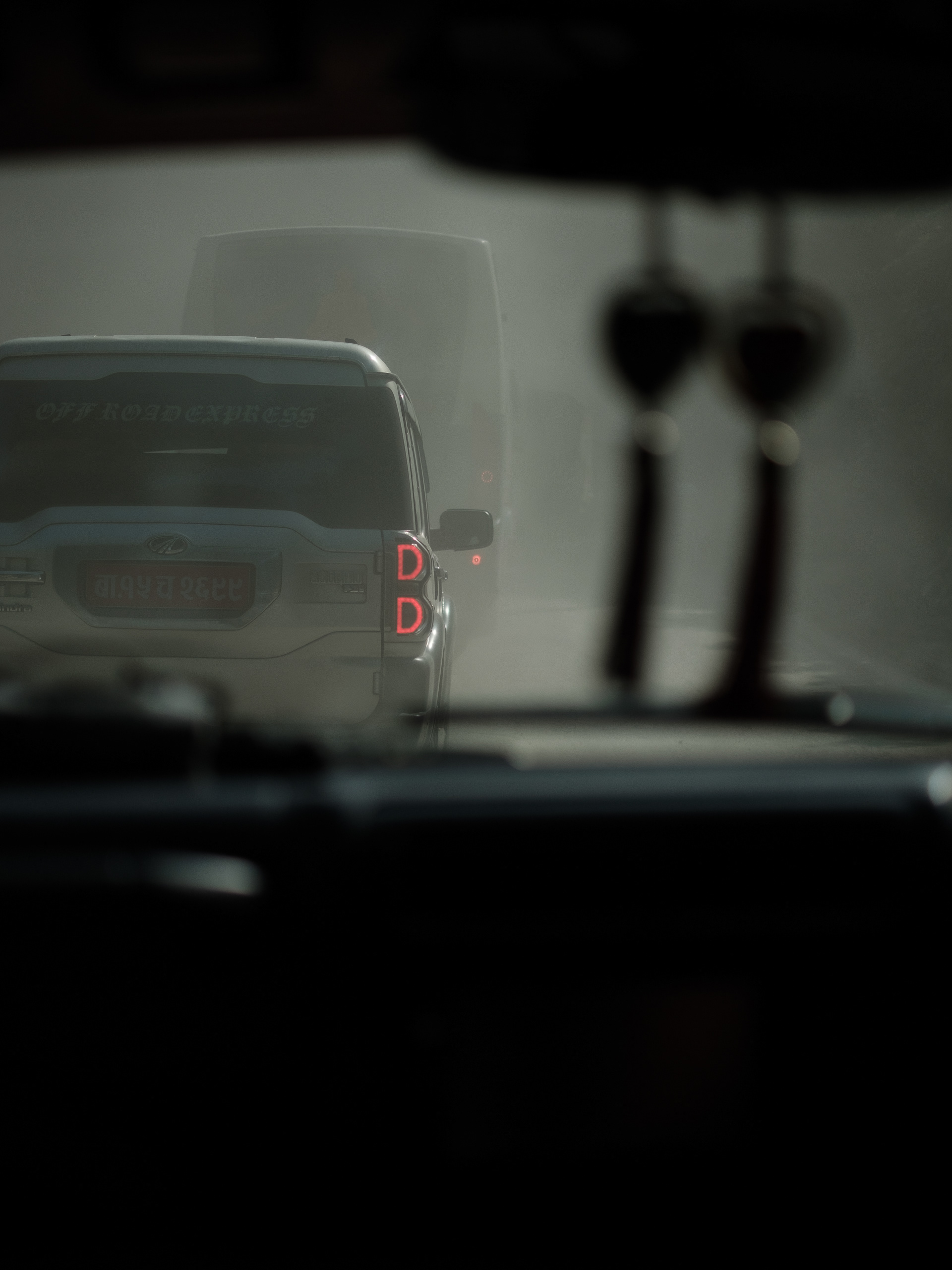
Nepal - Fujifilm X-Pro2 + XF35mm F/1.4
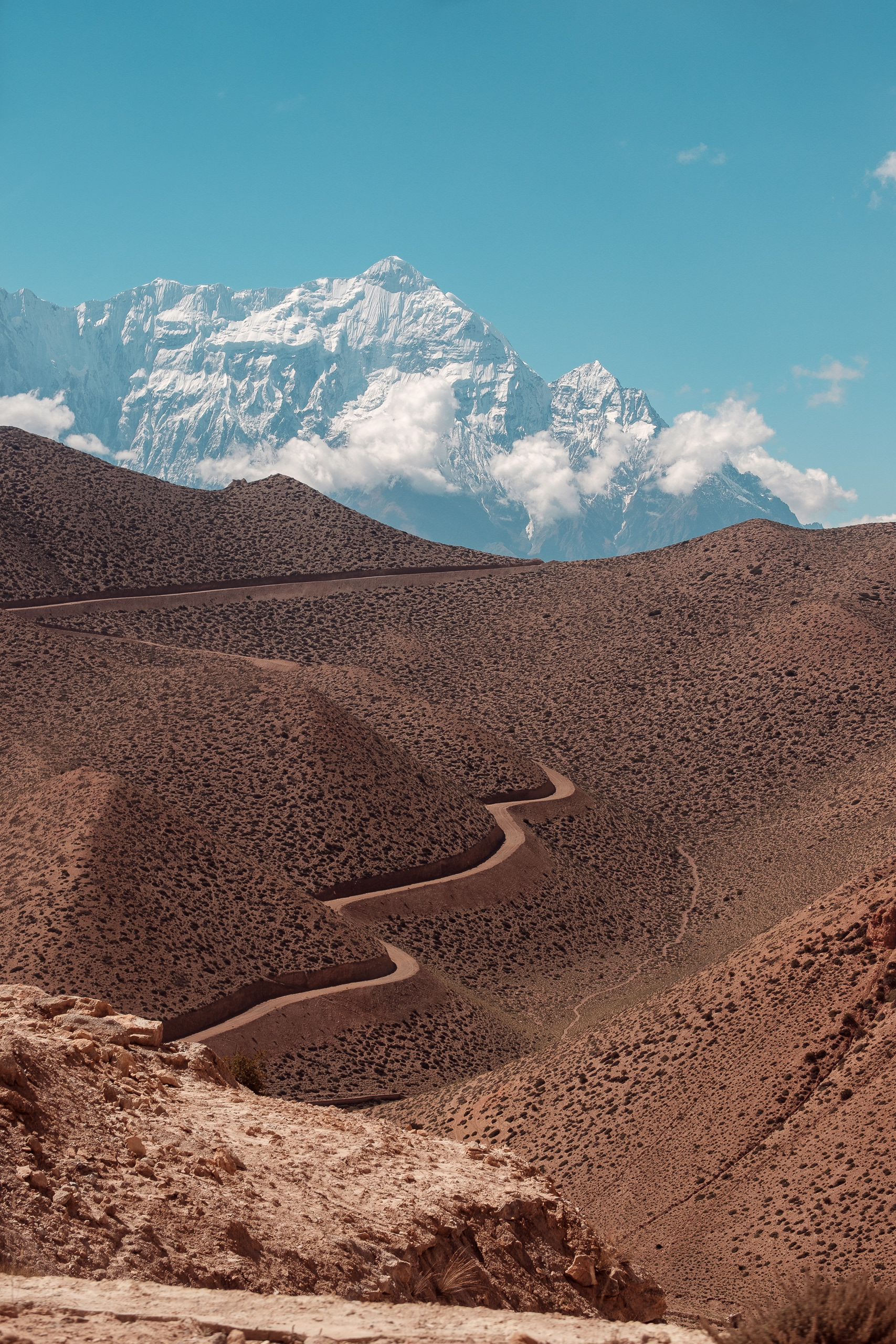
Nepal - Fujifilm X-Pro2 + XF50-140mm F/2.8
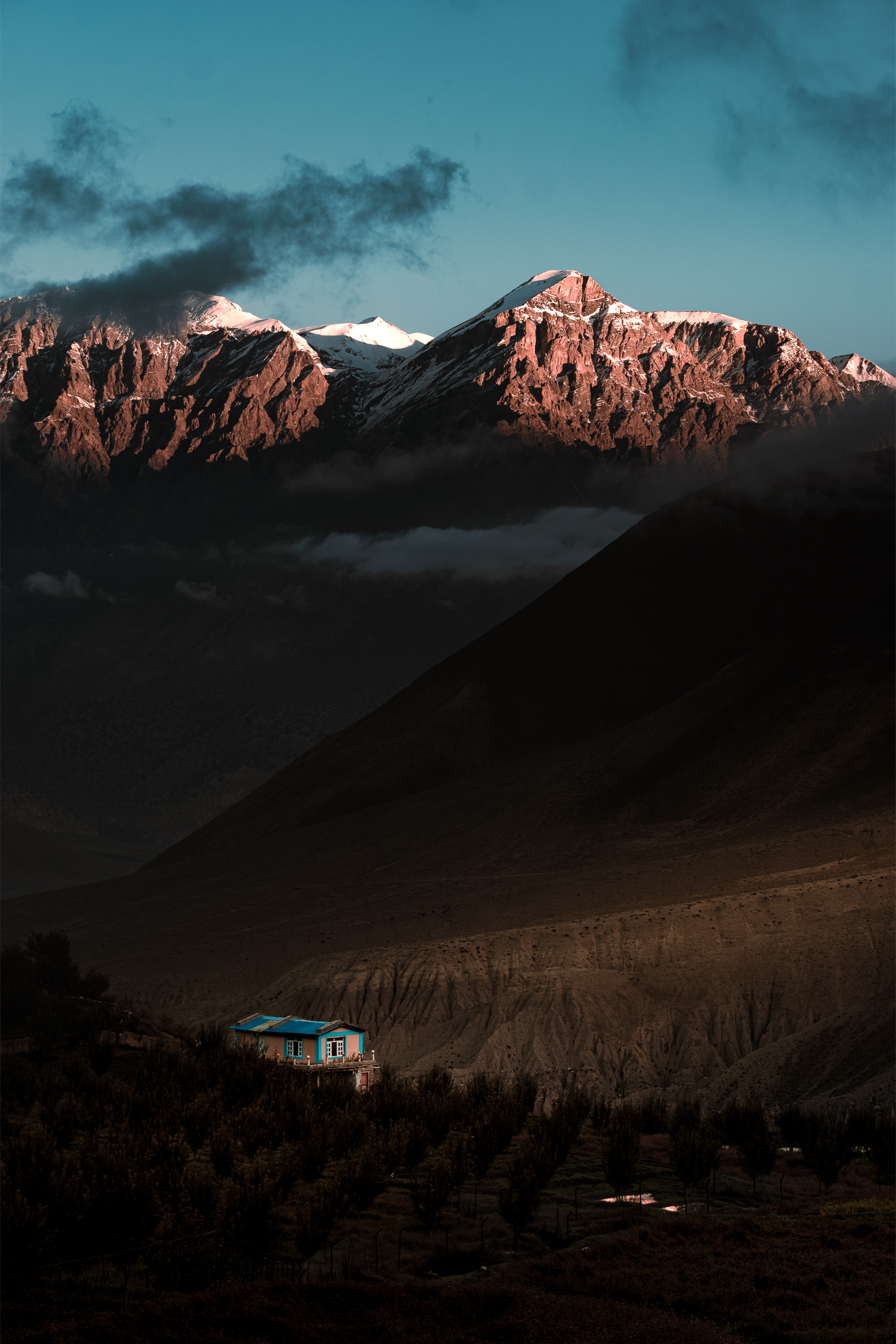
Nepal - Fujifilm X-Pro2 + XF50-140mm F/2.8
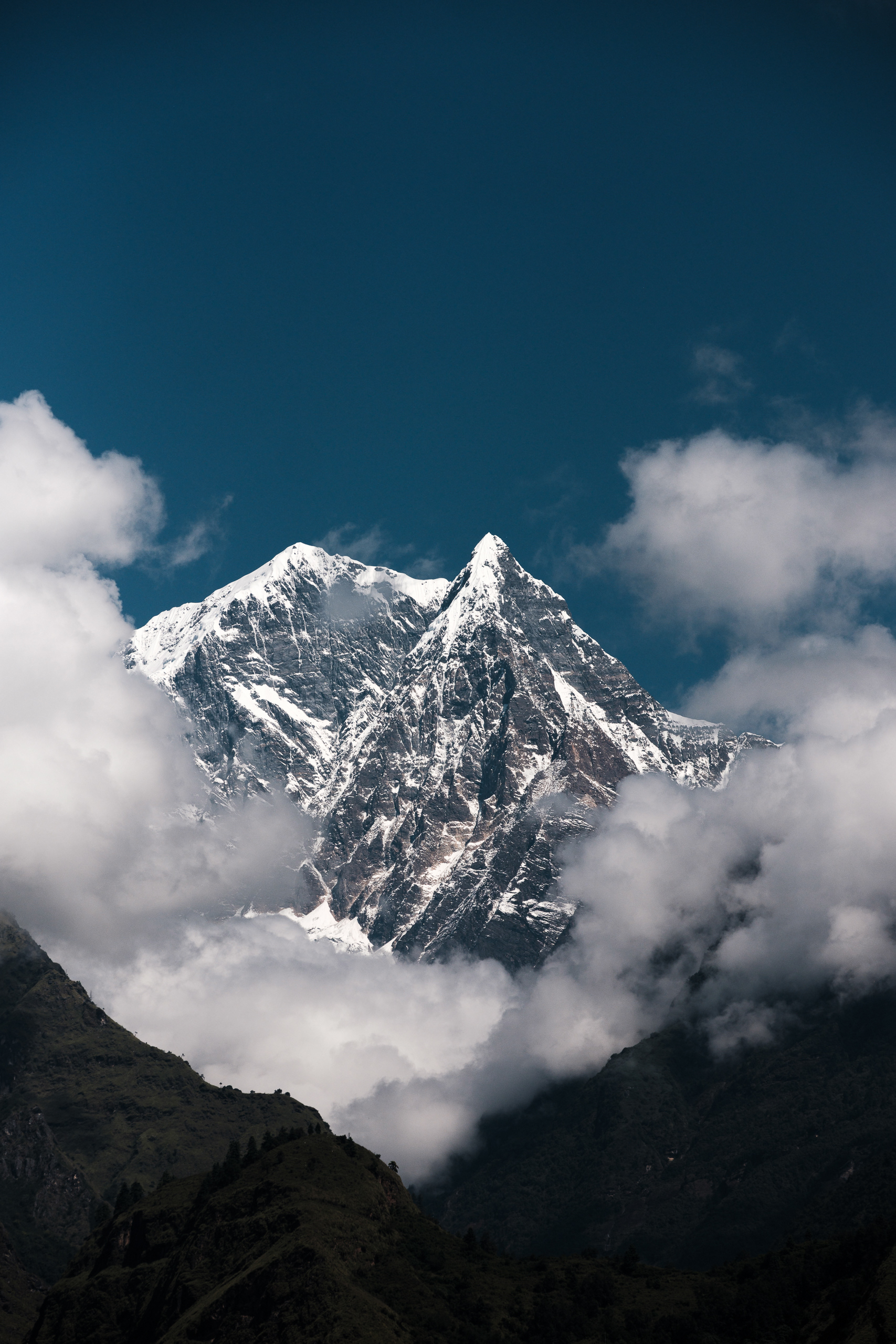
Nepal - Fujifilm X-Pro2 + XF50-140mm F/2.8
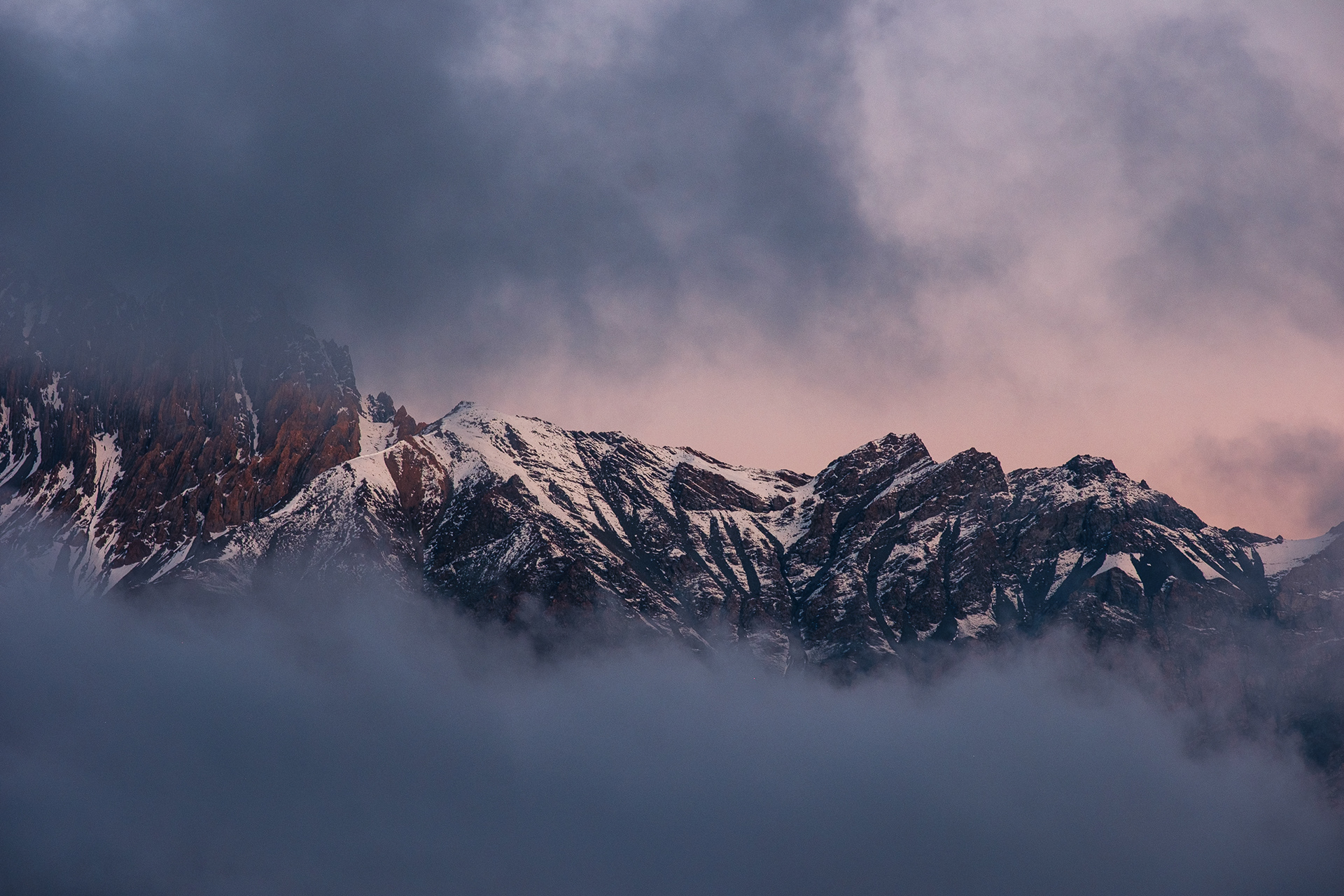
Nepal - Fujifilm X-Pro2 + XF50-140mm F/2.8
Travel and landscape photography in the Upper Mustang, Nepal with the Fujifilm X-Pro2
Share Your Shots!
Are you still shooting with an X-Pro2 in 2026?
Tag your images with #XPro2In2026 on Instagram or Threads. I want to see the wear and tear on your bodies and the beauty in your frames.
Final Thought: The Sunday Driver
And so, the natural progression occurs. You may find yourself seduced by the whispered perfection of a Leica M, its focusing patch a razor's edge in the viewfinder, or burdened—gloriously burdened—by the medium format majesty of a Hasselblad, where every file is a landscape unto itself. These are the cameras of consequence, of investment, both financial and emotional. And yet, nestled between them in your bag, its paint proudly chipped, will be the X-Pro2.
It becomes the palate cleanser, the Sunday driver, the camera you grab when the act of photography needs to feel like a sketchbook, not a final draft. While the others demand a certain reverence, the Fuji demands only curiosity. It is the tool that reminds you, even after you've sipped from the finest chalices, that sometimes the most refreshing drink comes from the old, familiar, slightly dented flask.
Now, if you’ll excuse me, my battery just died. Again.
Do you still shoot with an X-Pro2 in 2026? Drop a comment on Threads and tell me how many shutter actuations you're up to! I'm over 100,000!
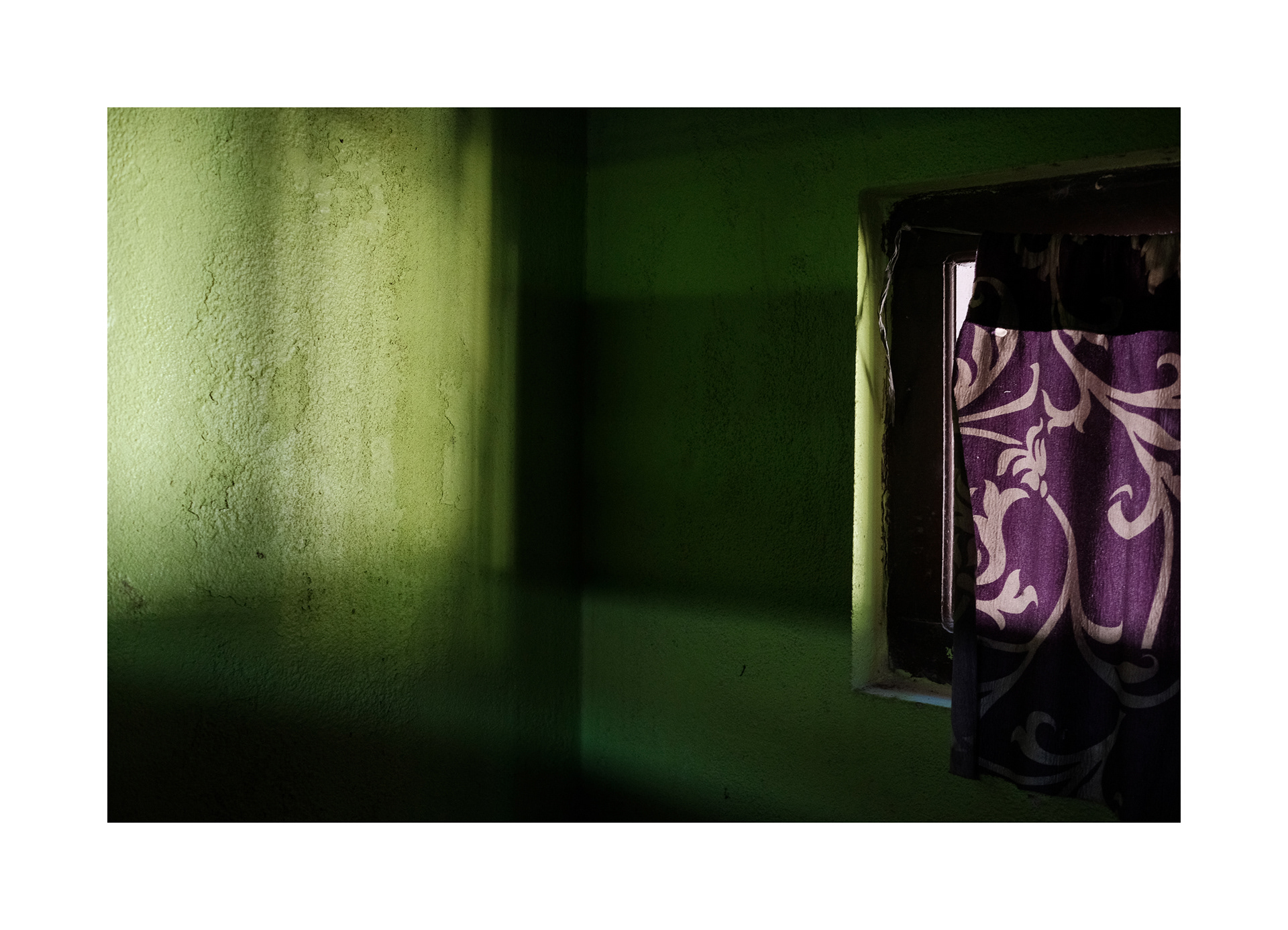
Nepal - Fujifilm X-Pro2 + XF27mm F/2.8
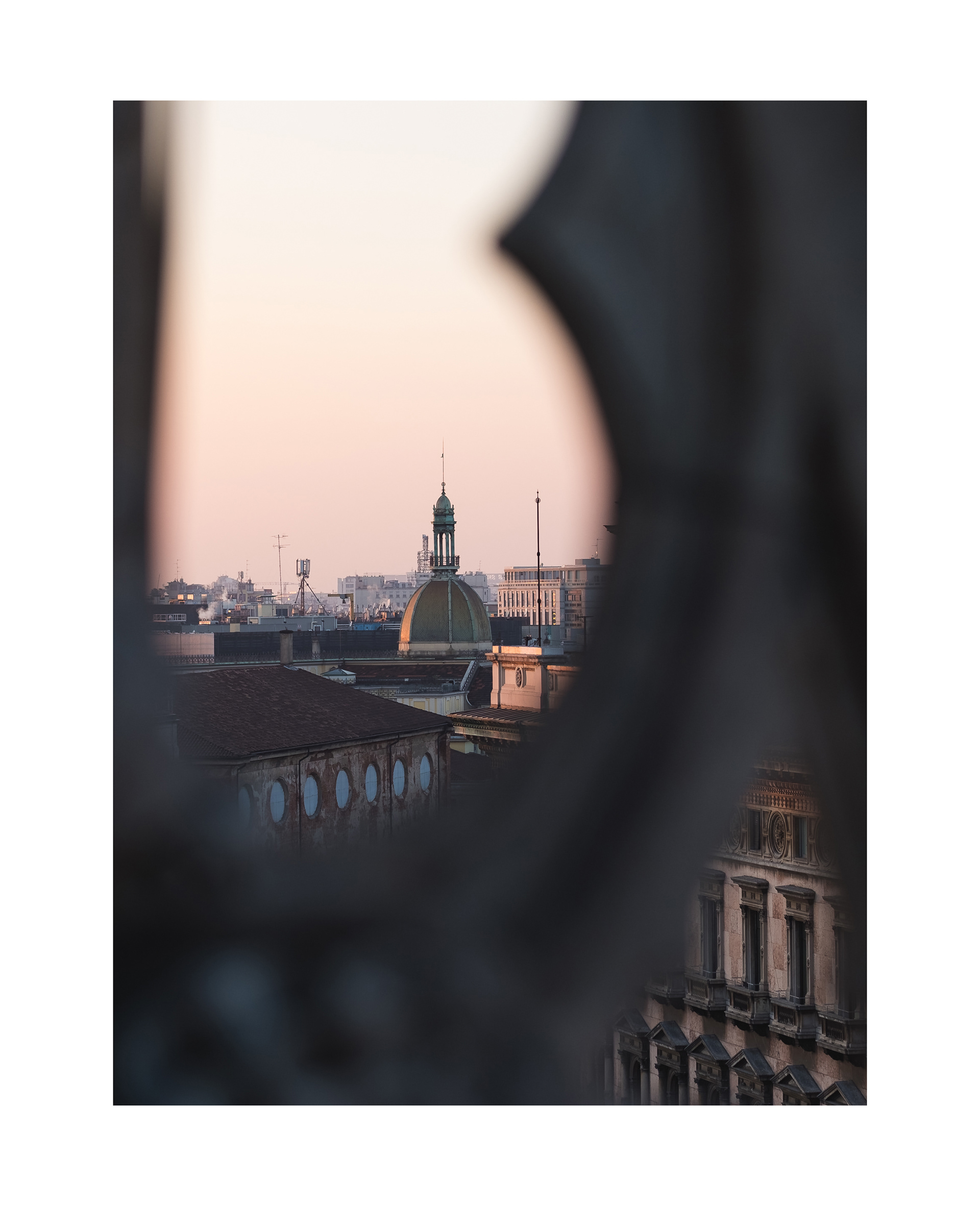
Milan - Fujifilm X-Pro2 + XF56mm F/1.2
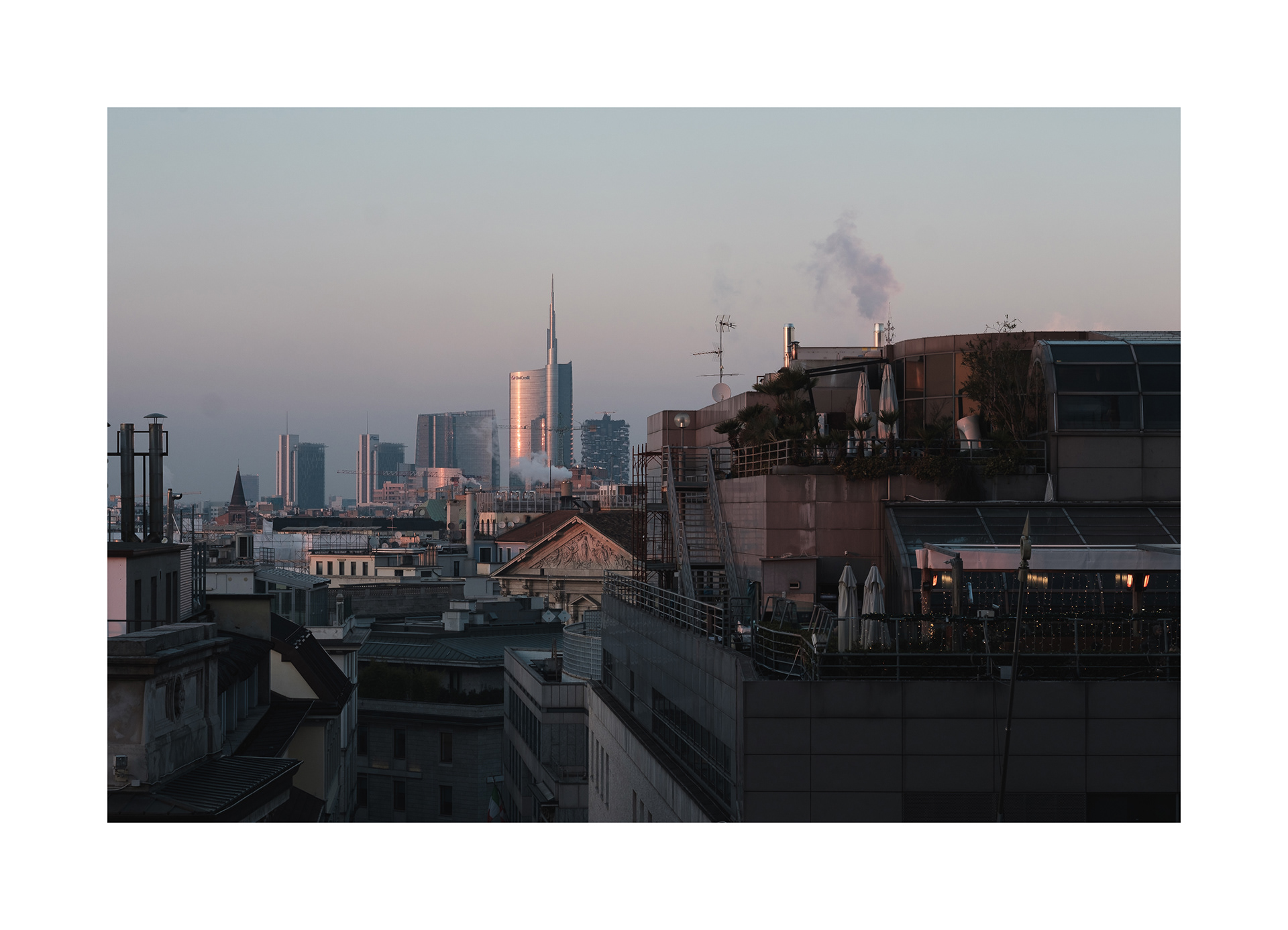
Milan - Fujifilm X-Pro2 + XF56mm F/1.2
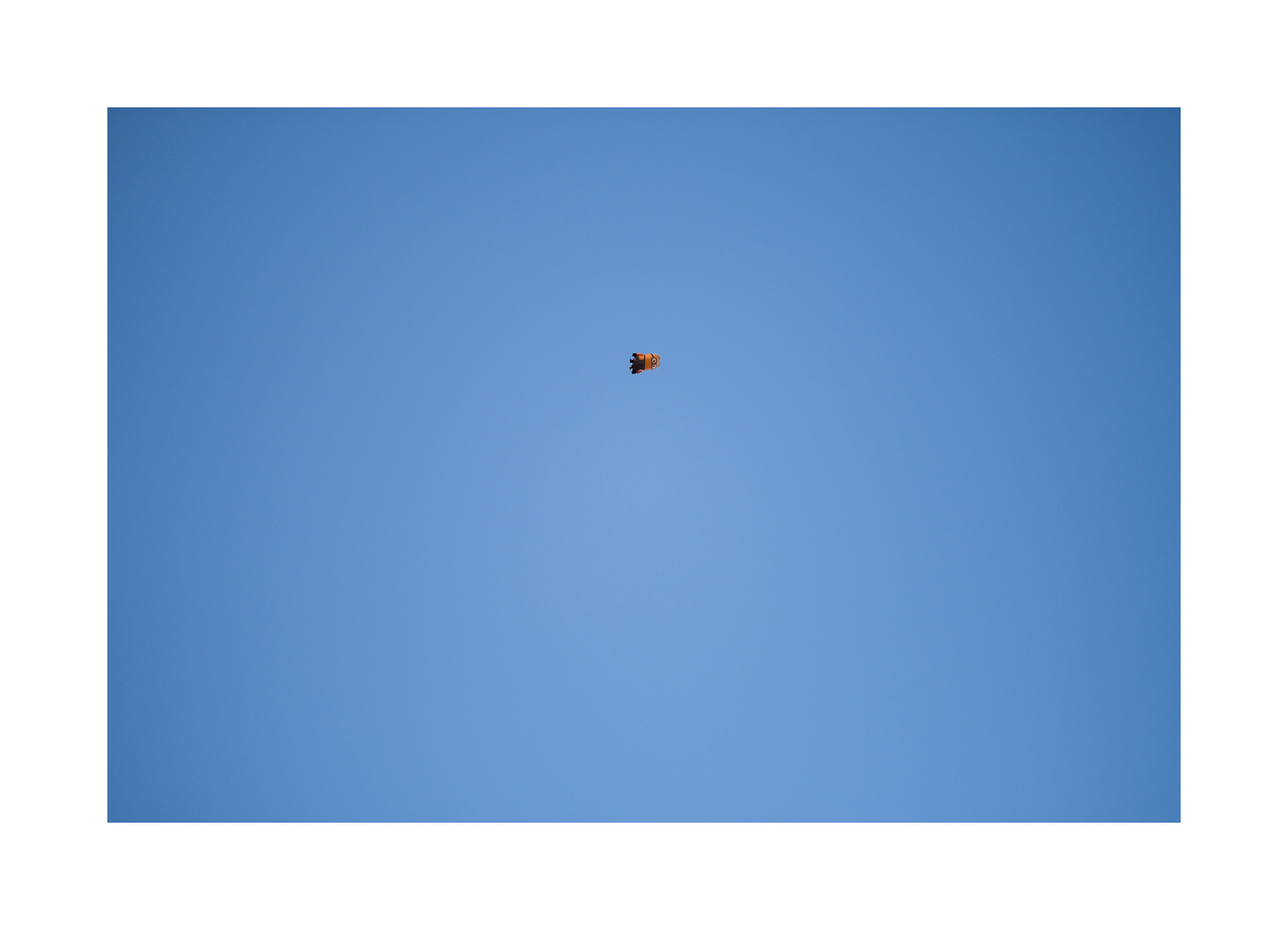
Milan - Fujifilm X-Pro2 + XF56mm F/1.2
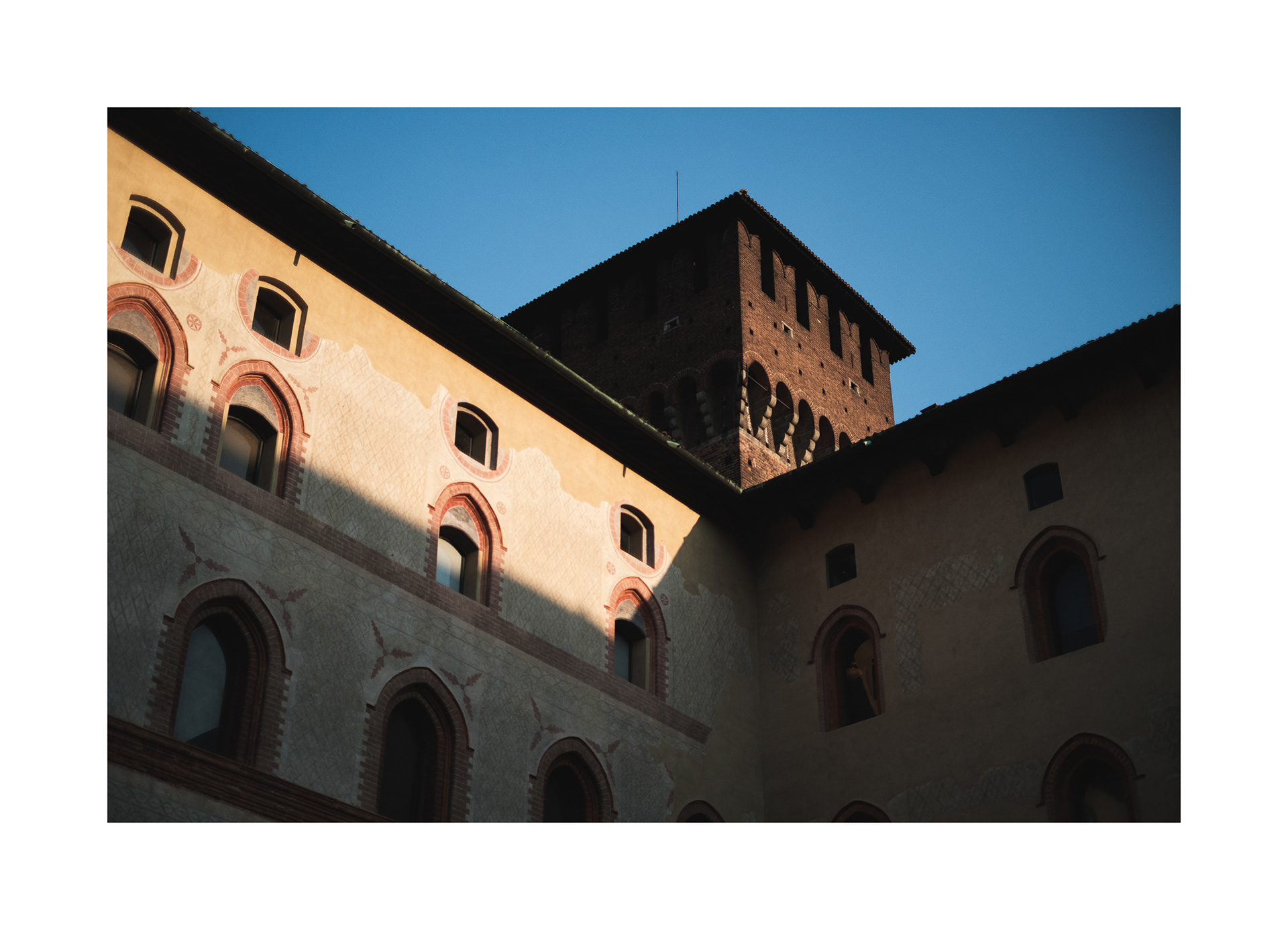
Milan - Fujifilm X-Pro2 + XF35mm F/1.4
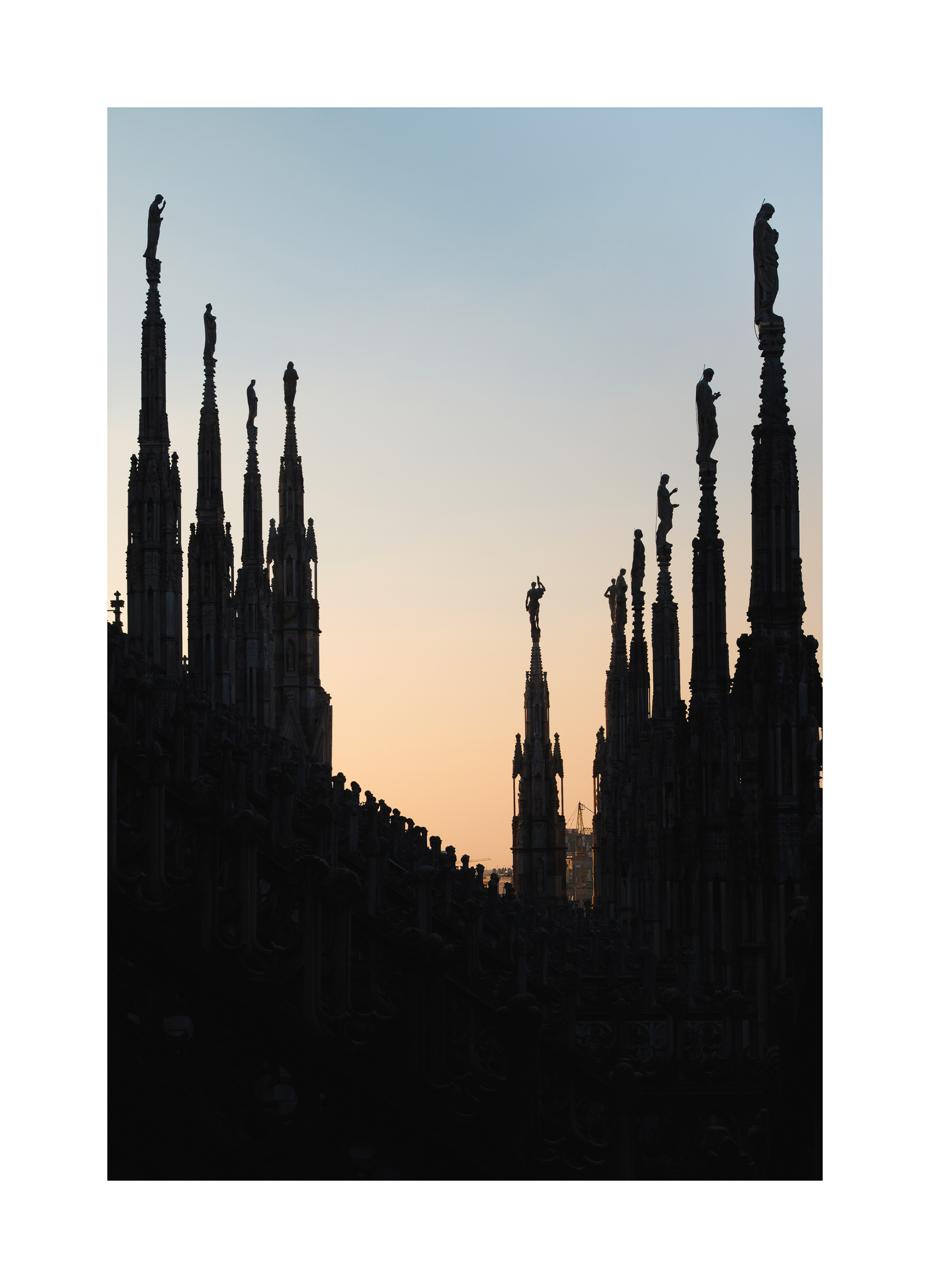
Milan - Fujifilm X-Pro2 + XF35mm F/1.4
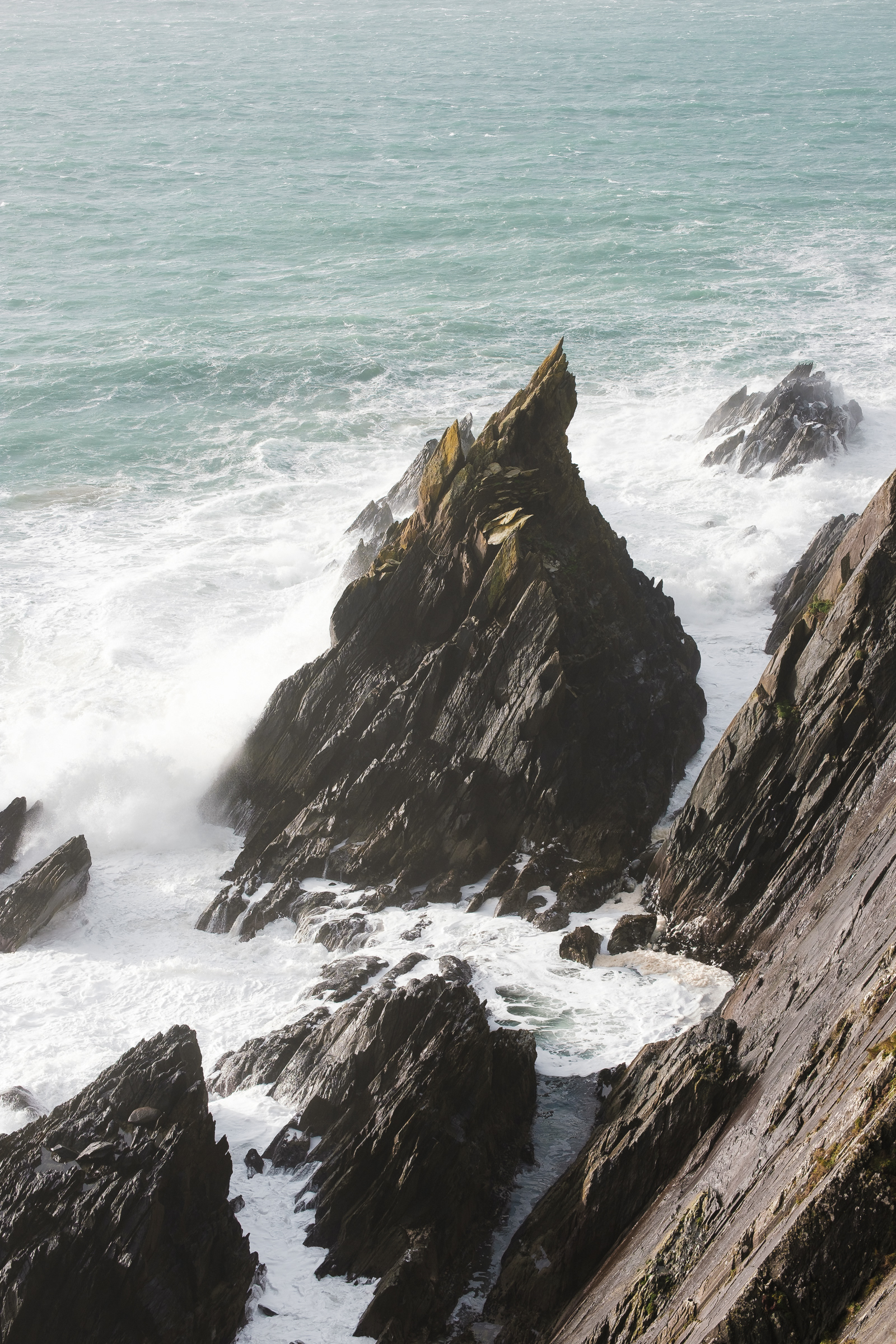
Ireland - Fujifilm X-Pro2 + XF50-140mm F/2.8
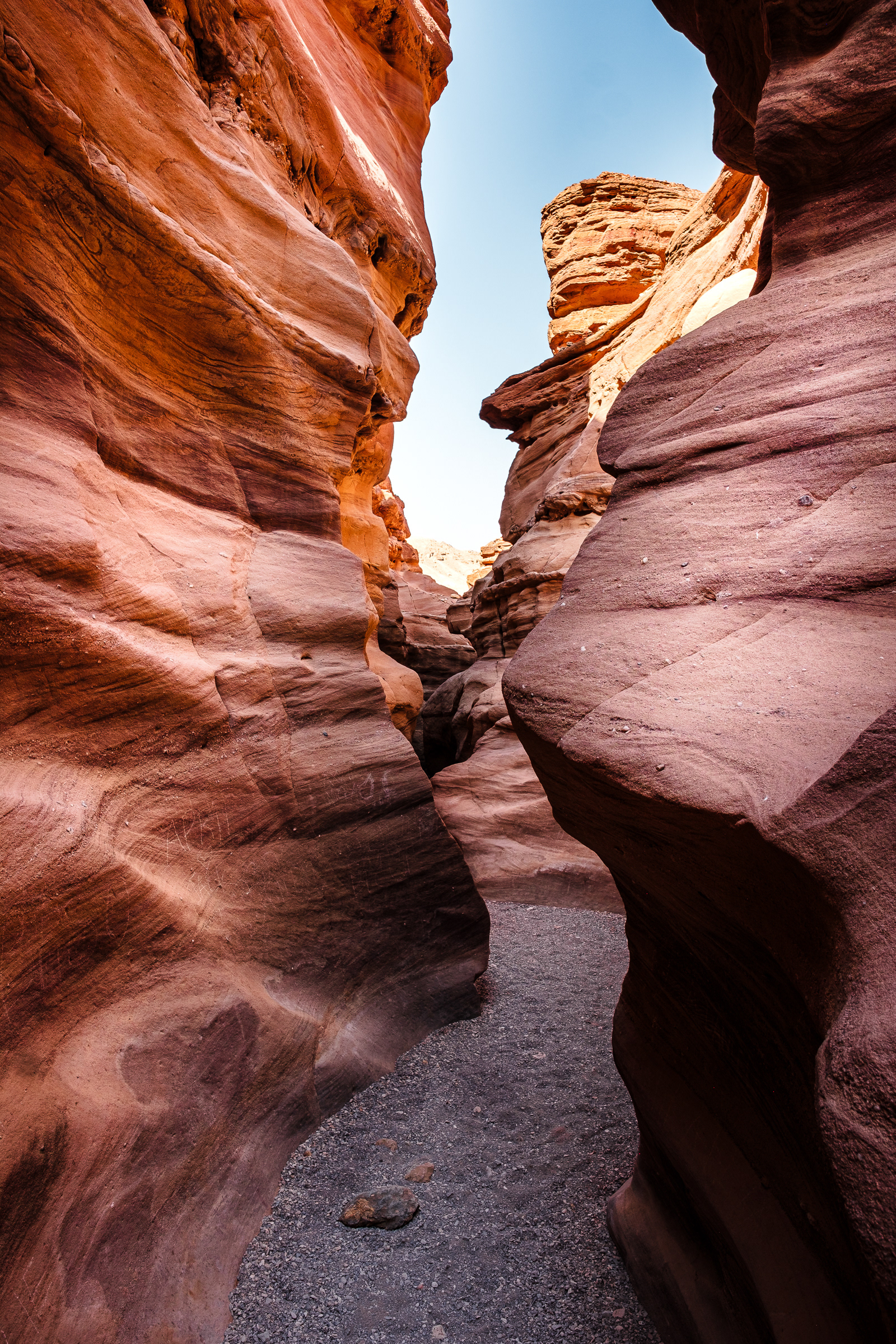
Israel - Fujifilm X-Pro2 + XF14mm F/2.8
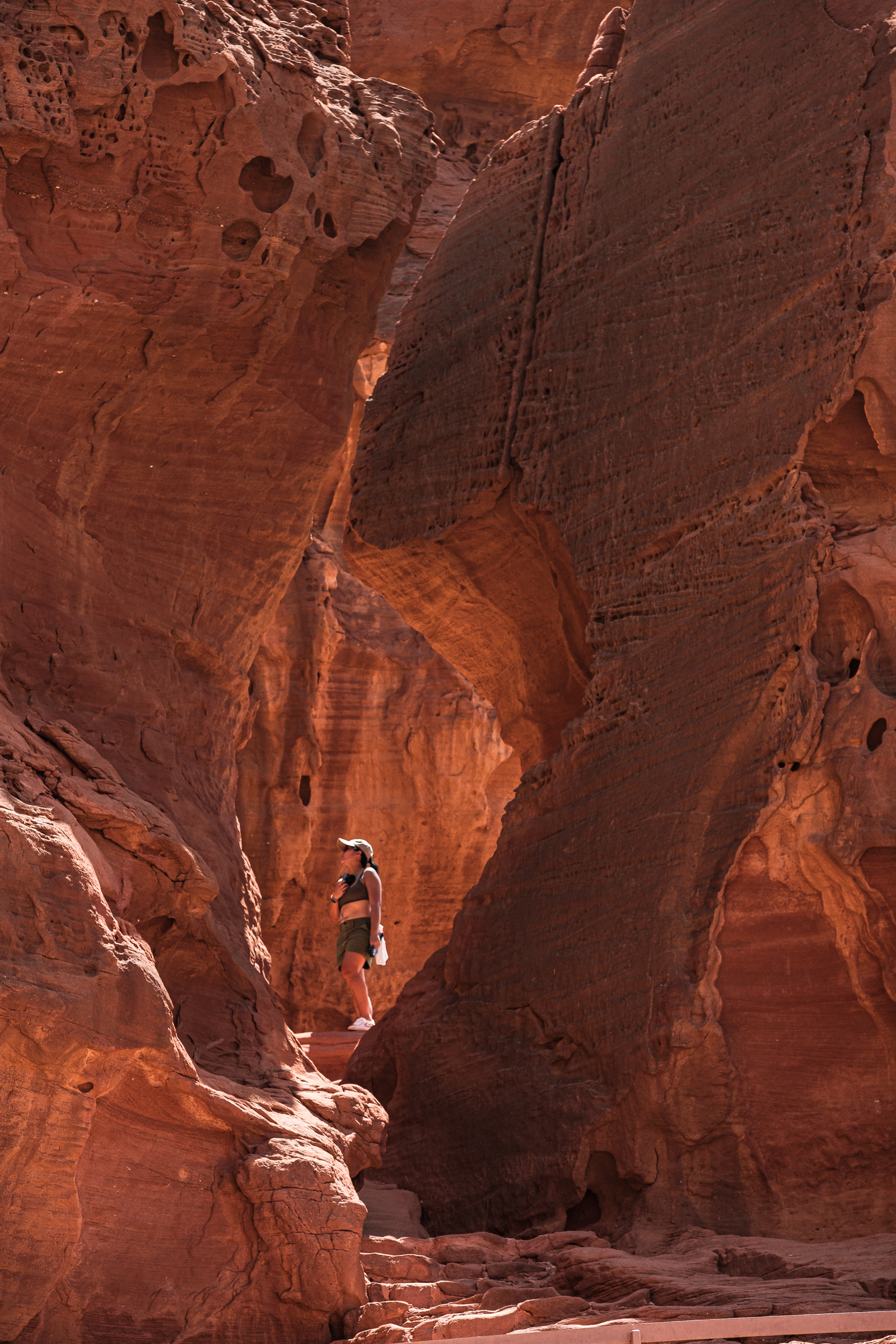
Israel - Fujifilm X-Pro2 + XF50-140mm F/2.8
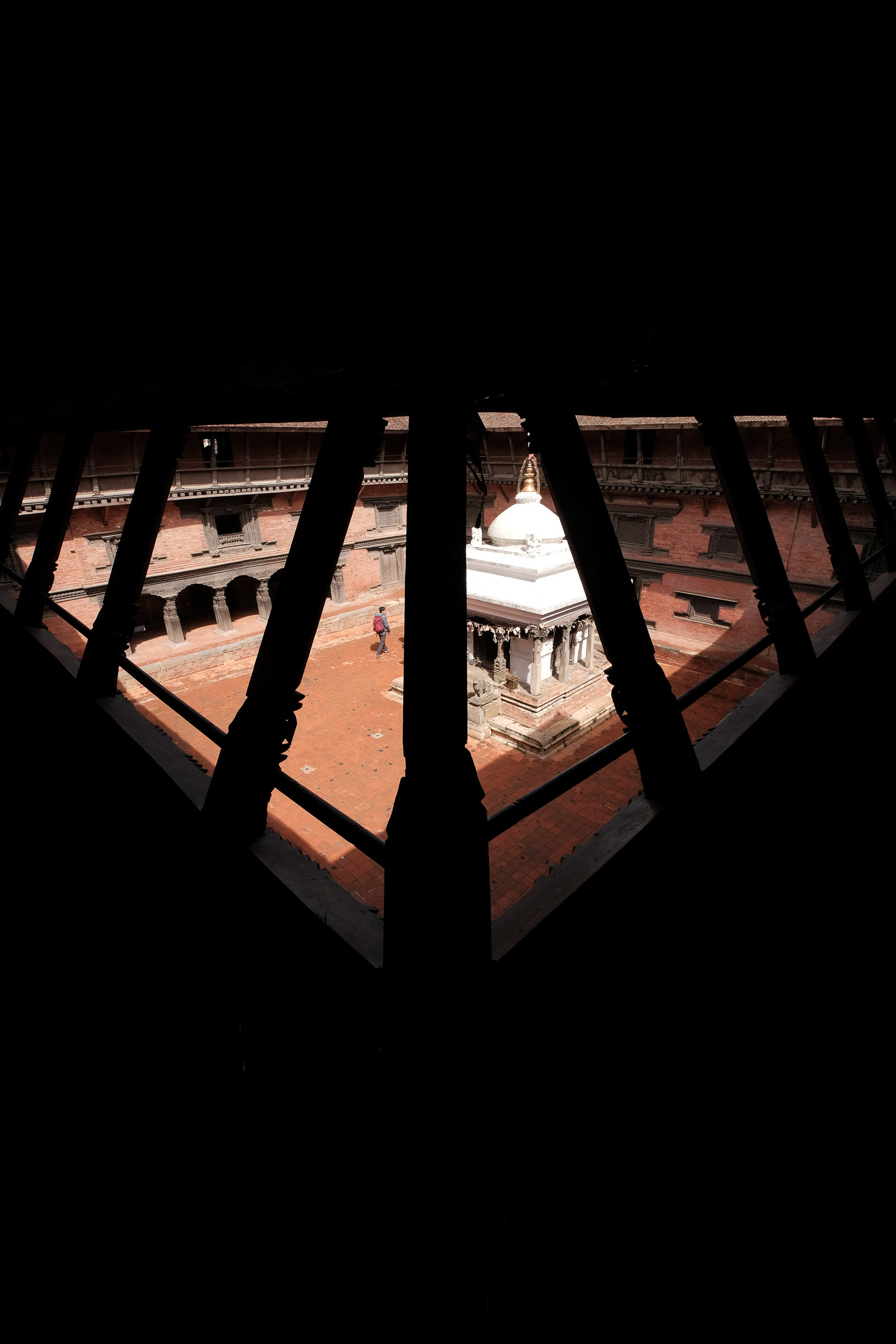
Nepal - Fujifilm X-Pro2 + Sigma 10-18mm F/2.8
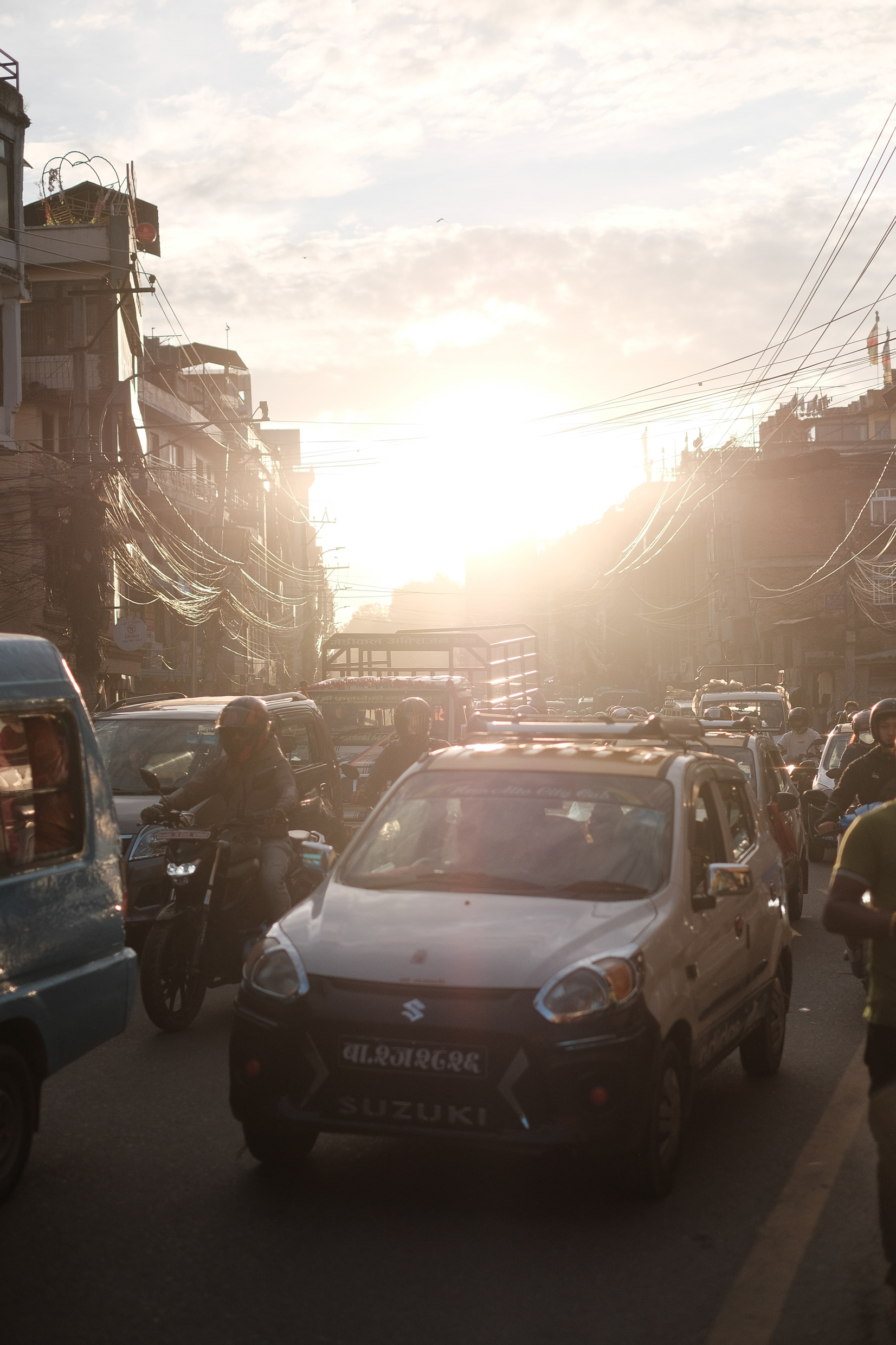
Nepal - Fujifilm X-Pro2 + XF35mm F/1.4
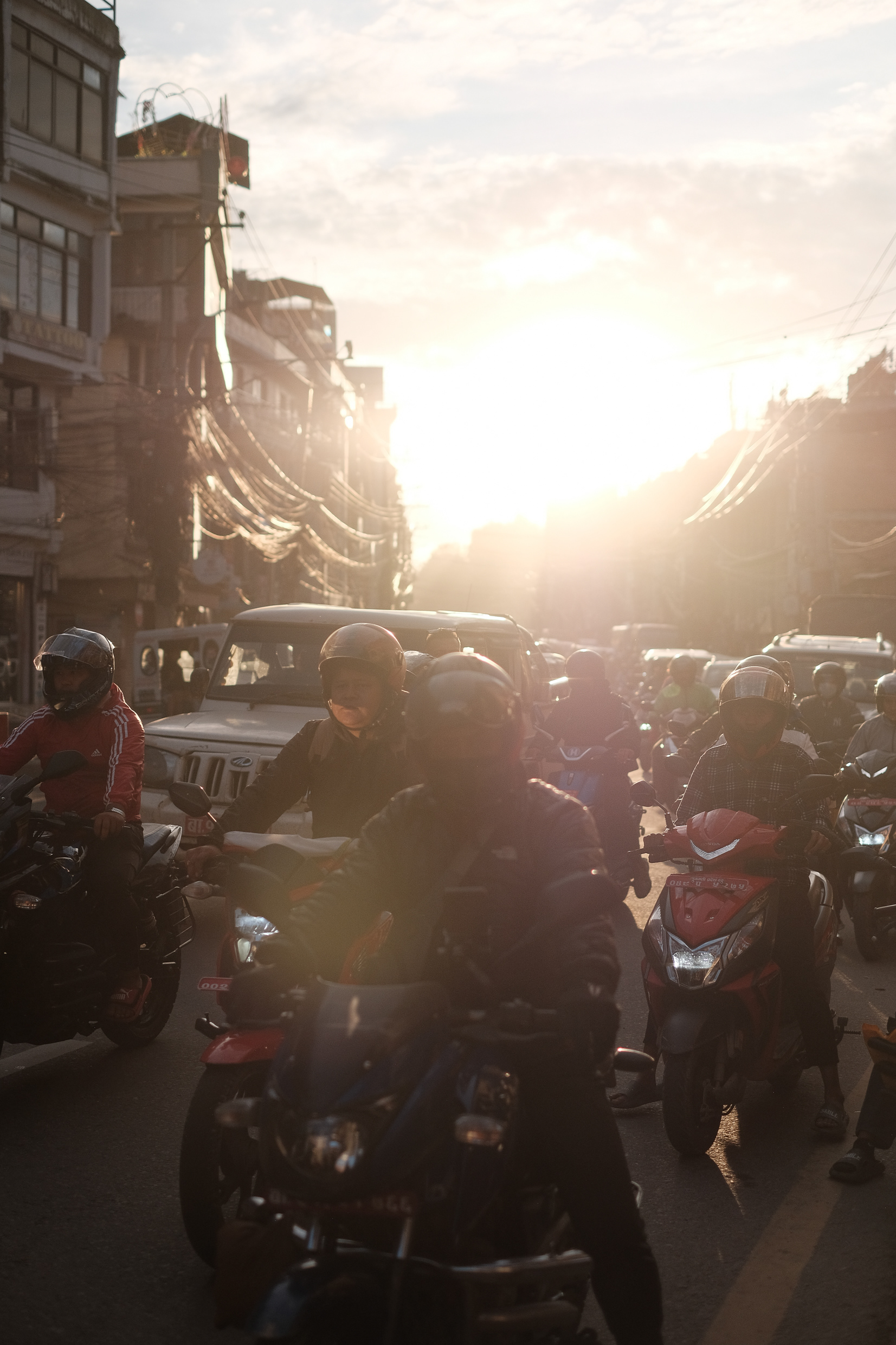
Nepal - Fujifilm X-Pro2 + XF35mm F/1.4
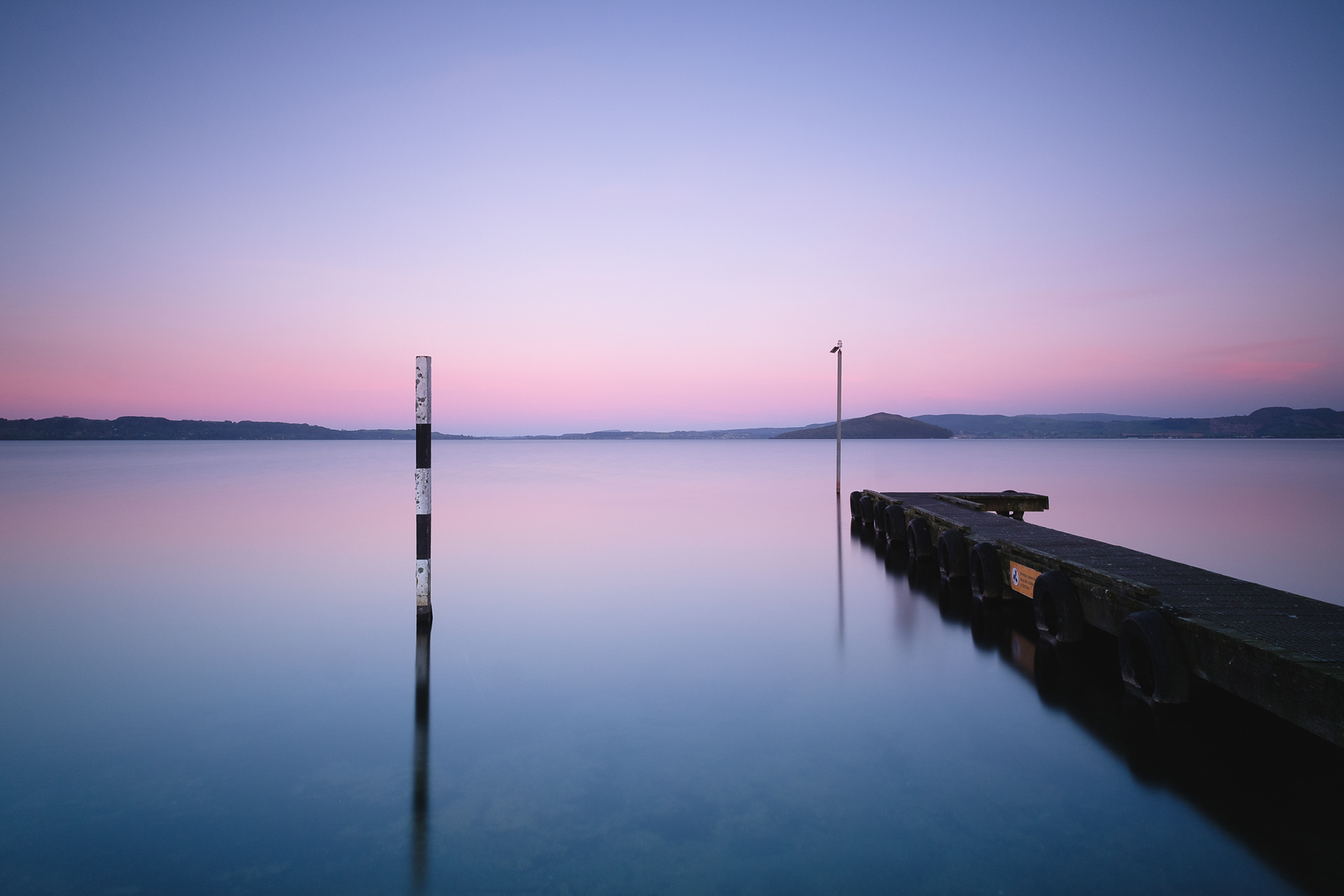
New Zealand - Fujifilm X-Pro2 + XF14mm F/2.8
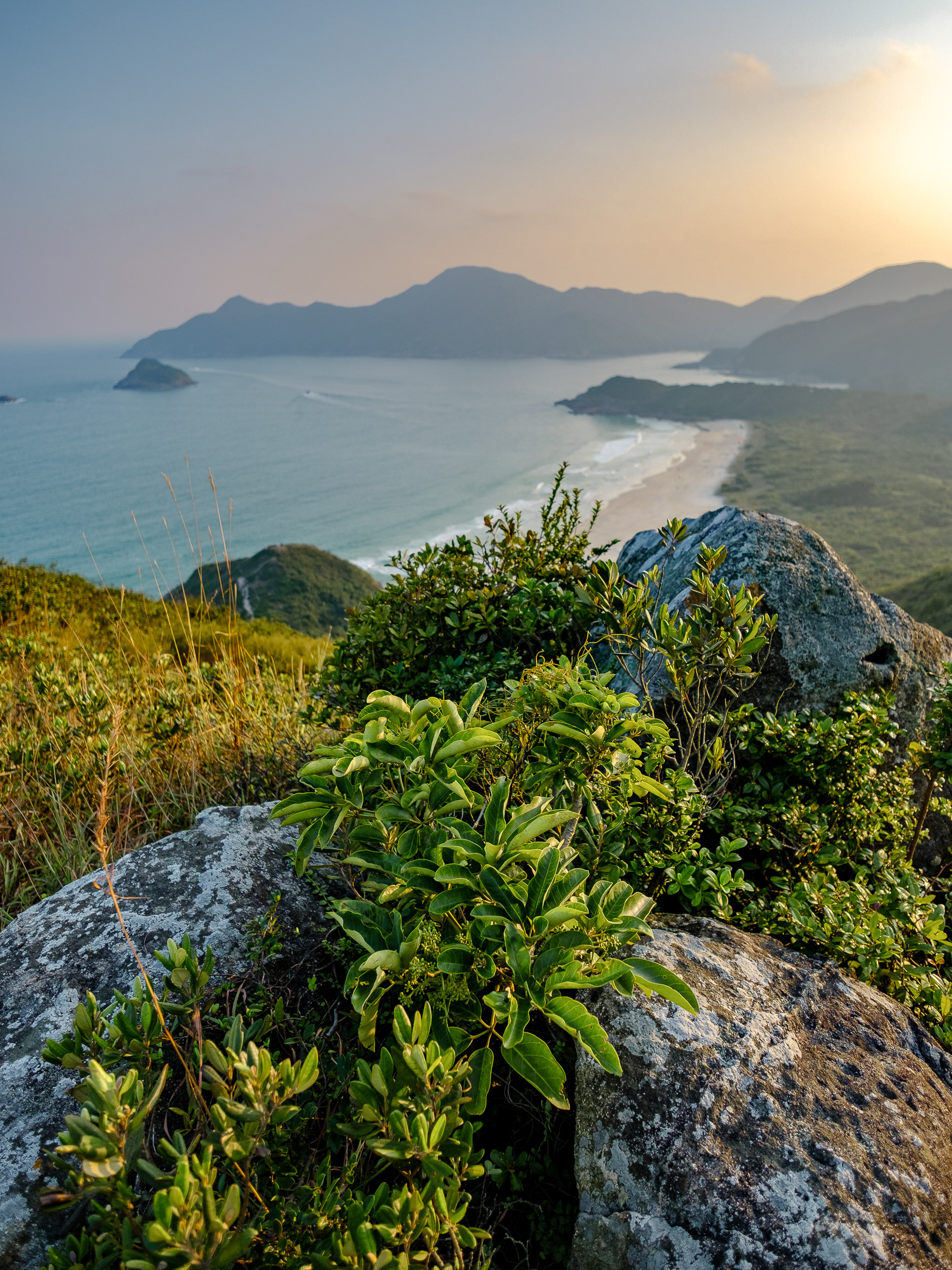
Hong Kong - Fujifilm X-Pro2 + XF14mm F/2.8
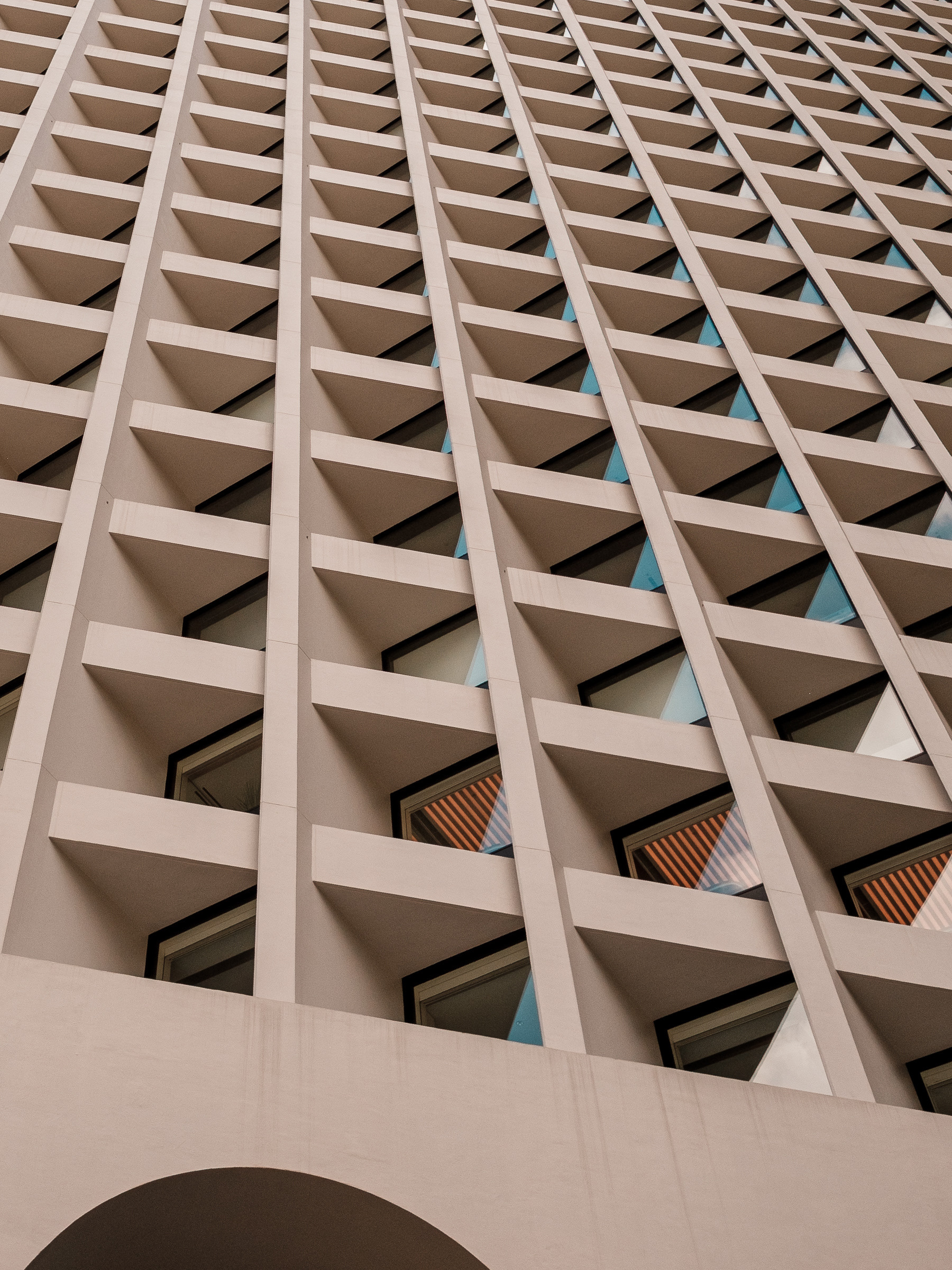
The Murray Hotel, Hong Kong - Fujifilm X-Pro2
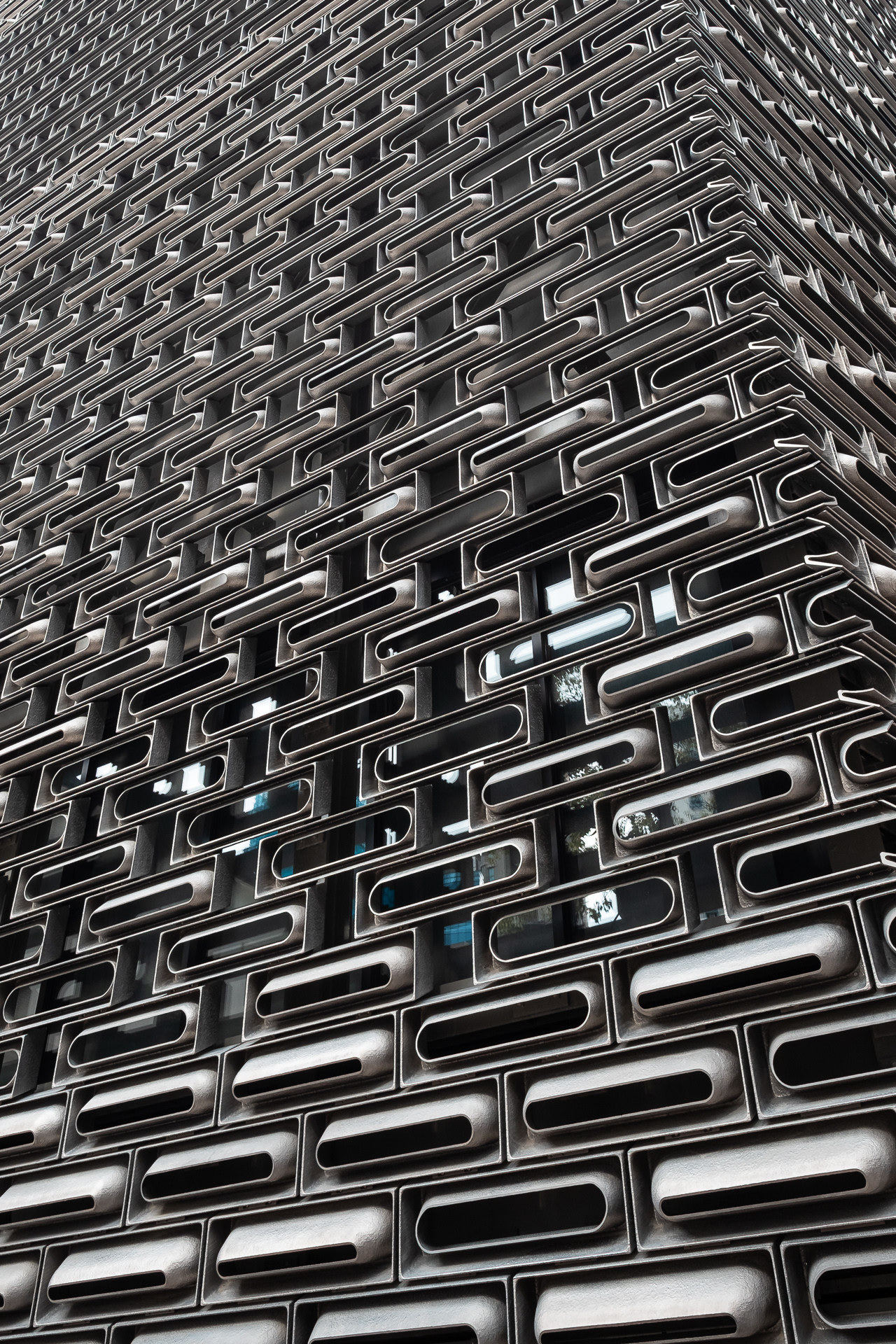
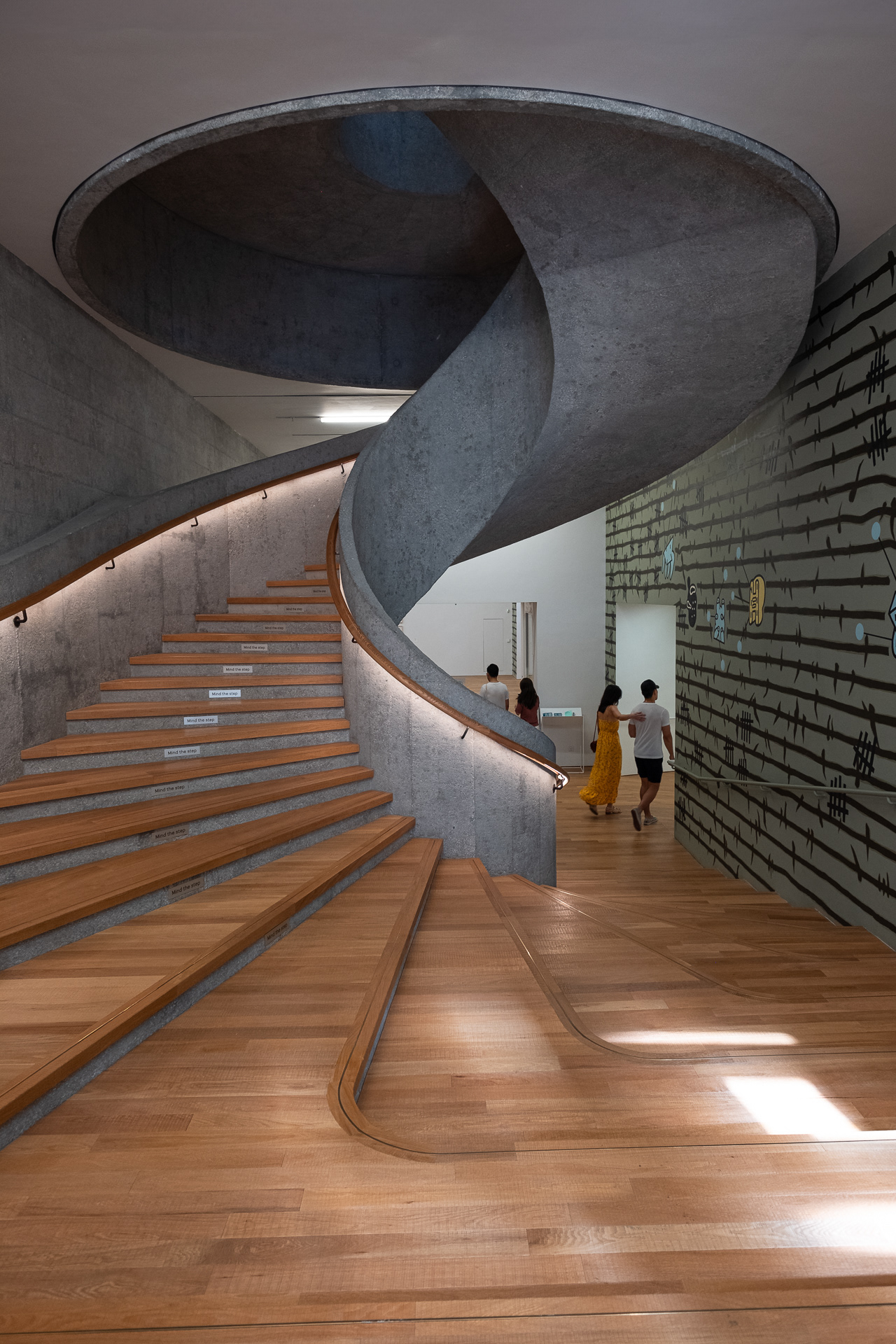
Tai Twun Museum, Hong Kong - Fujifilm X-Pro2
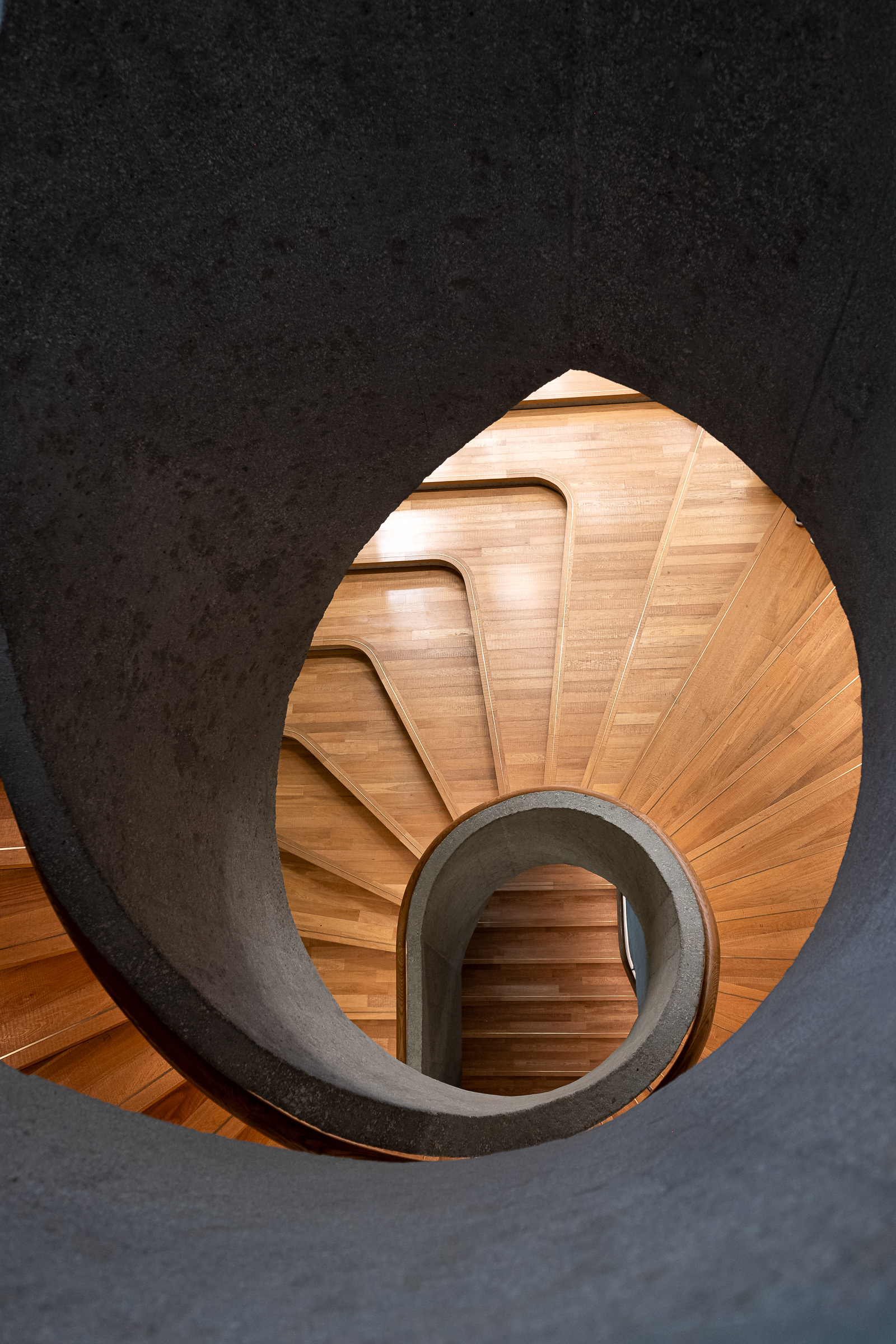
Tai Twun Museum, Hong Kong - Fujifilm X-Pro2
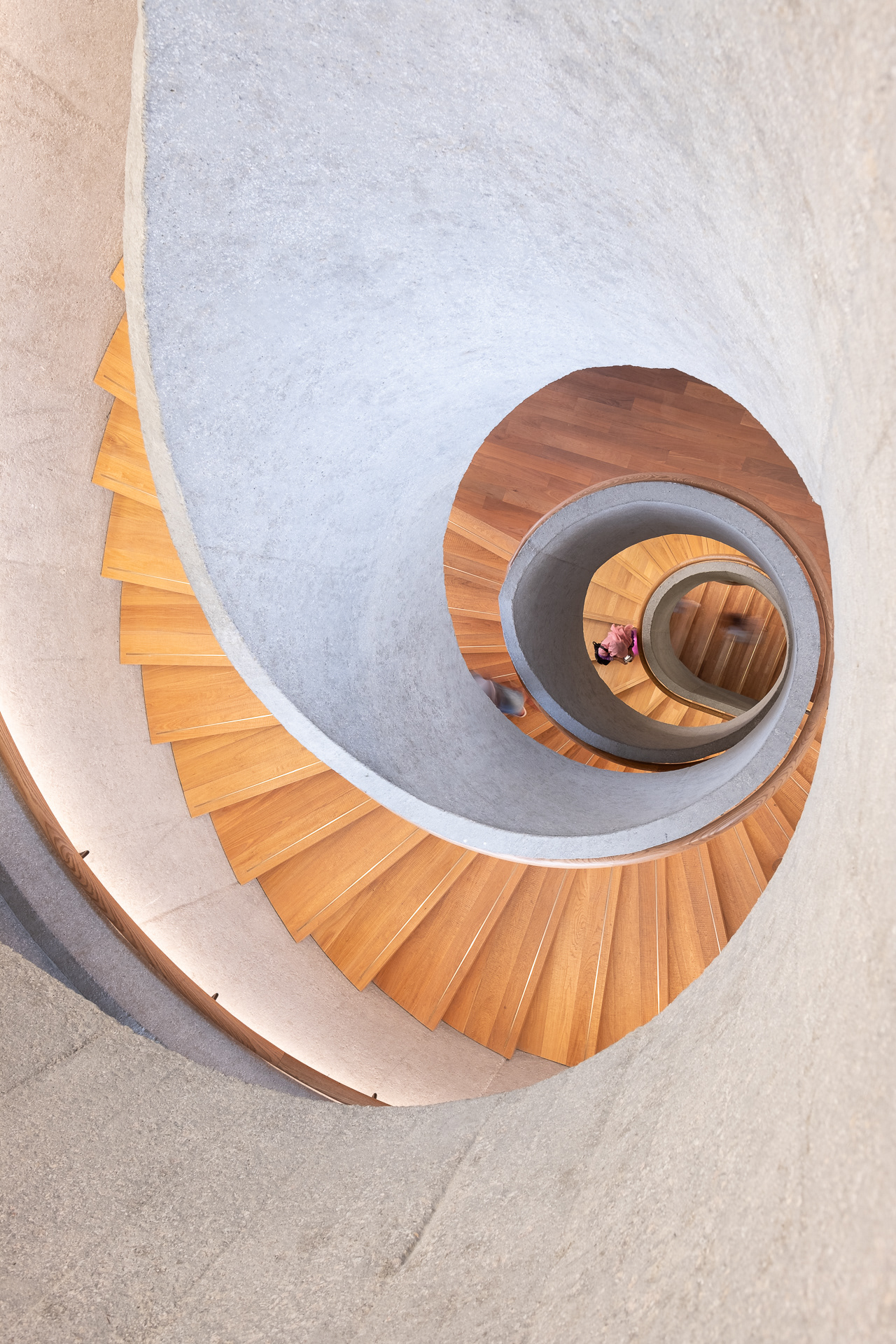
Tai Twun Museum, Hong Kong - Fujifilm X-Pro2
Tai Twun Museum, Hong Kong - Fujifilm X-Pro2
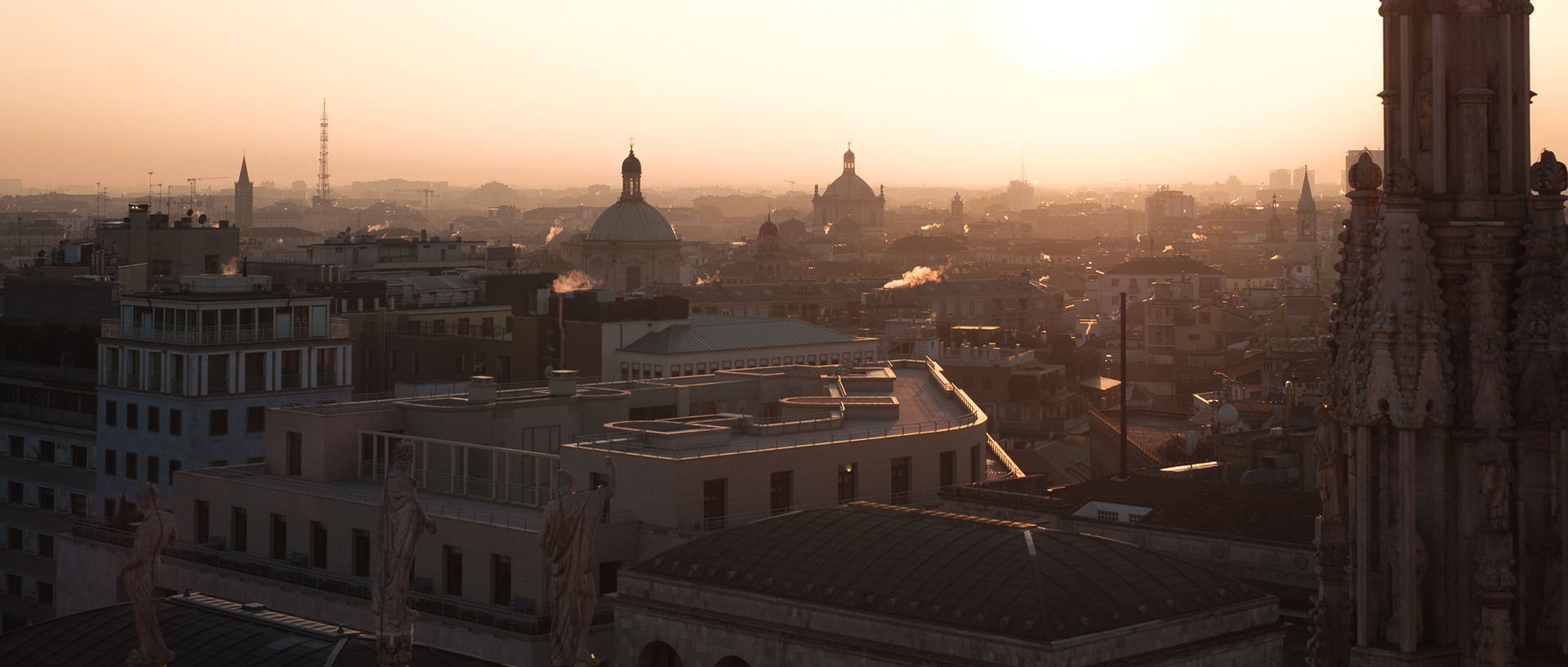
Milan - Fujifilm X-Pro2 + XF35mm F/1.4
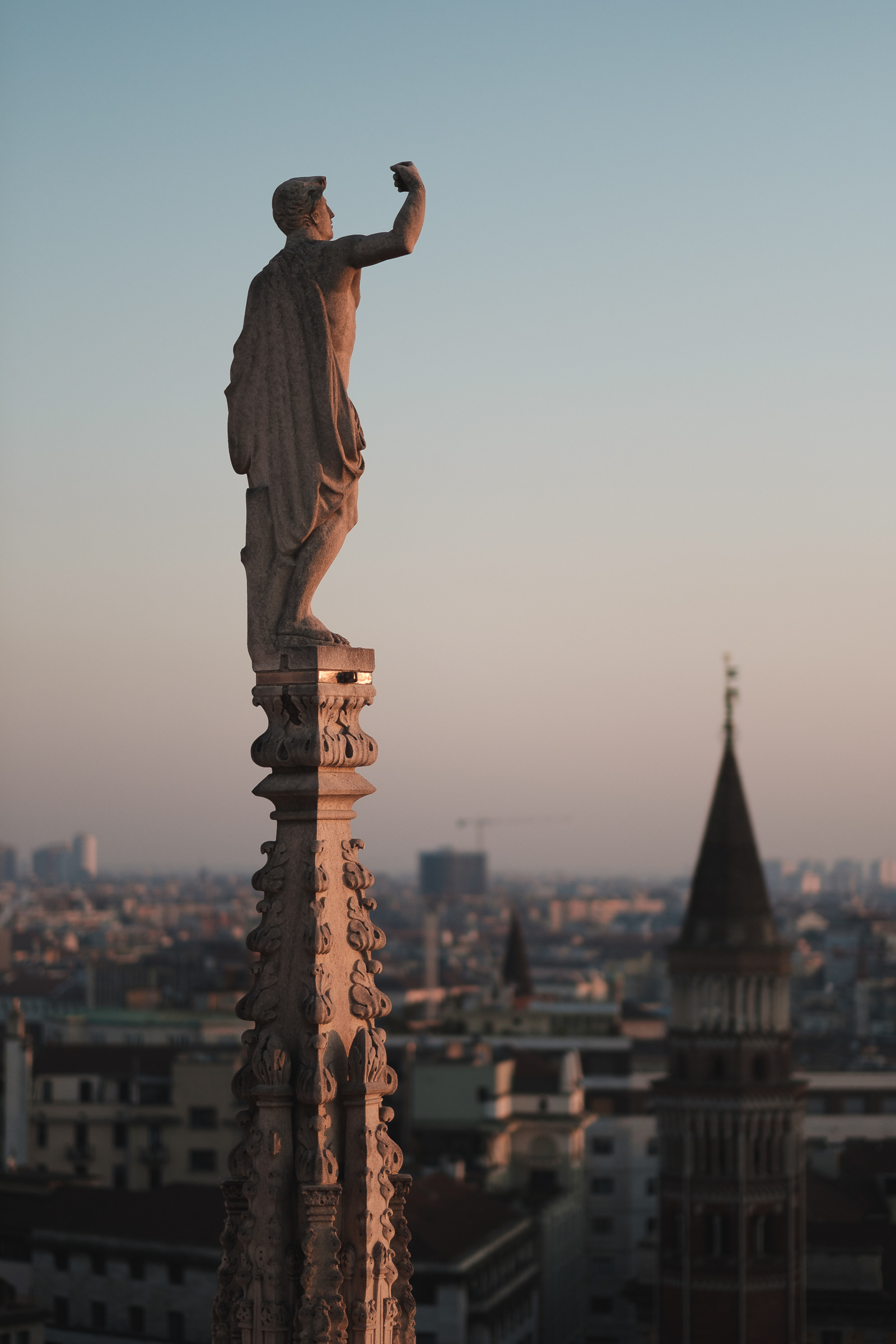
Milan - Fujifilm X-Pro2 + XF56mm F/1.2
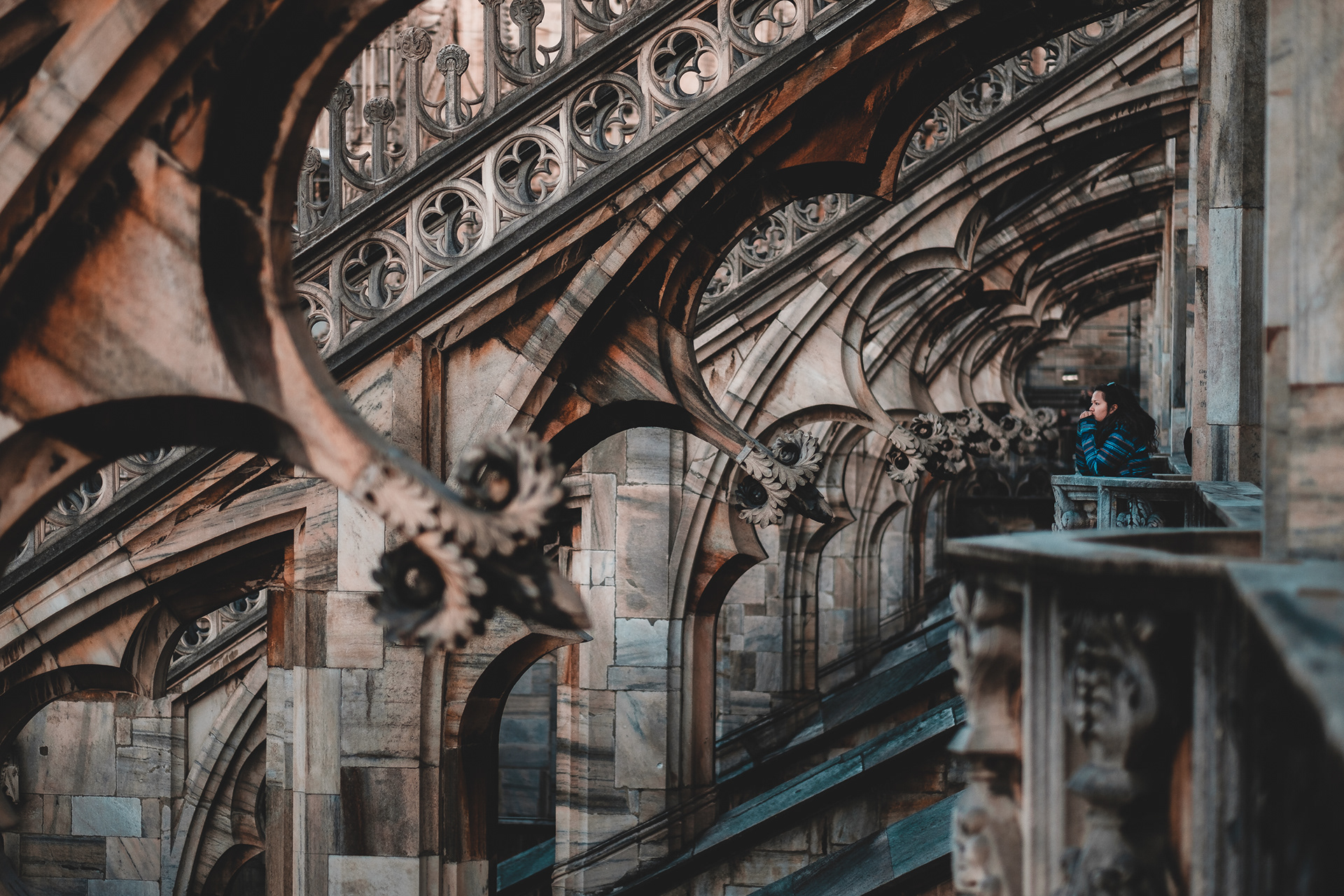
Milan - Fujifilm X-Pro2 + XF56mm F/1.2
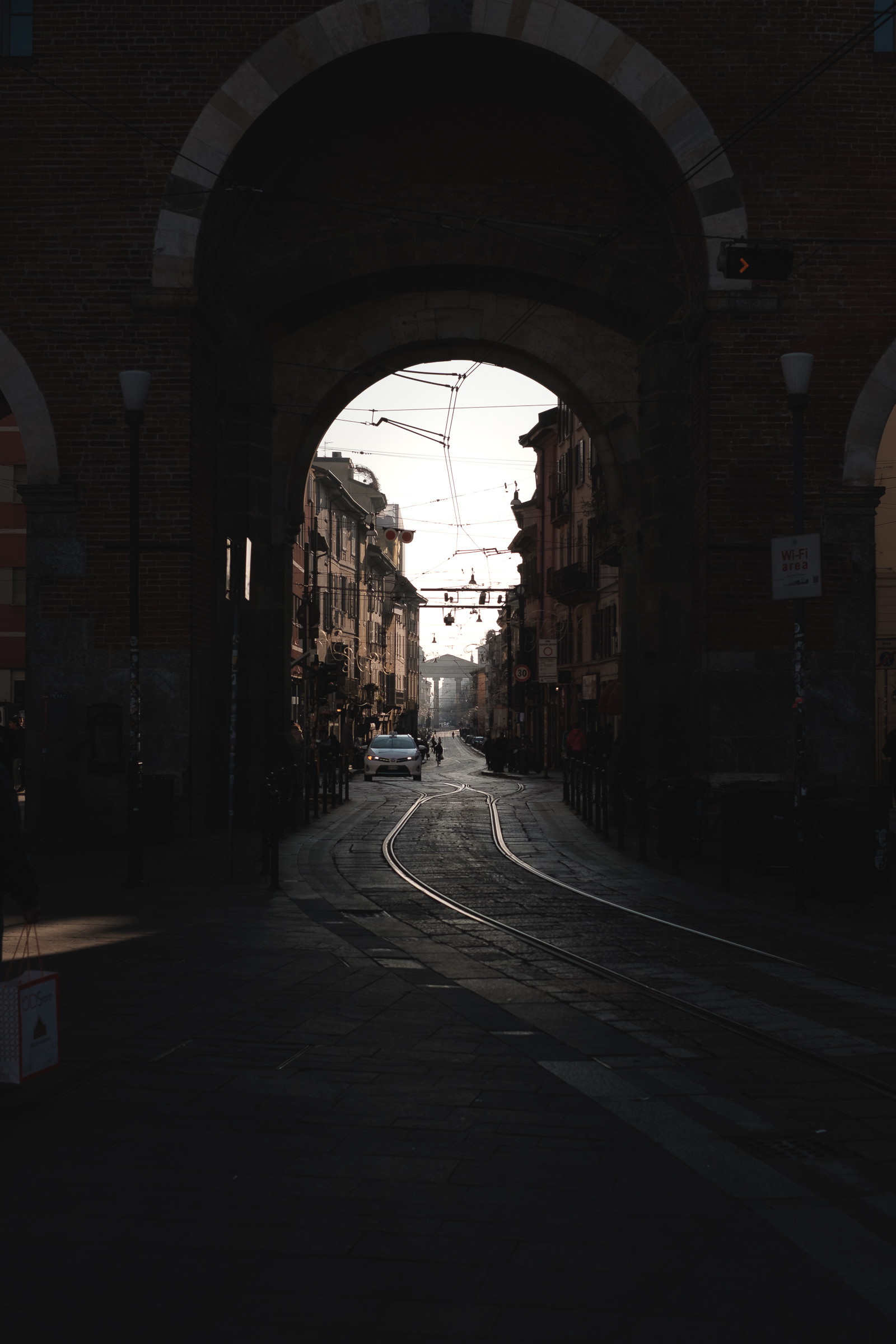
Milan - Fujifilm X-Pro2 + XF35mm F/1.4
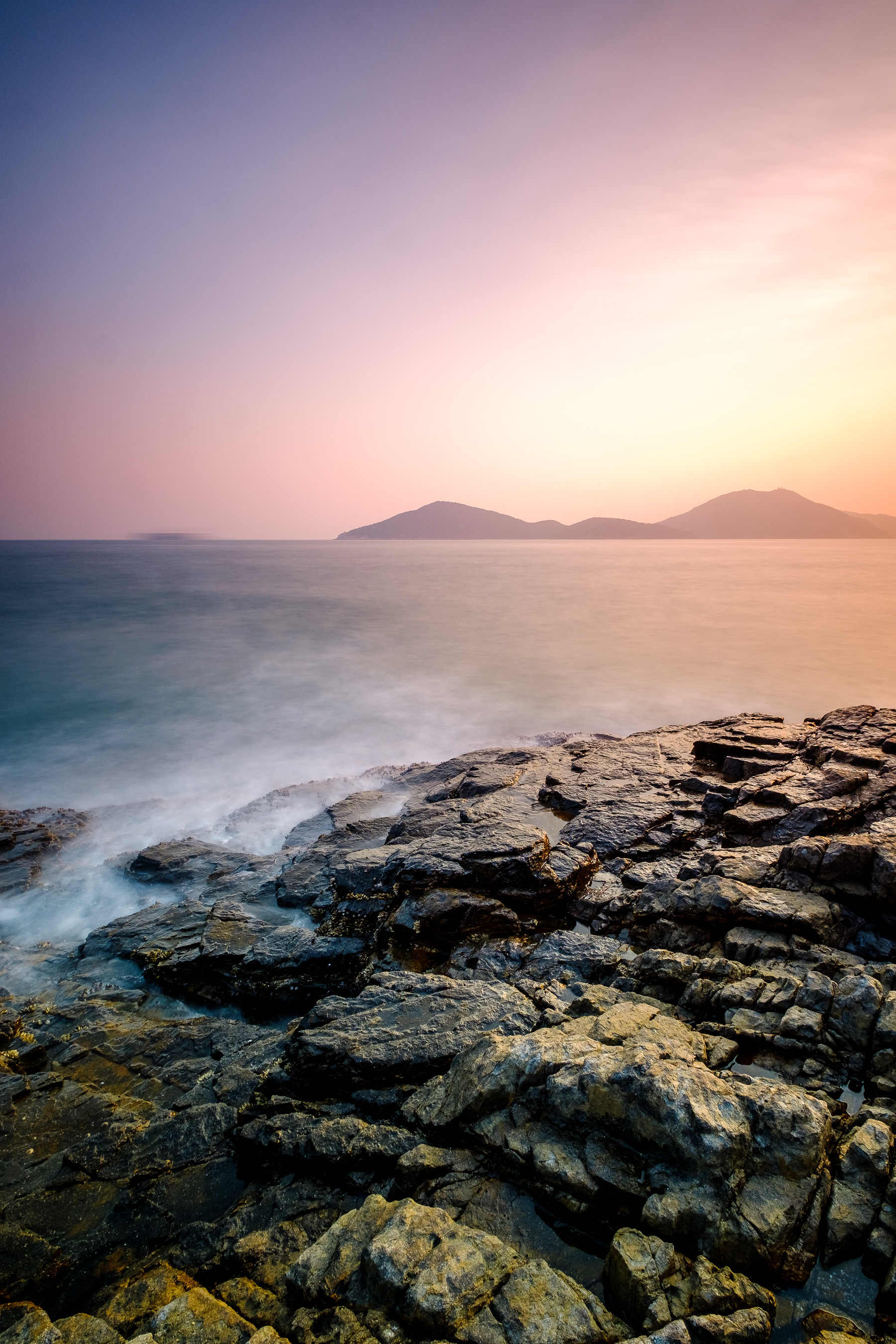
Hong Kong - Fujifilm X-Pro2
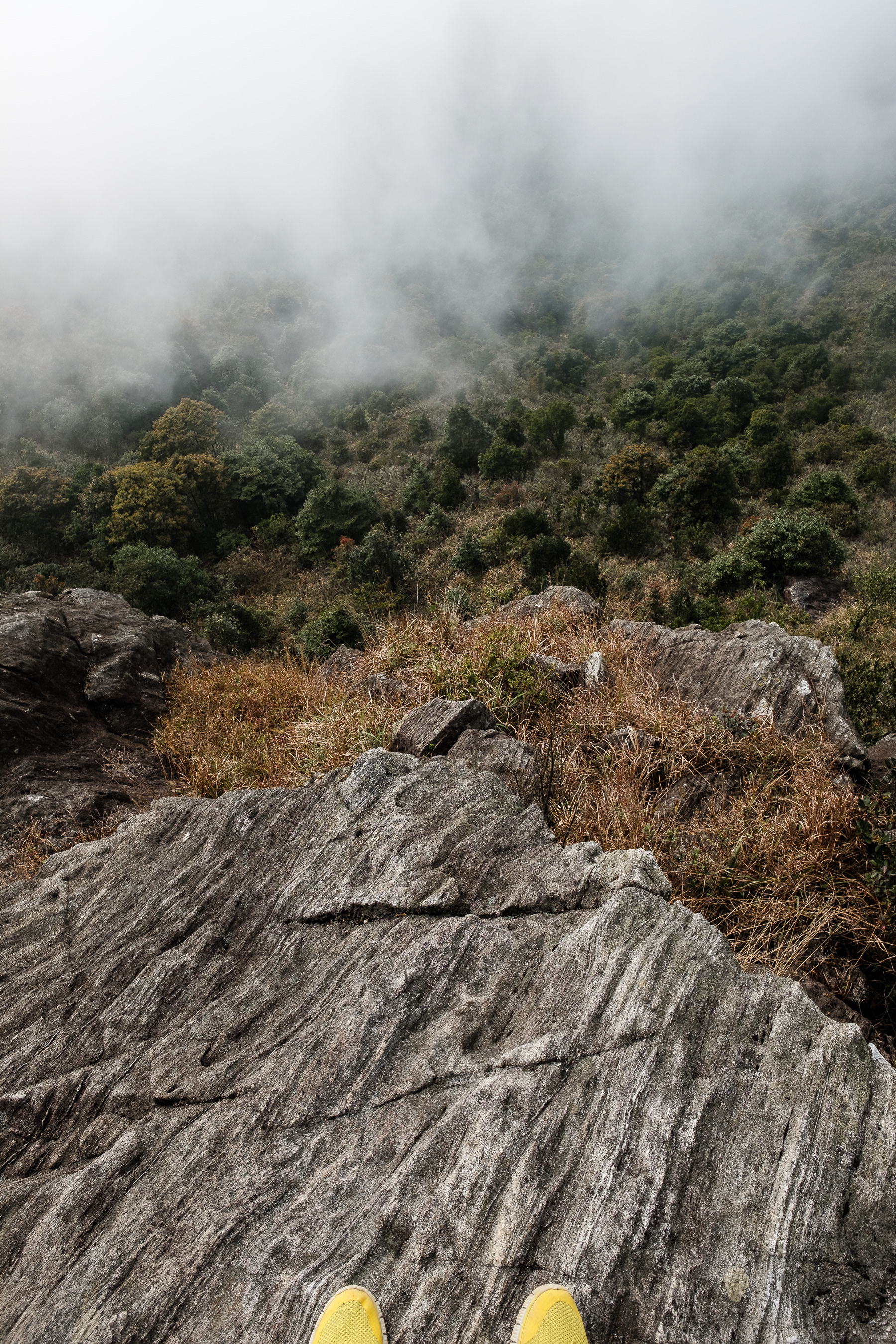
Hong Kong - Fujifilm X-Pro2
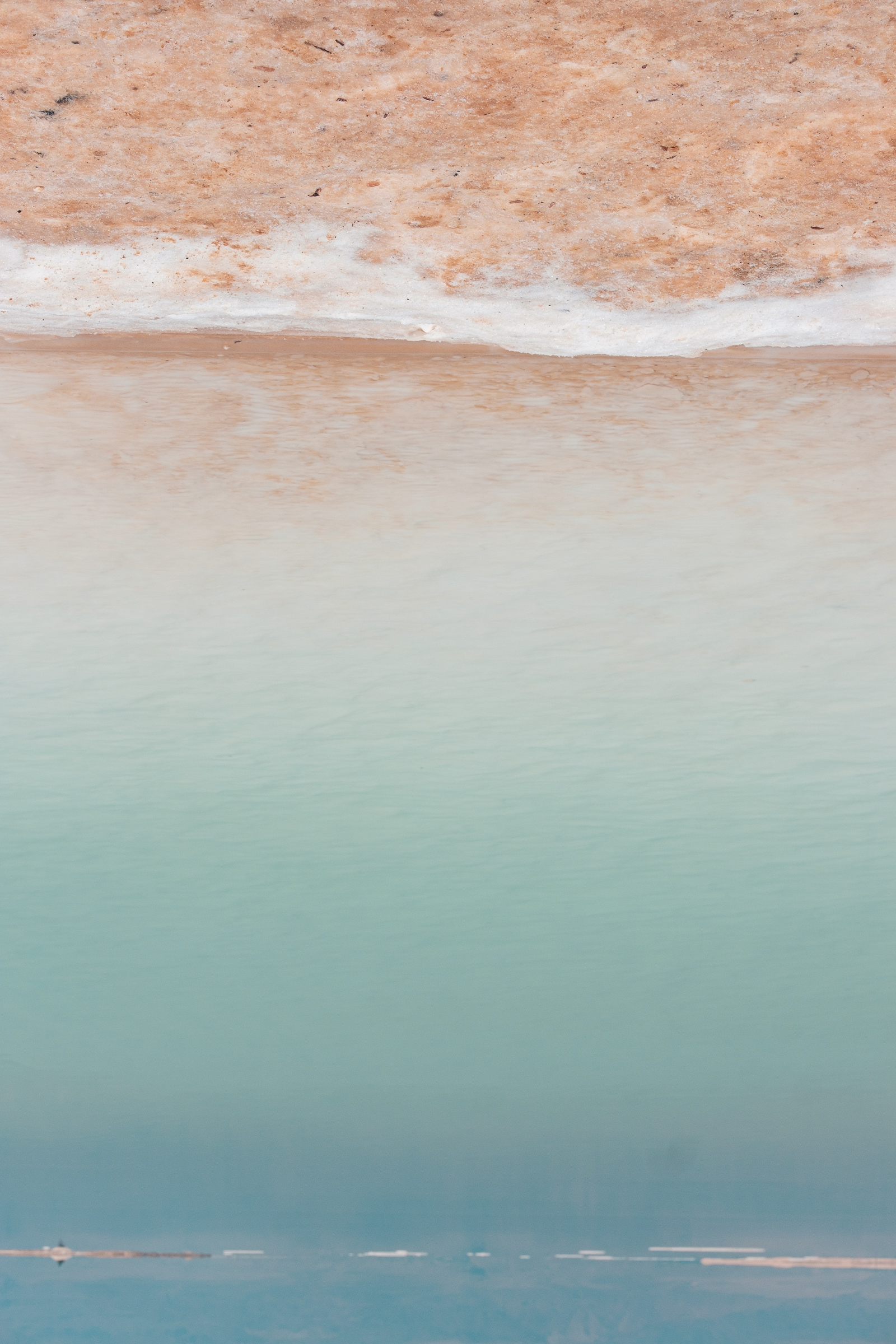
Dead Sea - Fujifilm X-Pro2
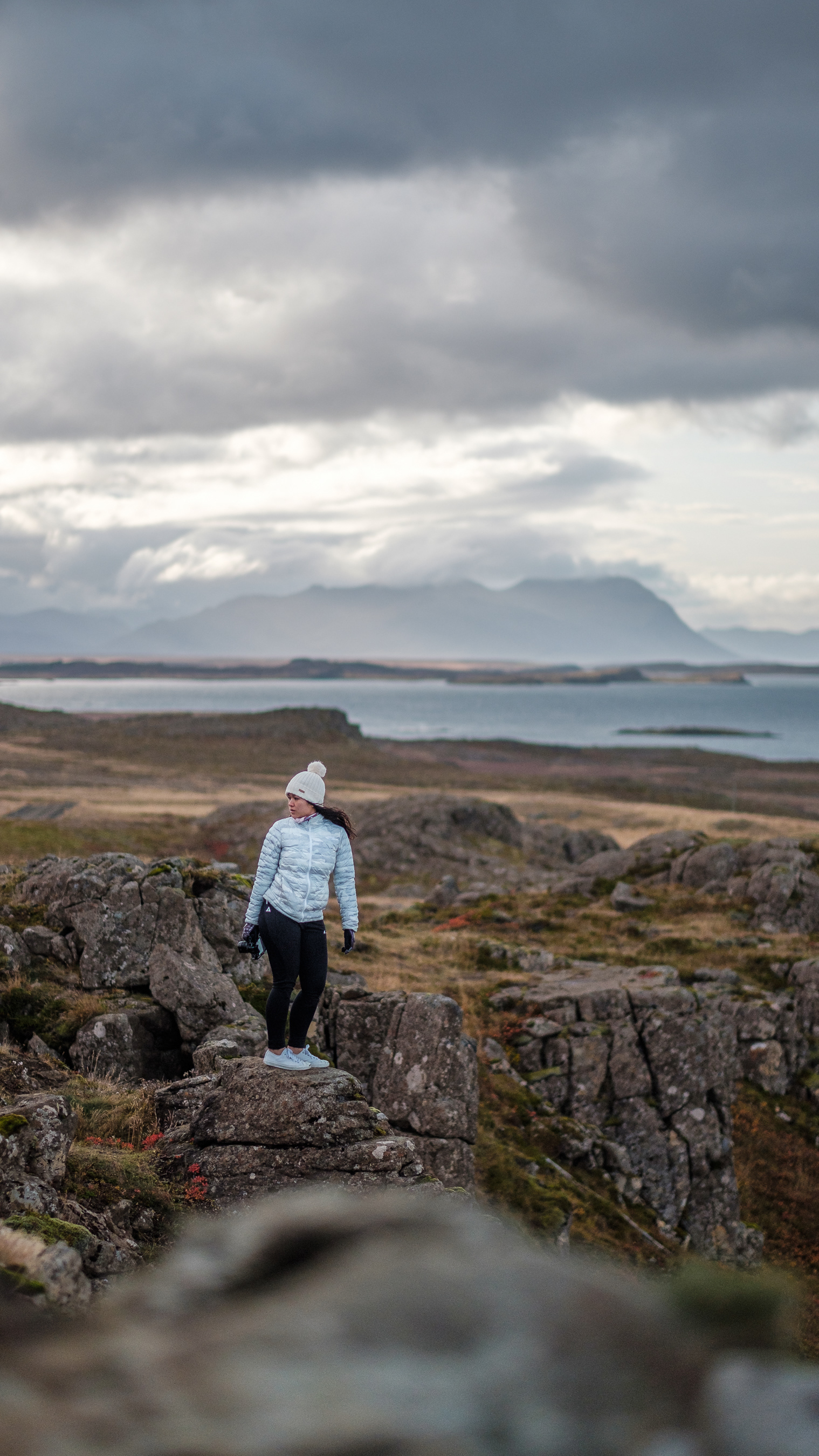
Iceland - Fujifilm X-Pro2
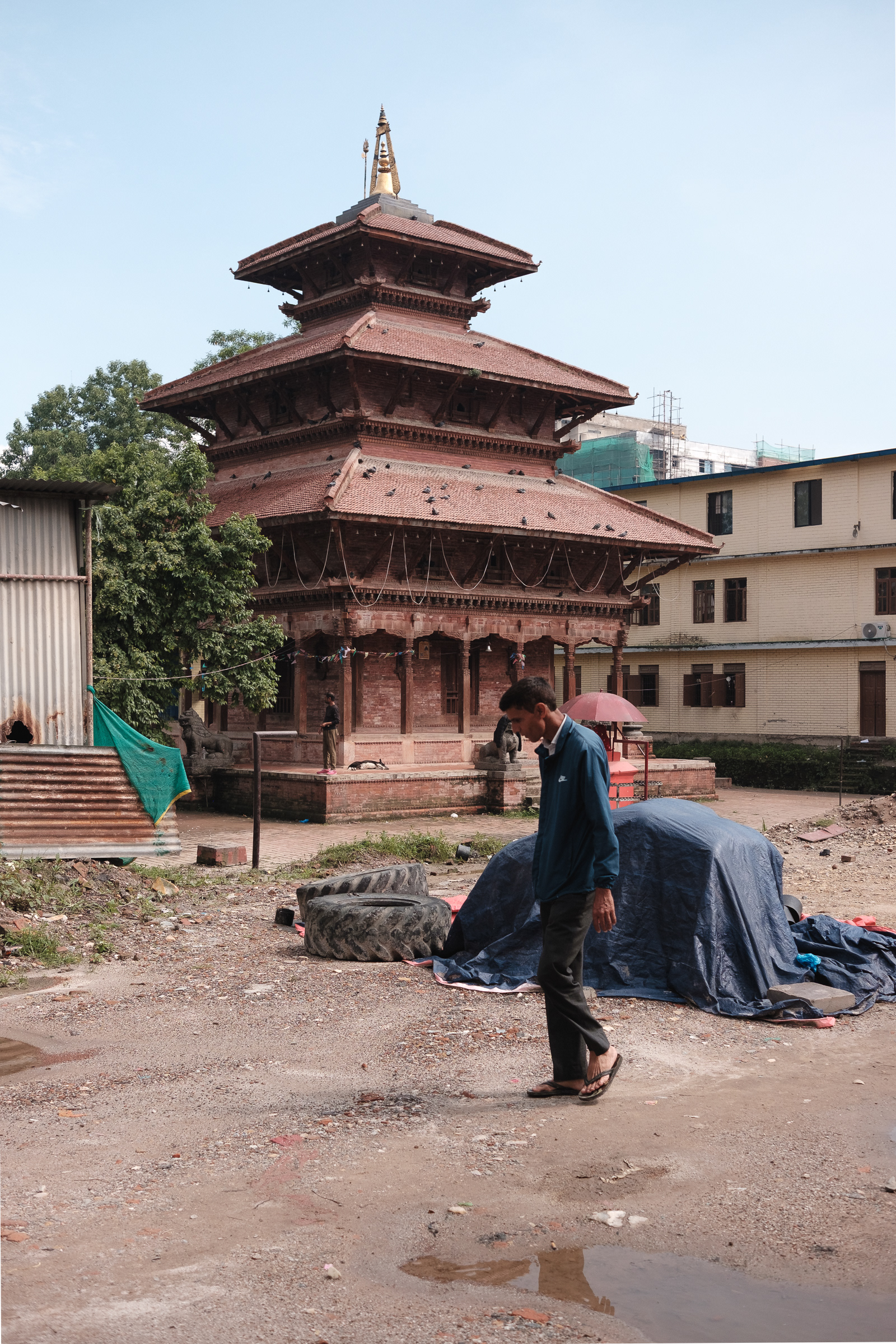
Nepal - Fujifilm X-Pro2 + XF27mm F/2.8
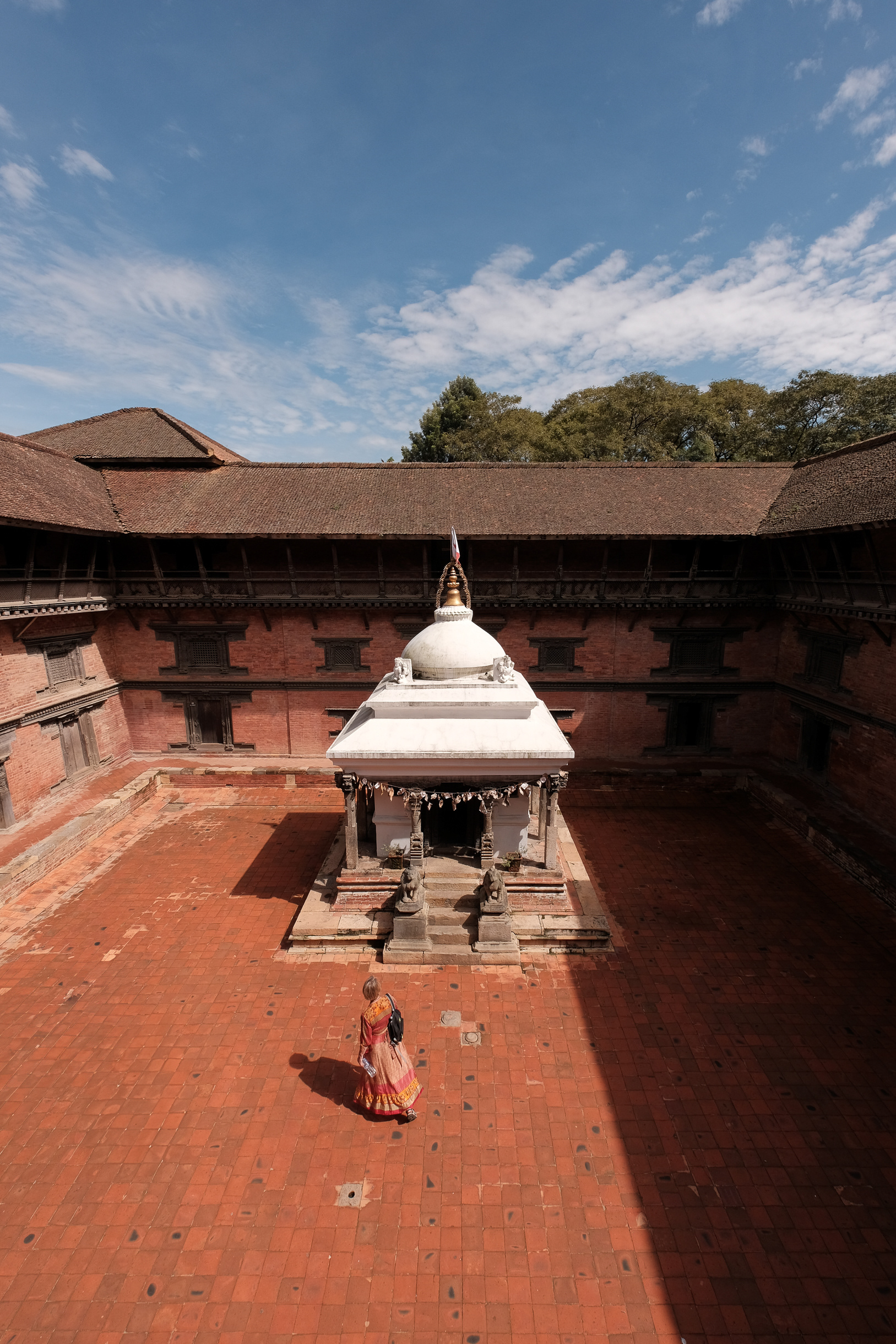
Nepal - Fujifilm X-Pro2 + Sigma 10-18mm F/2.8
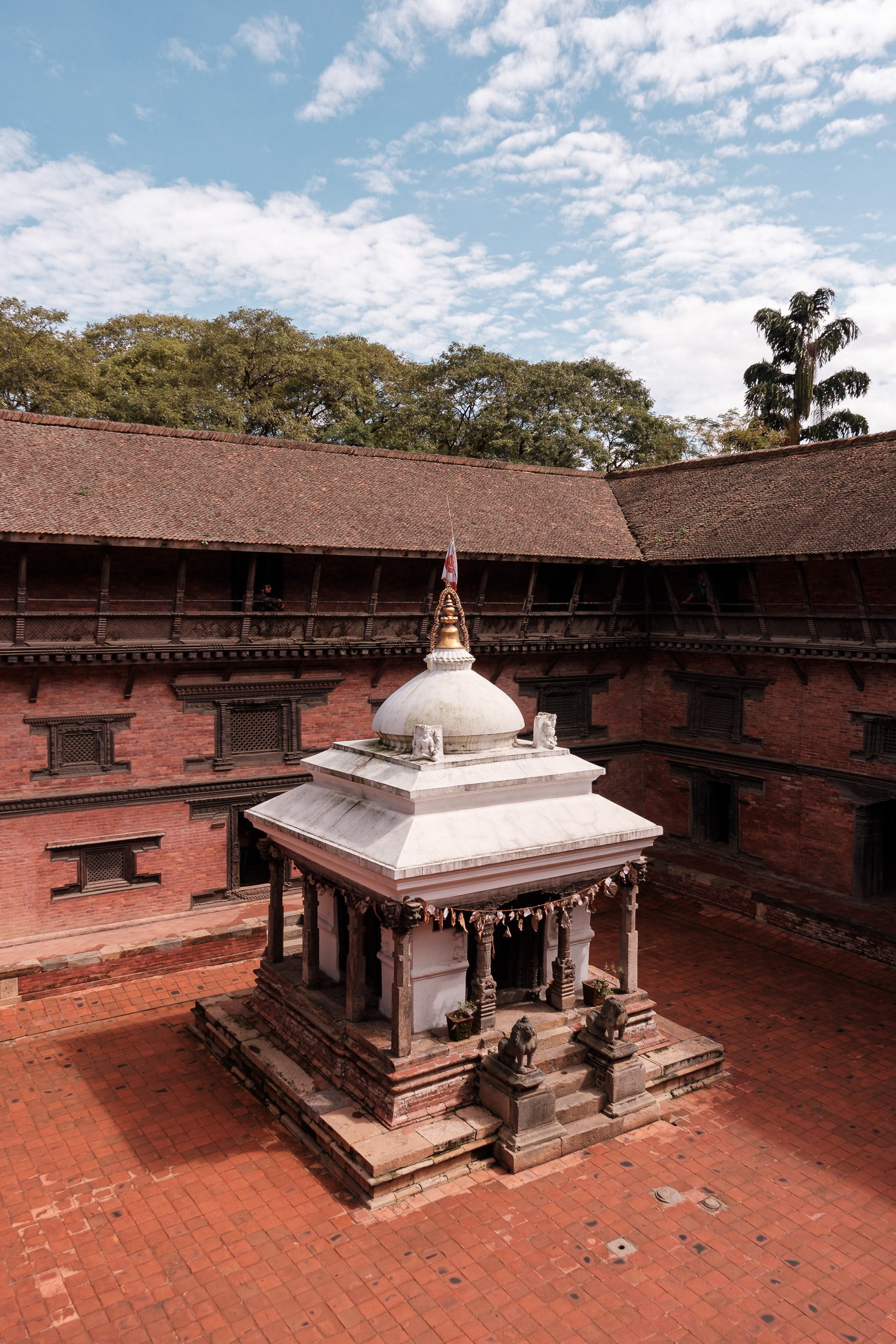
Nepal - Fujifilm X-Pro2 + Sigma 10-18mm F/2.8
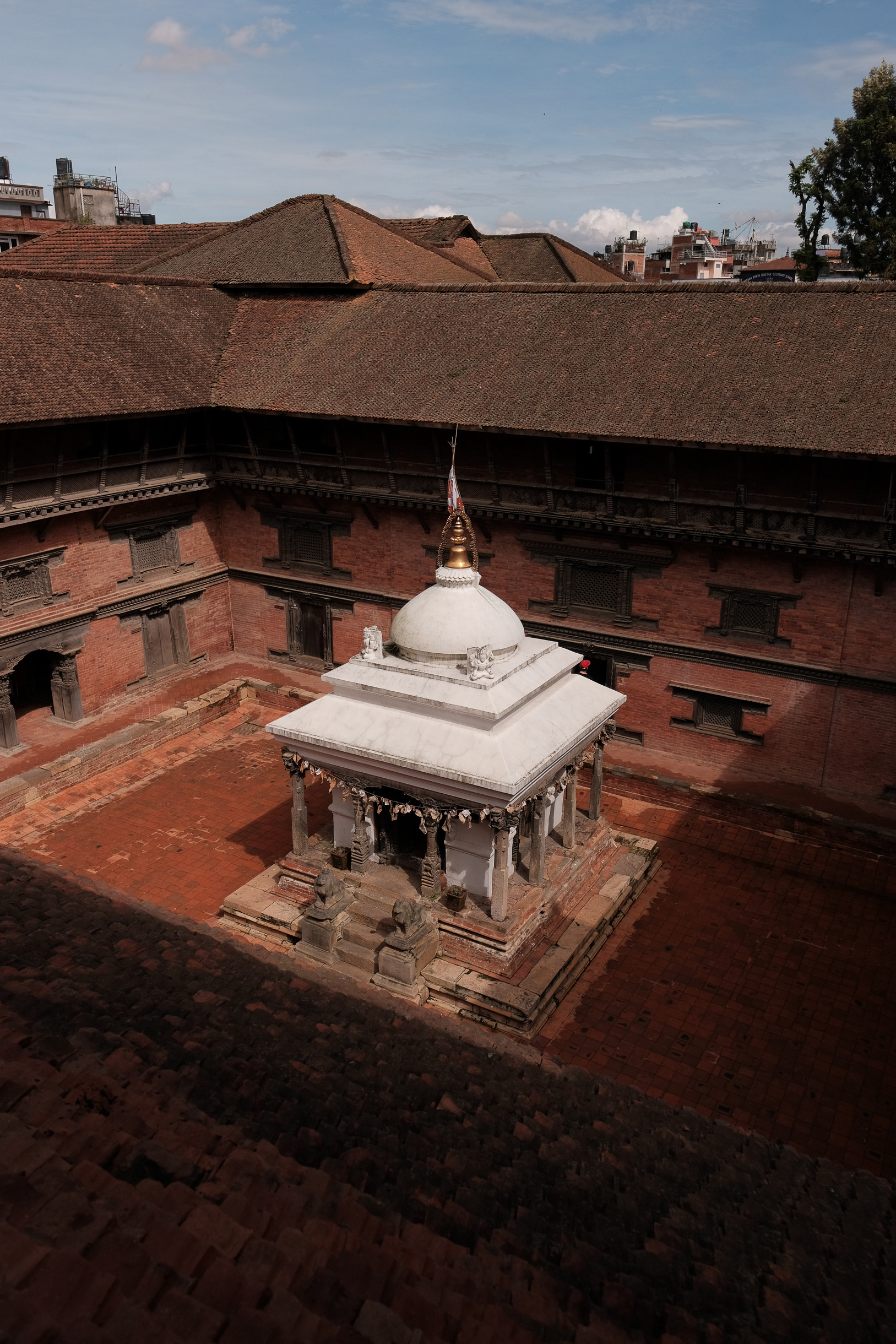
Nepal - Fujifilm X-Pro2 + Sigma 10-18mm F/2.8
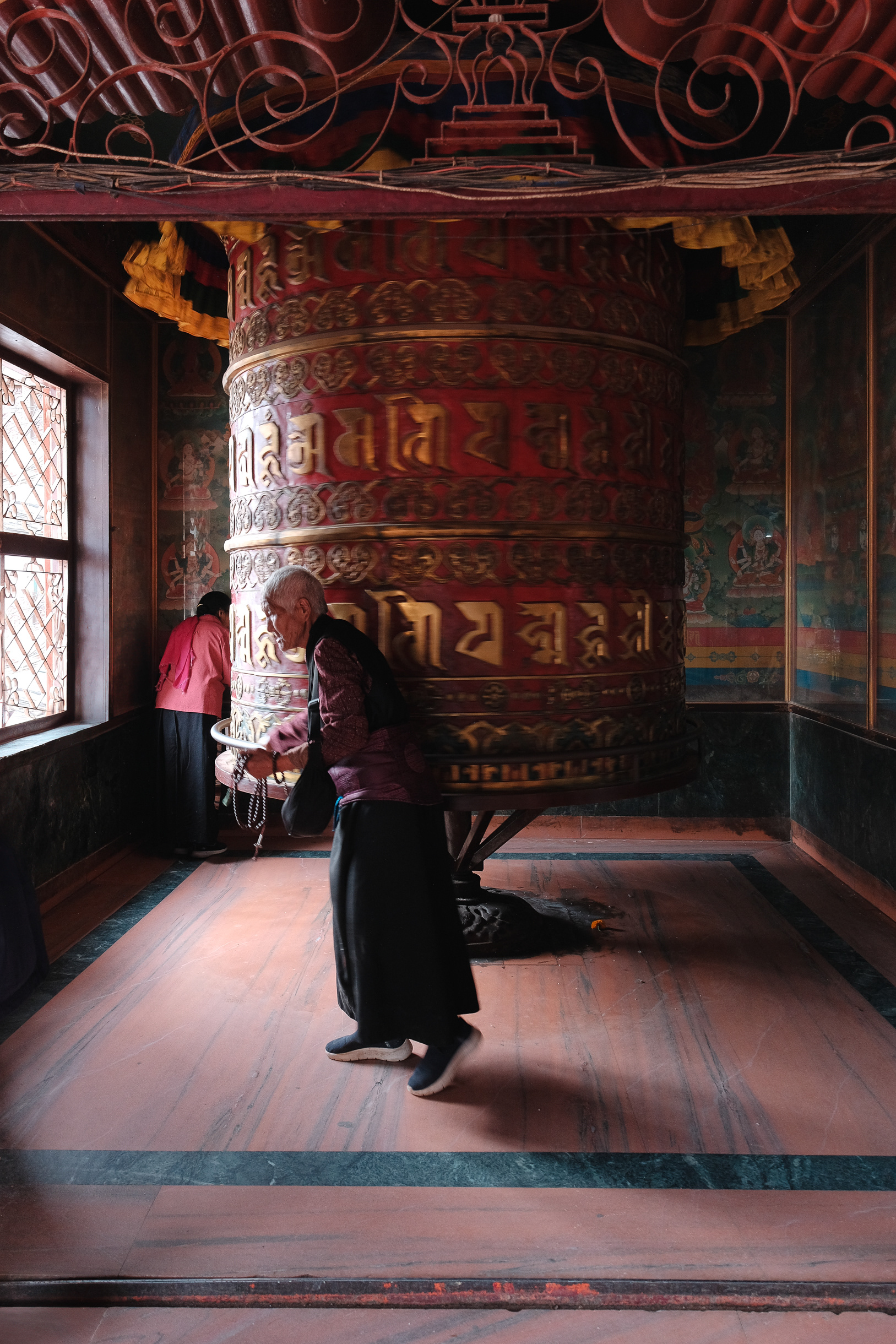
Nepal - Fujifilm X-Pro2 + Sigma 10-18mm F/2.8
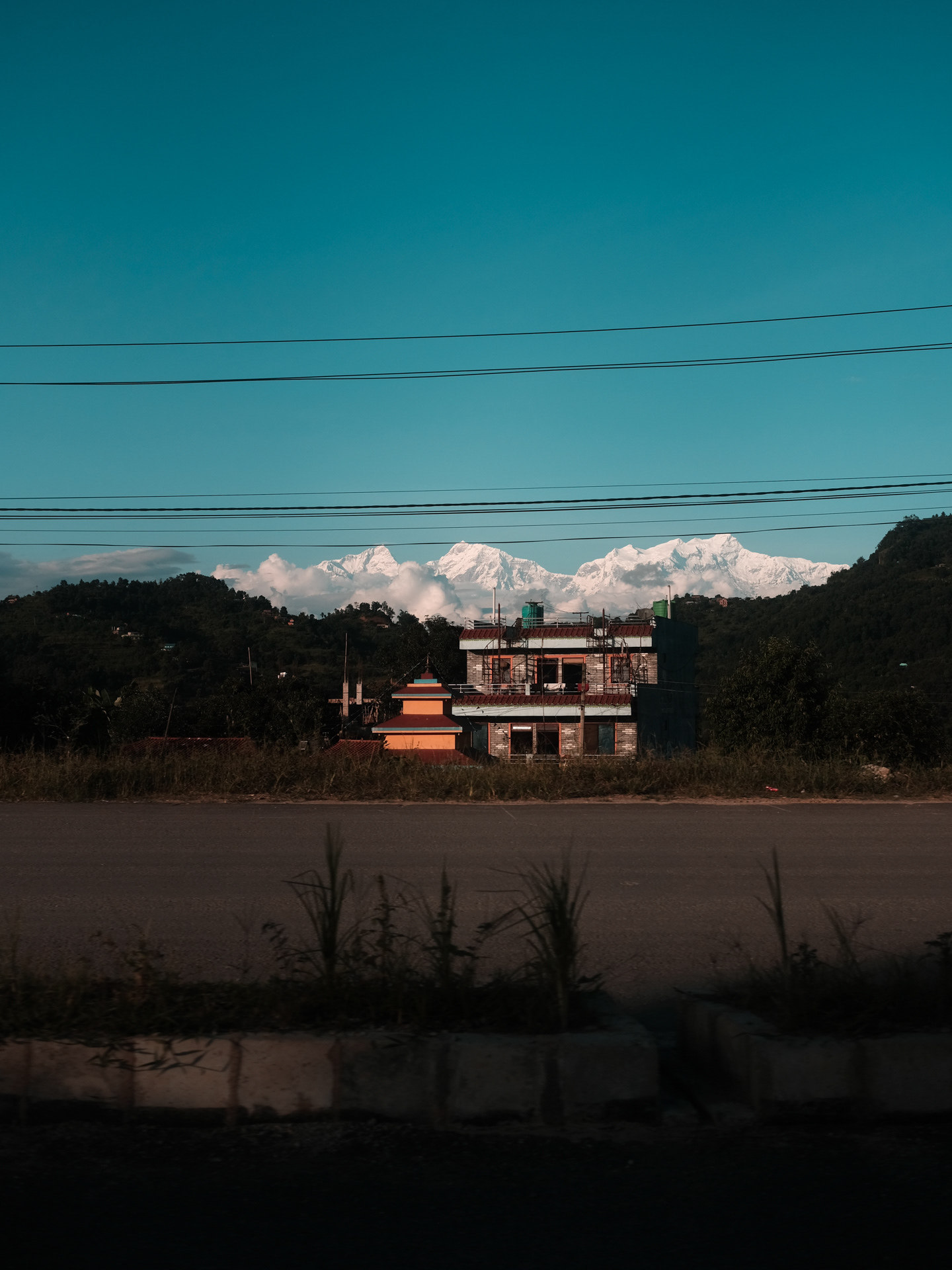
Nepal - Fujifilm X-Pro2 + XF27mm F/2.8
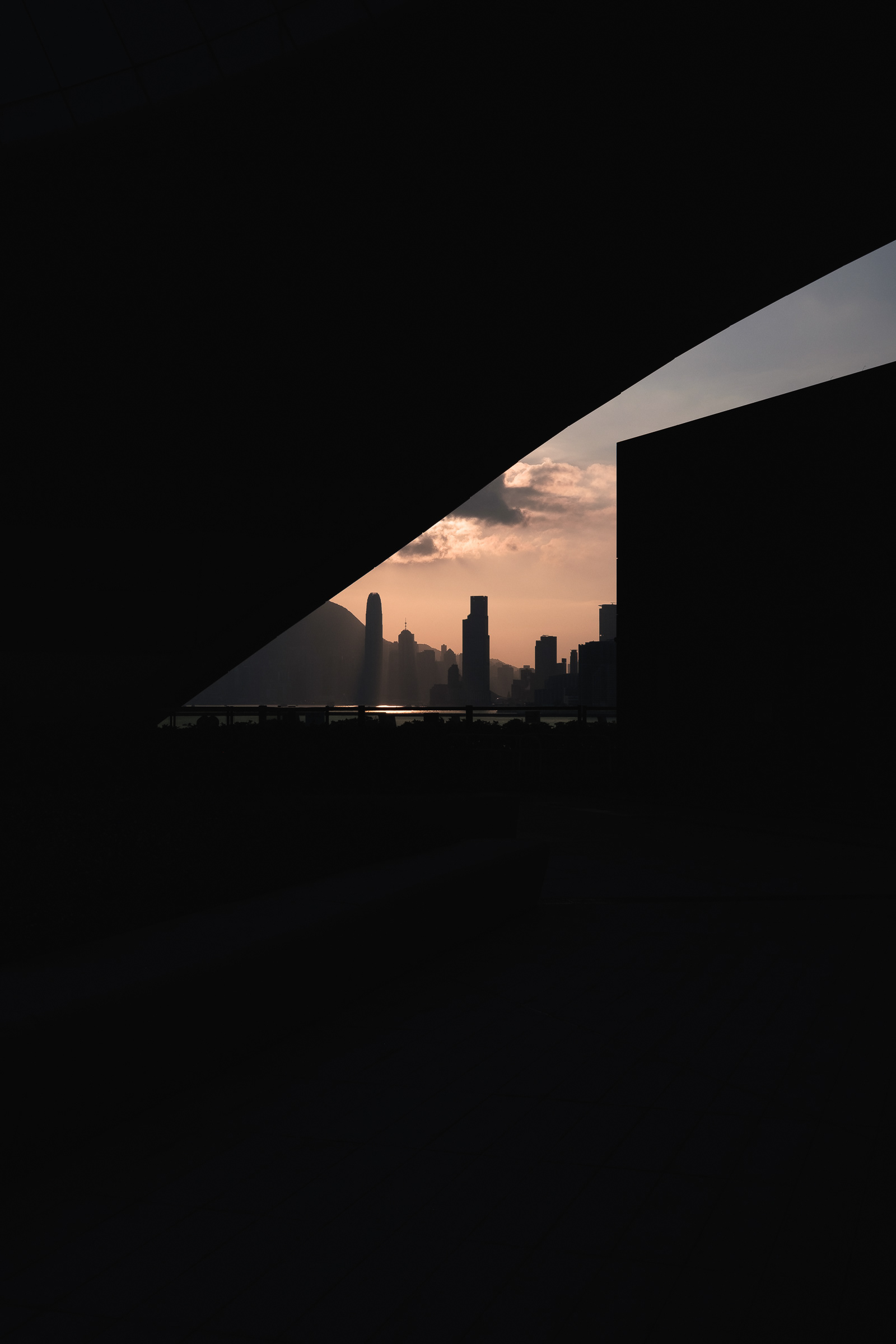
Hong Kong - Fujifilm X-Pro2
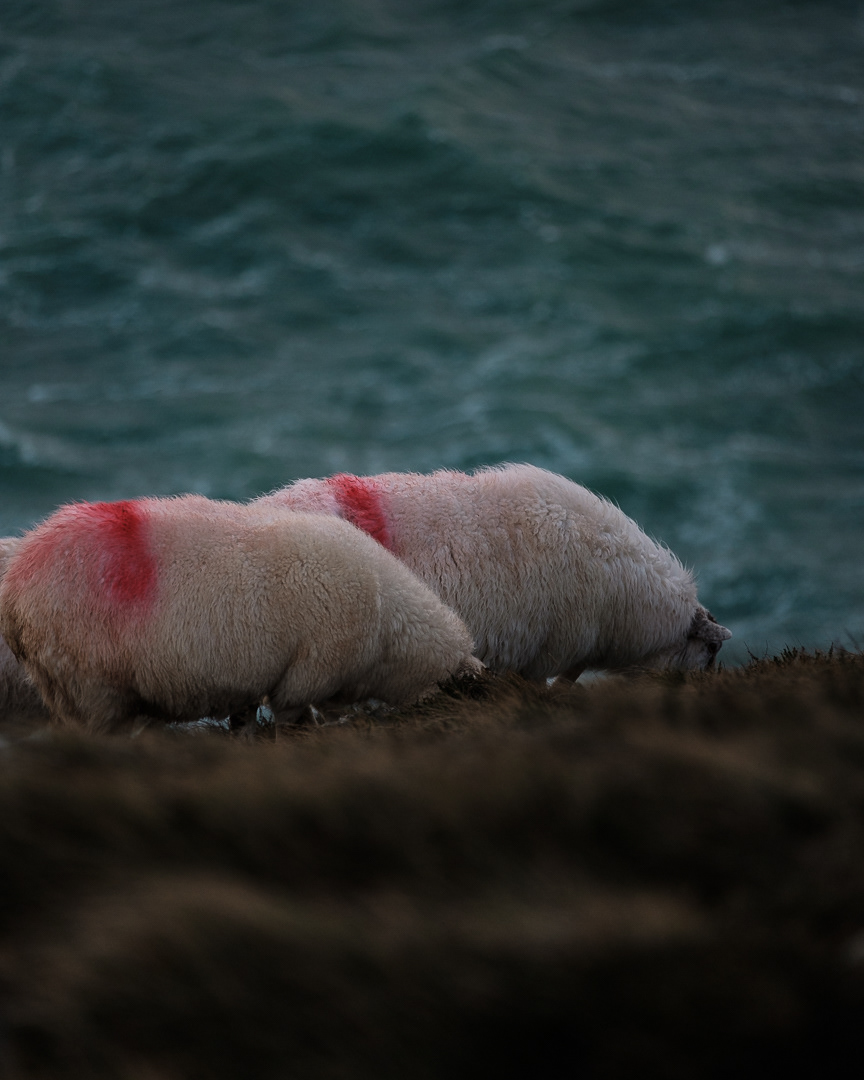
Ireland - Fujifilm X-Pro2