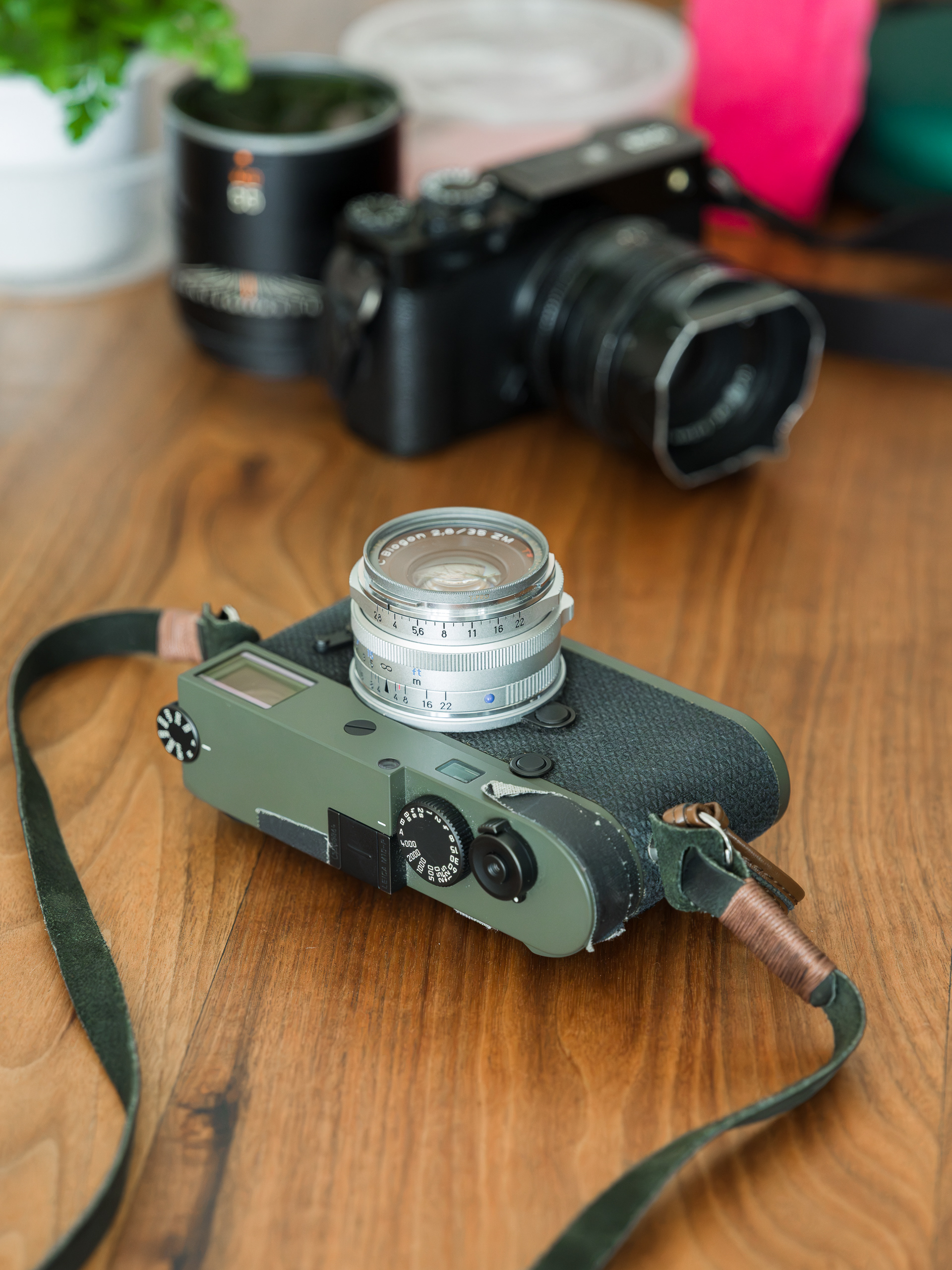
Leica M10-P Reporter + Zeiss C Biogon 35mm f/2.8
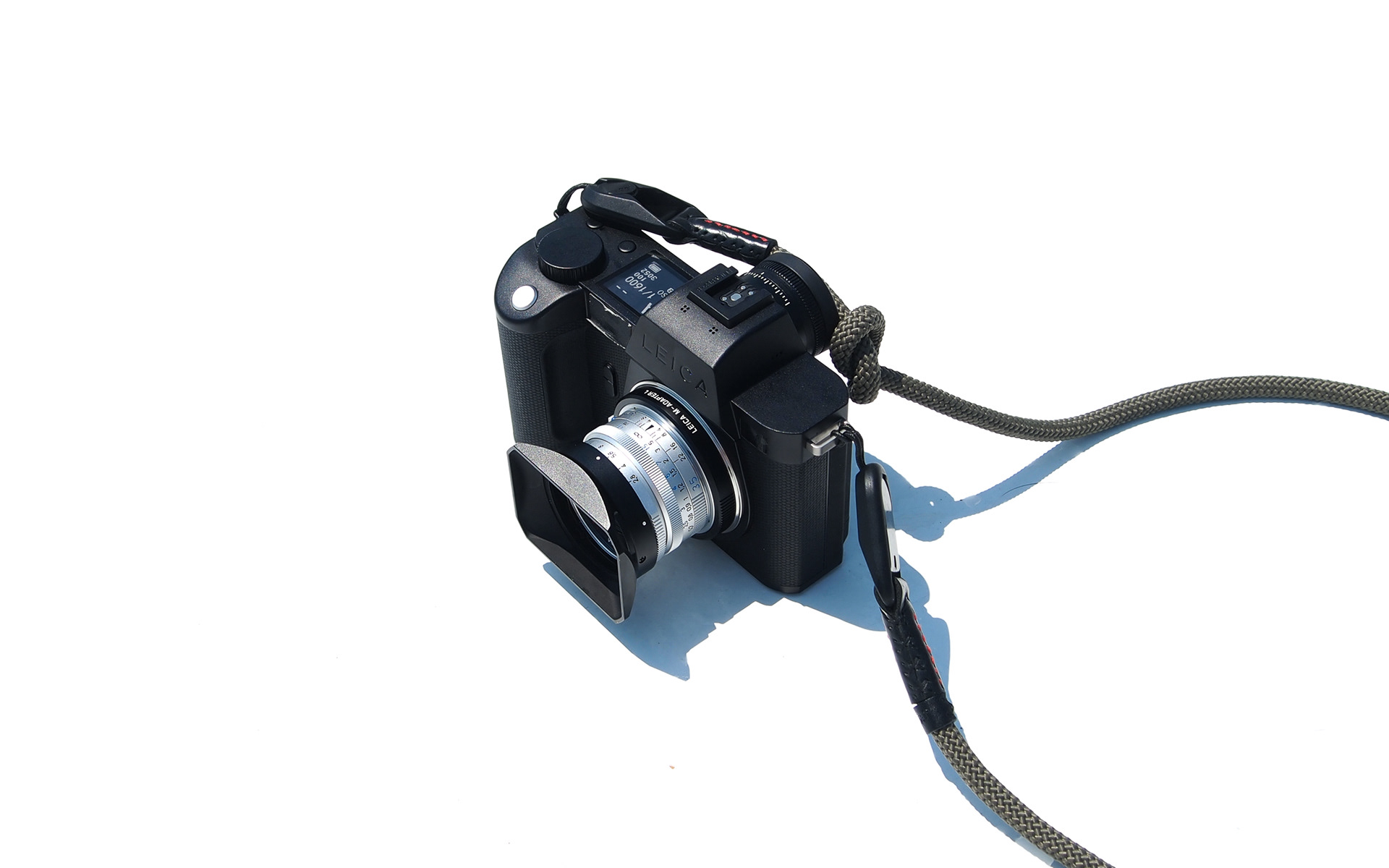
Zeiss C Biogon 35mm F/2.8 + Leica SL2-S
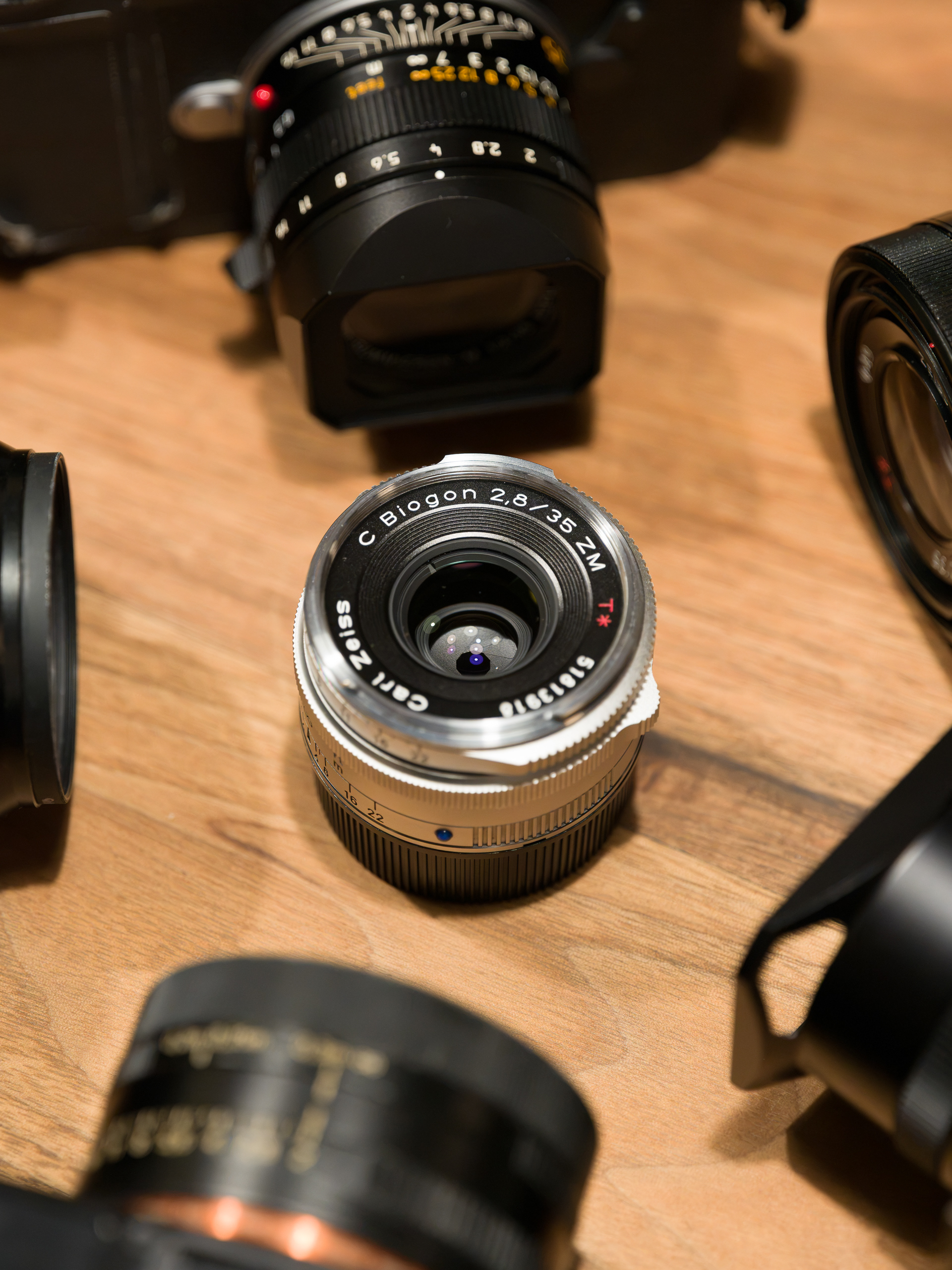
Zeiss C Biogon 35mm F/2.8
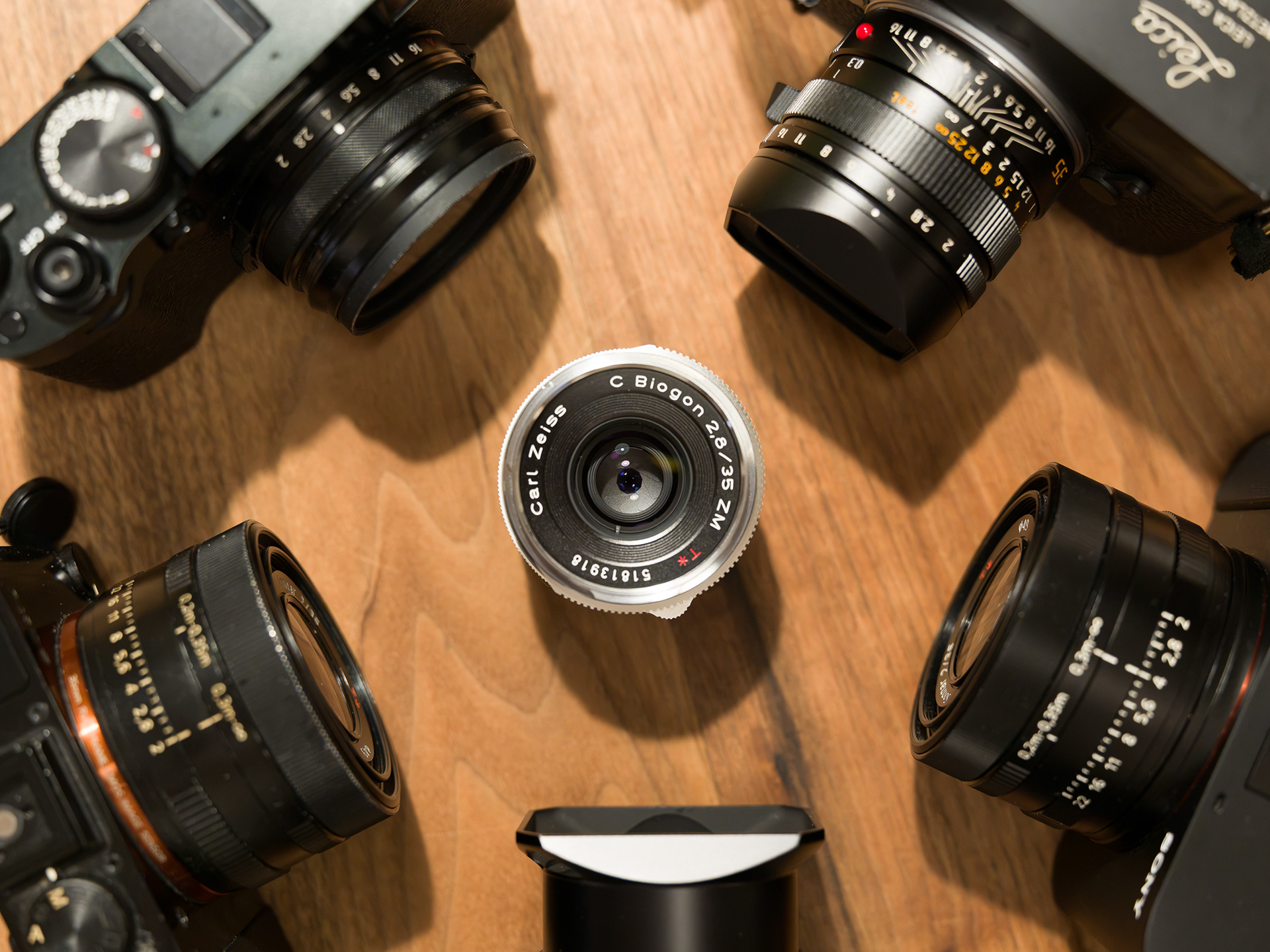
Zeiss C Biogon 35mm F/2.8
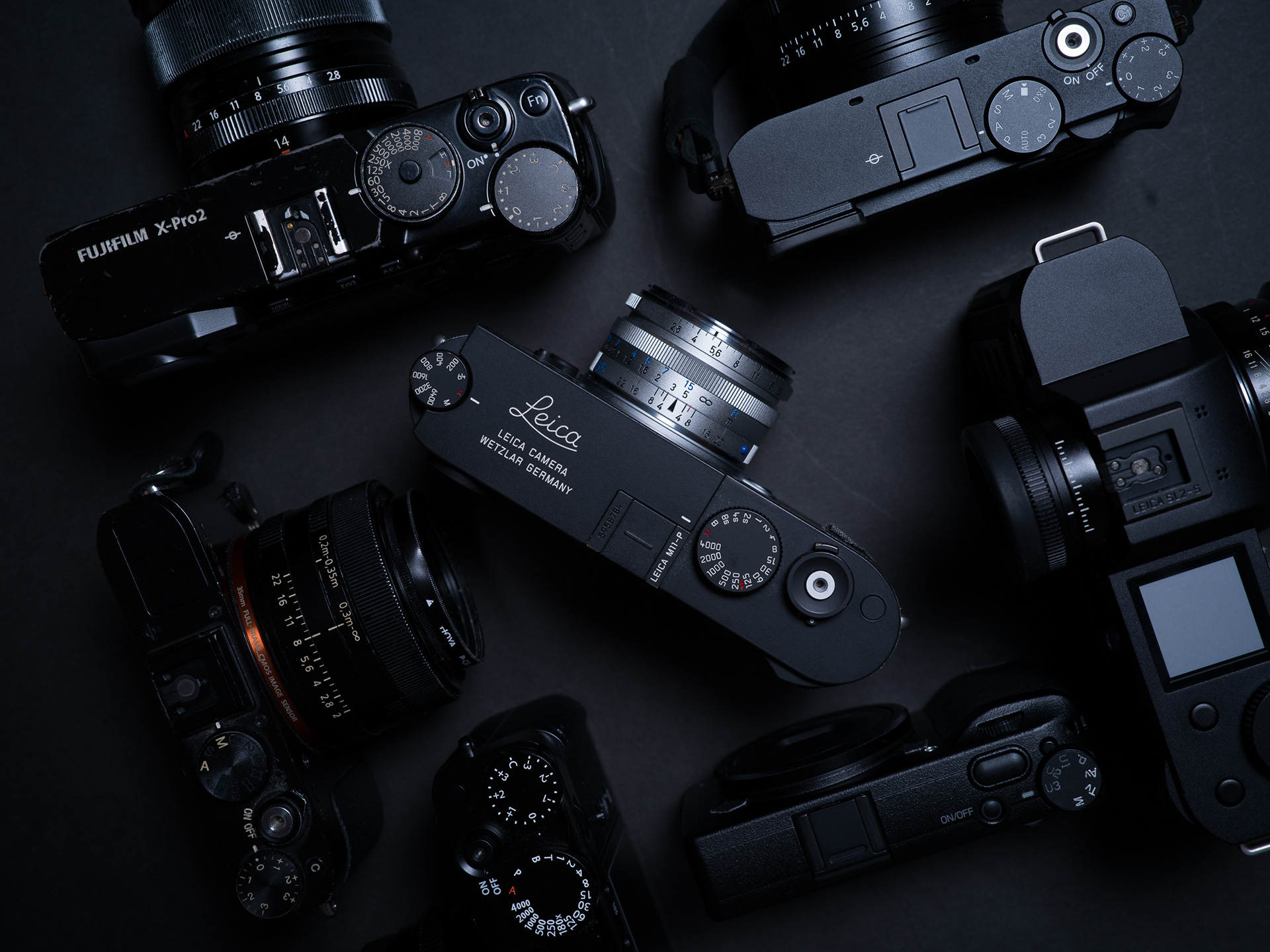
Zeiss C Biogon 35mm F/2.8 + Leica M11-P
The Quintessential Street & Travel Lens
In the world of M-mount rangefinder lenses, Leica often steals the spotlight. But for those who know their stuff, Zeiss Ikon’s ZM lineup offers a fantastic alternative, delivering a unique “Zeiss look” with often unmatched mechanical and optical quality. Among these gems, the Zeiss C Biogon T* 2.8/35mm ZM really shines, not as a flashy, fast-aperture superstar, but as a near-perfect embodiment of a specific philosophy: clinical sharpness, flawless distortion control, and a compact, everyday feel.
This lens is a modern take on the classic Biogon design and has become a cult favourite as one of the sharpest 35mm lenses ever made for the Leica M mount. Let’s explore what makes it so special!
Why this lens?
I’ve always been a Zeiss fan, and it just happened naturally. My first encounter was with the Sony A7R system and the Zeiss FE 55mm f1.8 ZA. Back then, it wasn’t the Zeiss name that caught my eye, but the fact that the FE 55mm Sonnar lens was supposed to be amazing. And it was!
Next, I tried the Zeiss C Sonnar 1.5/50mm ZM for Leica M-mount, which I adapted onto the A7R for a super compact and light setup. It was a fantastic combination and a personal favourite. I’ve owned this lens for over 13 years now.
My third experience was with the Zeiss Sonnar 35mm f2 in the Sony RX1, [my review here] another great lens with optical quality and character. That camera was one of my all-time favourites, and I used it for 10 years straight before upgrading to the newly released RX1R III this year—with yet another Zeiss Sonnar lens attached to it.
So, as you can see, I trust Zeiss and their lens-making skills. When I saw Dave Herring’s YouTube video on the Zeiss C Biogon 2.8/35mm ZM and his glowing praise for its “medium format look” and quality, I was super intrigued. But there were a couple of things that caught my eye:
1. There aren’t many reviews of this lens online; why is that?
2. This lens is incredibly hard to find and buy; another why?
Okay, so here’s the scoop: I dove into the web for some info on this lens and found a supplier who had them brand-new (but in a different country). I snagged them when I flew into that town next. Apparently, they’re not allowed to sell or ship them across borders—another mystery I’m still trying to figure out.
So, was it worth it? After four months, I’ve taken it to eight countries, on countless trips, as my everyday carry, and snapped over 6,000 images. Here are my thoughts for anyone who might be interested in 2025 and beyond.
Hong Kong Streets
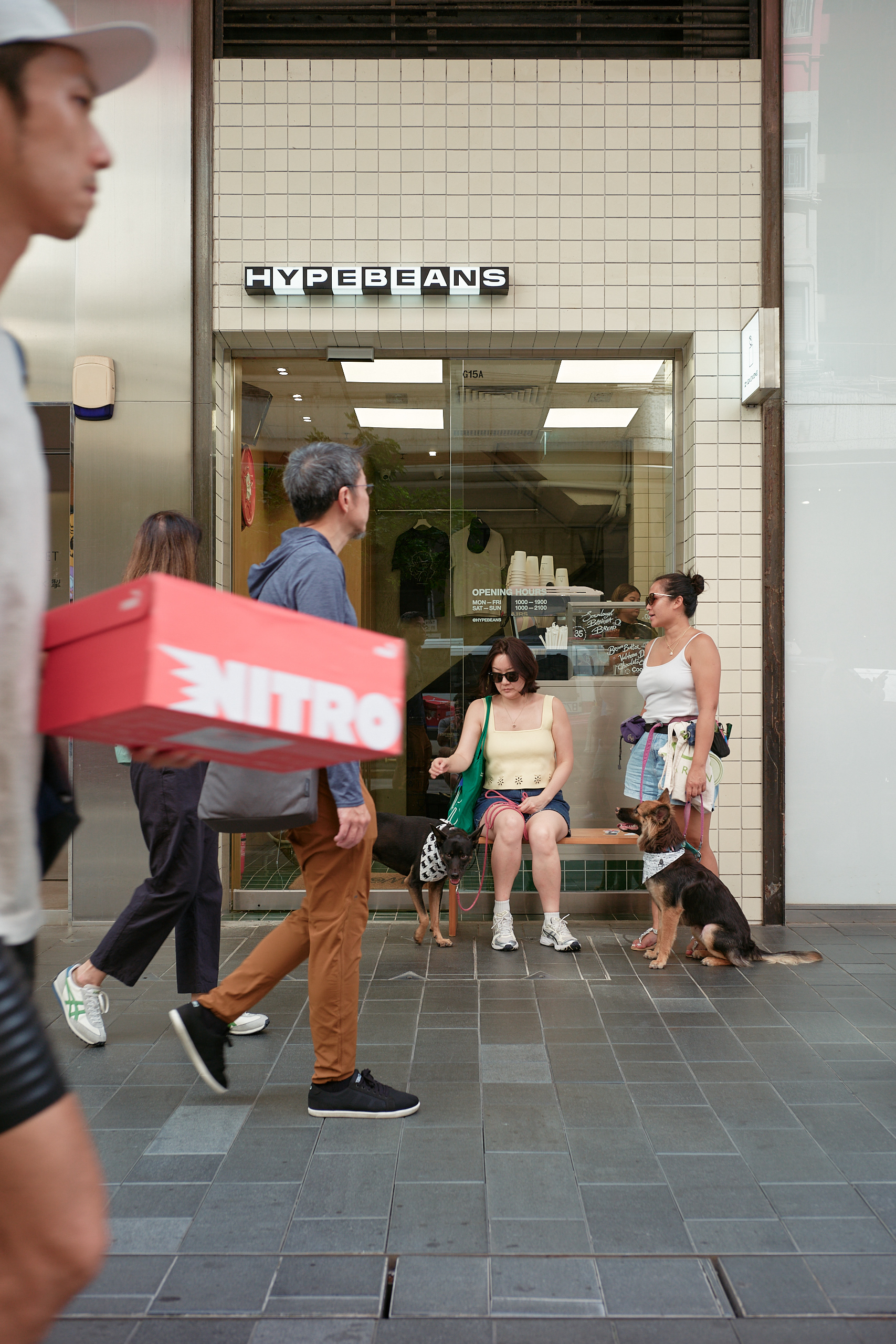
Hypebeans Causeway Bay, Hong Kong - M10-P Reporter + Zeiss C Biogon 35mm f/2.8
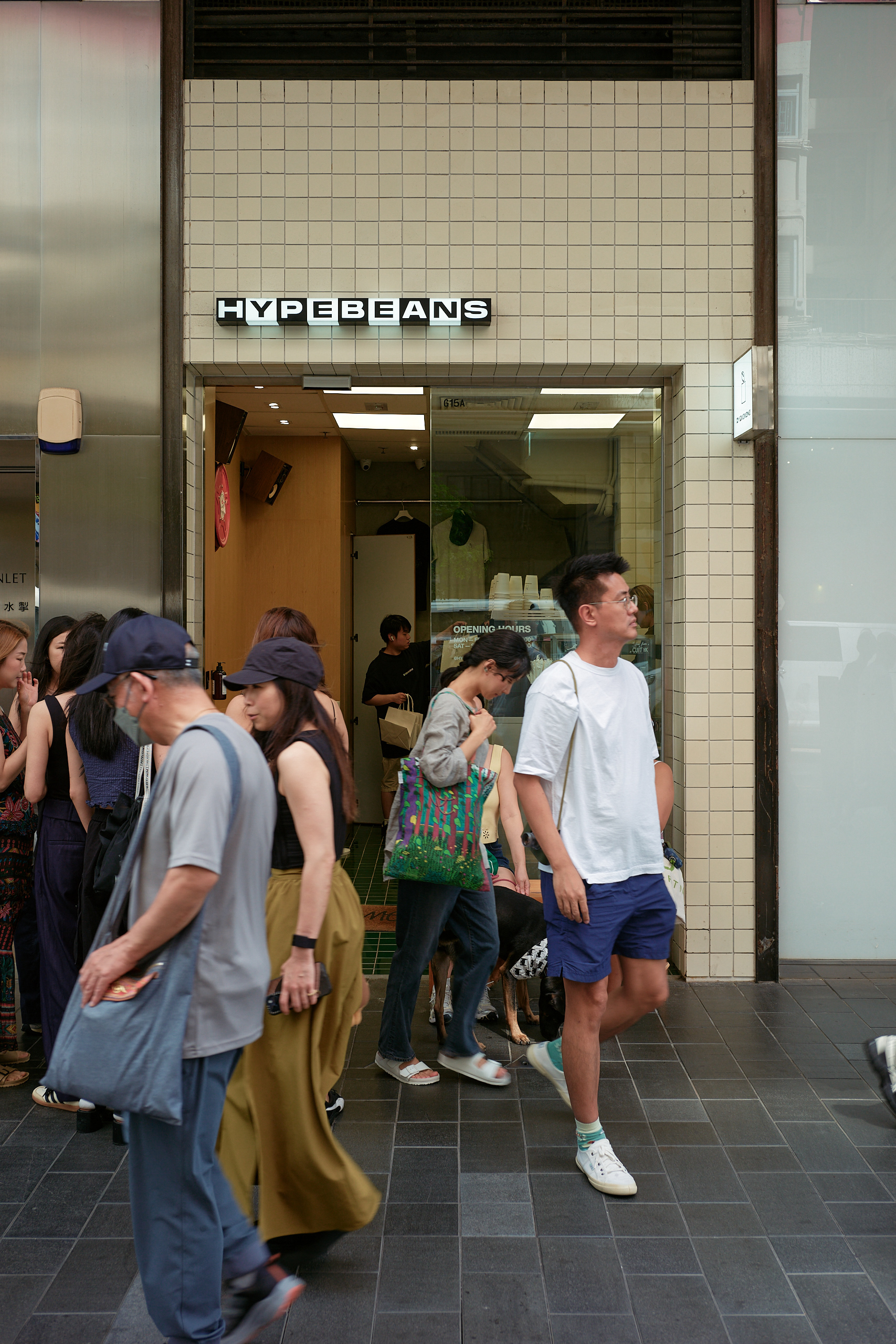
Hypebeans Causeway Bay, Hong Kong - M10-P Reporter + Zeiss C Biogon 35mm f/2.8
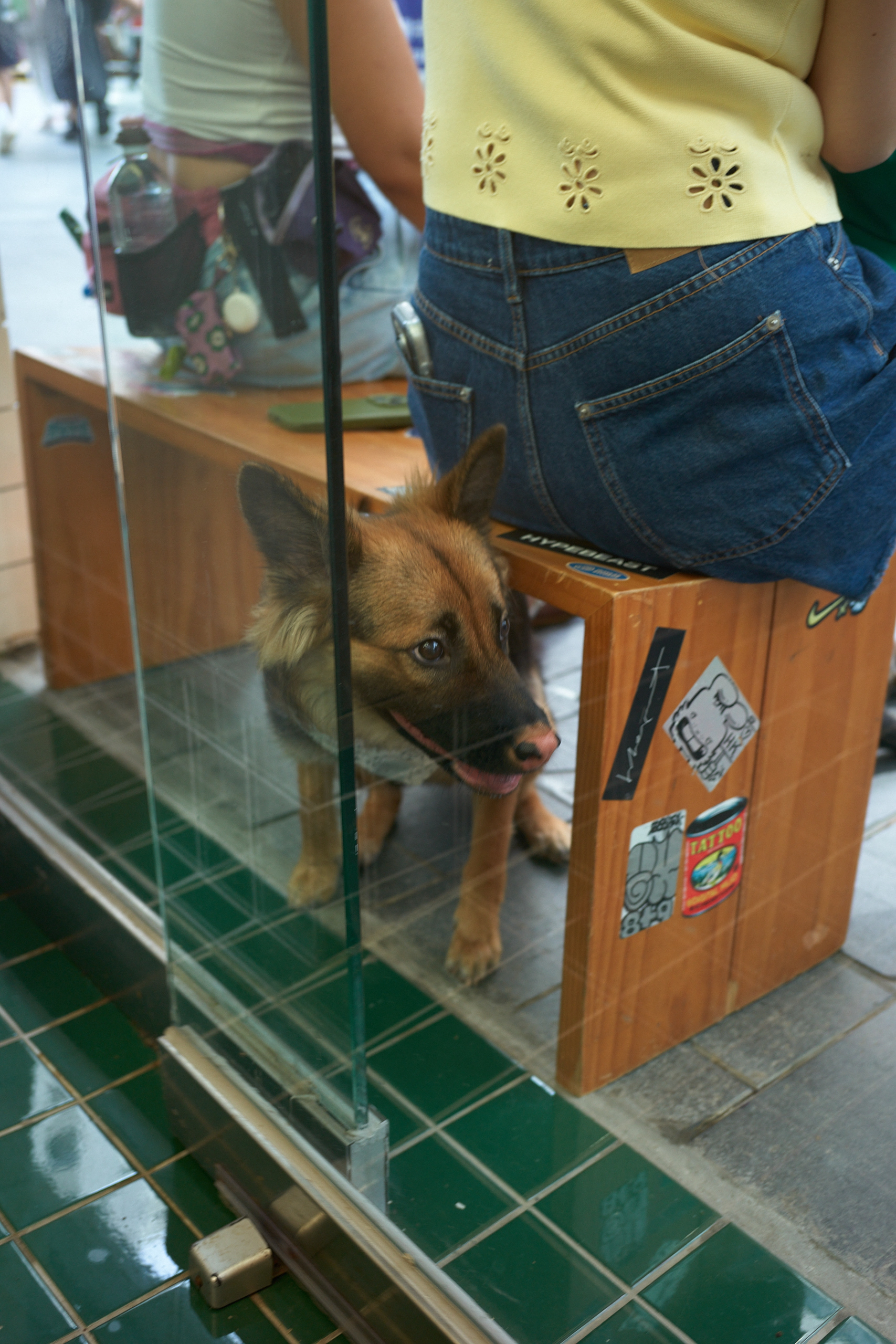
Hypebeans Causeway Bay, Hong Kong - M10-P Reporter + Zeiss C Biogon 35mm f/2.8
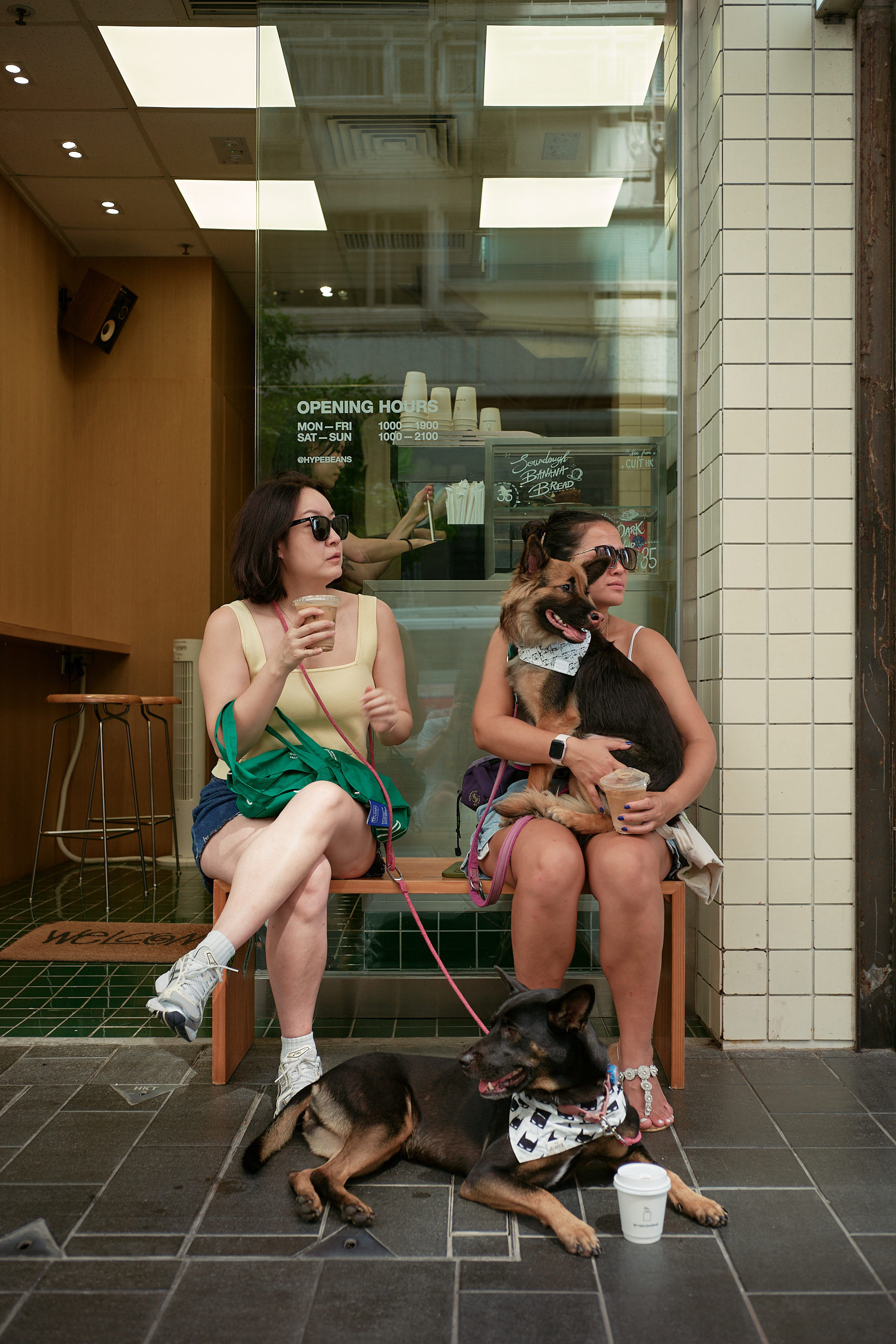
Hypebeans Causeway Bay, Hong Kong - M10-P Reporter + Zeiss C Biogon 35mm f/2.8
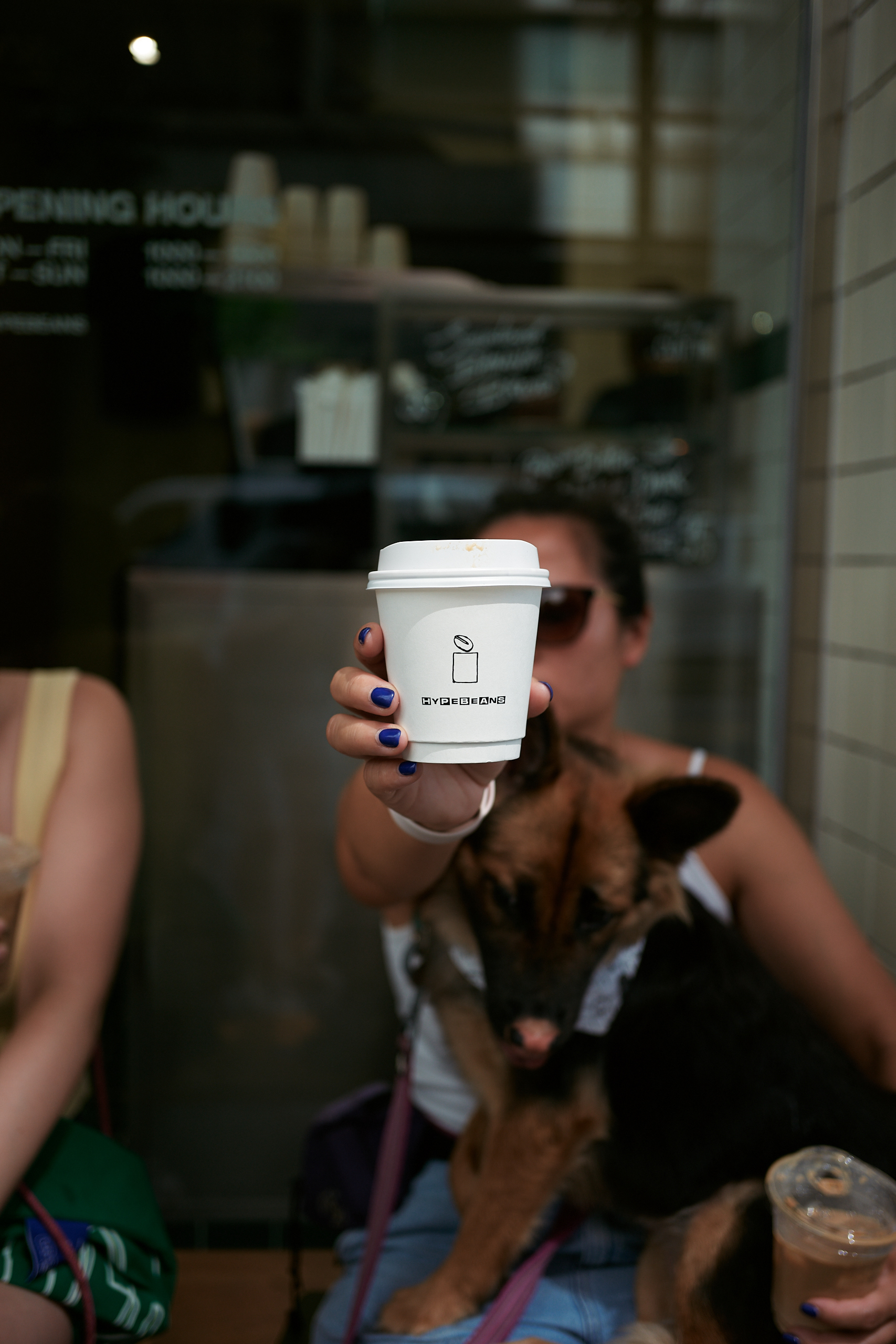
Hypebeans Causeway Bay, Hong Kong - M10-P Reporter + Zeiss C Biogon 35mm f/2.8
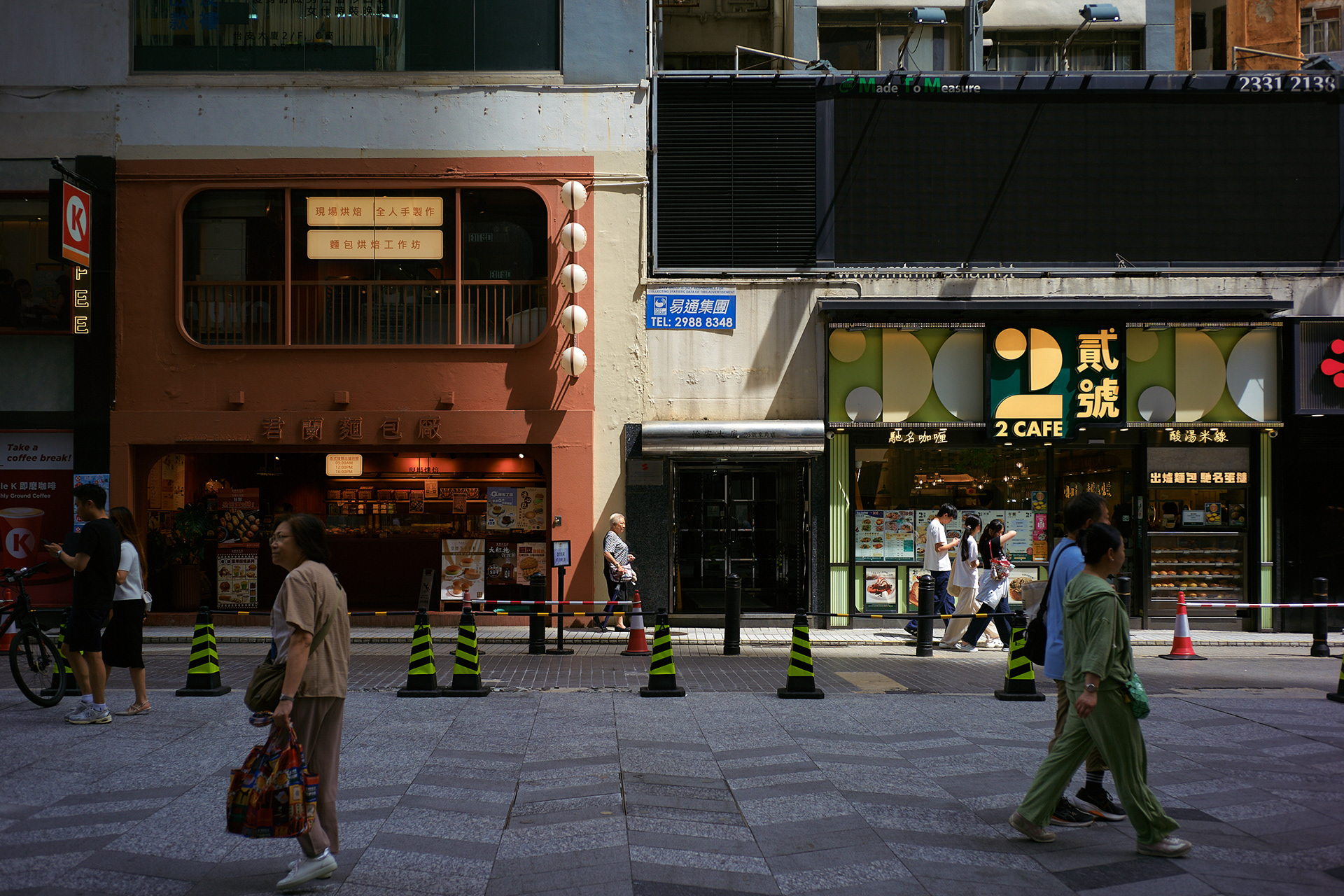
Causeway Bay, Hong Kong - M10-P Reporter + Zeiss C Biogon 35mm f/2.8
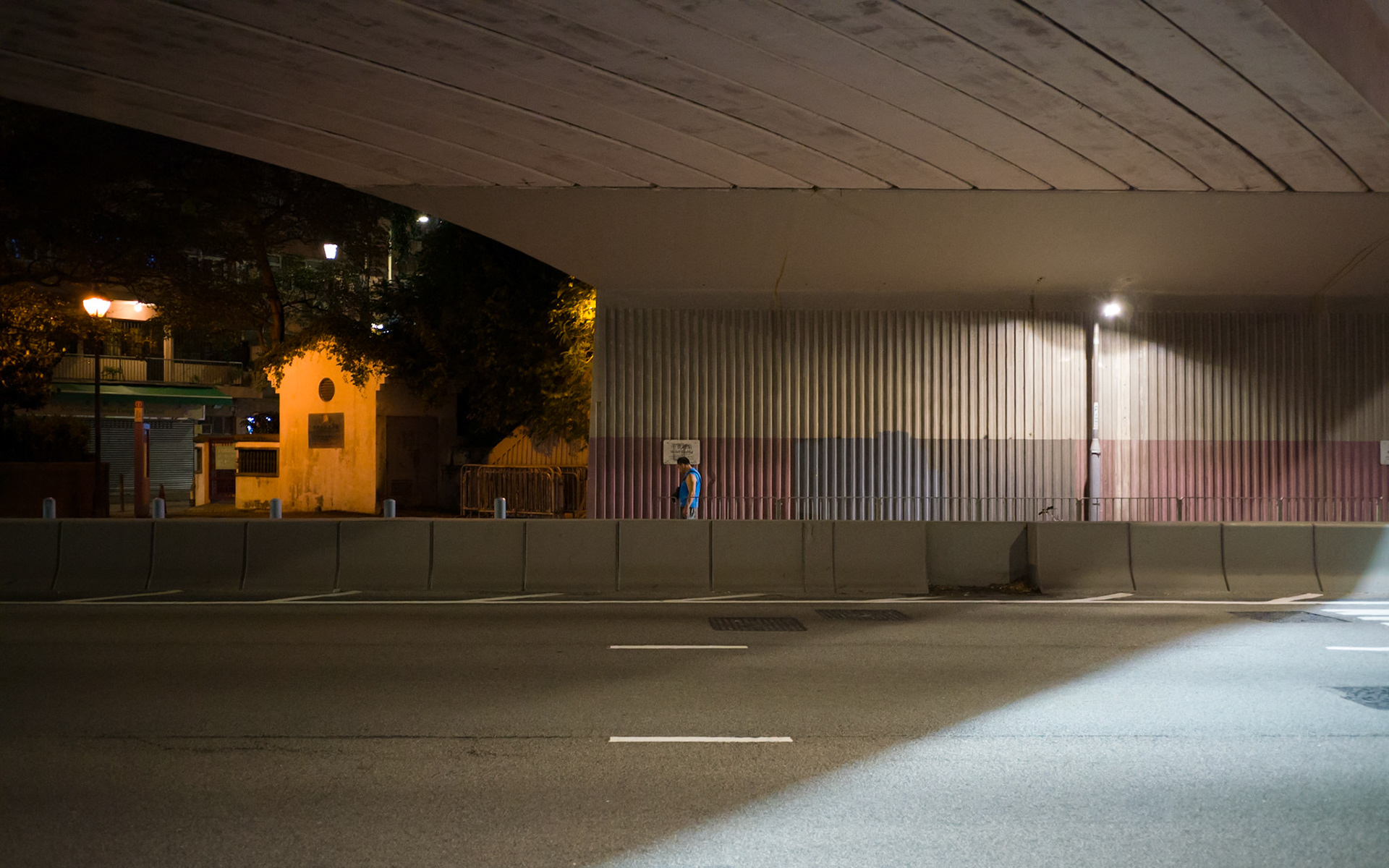
Night time Mong Kok, Hong Kong - Leica M11-P
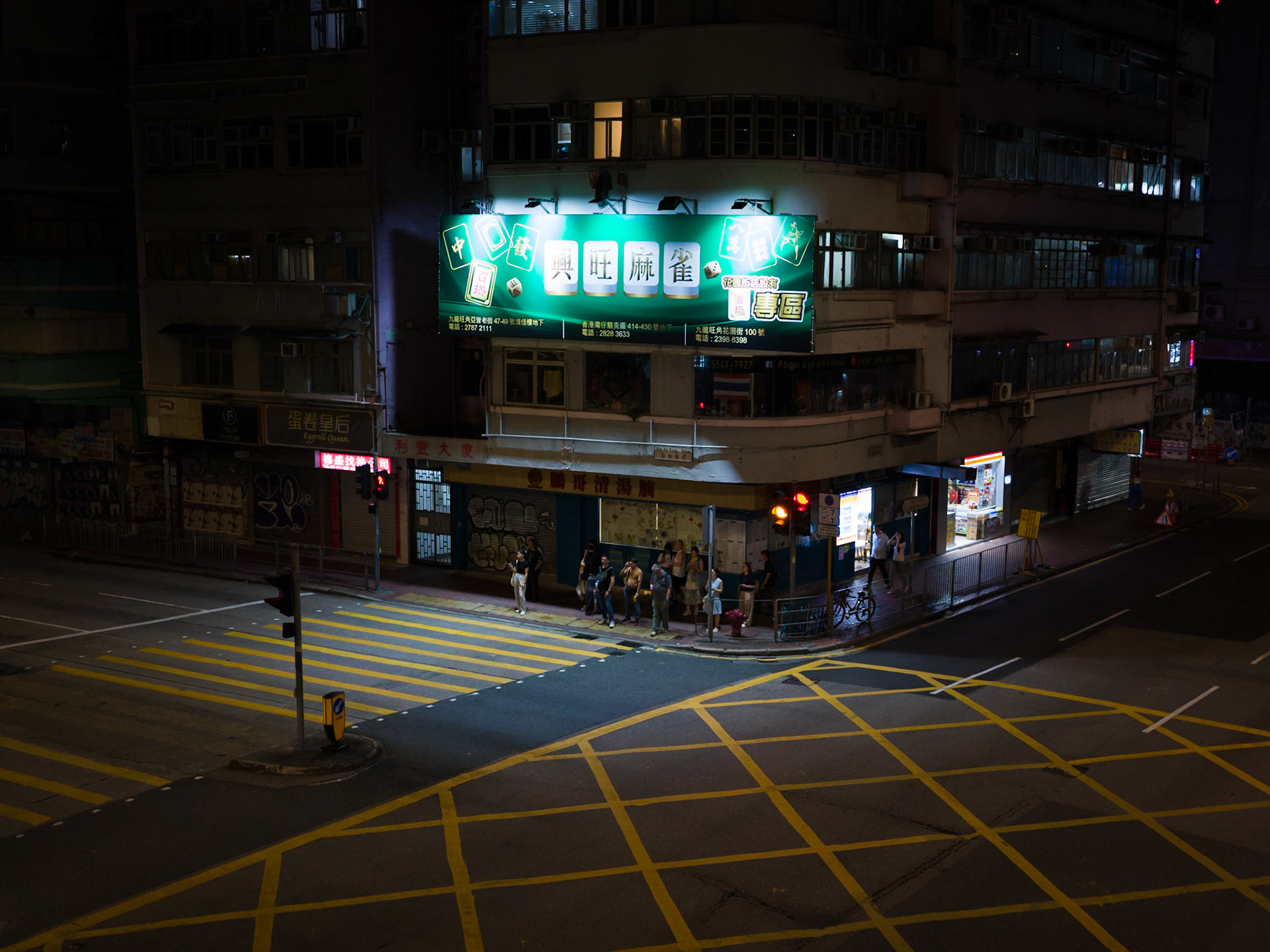
Night time Mong Kok, Hong Kong - Leica M11-P
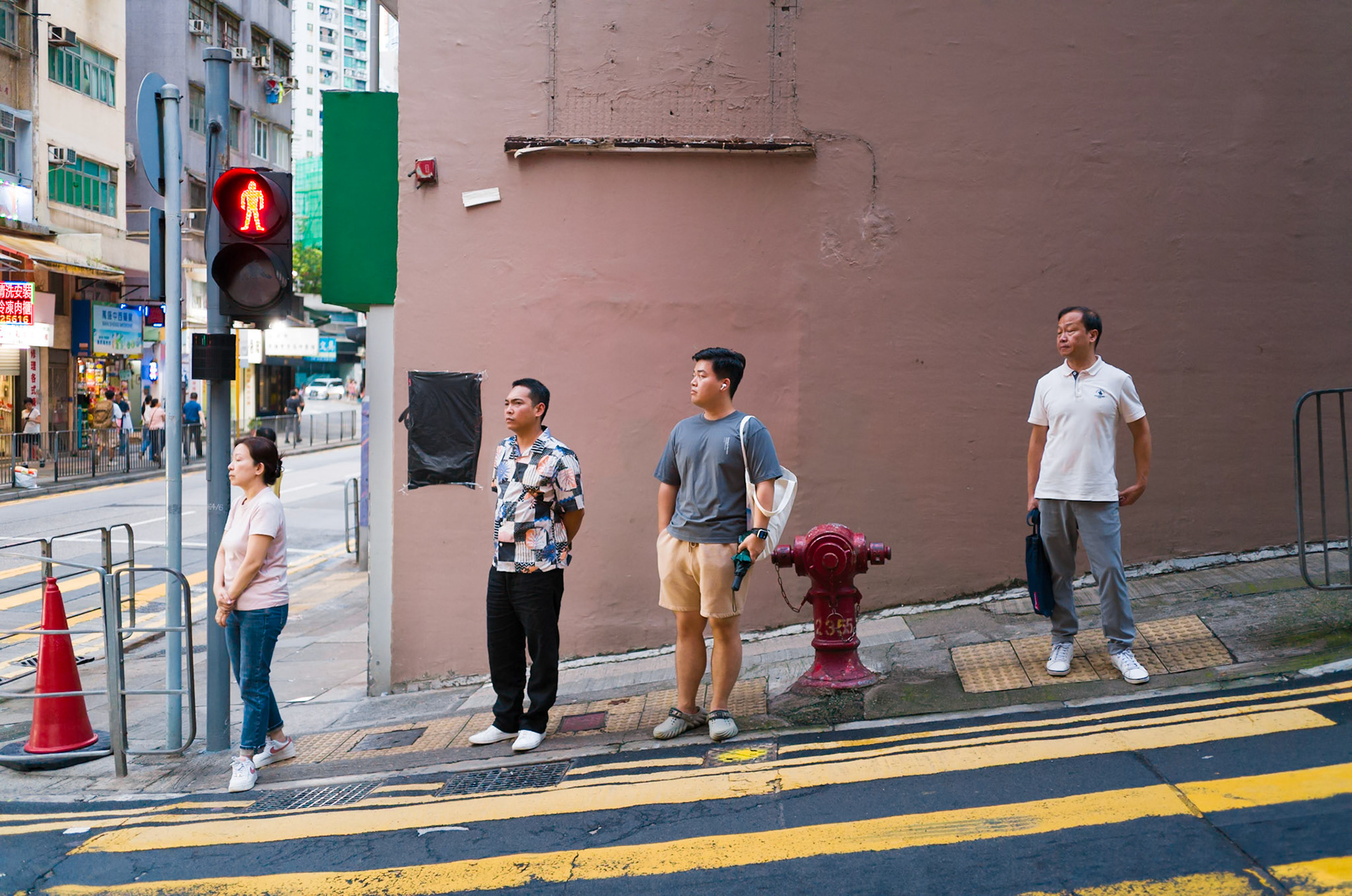
Day time Sheung Wan, Hong Kong - Leica M11-P
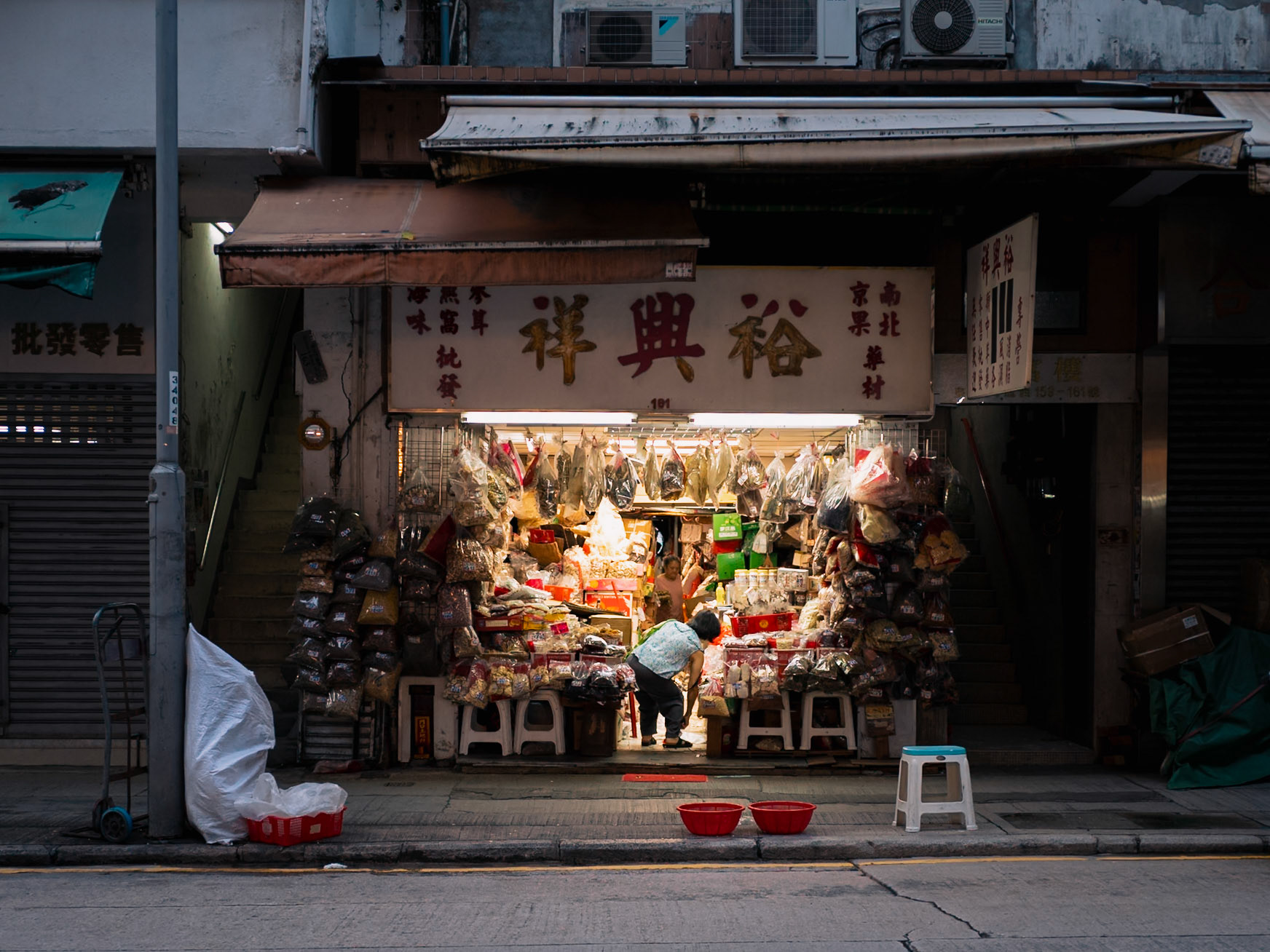
Night time Sheung Wan, Hong Kong - Leica M11-P
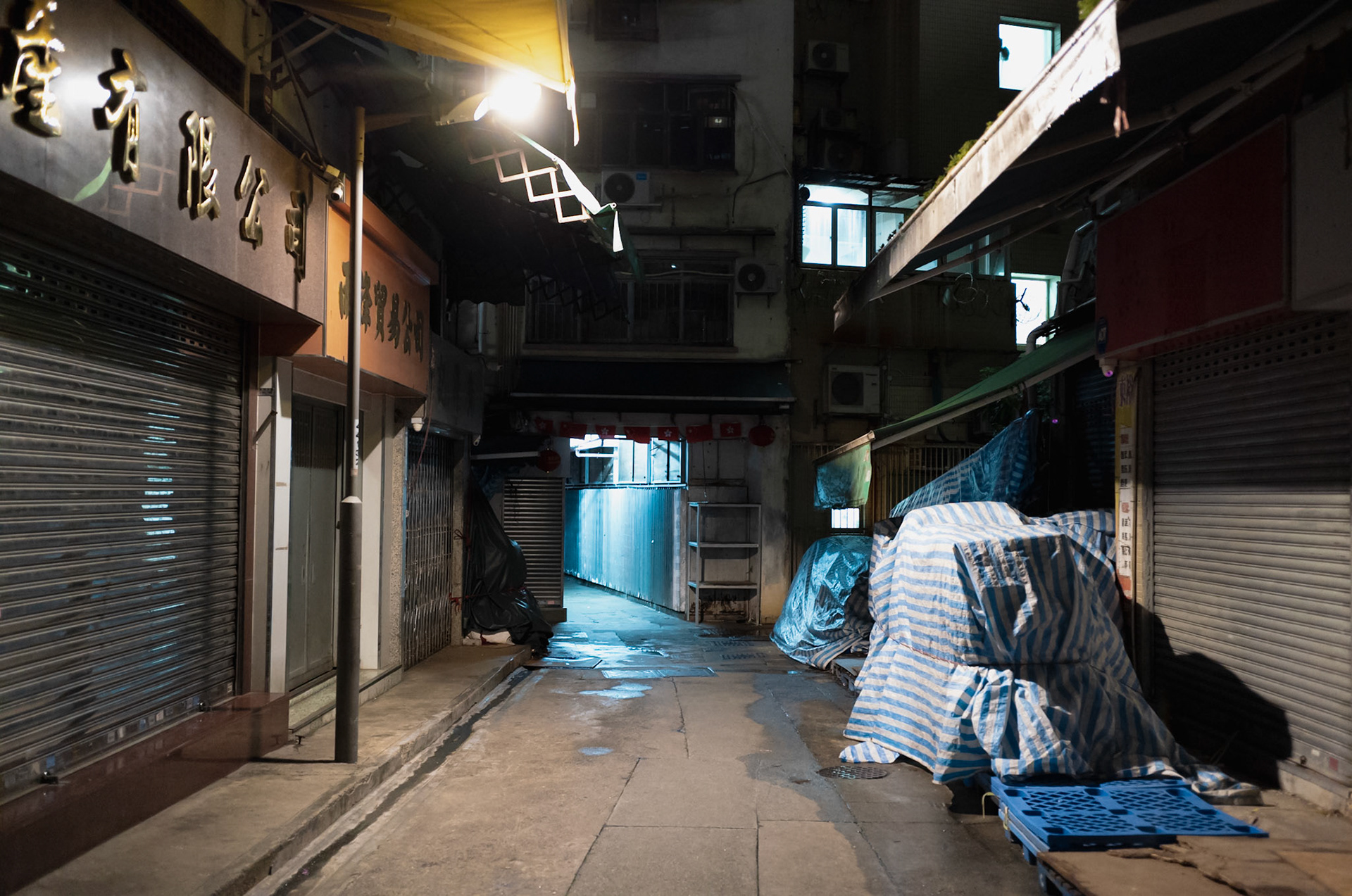
Night time Sheung Wan, Hong Kong - Leica M11-P
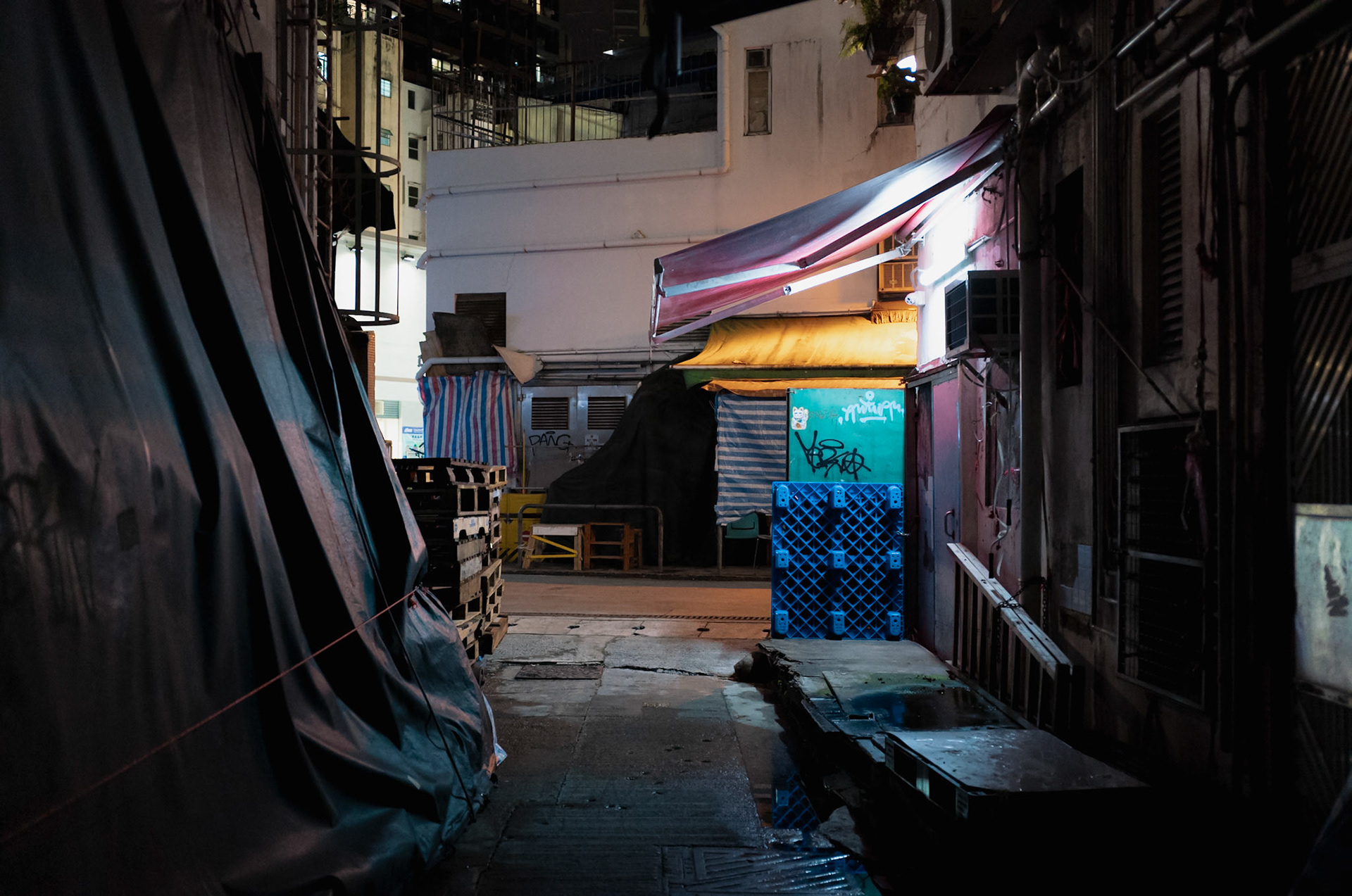
Night time Sheung Wan, Hong Kong - Leica M11-P
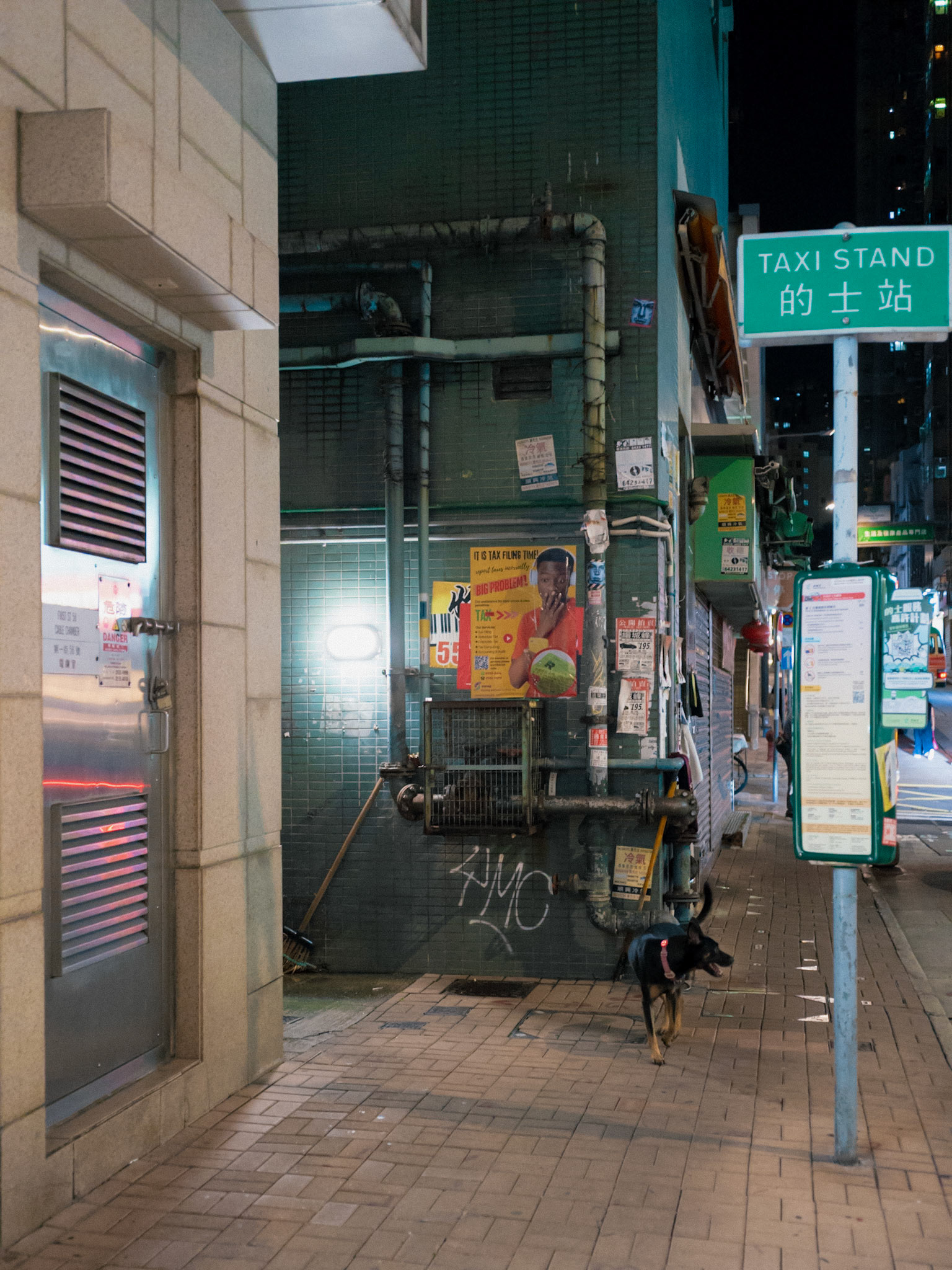
Night time Sheung Wan, Hong Kong - Leica M11-P
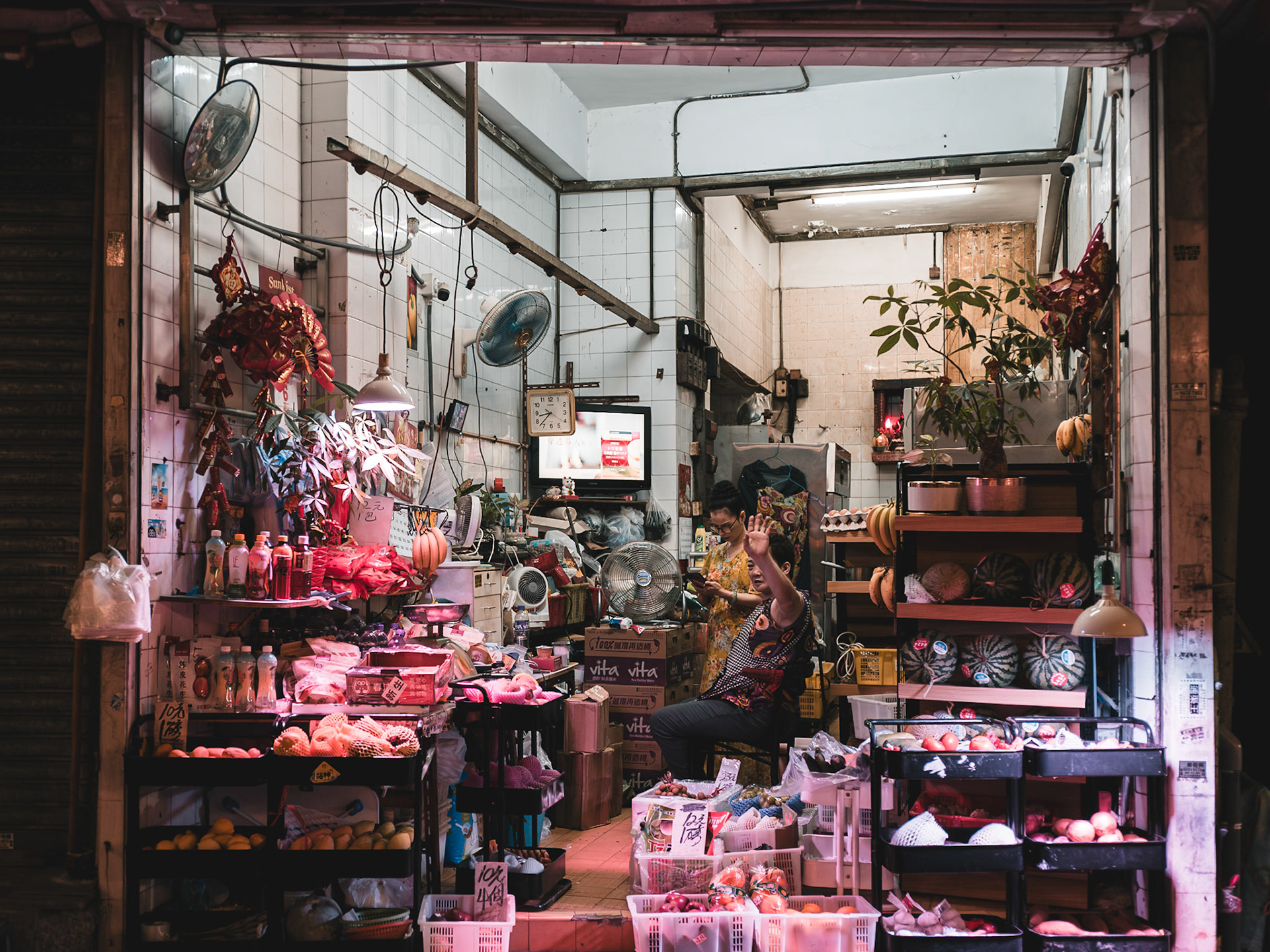
Night time Sheung Wan, Hong Kong - Leica M11-P
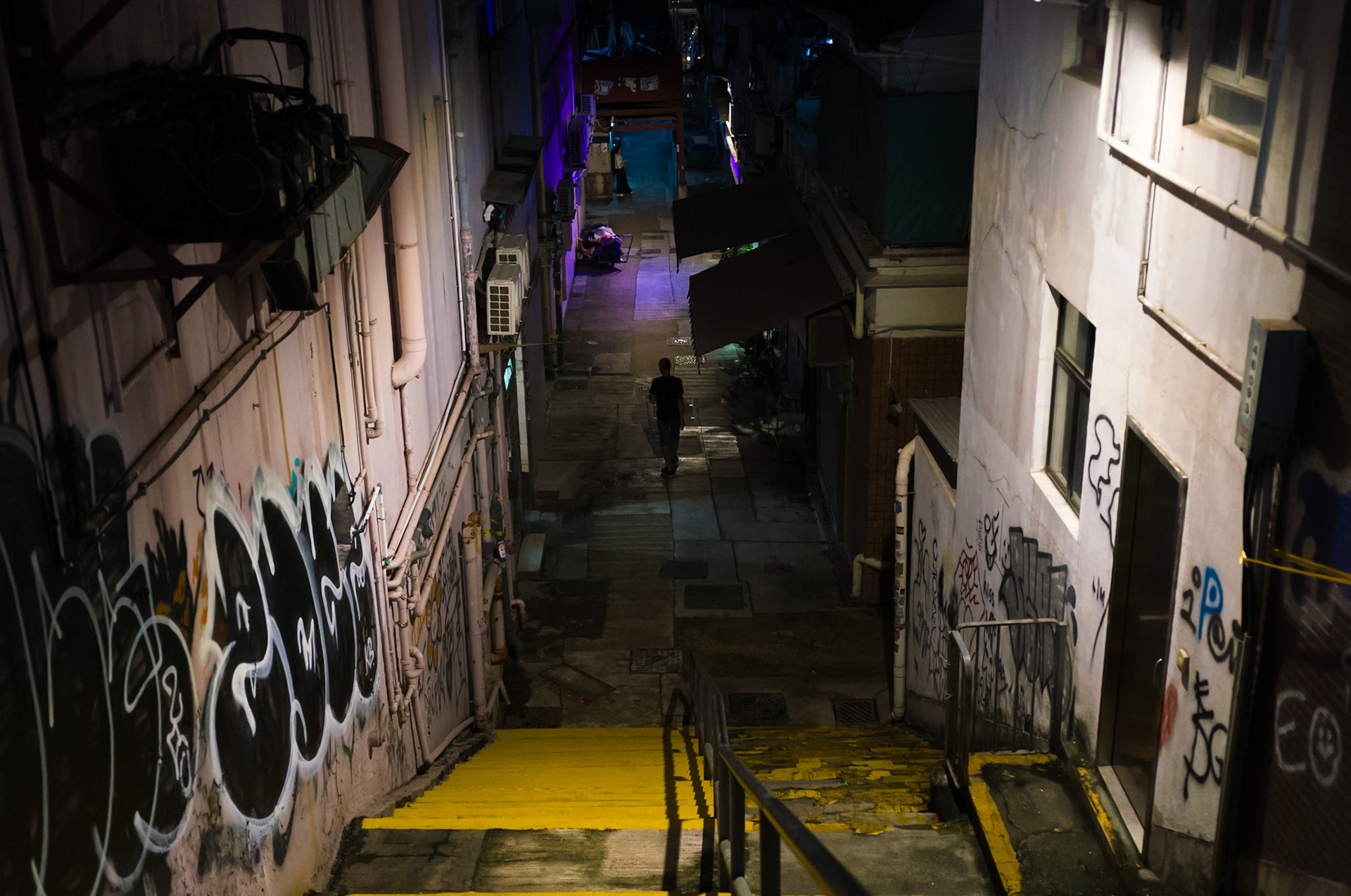
Night time Sheung Wan, Hong Kong - Leica M11-P
Family Portraits
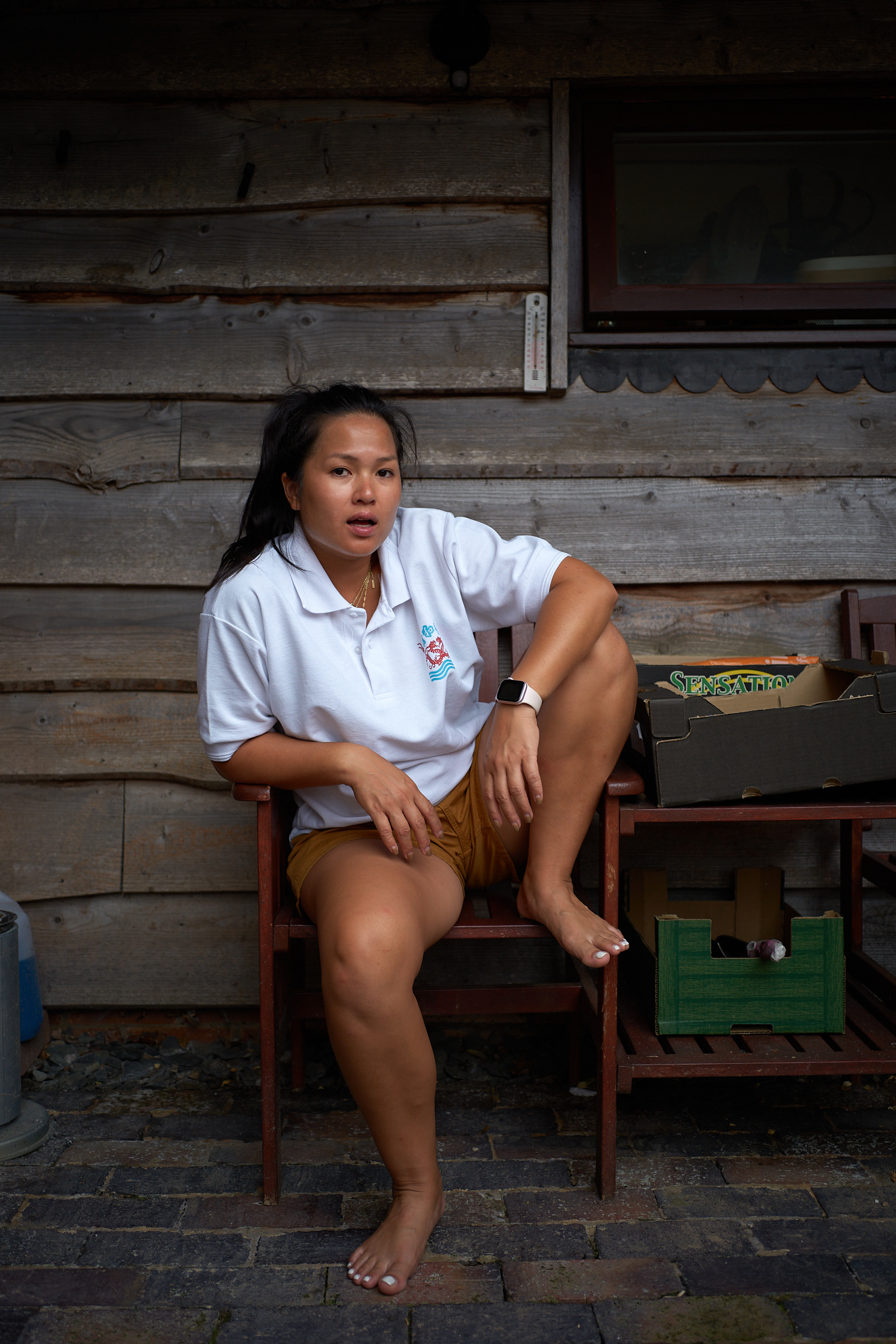
Family Portrait - Leica M10-P Reporter + Zeiss C Biogon 35mm f/2.8
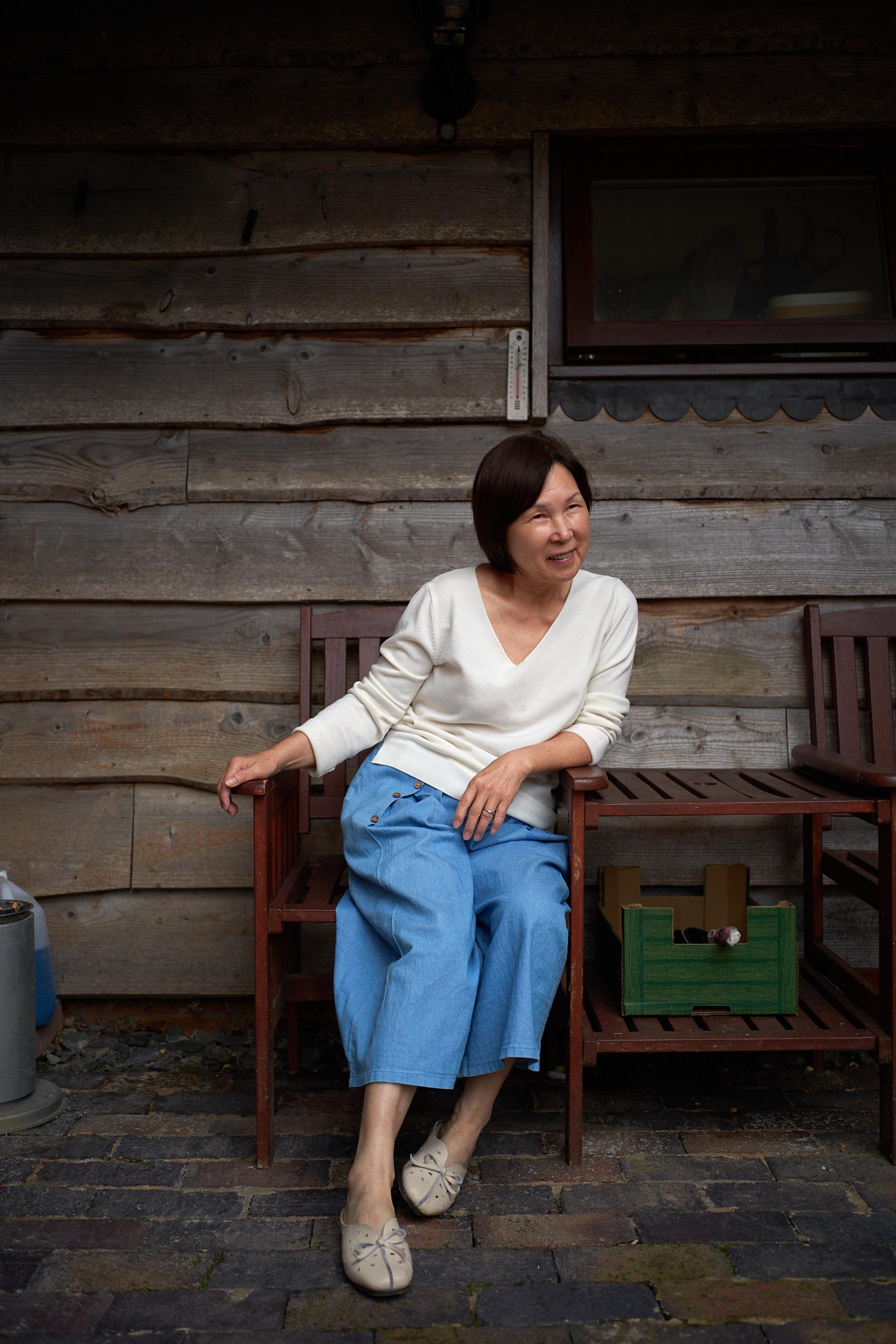
Family Portrait - Leica M10-P Reporter + Zeiss C Biogon 35mm f/2.8
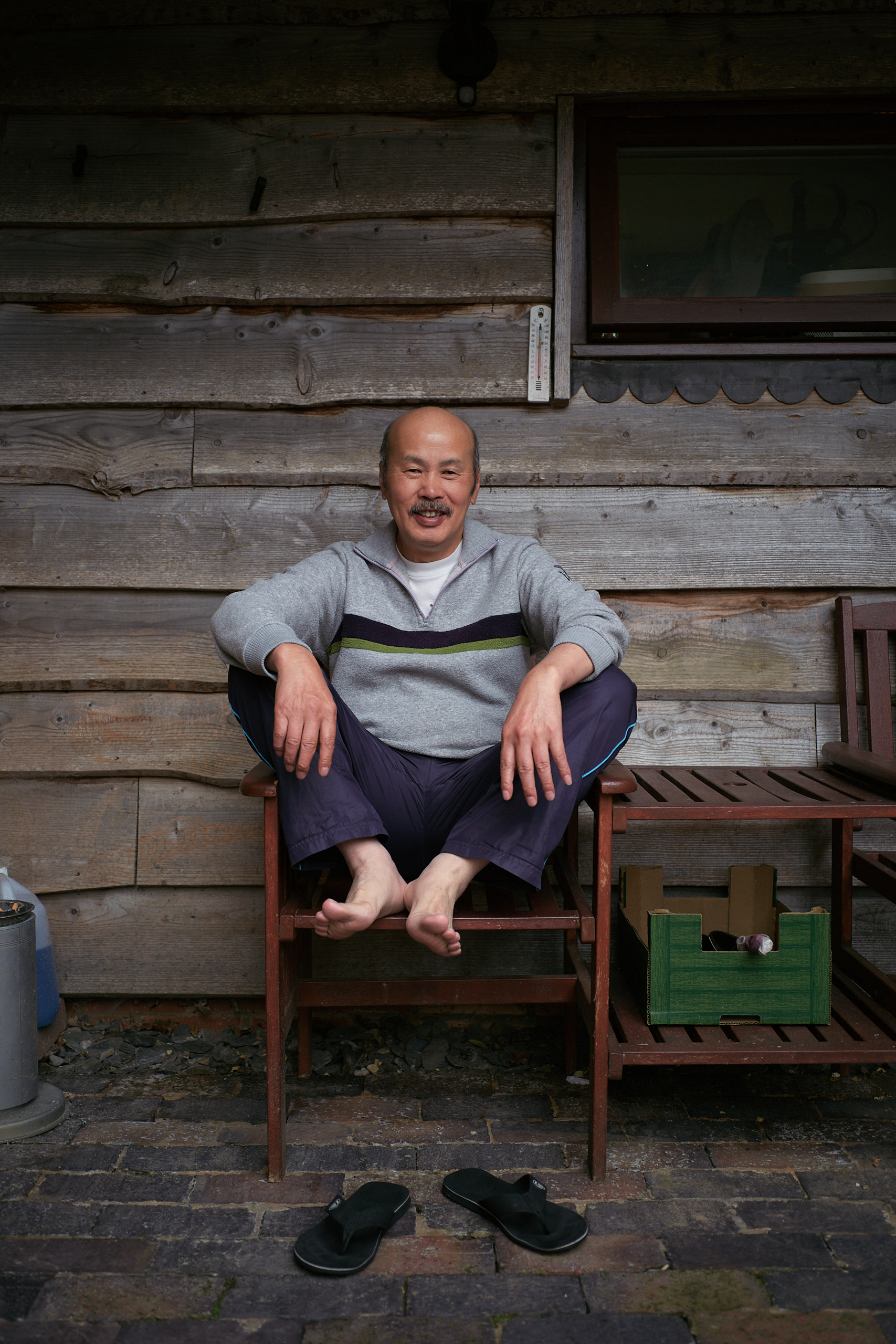
Family Portrait - Leica M10-P Reporter + Zeiss C Biogon 35mm f/2.8
Build
This f/2.8 lens is super small, light, and incredibly well-made! It’s as tiny as the smallest Leica lens, the Elmarit 28mm f/2.8. If I had to compare them side by side, I’d say the Zeiss has tighter tolerances and feels better made in hand. The focus is smoother all over (Leica lenses can tend to stick at certain points), and the aperture ring is tight with no wobble (Leica lenses can be a bit loose, with wobbles and easy-to-move unintended things).
It’s a true study in minimalist perfection, incredibly compact and lightweight (around 170g), making it almost a permanent, unobtrusive fixture on any M-mount camera body. Compared to its faster and bulkier siblings (like the Zeiss Biogon f/2 or Leica Summicron variants), it just disappears on the camera, which is a huge advantage for street and travel photography.
The build quality is exceptional. The all-metal barrel, smooth but damped focus ring, and precise aperture clicks give off a feeling of durability and precision that rivals, and in some opinions, even surpasses the feel of Leica’s own offerings at a similar price point. The focus tab is a particular point of praise—it’s large, ergonomic, and makes zone-focusing intuitive and super fast.
One cool thing is its minimal lens extension during focusing. The lens doesn’t telescope much at all; instead, the internal optical groups move. This makes it super rugged and helps keep dust and moisture out.
The Zeiss 35mm C Biogon is smaller and lighter than the Leica 35mm f/2 APO-Summicron.
TLDR: very well made, light, small, and great!
Japan Travel
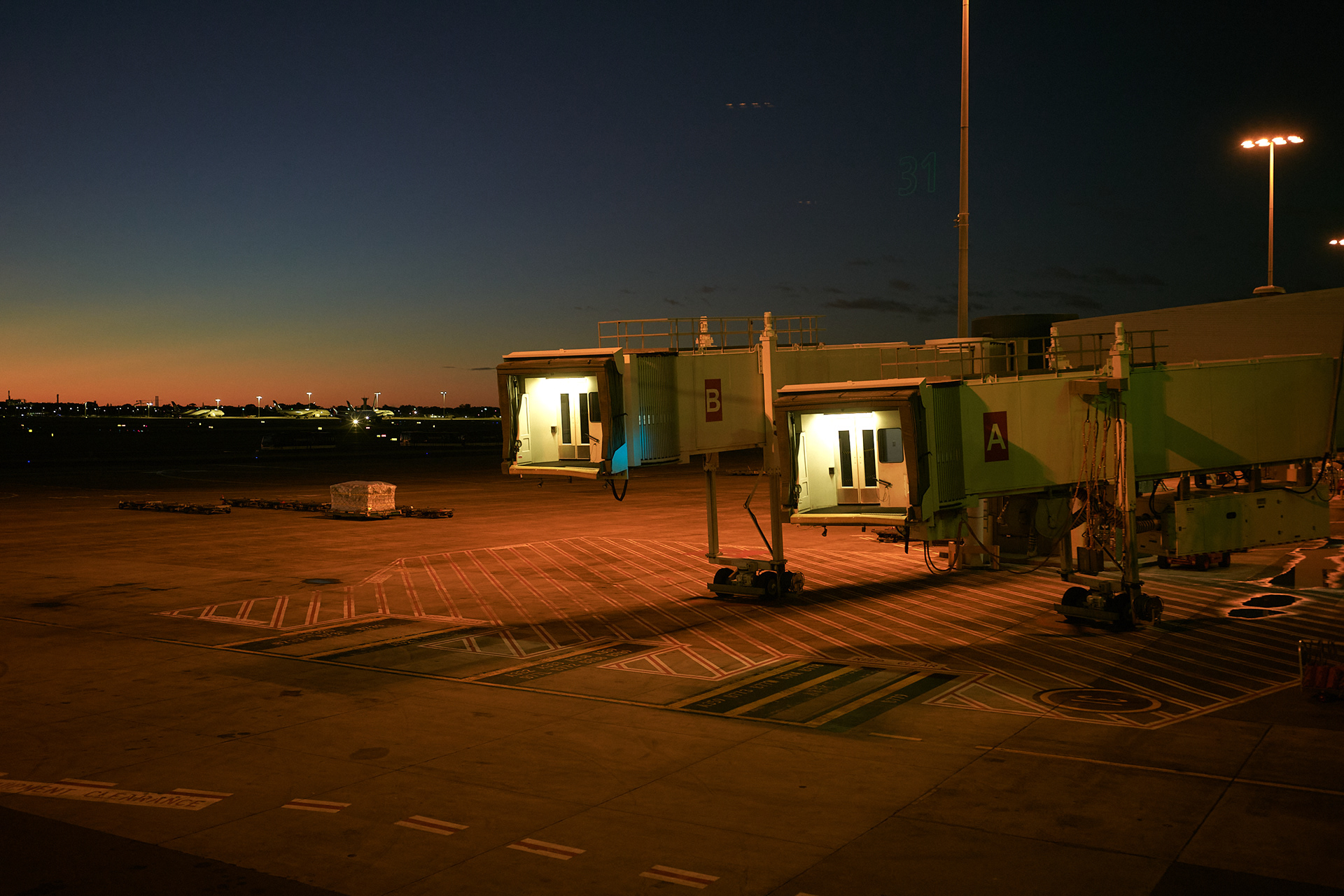
Sydney - M10-P Reporter + Zeiss C Biogon 35mm f/2.8
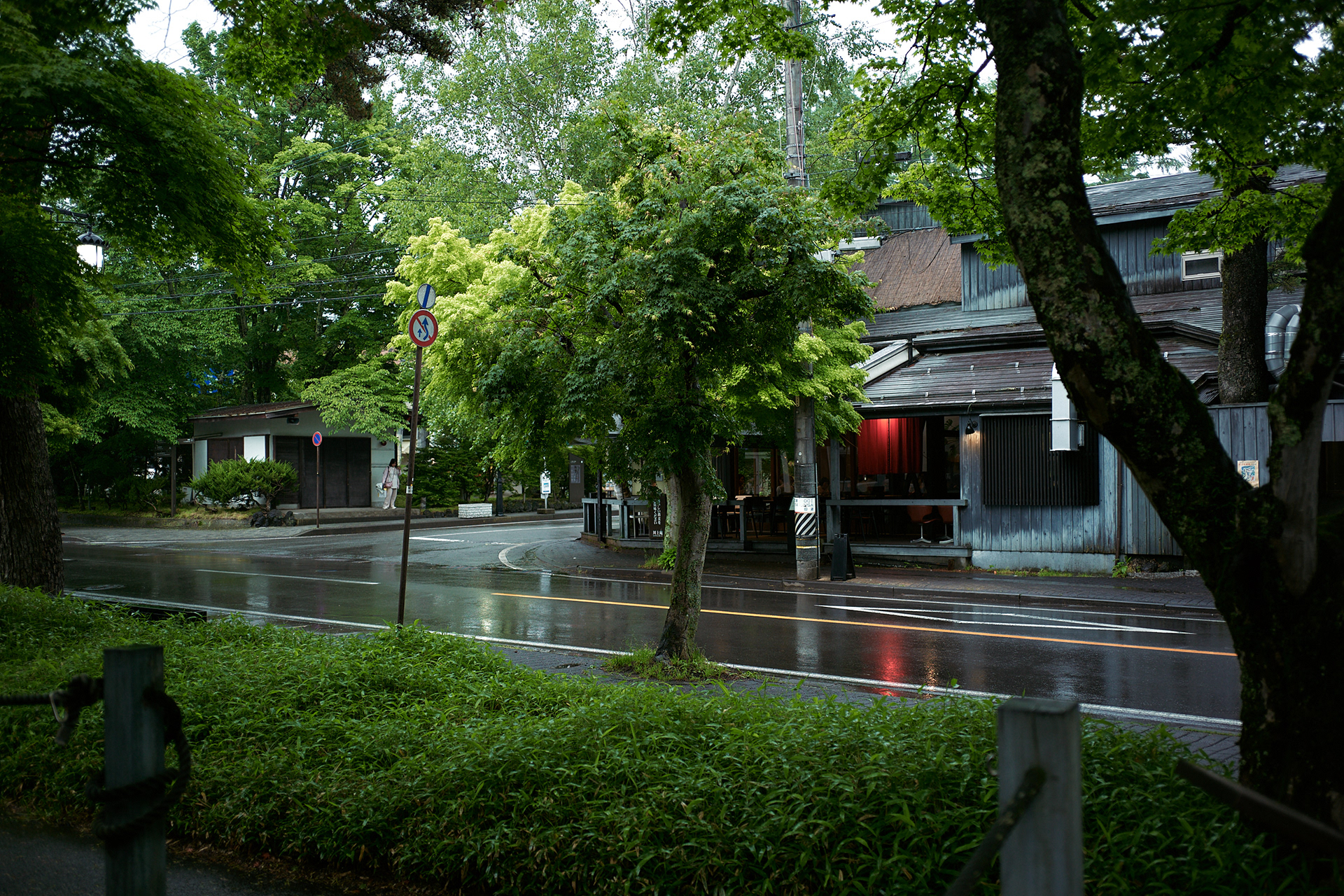
Japan - M10-P Reporter + Zeiss C Biogon 35mm f/2.8
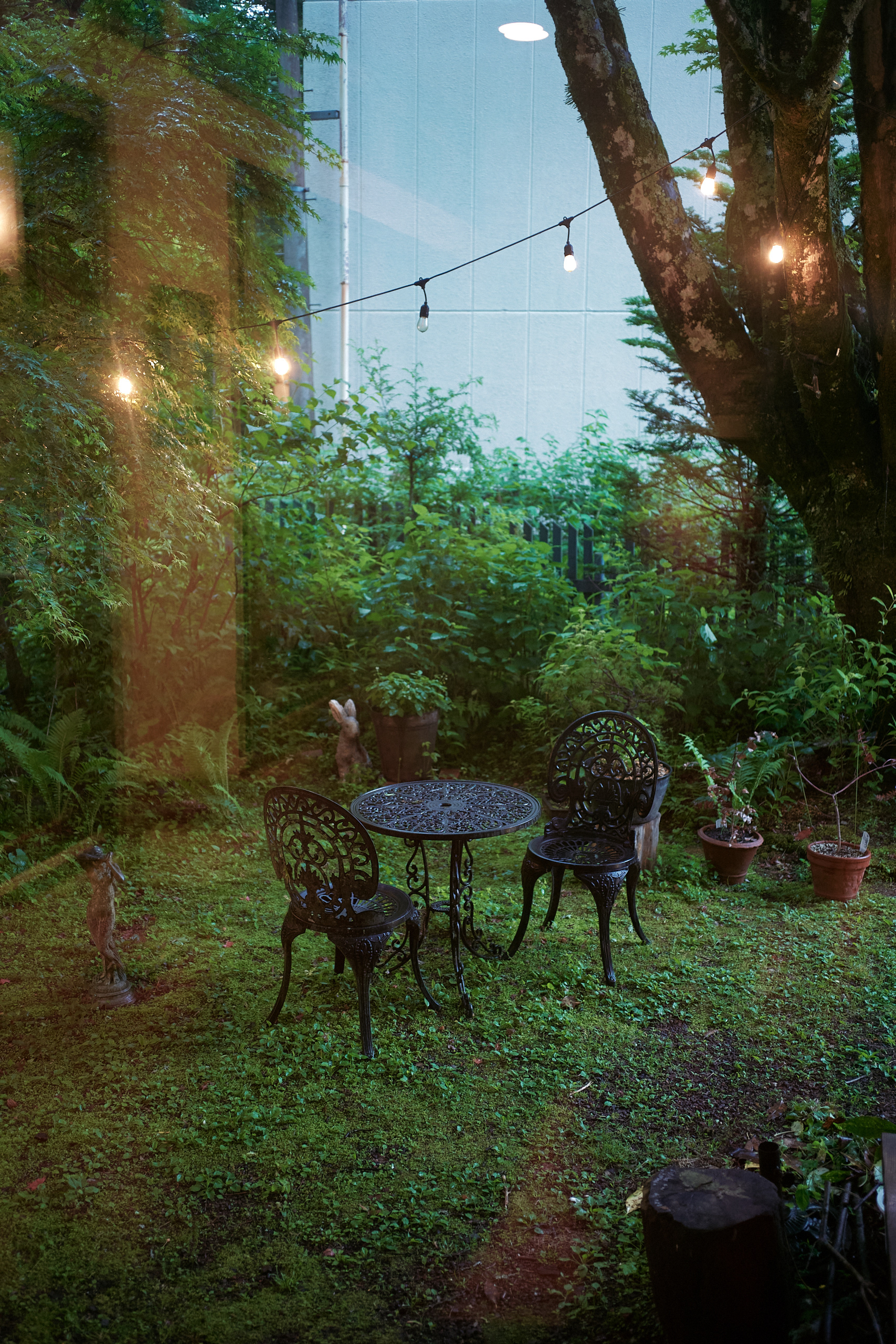
Japan - M10-P Reporter + Zeiss C Biogon 35mm f/2.8
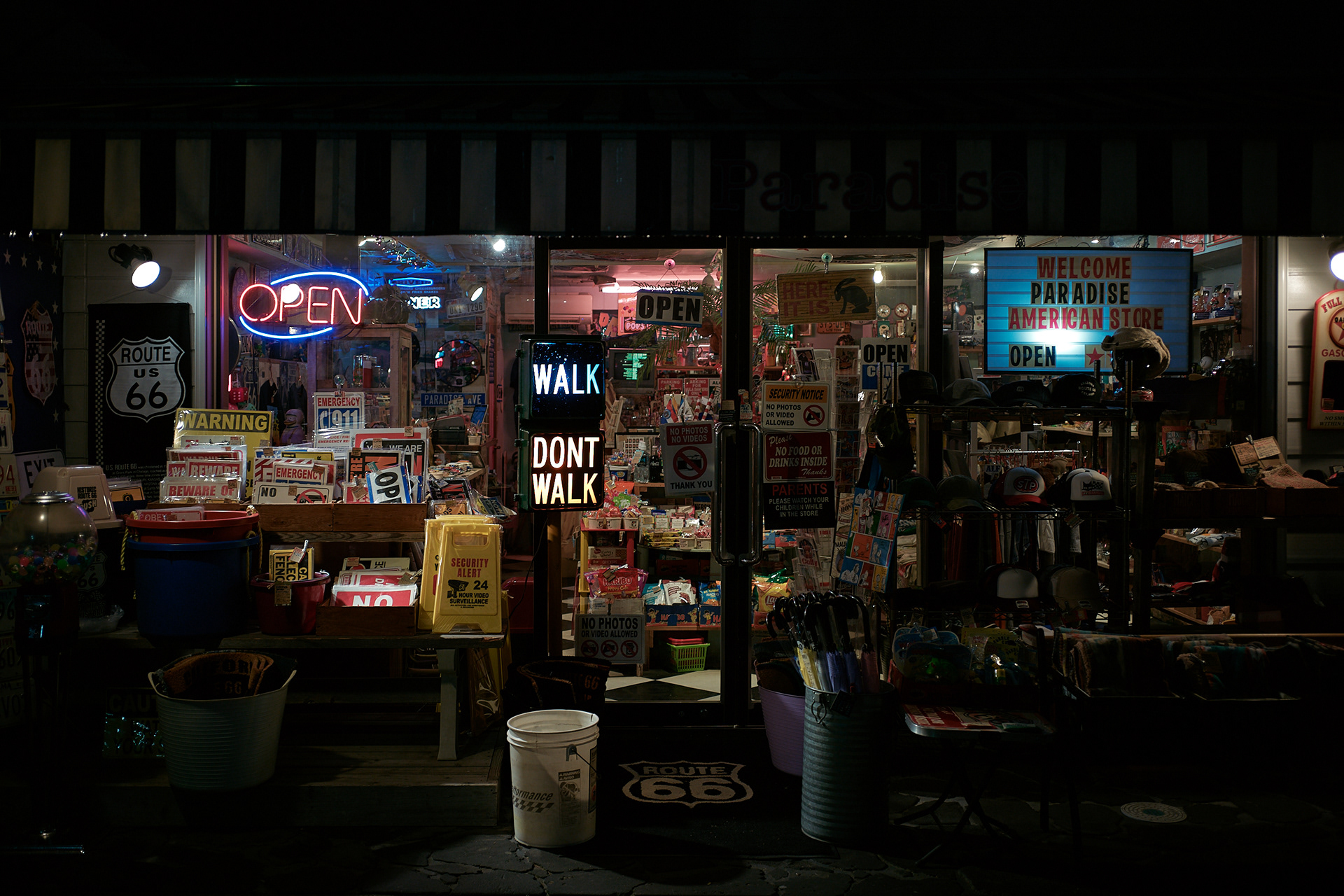
Japan - M10-P Reporter + Zeiss C Biogon 35mm f/2.8
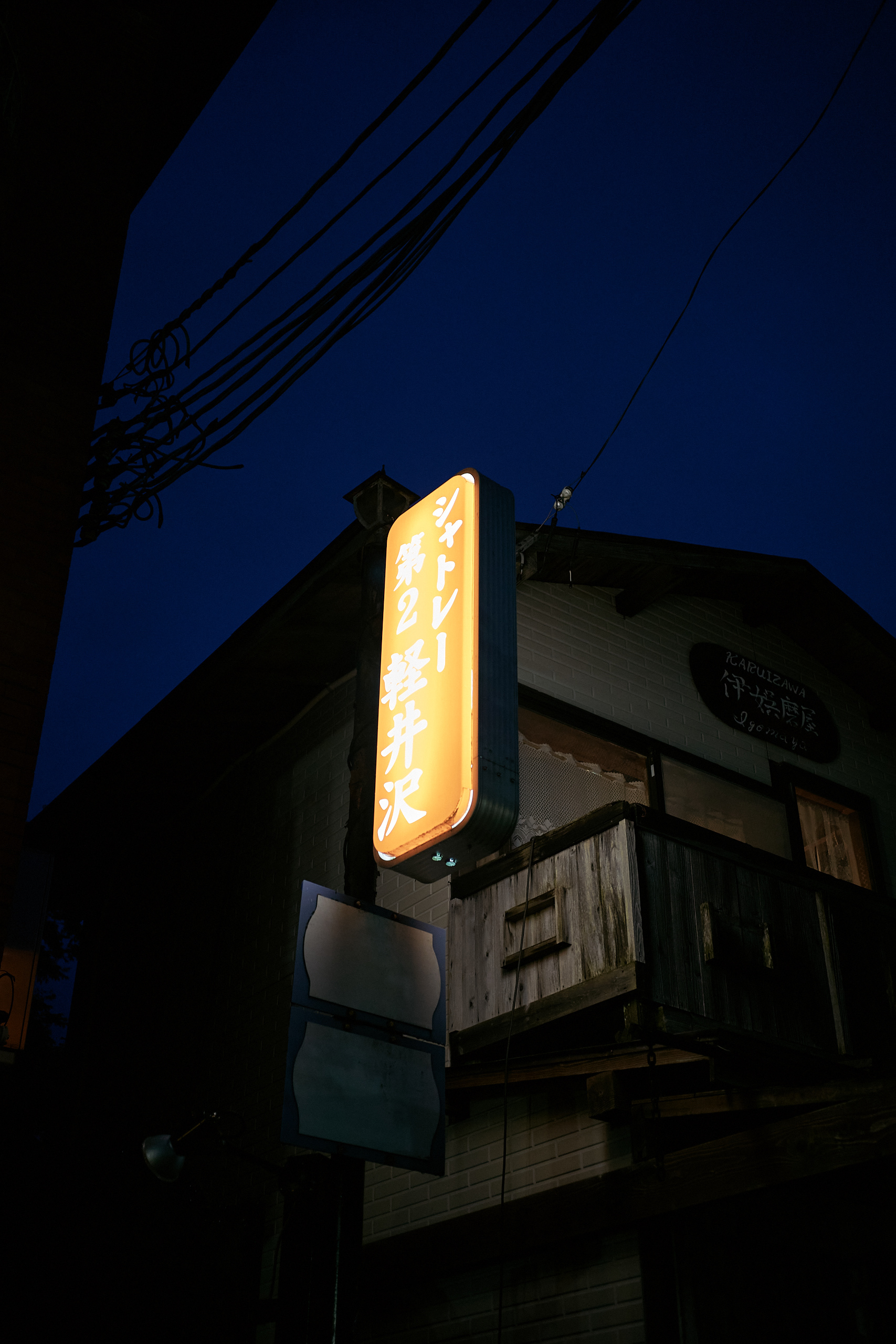
Japan - M10-P Reporter + Zeiss C Biogon 35mm f/2.8
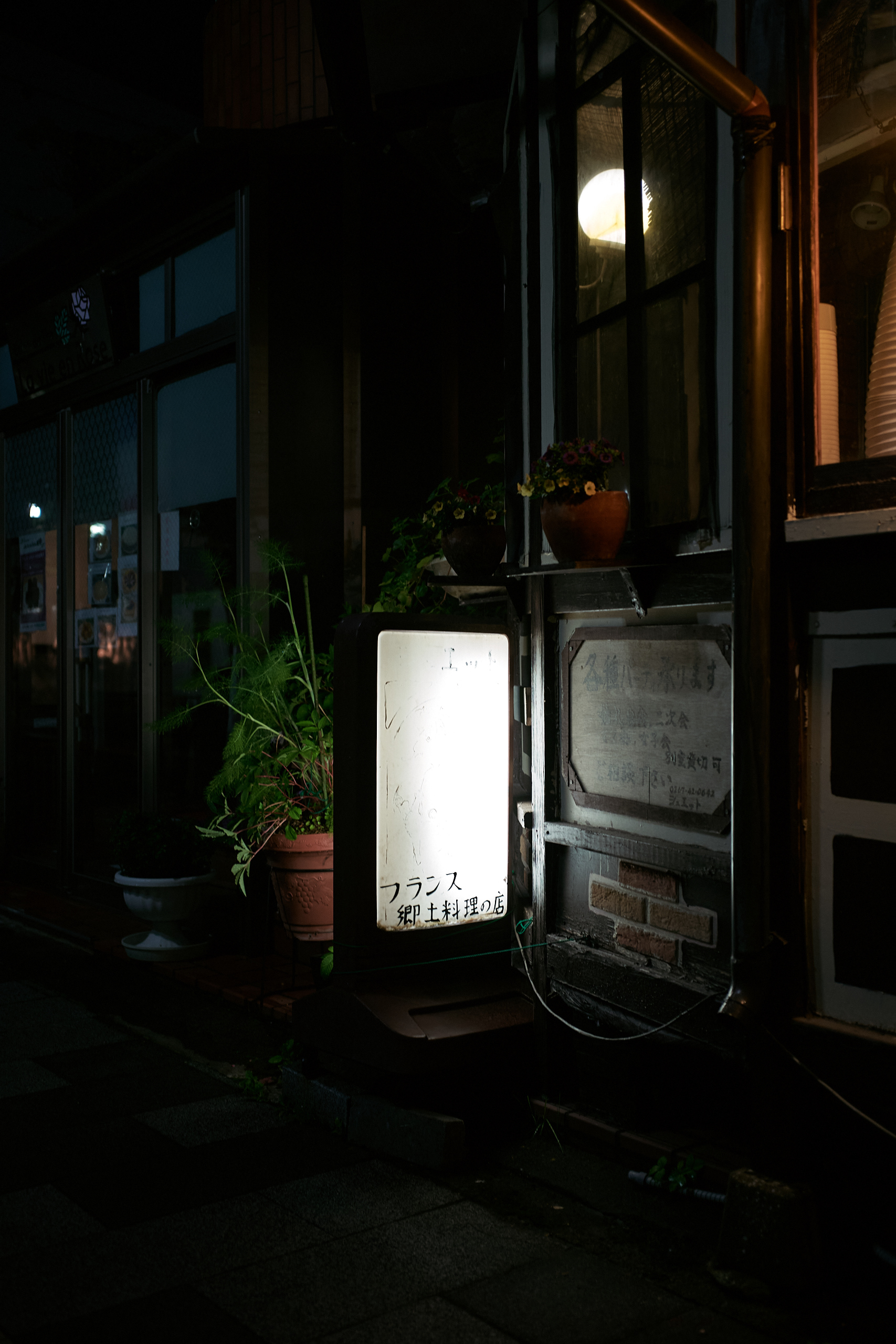
Japan - M10-P Reporter + Zeiss C Biogon 35mm f/2.8
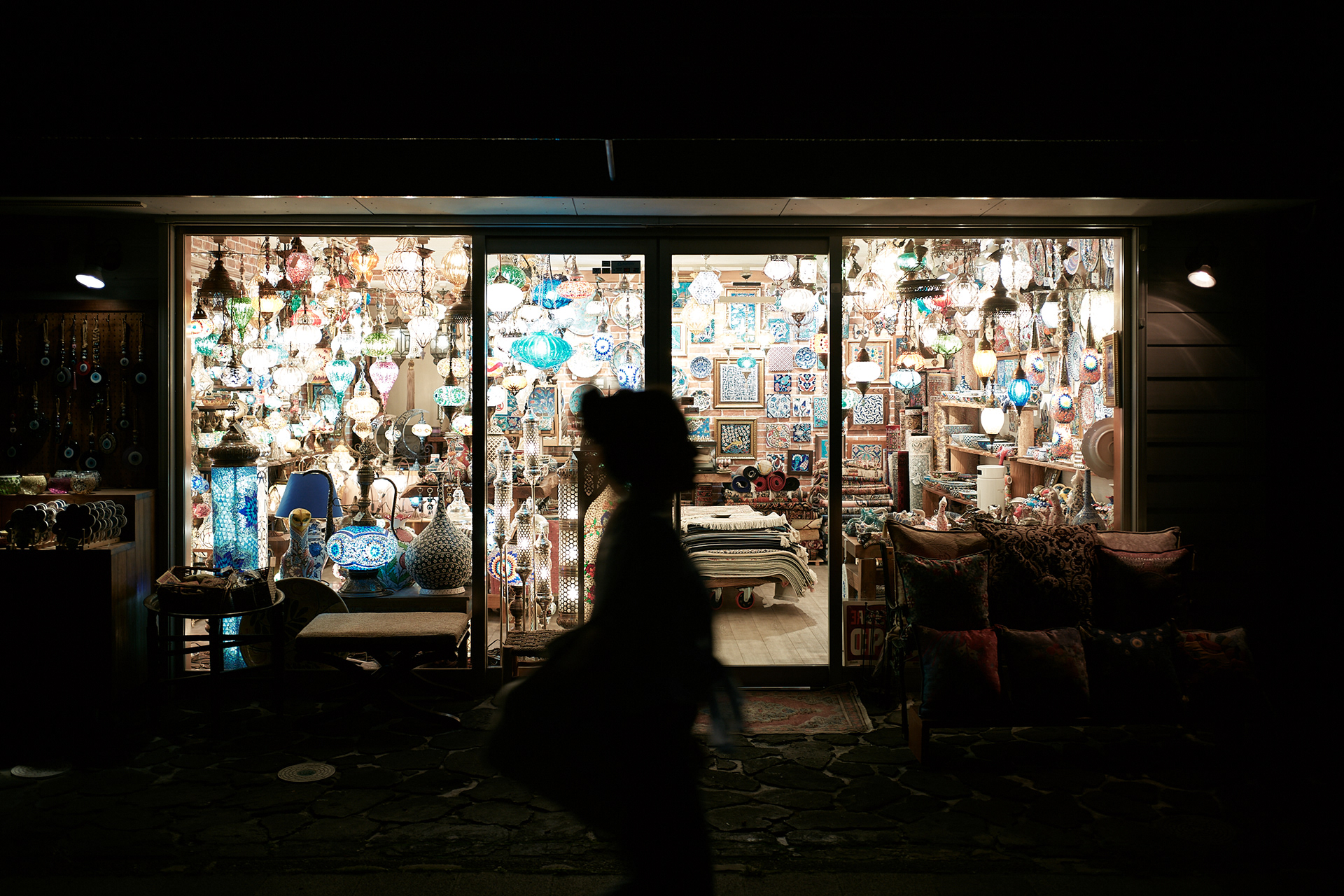
Japan - M10-P Reporter + Zeiss C Biogon 35mm f/2.8
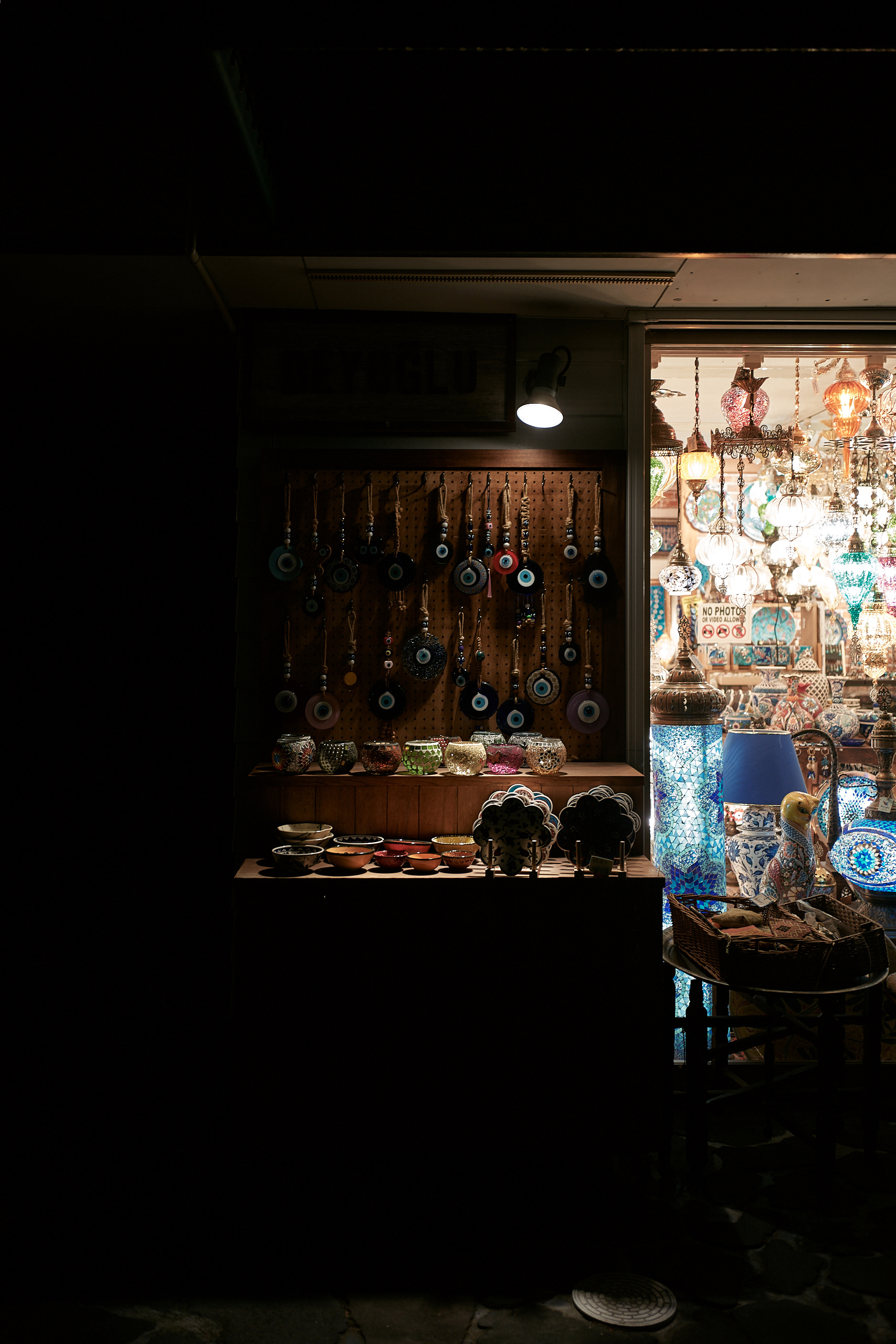
Japan - M10-P Reporter + Zeiss C Biogon 35mm f/2.8
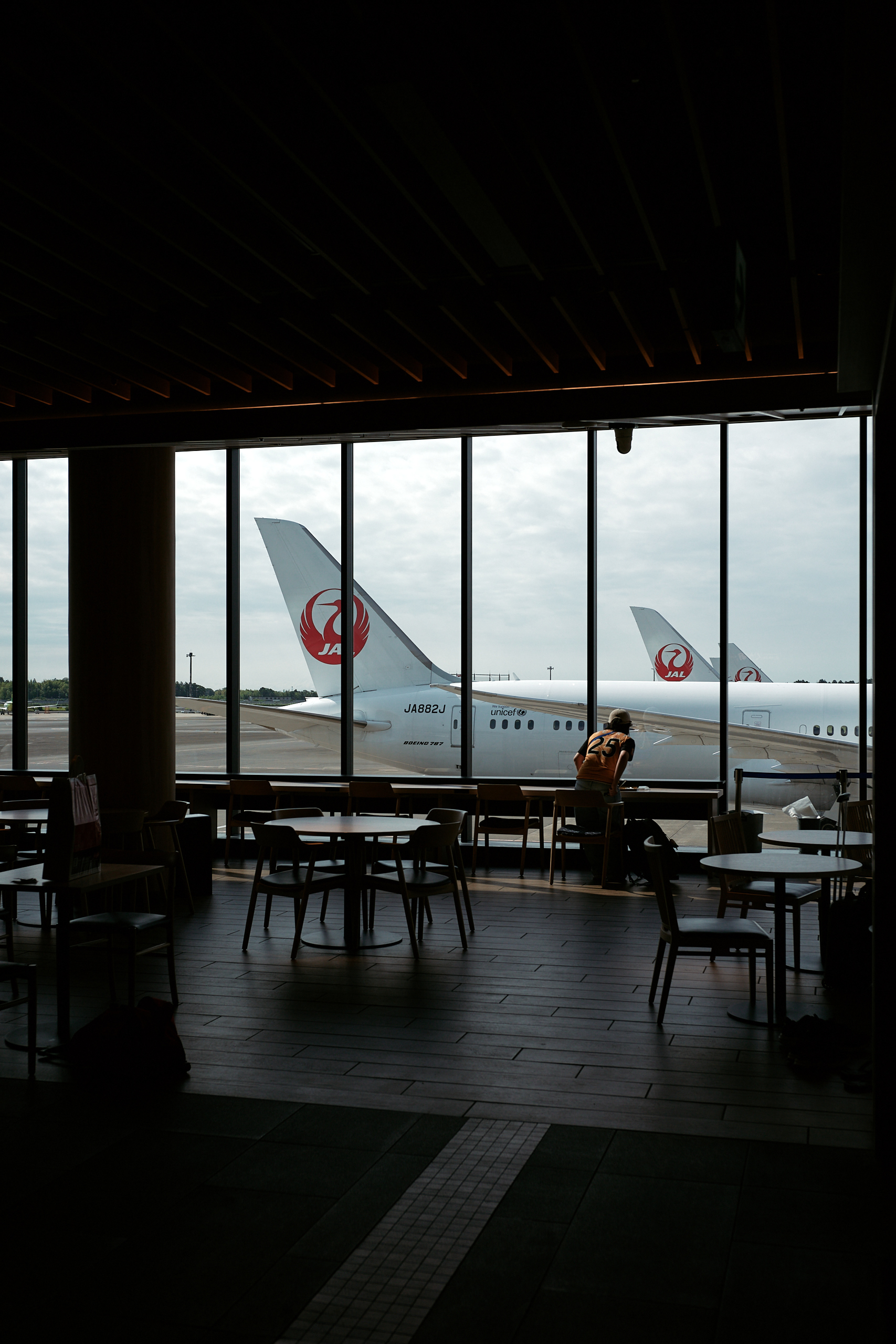
Japan - M10-P Reporter + Zeiss C Biogon 35mm f/2.8
Hong Kong Boat trip
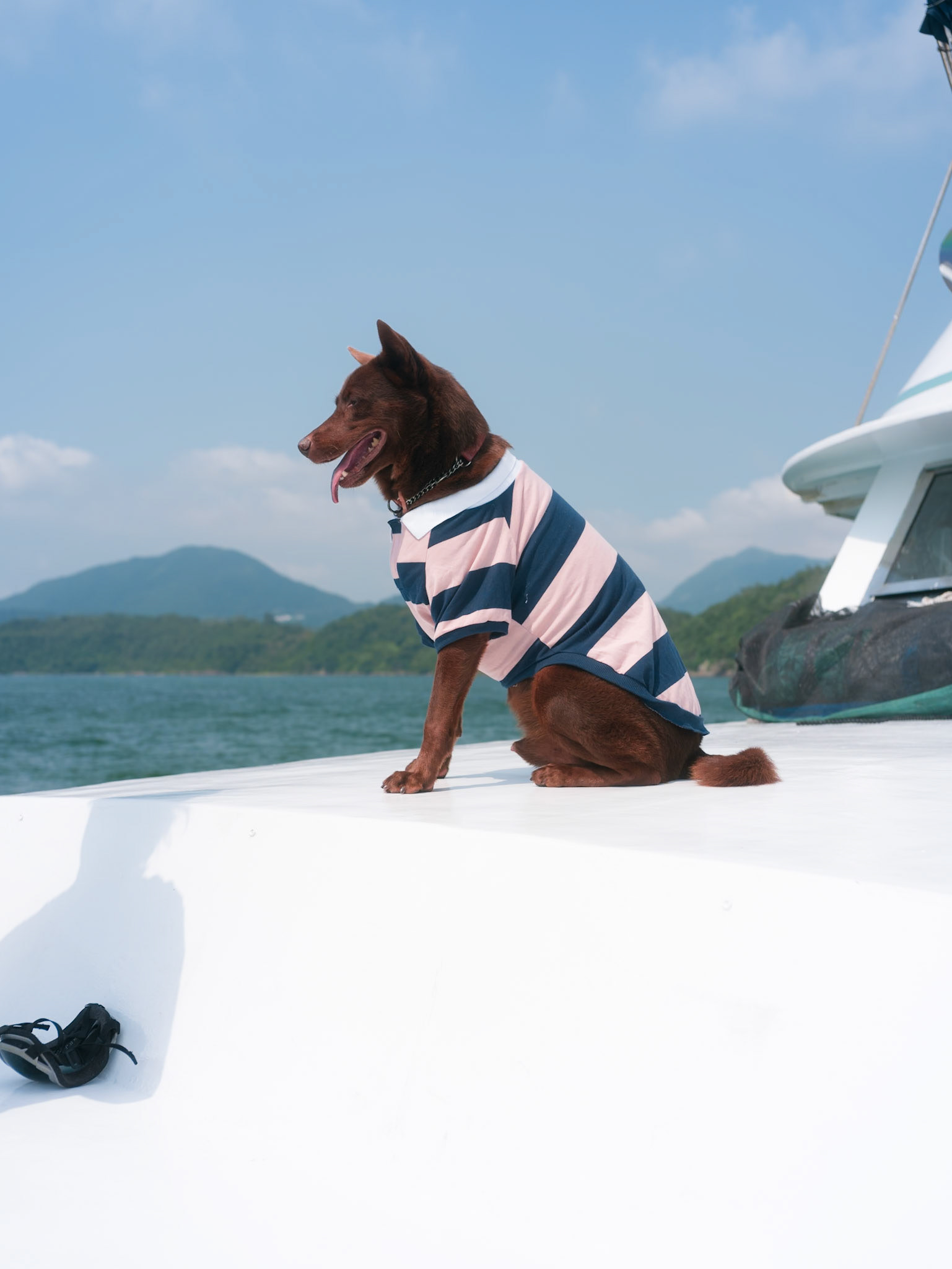
Boat trip, Hong Kong - Leica SL2-S
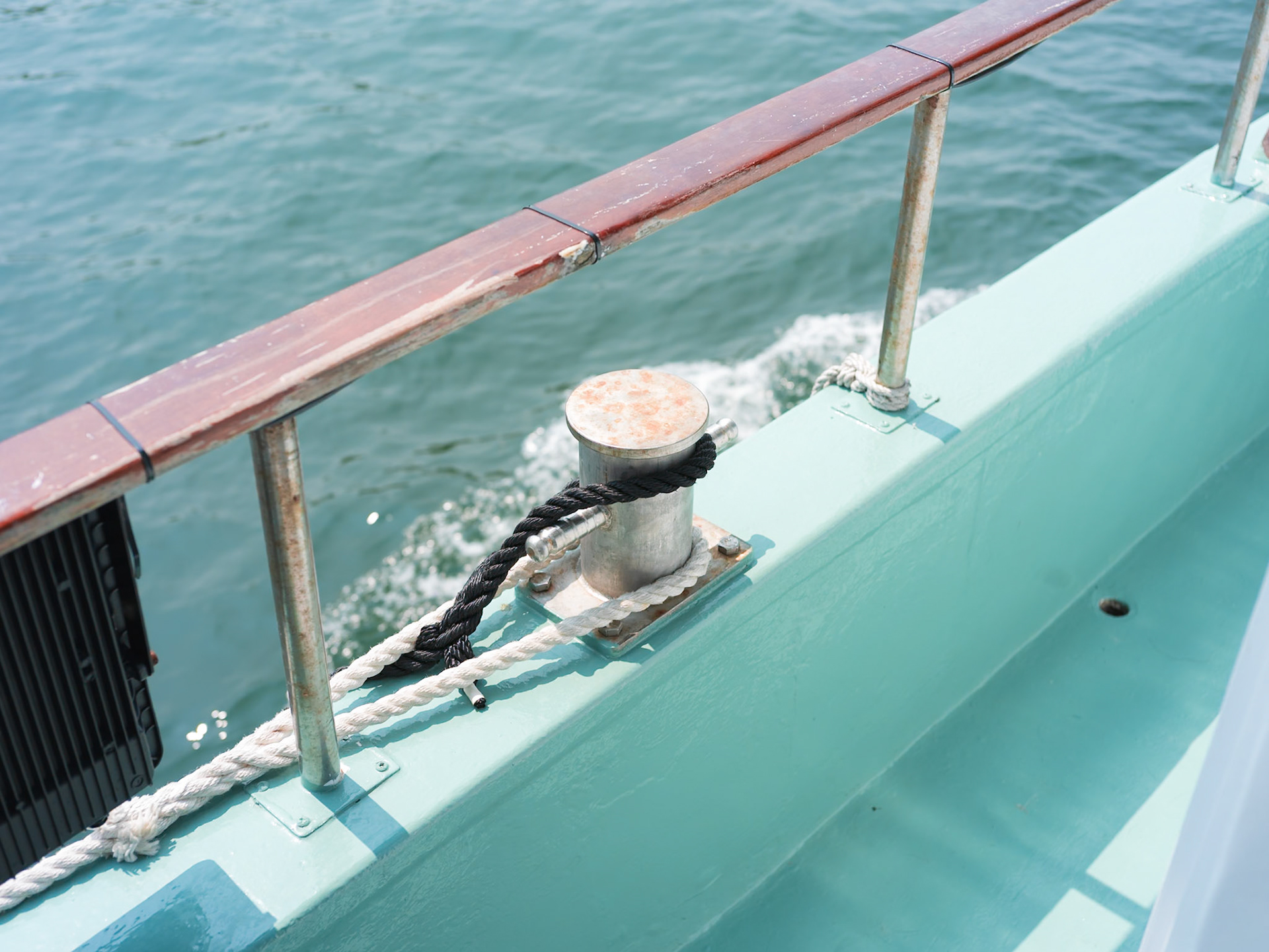
Boat trip, Hong Kong - Leica SL2-S

Boat trip, Hong Kong - Leica SL2-S

Boat trip, Hong Kong - Leica SL2-S

Boat trip, Hong Kong - Leica SL2-S
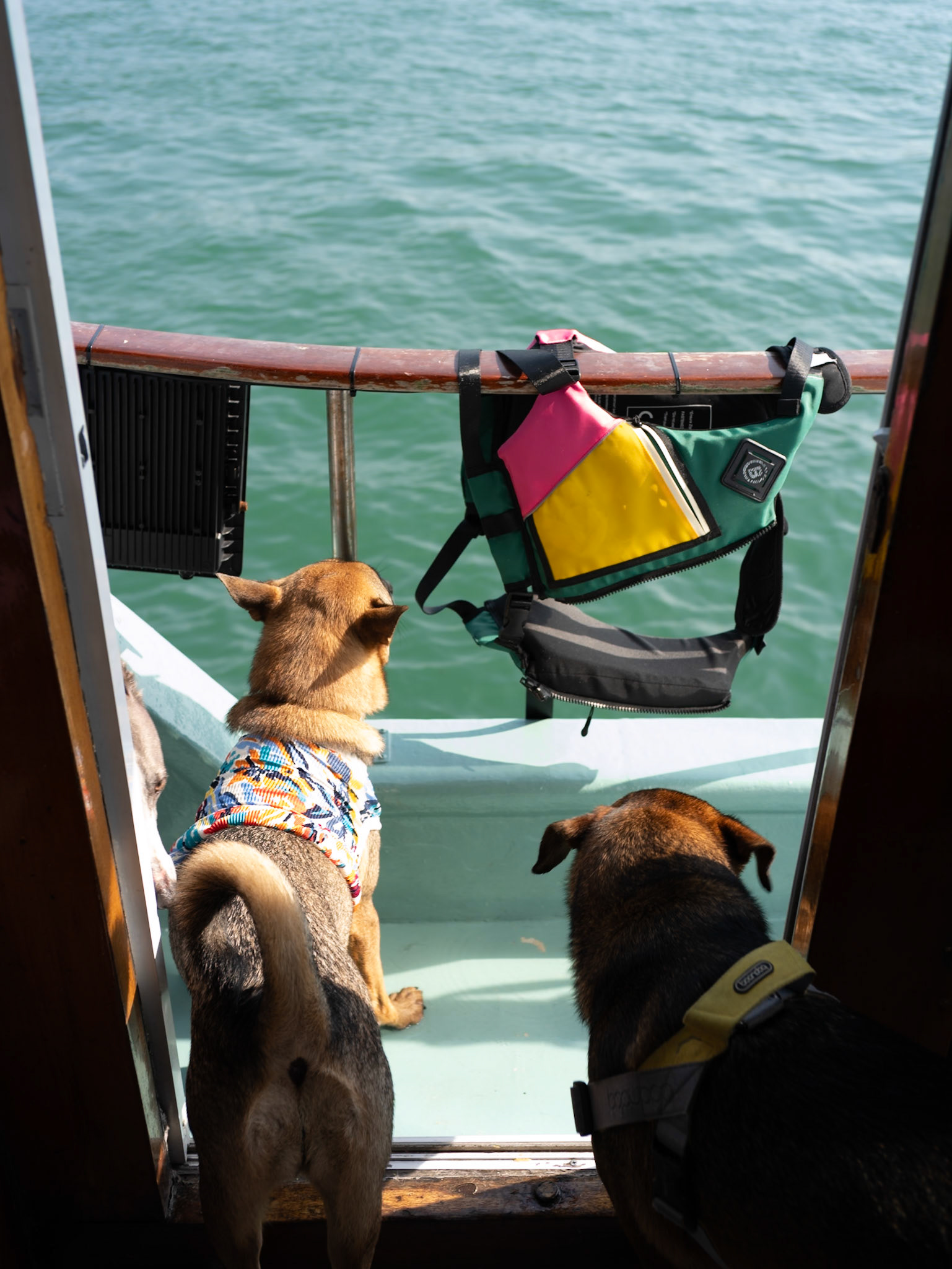
Boat trip, Hong Kong - Leica SL2-S
Image Quality - the objective stuff
This lens is incredibly sharp! So sharp, in fact, that I rarely shoot it at f/8 because even at f/4 or f/5.6, everything is crystal clear. Maybe it’s just too sharp, but that’s really up to personal preference.
How sharp is this lens? Is it Leica APO-Summicron sharp? Actually, yes… for way less money! I own both lenses because I bought the 35mm APO-Summicron at the same time I got my M11-P in January 2025. I’ve used the Zeiss more than the APO-Summicron. Sharpness-wise, they’re both the same, but the way they render is different.
Personally, I find this absolutely breathtaking, super sharp all over the frame. There’s no “soft wide-open” look here. The centre sharpness is amazing from f/2.8, and the corners are impressively sharp, catching up completely by f/5.6.
For photographers who really want to get every last pixel, this lens is probably unmatched in the 35mm M-mount world. It’ll resolve every single pixel on a modern high-resolution digital sensor like the Leica M or Leica SL (with an adapter).
Distortion is practically non-existent. This is one of the lens’s coolest tricks. For architectural or any photography with straight lines, the C Biogon is a dream come true. You can shoot a cityscape or a building interior near the edges of the frame without worrying about any bent lines. This optical trick is all thanks to the symmetrical Biogon design.
TLDR: super, super sharp
Image Quality - the subjective stuff
The way this lens renders out-of-focus areas feels like it has a pretty linear fall-off, which isn’t always obvious. But in good, strong light, it does give the images a pleasing look. In dim light and at night, though, I don’t think it’s really special (though nothing wrong with it!). The APO-Summicron is actually better in this area.
For the past few months, I’ve also been using a Shortstache Everyday filter—it’s like a circular polarizer and mist filter all rolled into one! It really cuts down on the light hitting the lens, and since the Zeiss is a f/2.8, it’s a huge win. But, on a modern M11-P 63MP sensor or even the older 24MP sensor of the SL2-S, it seems to handle it pretty well. Do you really need this filter? Not really, but I’m loving it so far—but honestly, I’m not sure if I’m totally hooked yet either.
TLDR: It’s great for smooth, linear out-of-focus fall-off in bright light, good in dim light, but not exactly groundbreaking.
Okinawa Streets, Japan
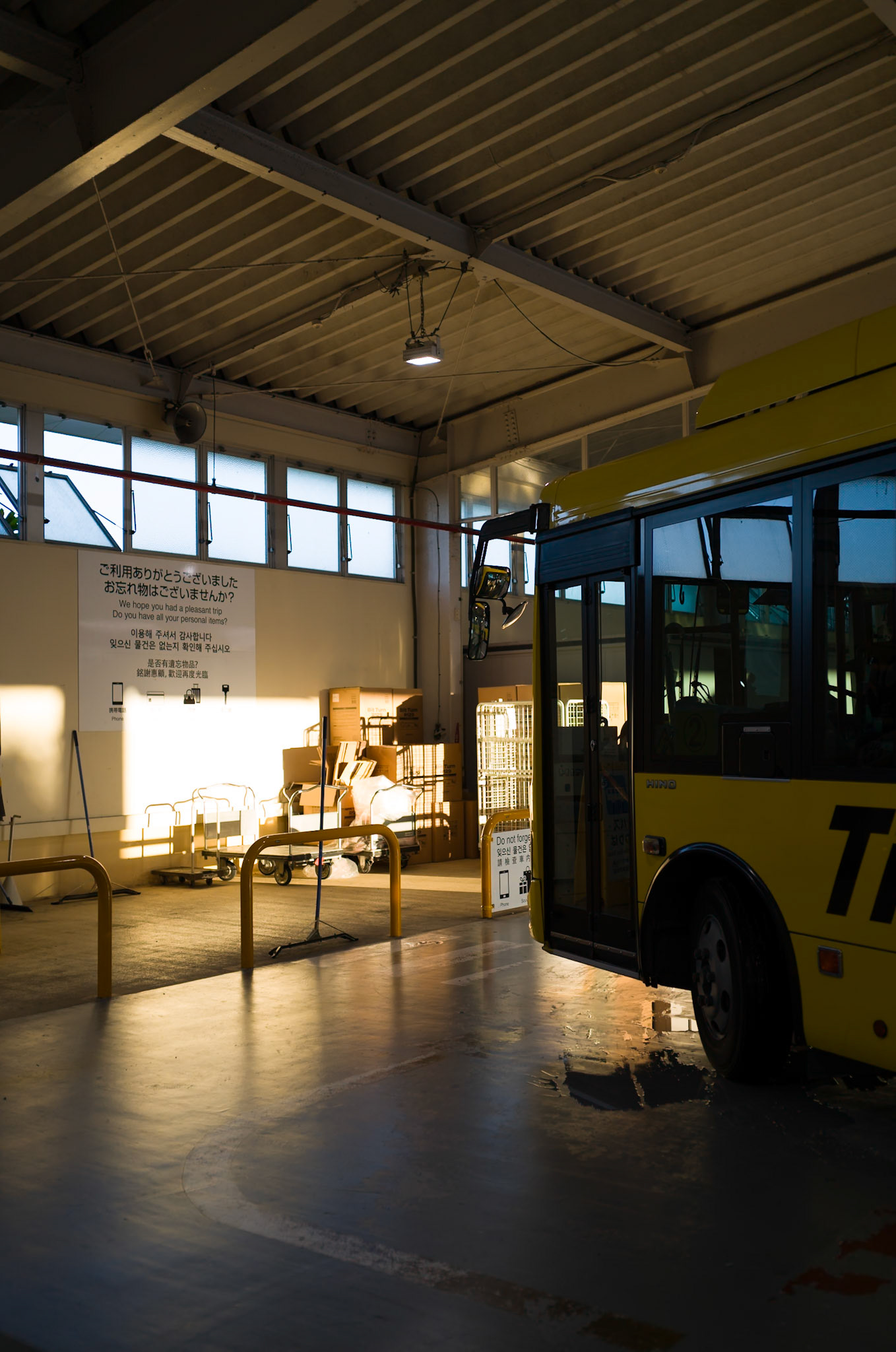
Okinawa, Japan - Leica M11-P
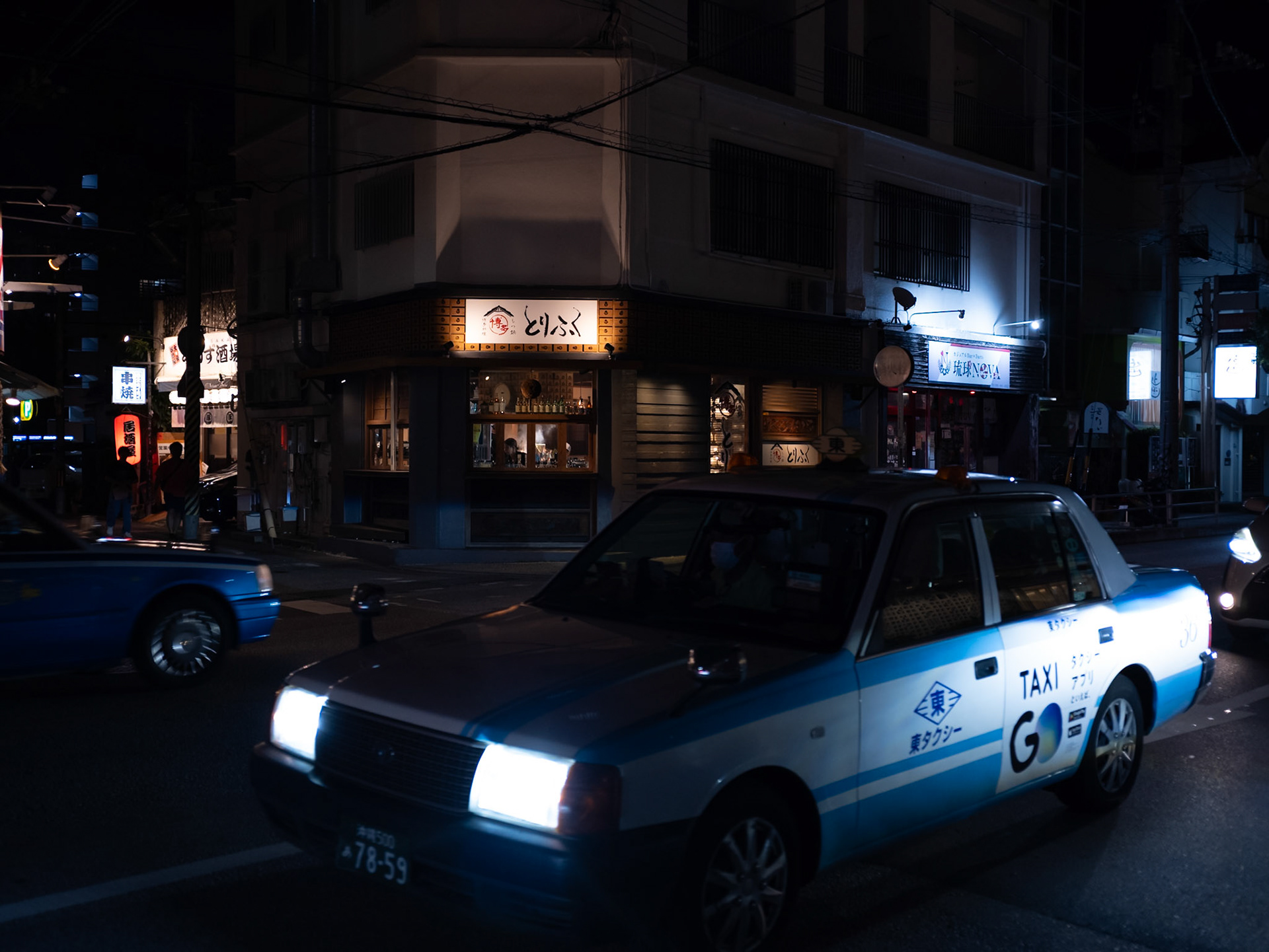
Okinawa Street, Japan - Leica SL2-S
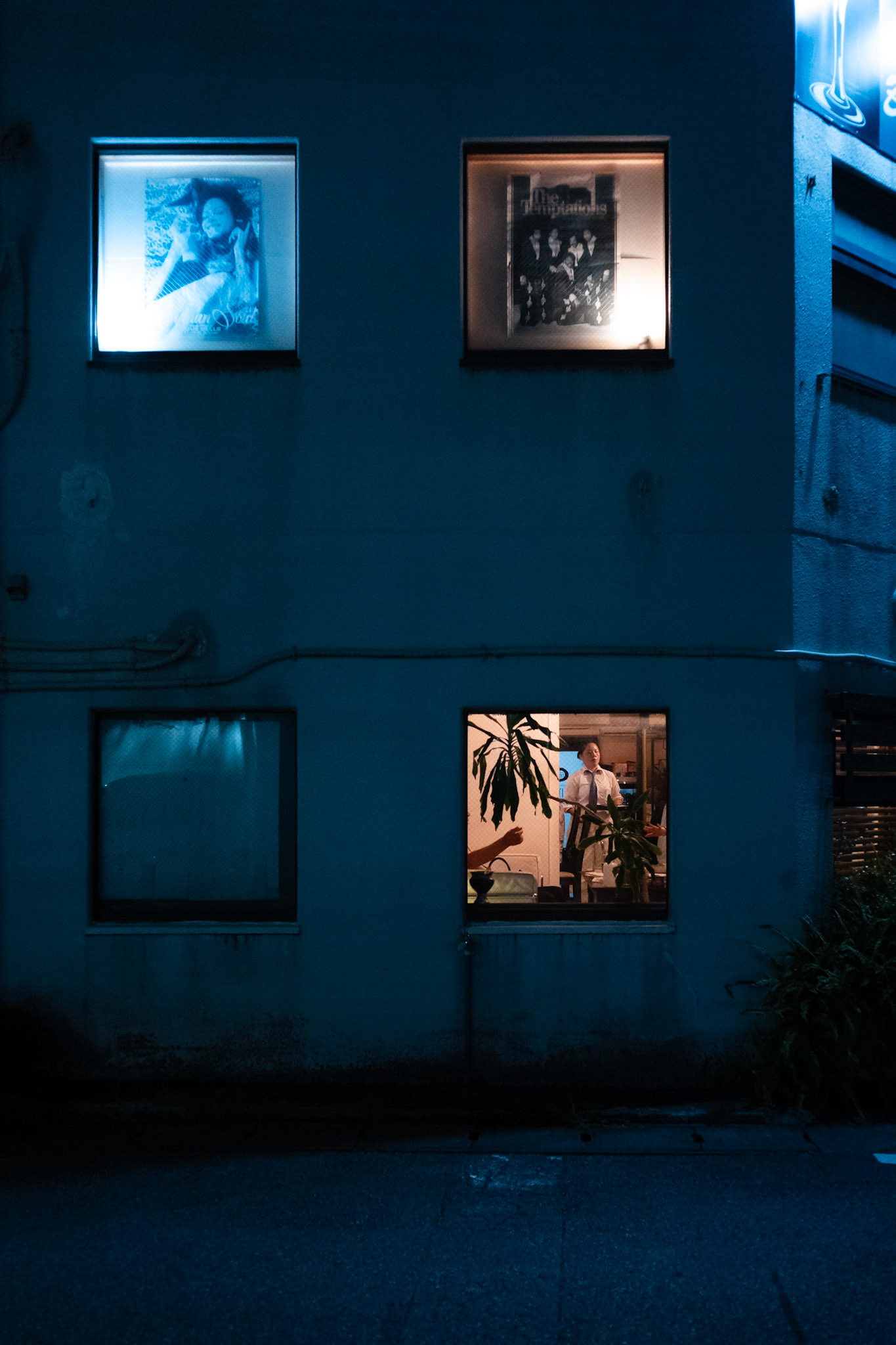
Okinawa Street, Japan - Leica SL2-S
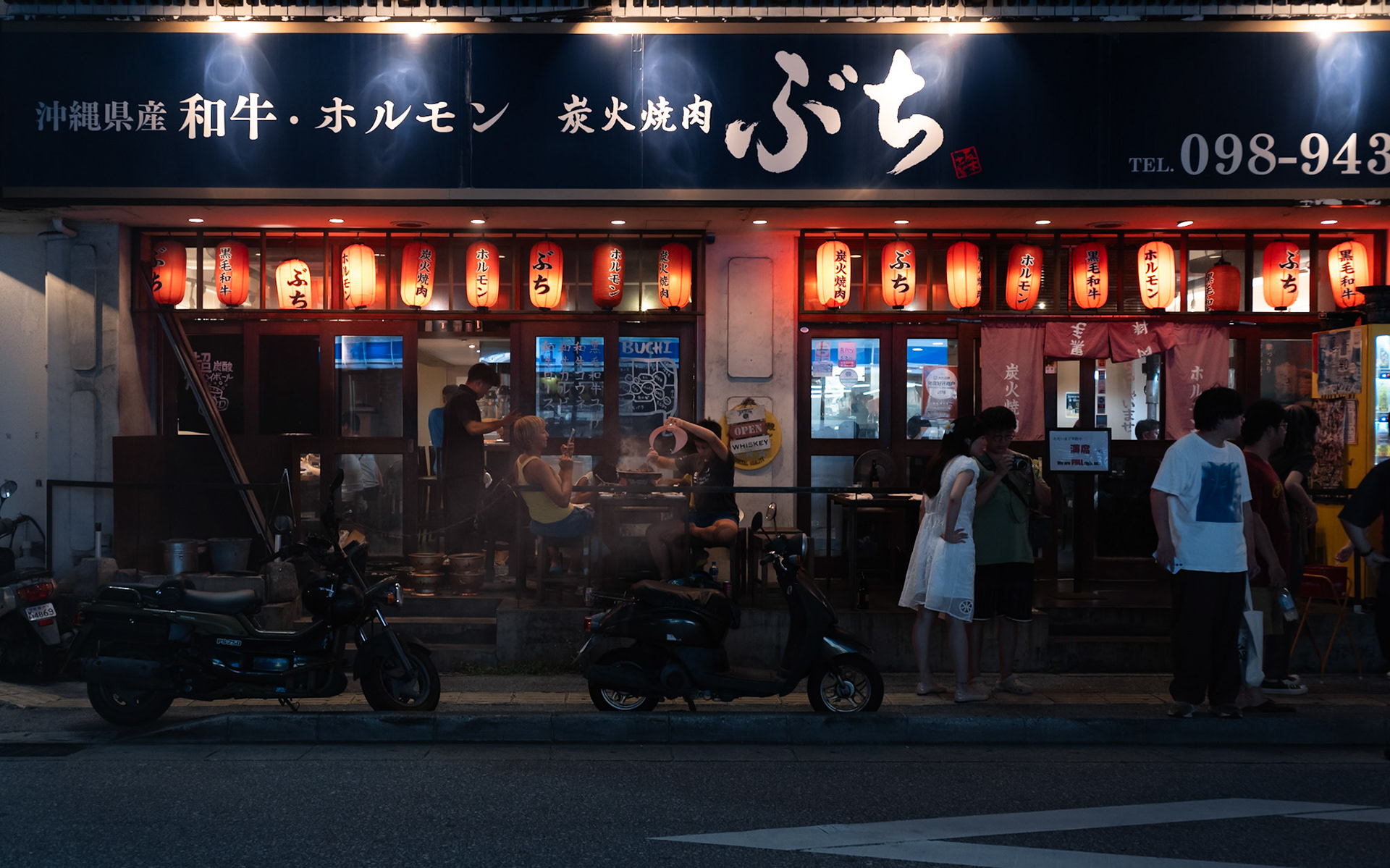
Okinawa Street, Japan - Leica SL2-S
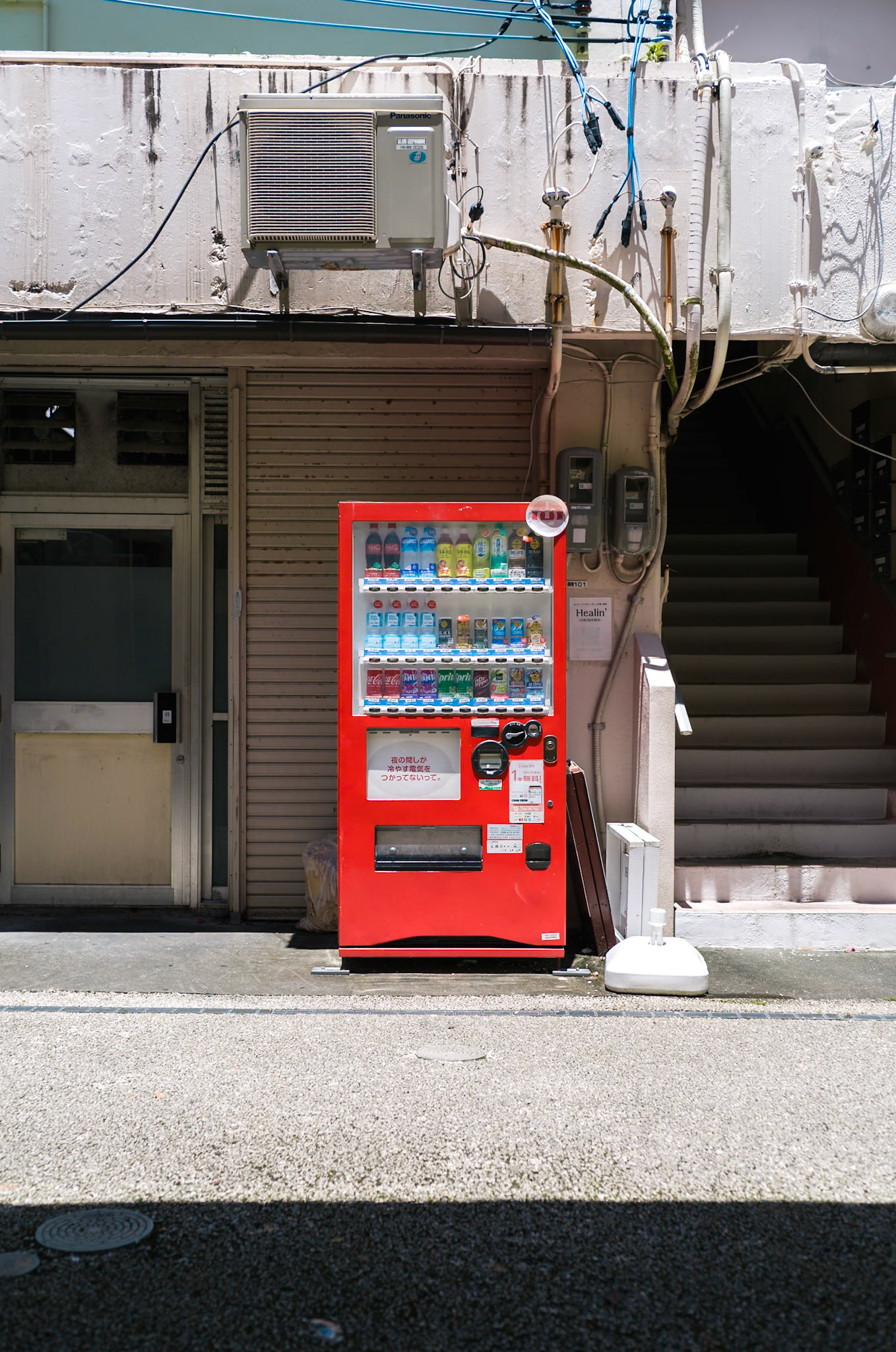
Japanese vending machine, Leica
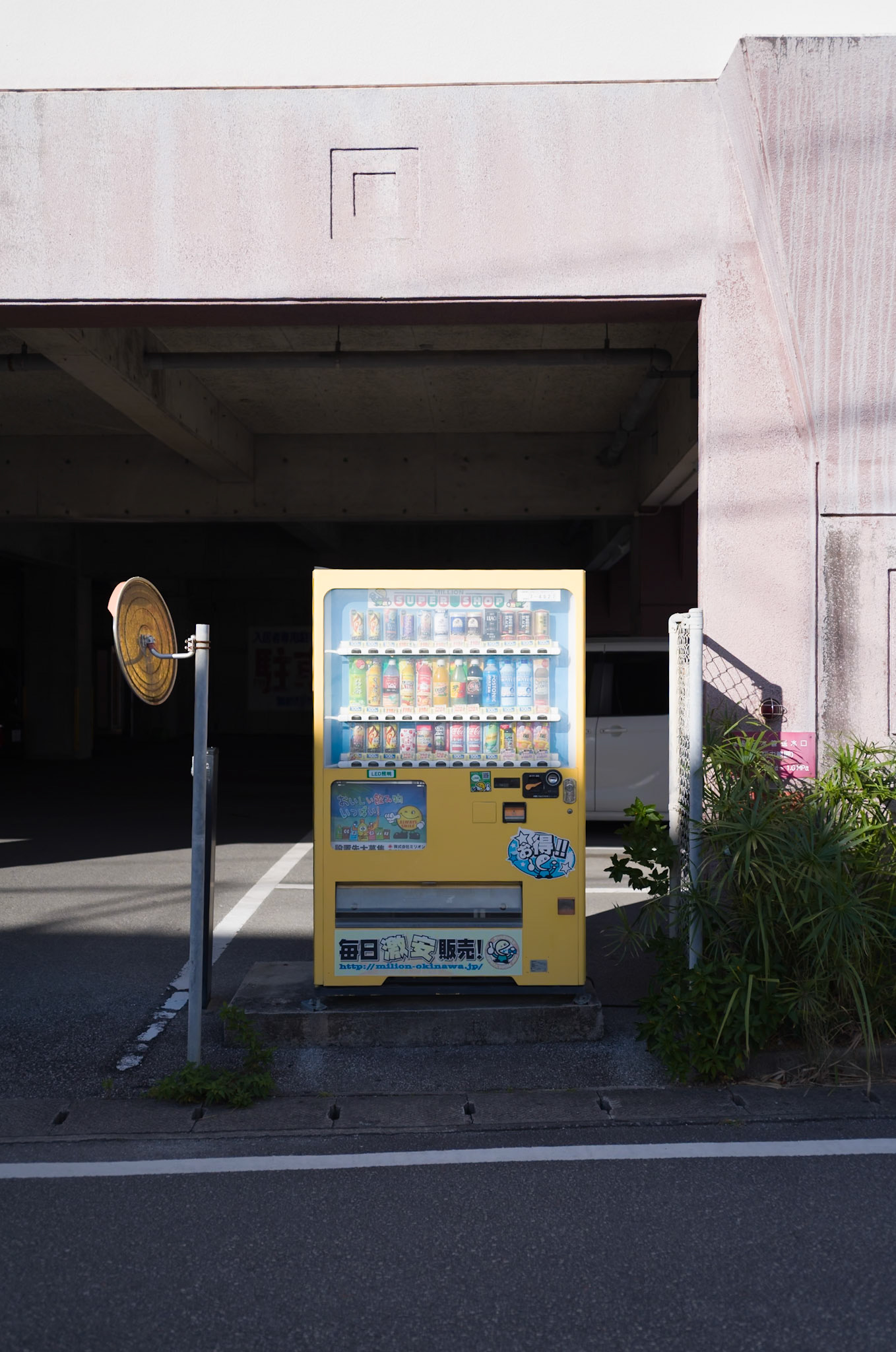
Japanese vending machine, Leica
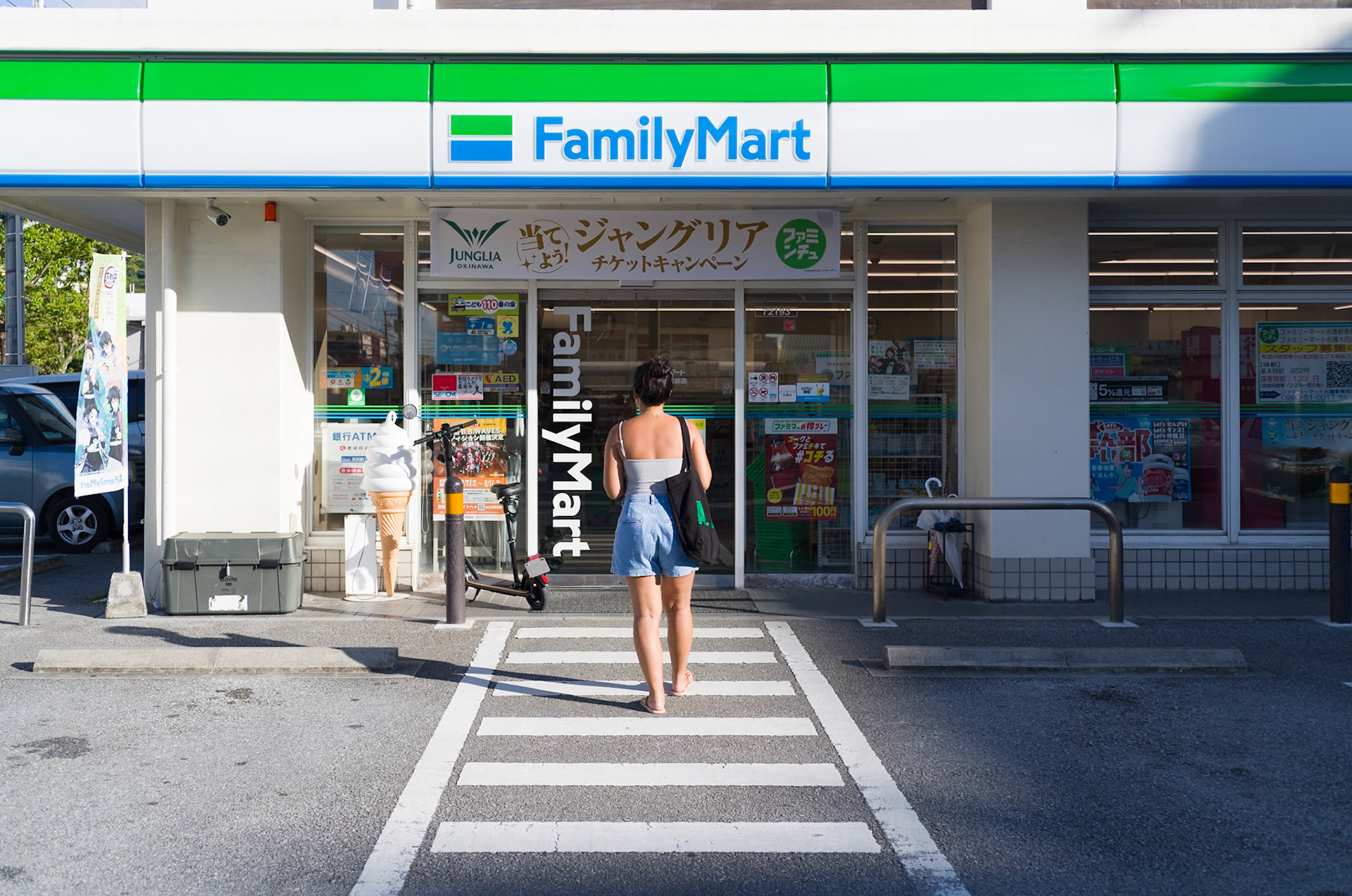
Okinawa Street, Japan - Leica M11-P
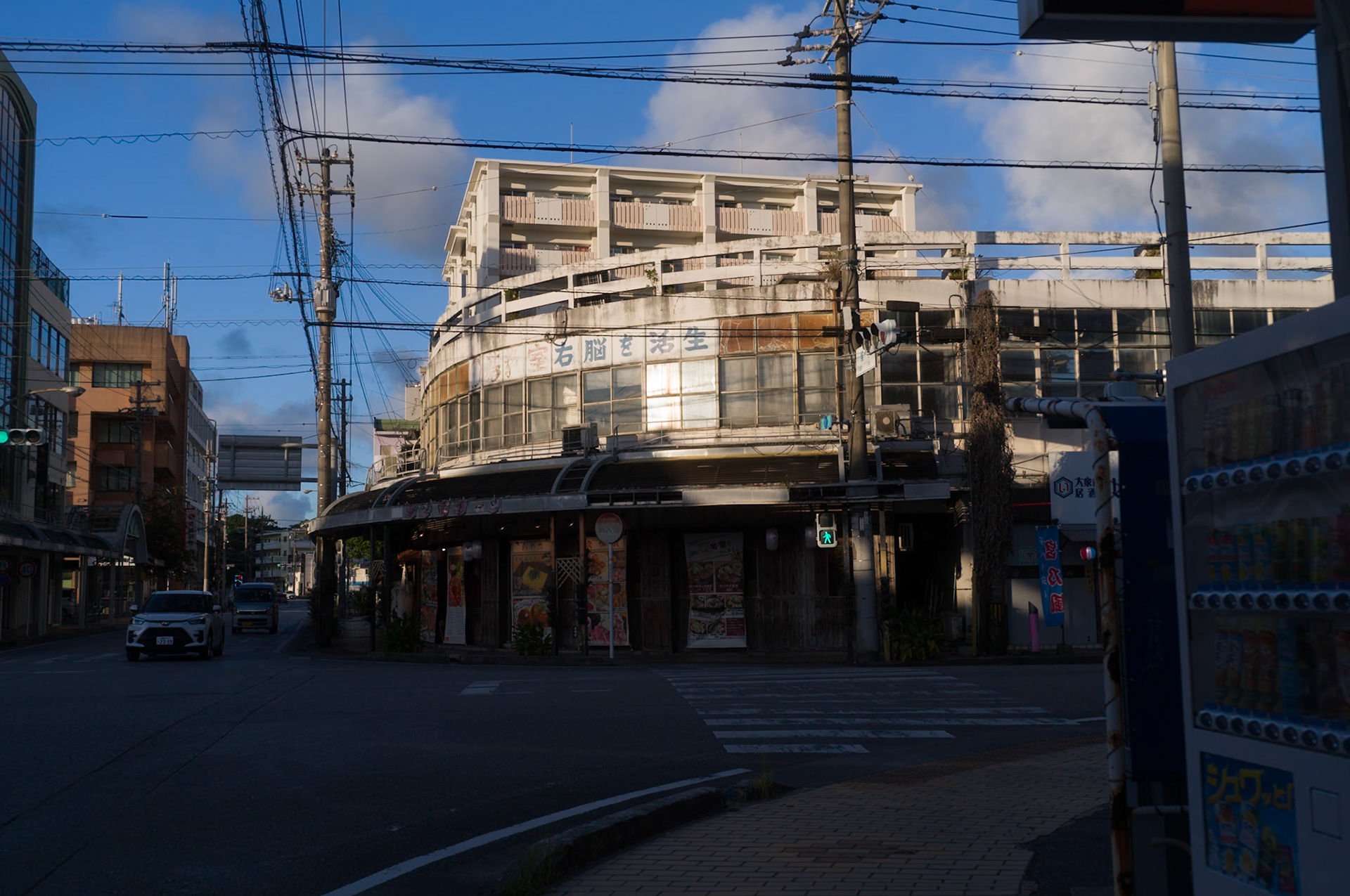
Okinawa Street, Japan - Leica M11-P
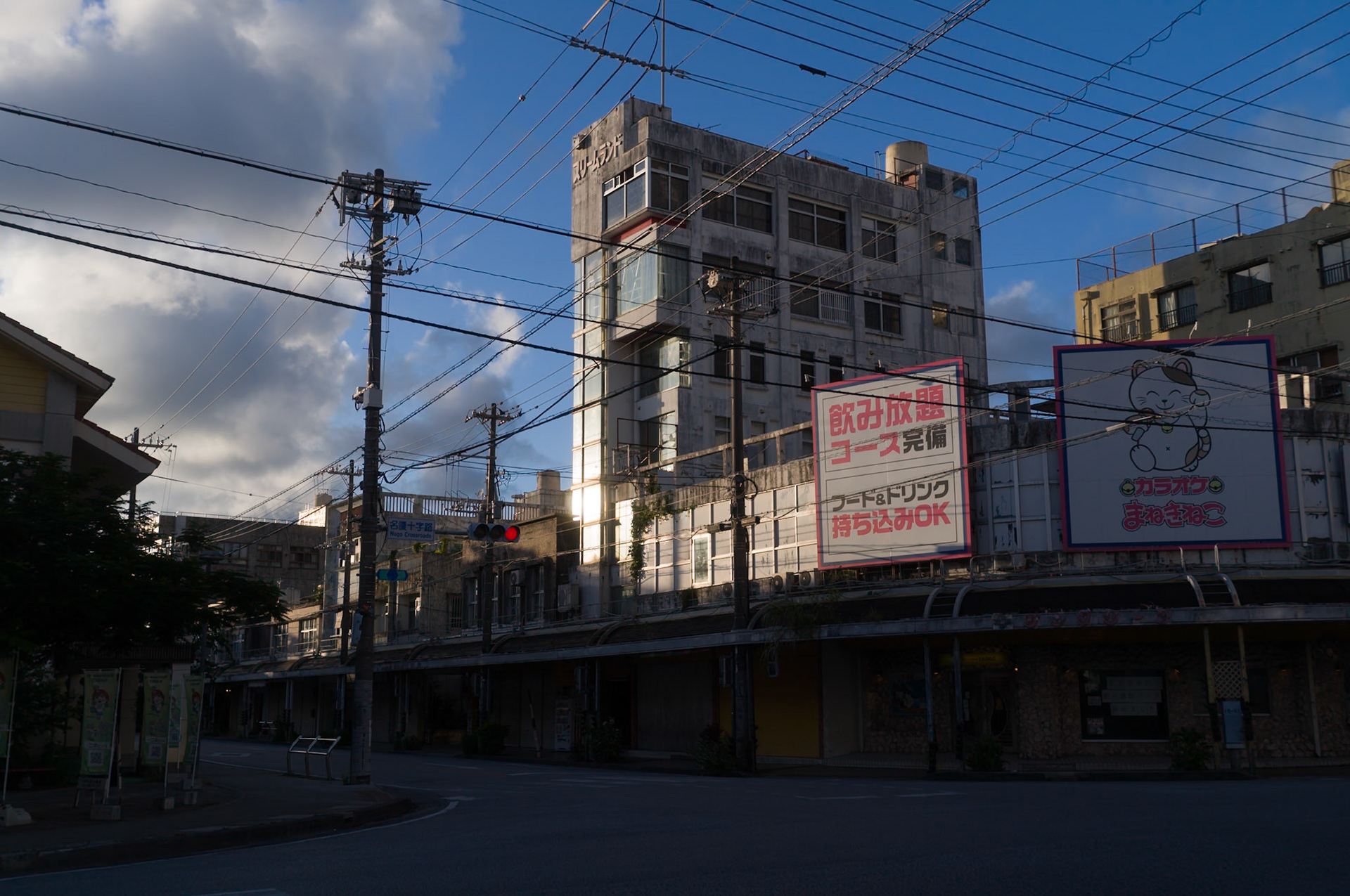
Okinawa Street, Japan - Leica M11-P
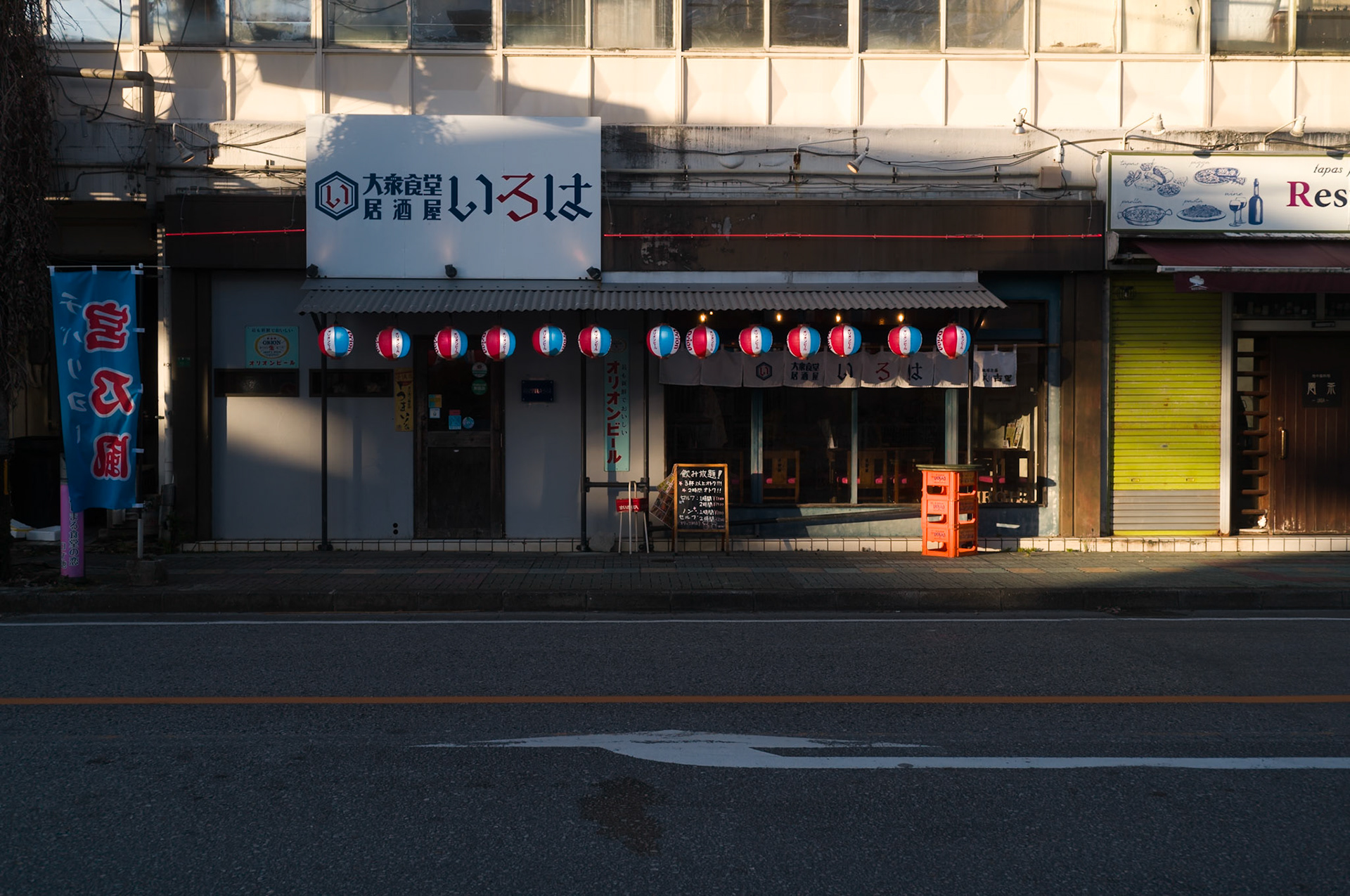
Okinawa Street, Japan - Leica M11-P

Okinawa Aquarium, Japan - Leica SL2-S
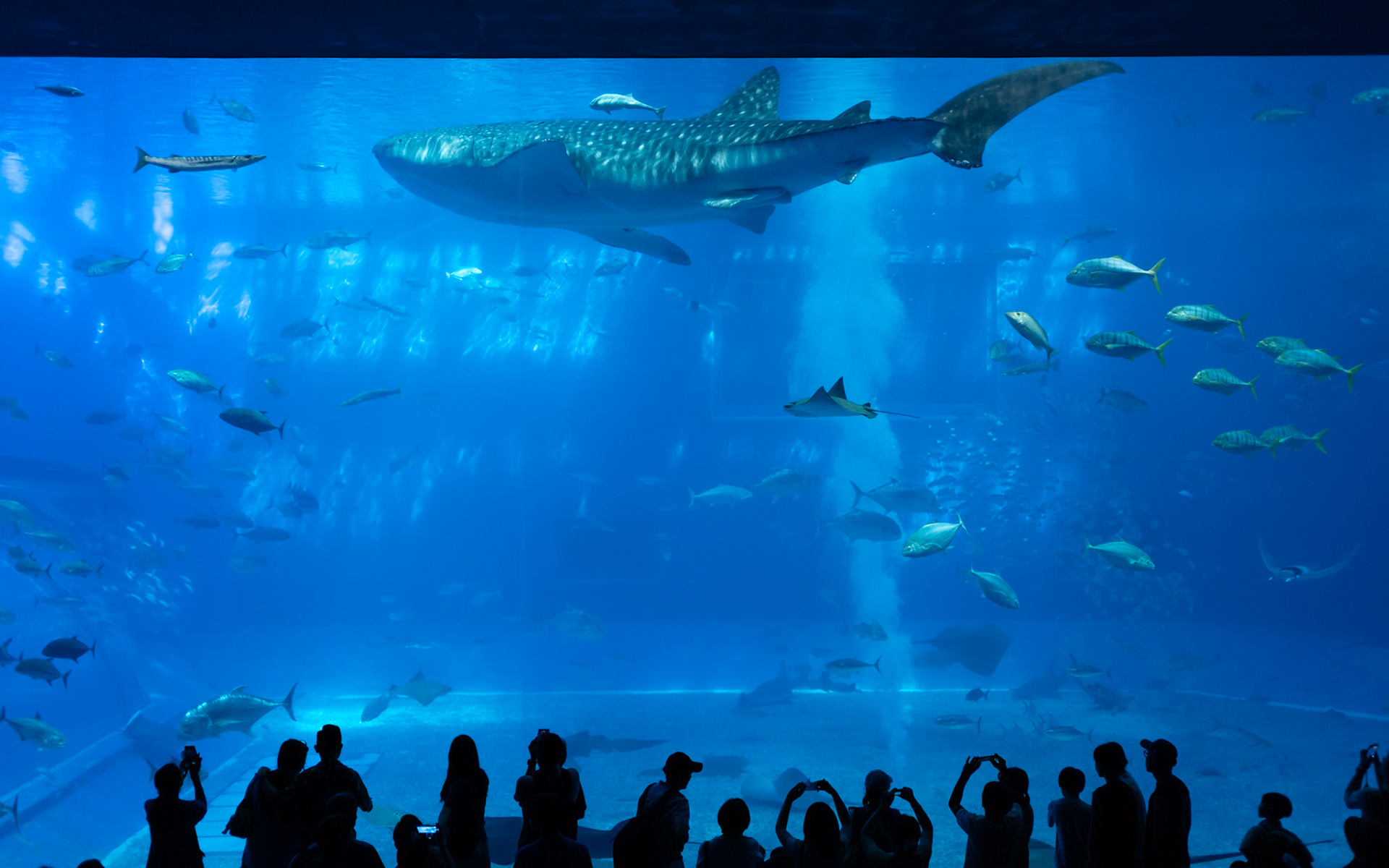
Okinawa Aquarium, Japan - Leica SL2-S
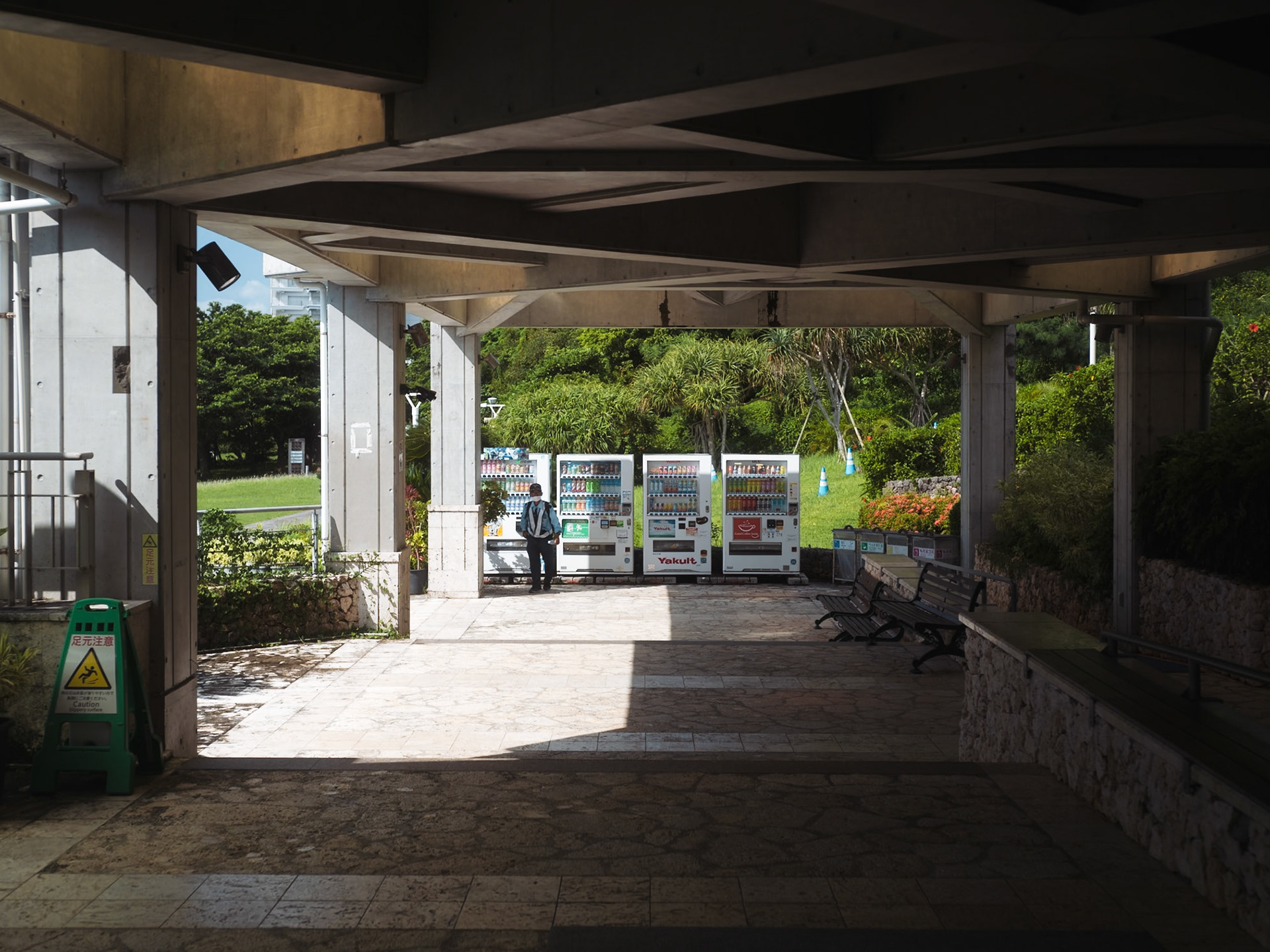
Okinawa Aquarium, Japan - Leica M11-P
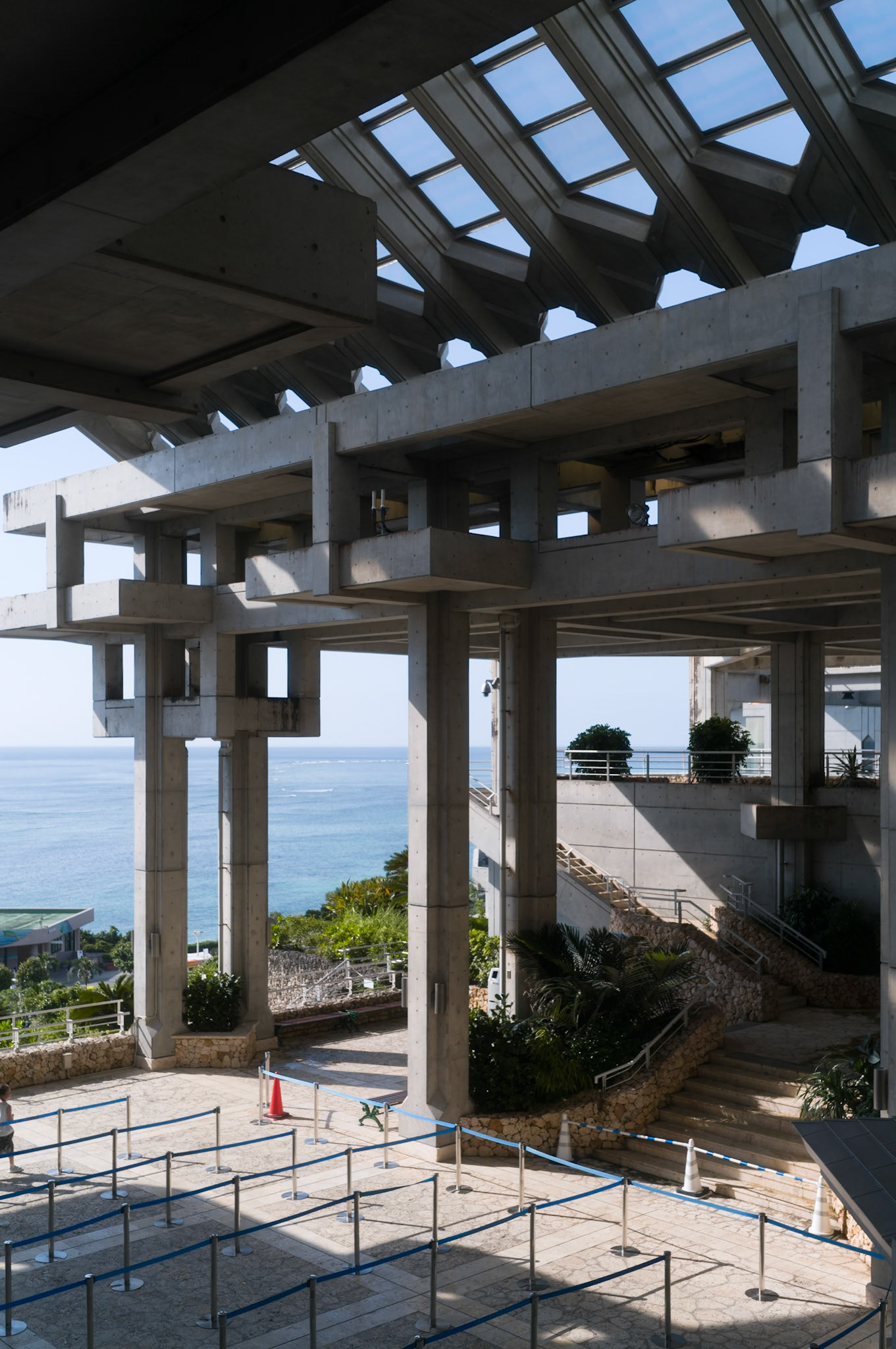
Okinawa Aquarium, Japan - Leica M11-P
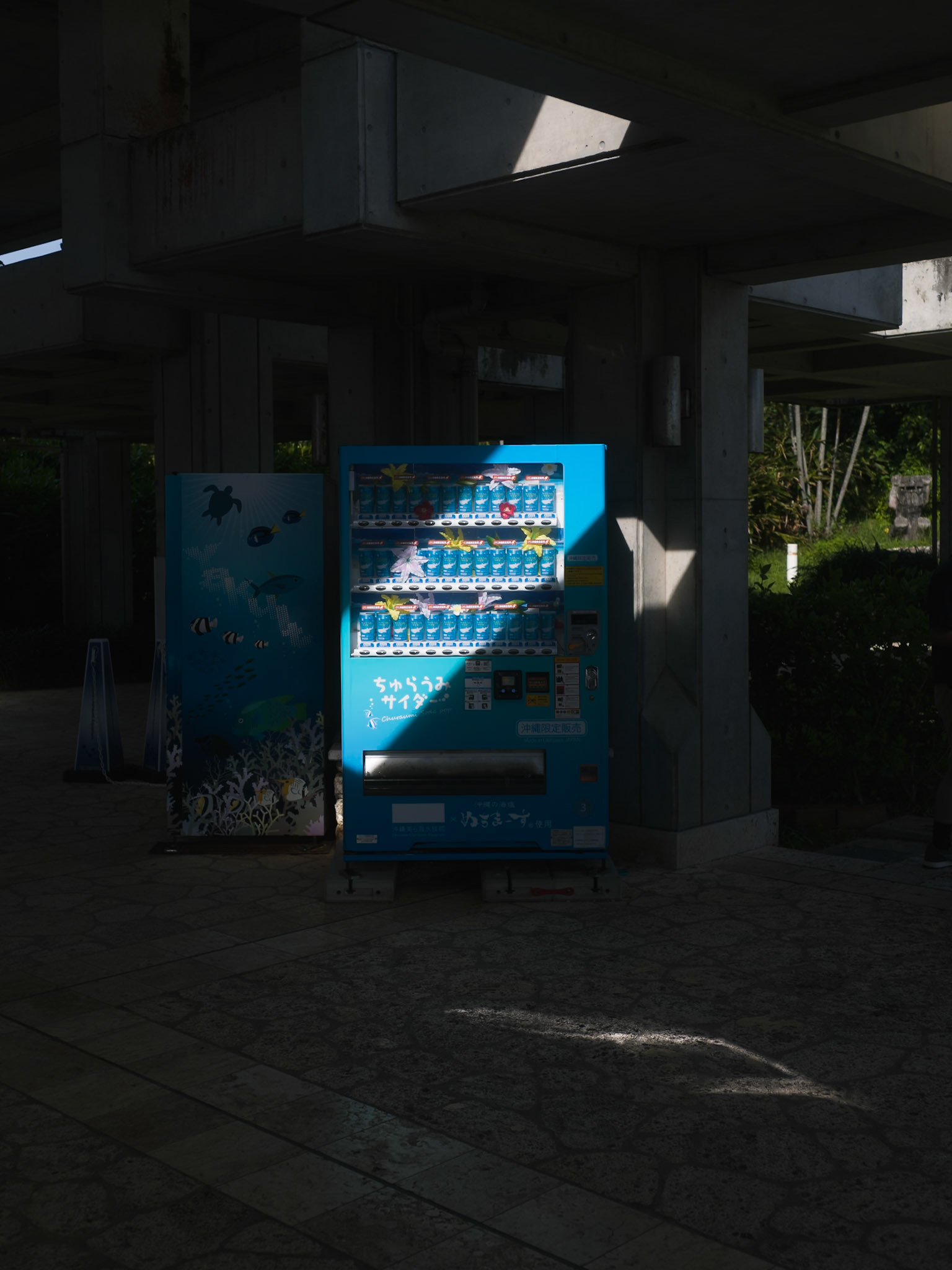
Japanese vending machine, Leica M11-P
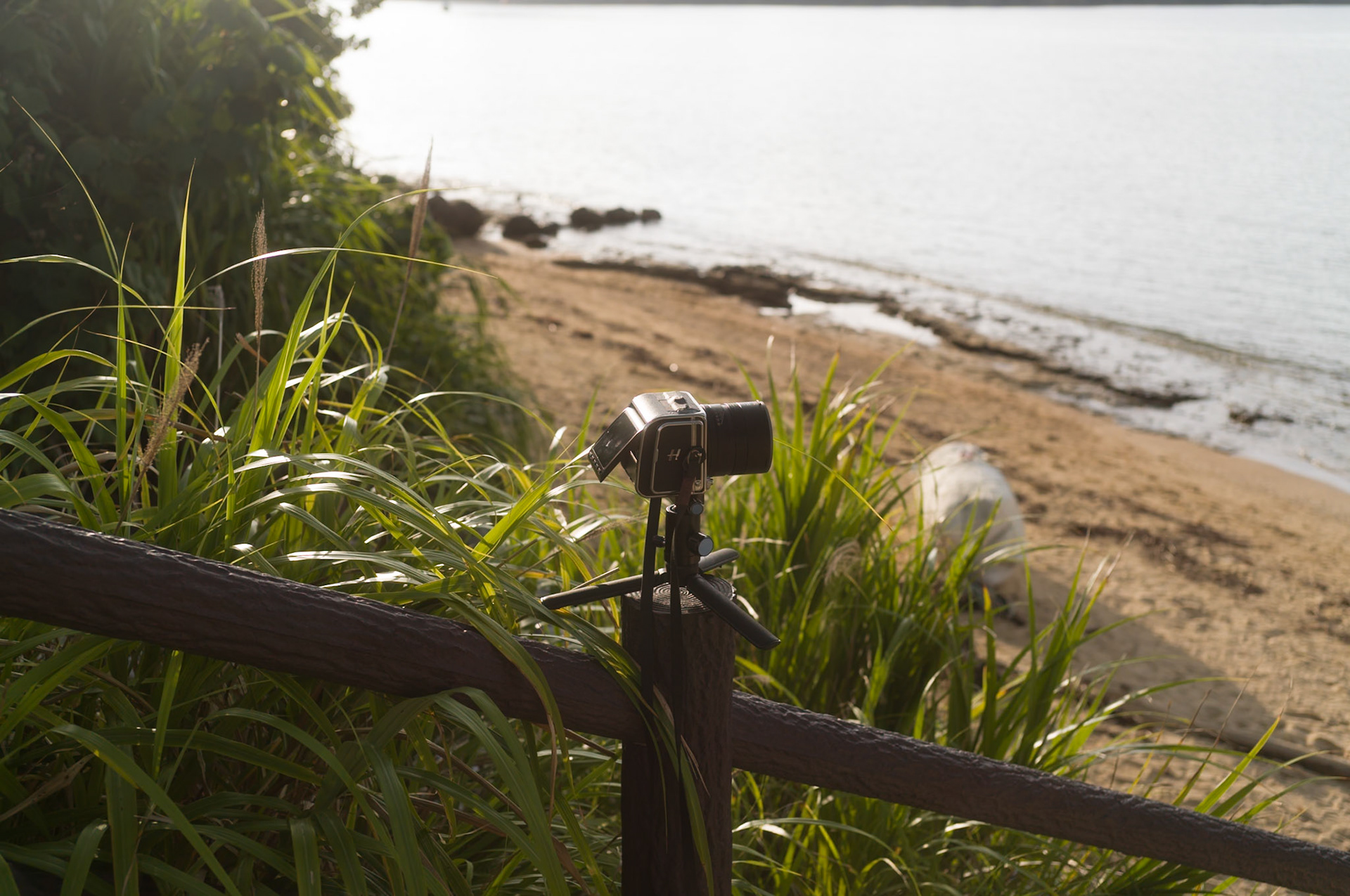
Hasselblad 907x on a beach, Okinawa, Japan - Leica M11-P
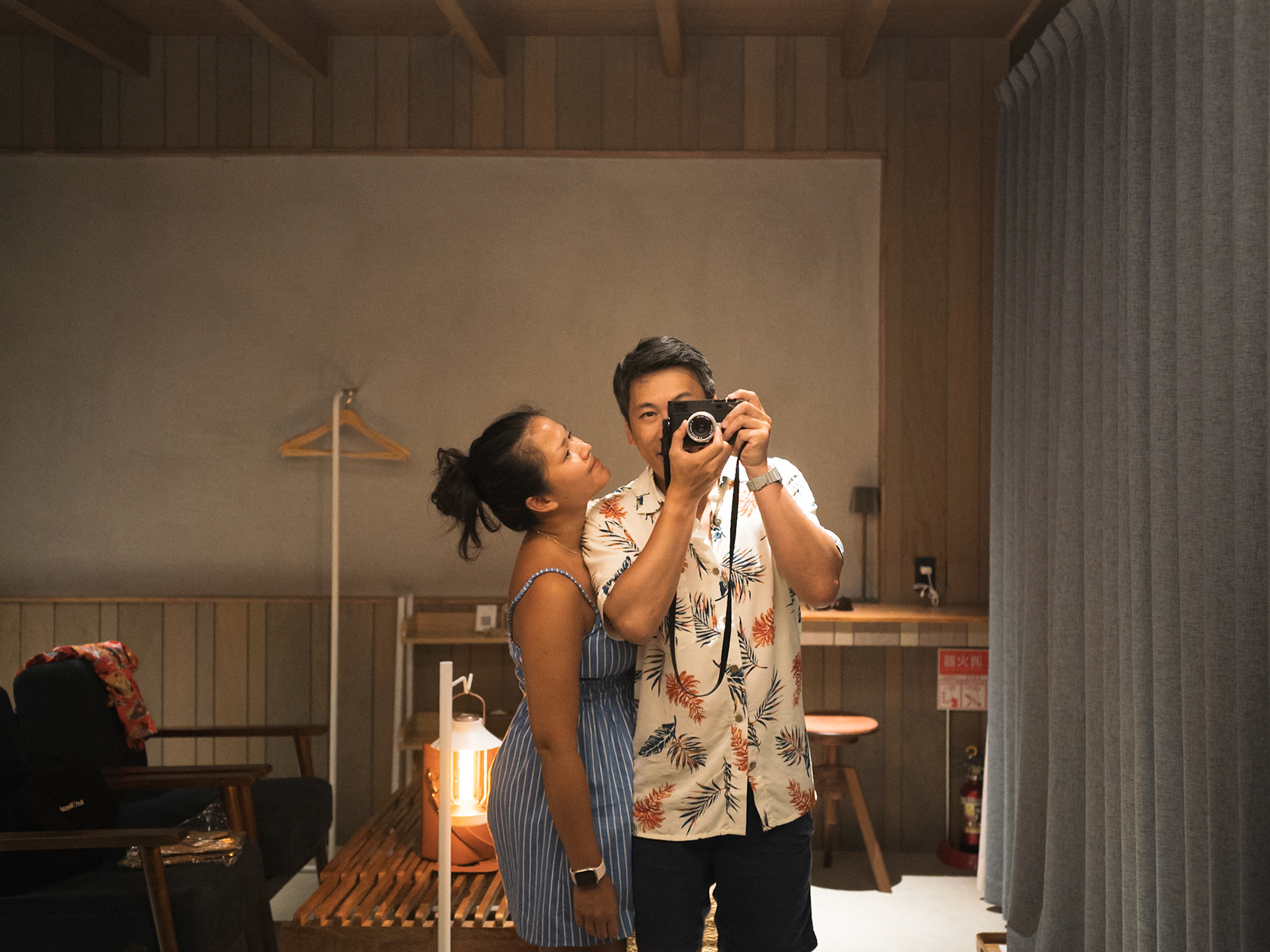
Me and Wifey, Okinawa, Japan - Leica M11-P
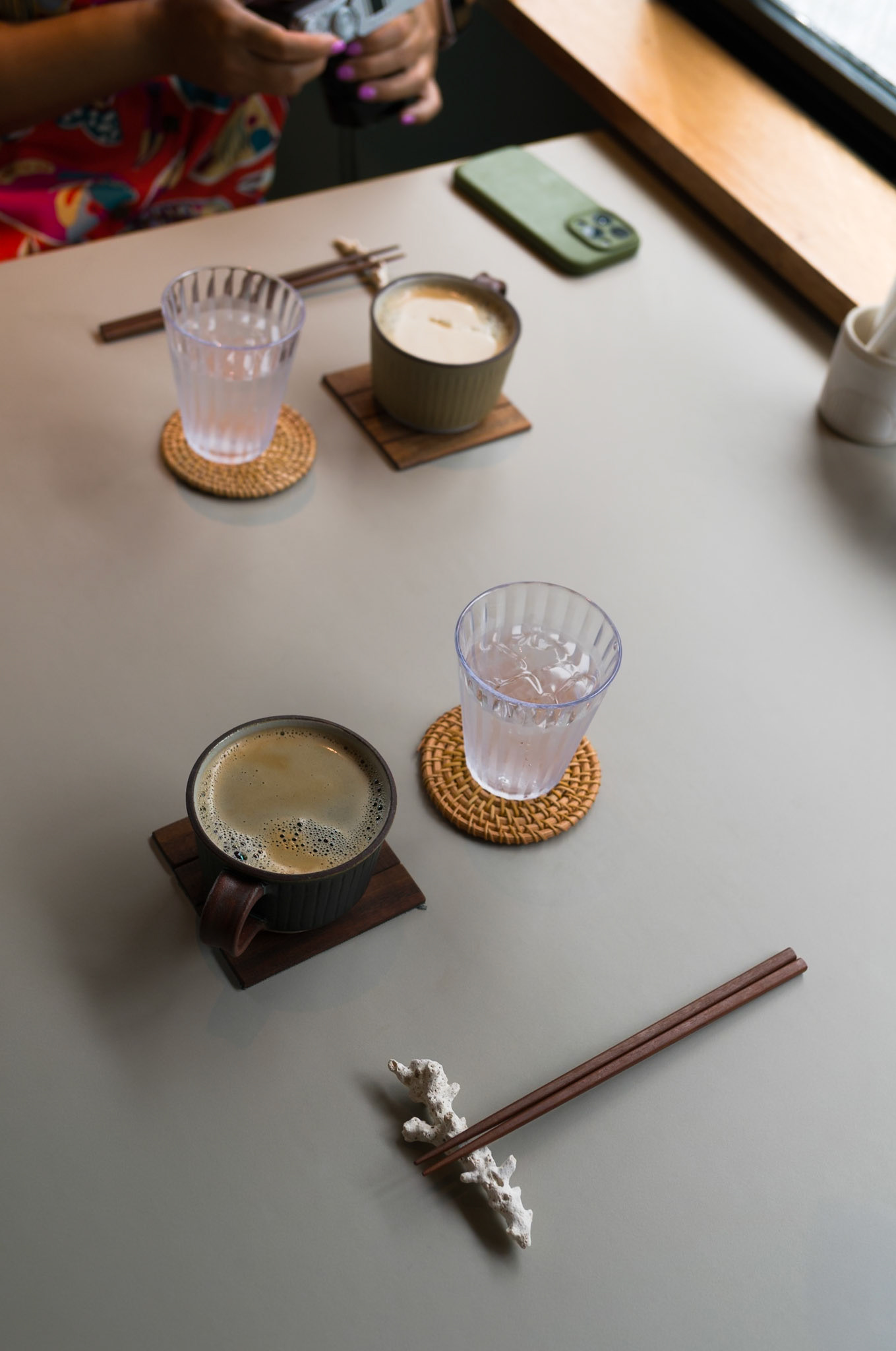
Okinawa hotel, Japan - Leica M11-P
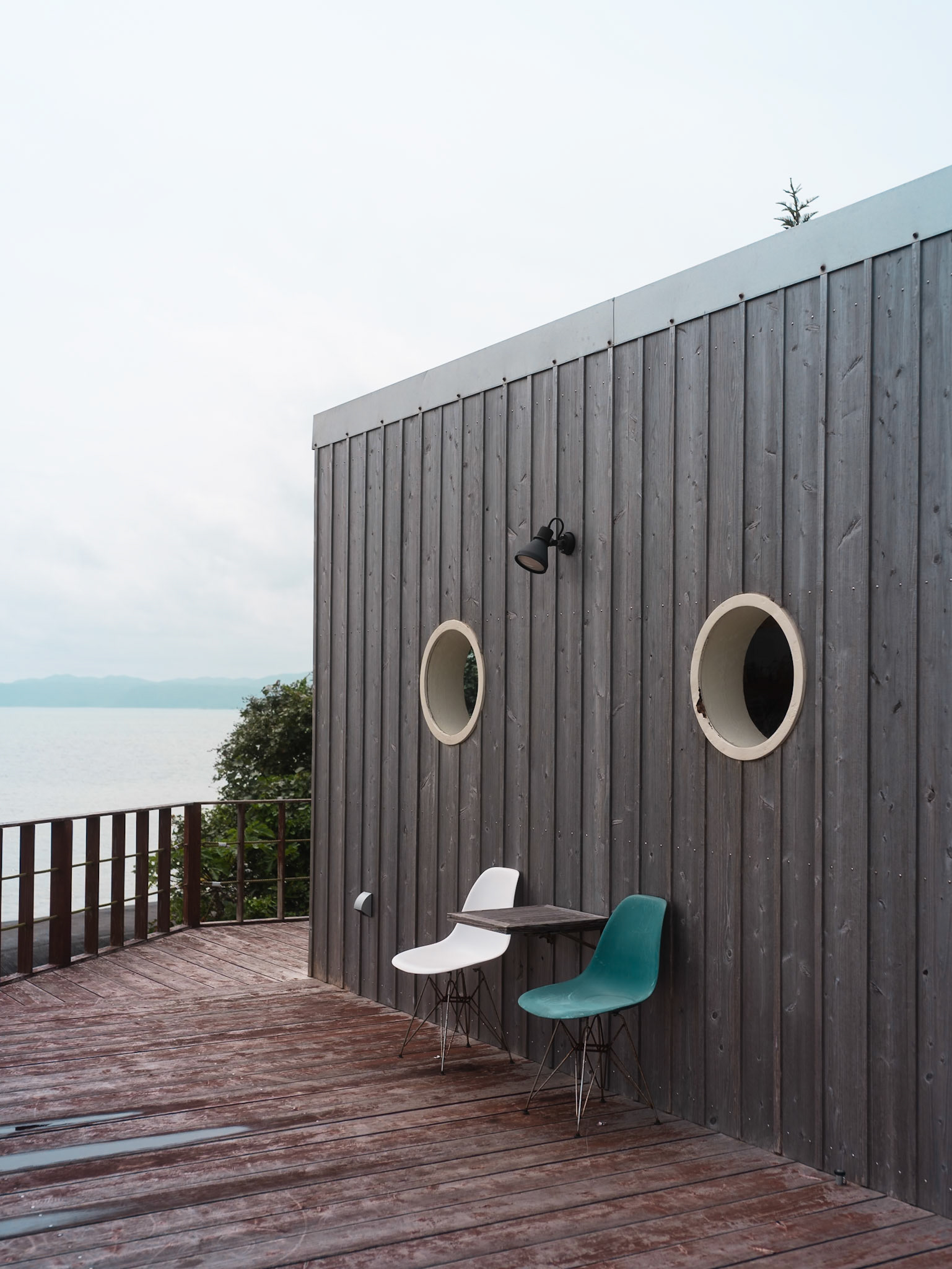
Okinawa shop, Japan - Leica SL2-S
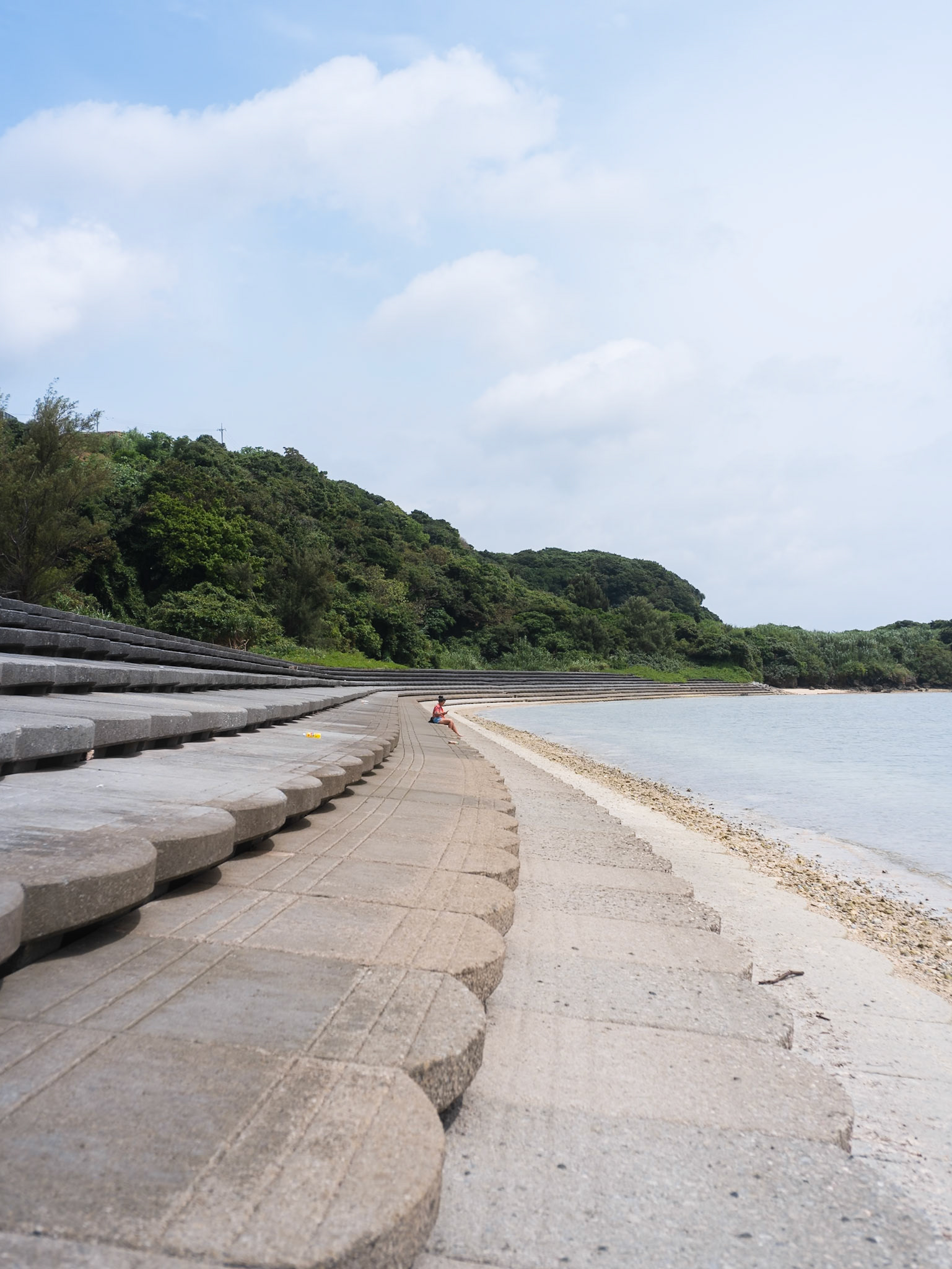
Okinawa coast, Japan - Leica SL2-S
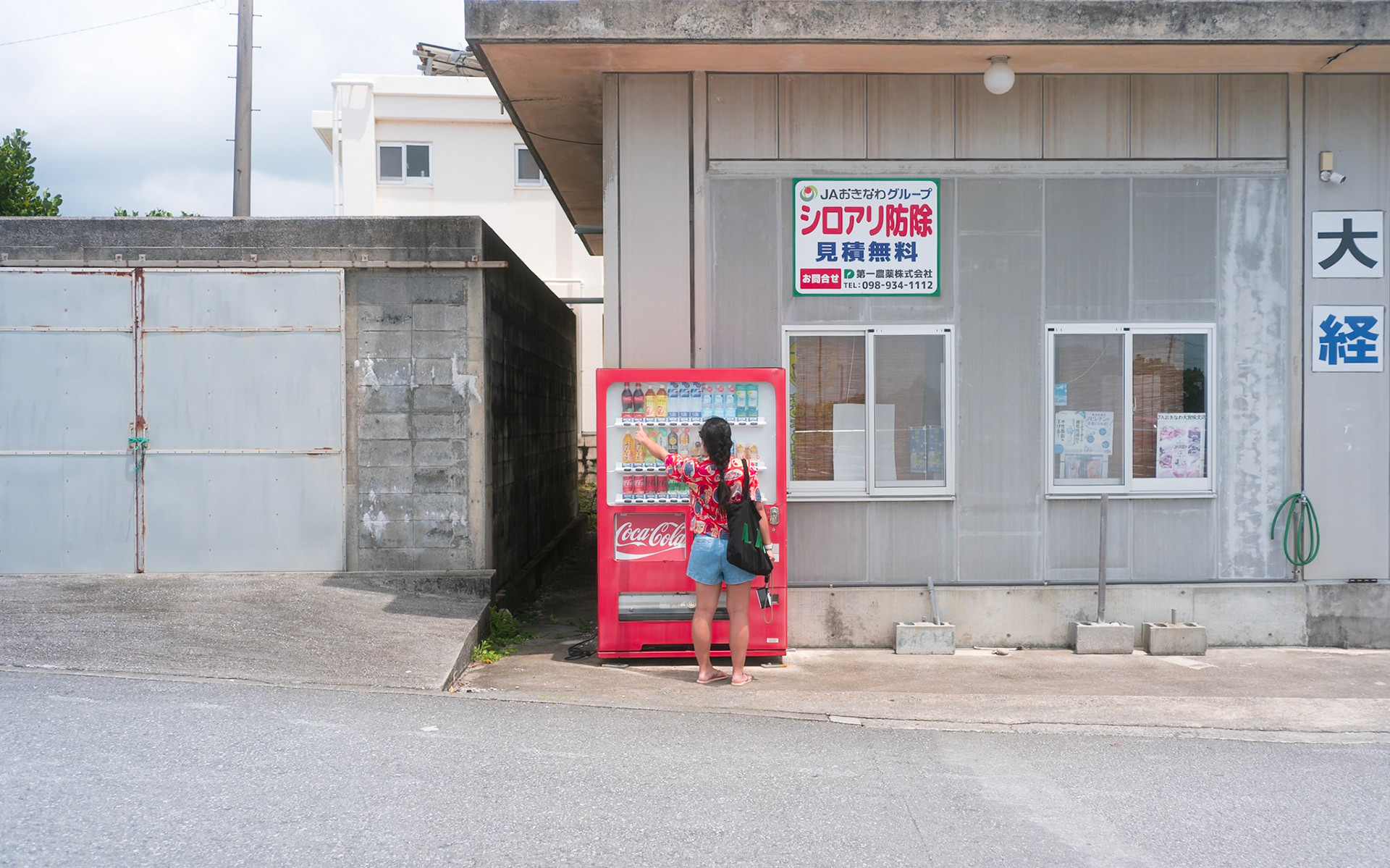
Japanese vending machine, Leica SL2-S
Image Quality - Zeiss’ 3D pop?
The Zeiss 3D pop here is quite subtle, showing up only in bright light, whether you’re using a wide aperture or not. Even at f/8 in the right conditions, the 3D pop is definitely there!
The lens brings out high micro-contrast and vibrant, saturated colours. The famous T* anti-reflective coating is super effective, keeping flare and ghosting in check. Colours pop without being too much, and the high contrast gives images a crisp, three-dimensional “snap” that many photographers love. It’s a more modern, clean look compared to the classic, lower-contrast rendering of some older Leica or Voigtländer lenses.
If you’re after a really obvious 3D pop, the APO-Summicron is the way to go. That word “micro-contrast” (whatever it is) is especially noticeable in the Leica, but sometimes it feels a bit unnatural and makes the lens the main attraction in a photo, rather than the subject or composition. I can see why someone might be drawn to having any image look good because the lens makes everything pop, but the Zeiss makes you work a little harder to get that effect.
Check out the Botswana airplane refuelling shots below, shot at f/8 (and a bit overexposed by 1 stop) in good light—they can give an awesome medium format look and 3D pop!
TLDR: subtle 3D pop; if you want a lot of 3D pop, go for the APO-Summicron instead.
Image Quality - colours
Runs cool—like all Zeiss’ I’ve ever had. People say it’s the coating, but I’m not sure. All I know is it runs cool.
TLDR: runs cool
Okinawa Seas, Japan
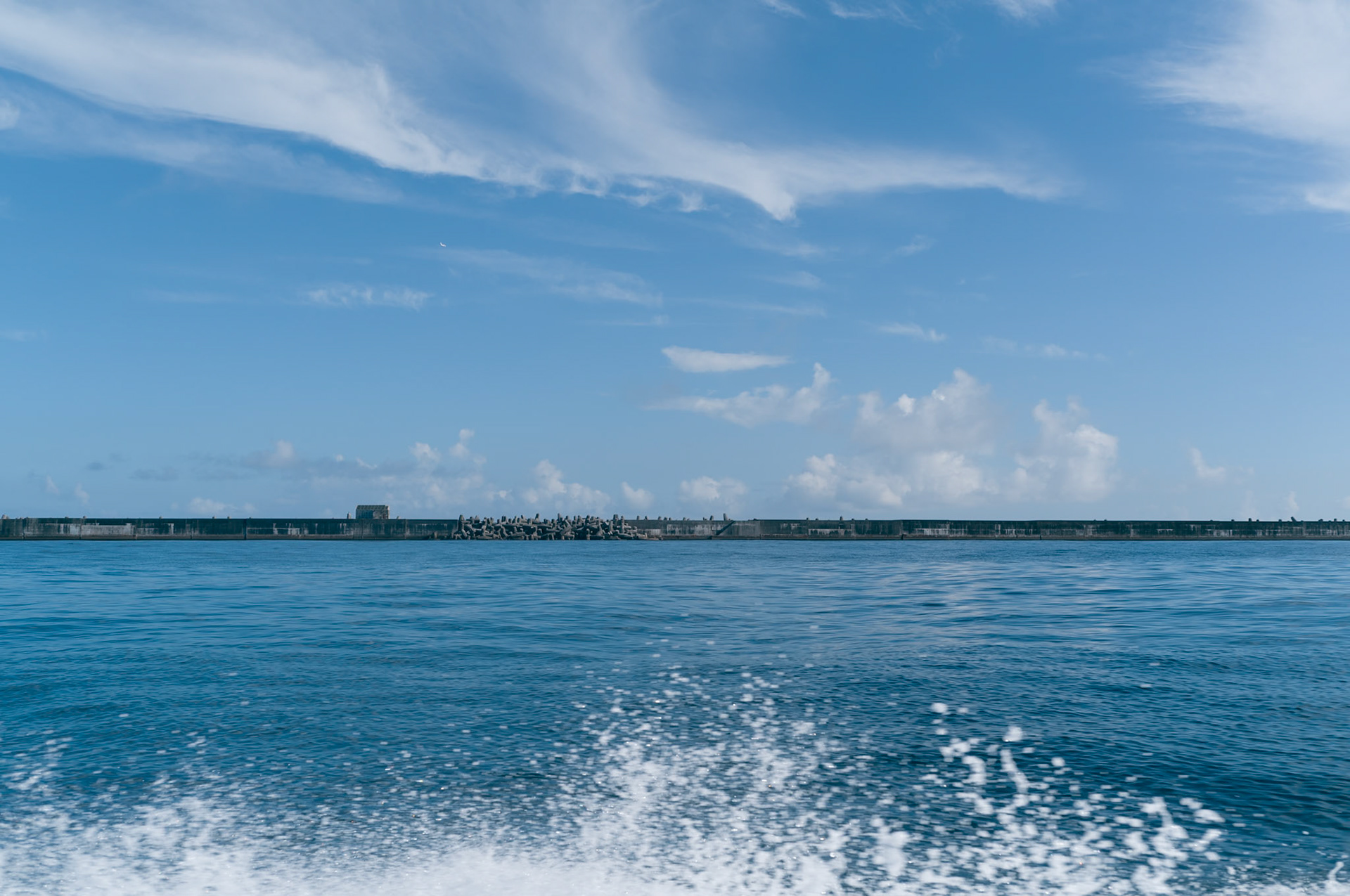
Okinawa sea and coast, Japan - Leica M11-P

Okinawa diving, Japan - Leica M11-P
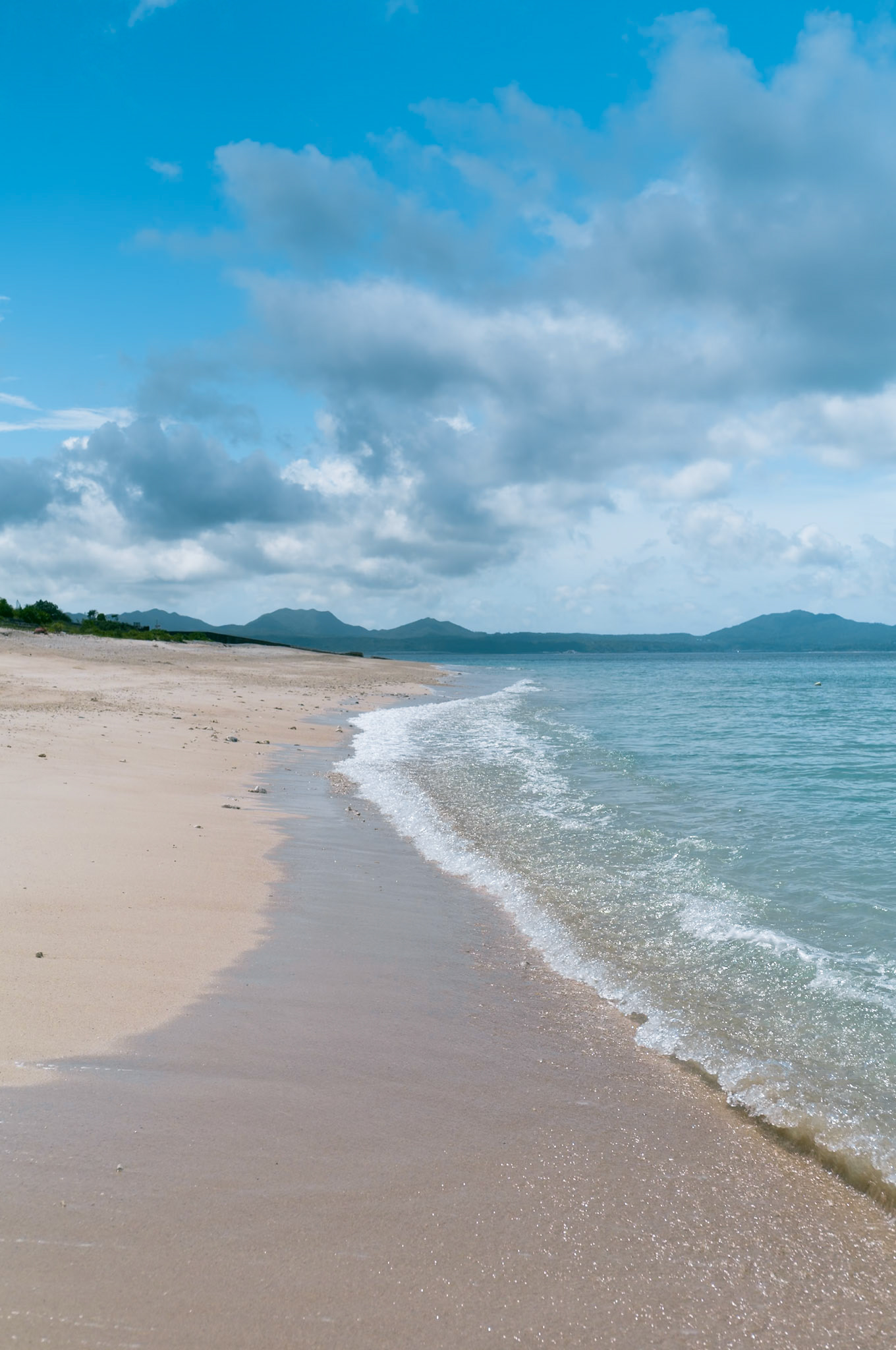
Okinawa sea beach, Japan - Leica M11-P
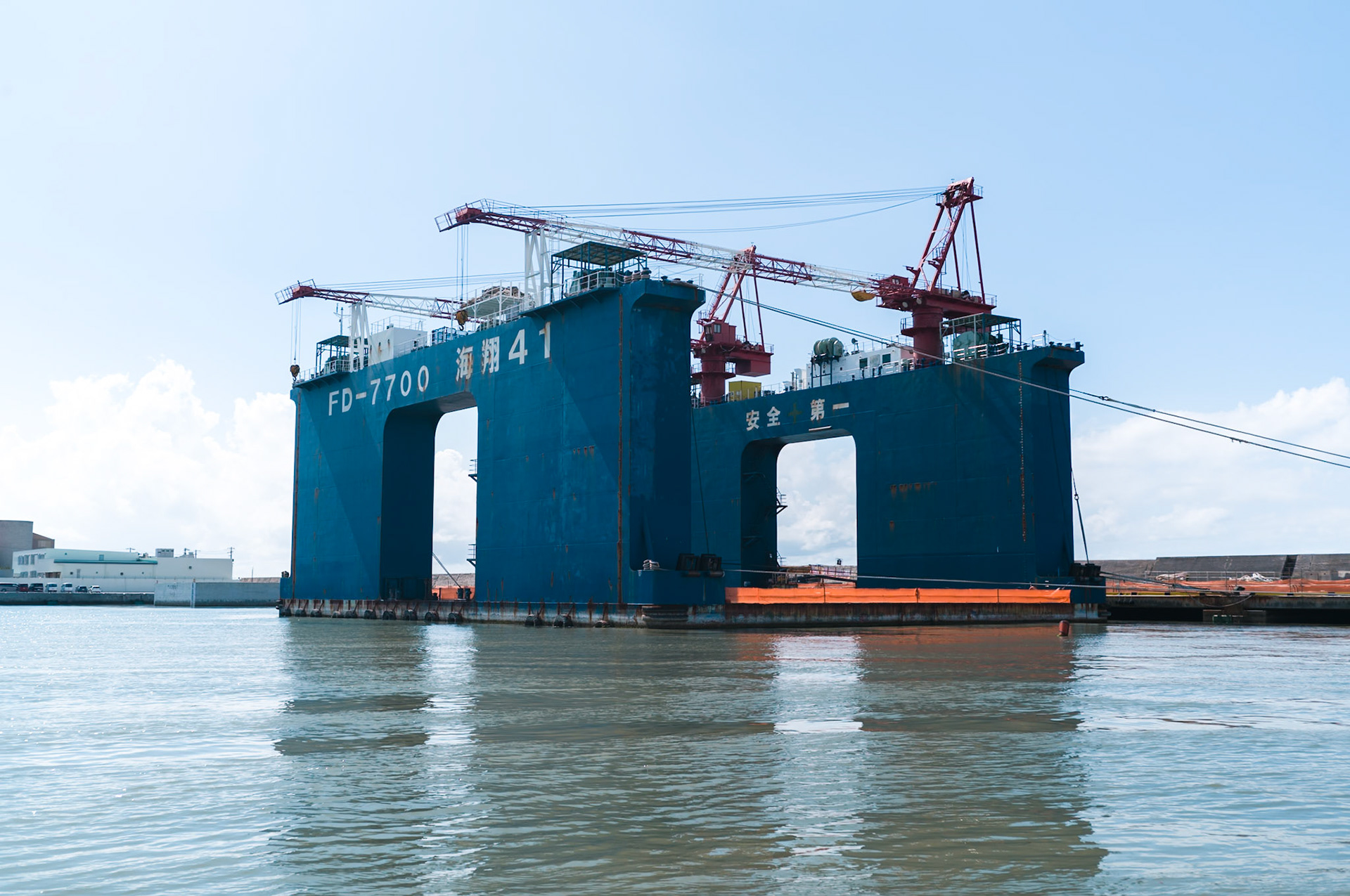
Okinawa coast, Japan - Leica M11-P

Okinawa sea beach, Japan - Leica M11-P
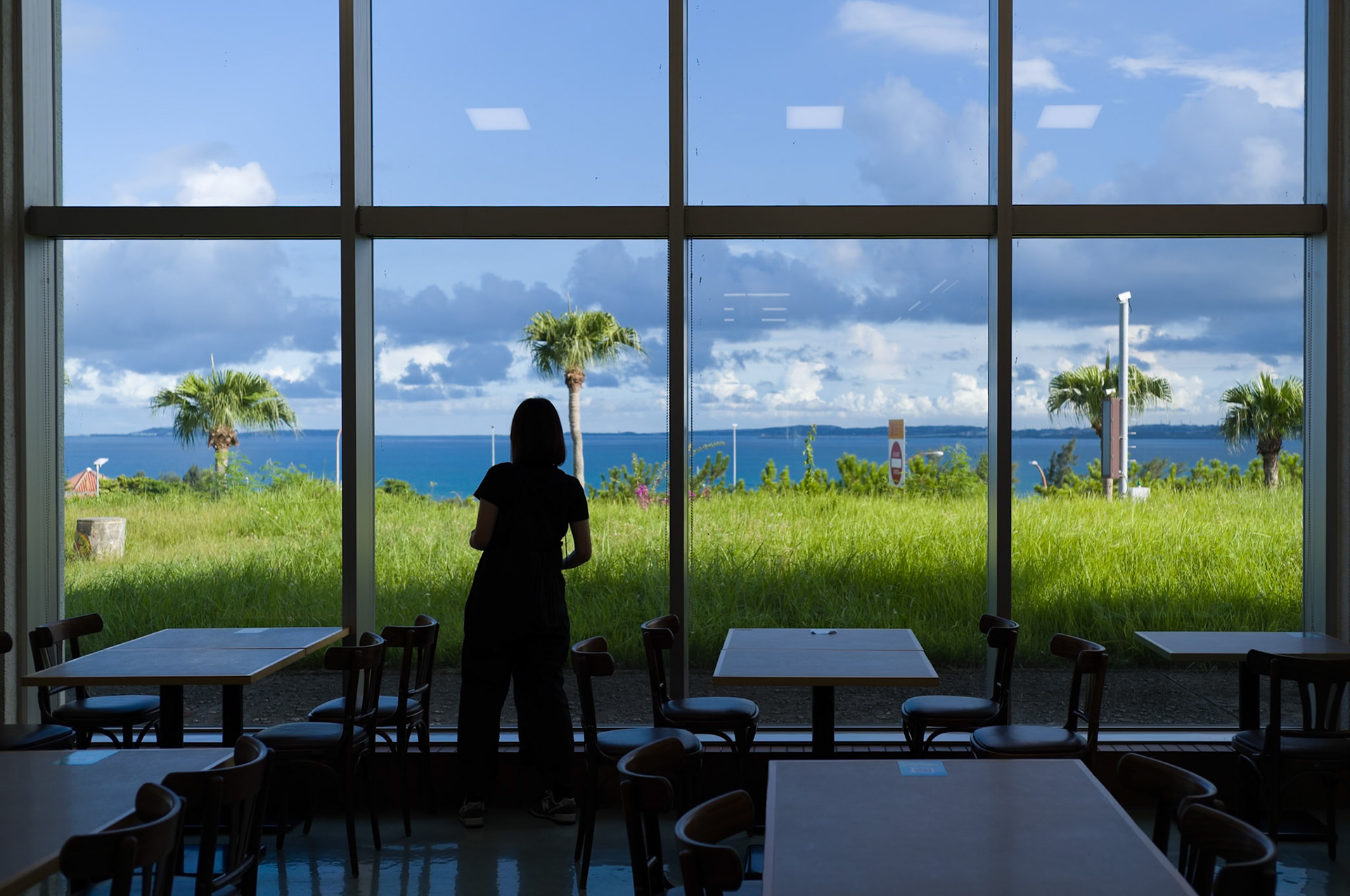
Okinawa pit stop, Japan - Leica M11-P
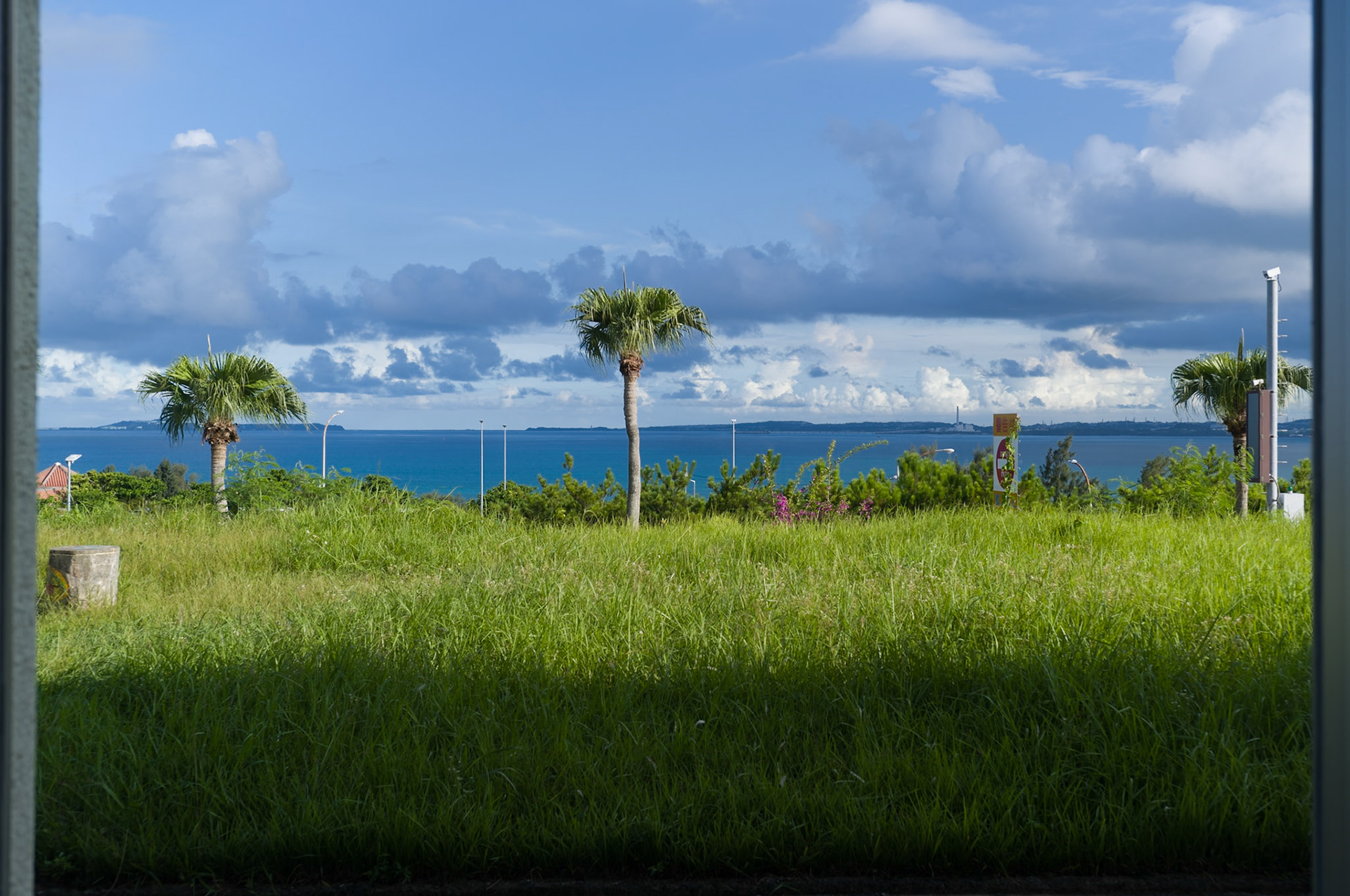
Okinawa pit stop, Japan - Leica M11-P
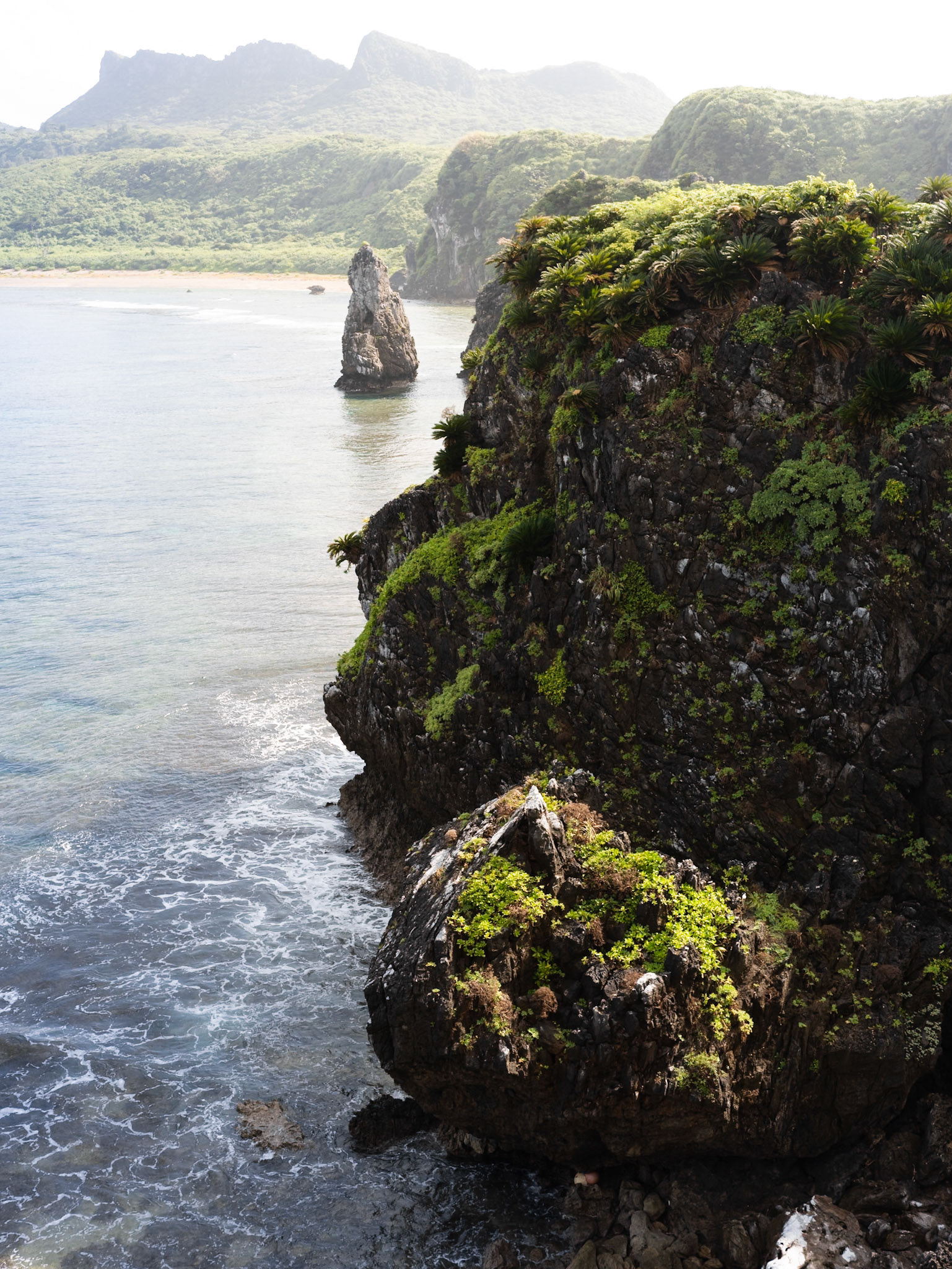
Okinawa sea and coast, Japan - Leica SL2-S
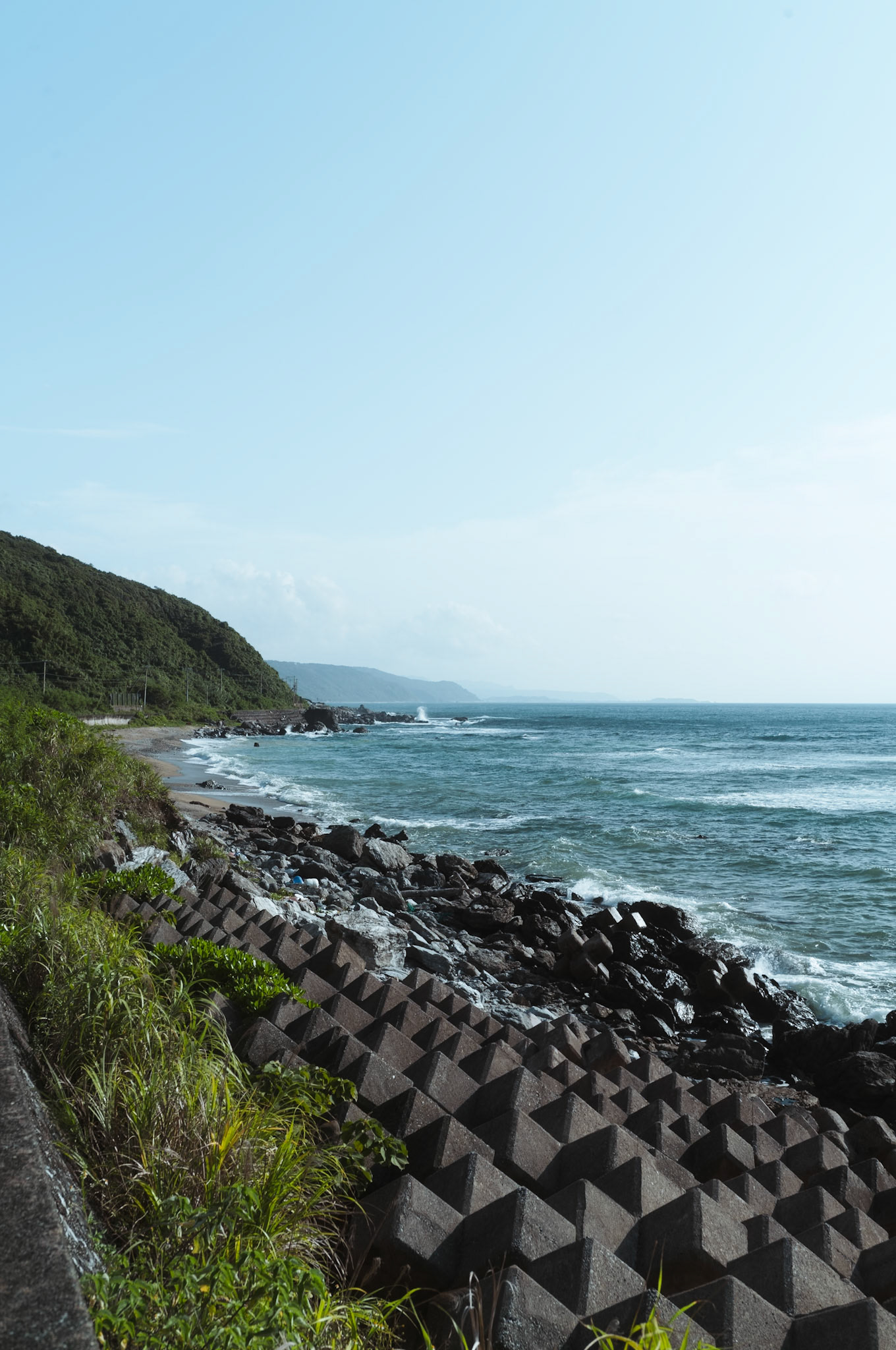
Okinawa coast, Japan - Leica M11-P
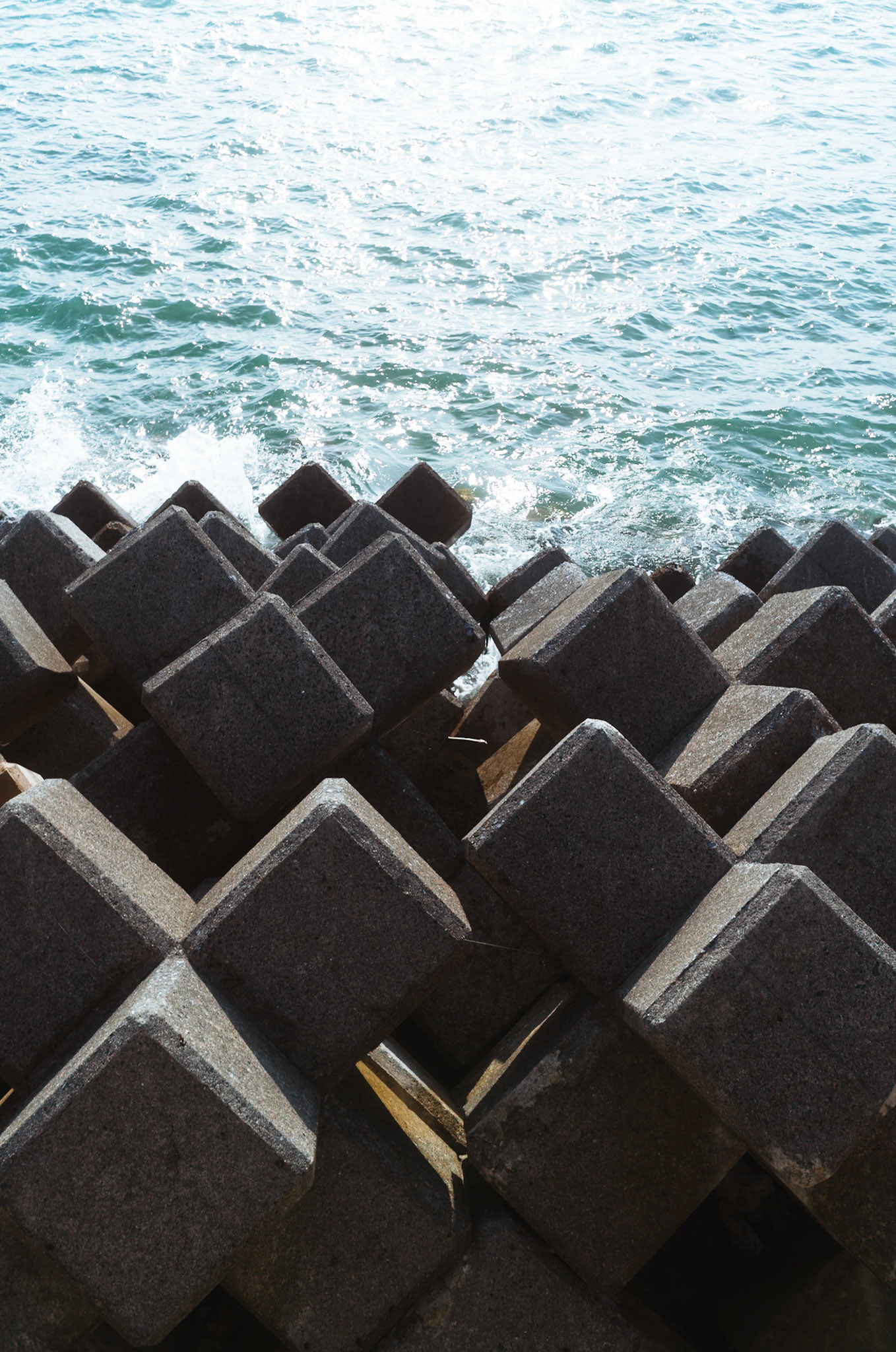
Okinawa coast, Japan - Leica M11-P
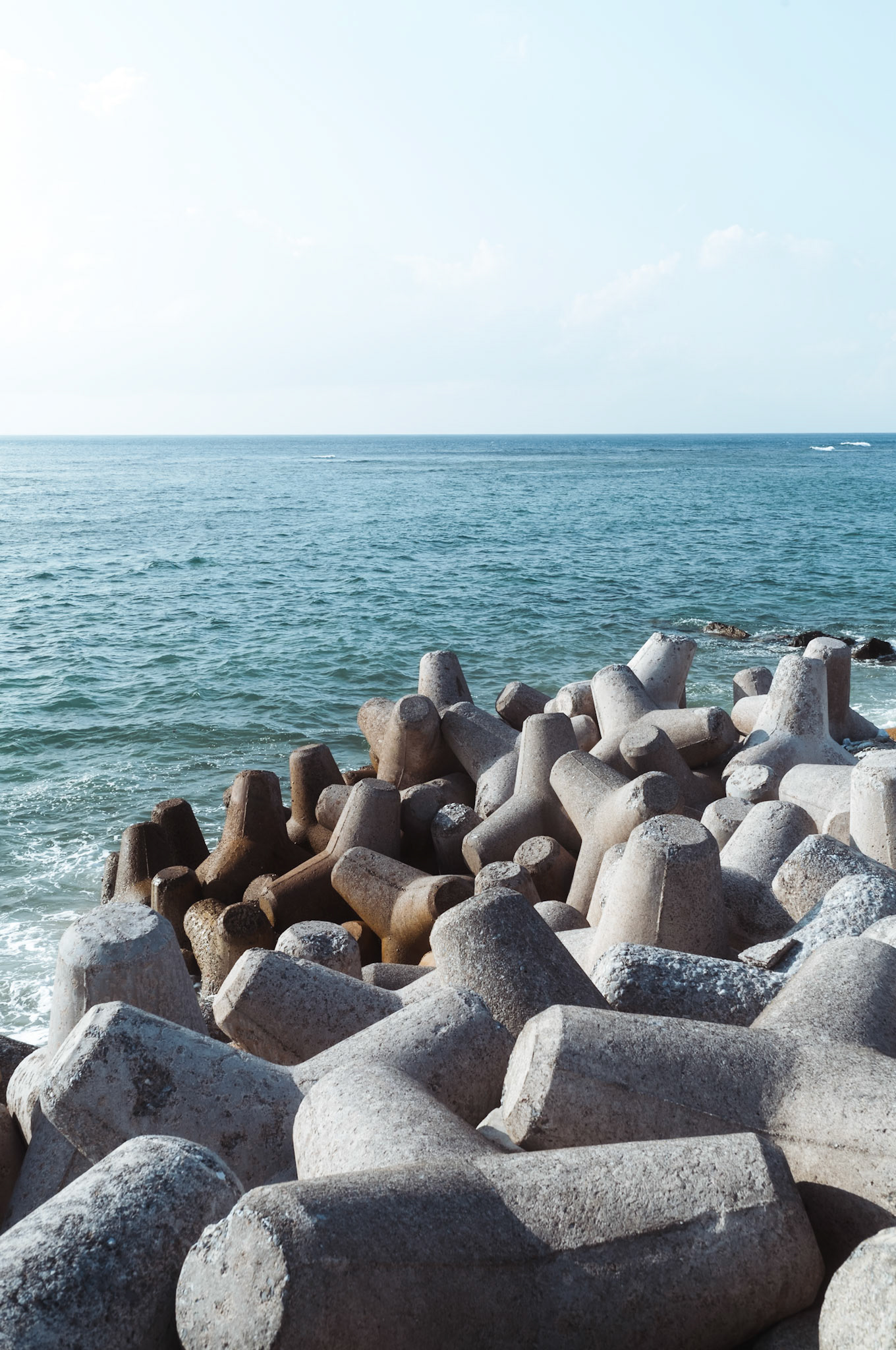
Okinawa coast, Japan - Leica M11-P
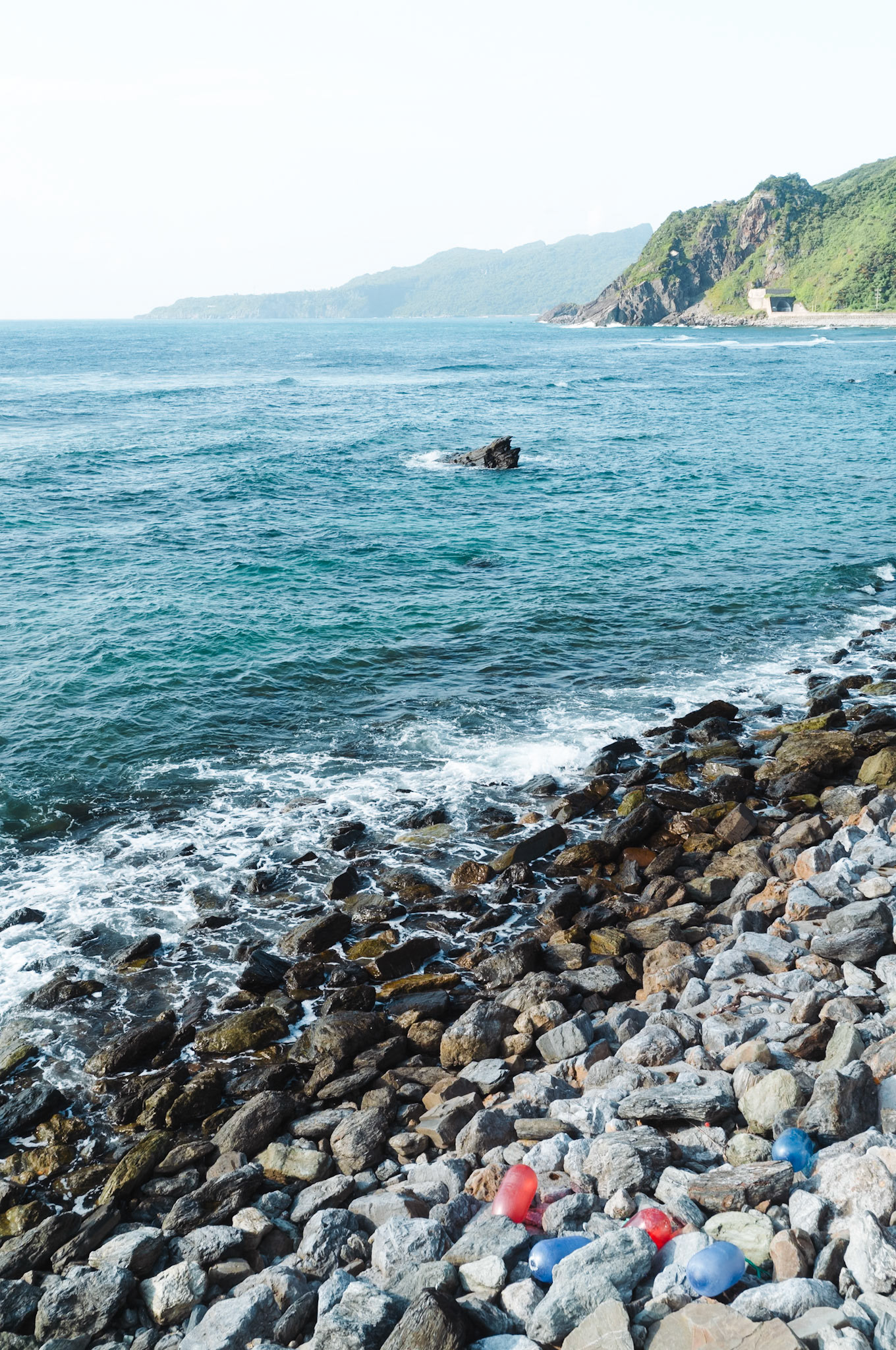
Okinawa coast, Japan - Leica M11-P
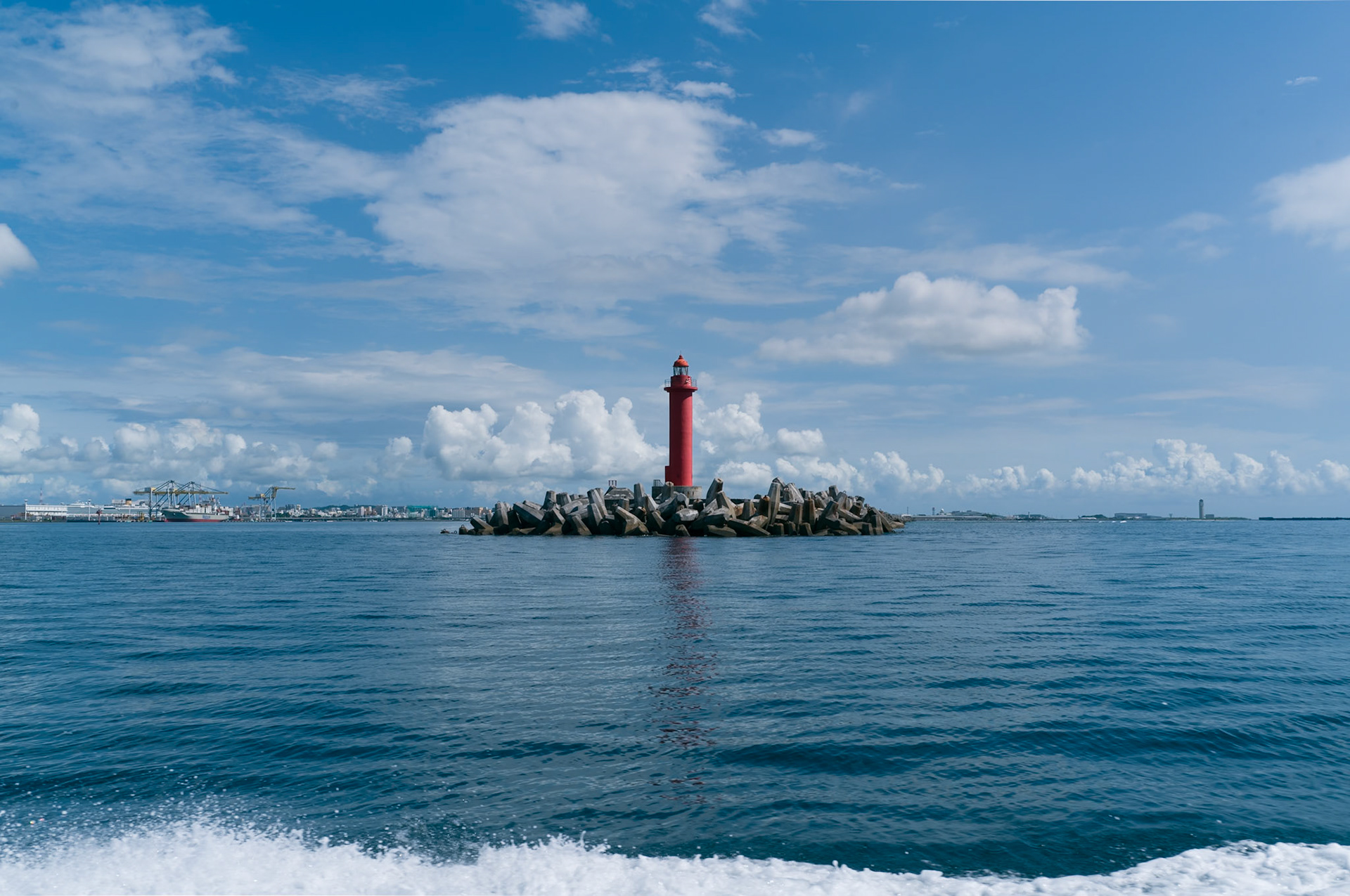
Okinawa sea and coast, Japan - Leica M11-P
Image Quality - Medium Format look?
Does this lens have that Medium Format look? No. But it does have some of that feel in good light and in certain compositions. Check out the Botswana airplane refuelling shots below, shot at f8 (and over exposed by 1 stop) in good light can give awesome medium format like look and 3D pop!
TLDR: no but kinda, sometimes
Lens hood
I haven't used the official Zeiss one (really hard to even find one to buy too), I have read the Voigtlander LH-6 hood also fits (easier to find but not looked at). That's because I bought a Squarehood lens hood for my Voigtlander 40mm f1.4 and it fits this lens, albeit it makes changing the aperture more difficult.
TLDR: yes, there are options
Hong Kong Every Day Carry
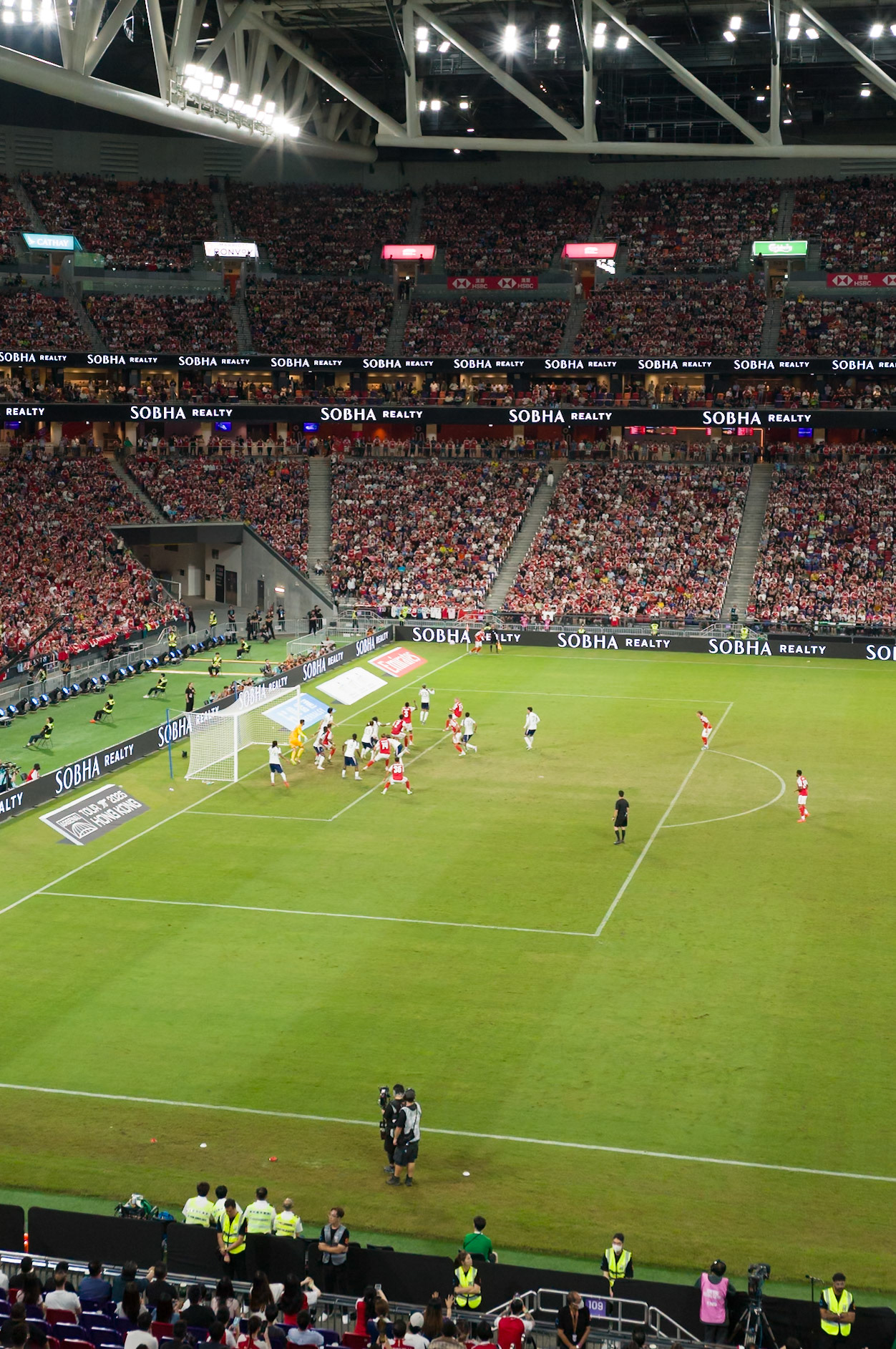
Arsenal vs Spurs, Hong Kong - Leica M11-P
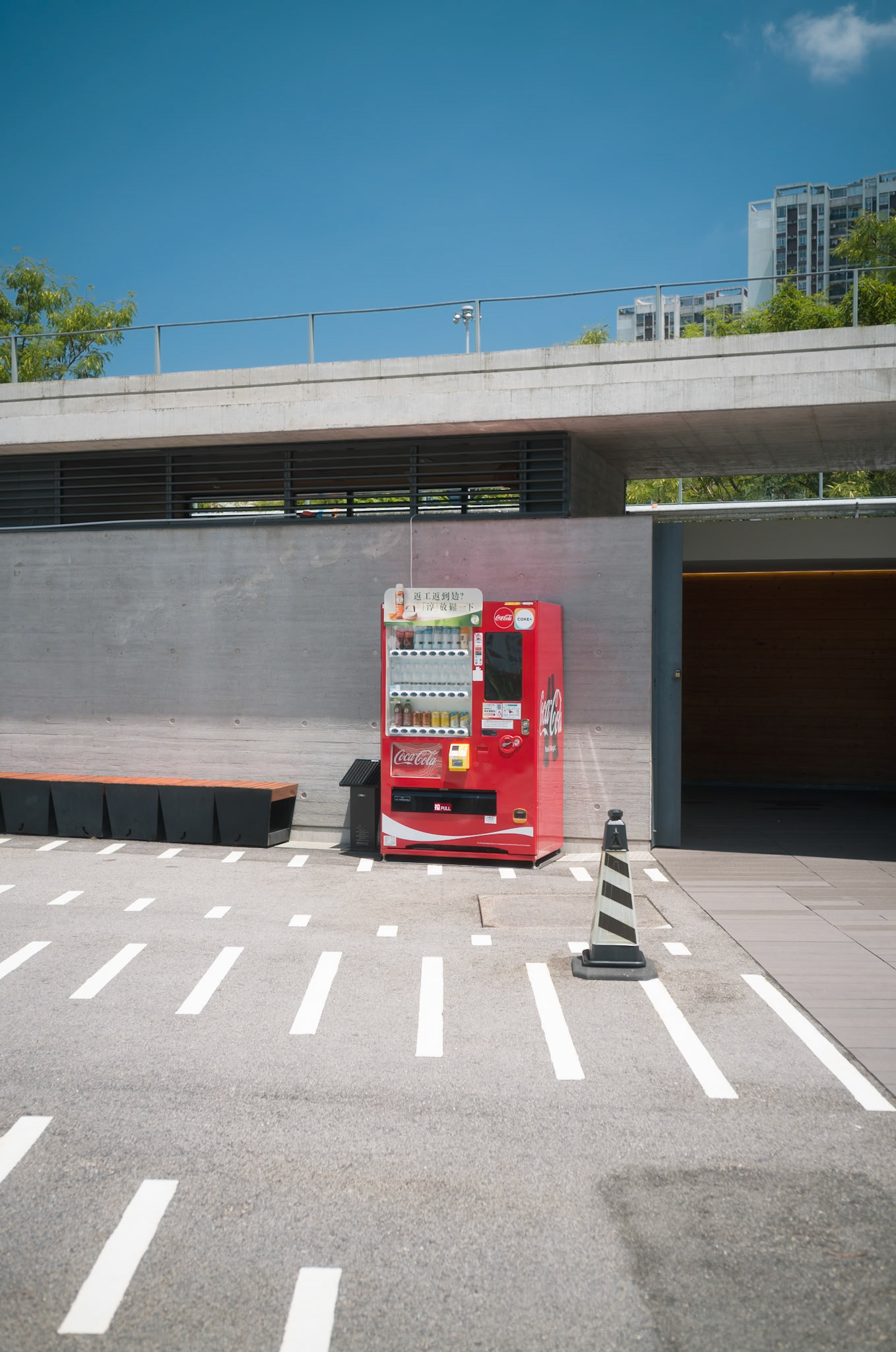
Hong Kong street - Leica M11-P
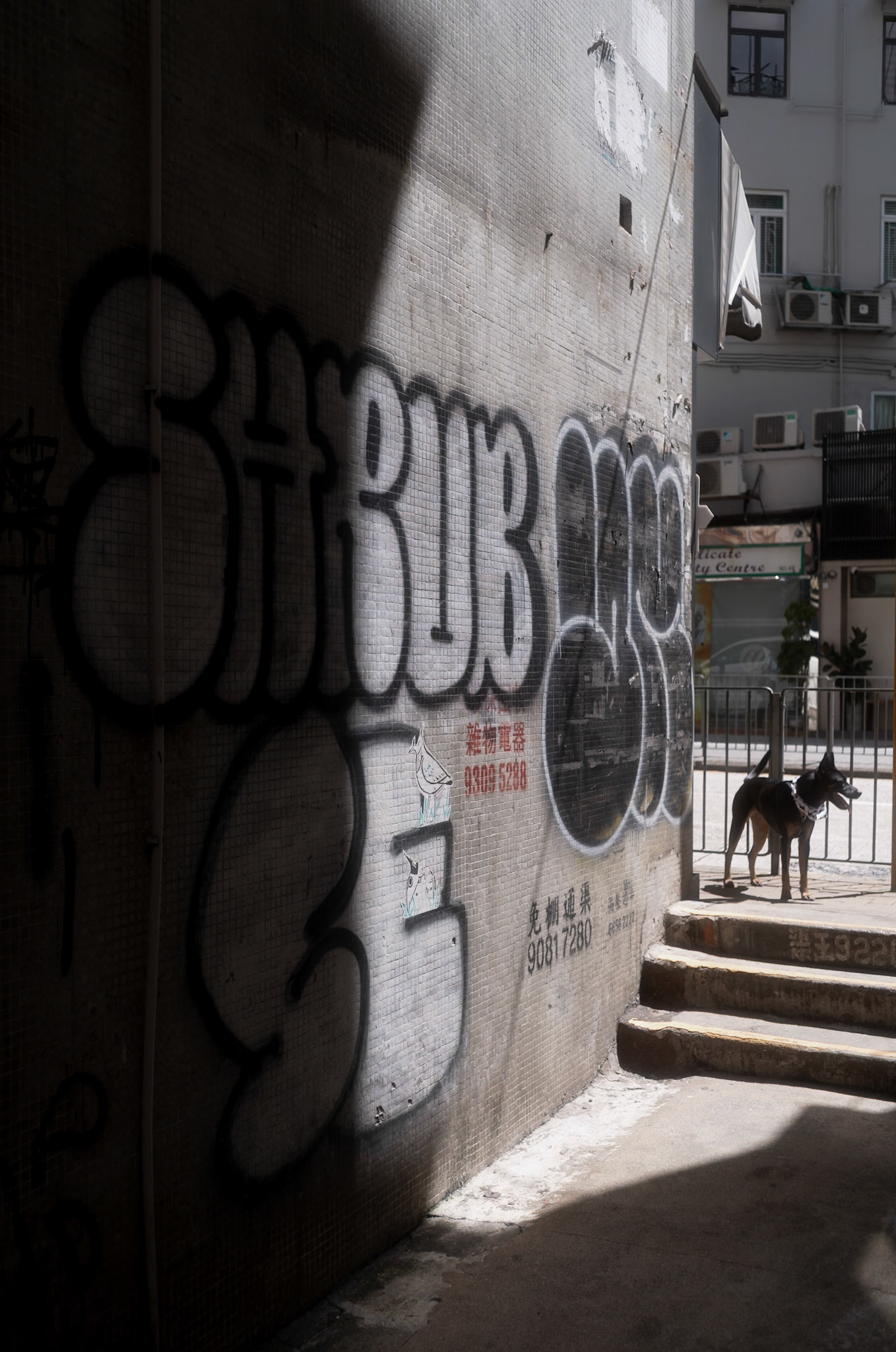
Hong Kong street - Leica M11-P
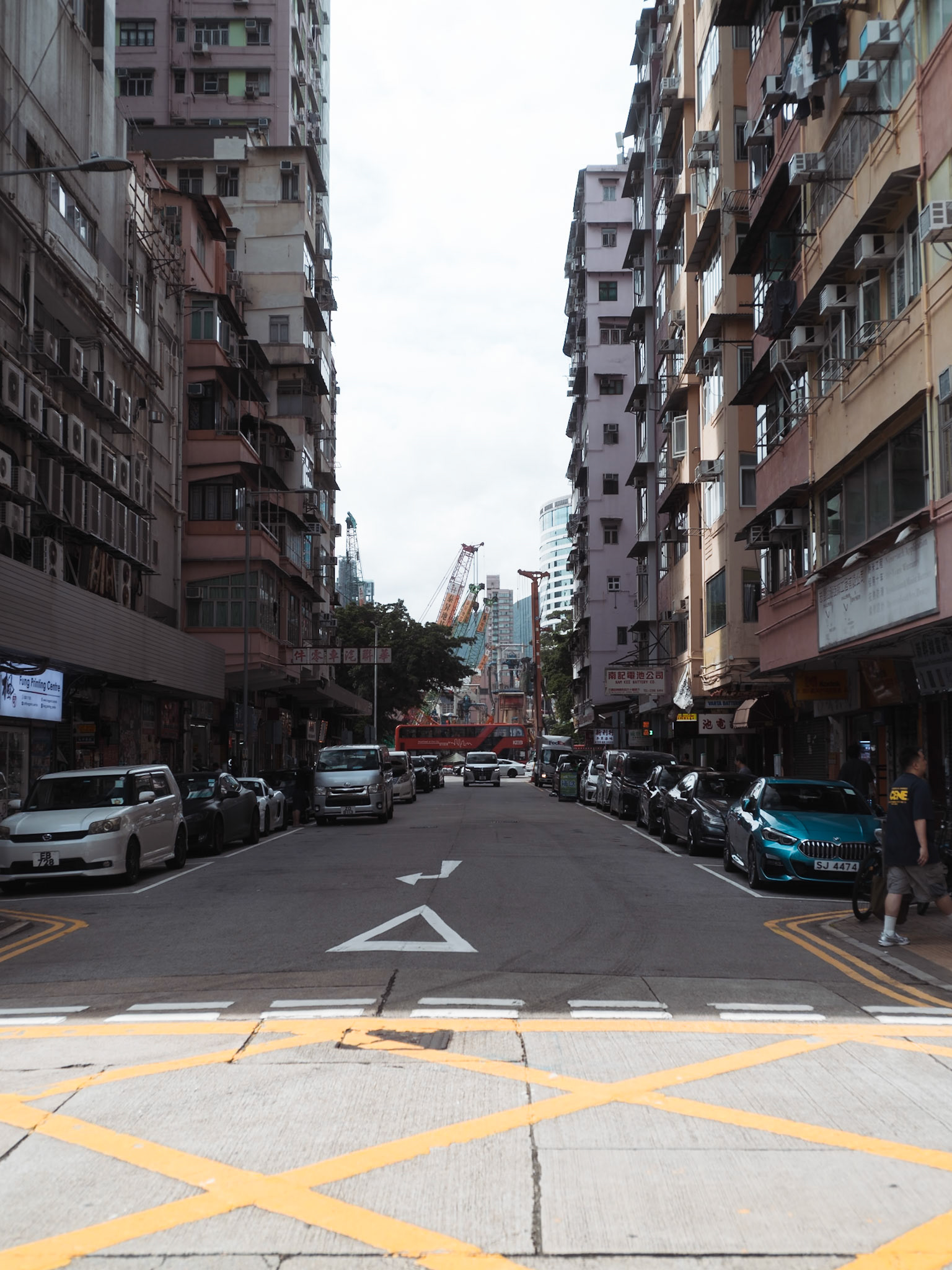
Hong Kong street - Leica M11-P
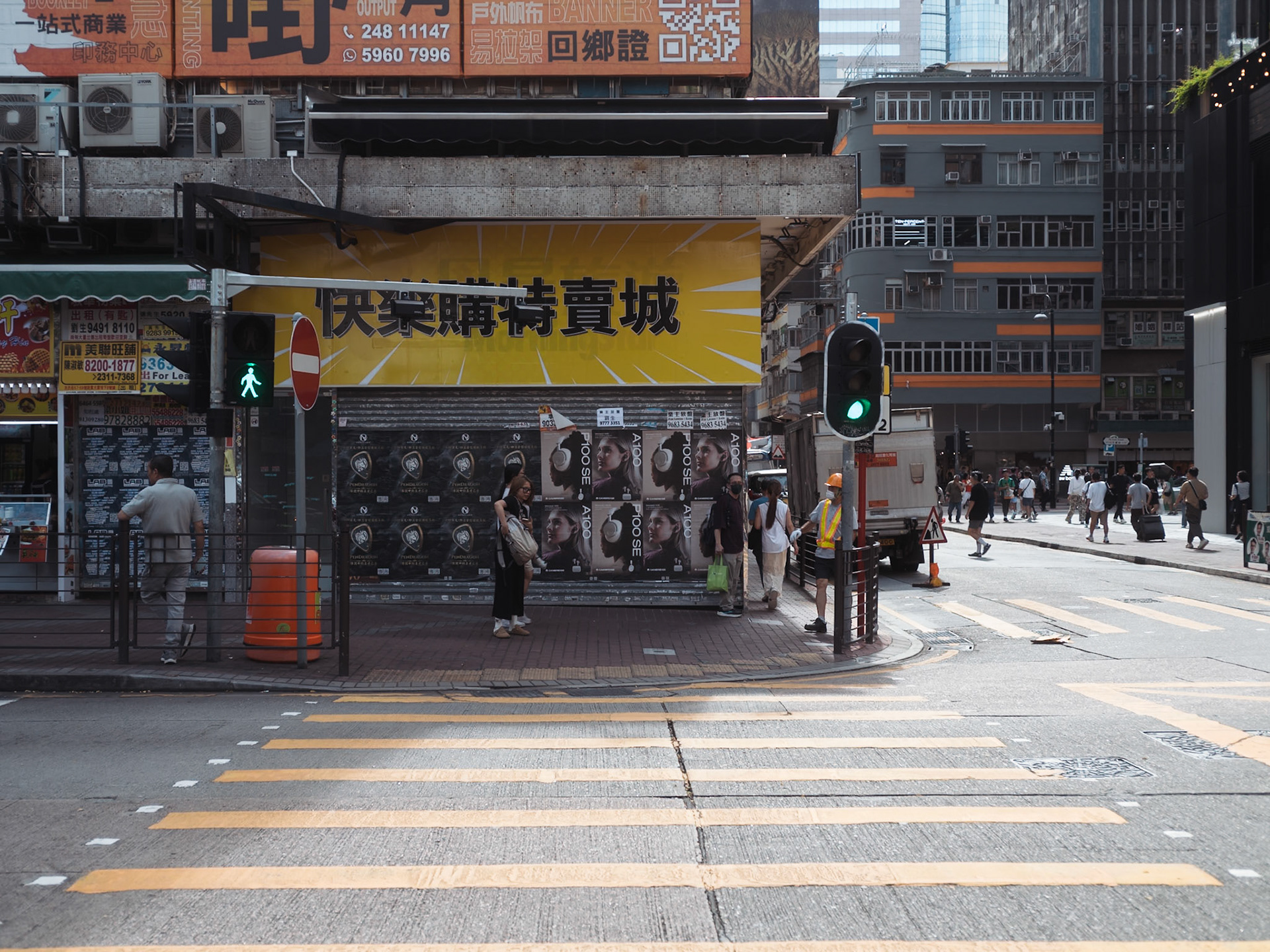
Hong Kong street - Leica M11-P
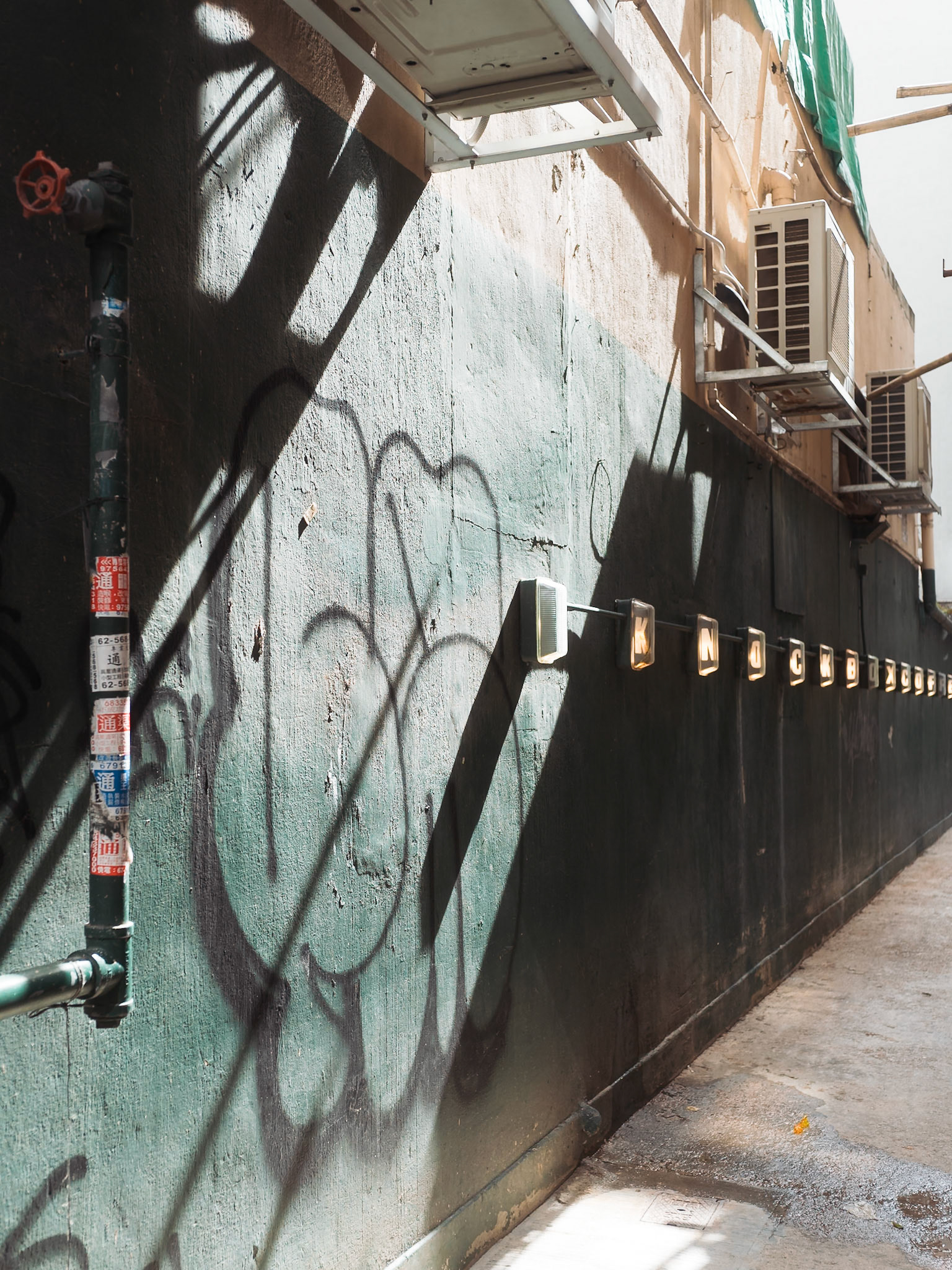
Hong Kong street - Leica M11-P
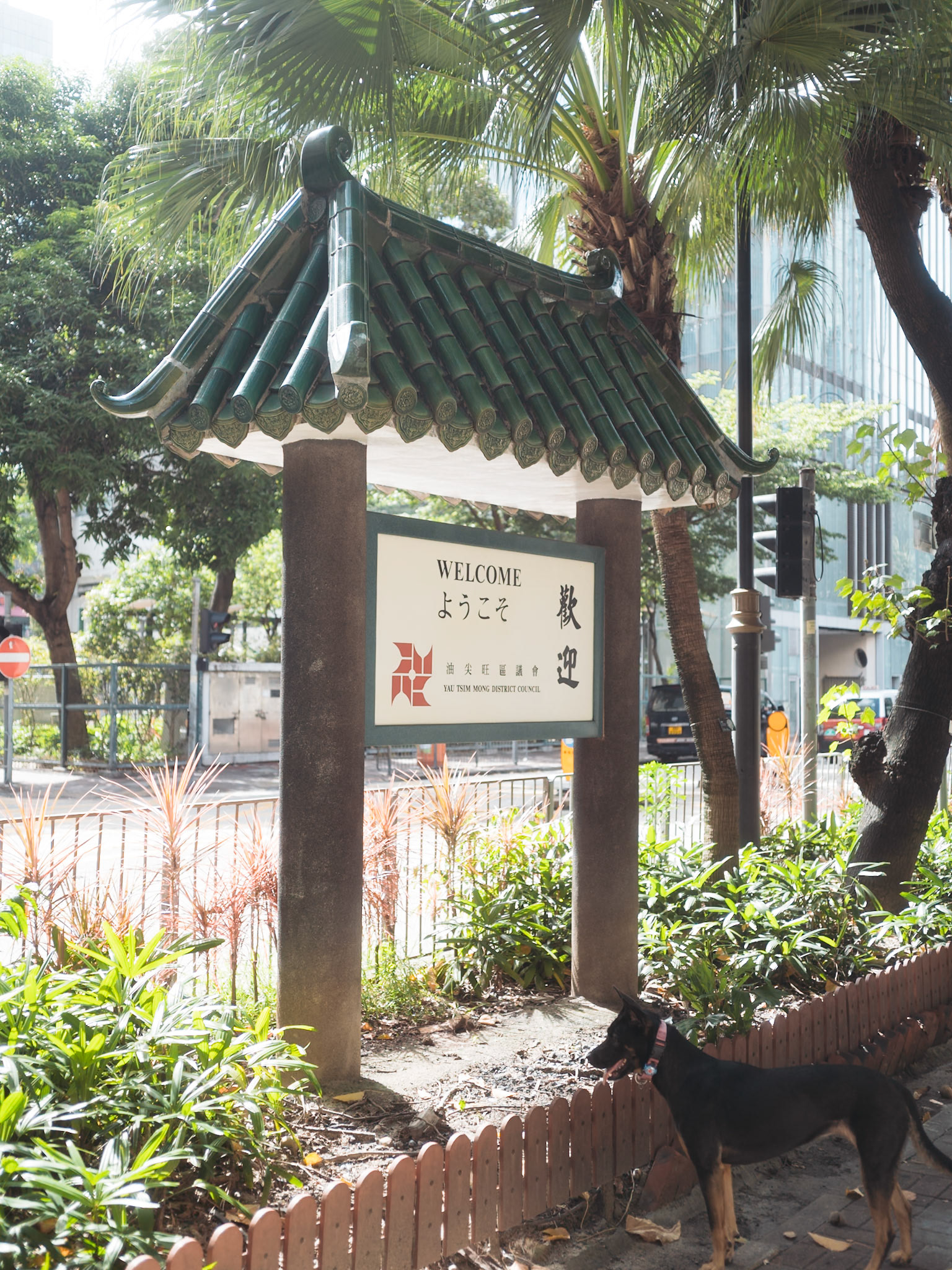
Hong Kong street - Leica M11-P
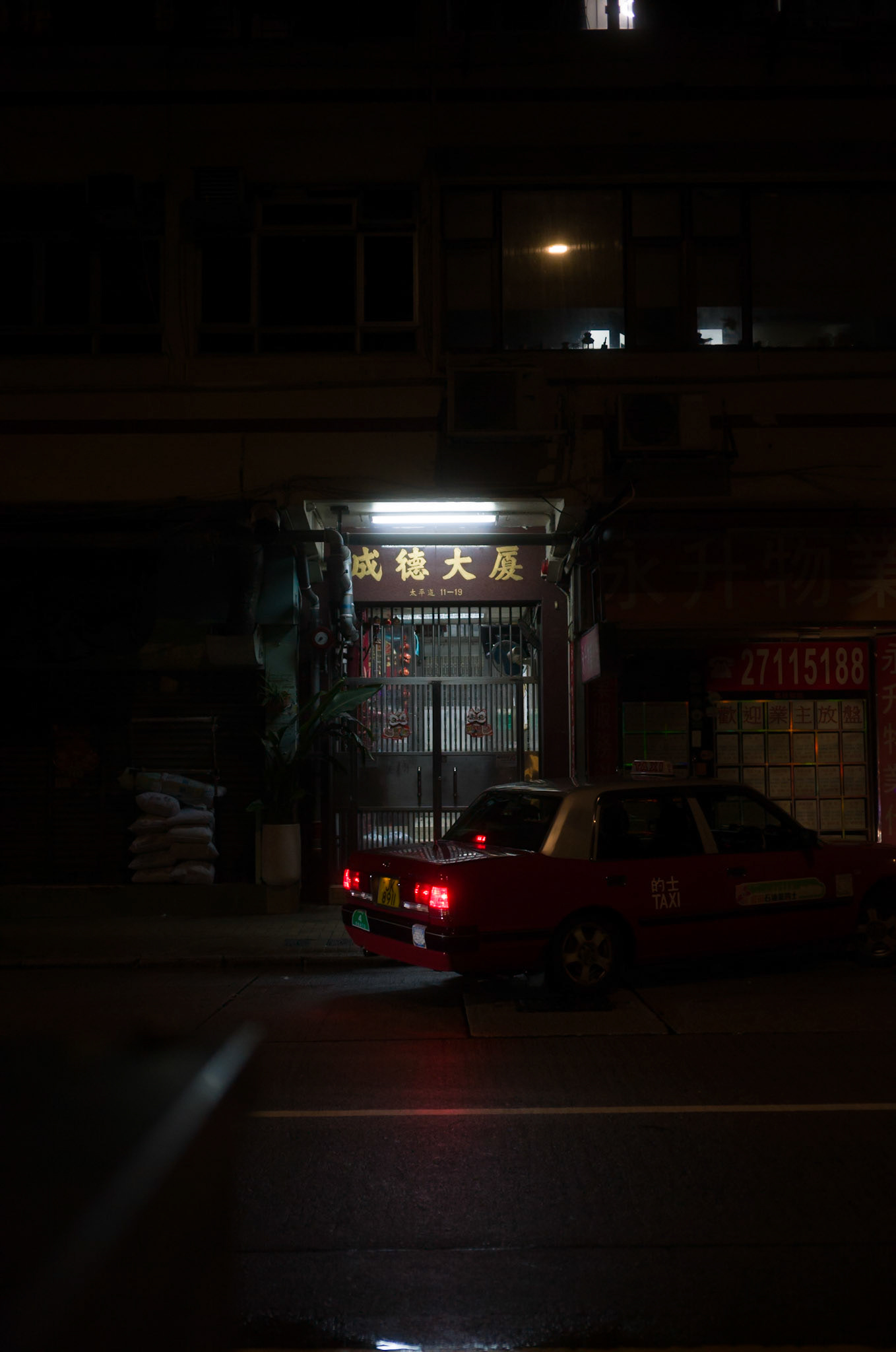
Hong Kong street - Leica M11-P
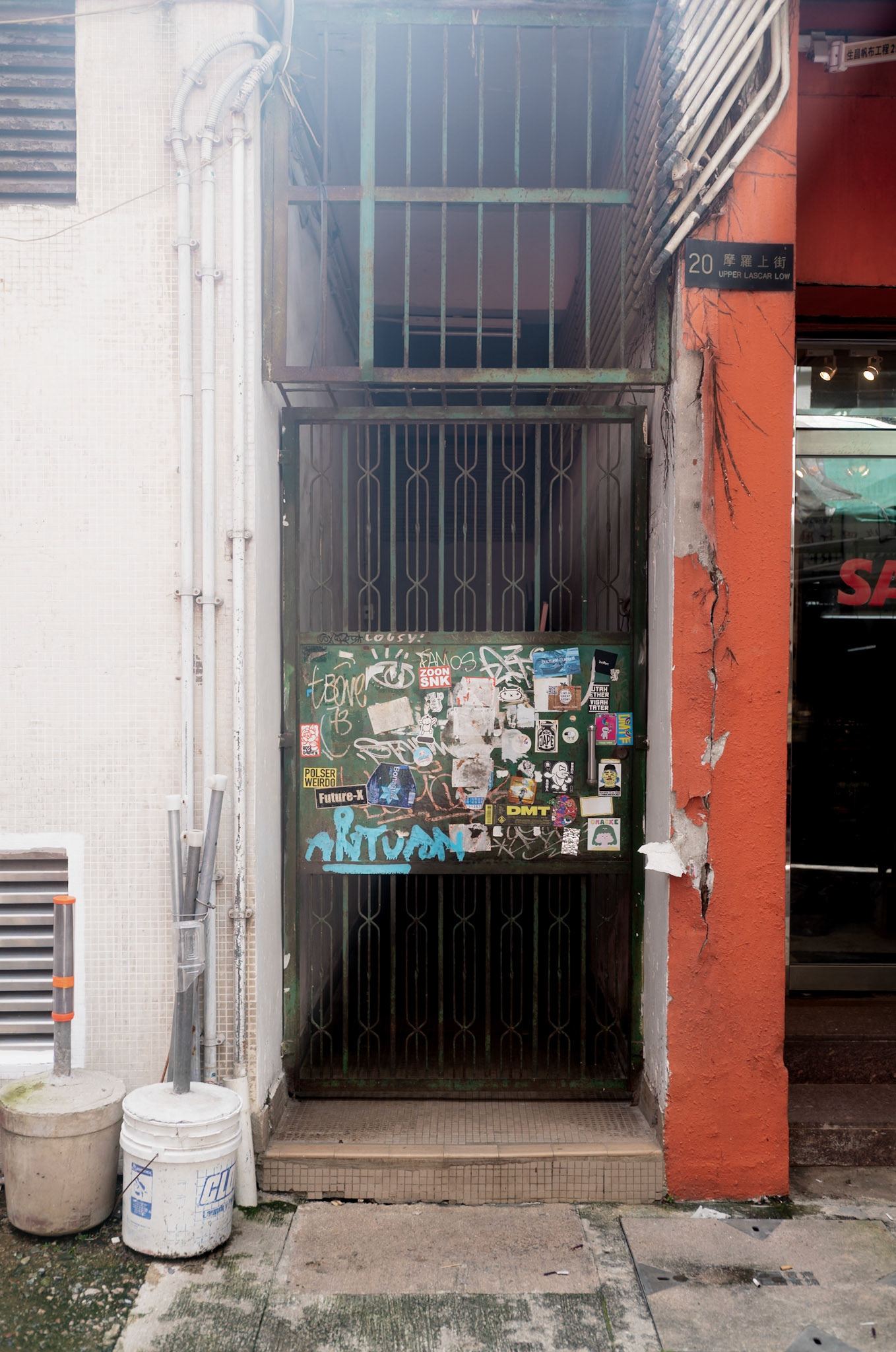
Hong Kong street - Leica M11-P
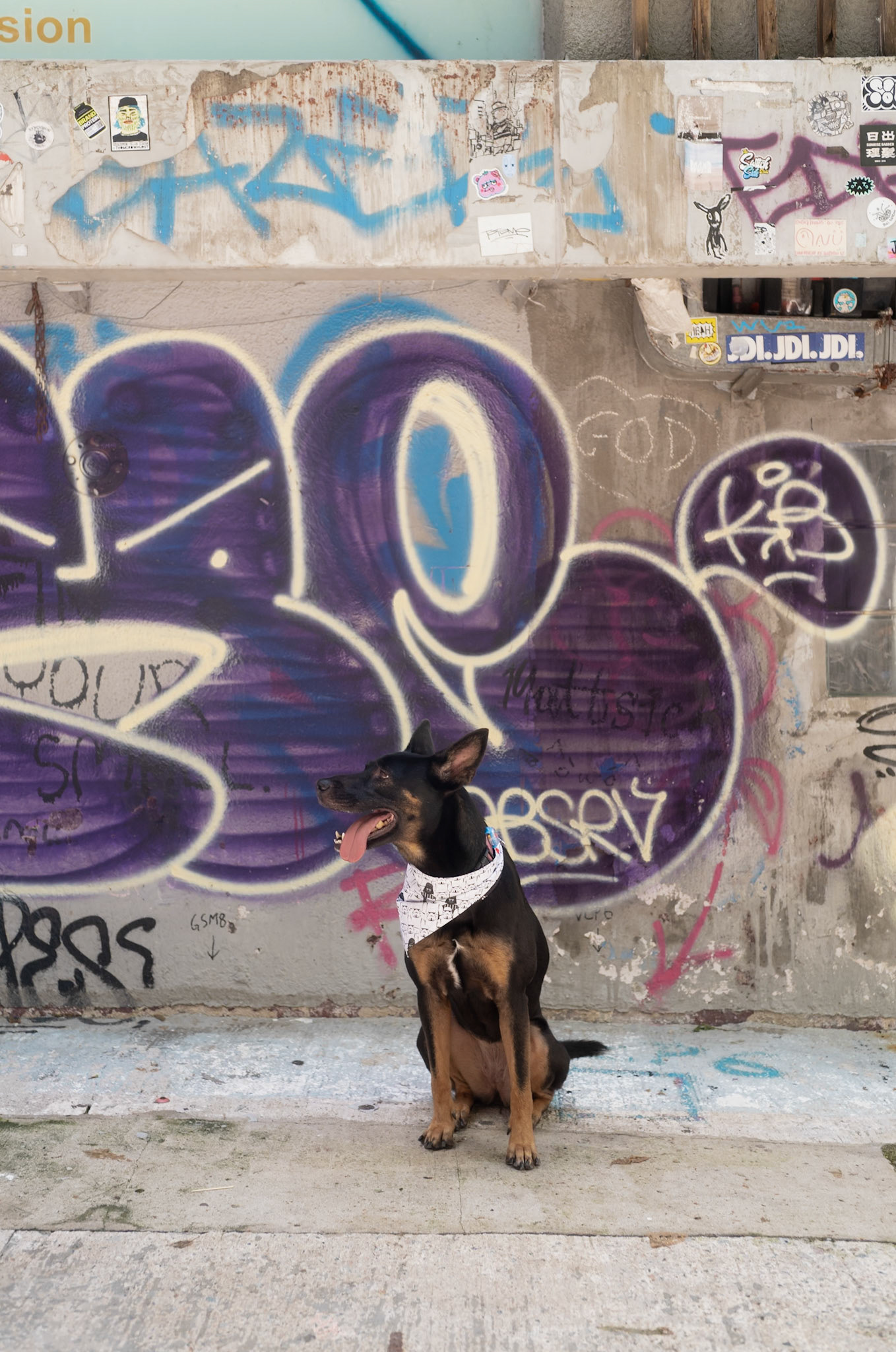
Hong Kong street - Leica M11-P
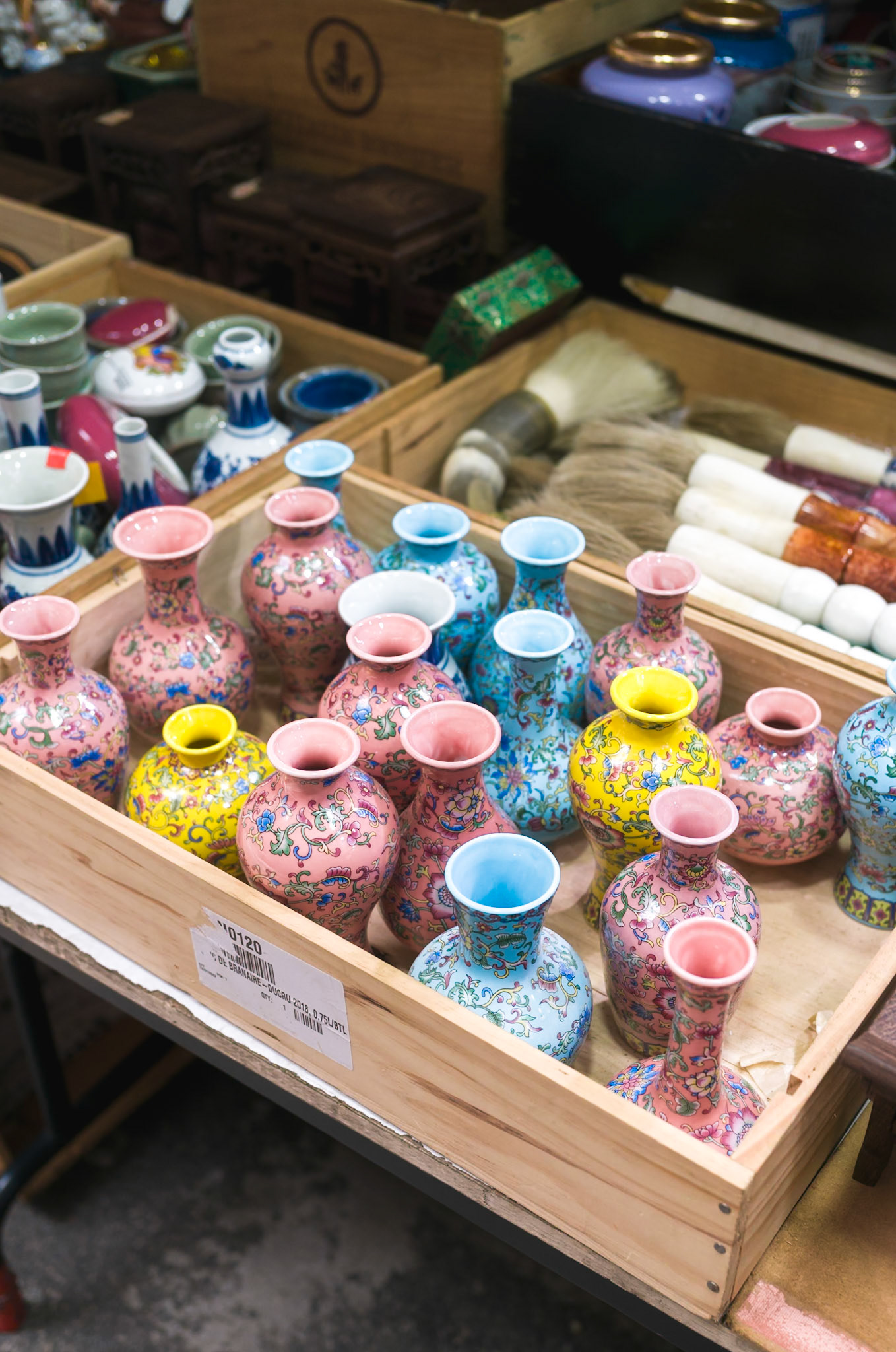
Hong Kong street market - Leica M11-P
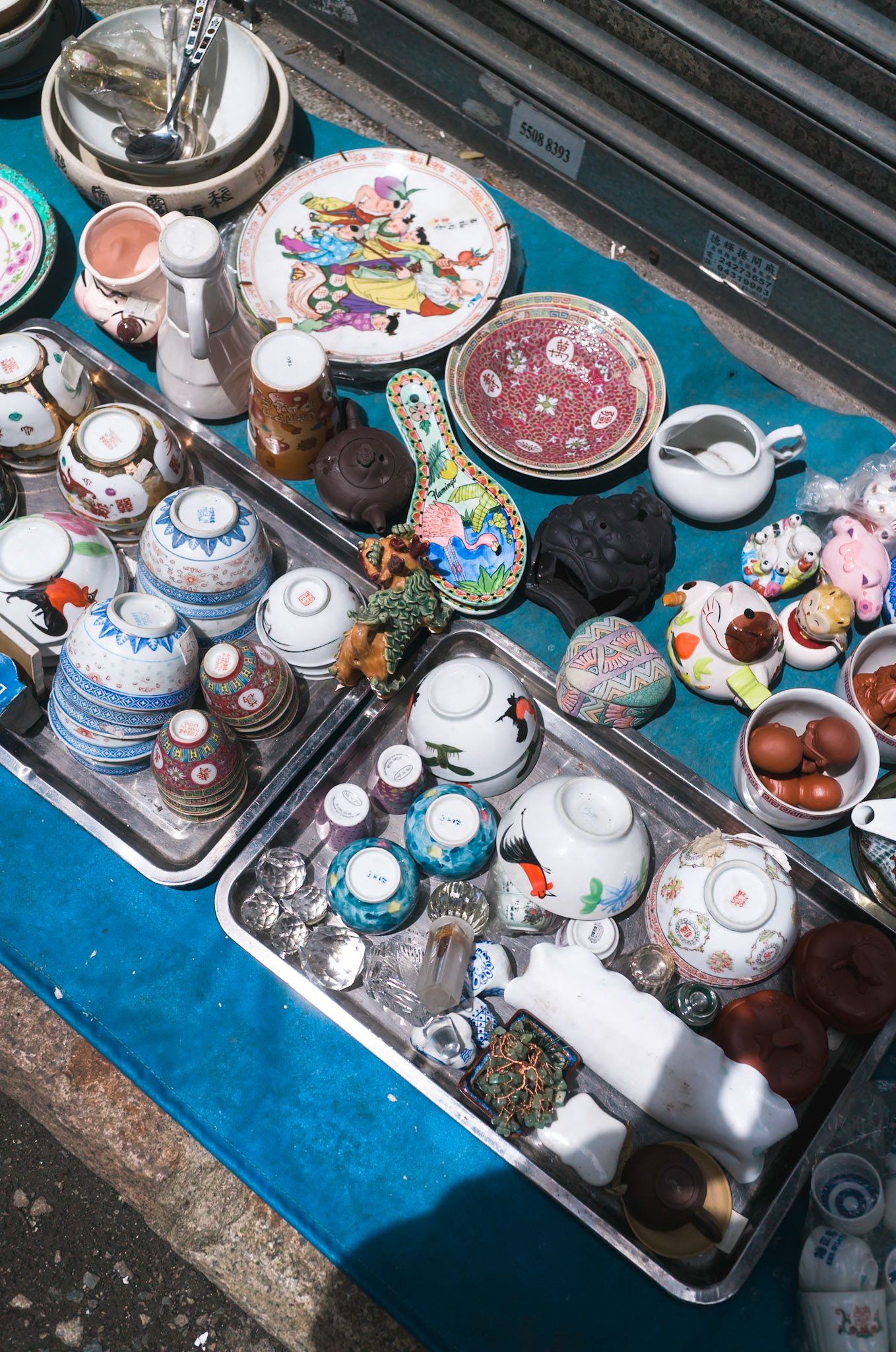
Hong Kong street market - Leica M11-P
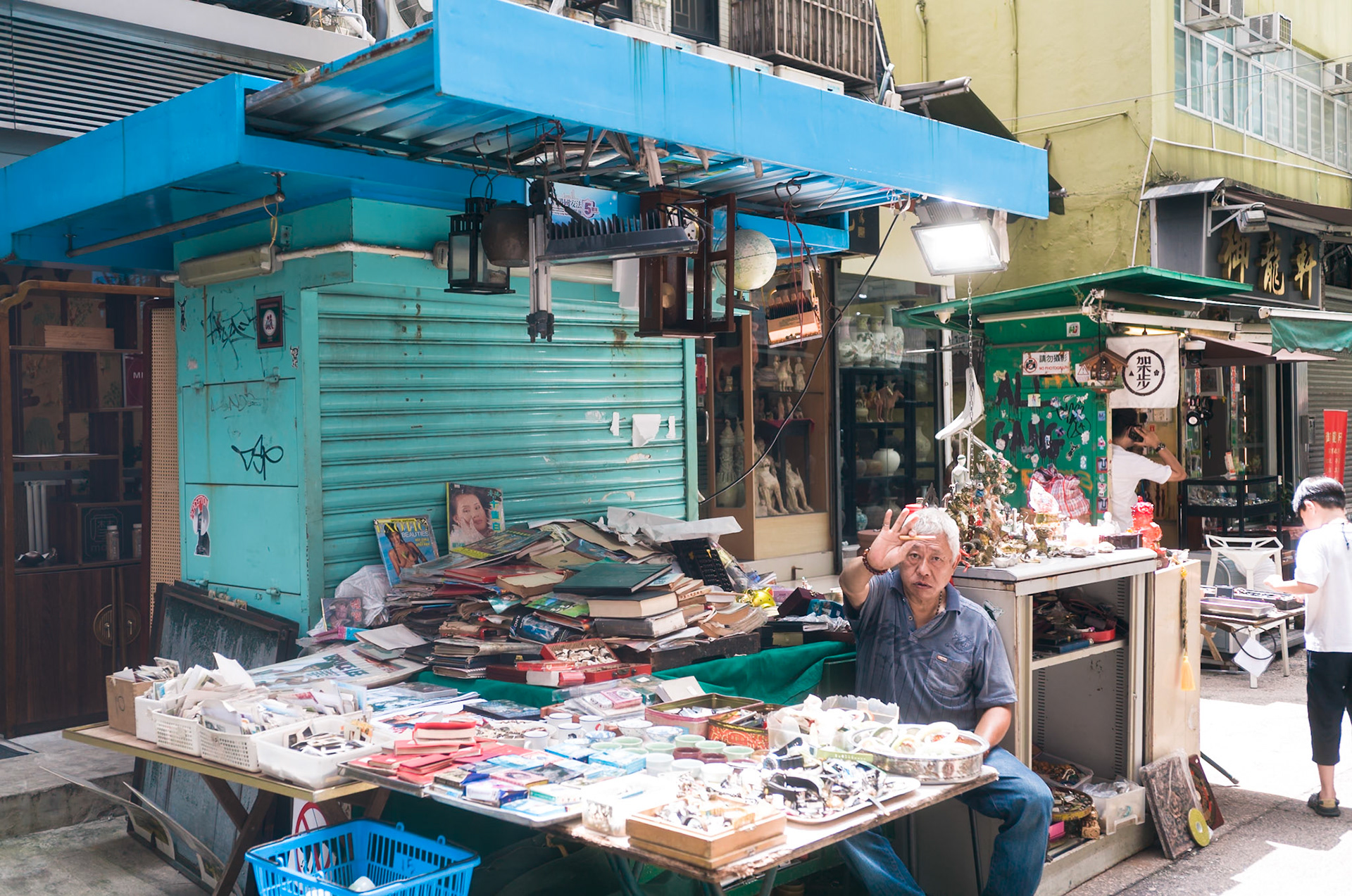
Hong Kong street market - Leica M11-P
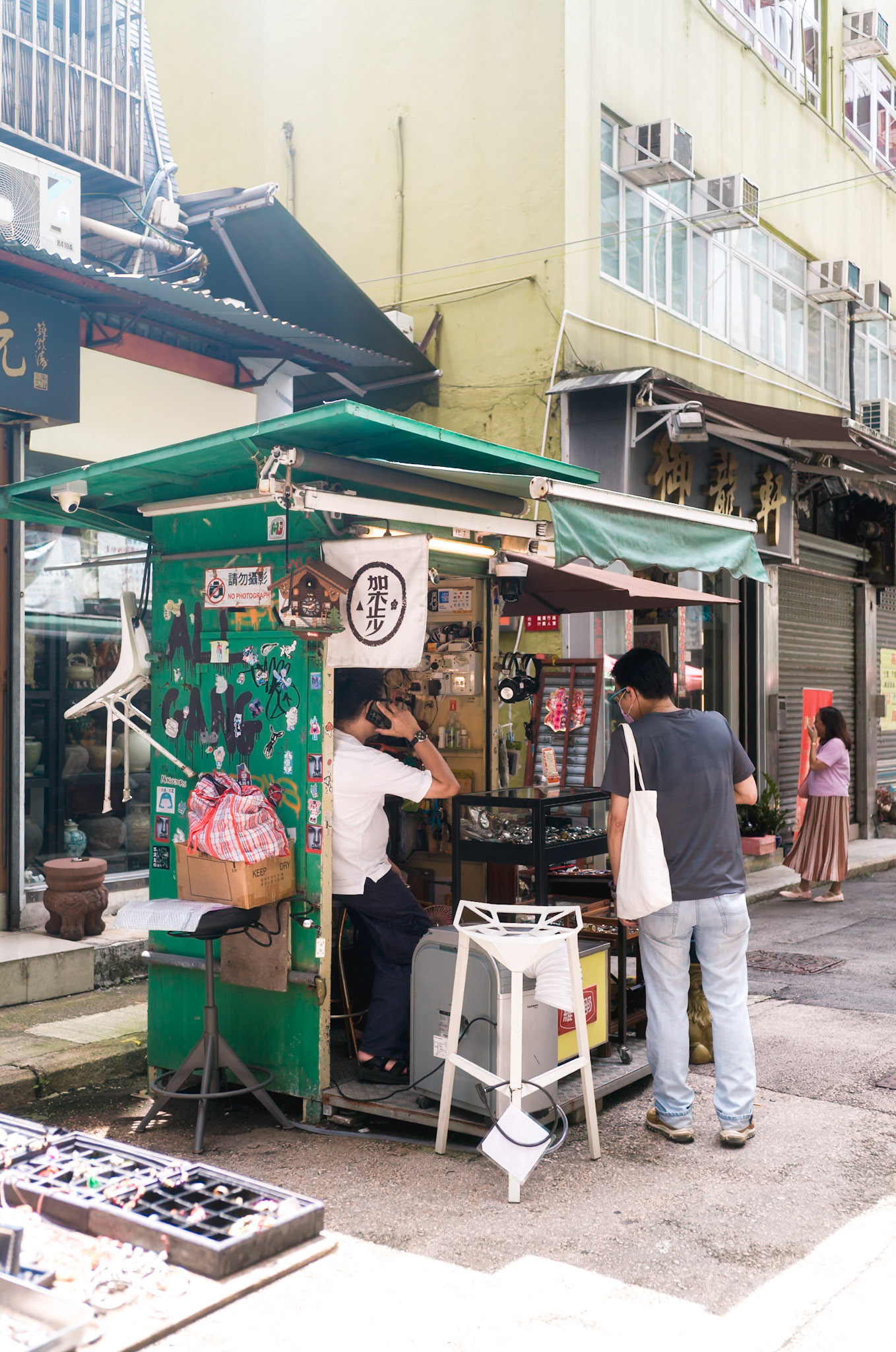
Hong Kong street market - Leica M11-P
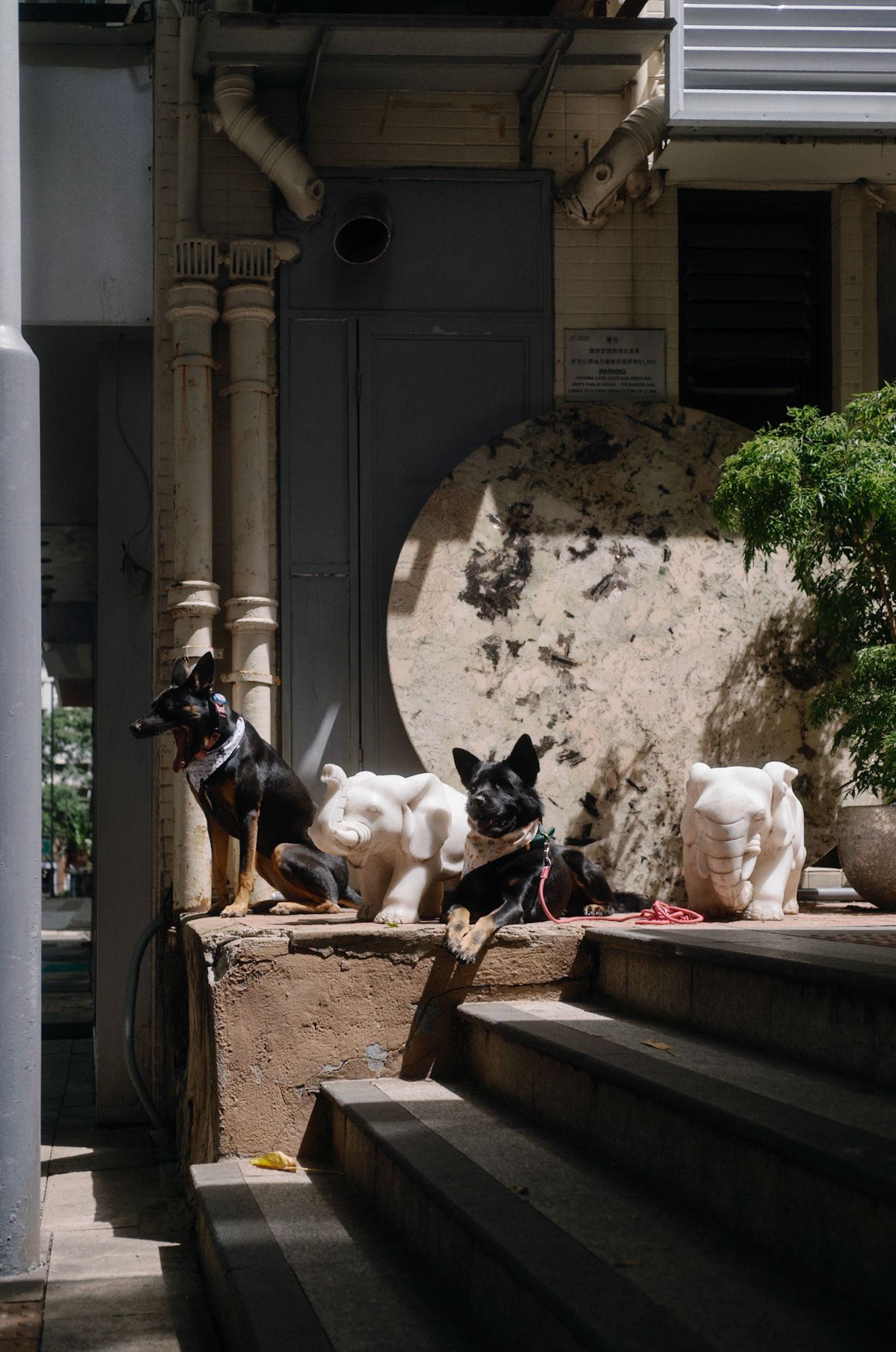
Hong Kong street - Leica M11-P
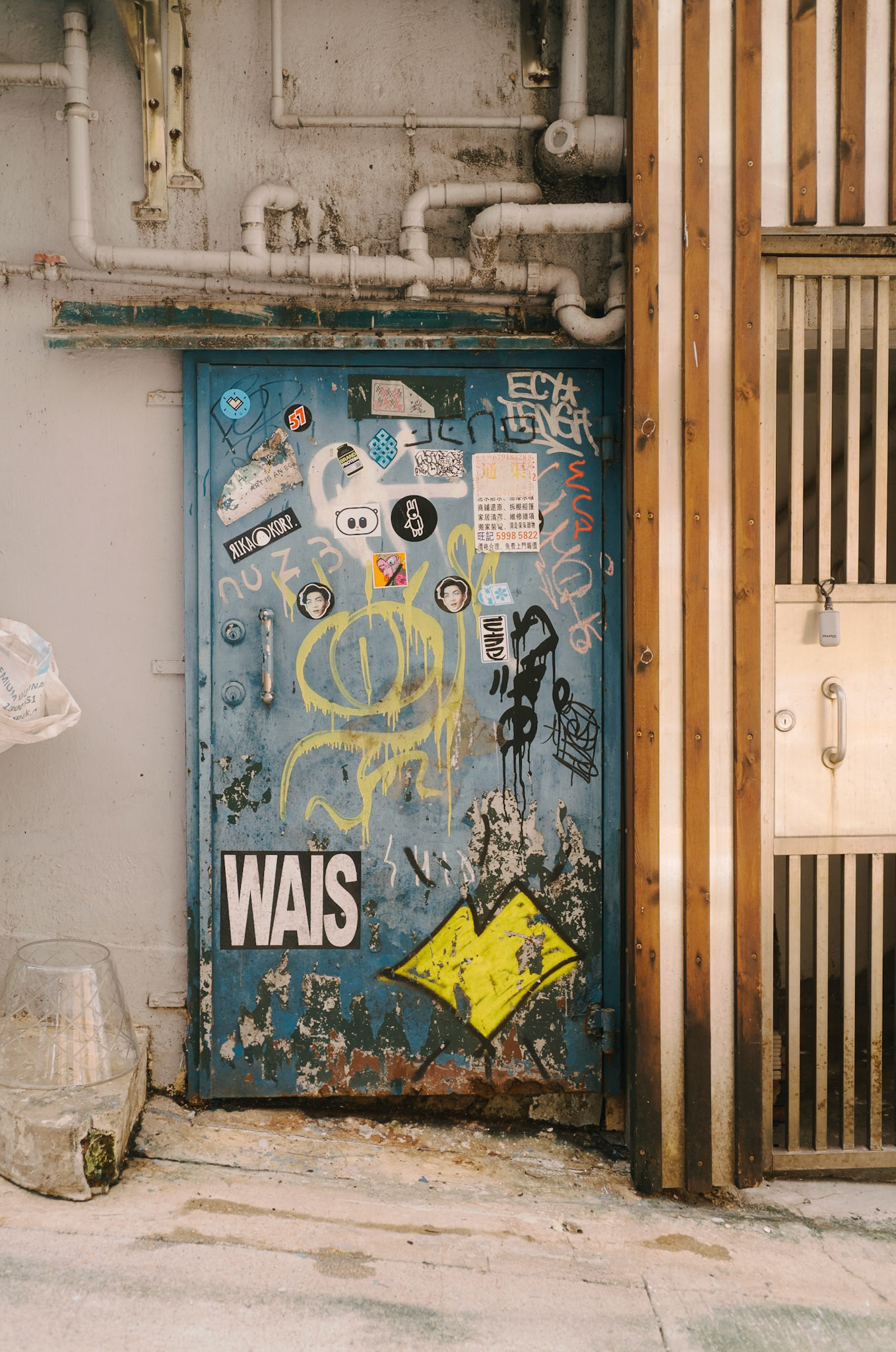
Hong Kong street - Leica M11-P
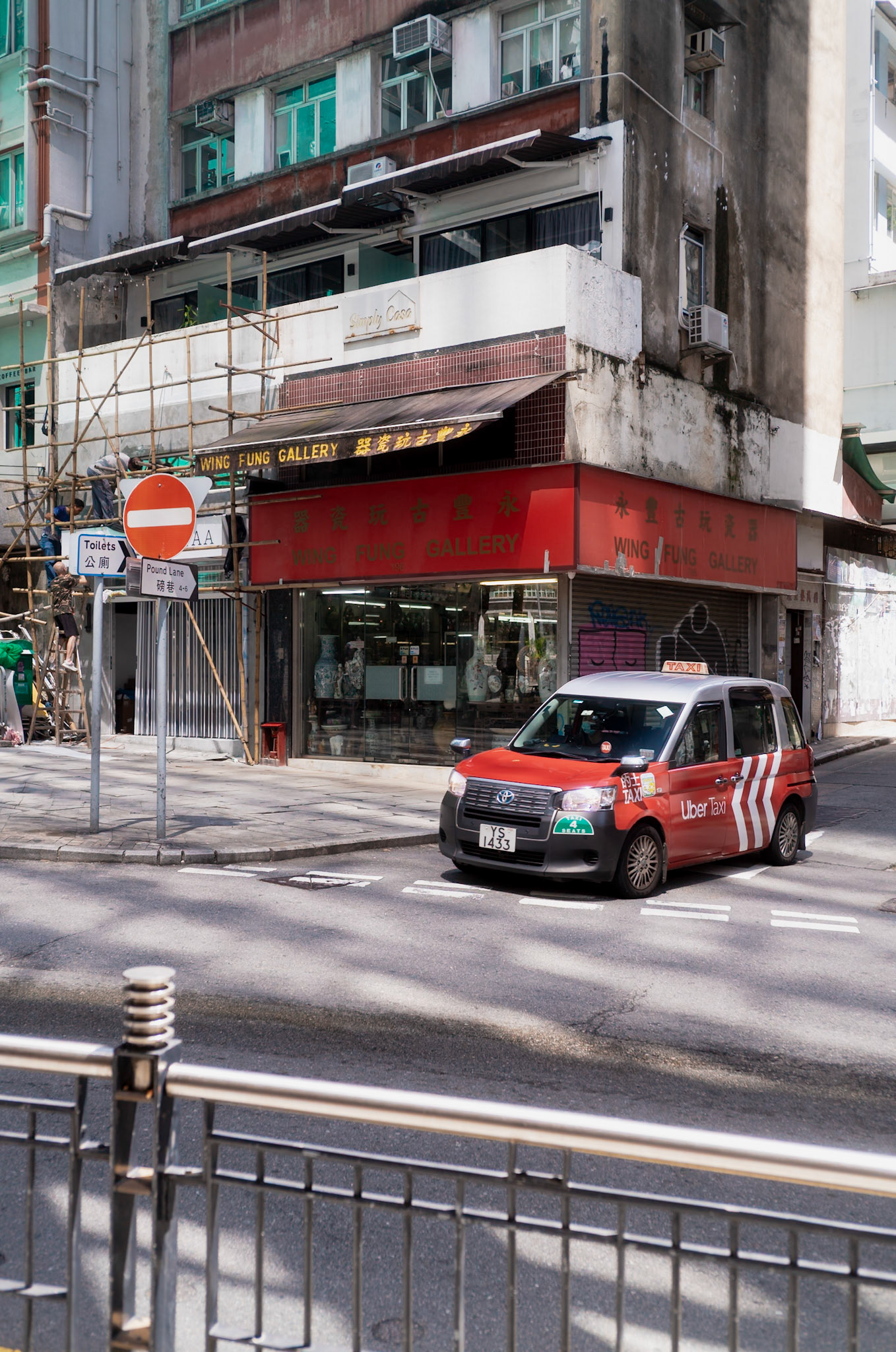
Hong Kong street - Leica M11-P
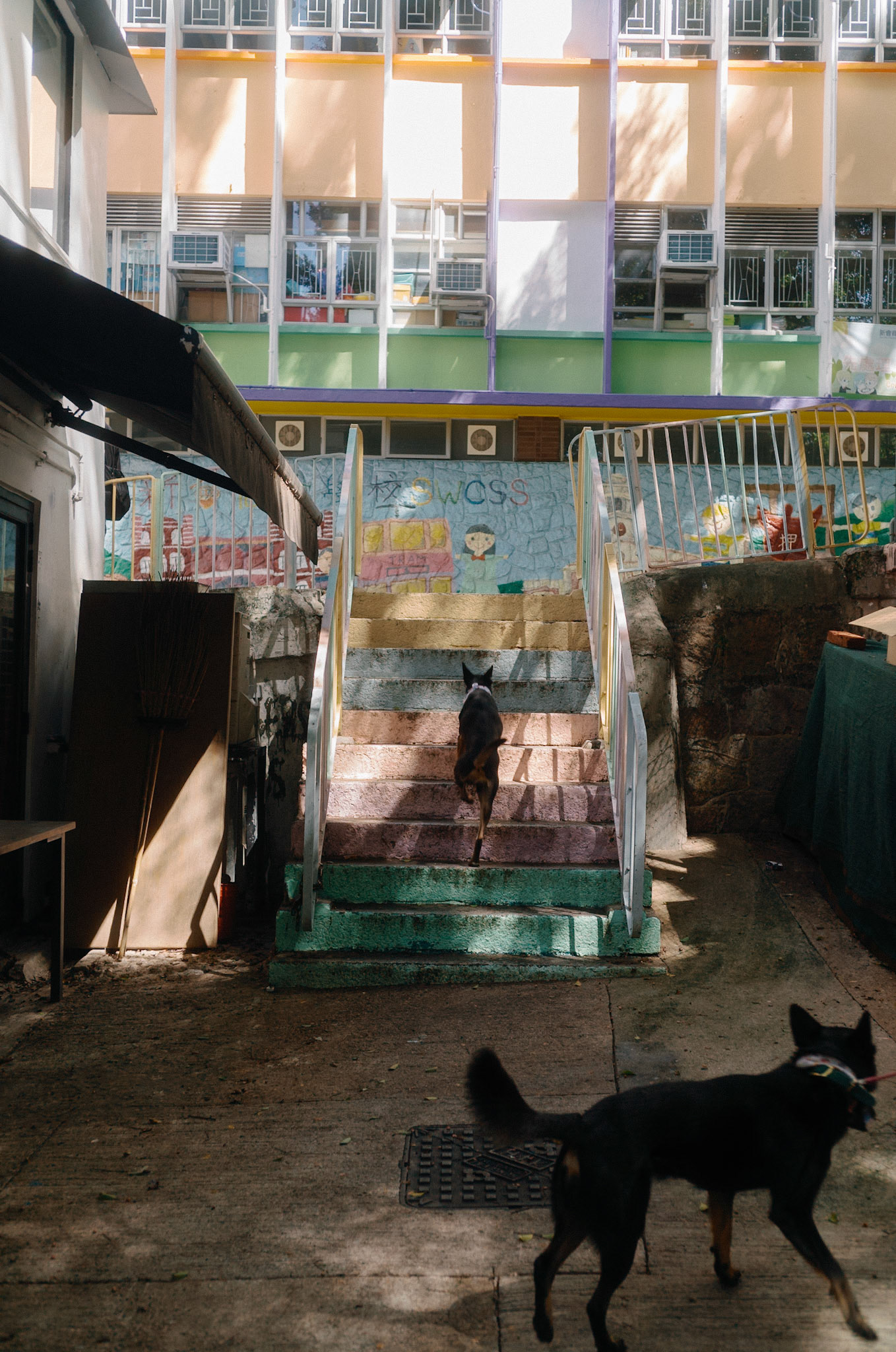
Hong Kong street - Leica M11-P
So why this over others?
Compared to other lenses I have at my disposal.
Leica APO-Summicron 35mm f2: I used the Zeiss more mainly because of the size and weight and feel. The images are different, the APO has more bite, with more 3D pop and a little less crispy.
Zeiss Sonnar 35mm f2 on the RX1R III: I love the RX1R III, it along with the original RX1 is a forever camera. The lens on this is less sharp than the C Biogon, but much more character (meaning acceptable flaws!). I use this when I need an EDC camera with AF.
Fujifilm X100VI with 23mm f2: I bought this at launch on pre-order and was the first batch. I don't use it much, it is also my first X100 camera. It's a great lens and camera and I have some great keepers with the photos I have taken but it's my wife's EDC camera now.
Fujifilm XF23mm f2.8: On the X-Pro2, I bought it because it was small but never really got enamoured with it. Nothing wrong with it but the images were nothing special. On the X-E5, it's better but then my wife and I prefer the images from the X100VI better if we had to pick. Actually another lens, the XF35mm f2 - this is also another than on the X-Pro2, I didn't really like it but on the X-E4/5 - the lens is much better.
Zeiss C Biogon 2.8/35 on the Leica SL2-S: this is a great combo on the 24MP sensor
More Hong Kong Streets
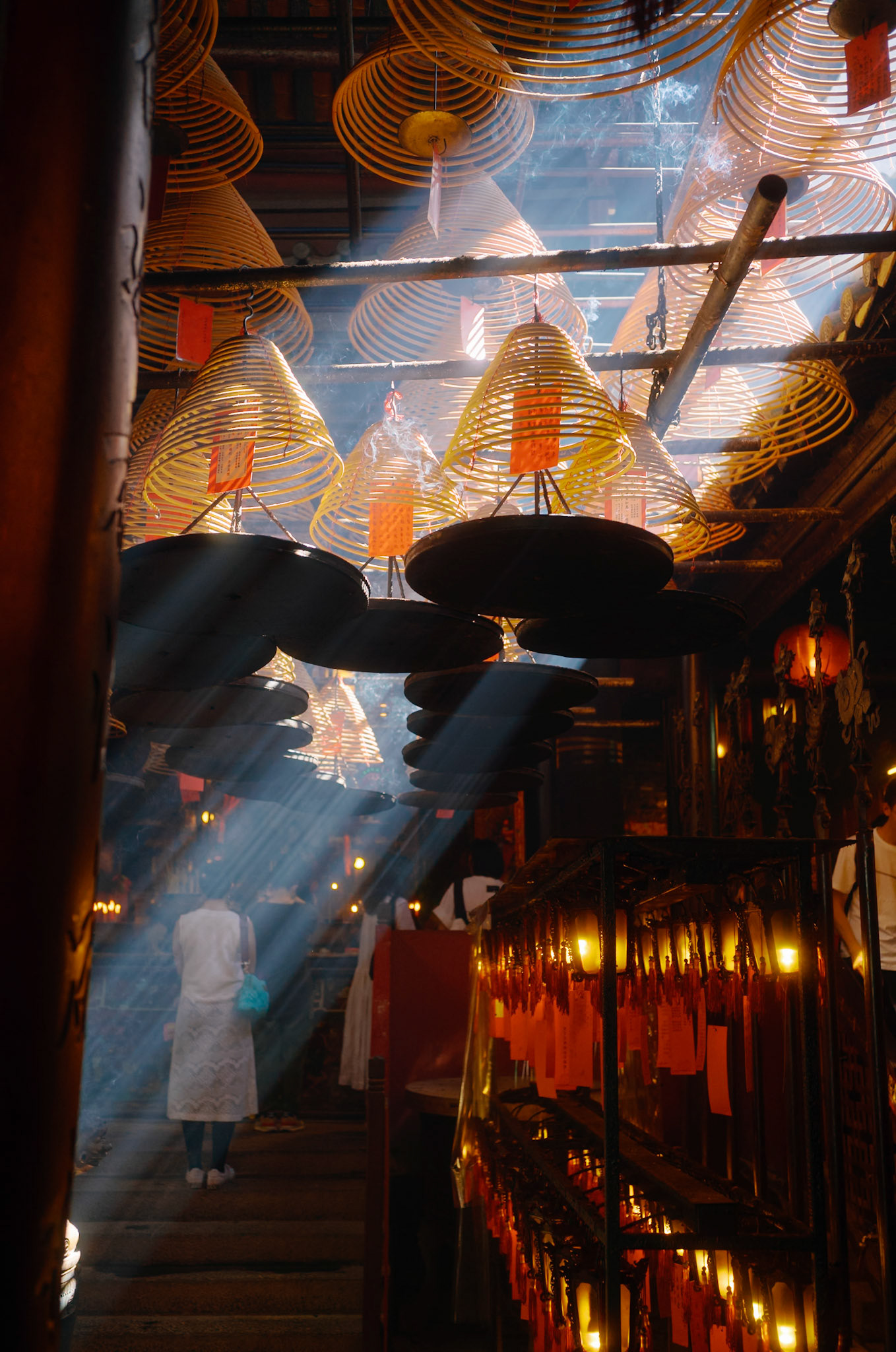
Hong Kong street - Leica M11-P
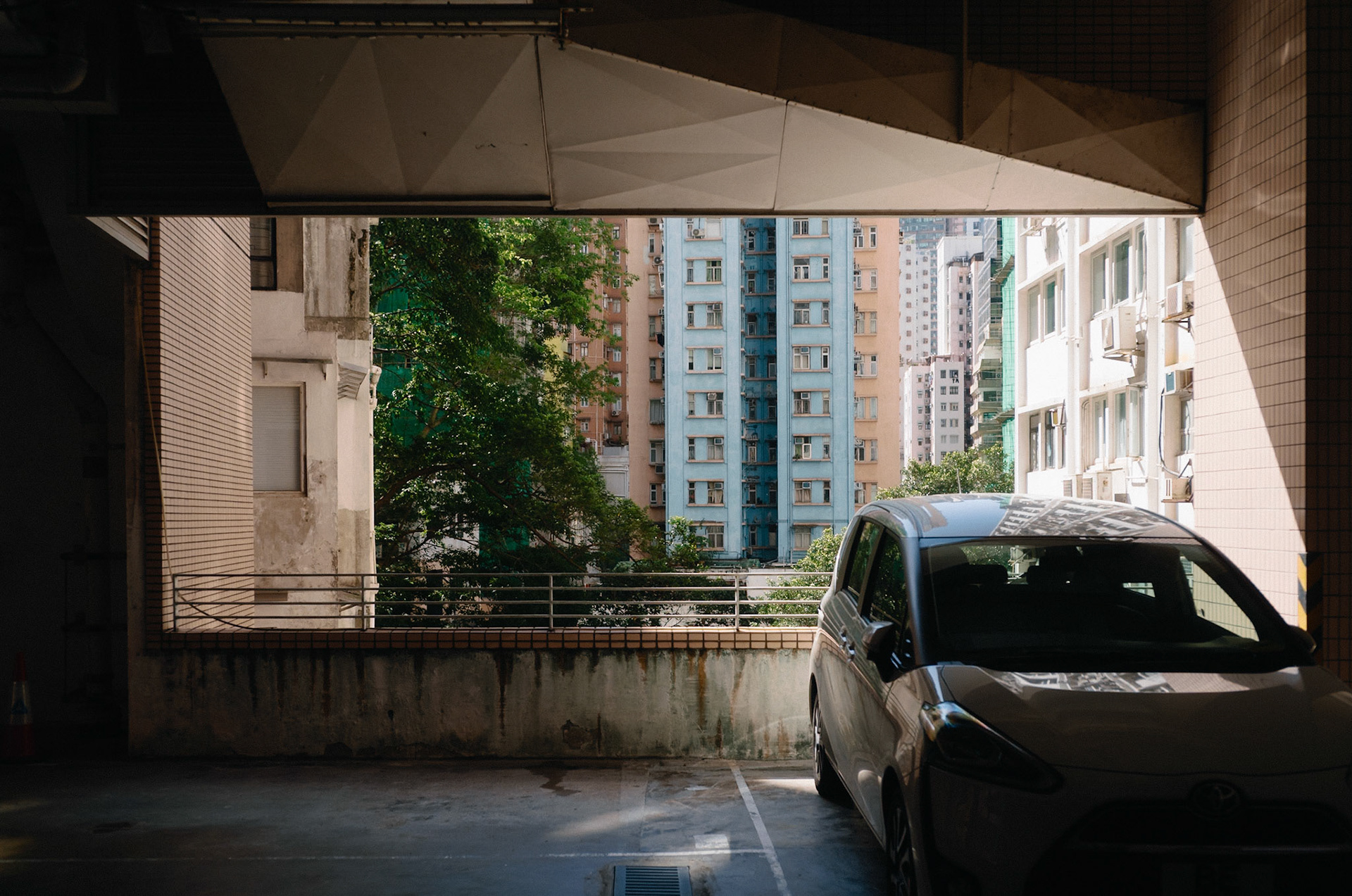
Hong Kong street - Leica M11-P
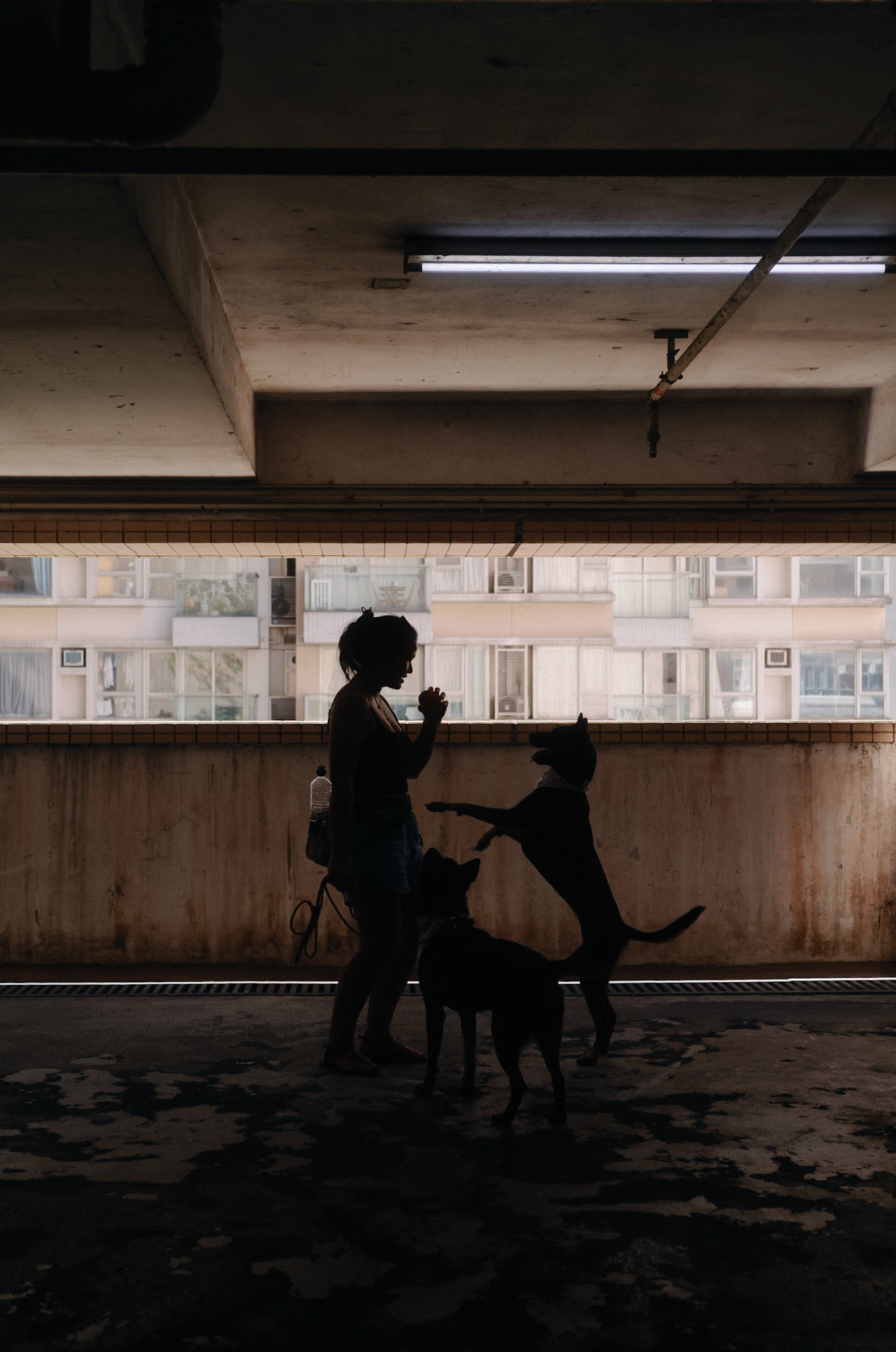
Hong Kong street - Leica M11-P
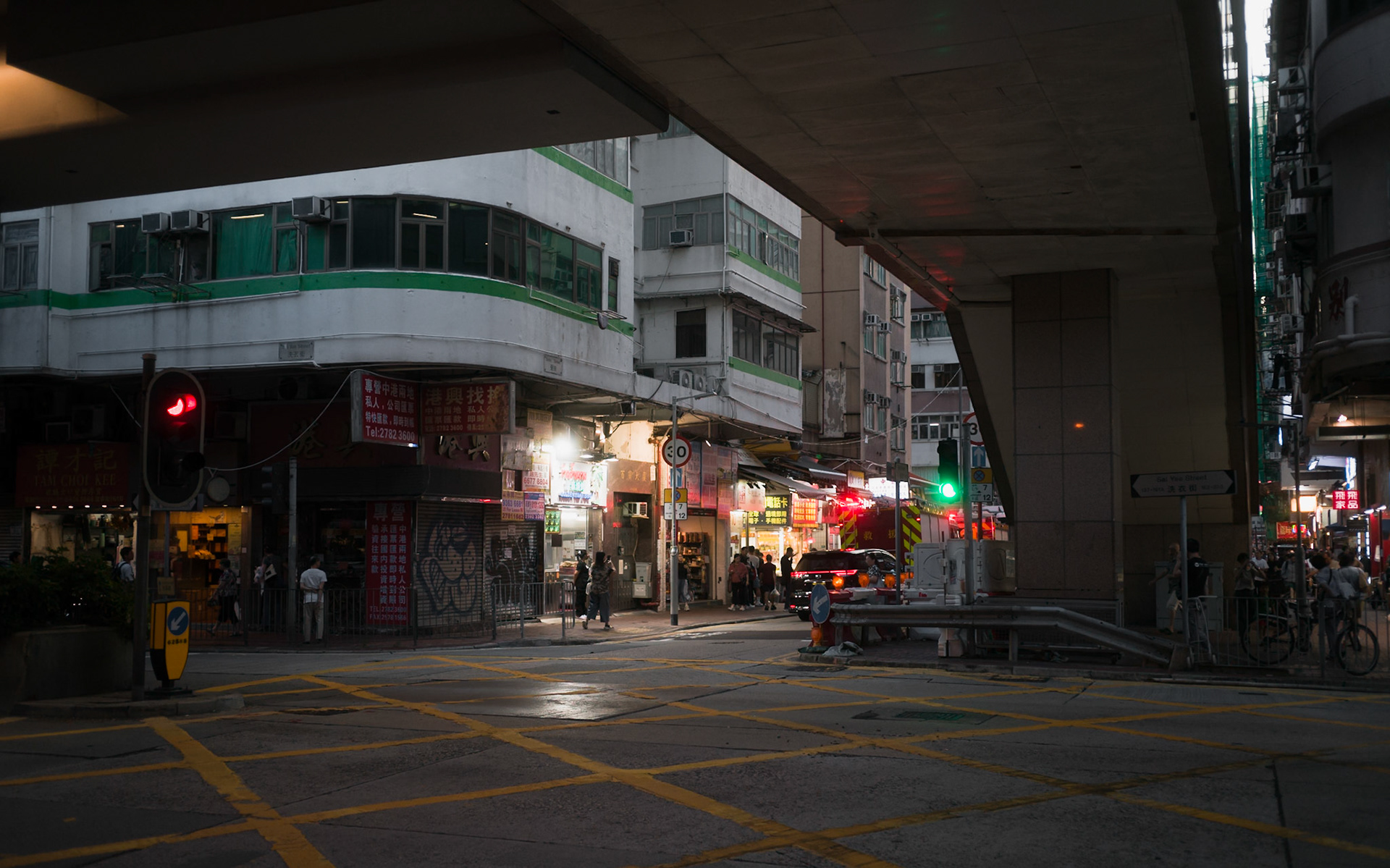
Hong Kong street - Leica M11-P
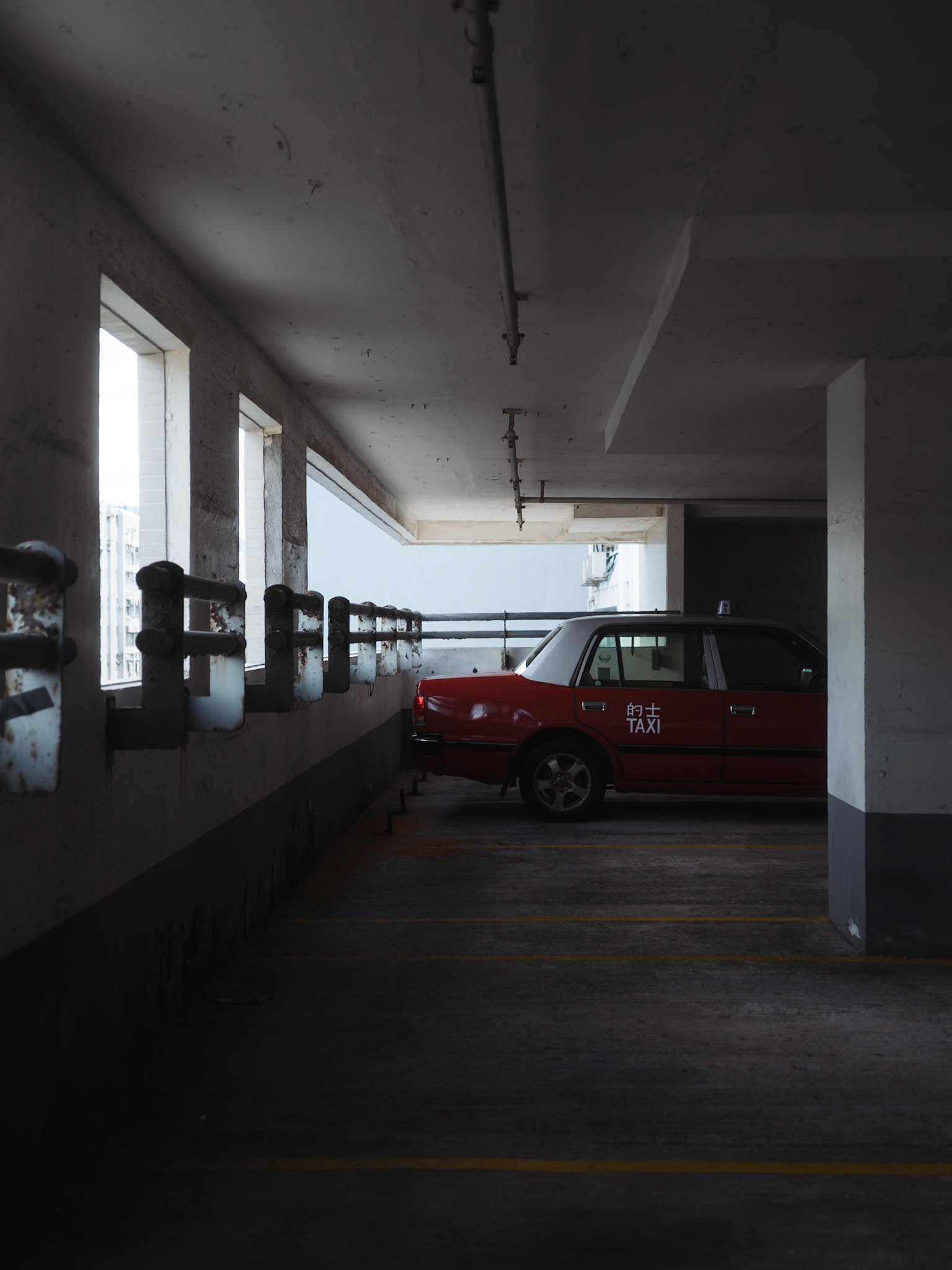
Hong Kong street - Leica M11-P
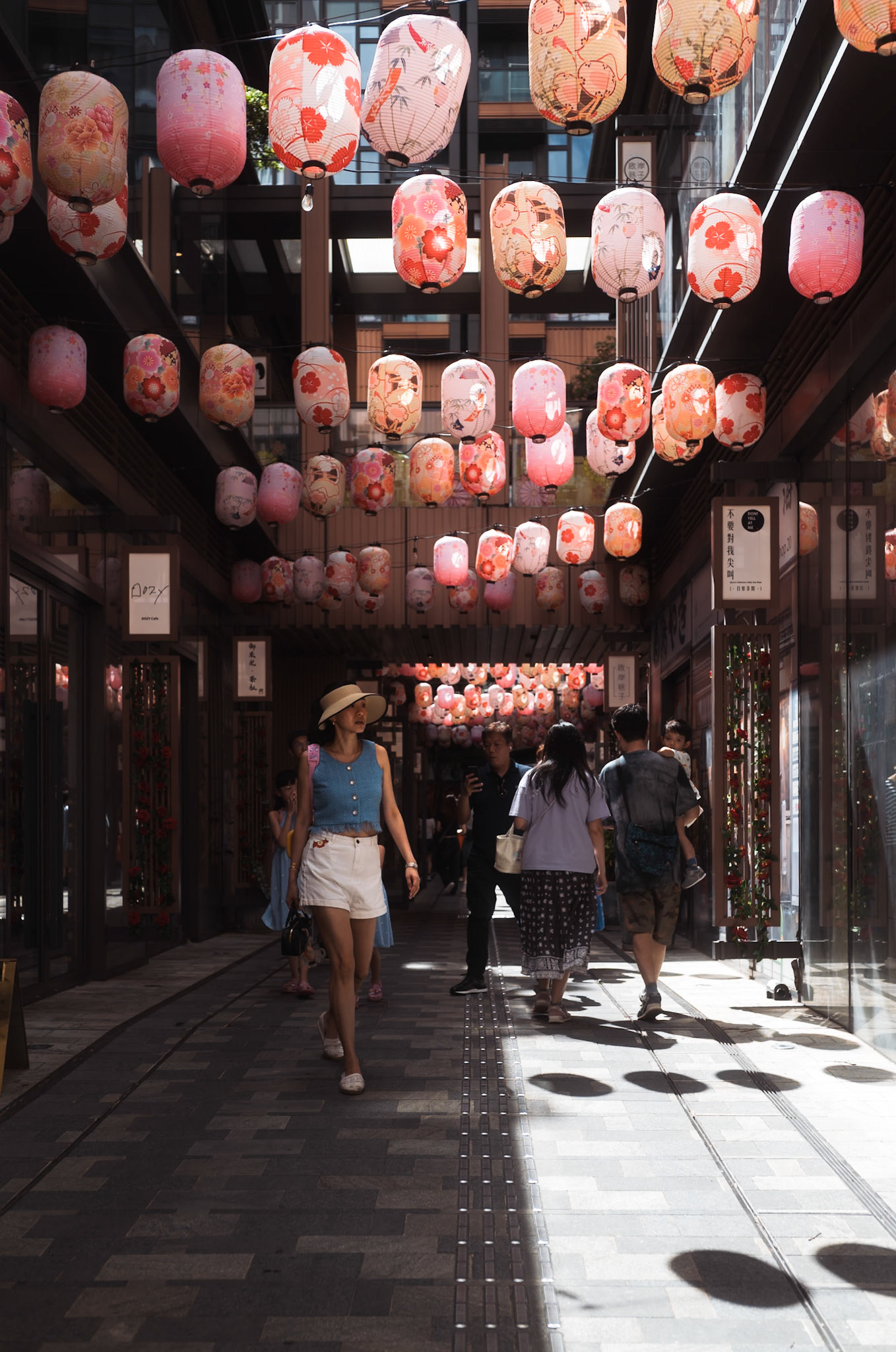
Hong Kong street - Leica M11-P
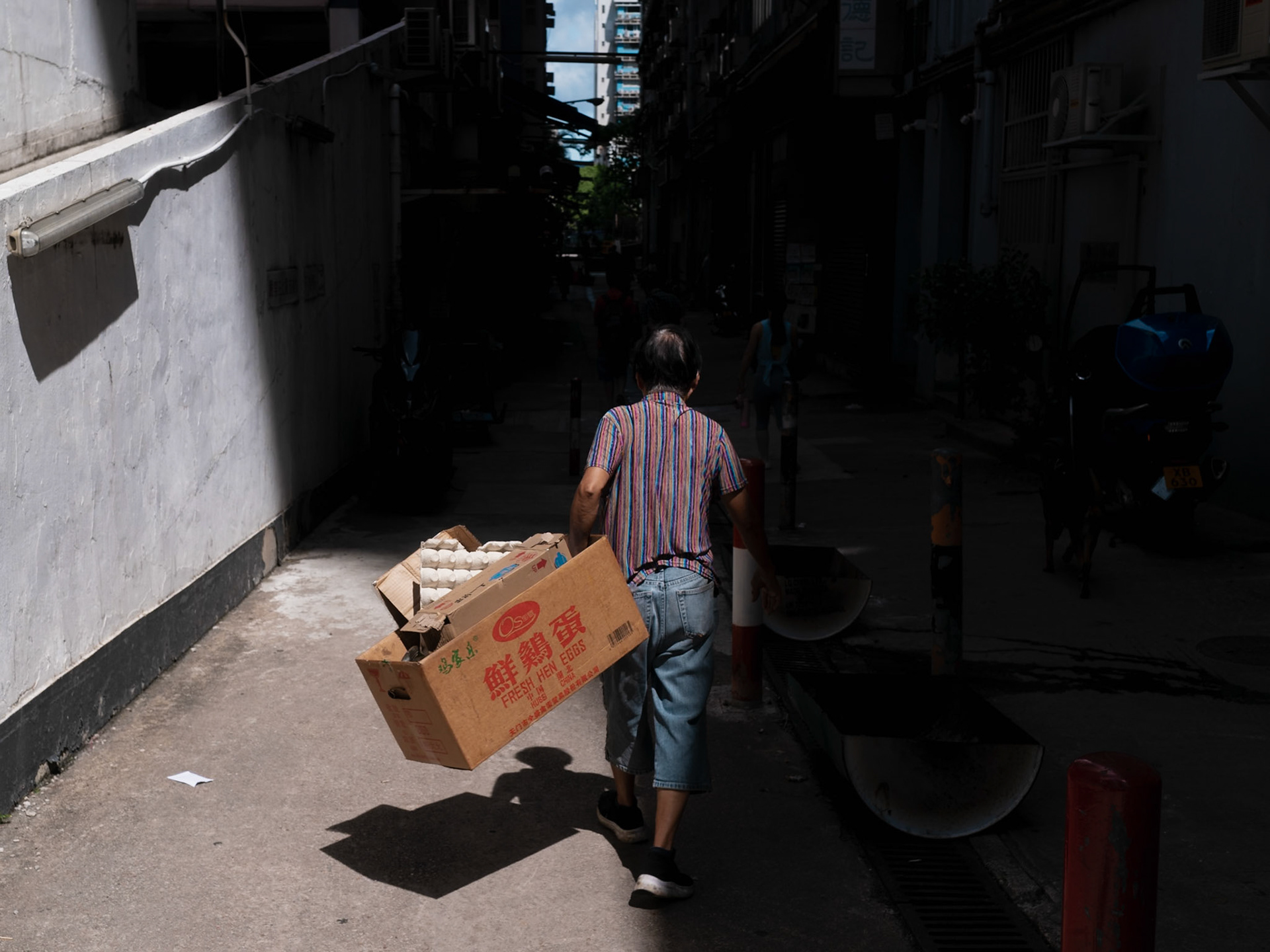
Hong Kong street - Leica M11-P
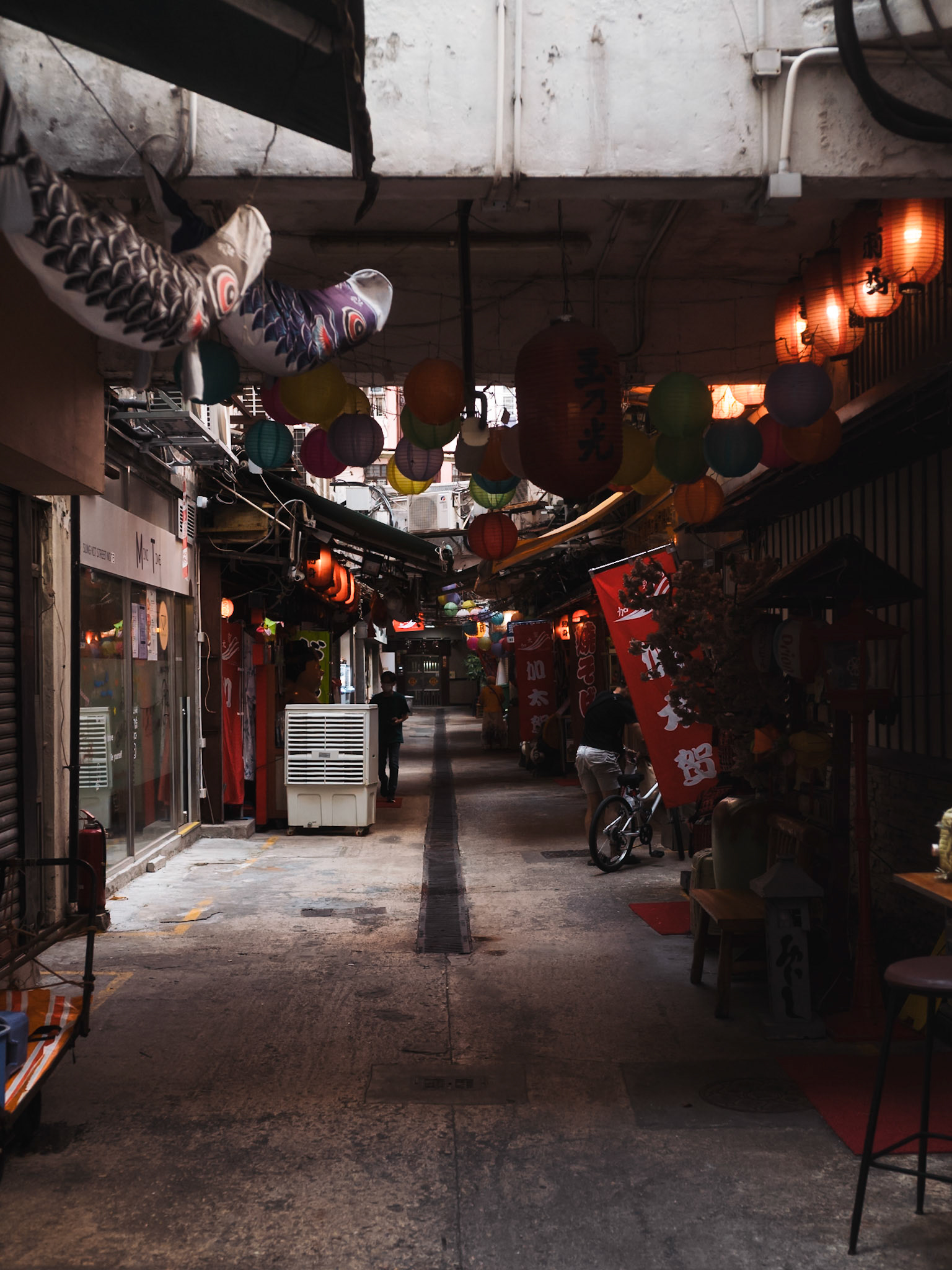
Hong Kong street - Leica M11-P
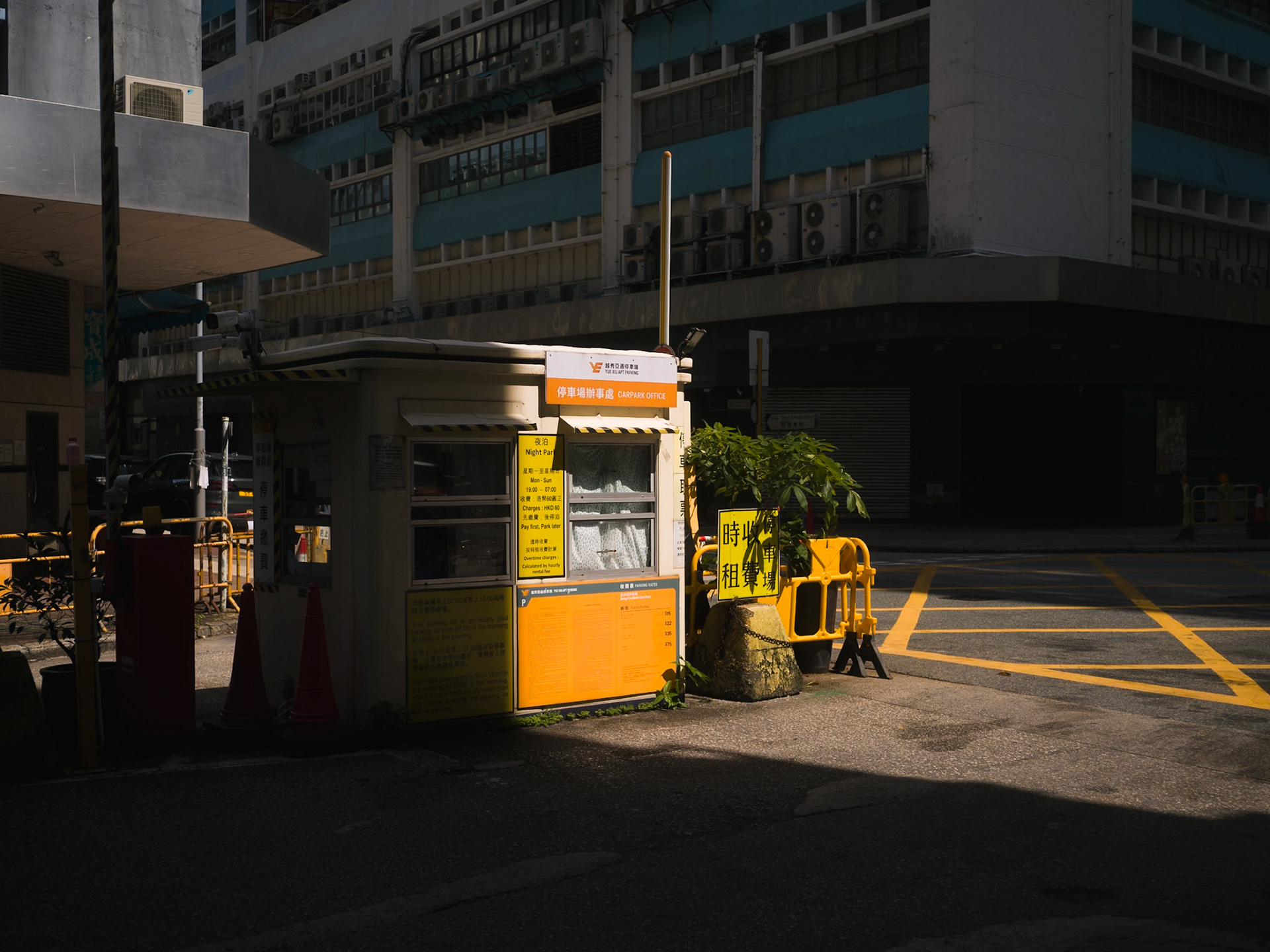
Hong Kong street - Leica M11-P
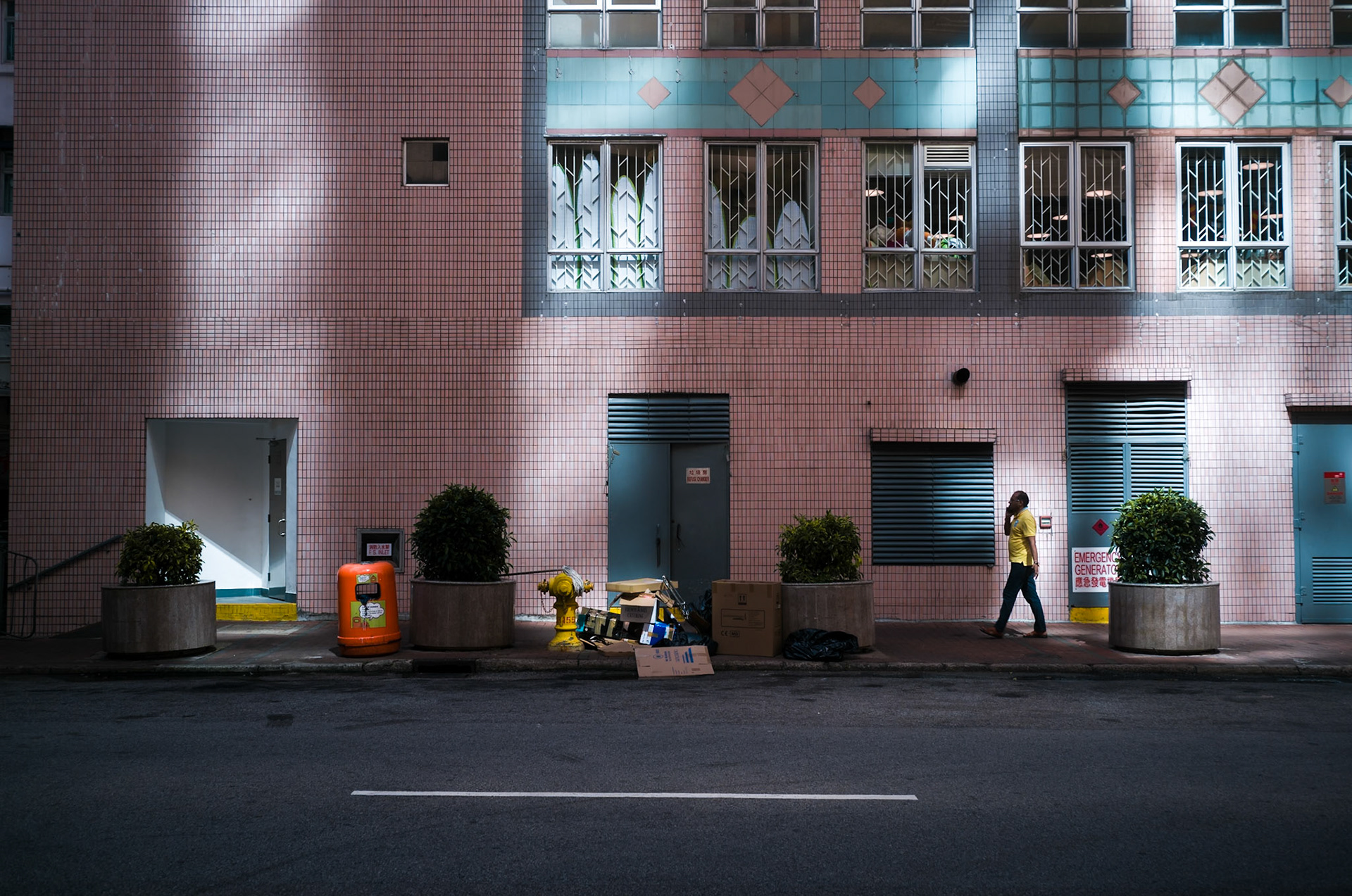
Hong Kong street - Leica M11-P
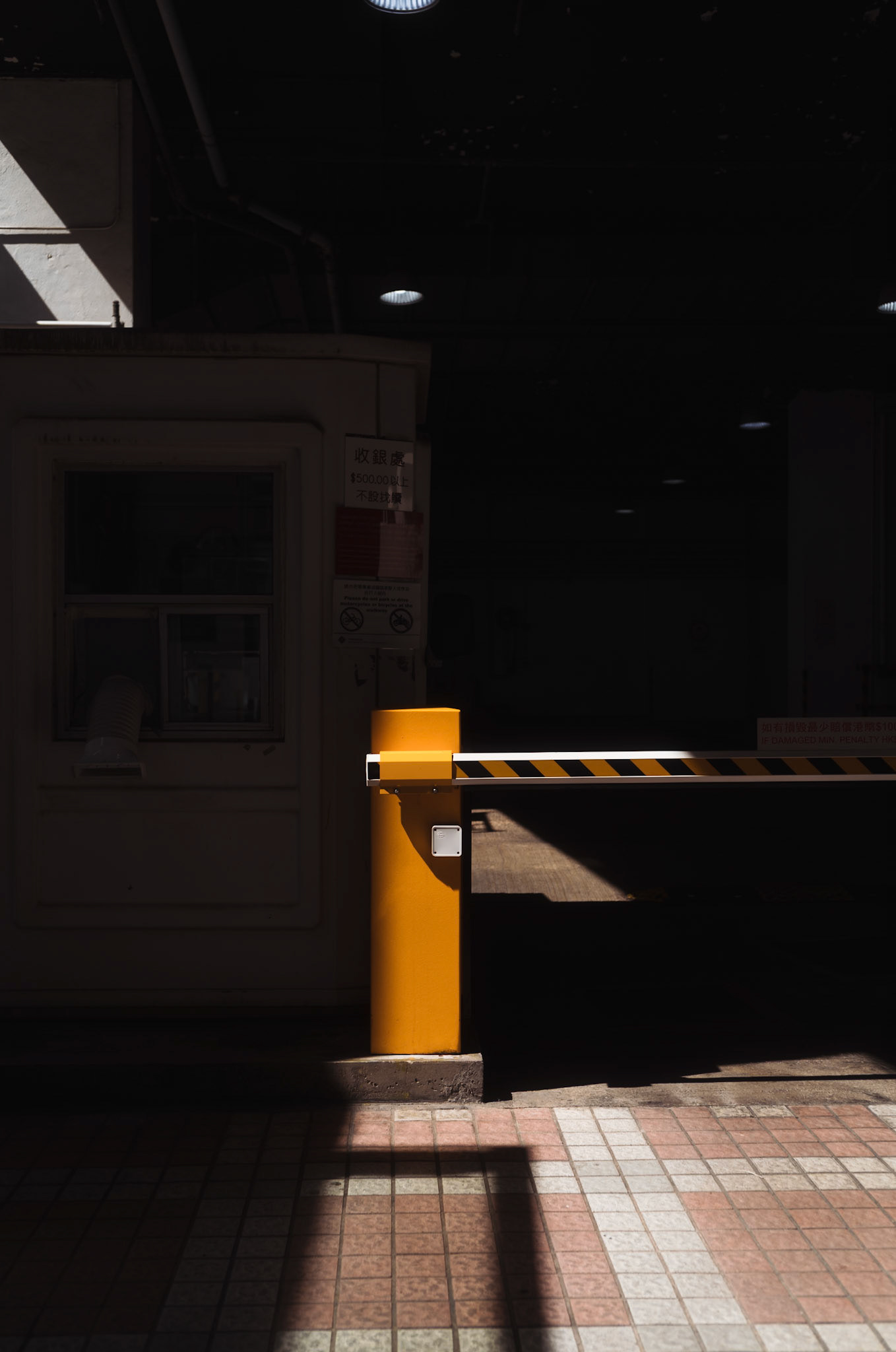
Hong Kong street - Leica M11-P
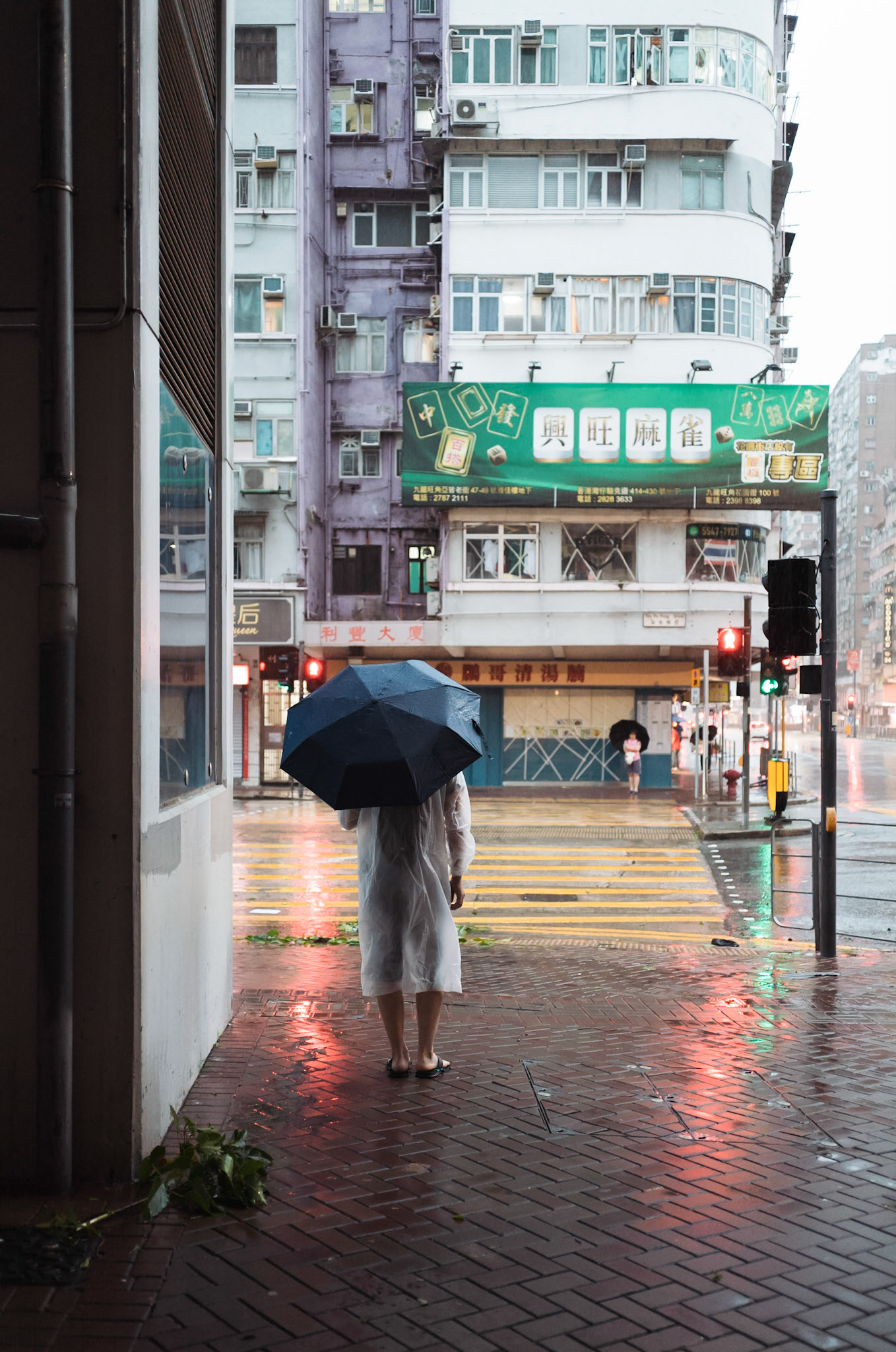
Hong Kong Typhoon aftermath - Leica M11-P
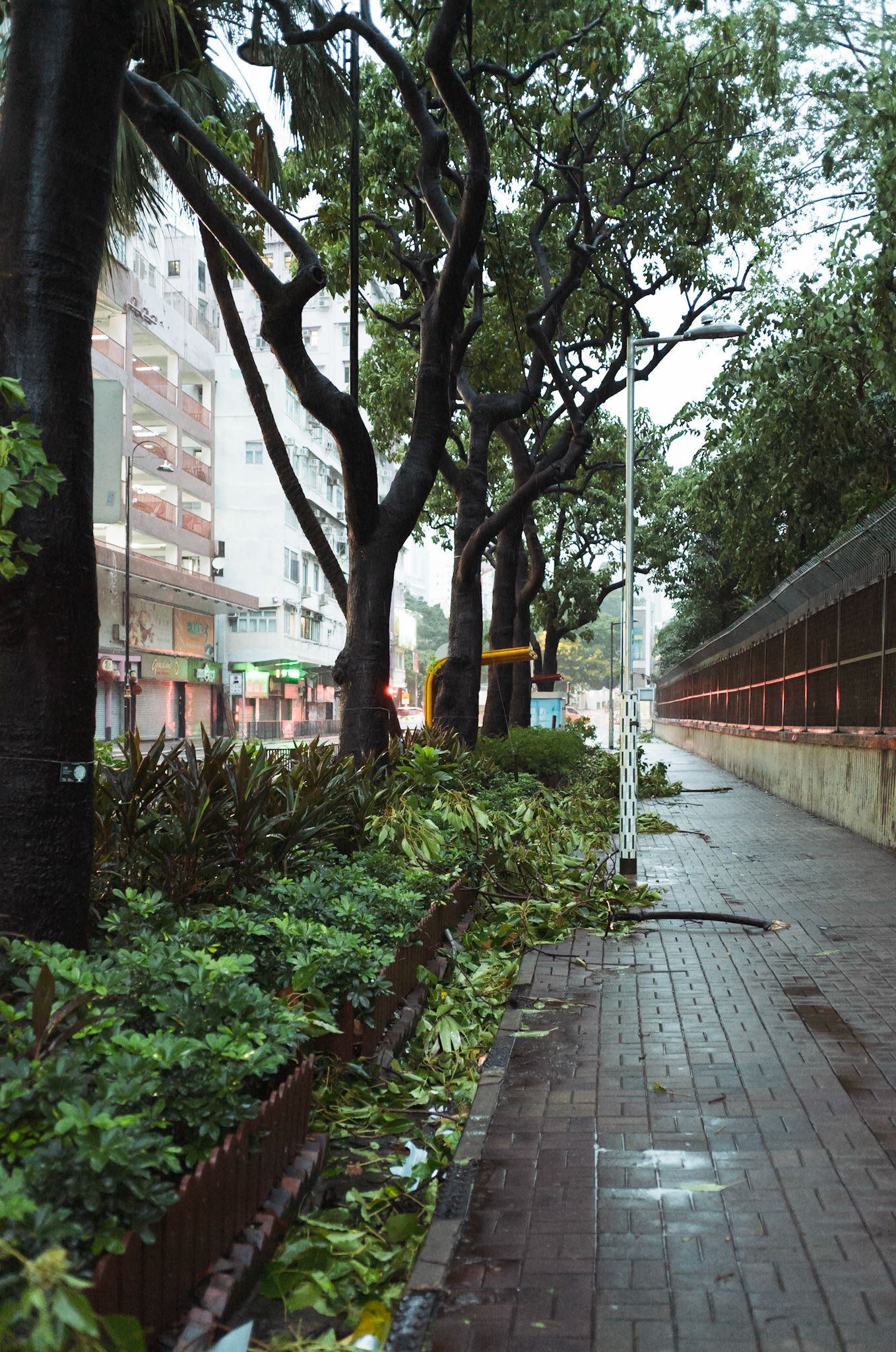
Hong Kong Typhoon aftermath - Leica M11-P

Hong Kong Typhoon aftermath - Leica M11-P
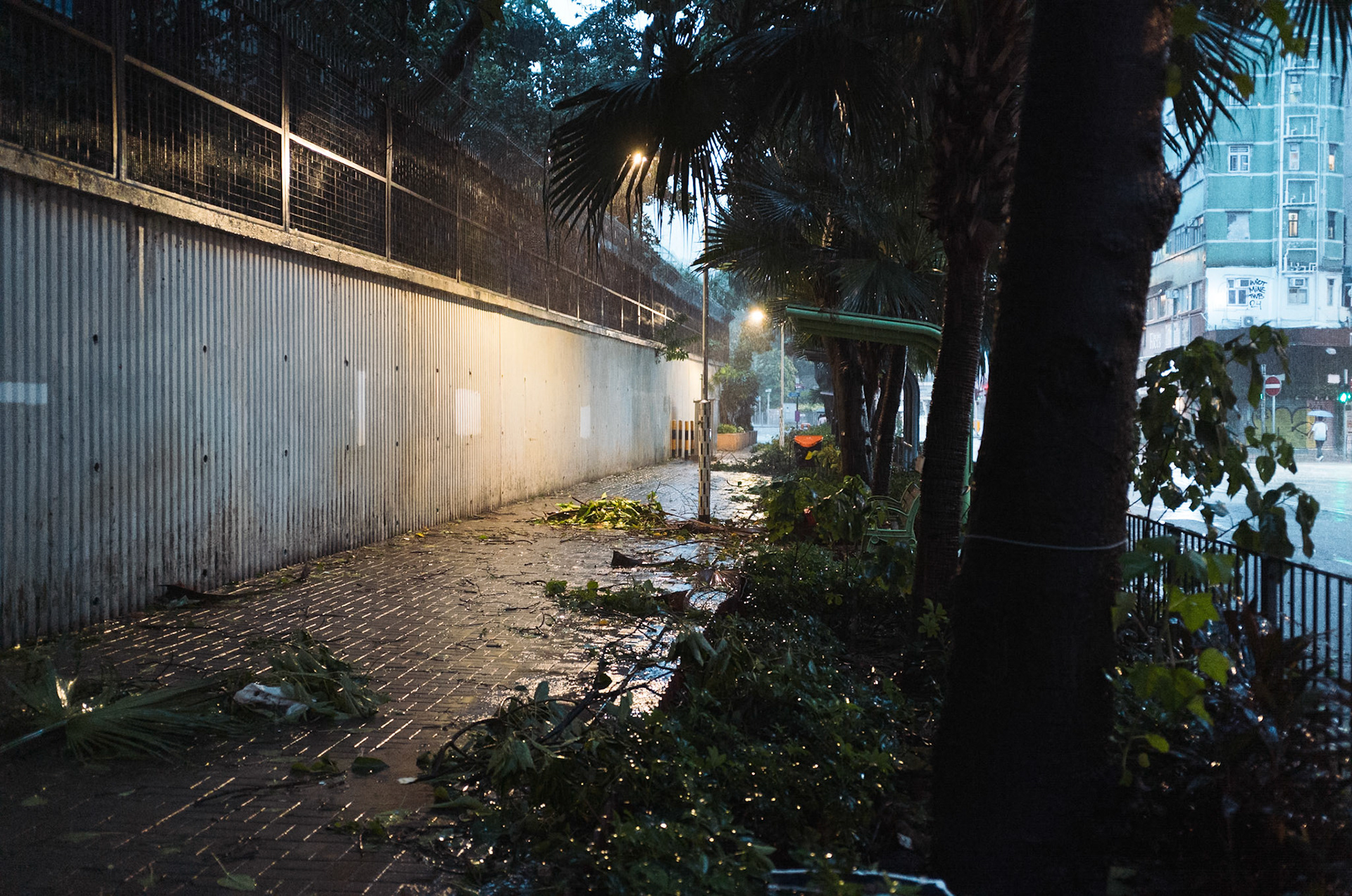
Hong Kong Typhoon aftermath - Leica M11-P
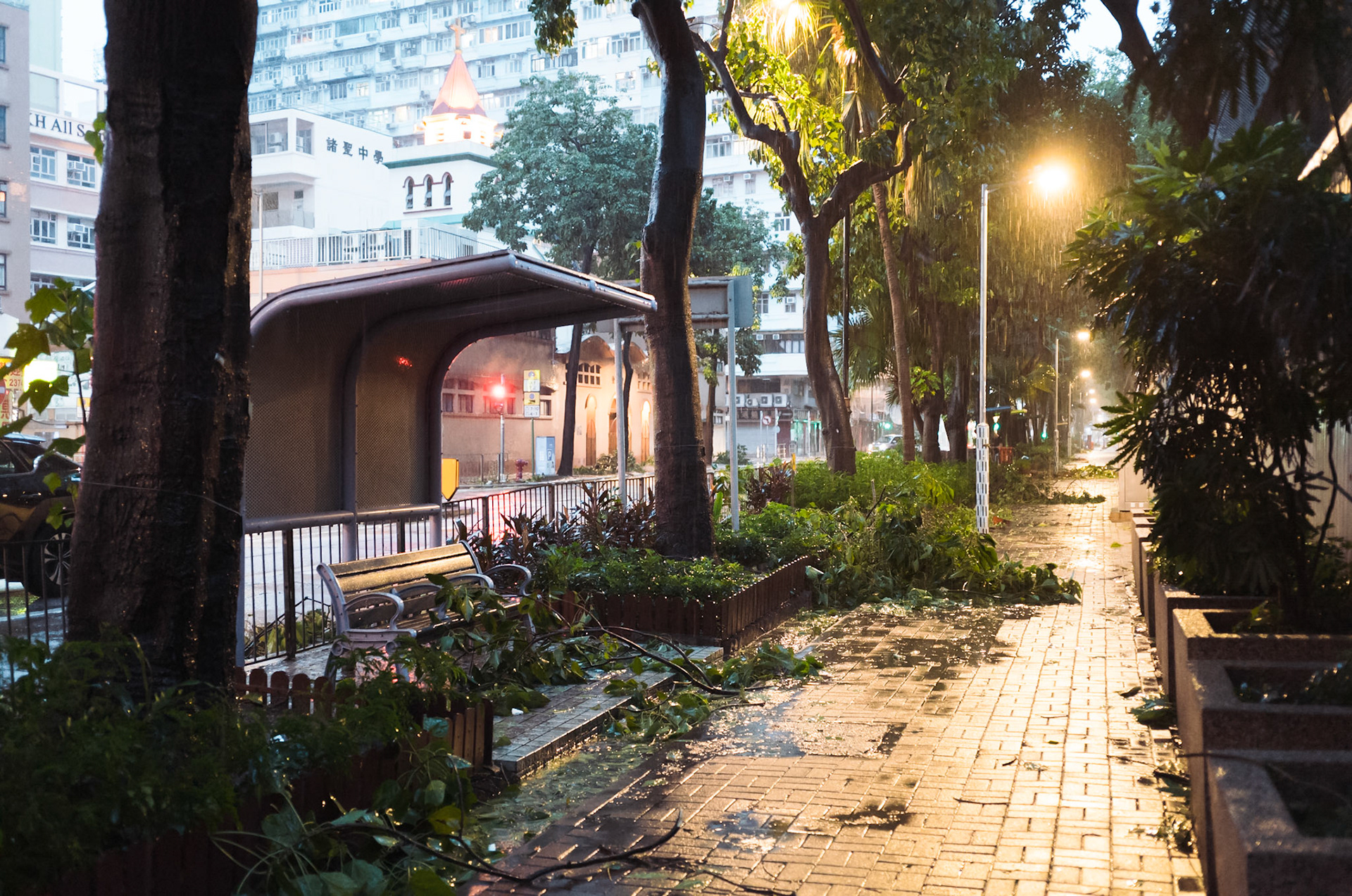
Hong Kong Typhoon aftermath - Leica M11-P
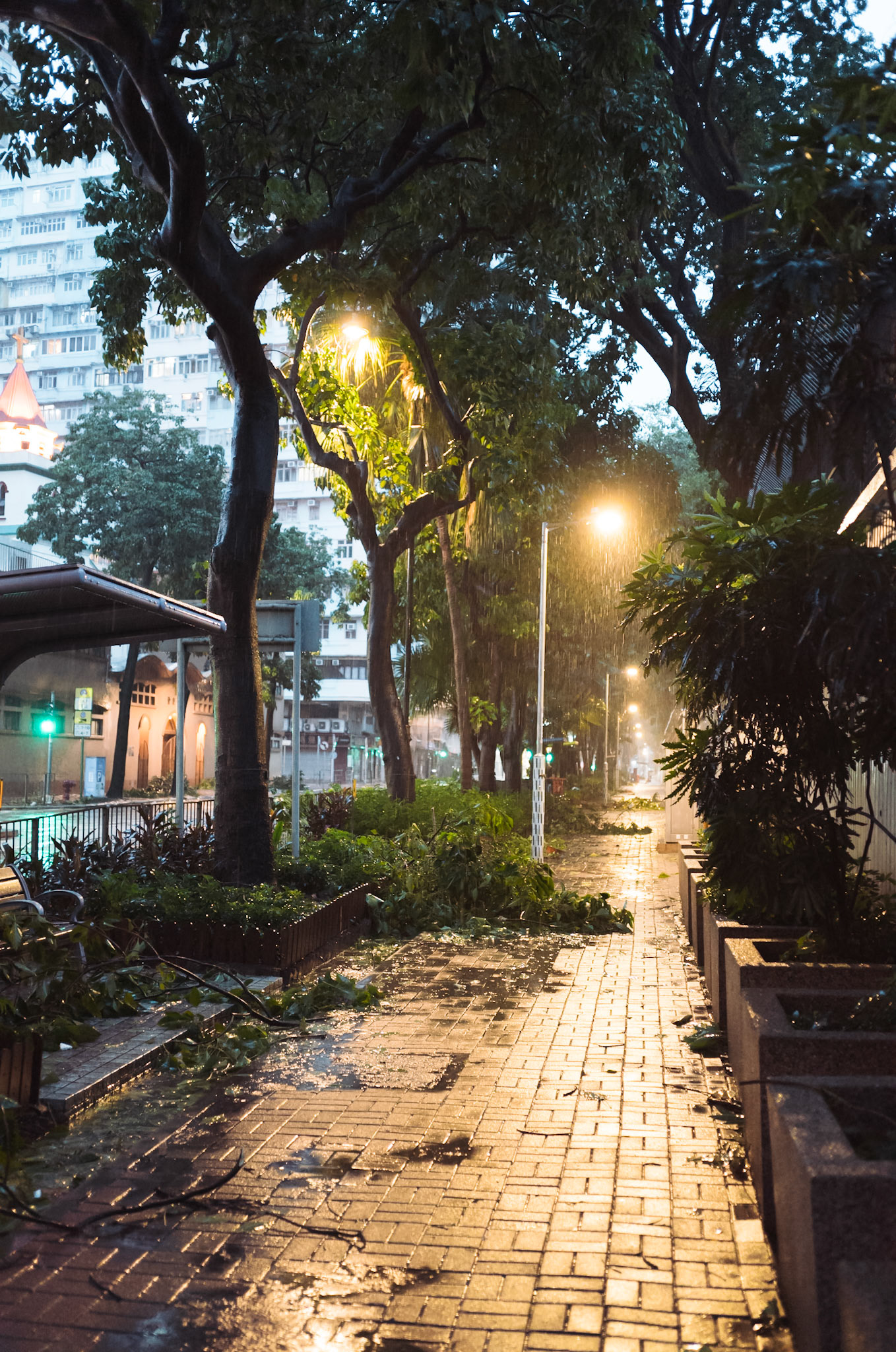
Hong Kong Typhoon aftermath - Leica M11-P
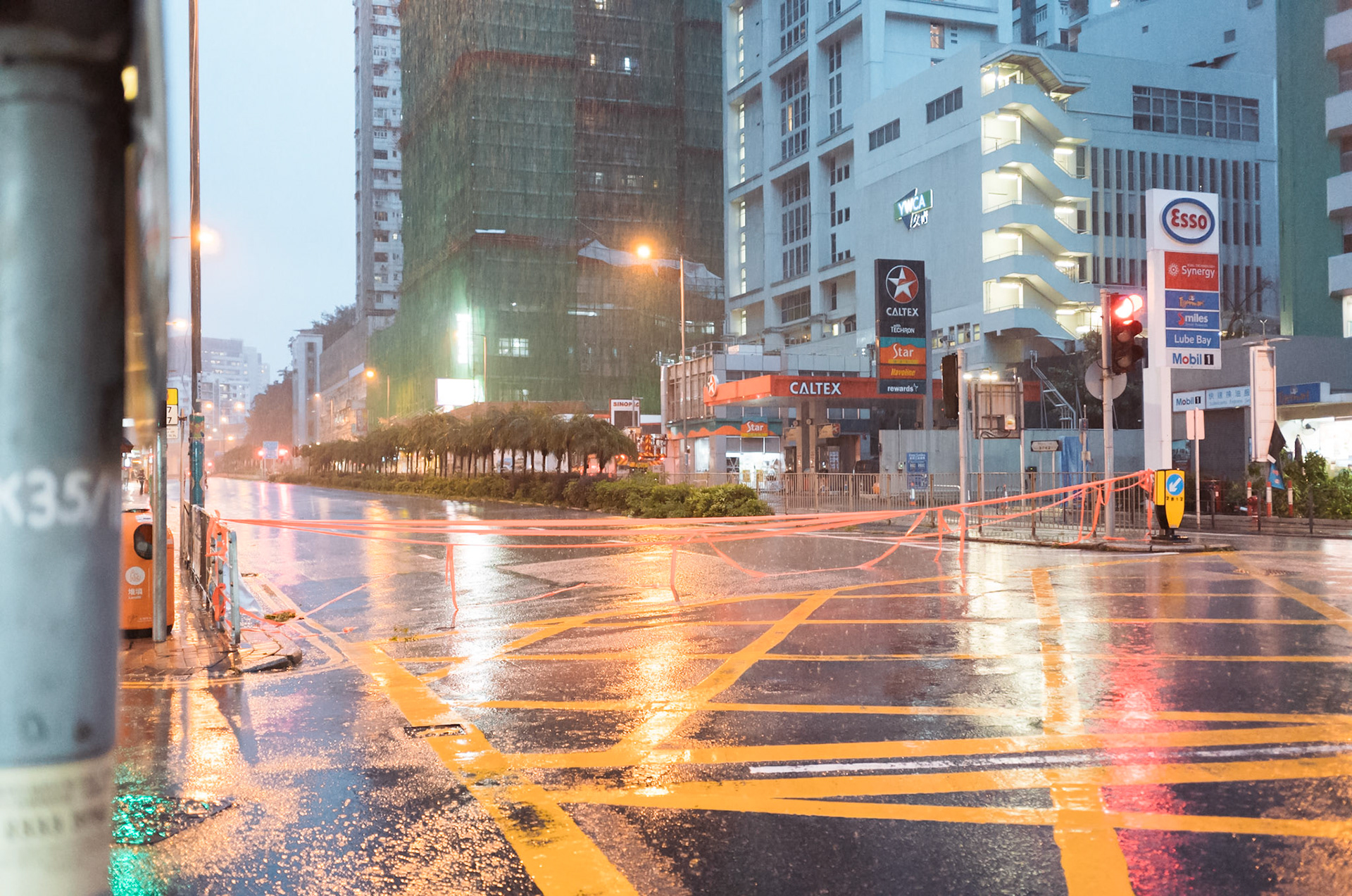
Hong Kong Typhoon - Leica M11-P
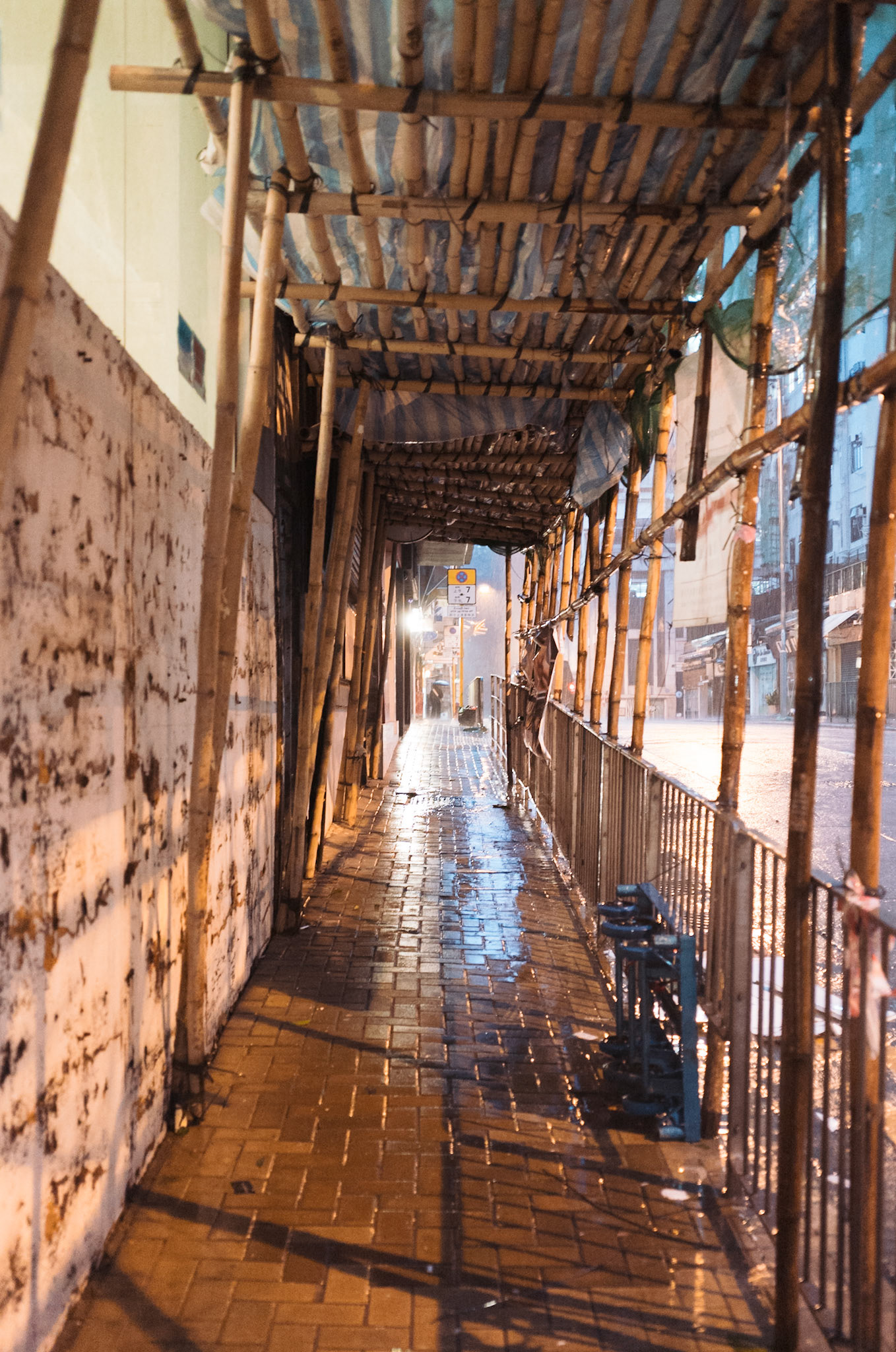
Hong Kong Typhoon - Leica M11-P
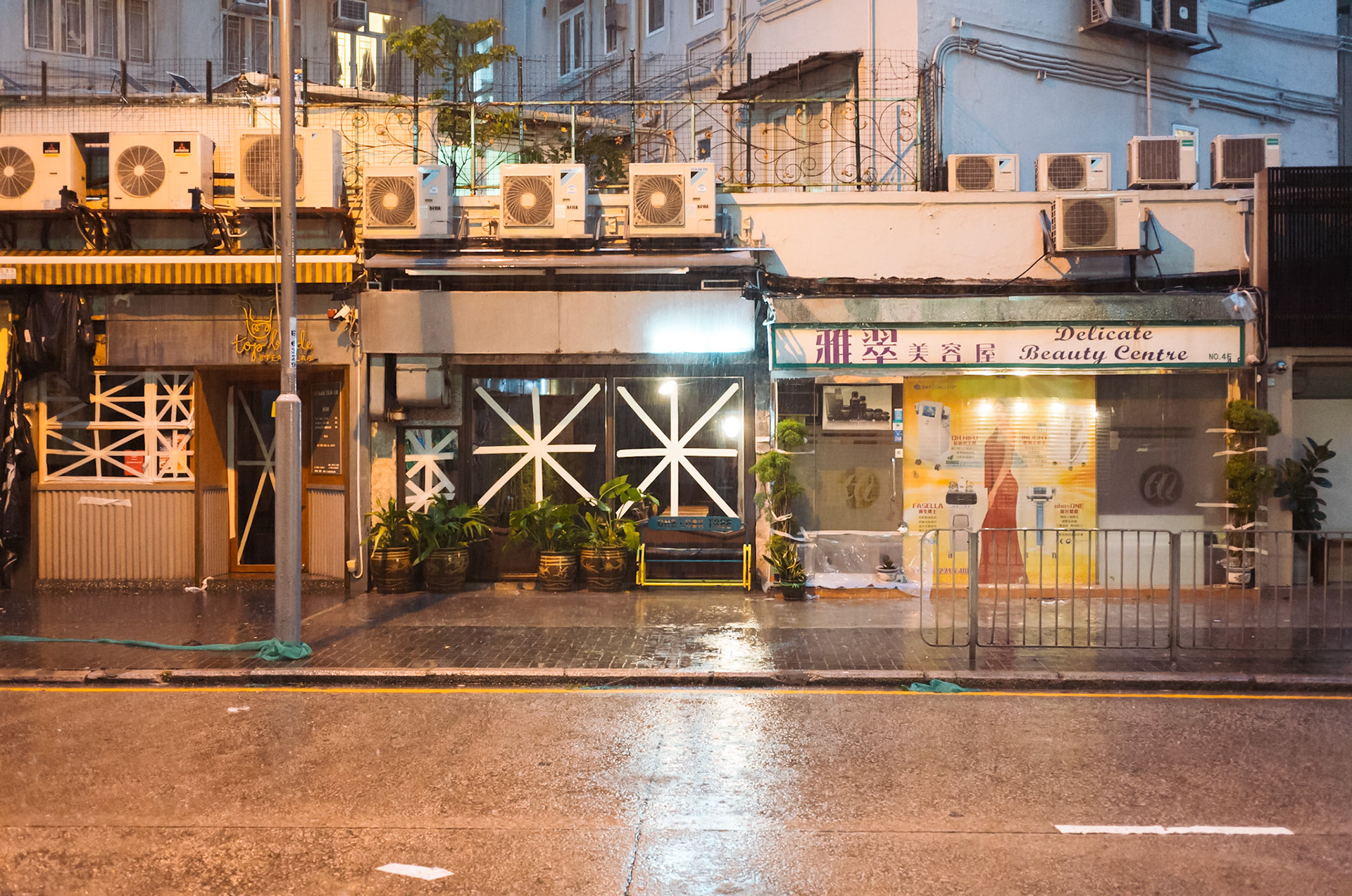
Hong Kong Typhoon - Leica M11-P
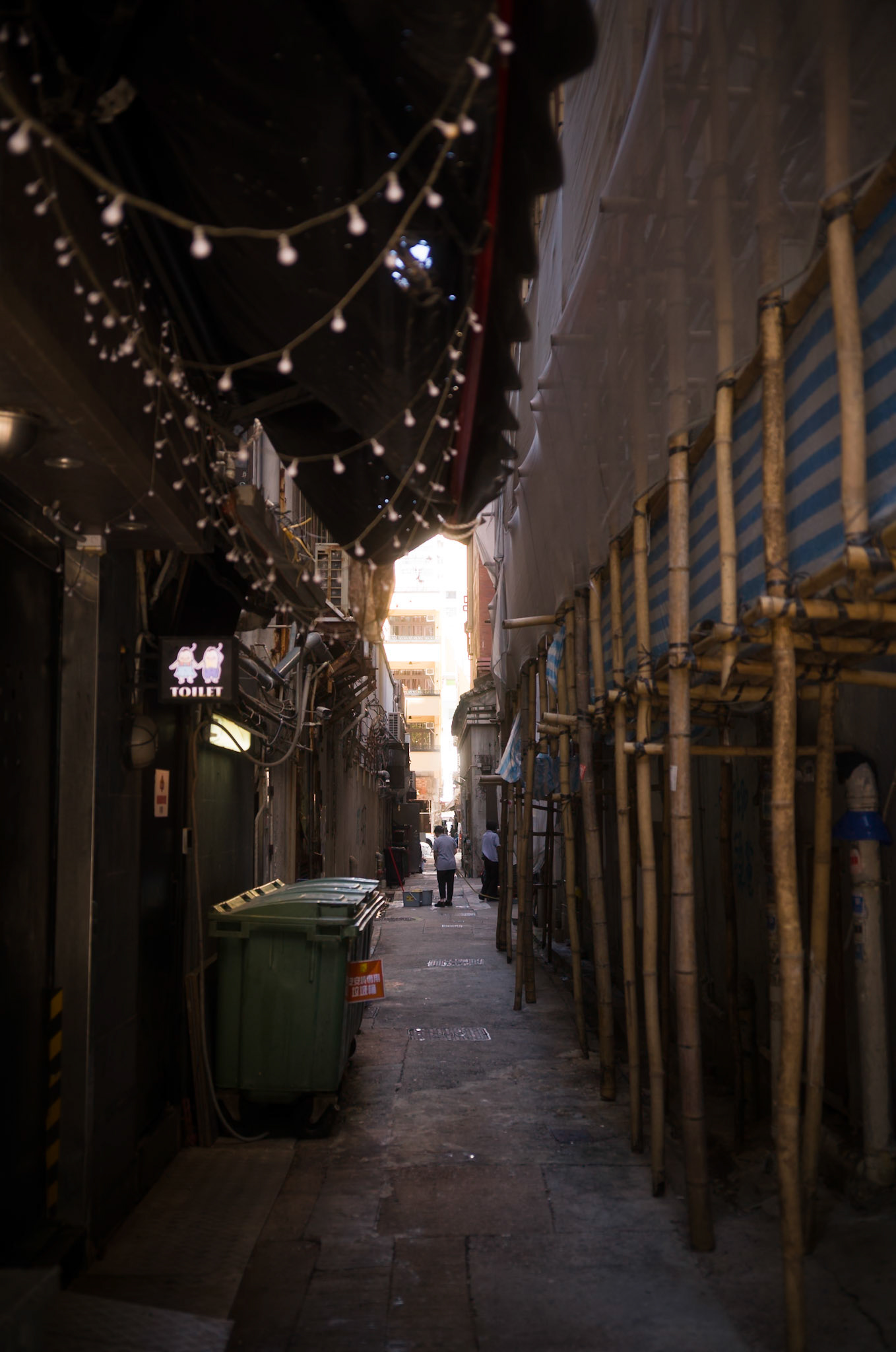
Hong Kong street - Leica M11-P
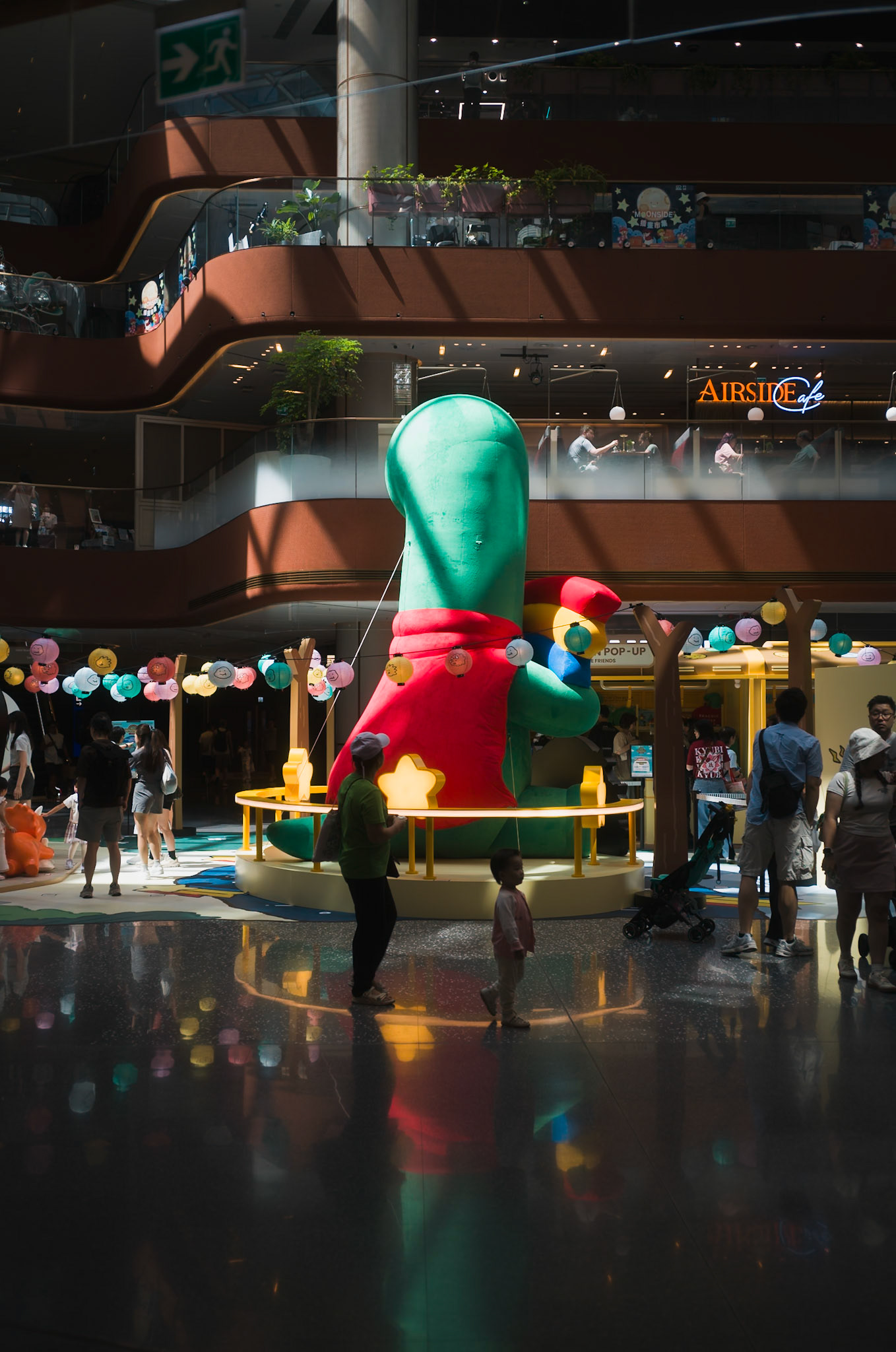
Hong Kong street - Leica M11-P
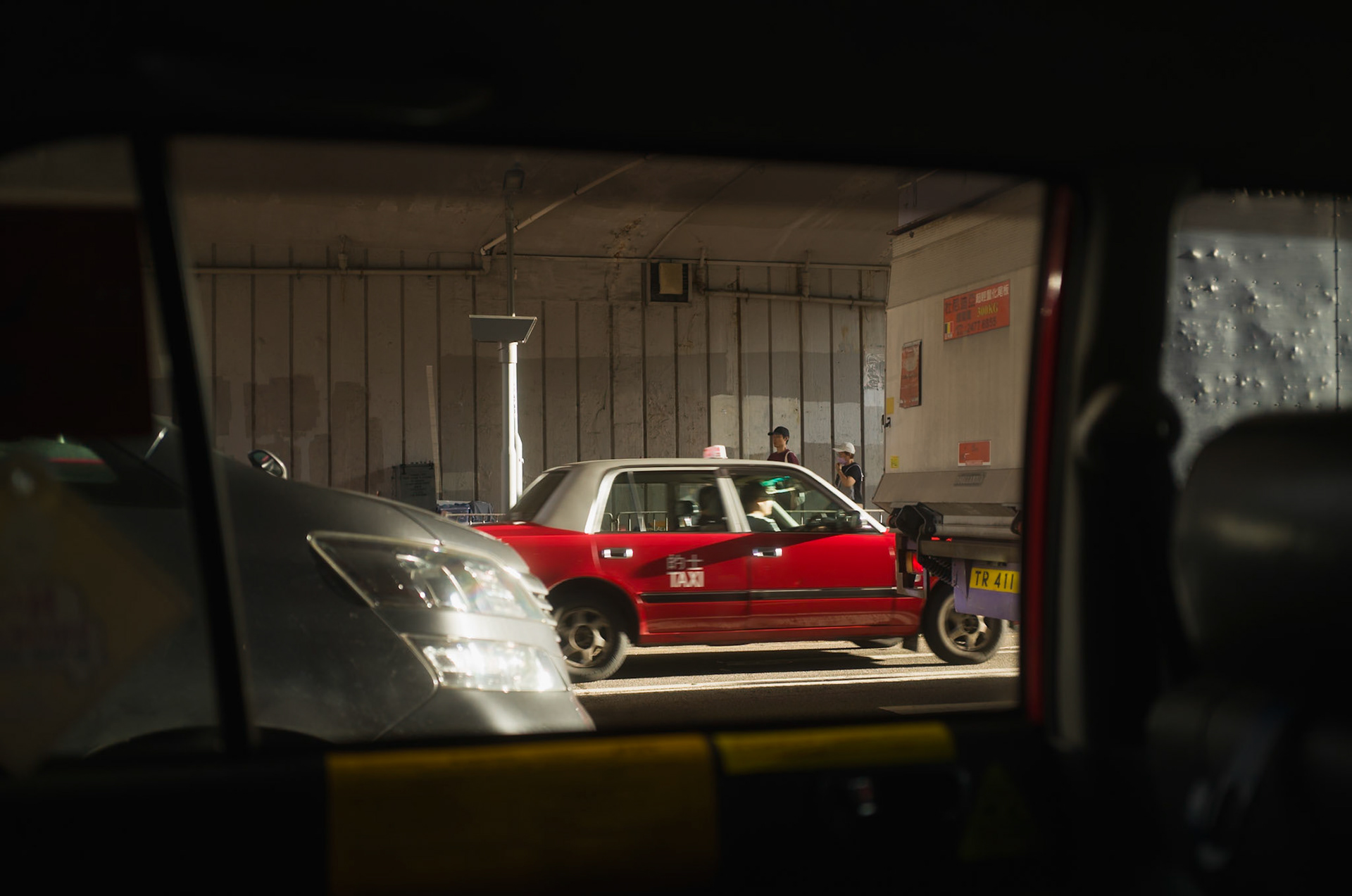
Hong Kong street - Leica M11-P
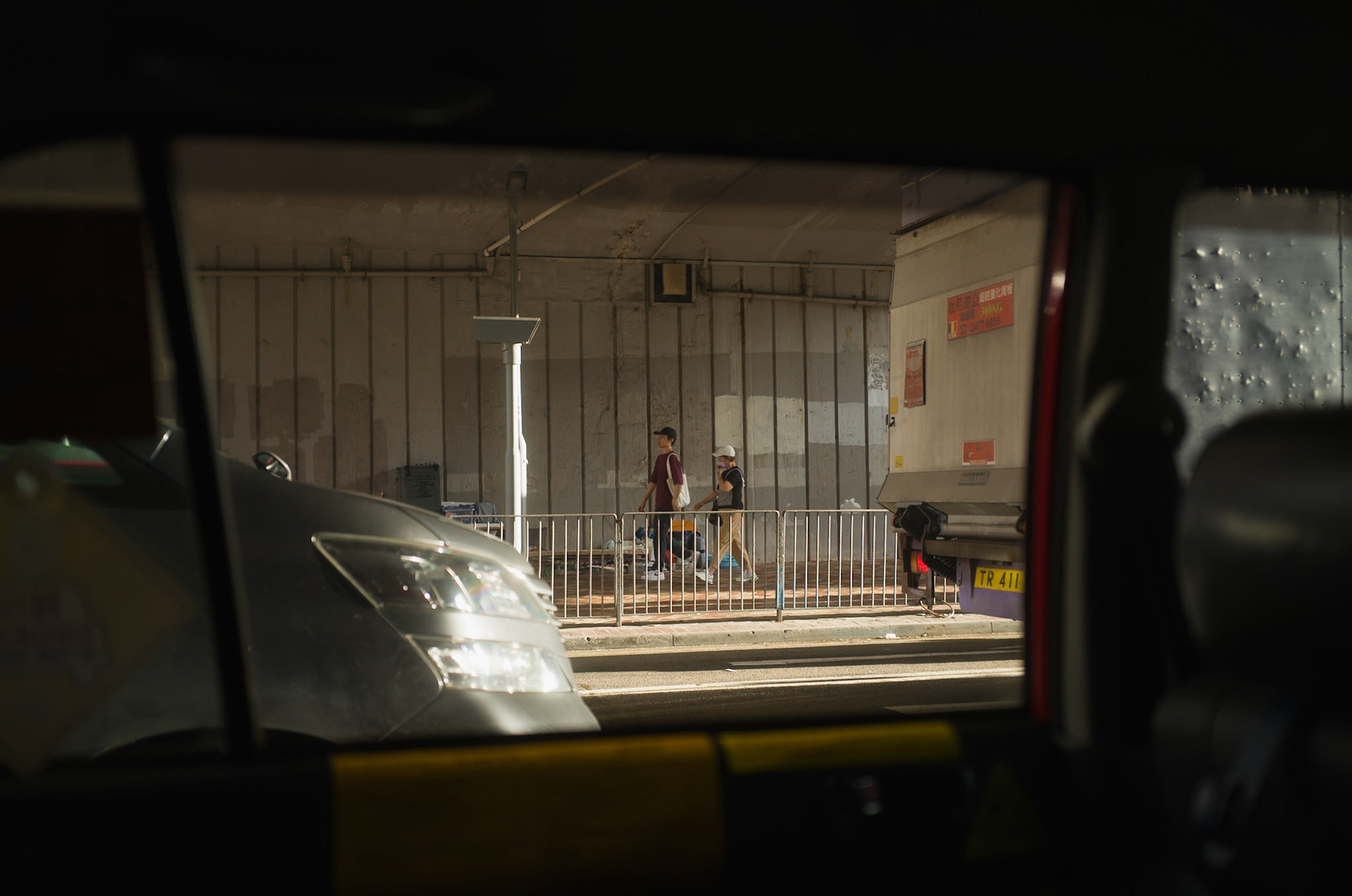
Hong Kong street - Leica M11-P
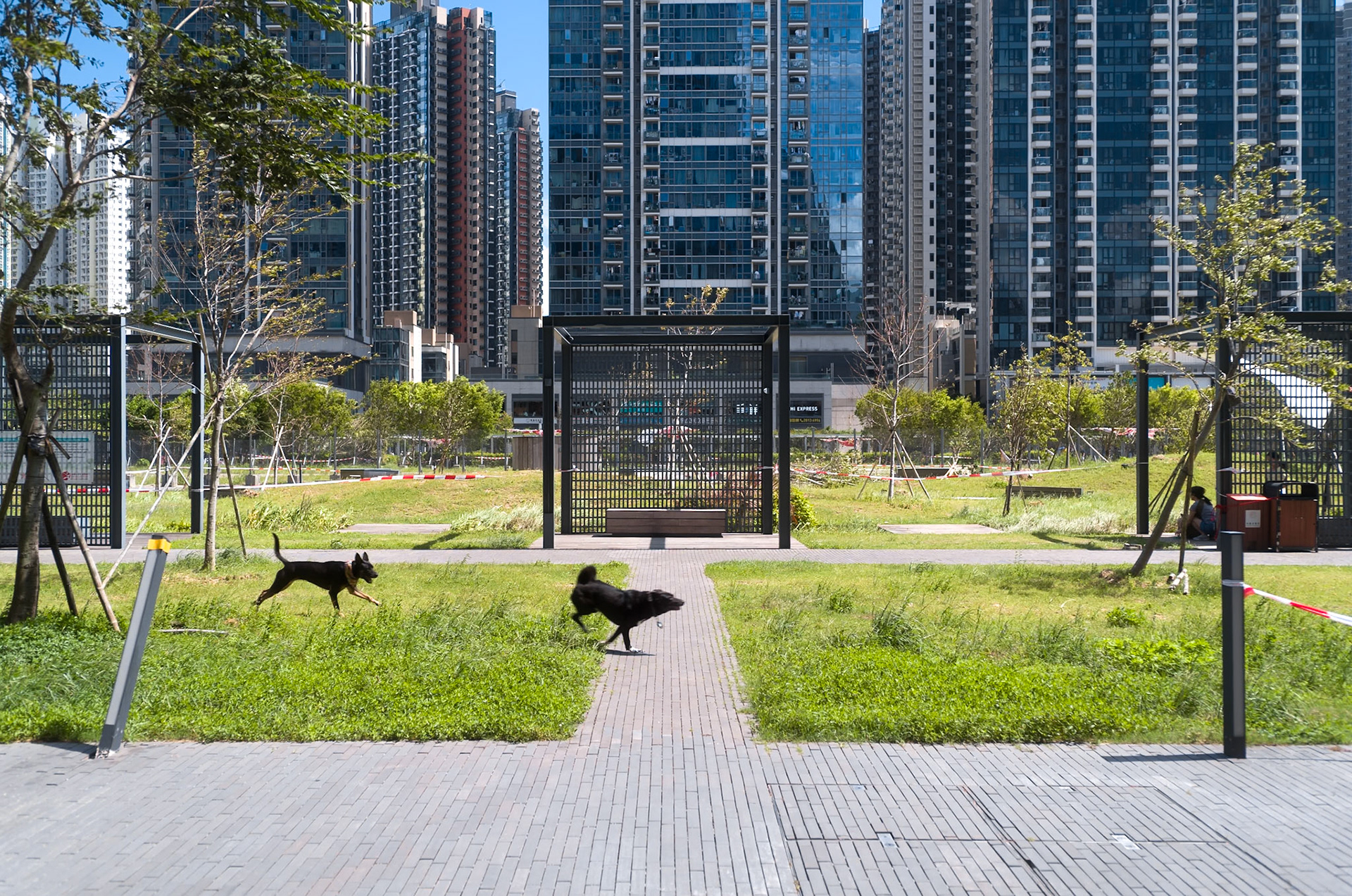
Hong Kong street - Leica M11-P
Conclusion
There is not conclusion, people like lenses for it's looks, feel, images from the lens, brand cachet, cost and availability. One of the reasons why this lens is often overlooked is perhaps of it's age (it's old) and so not readily available and thus not in the mindset of buyers amongst all the possible 35mm lens combinations out there.
If I were to break it down:
Looks - awesome in silver, small and unobtrusive
Feels - well built, sold and very light, easy to carry
Images - very sharp, perhaps too sharp? I can't tell you, images speak for themselves (hence I posted a lot of images for your viewing reference pleasure!)
Brand - it's a Zeiss. perhaps nerds will appreciate it but I think modern buyers won't care as much as if it was a Leica
Availability - difficult to source
TLDR: I can't give you a conclusion, I like it. Whether you will like it is a matter of needs and taste. All I can give you is my personal thoughts and a bunch of images taken with this lens as reference.
Other decent references
Doha, Tanzania, Botswana and Joburg
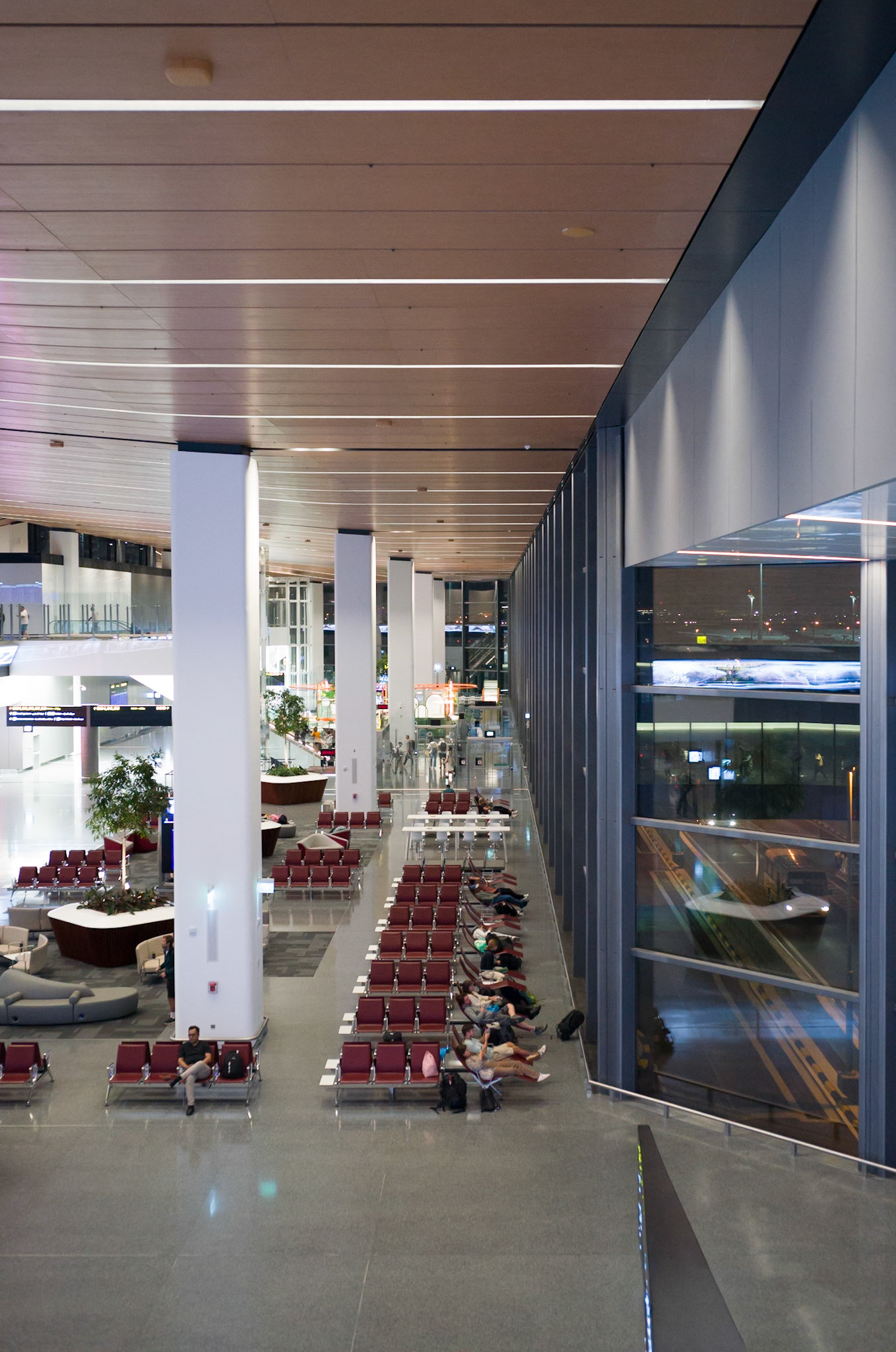
Doha airport - Leica M11-P
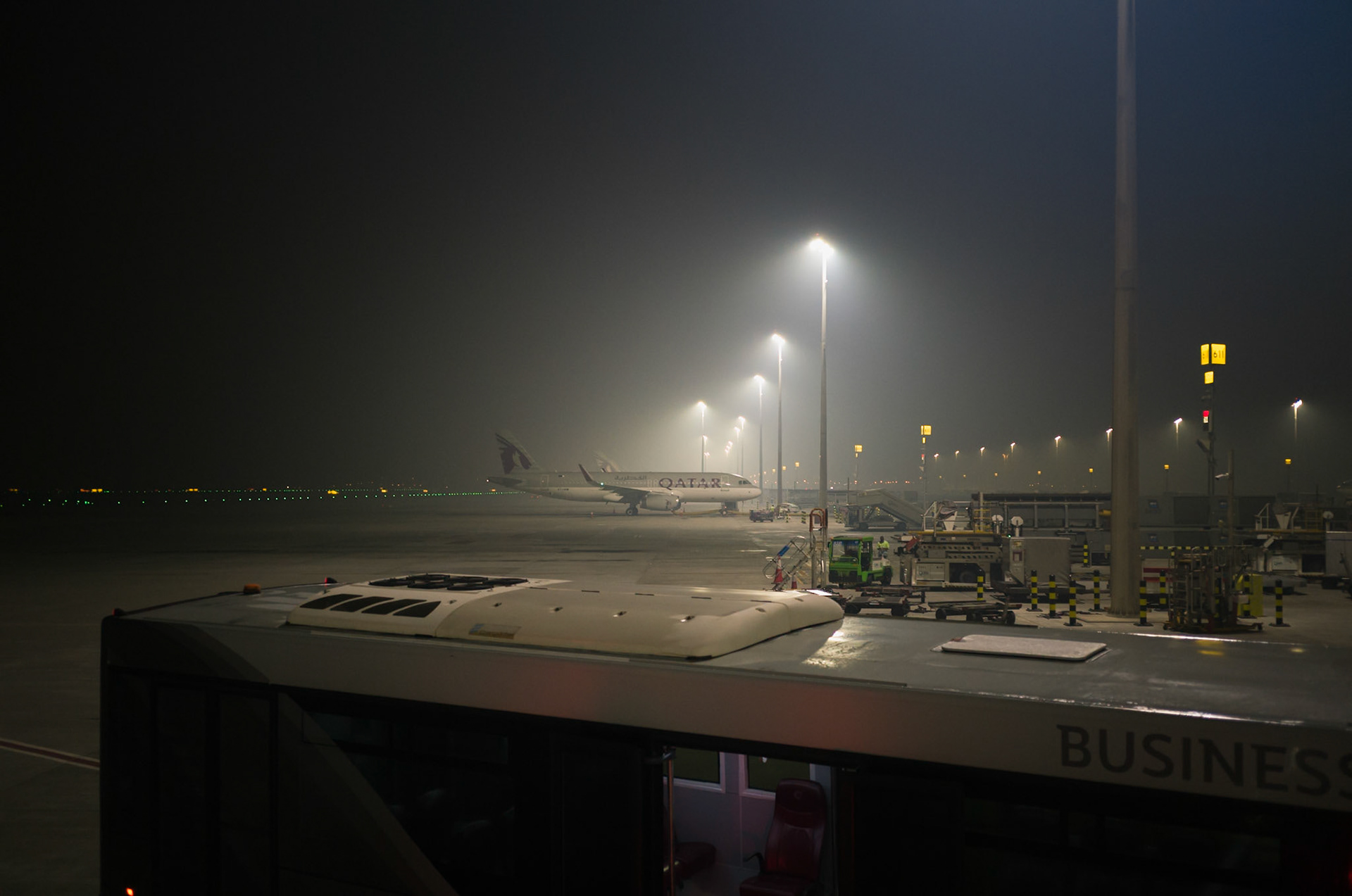
Doha airport - Leica M11-P
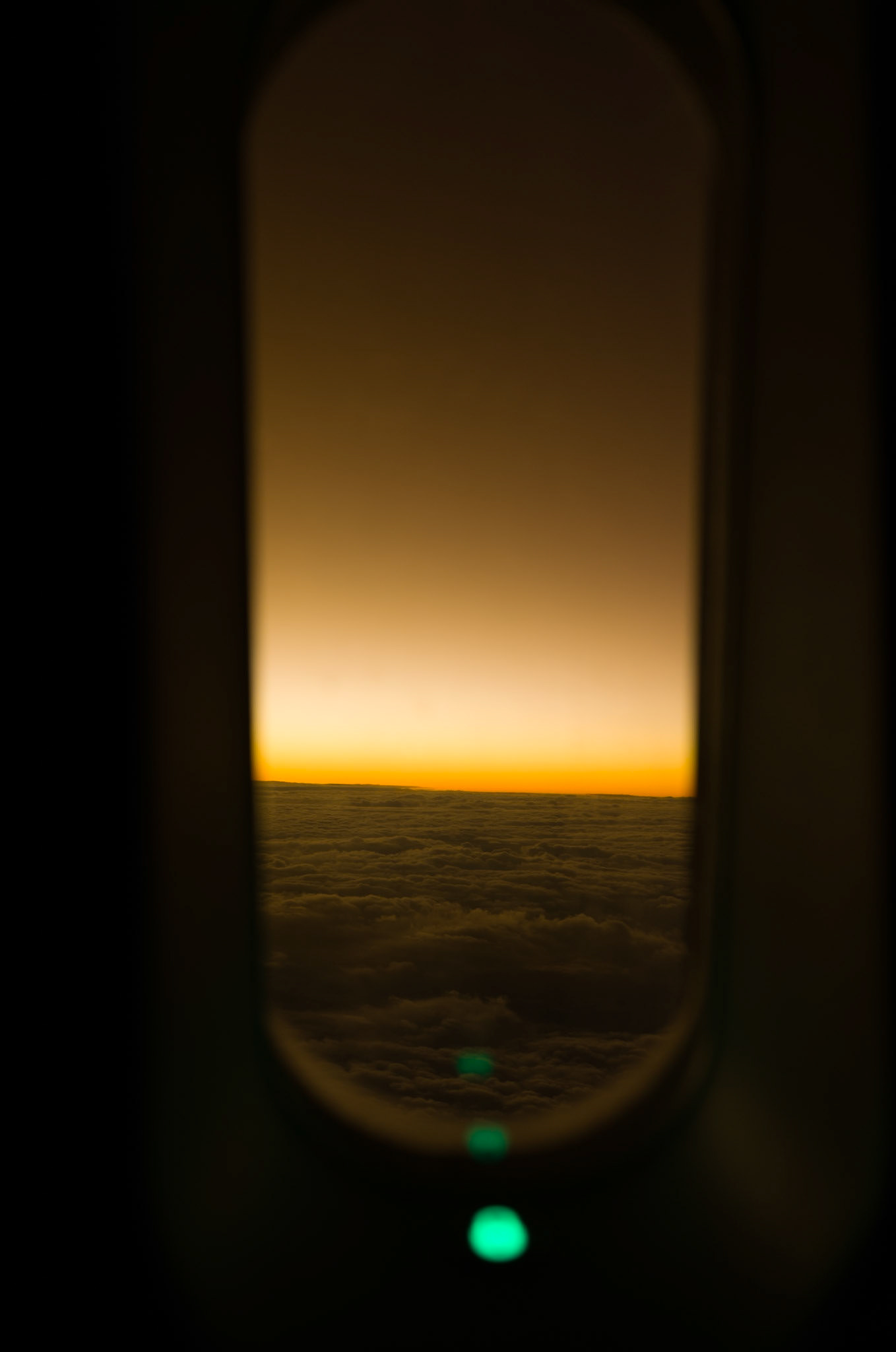
Qatar - Leica M11-P
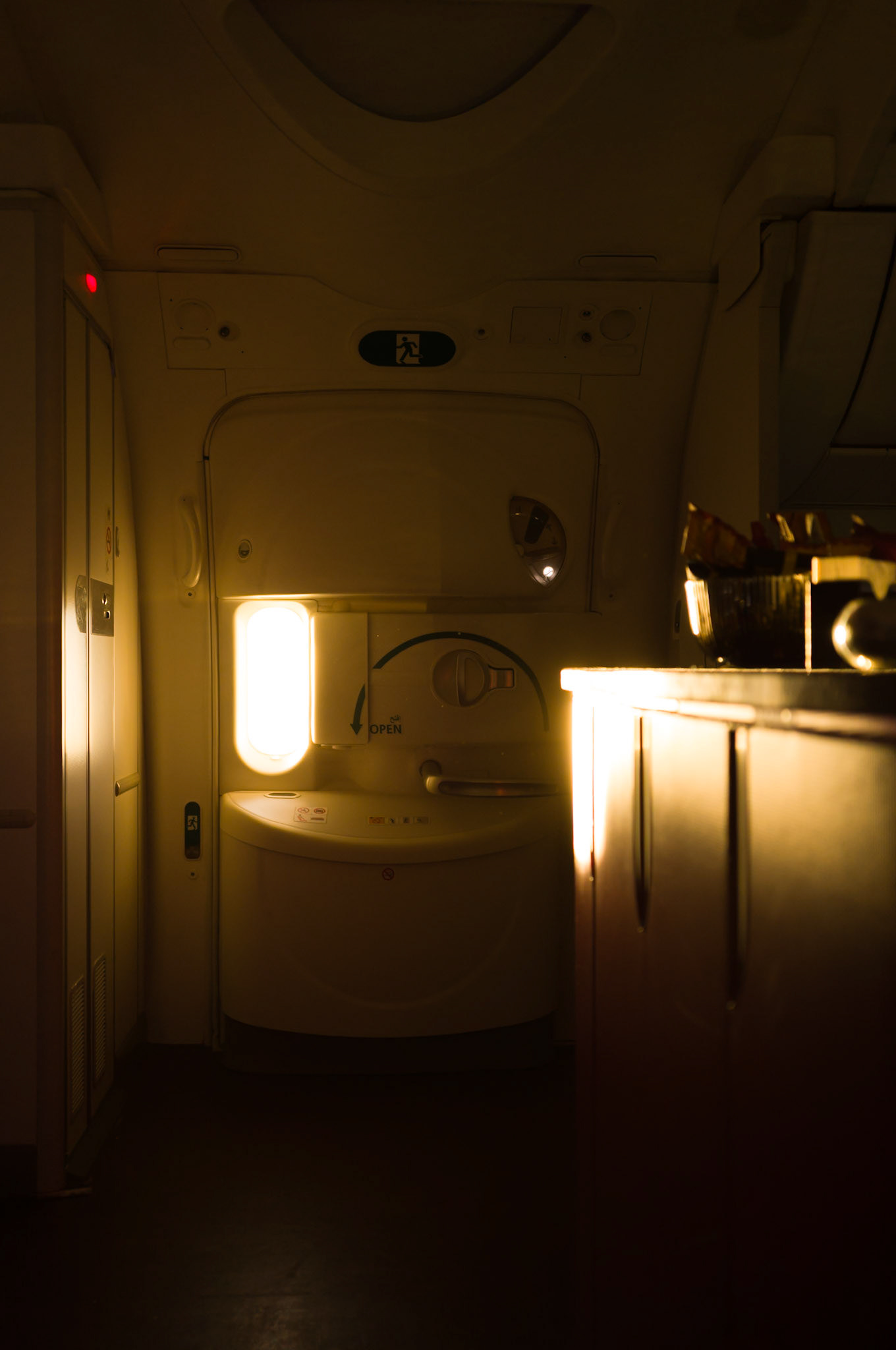
Qatar - Leica M11-P
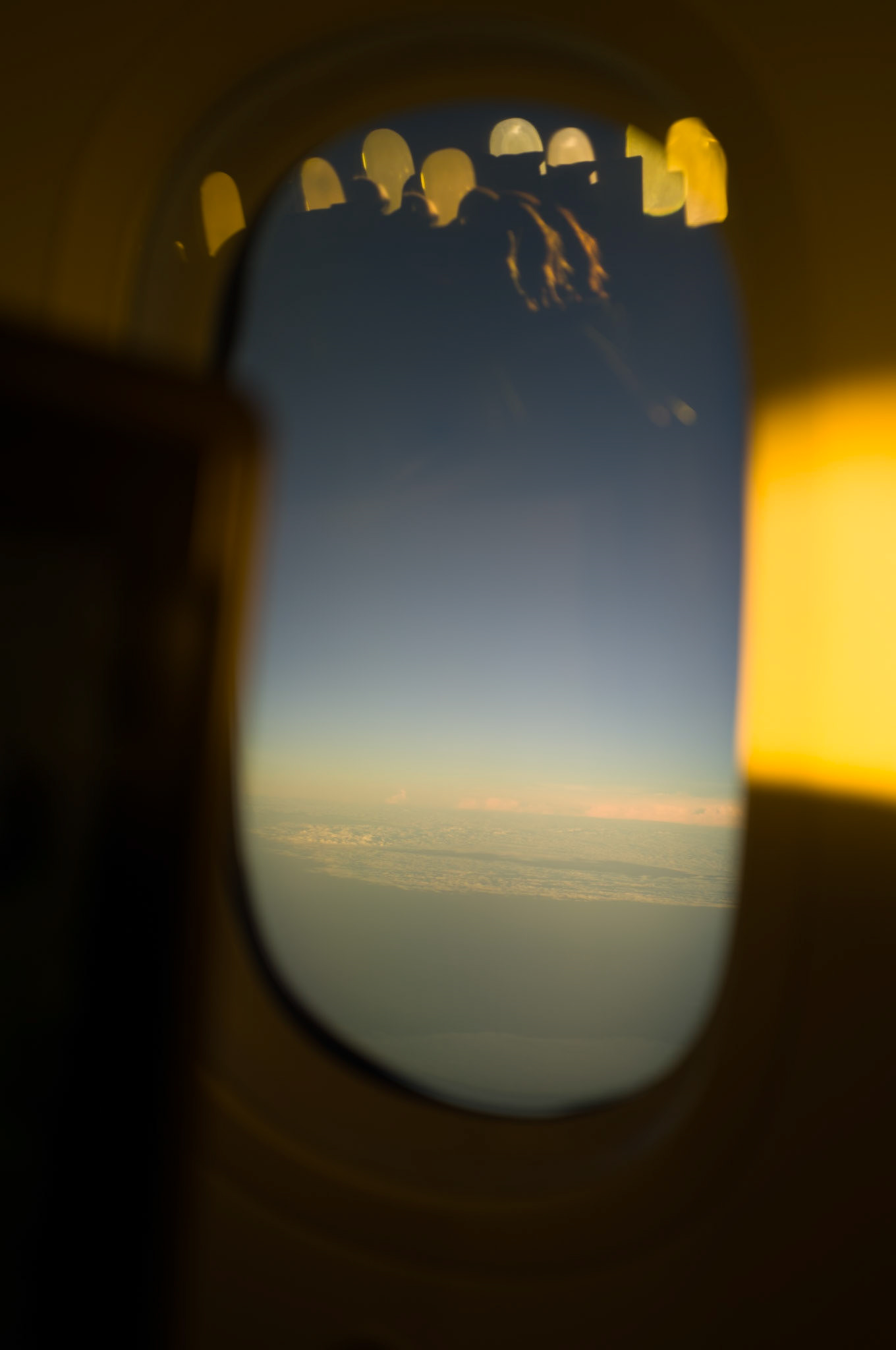
Qatar - Leica M11-P
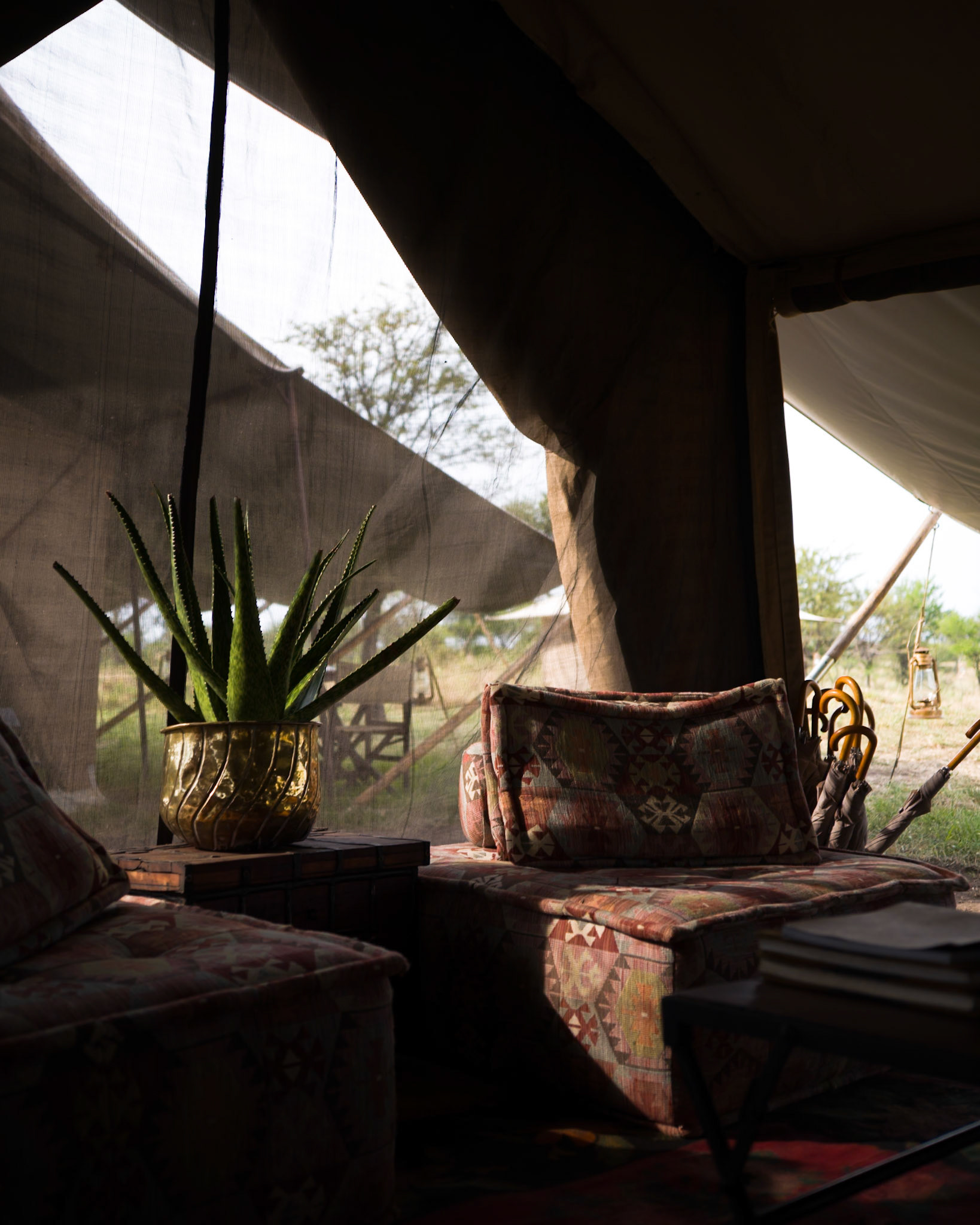
&Beyond Serengeti under Canvas, Tanzania - Leica M11-P
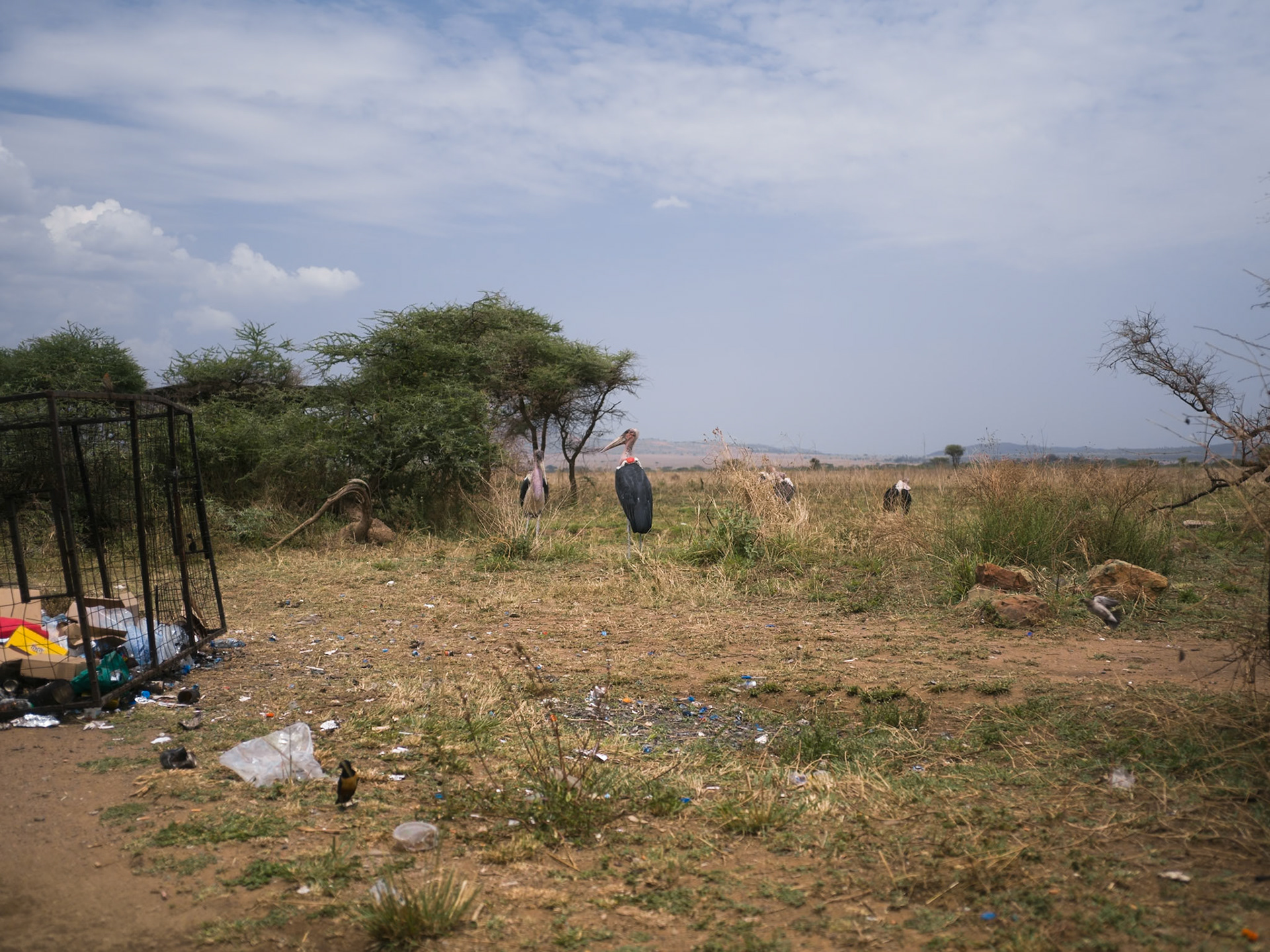
Vultures, Tanzania - Leica M11-P
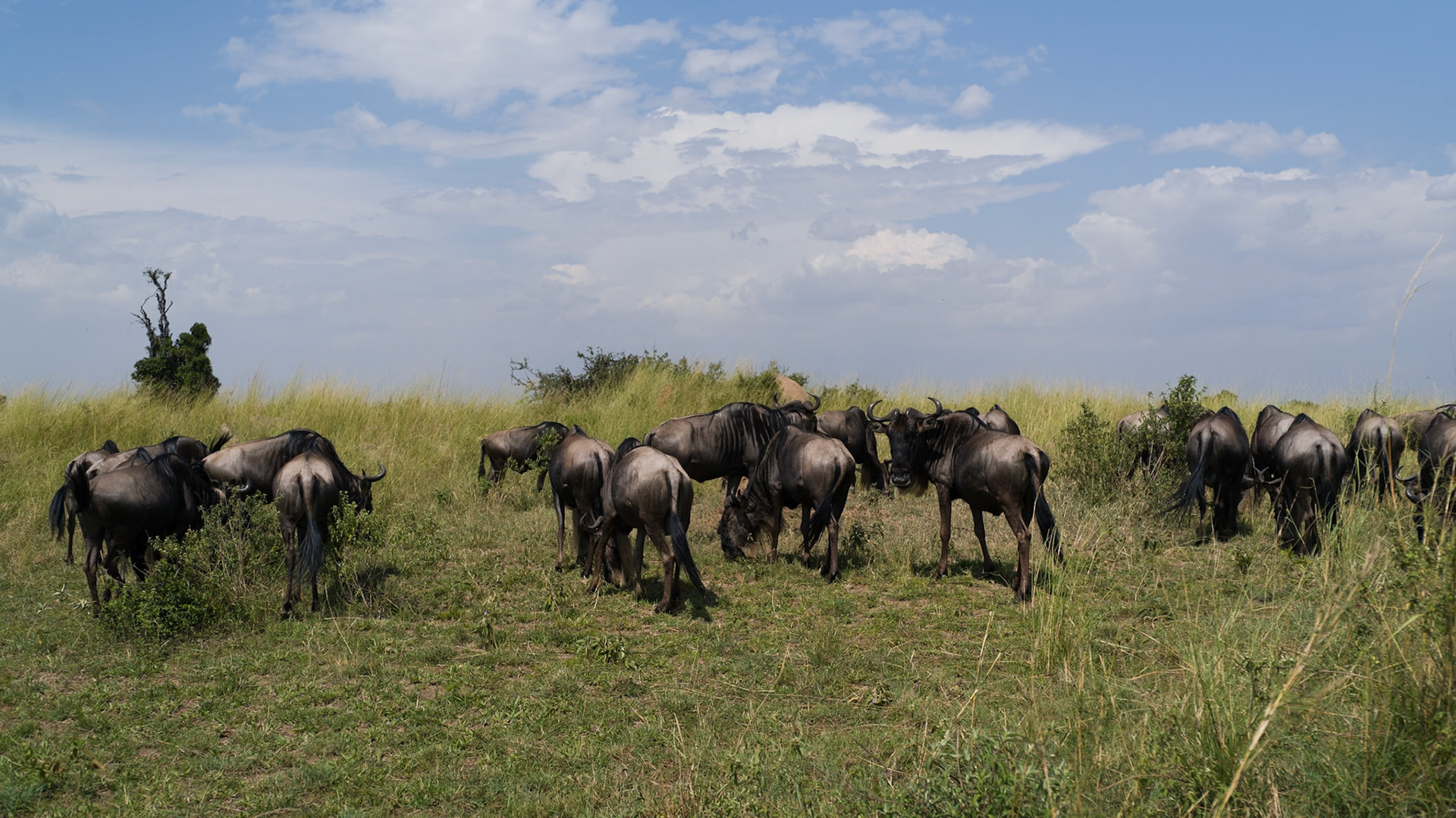
Wildebeest, Tanzania - Leica M11-P
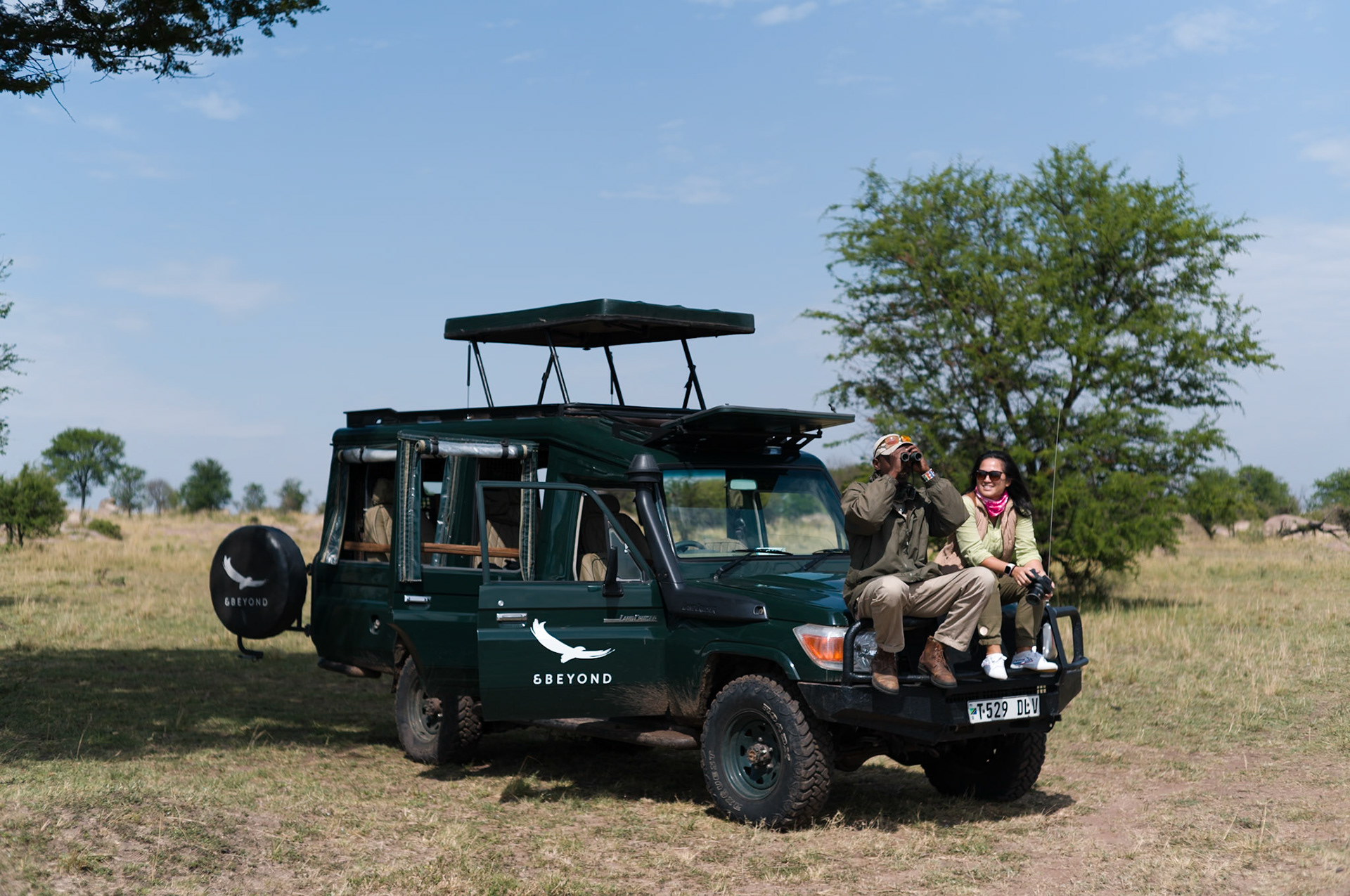
&Beyond Serengeti under Canvas, Tanzania - Leica M11-P
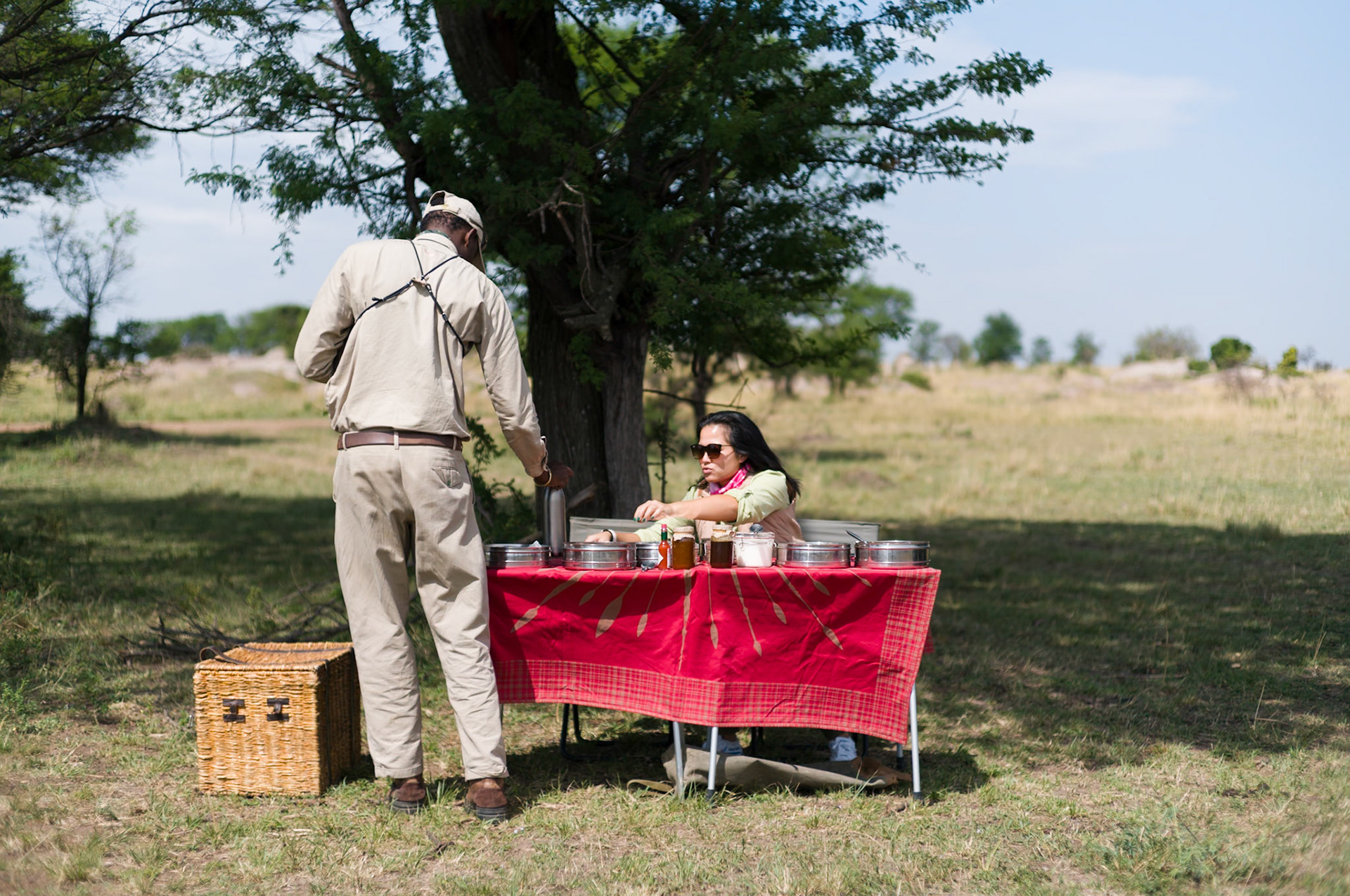
&Beyond Serengeti under Canvas, Tanzania - Leica M11-P
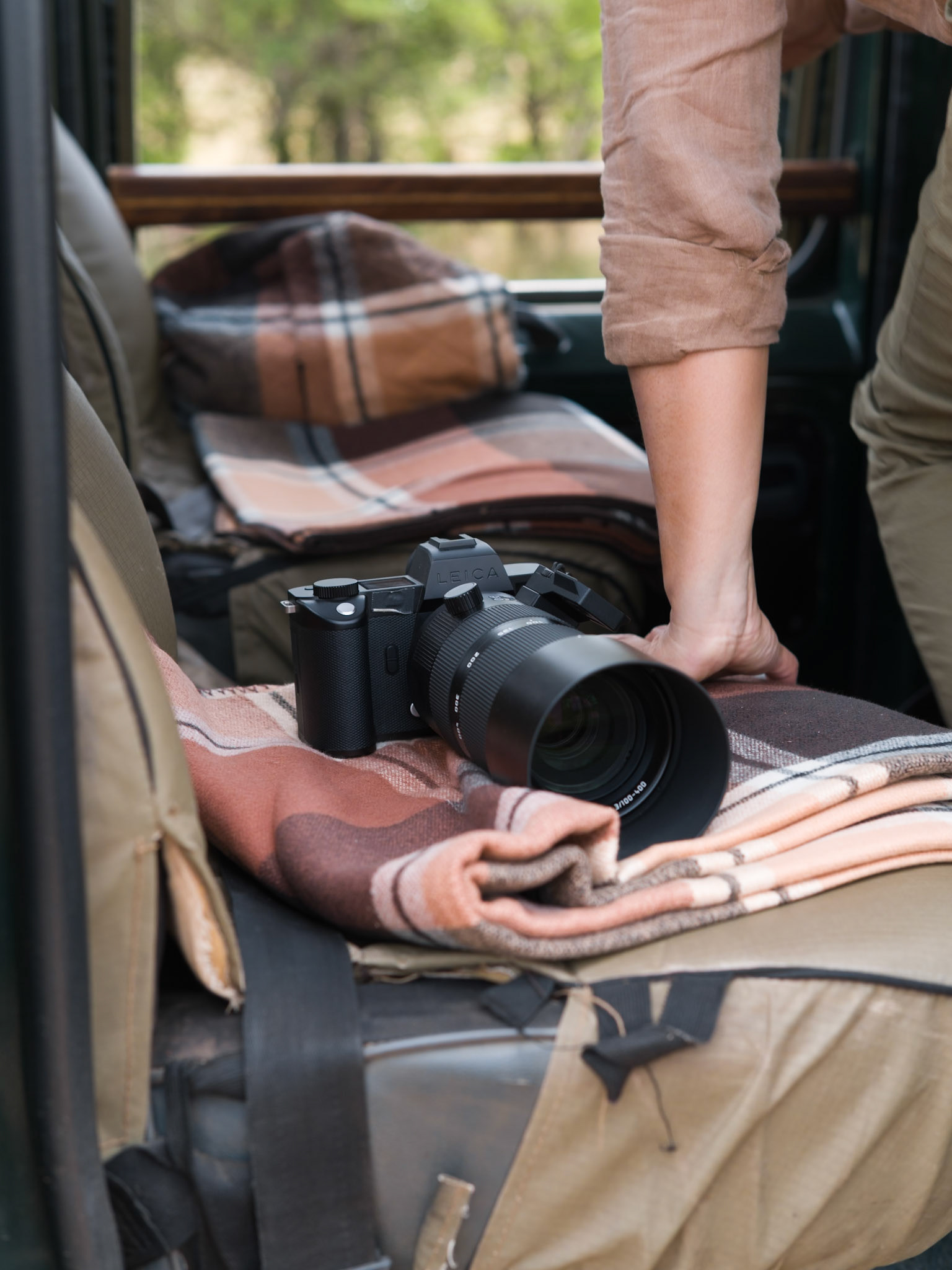
Leica SL2-S - Leica M11-P
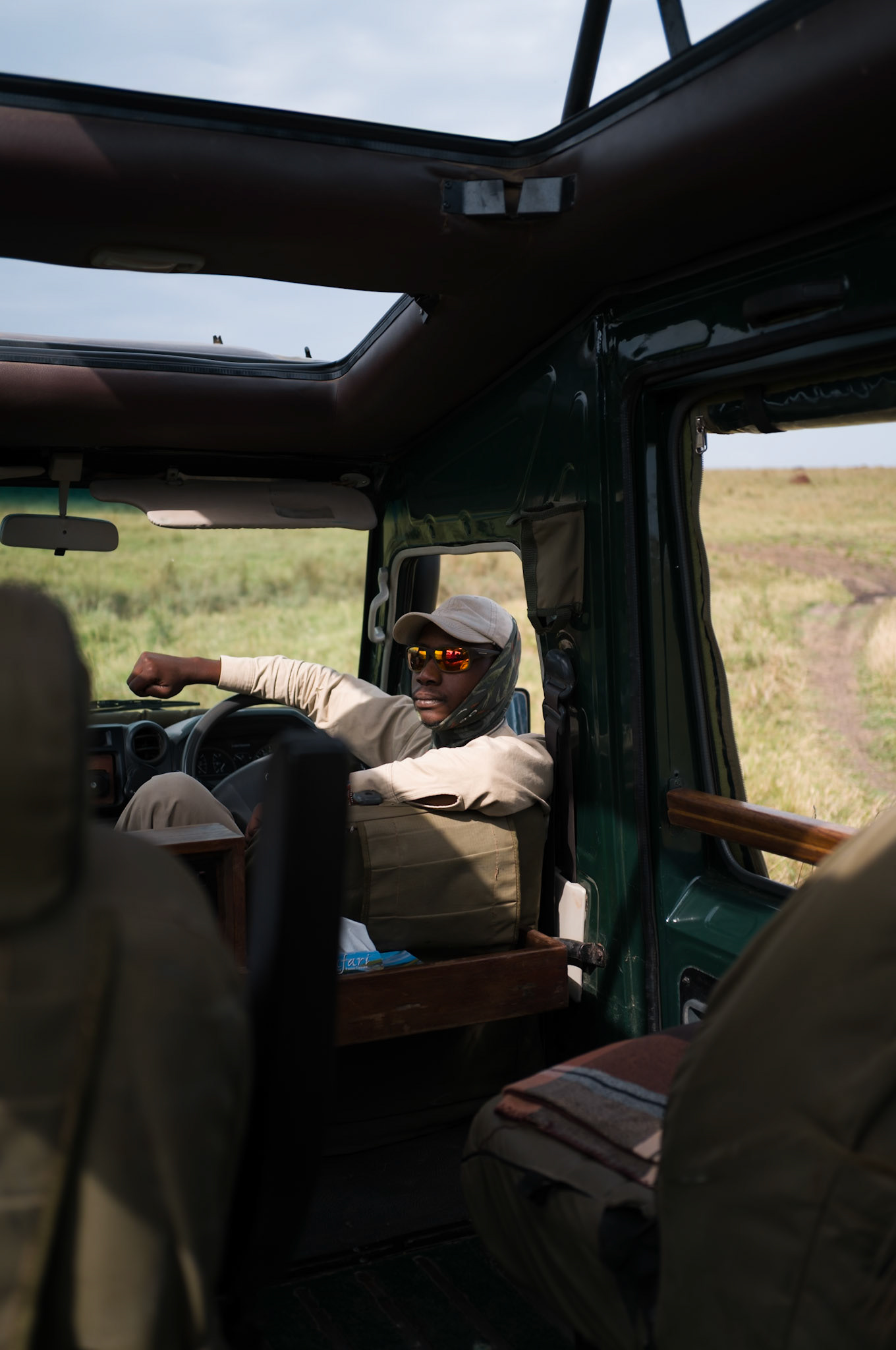
&Beyond Serengeti under Canvas, Tanzania - Leica M11-P
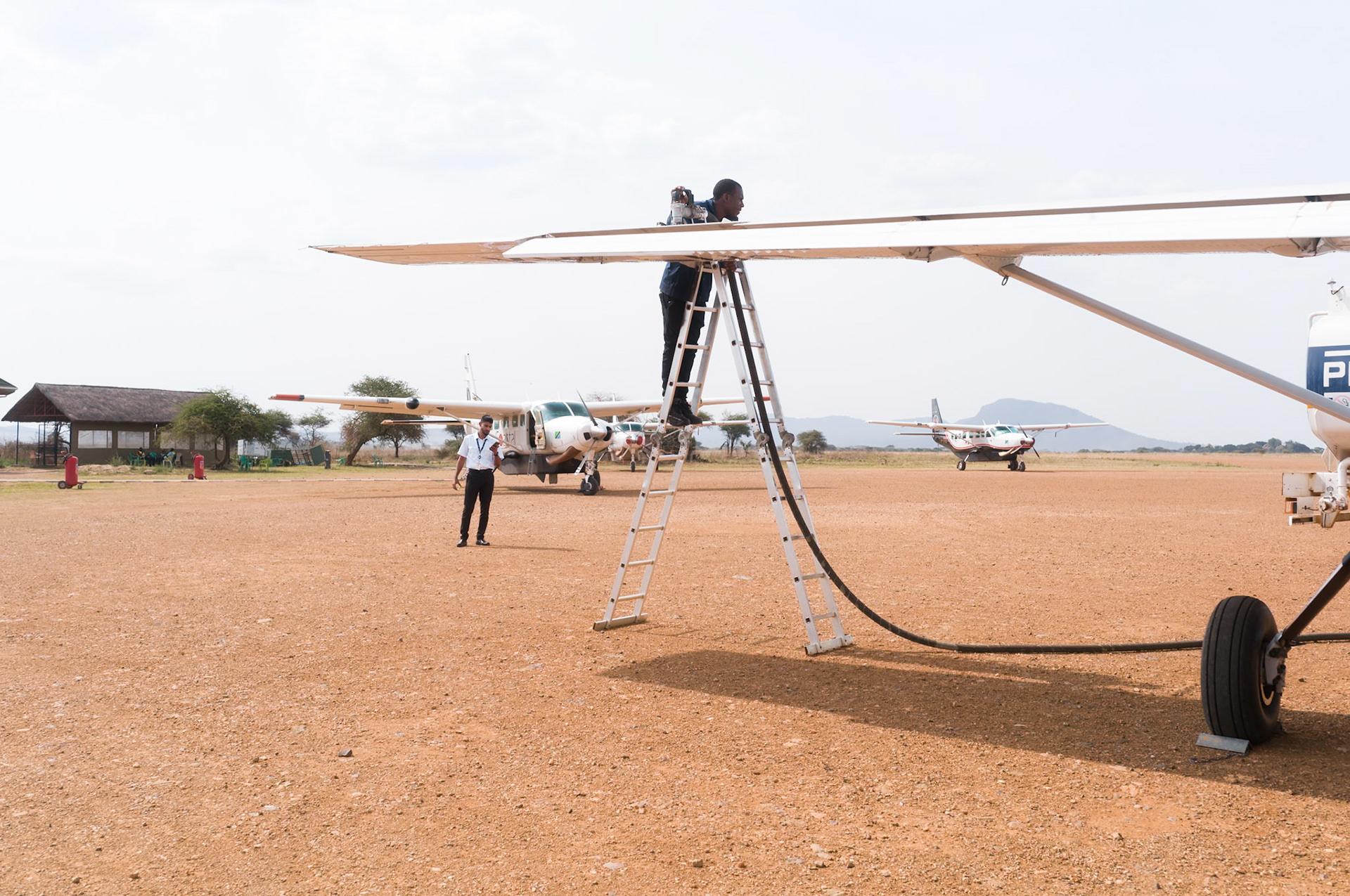
Refuelling, Botswana - Leica M11-P
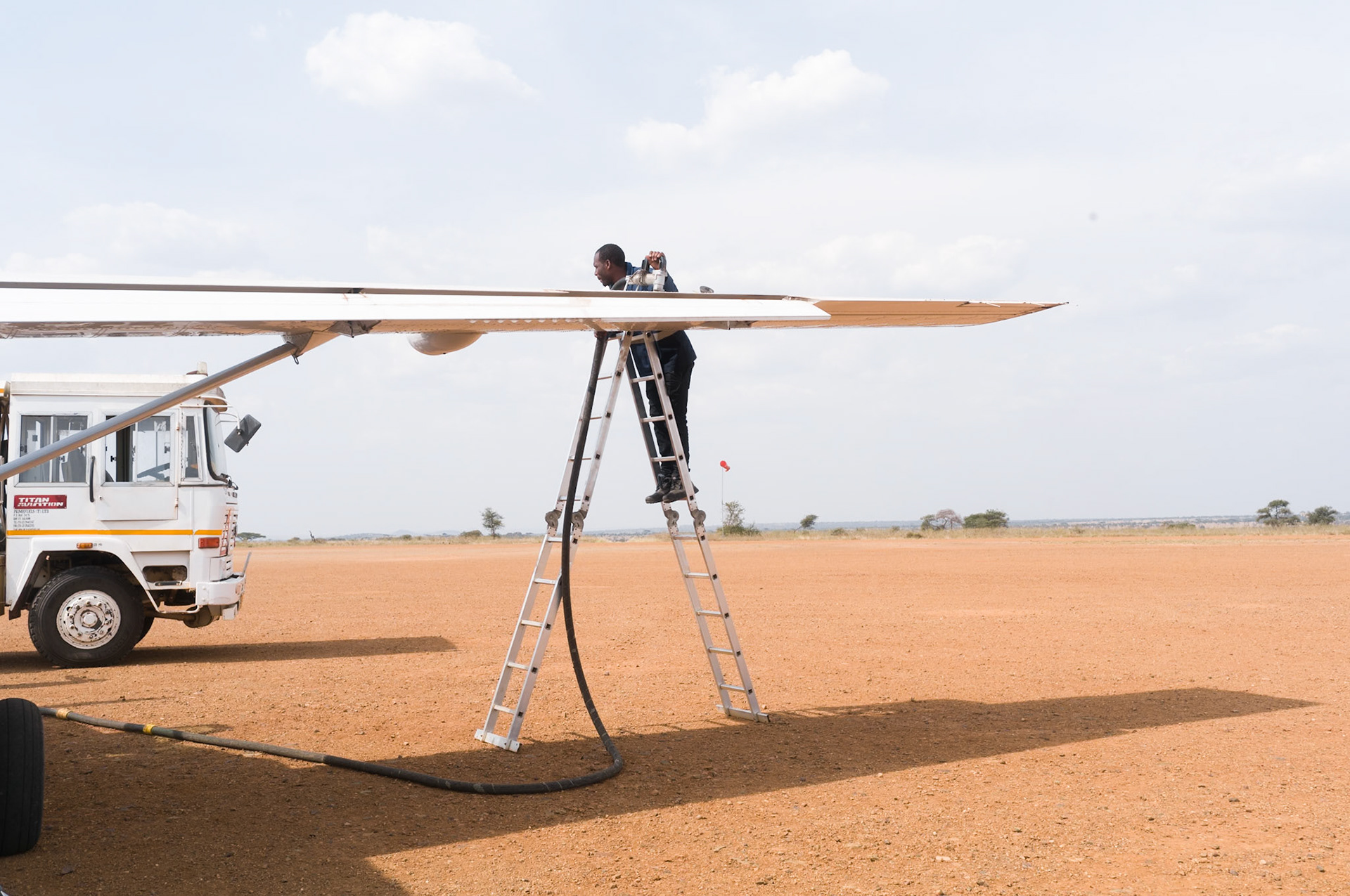
Refuelling, Botswana - Leica M11-P
Plane, Botswana - Leica M11-P

&Beyond, Okavango Delta, Botswana - Leica M11-P
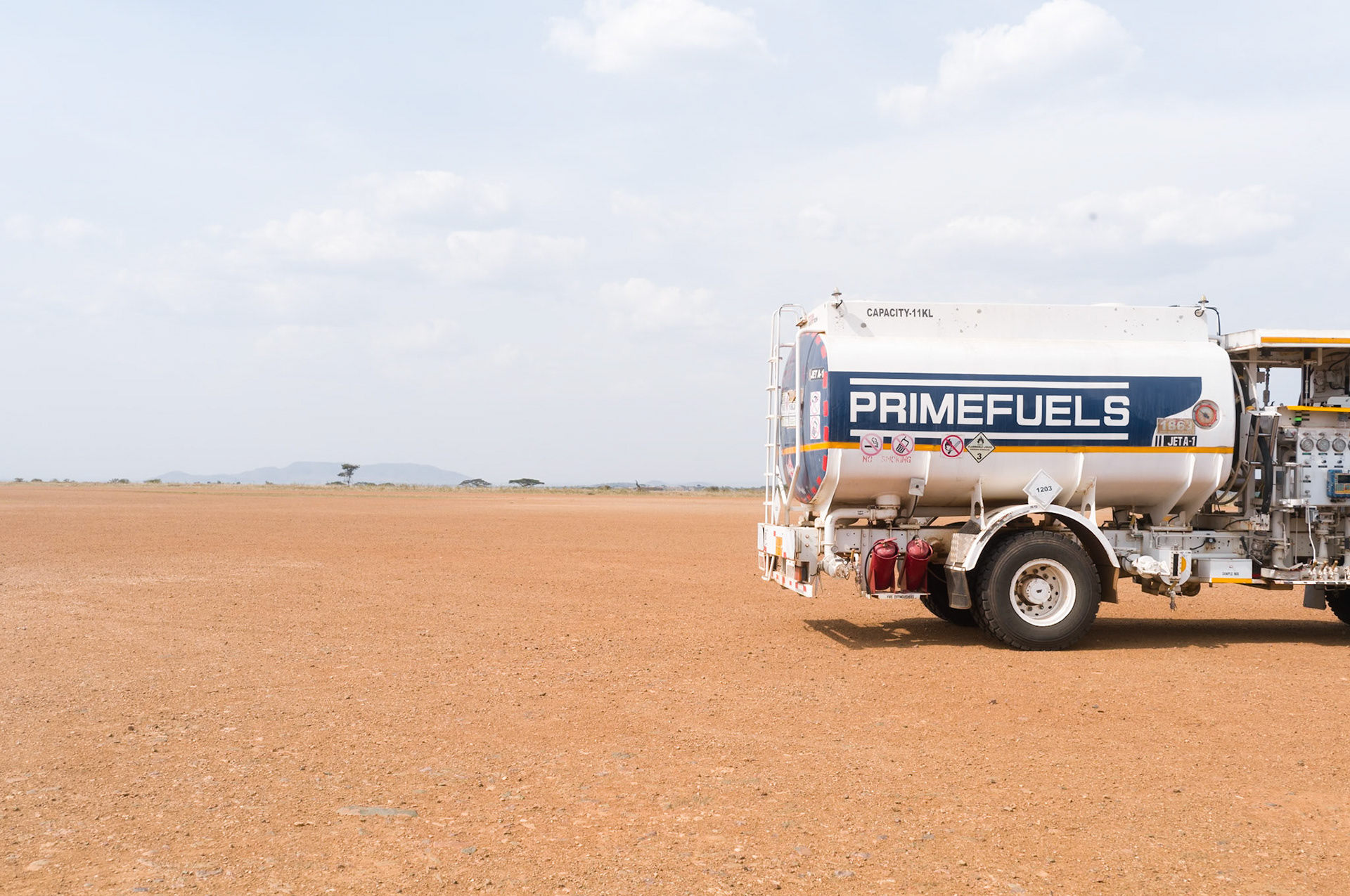
Refuelling, Botswana - Leica M11-P
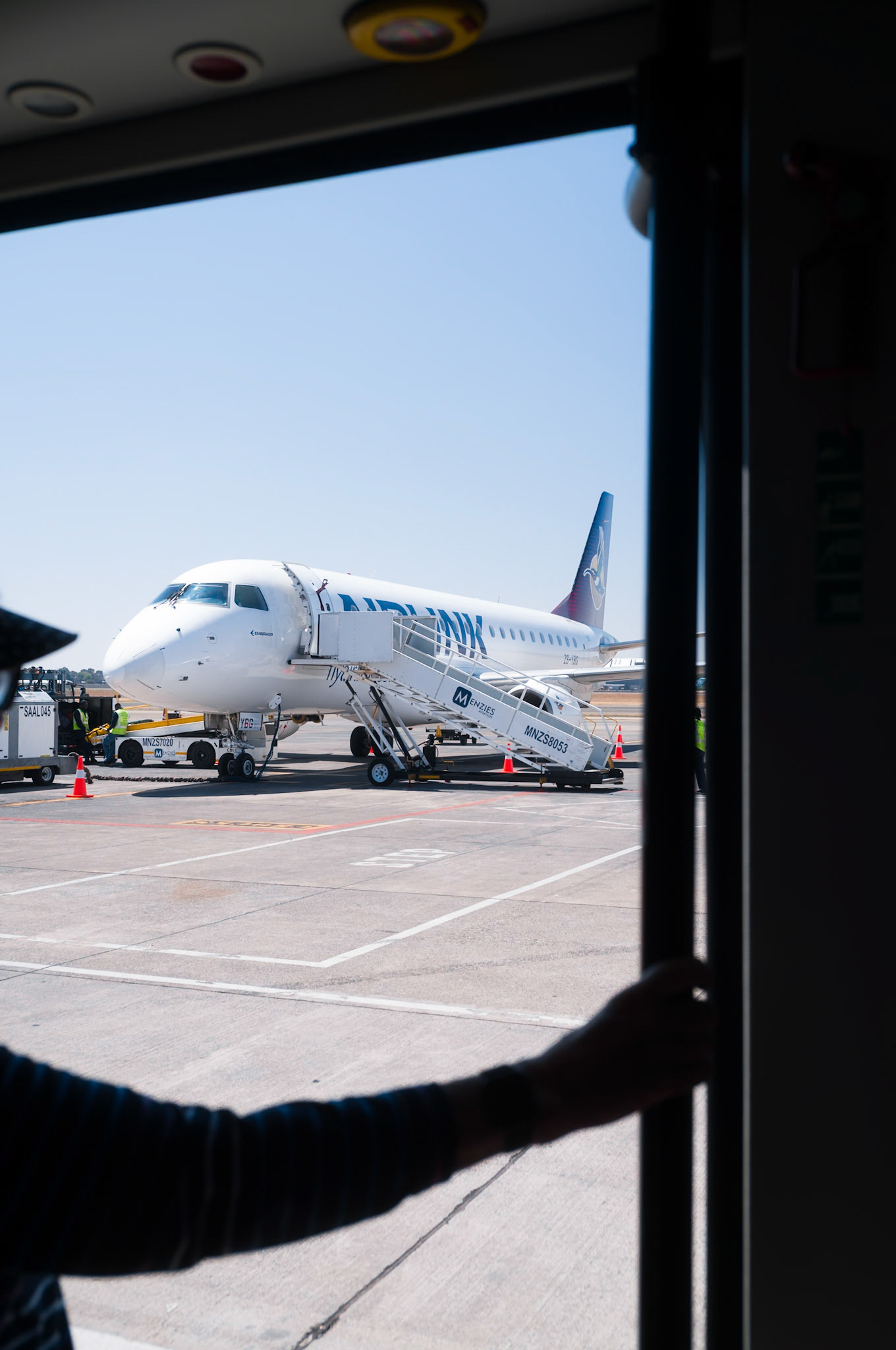
Plane, Botswana - Leica M11-P
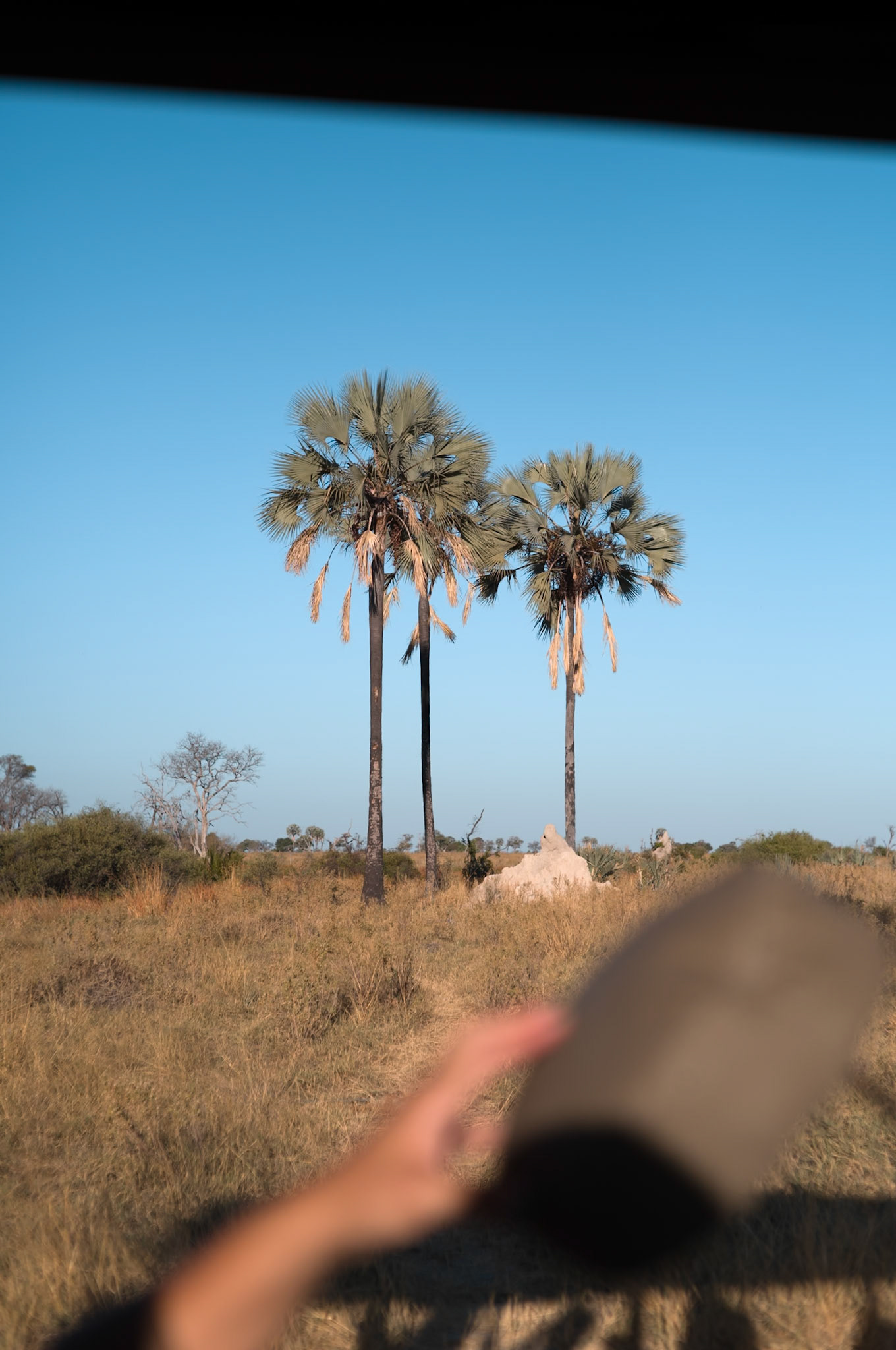
Okavango Delta, Botswana - Leica M11-P
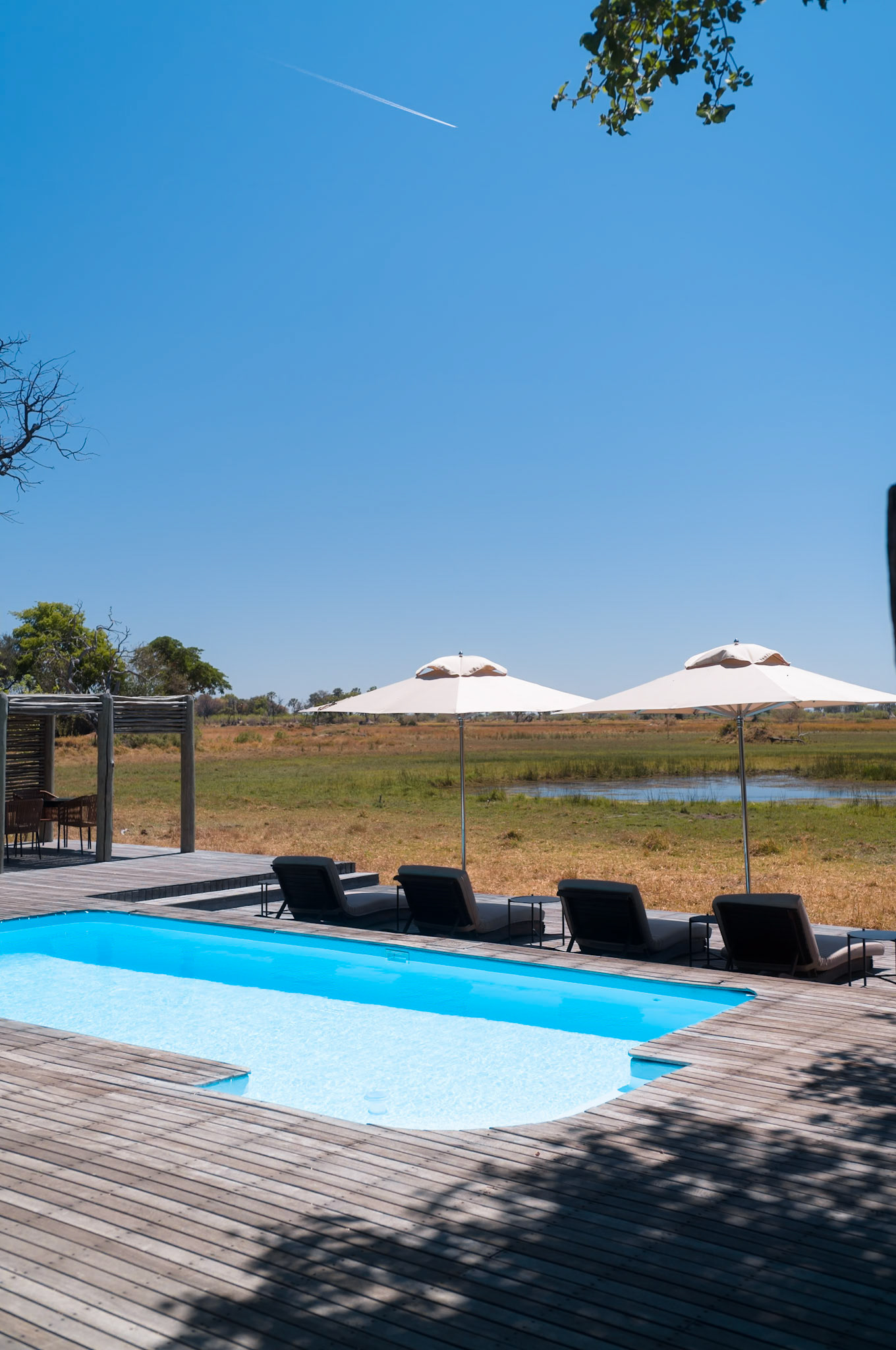
&Beyond, Okavango Delta, Botswana - Leica M11-P
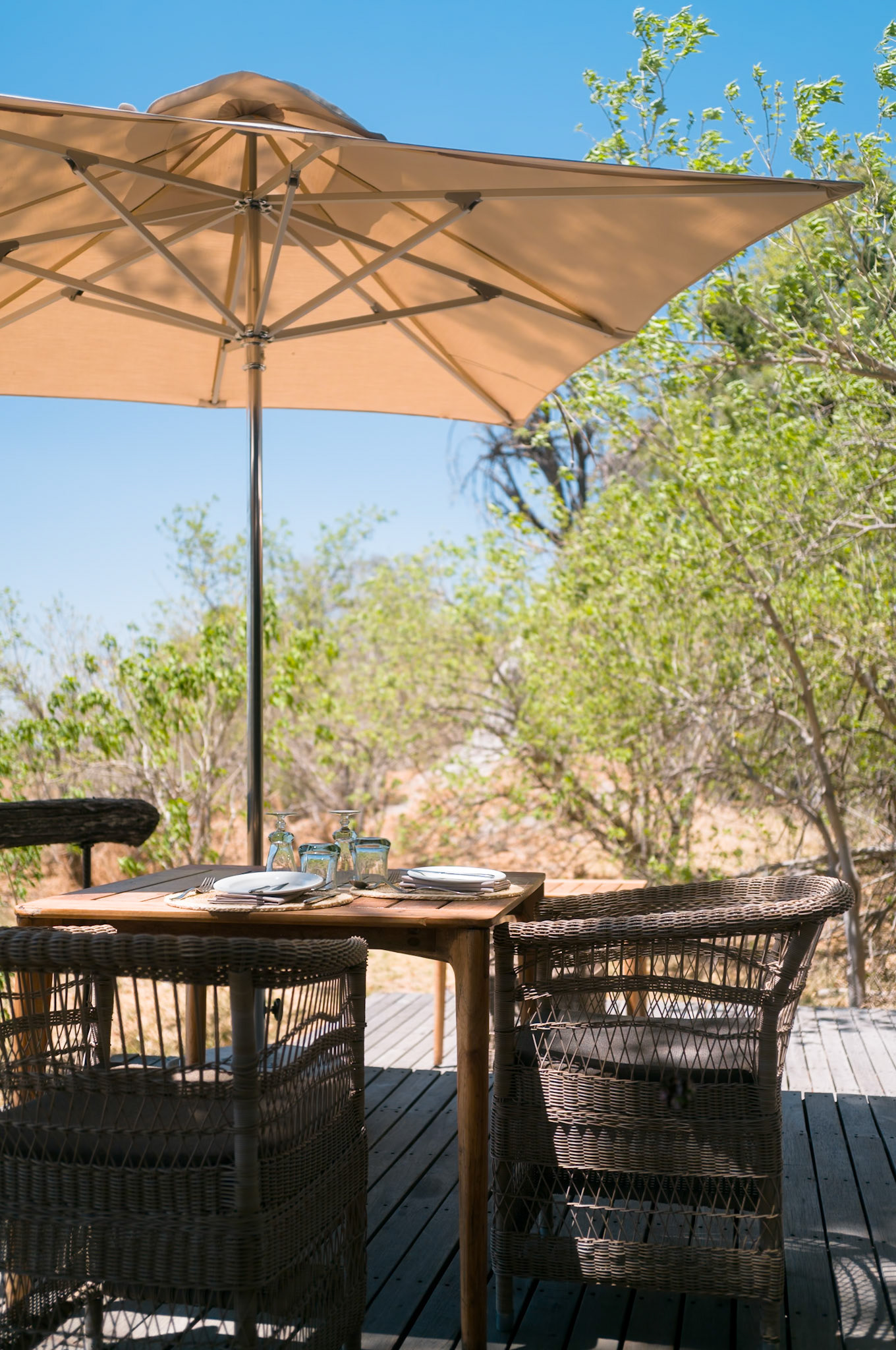
&Beyond, Okavango Delta, Botswana - Leica M11-P
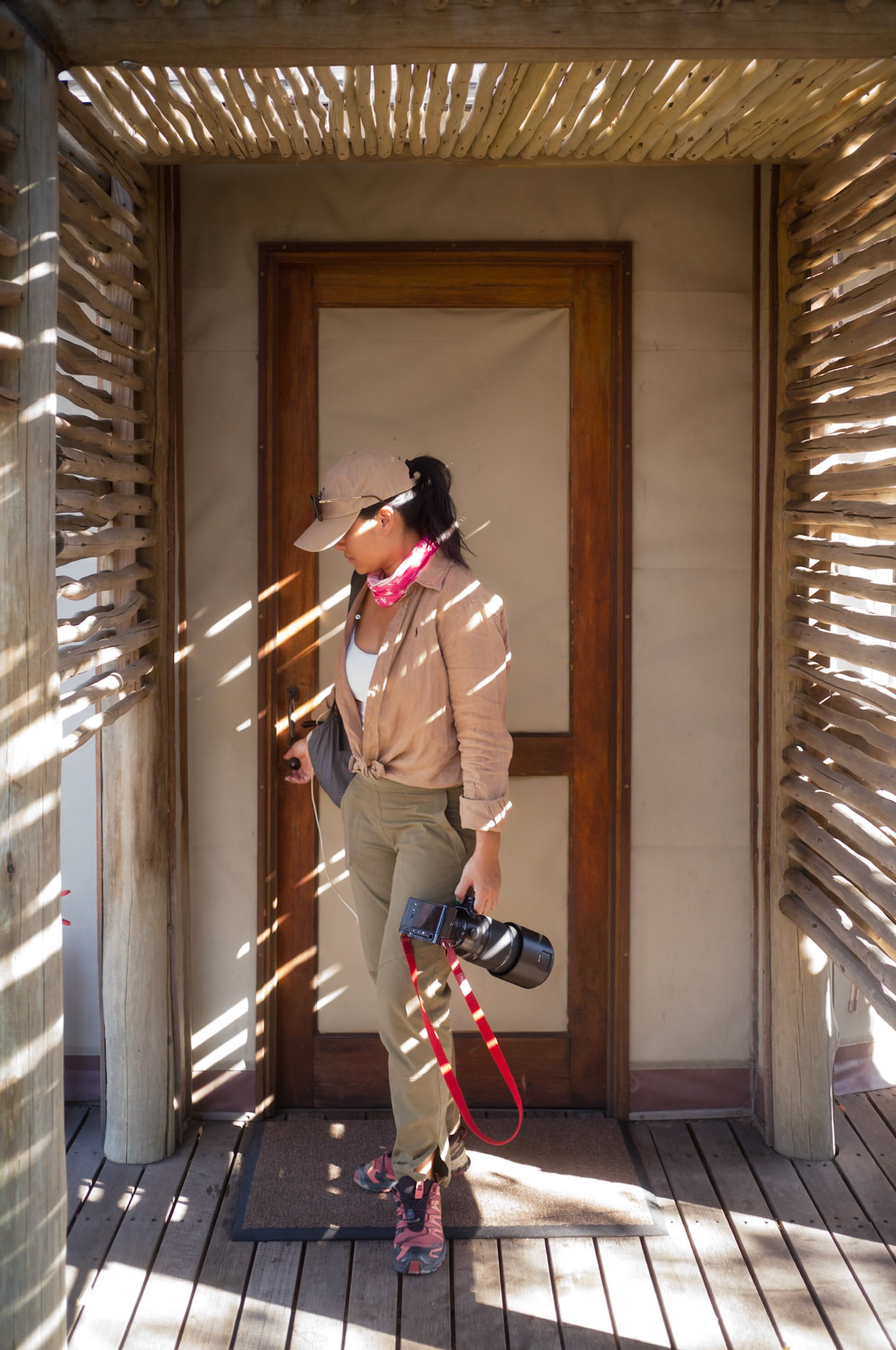
&Beyond, Okavango Delta, Botswana - Leica M11-P
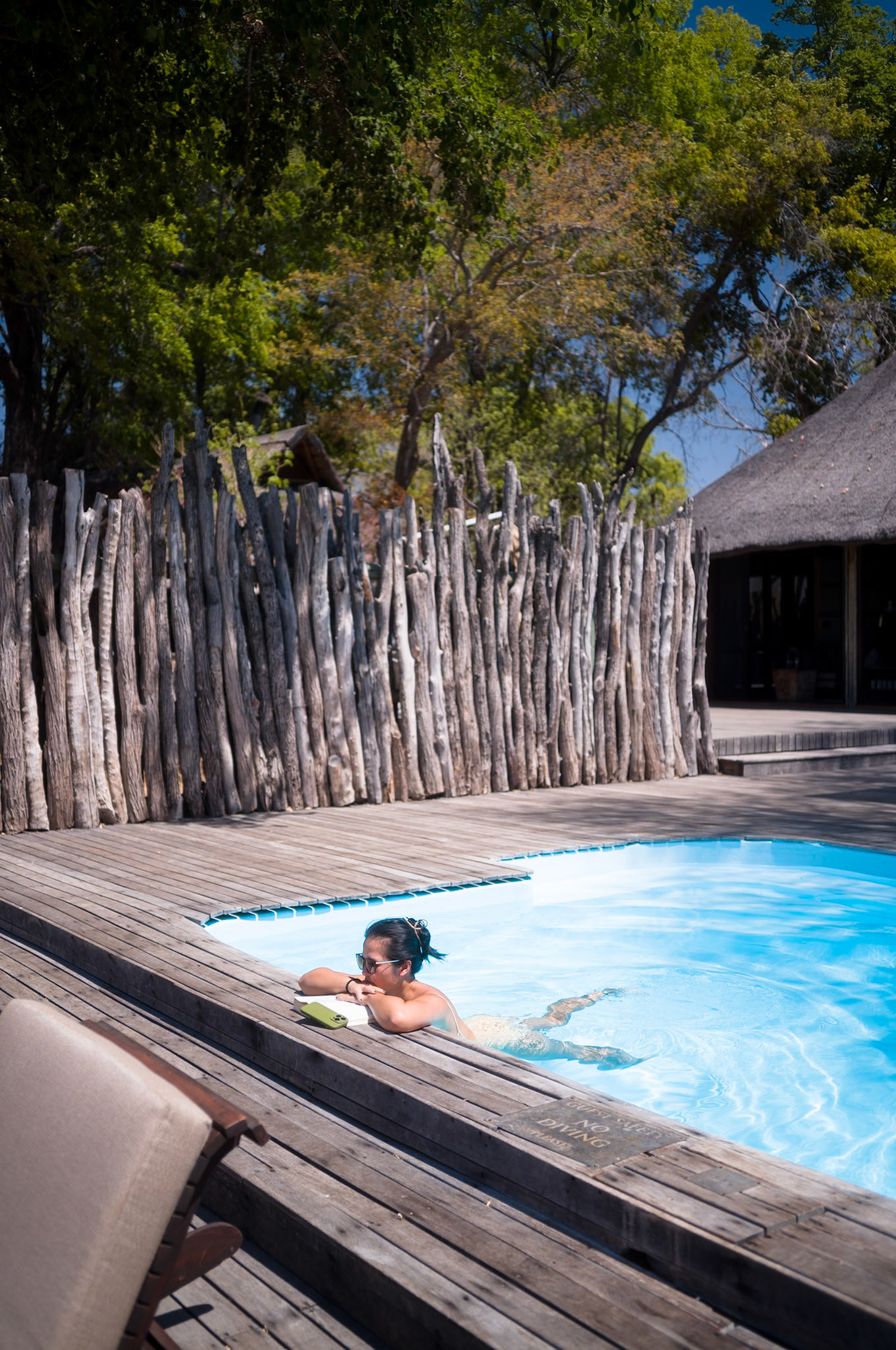
&Beyond, Okavango Delta, Botswana - Leica M11-P
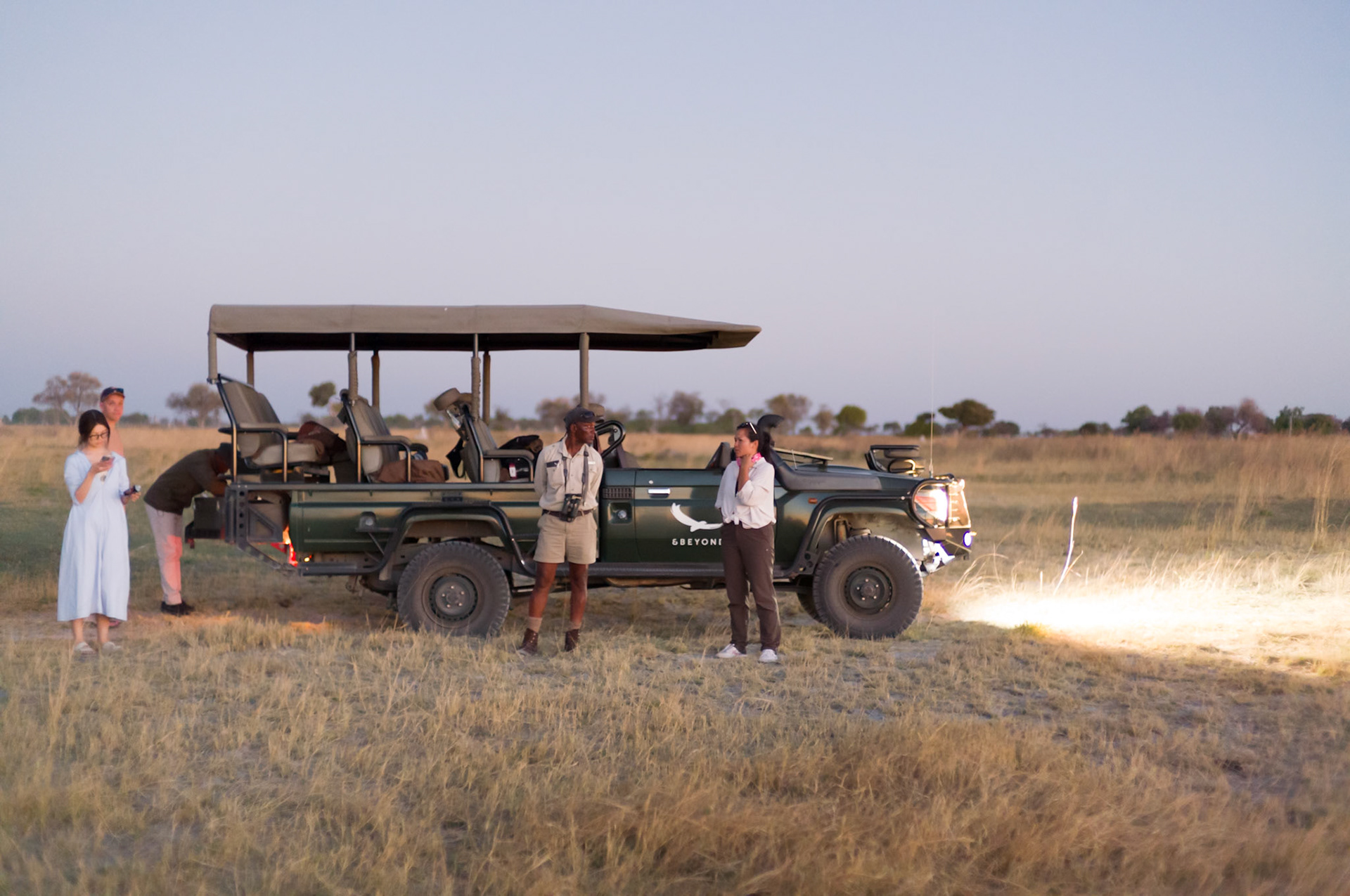
&Beyond, Okavango Delta, Botswana - Leica M11-P
Macao SAR Streets
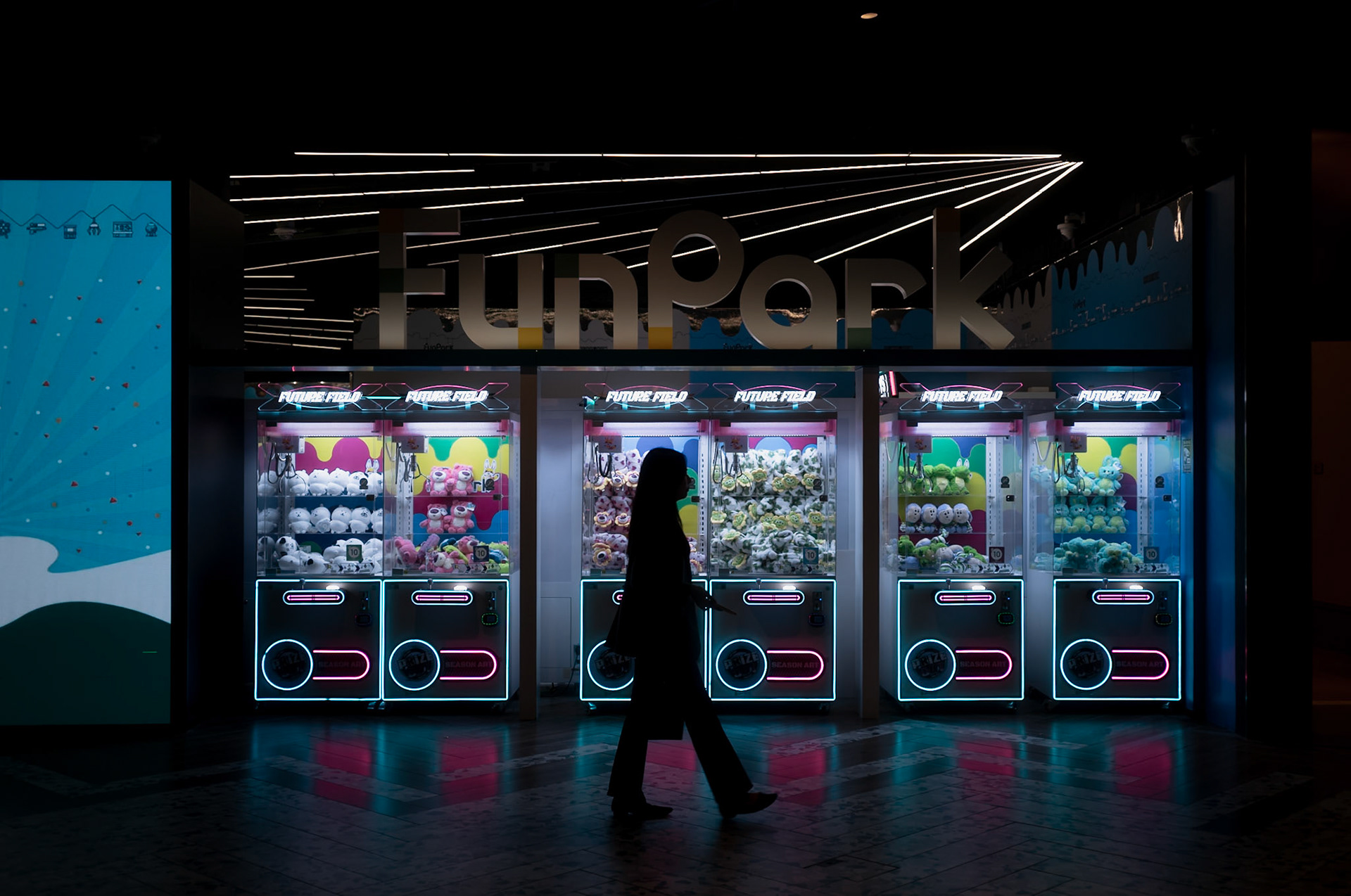
Macao SAR, Leica M11-P
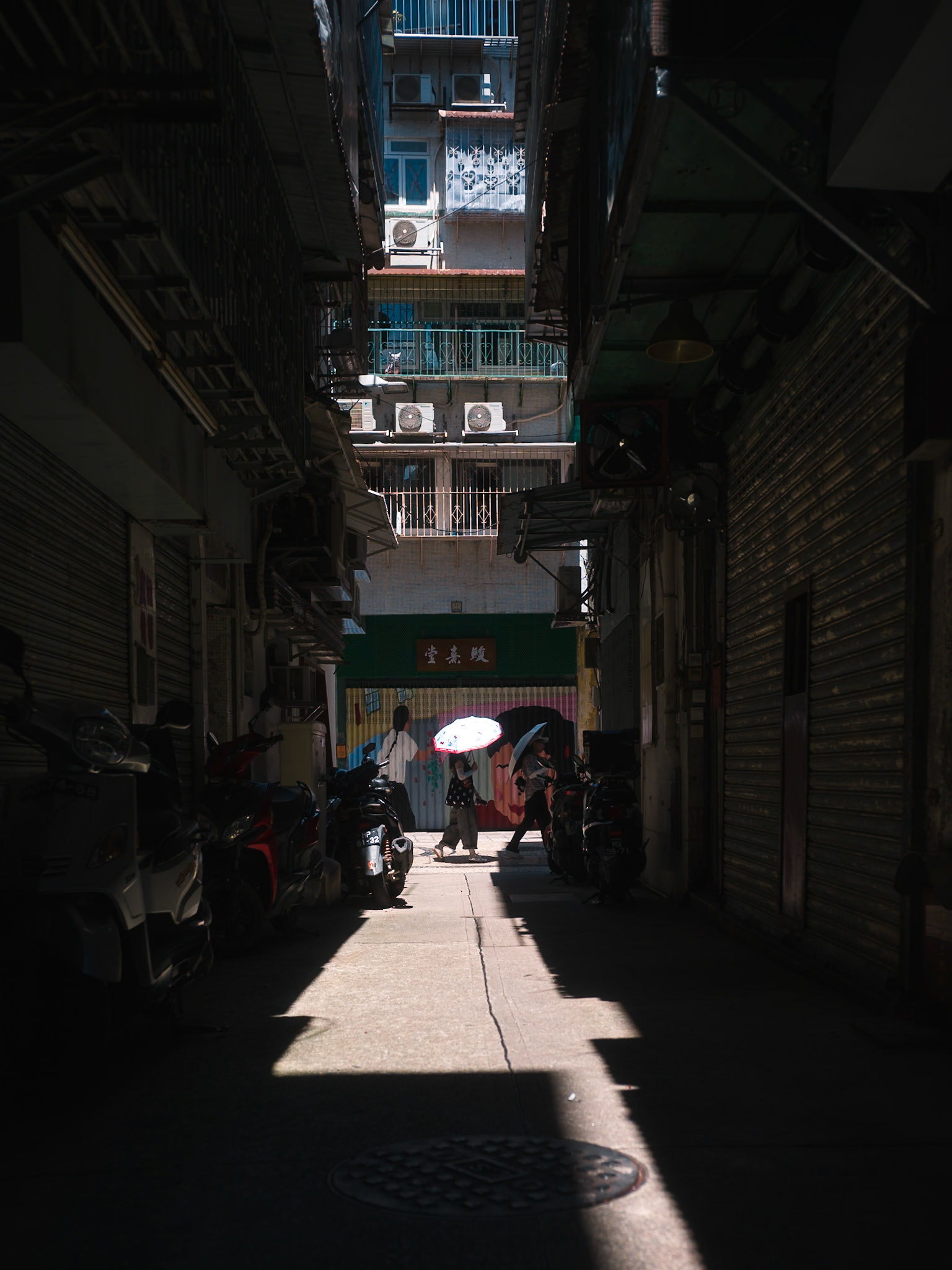
Old town Macao SAR, Leica M11-P
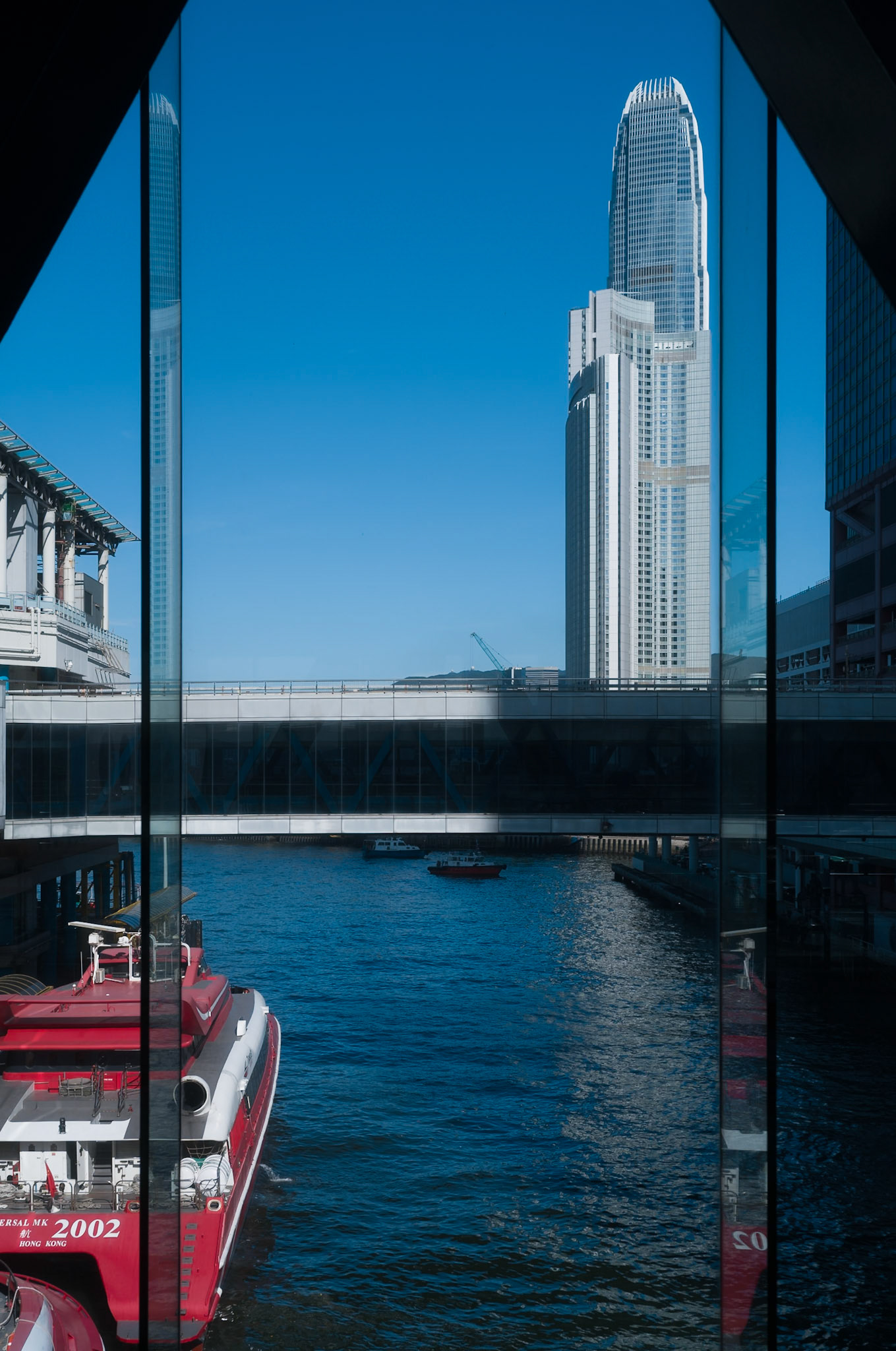
Macao ferry terminal, Hong Kong, Leica M11-P
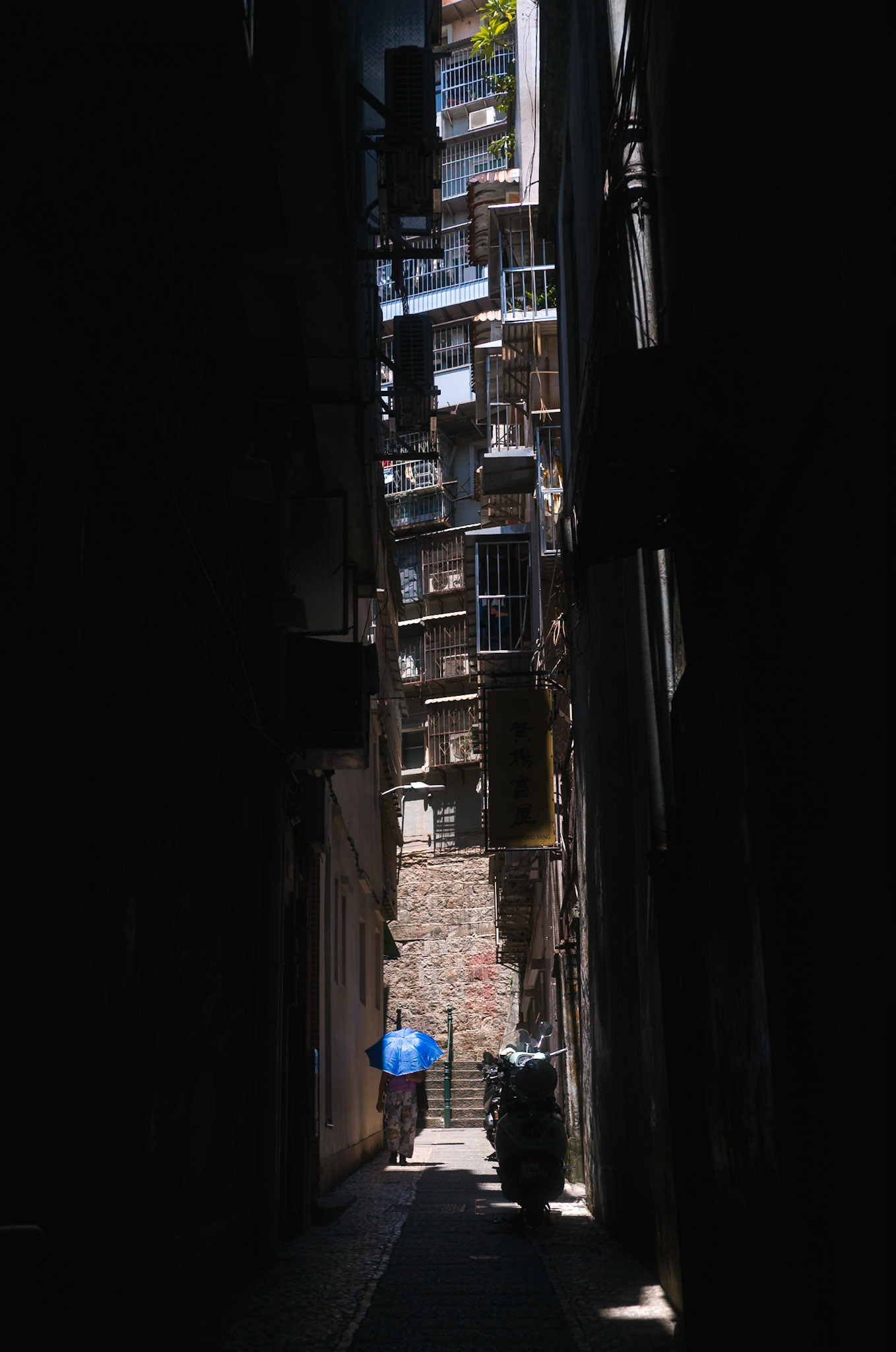
Old town Macao SAR, Leica M11-P
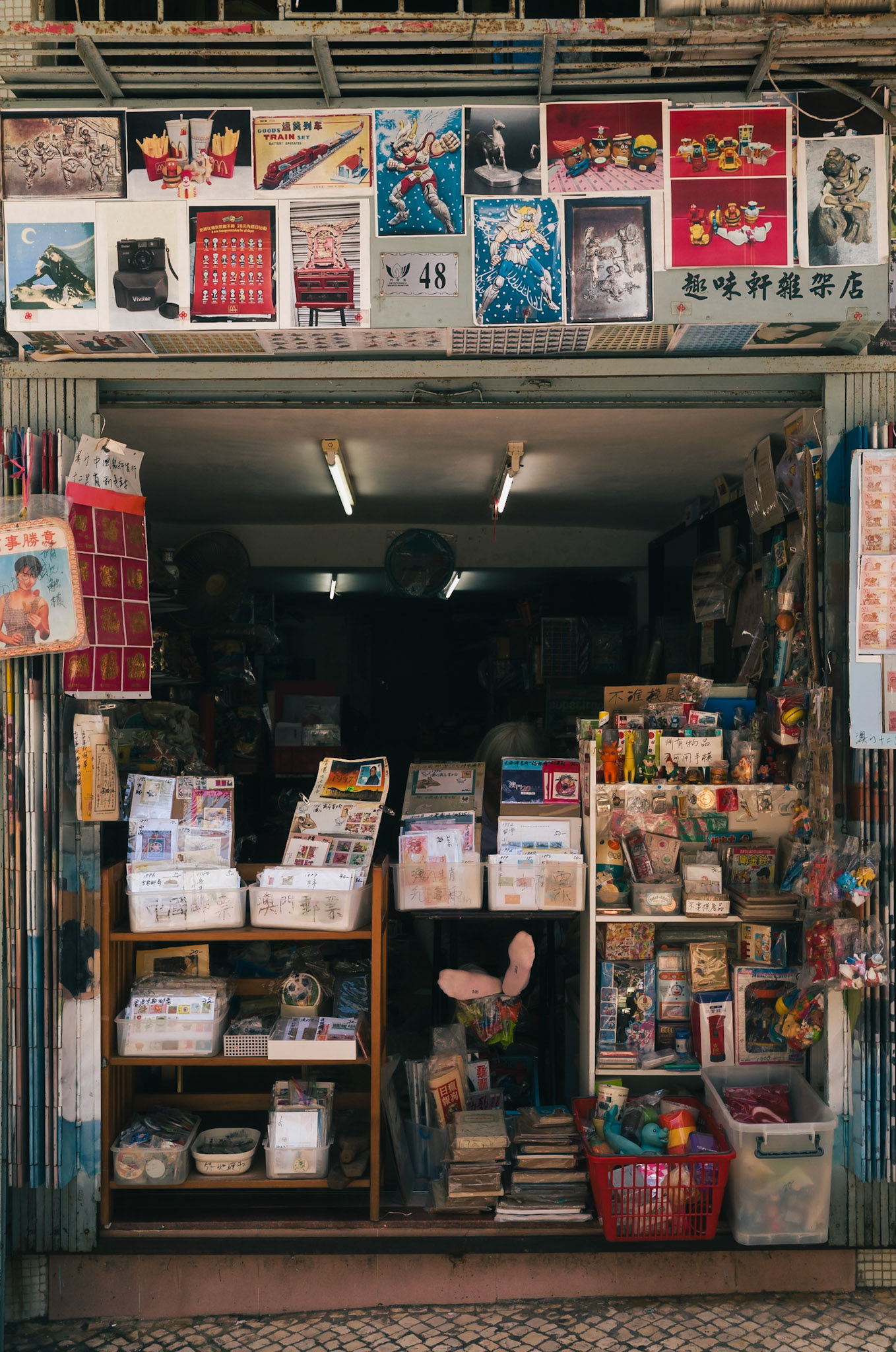
Old town Macao SAR, Leica M11-P
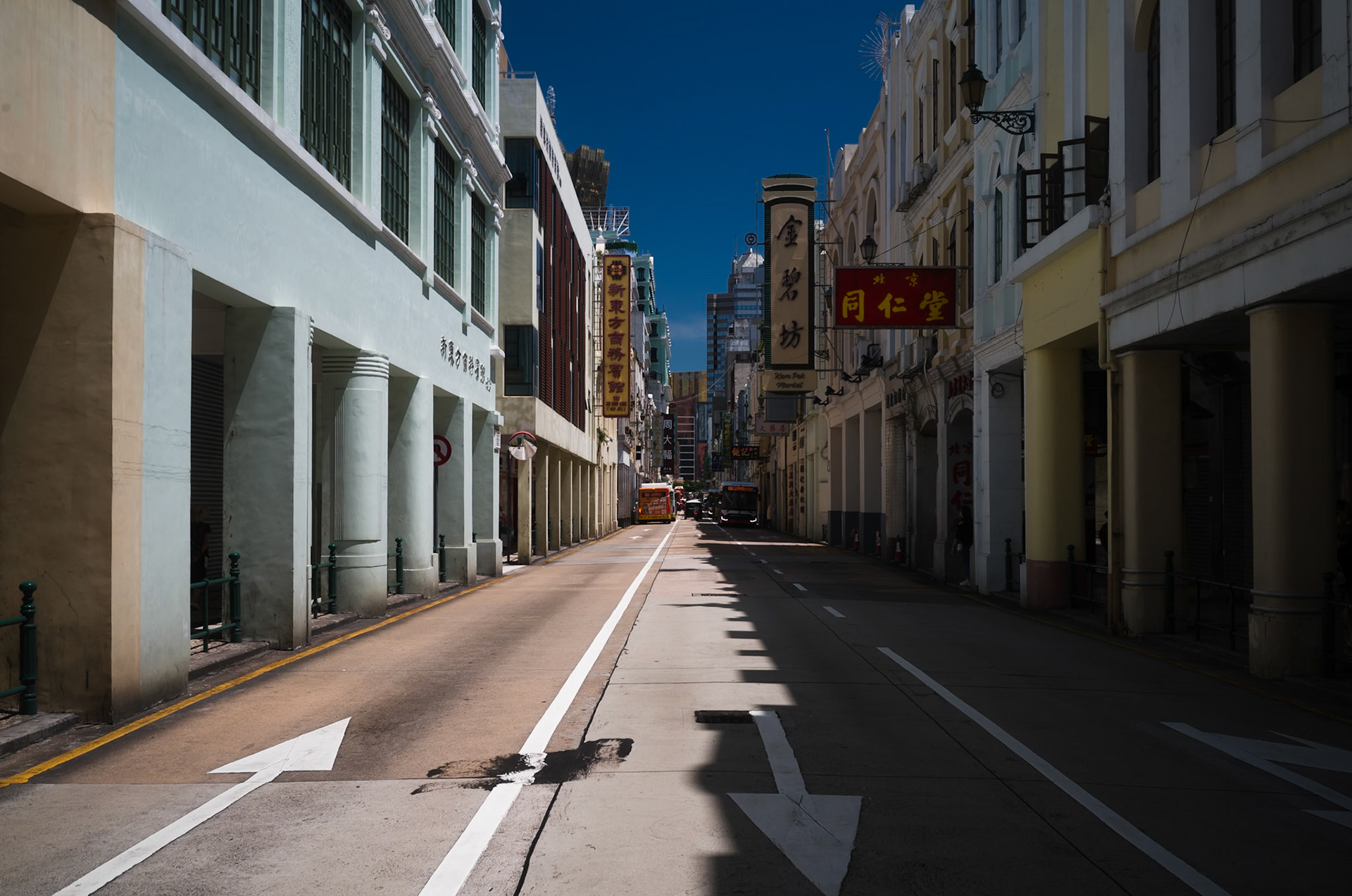
Old town Macao SAR, Leica M11-P
Various from Asia
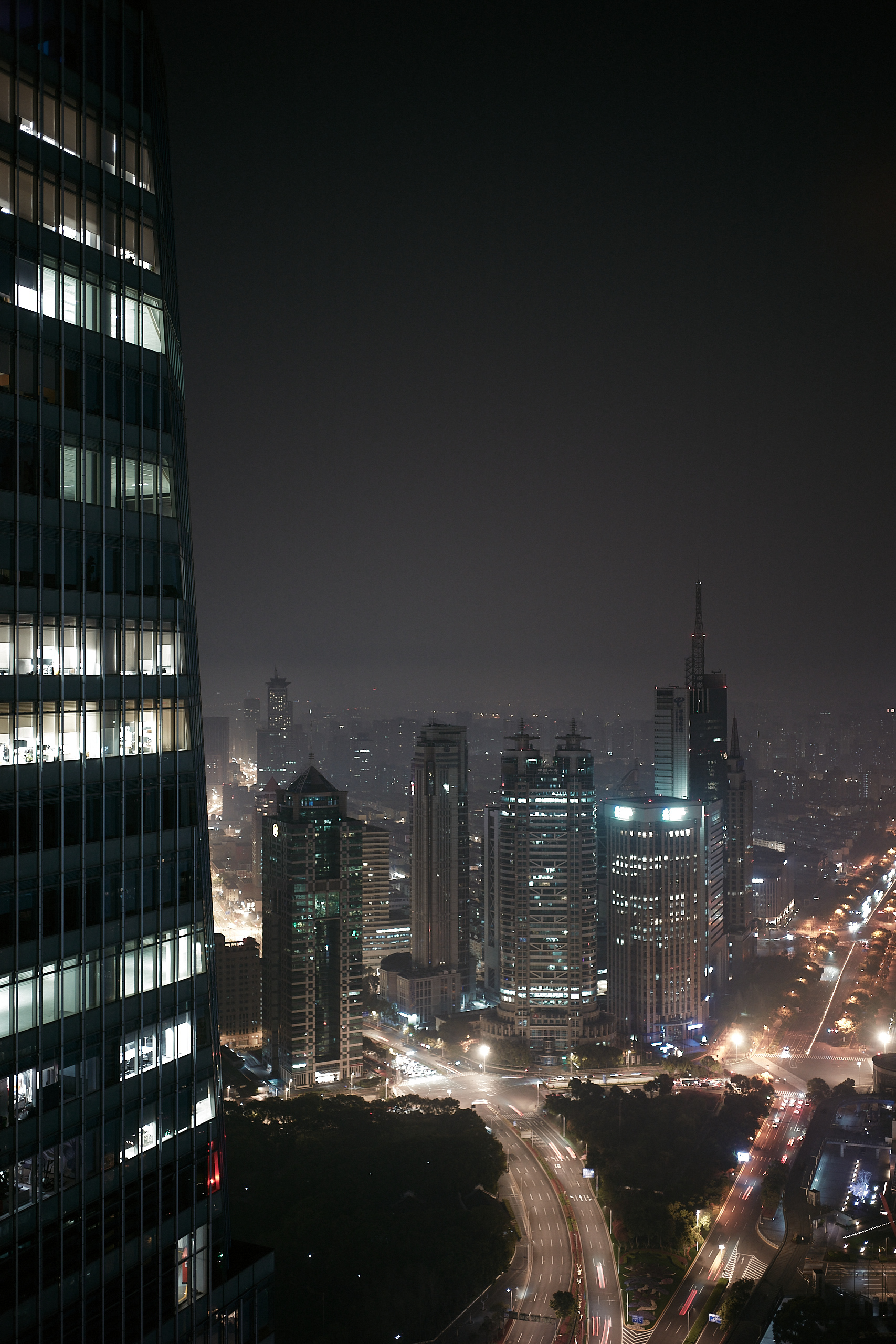
Shanghai, China - Leica M10-P Reporter
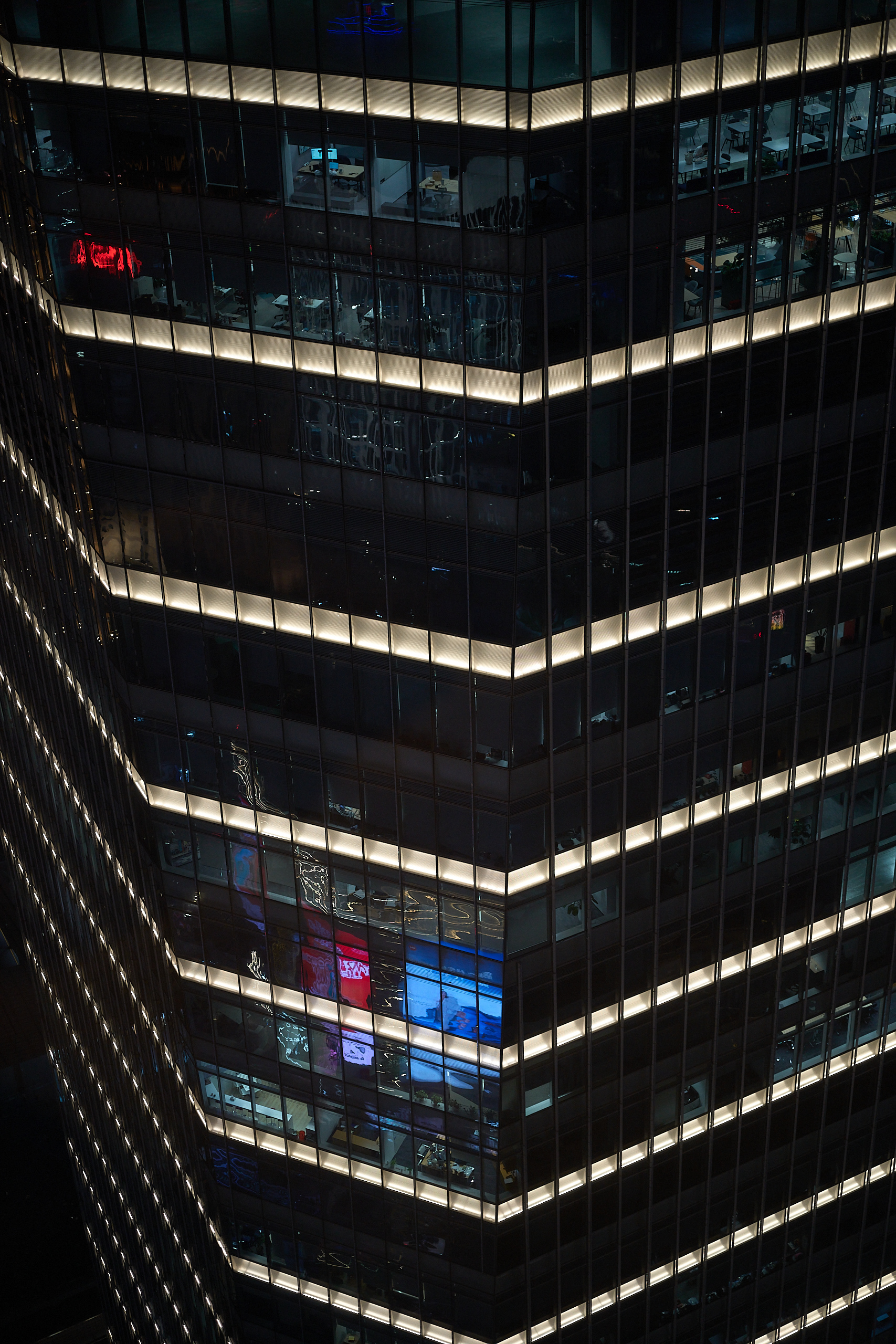
Shanghai, China - Leica M10-P Reporter
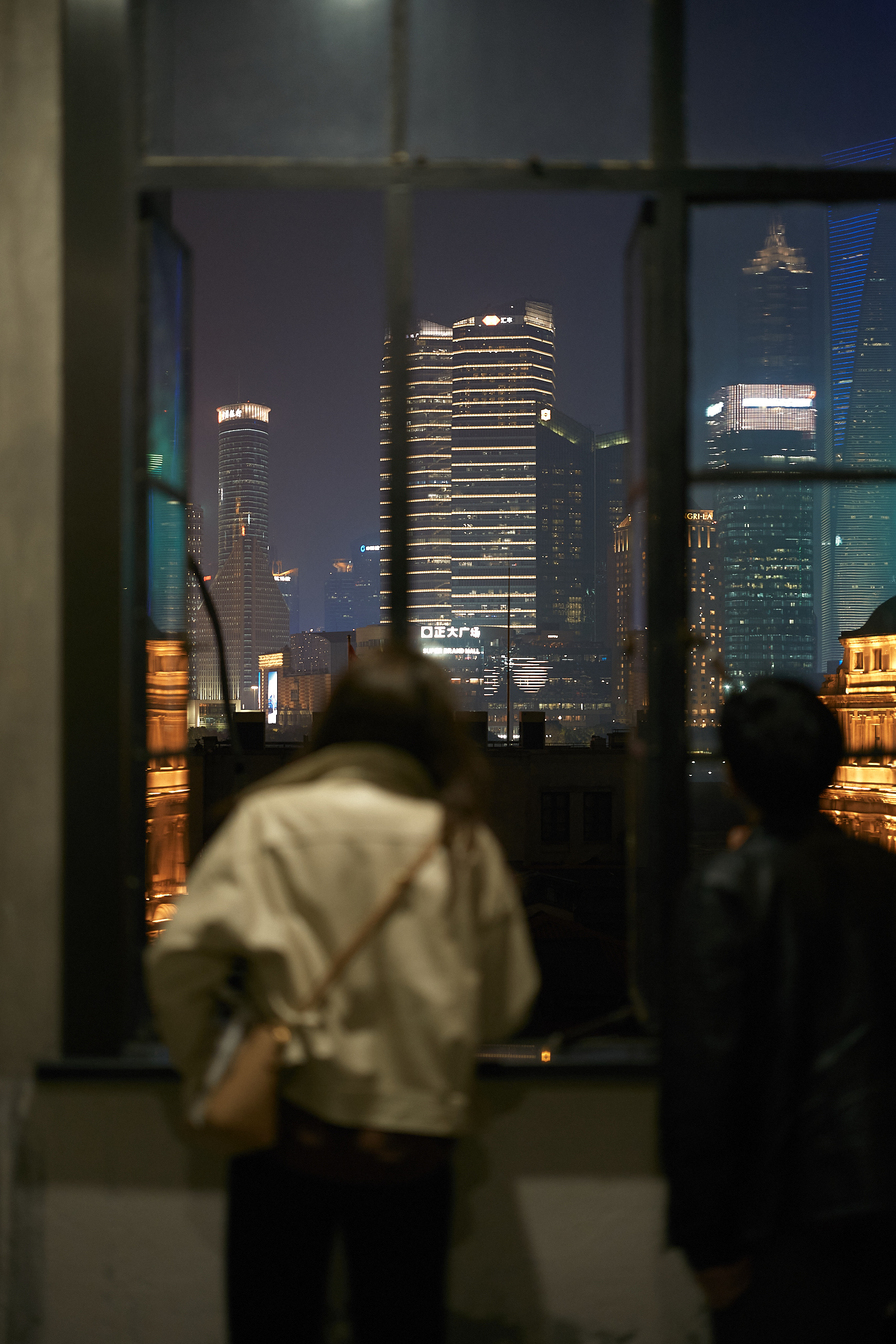
Shanghai, China - Leica M10-P Reporter
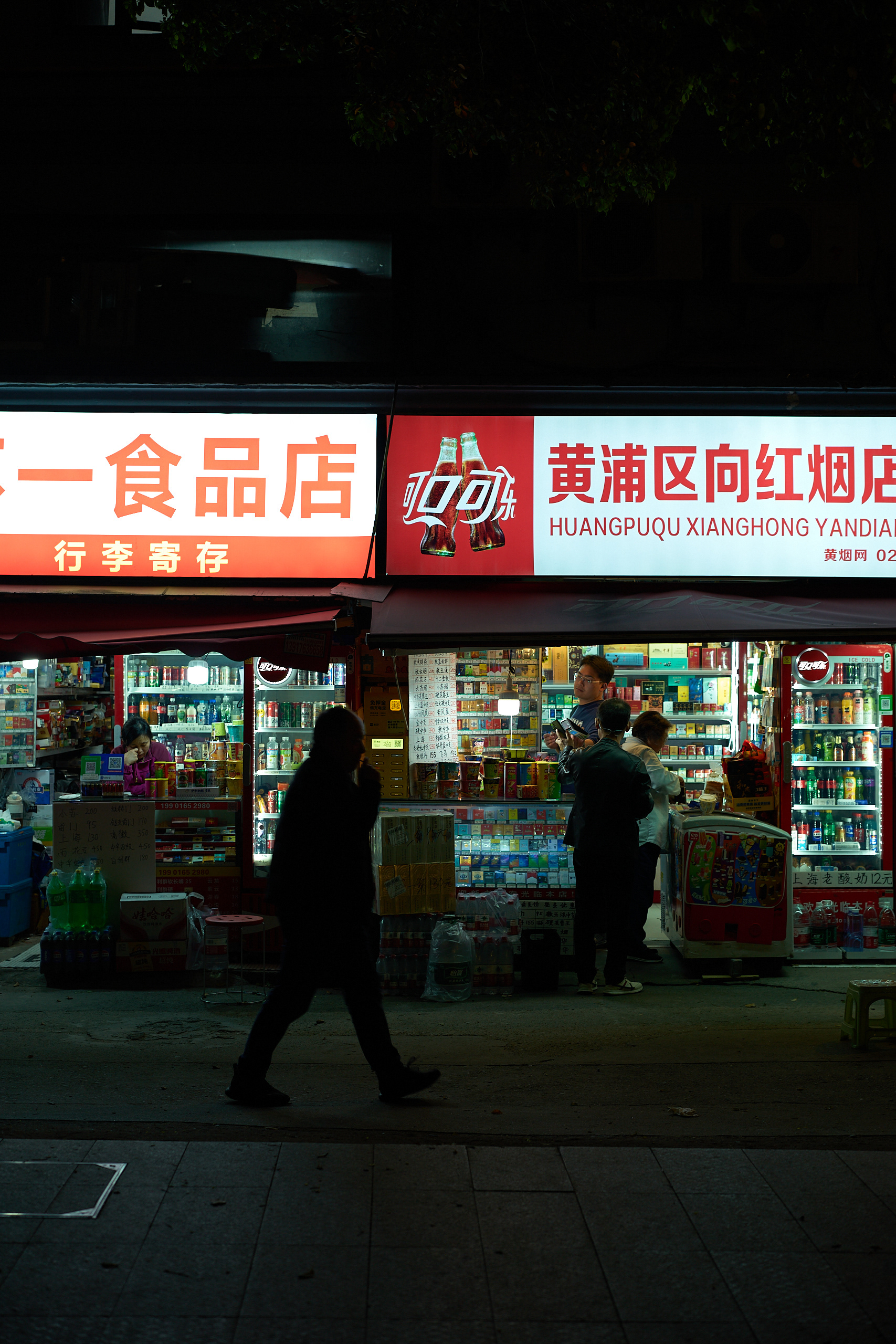
Shanghai, China - Leica M10-P Reporter
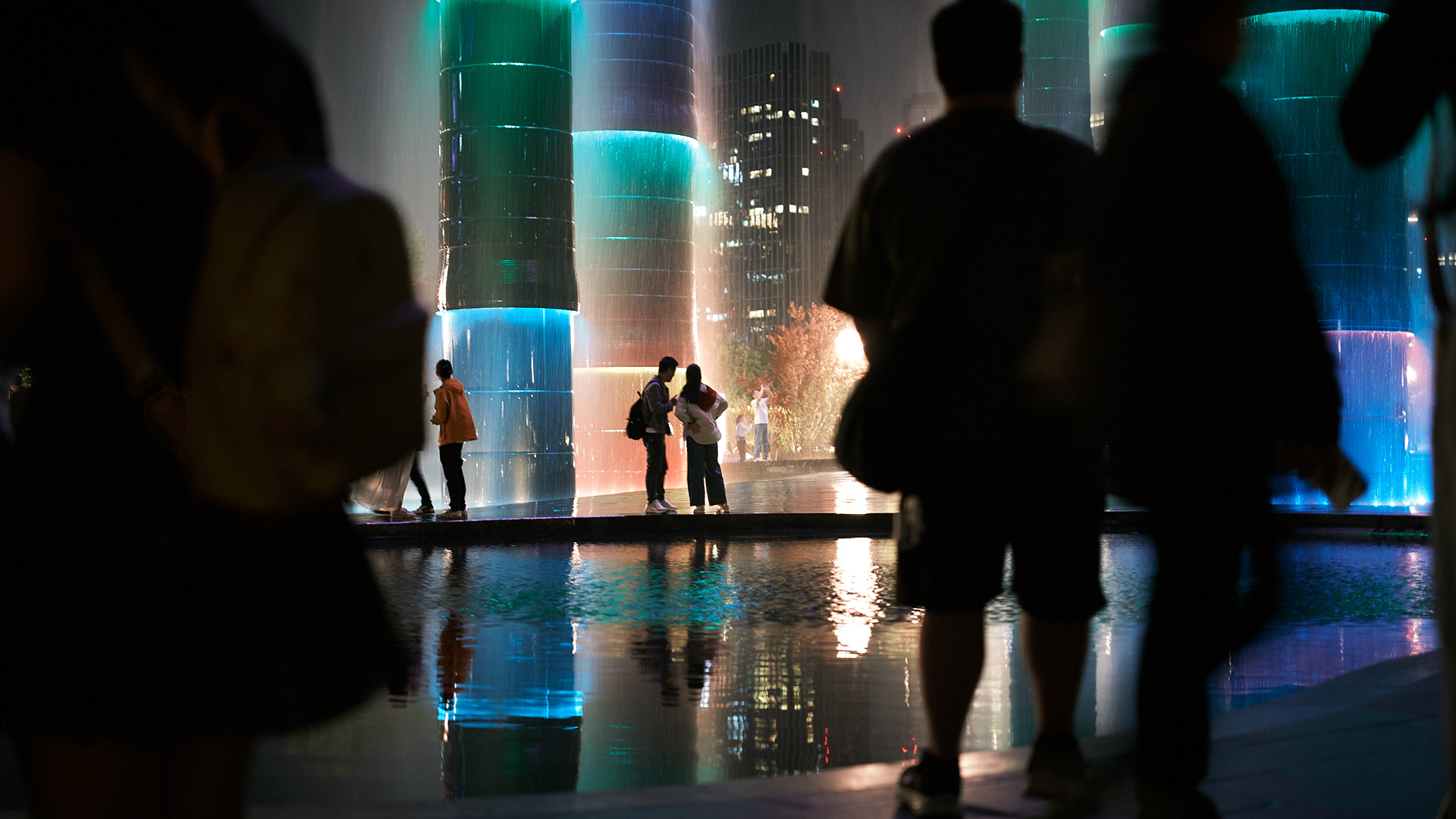
Chengdu, China - Leica M10-P Reporter
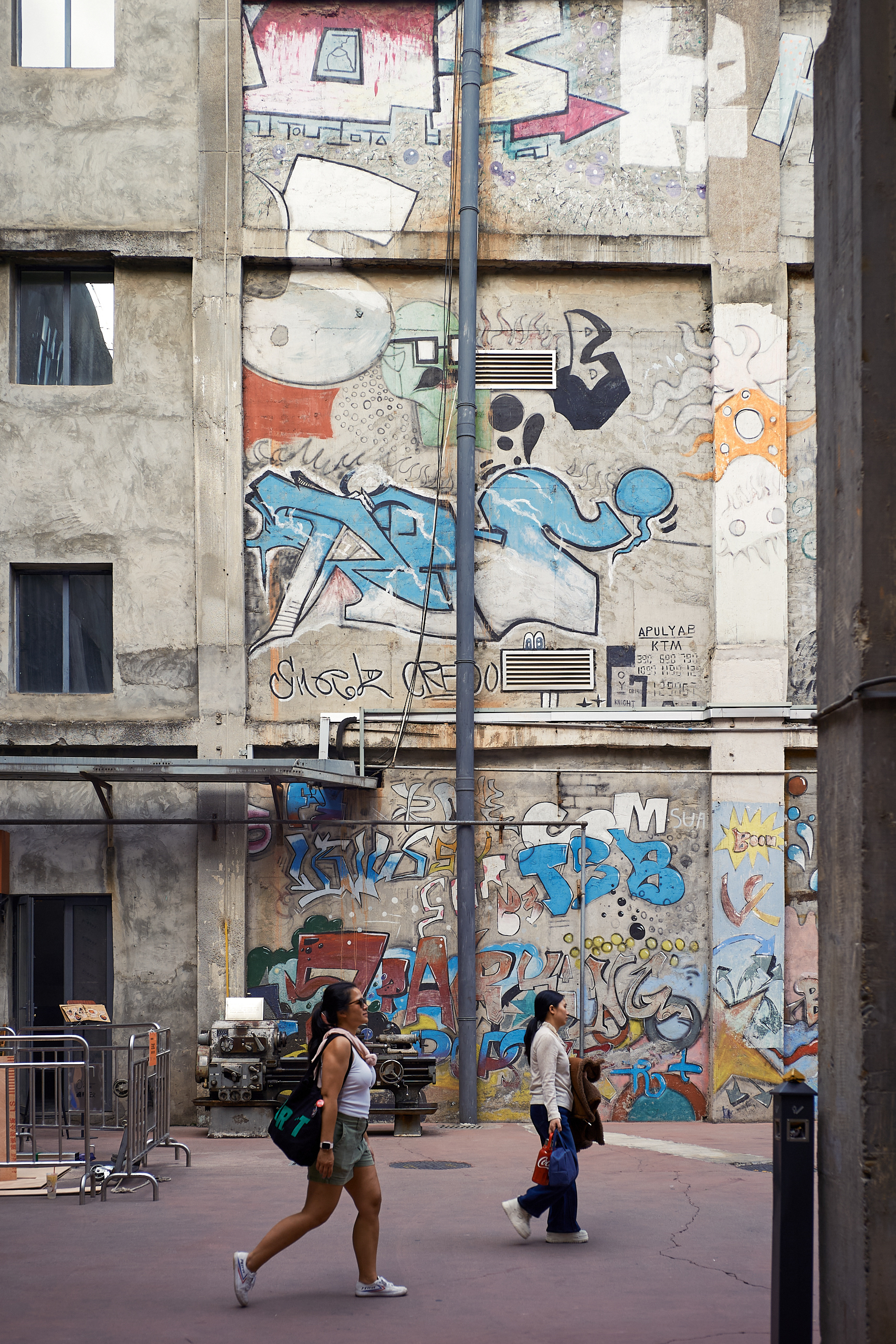
Chengdu, China - Leica M10-P Reporter
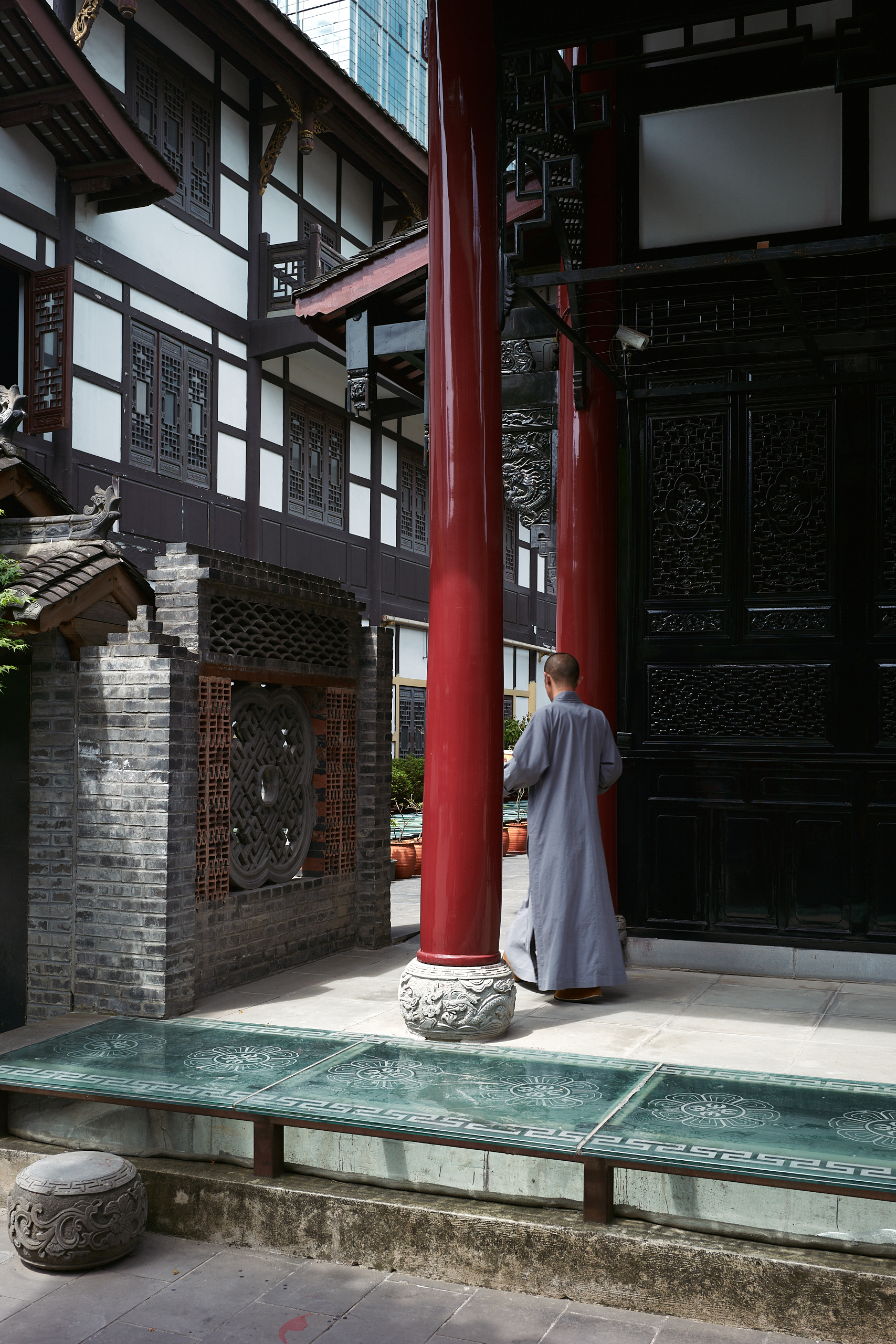
Chengdu, China - Leica M10-P Reporter
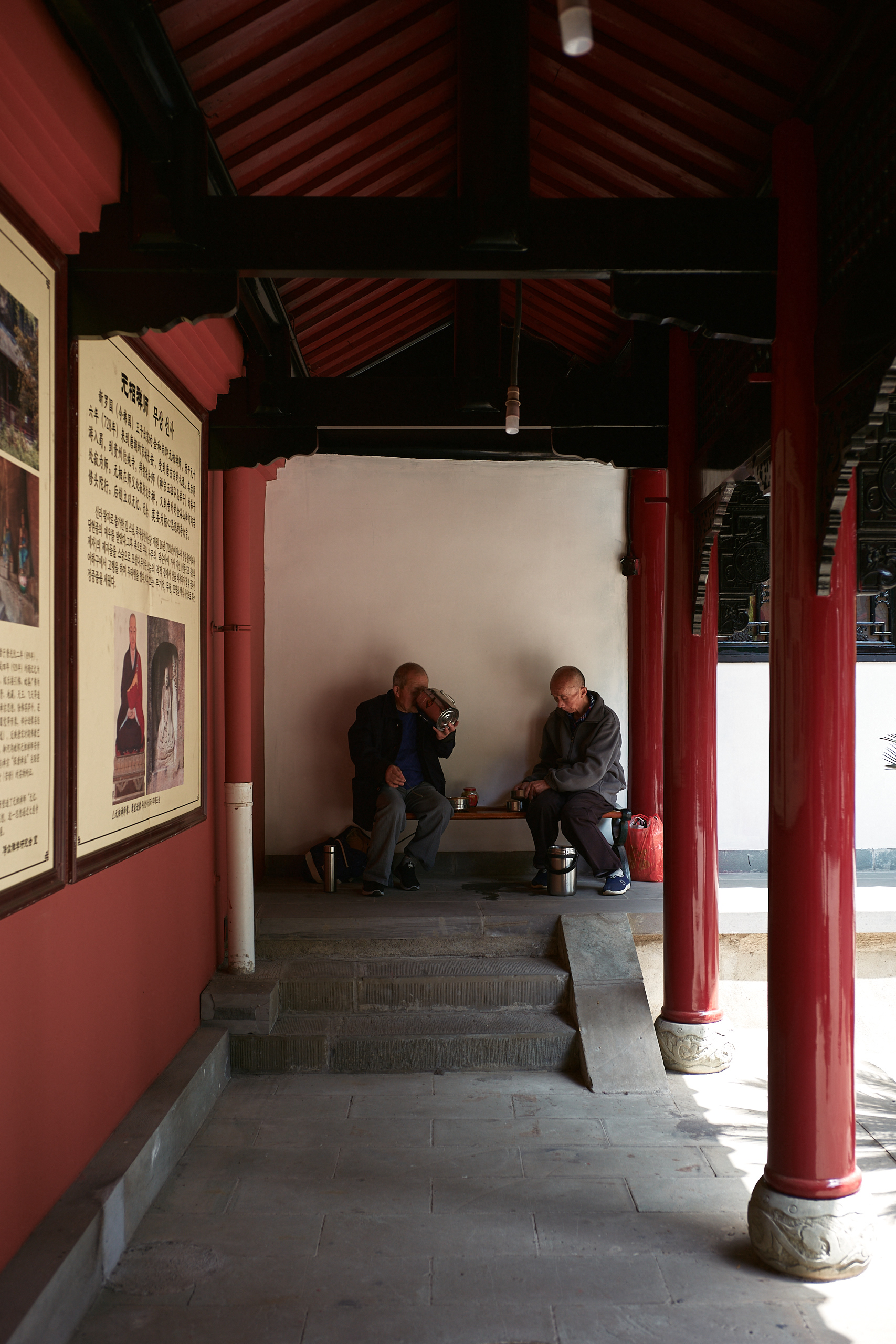
Chengdu, China - Leica M10-P Reporter
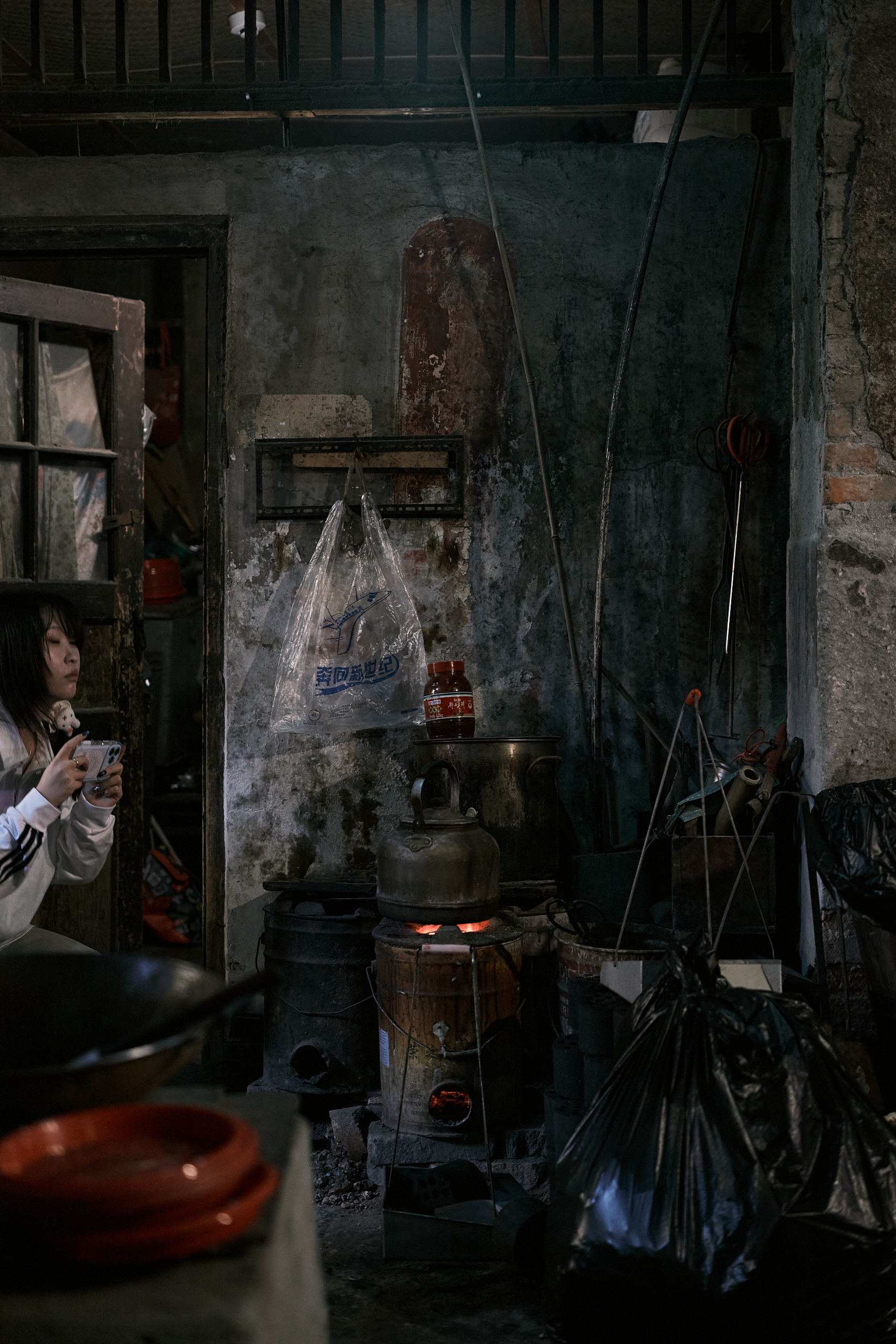
Chengdu, China - Leica M10-P Reporter
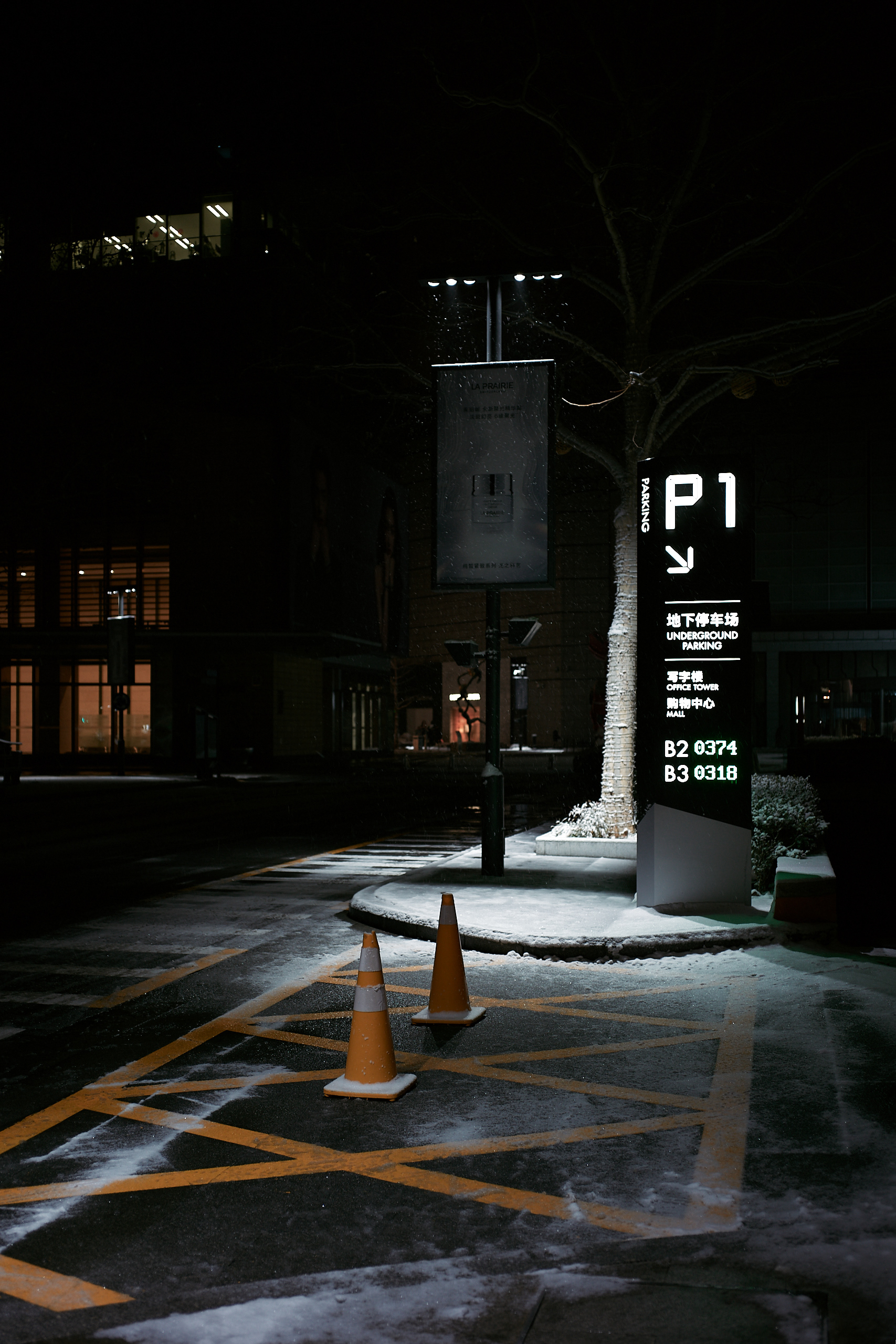
Beijing, China - Leica M10-P Reporter
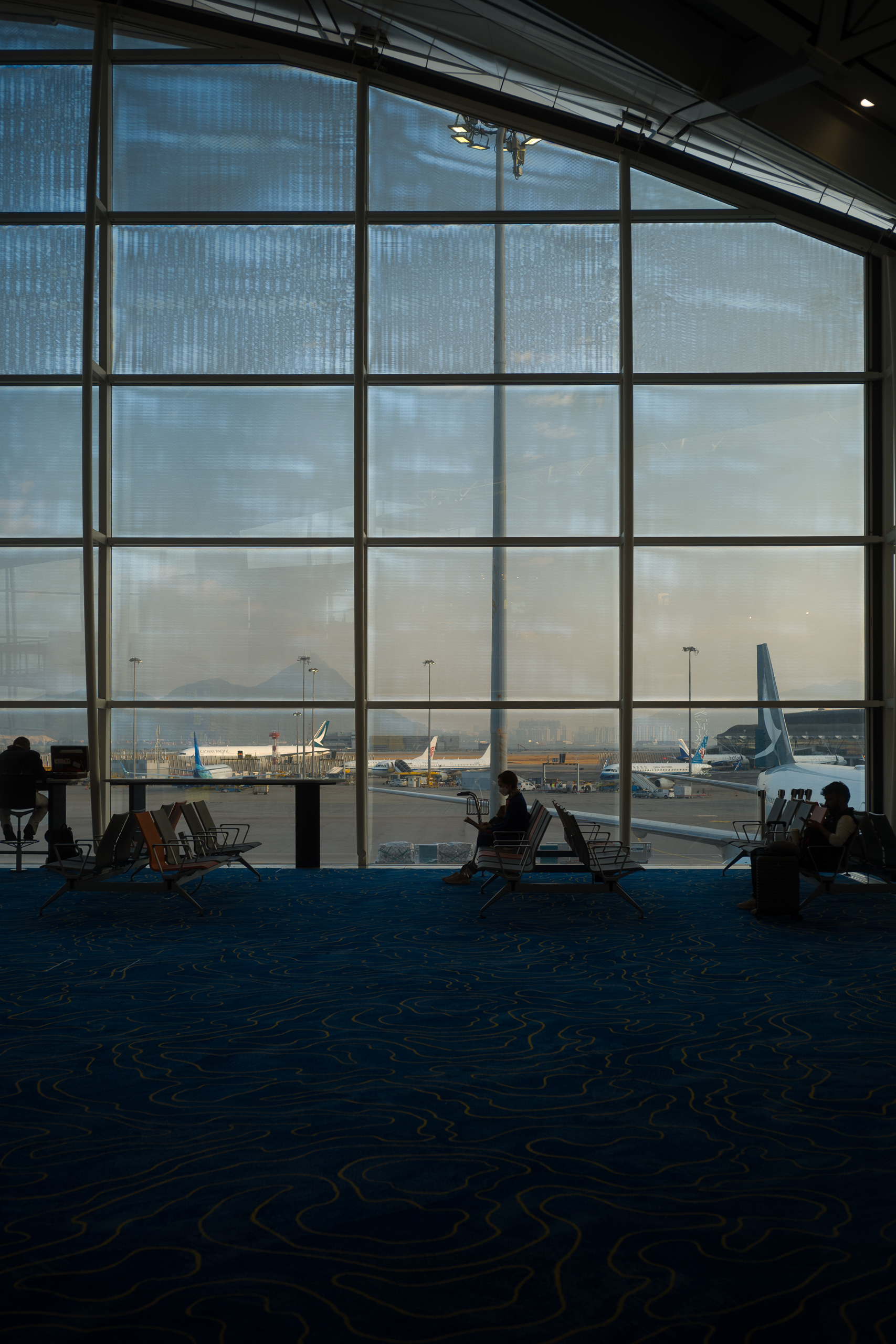
Hồng Kông, China - Leica M10-P Reporter
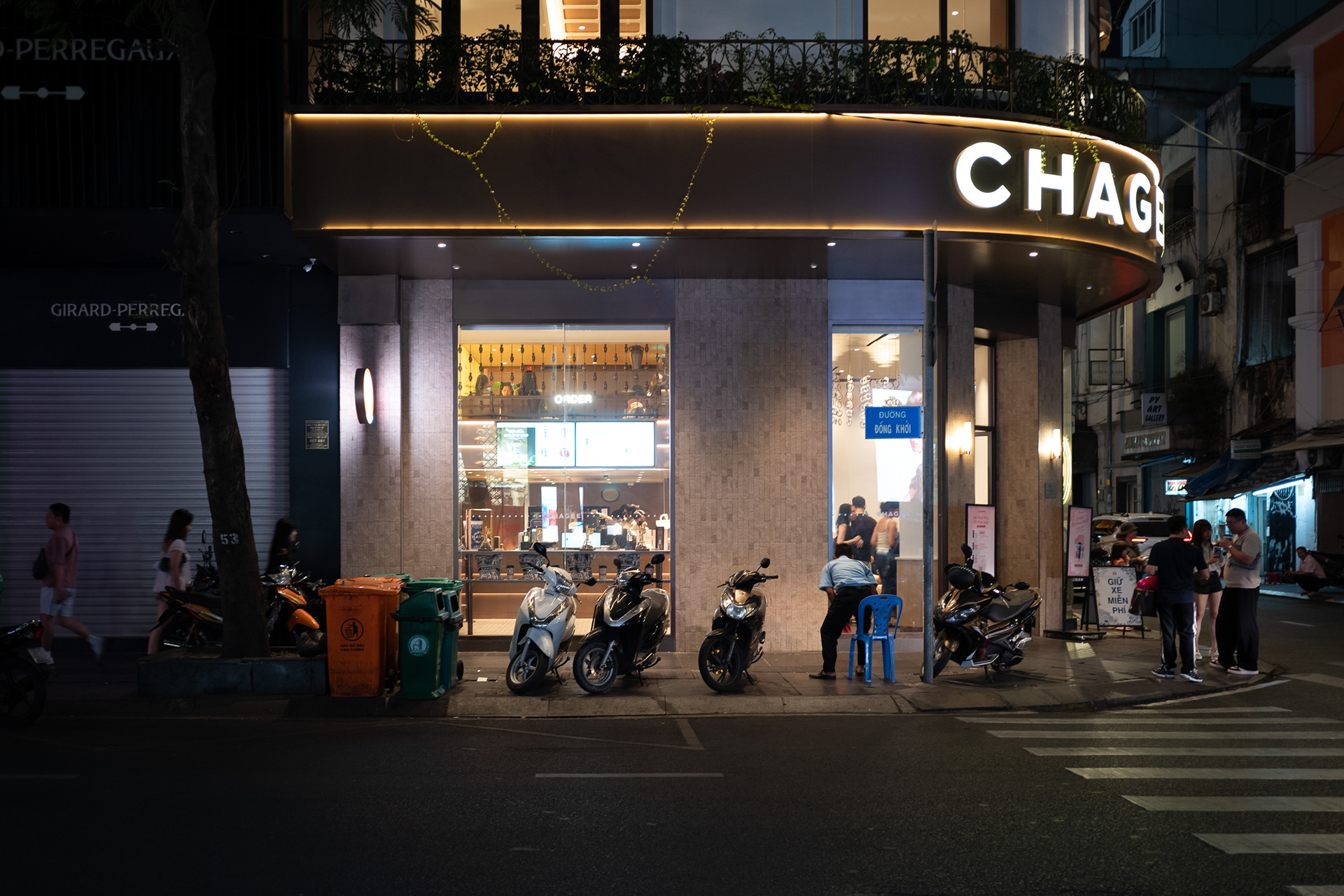
Saigon, Vietnam - Leica M10-P Reporter
Lenses used:
Zeiss C Biogon 35mm F/2.8