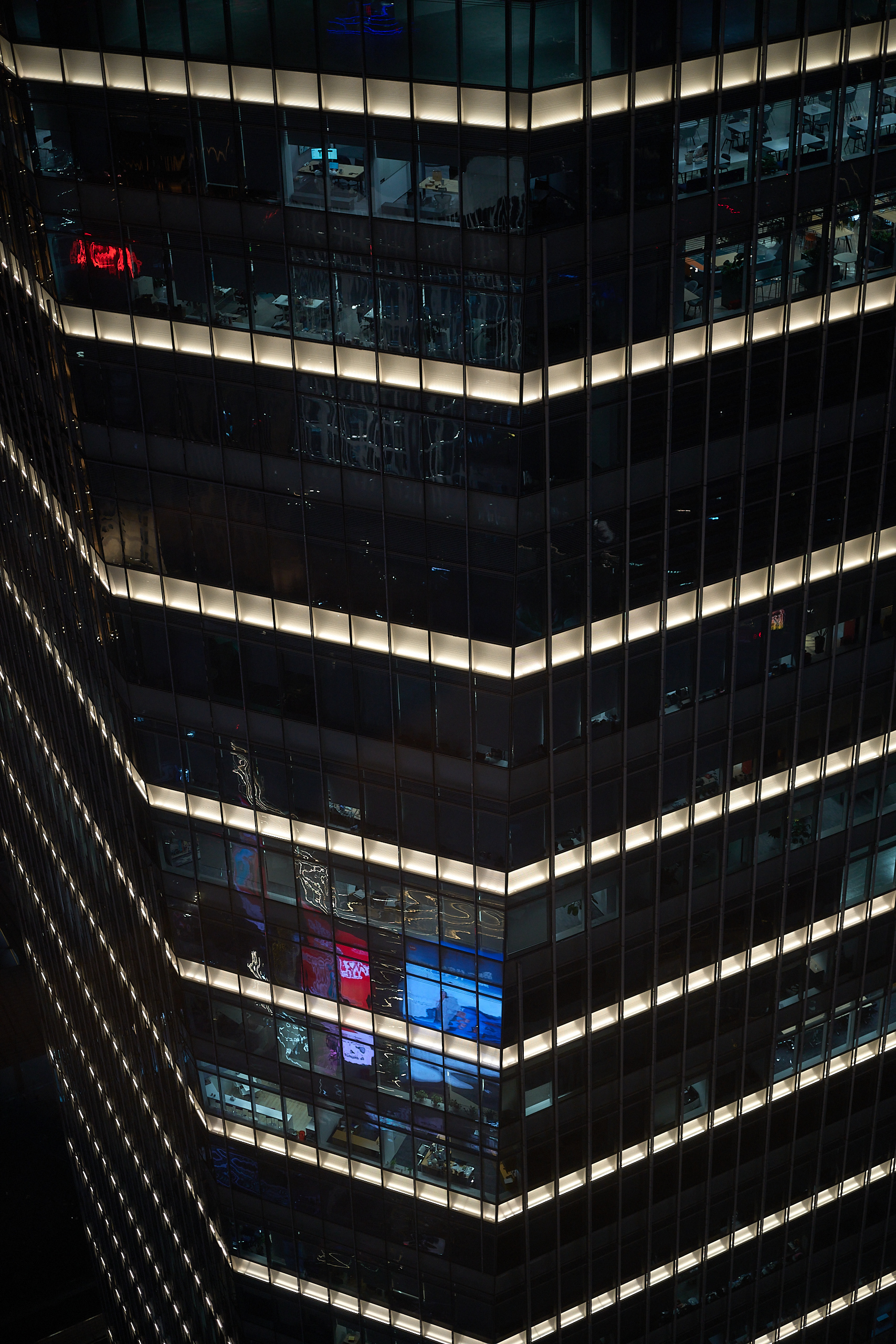
After one year and five Leica cameras, my M11-P sits on a shelf collecting dust. The 'latest and greatest' M camera—the one I bought as a splurge for a mountain trip—has been relegated to paperweight status by a green fabric-wrapped M10-P I discovered almost by accident. Here's why.
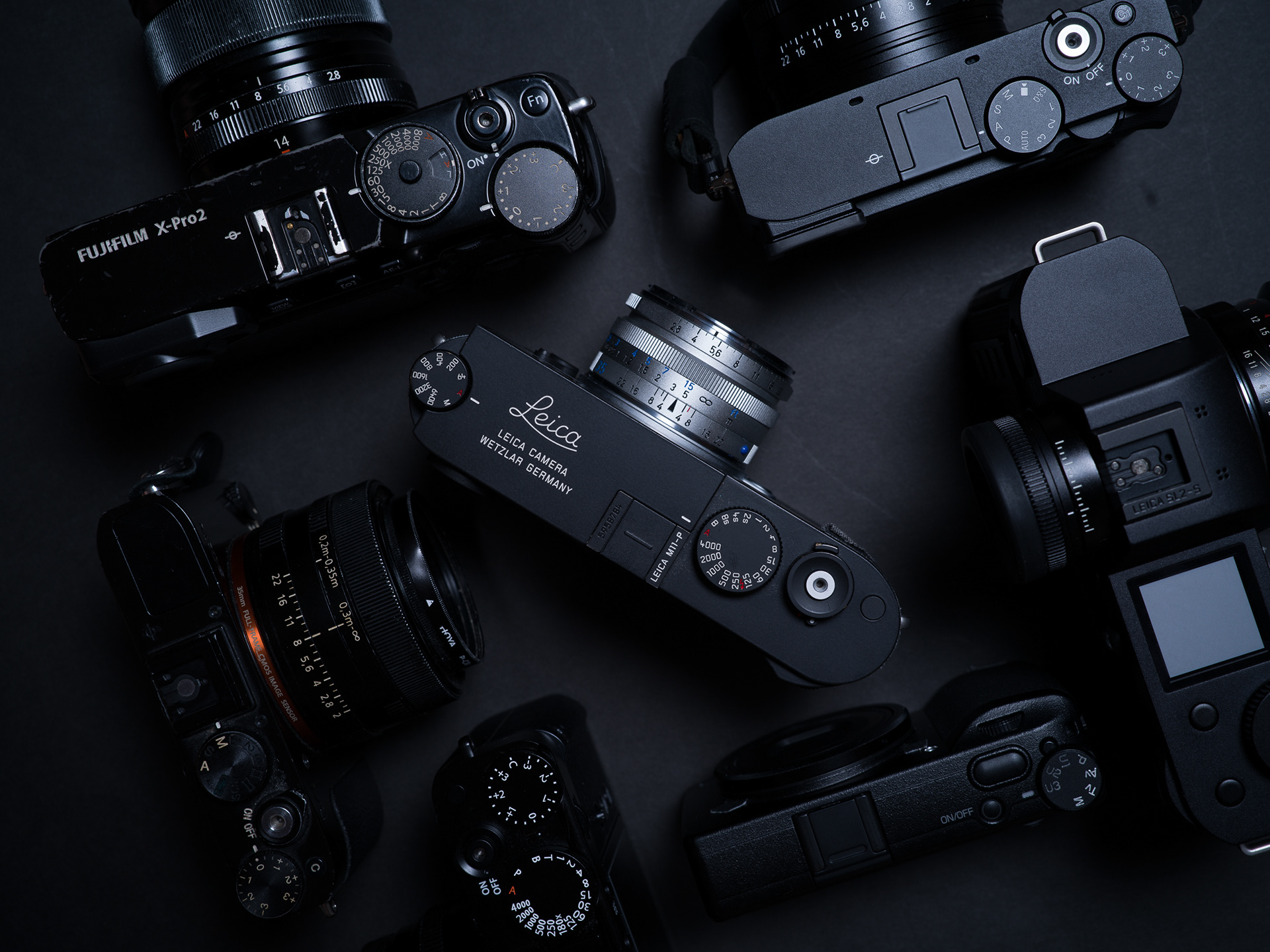
Leica M11-P + Zeiss C Biogon 35mm F/2.8
The Backstory (How a non-Leica guy ended up with five)
Read enough online about Leicas and you'll notice patterns. Some revere the legacy. Some want the premium status. And a not-insignificant number seem convinced that shooting a Leica M is what separates "real" photographers from the rest — like the masters of old. Air quotes intentional.
In 2026, most people reading Leica M reviews aren't just shopping — they're *curious*. What does a top-dollar camera system actually offer? Does it justify the hype? "Top dollar" here means eye-wateringly expensive — not arguably, but in reality — and well beyond most budgets. This is a purchase that gets weighed heavily, if it happens at all.
Many come from rangefinder-style systems (Fujifilm X-Pro and X100) and want to understand how the 'real' thing operates. Others have longed for a Leica for years, shooting more affordable systems until they could finally afford one. A lot are influenced by the recent trend of YouTube and Threads influencers gravitating to the system. Whatever draws you here, the question is the same: does the Leica M live up to its hype, its cost, its utility? I'm not here to answer that definitively — I can't. But I can give you my perspective from a guy who, almost exactly one year ago, couldn't care less about the Leica brand. And now, one year later, I'm sitting here writing about my experiences with five Leica cameras in my collection.
Five Leicas are a lot, I fully understand this. But it also speaks to the Leica experience as someone who really didn't have any opinion — positive or negative — of the brand one year ago. Leica didn't register in my mind. I'd never considered buying or owning one. It never spoke to me on any level, like walking past a supermarket aisle of breakfast cereal and passing by all the available choices without a second thought. It was just there. So one year later and five Leicas? That's telling.
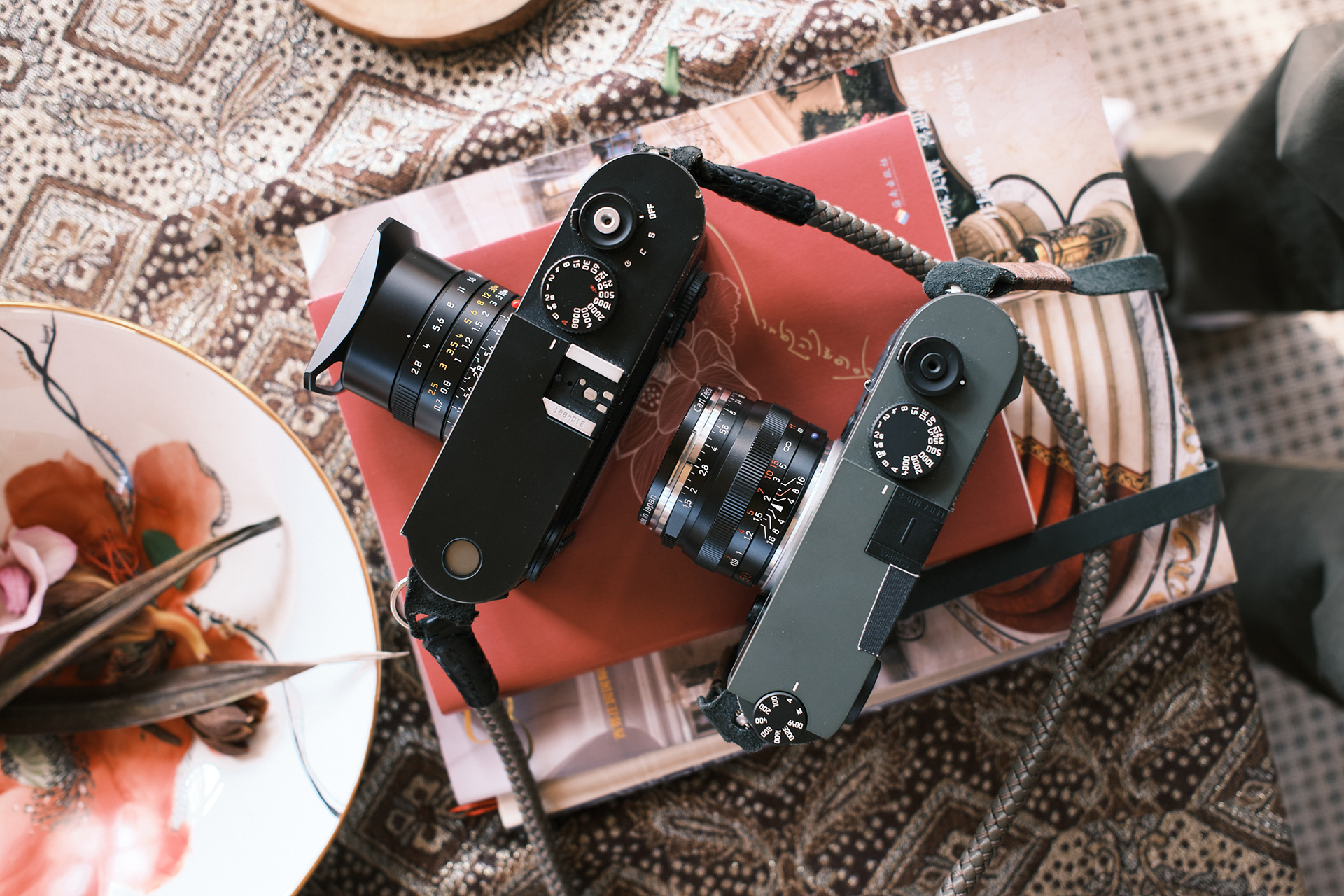
Leica M8 + Leica M10-P Reporter
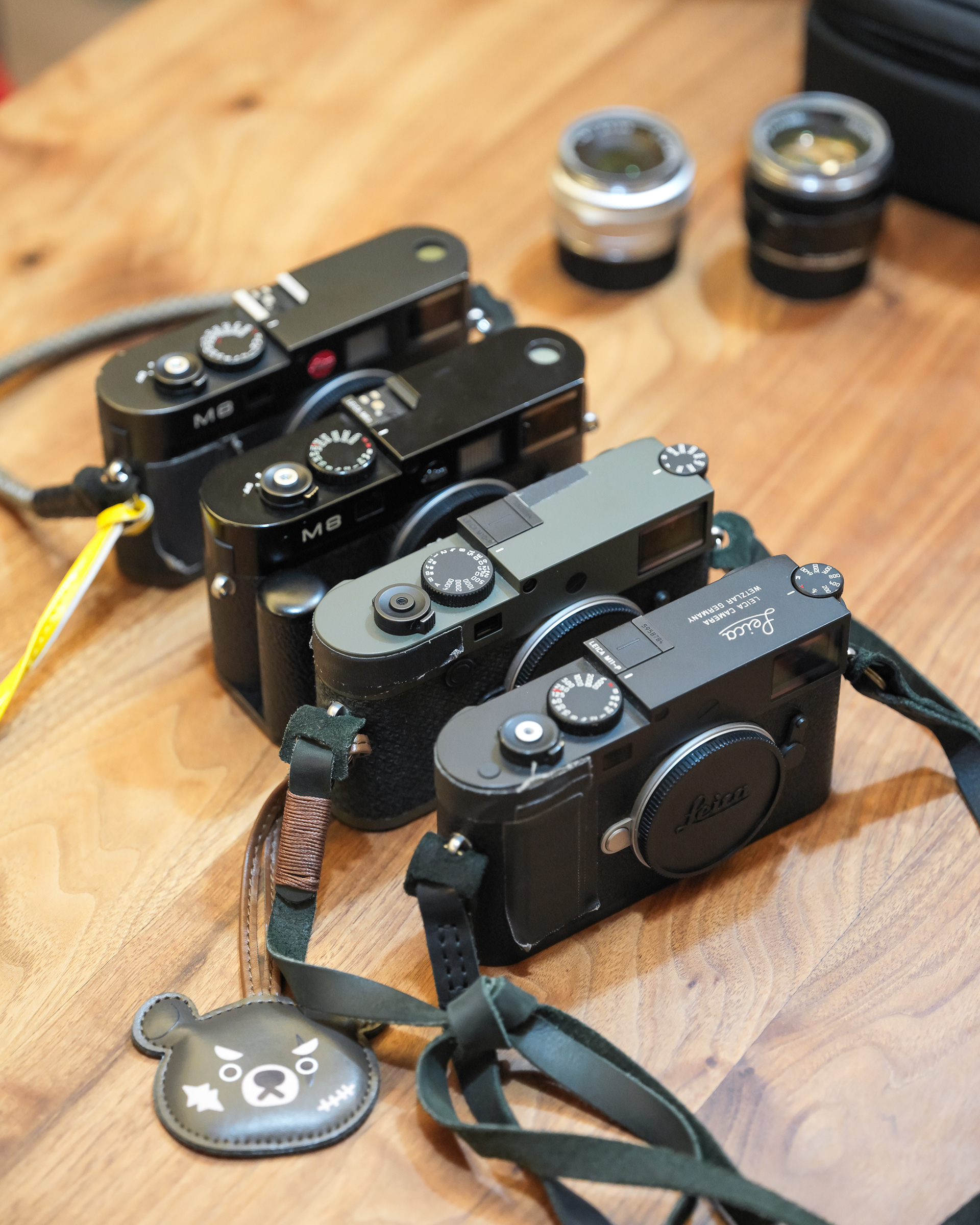
Leica M11-P + M10-P Reporter + M8.2 + M8

Leica M11-P + M10-P Reporter + M8.2 + M8
Why the Leica M11-P? (The impulsive purchase)
I started shooting B&W film as a teenager with a Contax. My school had a darkroom and I leveraged it extensively. I stopped shooting as I entered university — I never really enjoyed shooting without the darkroom experience; sending rolls to a shop and waiting to hear back was anticlimactic. After university and with the advent of affordable digital cameras, I restarted, going through the stereotypical journey of Canon APS-C, full-frame, Sony full-frame, and then landing on a series of Fujifilms.
I shot an X-Pro2 for nine years straight (backed up with a Sony RX1 for 13 years). I was happy and content. The rangefinder style, easy shooting experience, great colours, and lens choices fit my lifestyle. But after nine years using predominantly one camera system, there was an inevitable urge to experiment with the new GFX medium format camera. Instead, I skipped the GFX for a Hasselblad X1D, which led to a series of experiments with 'higher end' cameras — and in January 2025, a Leica M11-P, bought last-minute, the day before a New Year's trip to the mountains.
That's Leica camera #1 and the start of my one-year Leica journey.
The Leica M11-P, atypical review
I'd never shot with a Leica before the M11-P was delivered. I only somewhat researched it and wasn't really aware of all the variants, pros, and cons before I clicked buy. I was largely confident about my purchase for two reasons.
1. Price elasticity — resale prices where I am were largely agnostic to age and usage. If I really didn't like it after six months, I could sell it on the used market at an acceptable price.
2. The Voigtlander Nokton 27mm f/2.0 for Fujifilm — this was perhaps the trigger. Why I bought this lens is perhaps for another review, but once I got it for the X-Pro2 and used it for a few months, the experience of shooting a small manual focus lens on a rangefinder-style X-Pro camera awakened a style of shooting enjoyment I didn't know I was missing. This gave me the confidence that I could live with a manual-only focusing camera system.
But why the M11-P? Simply, it was the current and most advanced model on sale. I thought it was the best by being the newest. Some will be astute enough to read between the lines to the rest of this review.

Leica M10-P Reporter - Hong Kong

Leica M10-P Reporter - Hong Kong

Leica M10-P Reporter - Hong Kong
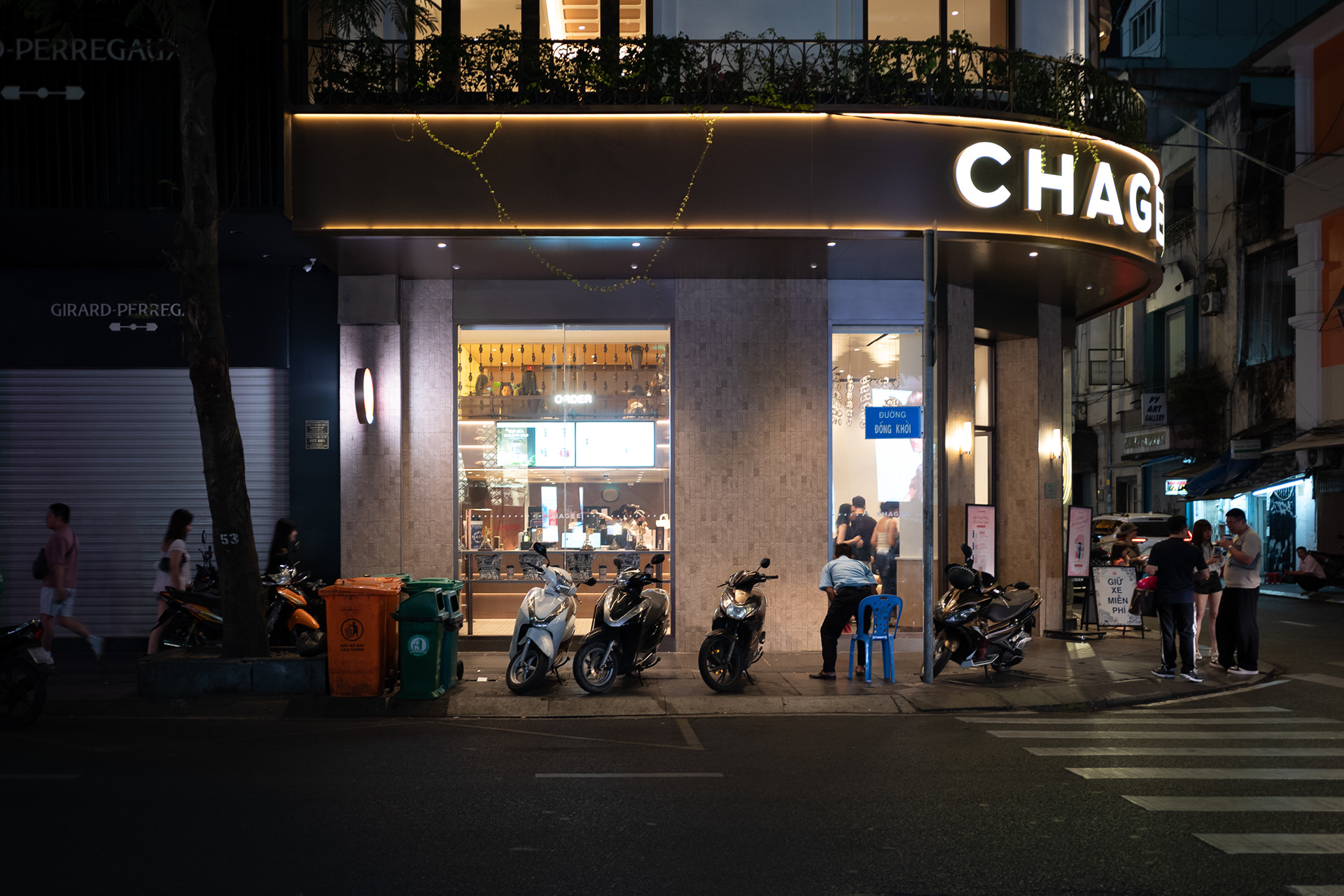
Leica M10-P Reporter - Saigon, Vietnam

Leica M10-P Reporter - Saigon, Vietnam

Leica M10-P Reporter - Saigon, Vietnam

Leica M10-P Reporter - Saigon, Vietnam
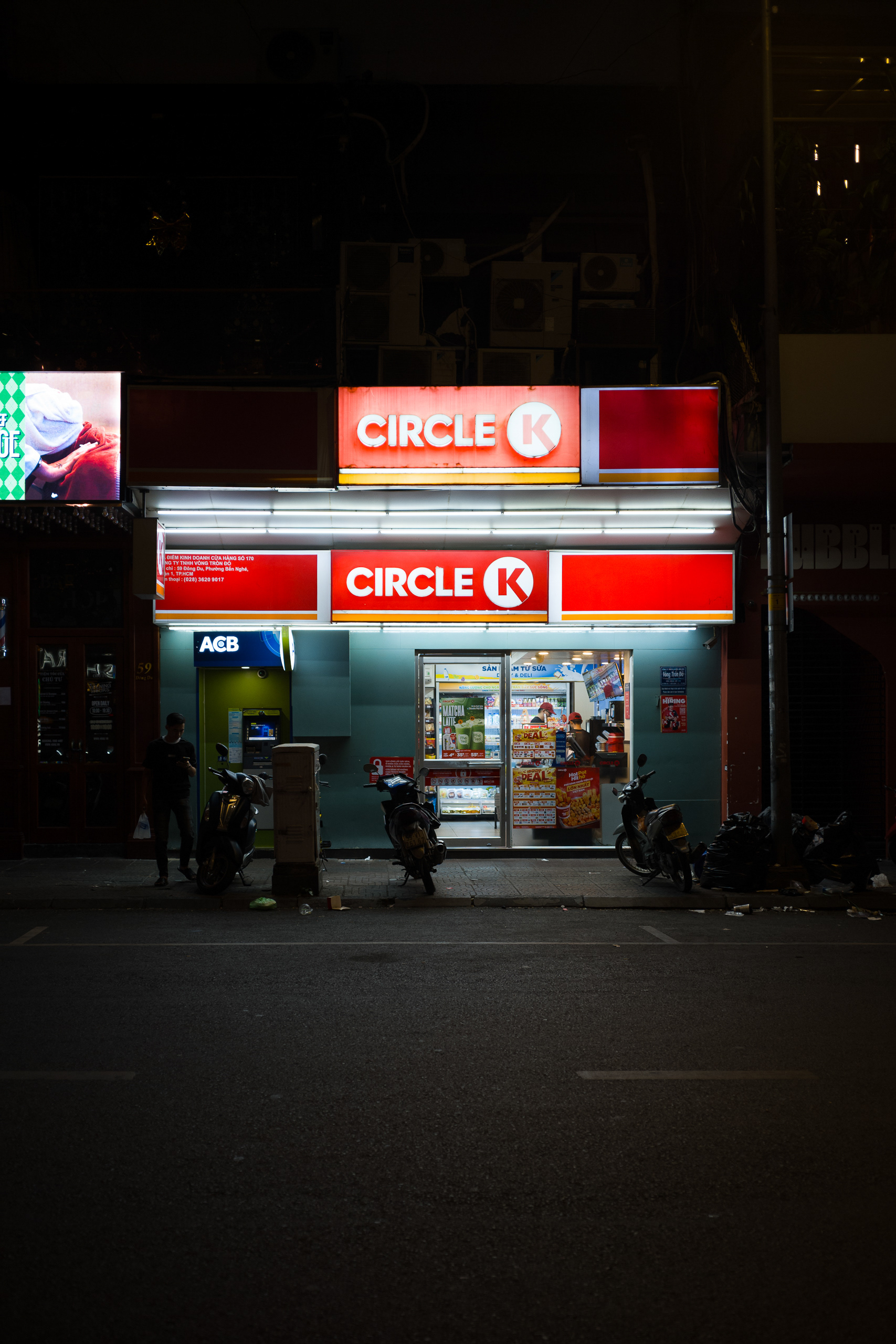
Leica M10-P Reporter - Saigon, Vietnam
The M11-P Experience — Brand, Hype and Experience (but first the Tech)
The M11-P, the latest iteration of the Leica M series, was launched in 2022. That same year, Fujifilm launched the X-T5, Sony the A7RV, and Canon the R6 Mark II. It's characterised as a period of well-equipped, capable, and user-friendly cameras — not inexpensive, but not breaking the bank either. Leica sits atop all these as the most expensive but also least technically capable camera of them all.
2025, when I bought this camera, was also a year of serious innovation — the GFX100RF, Sony RX1R III, Sigma BF, Hasselblad X2Dii, and more. But you don't buy a Leica M for its tech specs. You buy it for the experience. Except when the tech gets in the way of that experience. Which, as you'll see, it does.
What's Working (Mostly)
Live View & Focusing: A Missed Opportunity
The LCD is fine. Live view, however, is not. Unfortunately, the refresh rate and detail of the live view screen mean it's incredibly difficult to assess whether an image is in critical focus. I would go as far as to say that when you need to assess critical focus, the live view and digital focusing tools actually *hinder* the ability to focus. It's less the hardware and more the poor implementation of this, which also impacts the Visoflex 2 EVF attachment (rendering it less than useful for the cost).
The Battery Life
Is outstanding. It's not unusual to take 500–600 frames per battery. A large part of this is due to a shift in shooting style, which I'd started to adopt since the X-Pro2 days of not chimping after every shot.
The USB-C Charging
Coming from any other modern camera, this is perhaps considered absolutely normal. The placement of the port at the bottom of the camera is awkward, but not a deal breaker. Speed is acceptable.
The Leica Fotos App and WiFi Speed
Actually, this is a revelation. Coming from modern Fujifilm and Sony experiences, the speed and ability to transfer 60MP files is astonishing. Once transferred, you can apply a selection of Leica colour profiles — my favourites being Leica Chrome and Vivid. However, you cannot apply these Leica colour profiles in-camera on the M11-P like you can on more modern Leica cameras. Apparently, the Maestro processing unit is too old — old, considering the camera is actually not that old.
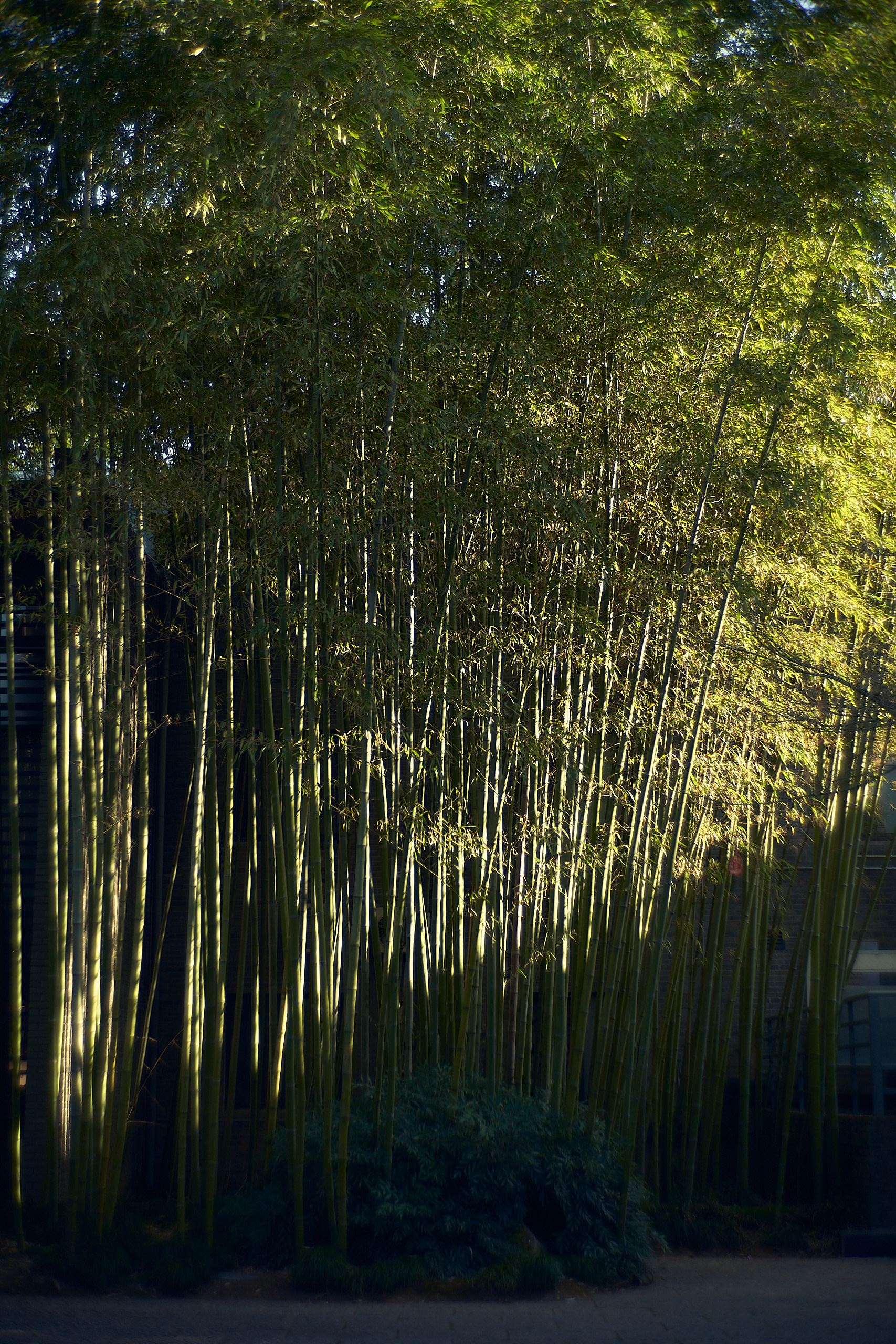
Leica M10-P Reporter - Hangzhou, China

Leica M10-P Reporter - Hangzhou, China

Leica M10-P Reporter - Hangzhou, China
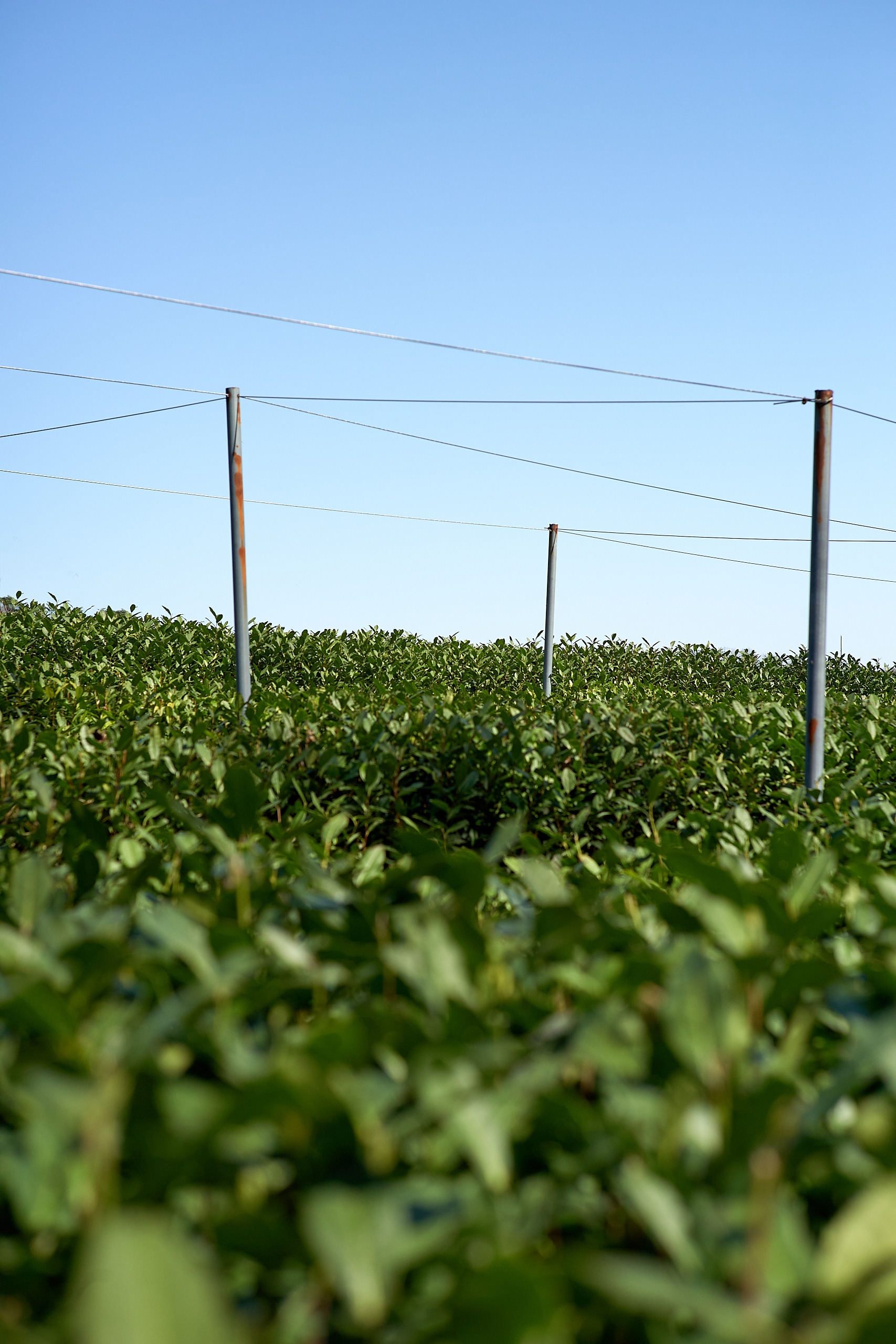
Leica M10-P Reporter - Hangzhou, China
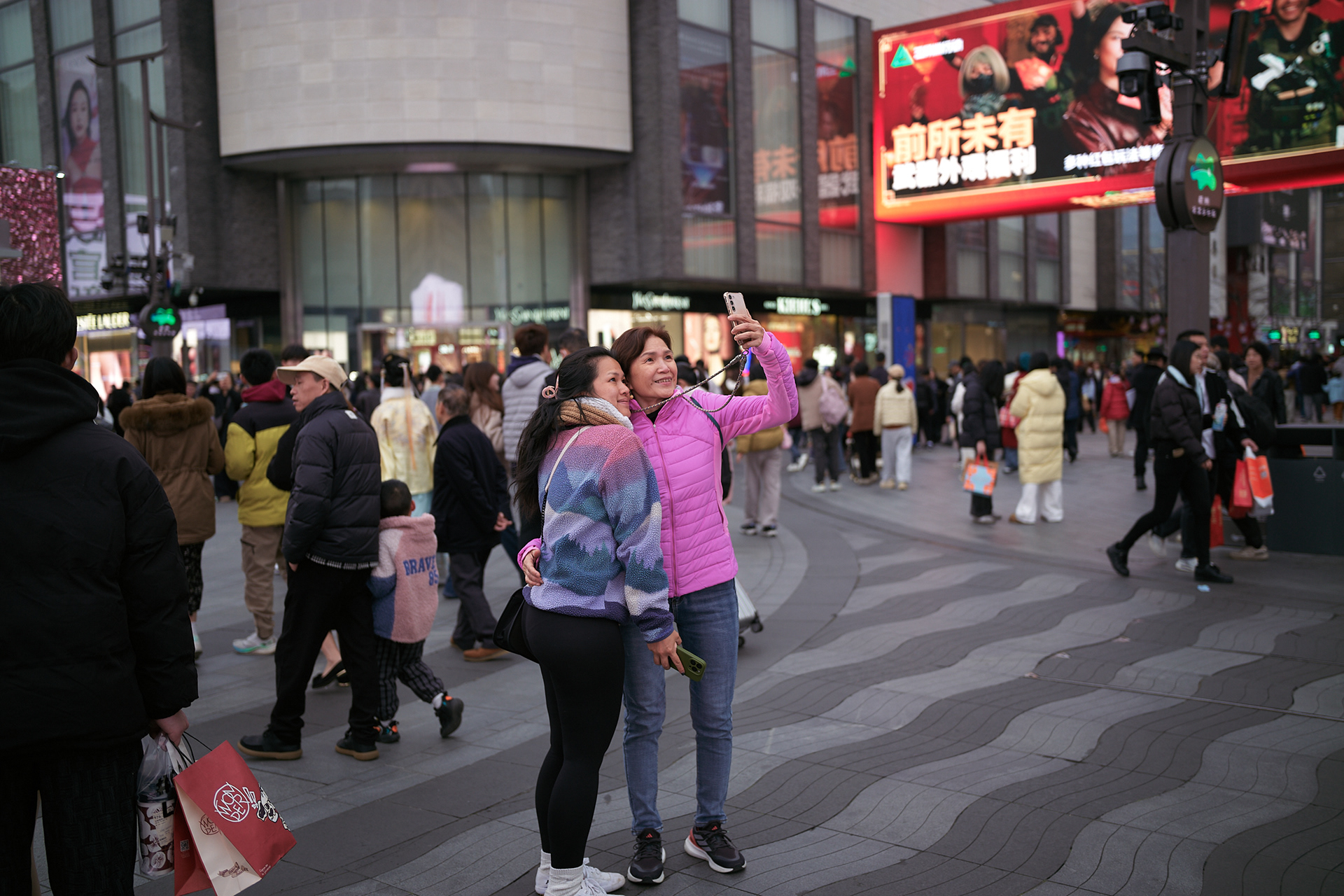
Leica M10-P Reporter - Hangzhou, China
What Didn't — Startup Lag, Sony Sensor Colours, and Editing Burden
The 60MP Sony Sensor
I didn't know the M11-P was using a Sony sensor. To be honest, it never crossed my mind to look into it. I only found out a couple of months into ownership when I posted an observation to Threads that I was finding shooting and editing the M11-P eerily similar to when I owned a Sony A7R series camera. A commentator enlightened me that's because they both use the same exact sensor. Not a similar one, not a bespoke Leica one made by Sony. Nope, it was the *exact* same stock sensor found in Sony cameras.
This was both a good and worrying revelation. Good in that I now knew how to best edit these files, given my extensive experience editing Sony RAWs. Worrying in that I had sold out of the Sony system precisely because I did not enjoy the colours and editing process of the Sony. The sensor was technically as good as anything else out there, but getting decent colours and looks from these files requires extensive editing of every single image. The reason I enjoyed the Fujifilm system so much for so many years is because I only needed to edit the images that I *wanted* to, not that I *needed* to.
The ability to shoot at 18MP, 36MP, and 60MP was useful, but I found I shot at 18MP about 90% of the time. Unless I was sure I needed the resolution, it just seemed like too much hassle for not a lot of reward. Objectively, there is nothing wrong with the images coming out of the M11-P. They're technically great — low noise, sharp, shadows preserved — but they were also flat, boring even, and required work in editing.
The Metering
Metering works as expected if you're coming from other modern cameras. That's not the reason I have a section here, however. The reason requires a bit of history of how previous generation M cameras metered.
The M11-P meters off the sensor. This is nothing new — all mirrorless cameras do this, and for the vast majority of people not used to shooting an M, it's an insignificant point. The reason this is important for the Leica M11-P is to do with the shutter curtain and its actions. You see, I didn't realise until much later in my M ownership that past generations of M cameras (M10, M9, M8) all metered off the shutter curtain, which are coloured in neutral grey and white for this purpose. The implications are that metering in the M11-P is vastly superior to metering in past cameras — but at a cost. The cost is the start-up time required before the camera can be used.

Leica M10-P Reporter with white and grey shutter curtain vs M11-P with fully black shutter curtain
The Operating Speed (Before Shooting)
Upon turning the camera on, the M11-P takes an inordinate amount of time to 'wake' before being able to fire the first shot. For a camera released in 2022 and at this cost, it is objectively unreasonable. The reason is that the shutter curtain needs to first open, then the sensor initialises (as far as we know), then the camera is ready to shoot. This takes many seconds. So many times I find myself waiting, camera to my eye, waiting to take a shot — by which time the moving scene I intended to capture has changed, life moving on. This was infuriating the more I used the M11-P for street style and candid friends-and-family photography.
I remember standing on a busy street corner, a street performer starting their act. I raised the M11-P, pressed the shutter to wake it, and waited. And waited. By the time the camera was ready, the moment was over. Applause, then nothing. That happened weekly.
For non-M11-P users, the obvious argument is to keep the camera on standby. But the reality is that once the camera goes to standby mode, the shutter closes, and waking from standby goes through the same process. It's not quicker. I still miss shots. The only option is to deal with it, or never allow the camera to sleep. Neither is agreeable to me, and I'm not clear why so many people choose to deal with it. I later understood why many long-term Leica users and aficionados maintain that the 'last great Leica' is the M10-R.

Leica M10-P Reporter - Hangzhou, China

Leica M10-P Reporter - Hangzhou, China

Leica M10-P Reporter - Hangzhou, China
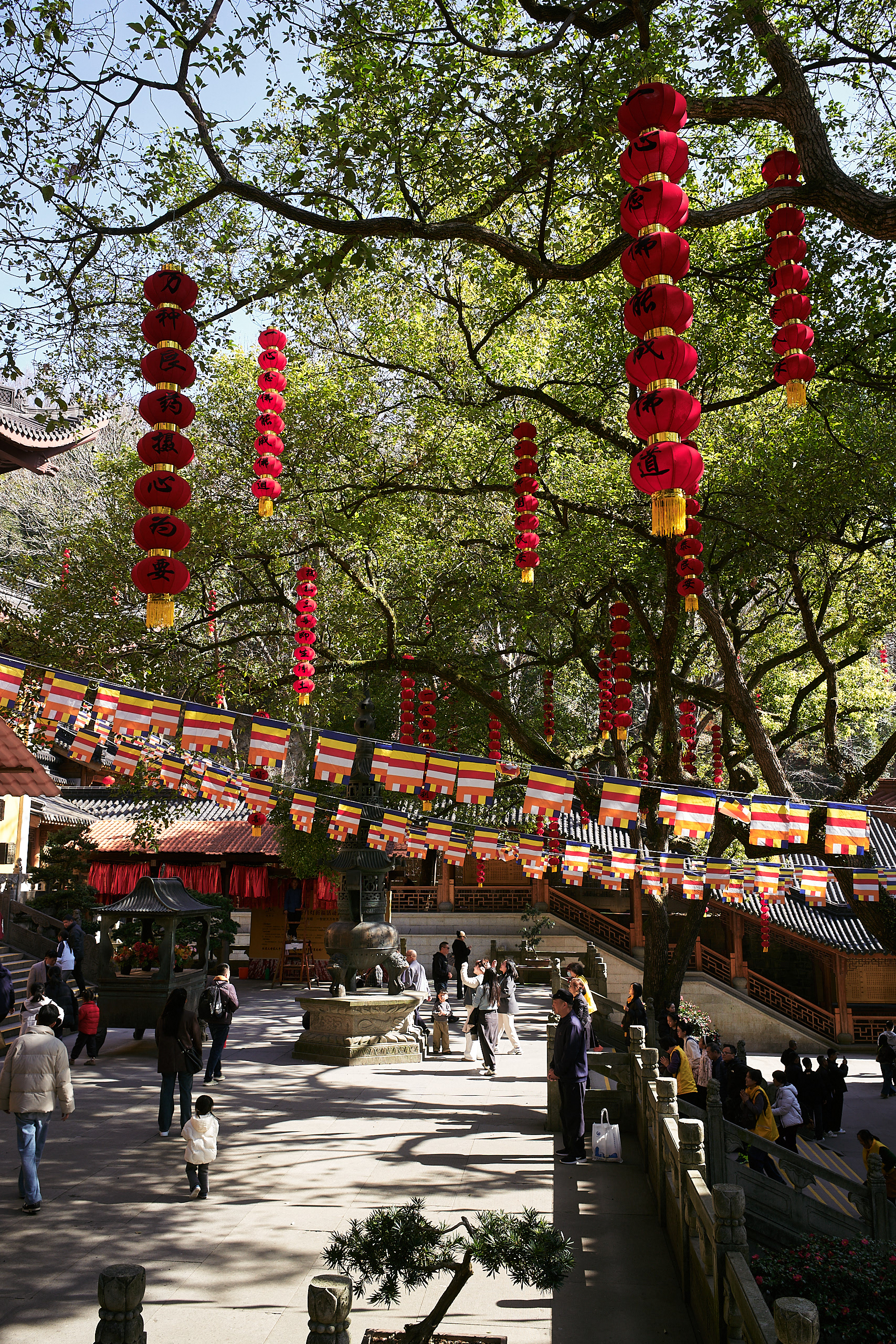
Leica M10-P Reporter - Hangzhou, China

Leica M10-P Reporter - Hangzhou, China

Leica M10-P Reporter - Hangzhou, China
The Experience and The Slow-Burn Realization
If it weren't for the shooting experience, the above would not be enticing enough for me to keep shooting an M11-P — especially the issues with the Sony sensor colours and slow operation speed. I would say I put up with these for 6–9 months because I found the M11-P enjoyable to use. Similar to the X-Pro2, it made me want to pick it up and shoot.
The experience, for me, lay with both the look and feel in use. Firstly, the camera looks great — simple, clean, modern with a historic link to the past. It looks like a tool to be used and as jewellery to be seen with. It's solid, beautifully made, and sold in stores and boxed as a luxury item. It *is* a luxury item, and it feels it. I want to pick it up. Some may want to baby it (perhaps because it costs the same as an entry-level car); I have no qualms about using it as intended.
The rangefinder experience and small manual focus lens is the key experience and one which has kept me in the Leica M ecosystem. This is the core of an M. Did it change the way I shoot? Yes, clearly. I wanted to bring it with me everywhere, every day. It was no longer a camera to be used for photoshoots, but a camera used to capture mundane life — which is absolutely fine, because it turned away from 'having to get the shot' to enjoying the process as an everyday carry camera.
Could it be used as an intentional photography purpose camera — think landscape, portraits, still life, travel? Of course. But it married particularly well to lifestyle — walking the dogs, a day in town, lunch with friends. I'd never really shot street photography before, but I started in earnest once I had the M11-P. Was it the M camera or the M camera influencers on YouTube? Who knows. But it meant I was using this in many more situations than ever before. The problem, however, was that the speed of the camera operation could not keep up with the pace of life — and it was starting to annoy me.
Another annoyance was the need to edit every single photo. An inordinate amount of time trying to develop presets in Adobe Lightroom, getting close but only in decent light, was starting to annoy. I was starting to lose interest in editing, then started to lose interest in picking up the M11-P. For all the small positives, they couldn't overcome the two large negatives — the sensor colours and speed of operations.
So what…?
After nine months or so, after reading up more on Leica history and user feedback, I started down a rabbit hole of past M generation cameras. Long story short, I found a cheap M8 and on a whim, picked one up. At that price, putting it back on the market would mean little to no cost impact. I wrote a review on the M8 elsewhere, but suffice to say, I started gravitating toward picking up the M8 over the M11-P.
At month eleven, and after more rabbit hole research, I decided that the general consensus of the M10 and M10-R as the last great Leica M cameras must have some element of truth to it. So I decided to try an M10-P (after deciding not to pick up an M9). I have not picked up the M11-P since. If I'm going out, it's either the M10-P, the M8, or both. The M11-P is a very expensive paperweight right now.
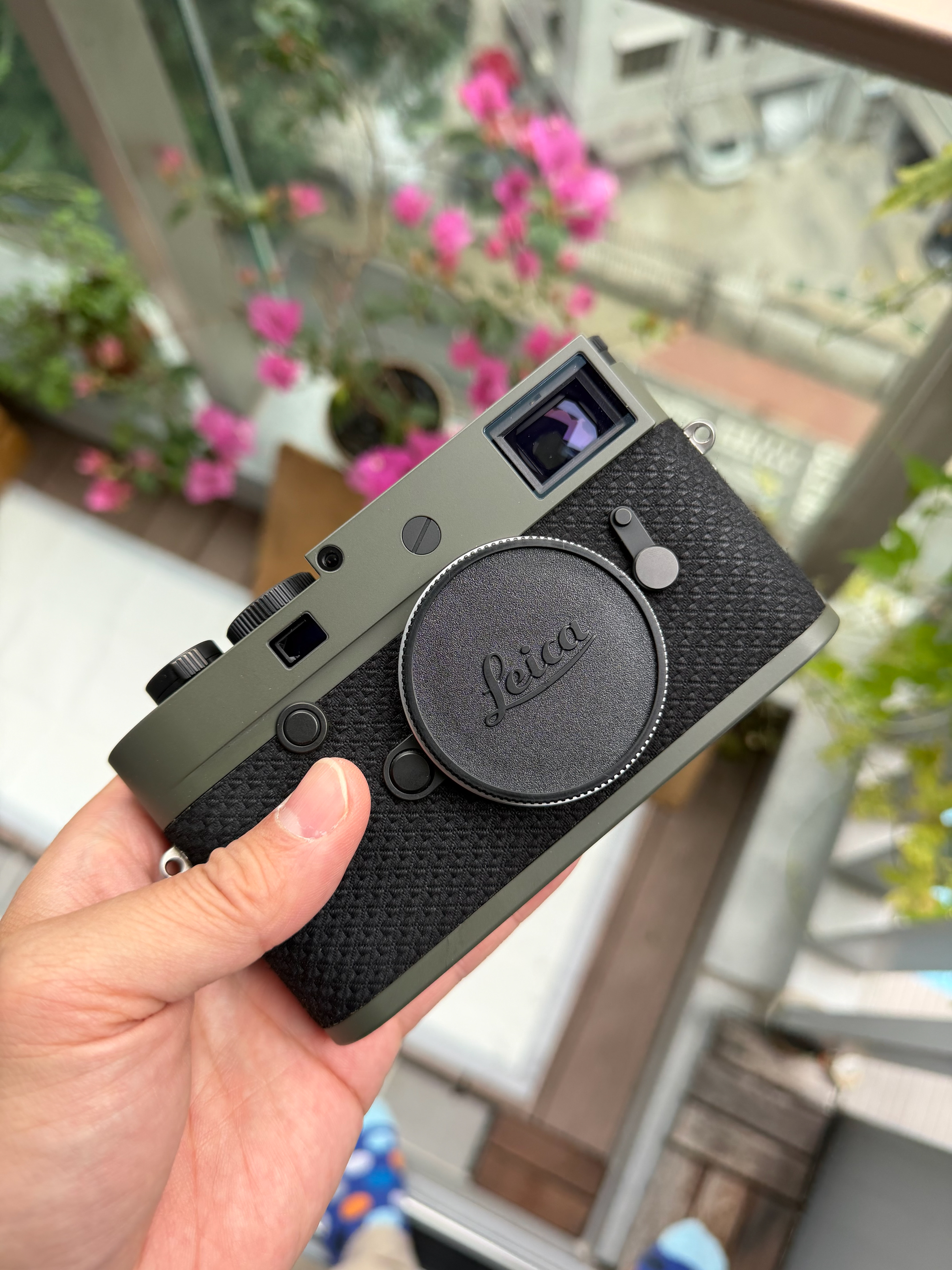
Leica M10-P Reporter Edition
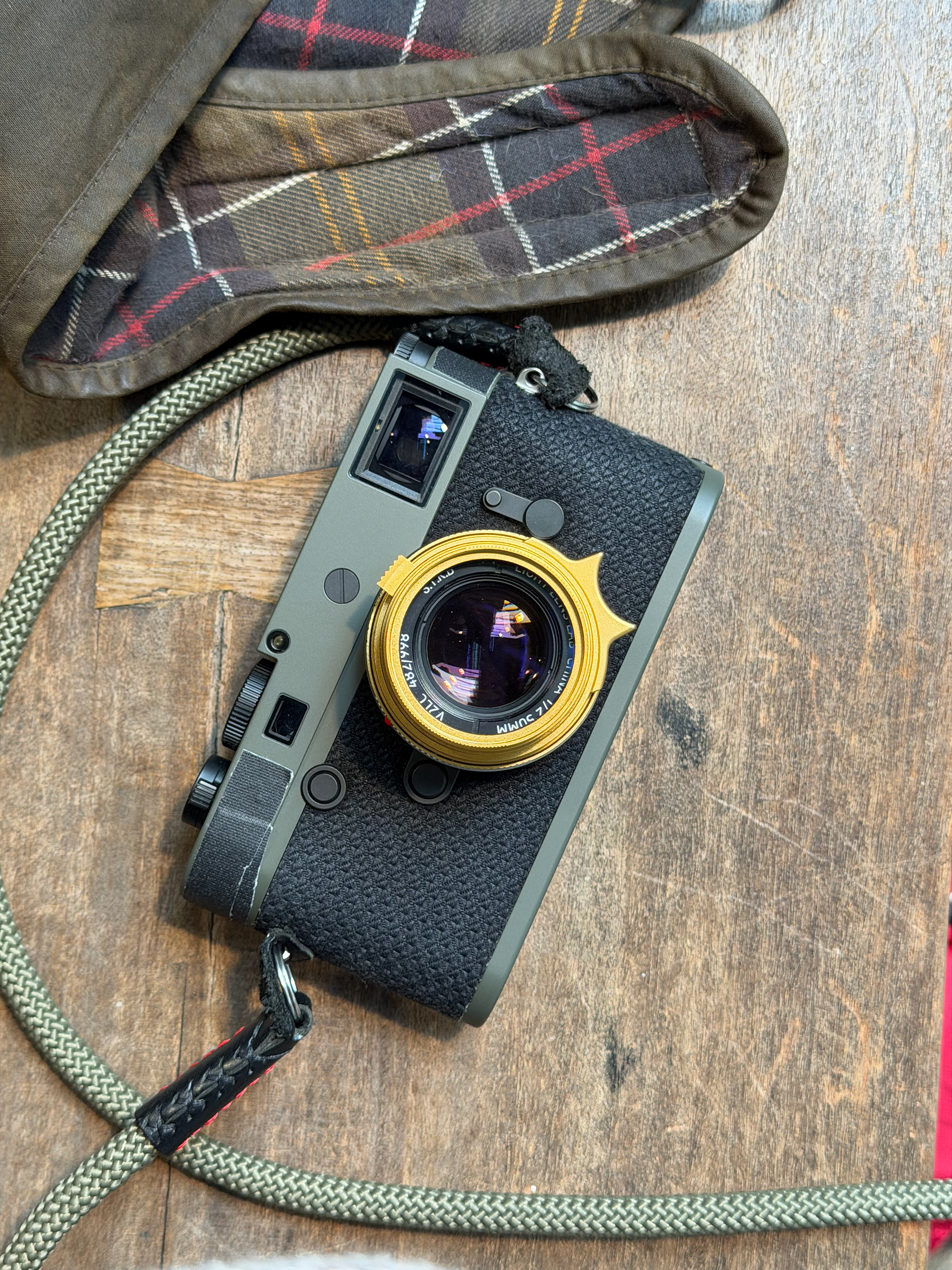
Leica M10-P Reporter Edition + Light Lens Lab 50mm F/2 "Elcan"
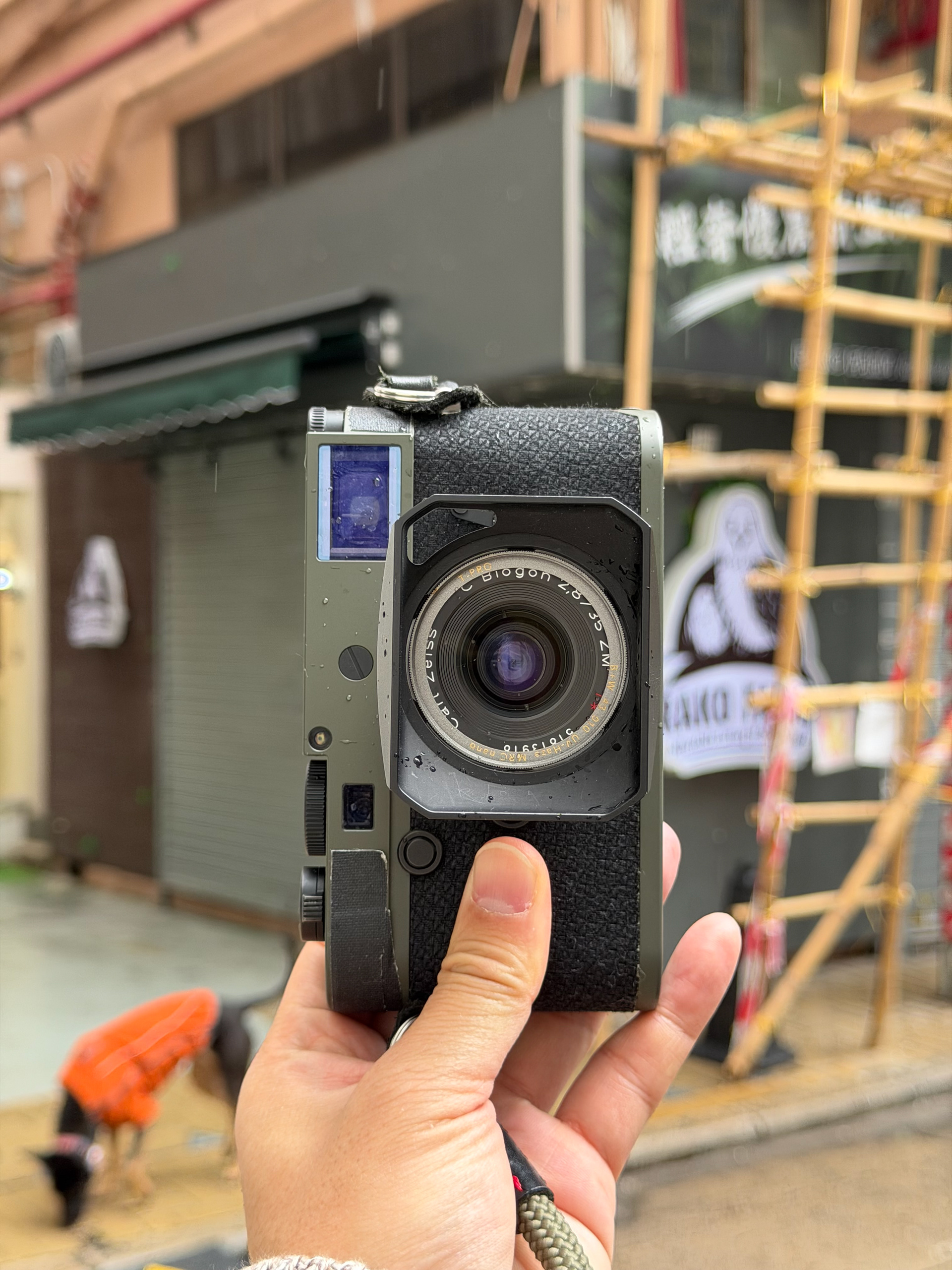
Leica M10-P Reporter Edition + Zeiss C Biogon 35mm F/2
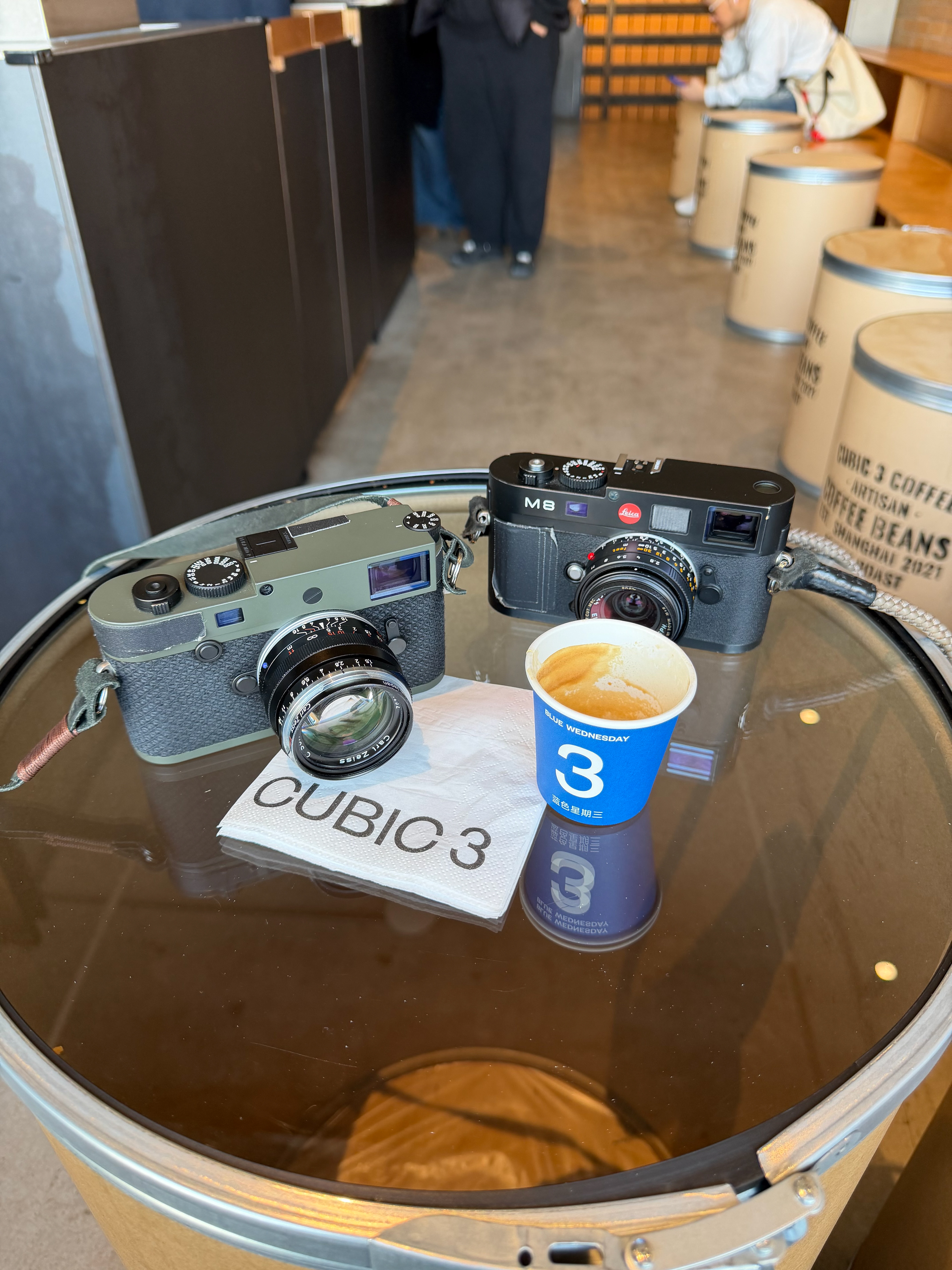
Leica M10-P Reporter Edition + Zeiss C Sonnar 50mm F/1.5 + Leica M8 + Leica Elmarit 28mm F/2.8
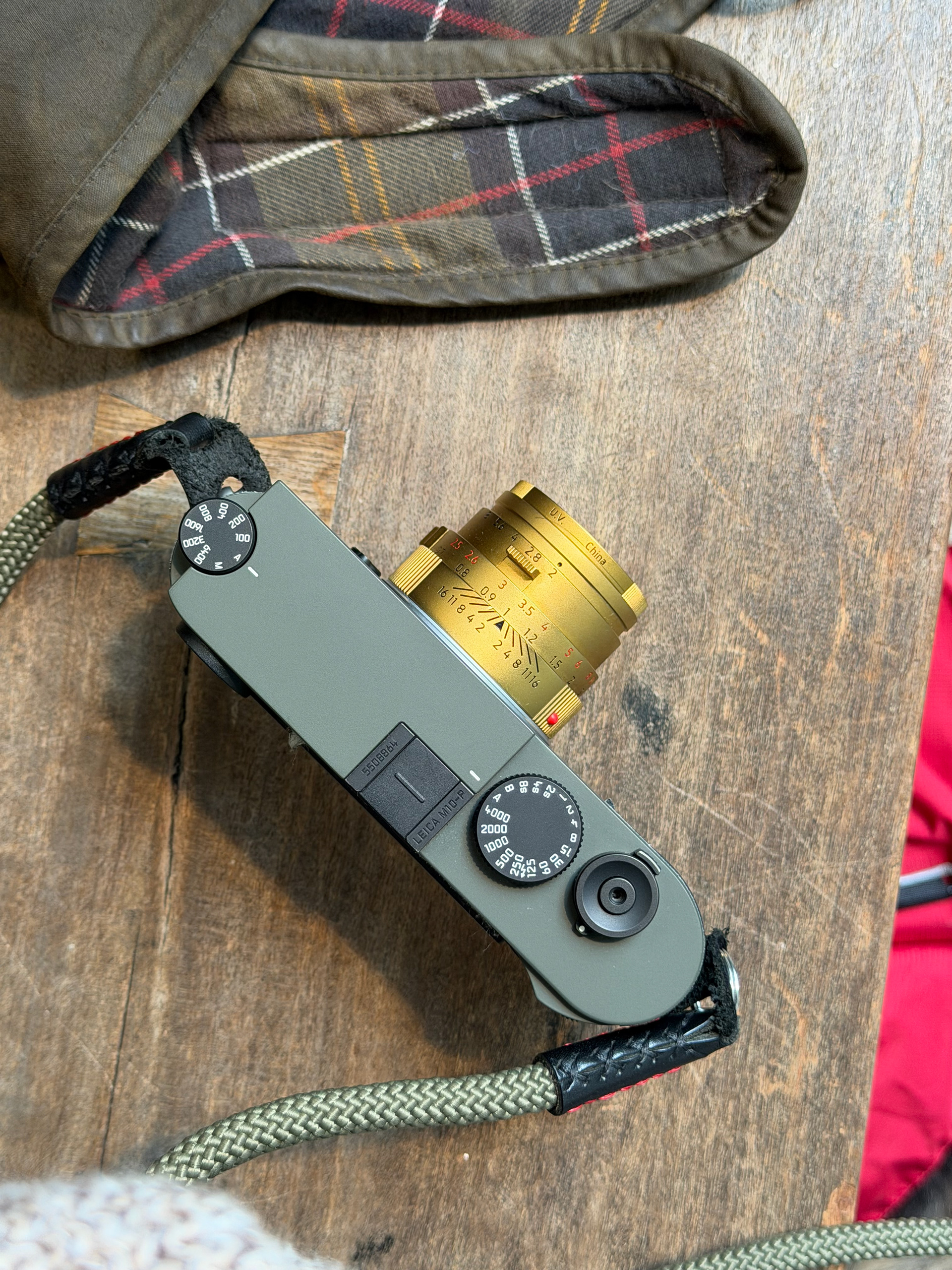
Leica M10-P Reporter Edition + Light Lens Lab 50mm F/2 "Elcan"

Leica M10-P Reporter + APO-Summicron 35mm f/2
Discovering the M10-P Reporter
I didn't know the M10-P Reporter existed. My first experience with this camera was when I was browsing used camera stores for M10 prices and happened to see a green-coloured camera with a fabric coat. It was beautiful, but carried a premium over standard black M10 cameras.
That one wasn't a genuine Reporter — just an end-user modification of a standard M10. I kept thinking about it, eventually finding one fully boxed and biting the bullet. It's a frustratingly beautiful camera, and for the first month, I regretted buying it.
The Truth About The "Leica Look" and "Leica Colours"
The 'Leica Look' is a myth. After shooting the M8, M10-P, M11-P, and SL2-S side by side, I can tell you there's no consistent colour science. What people call the Leica look is actually the M10's limitations — crushed blacks, highlight sensitivity, and underexposure habits — masquerading as character.
You see, a lot of people talk about the Leica Look or Leica Colours online. After using six different Leica models — and owning five — I still don't see any consistent "Leica colours." Every model has different colour rendering with no consistency between them. The M11-P uses a stock Sony sensor, the same as in the Sony A7R. If the M11-P has Leica colours, then so does the Sony.
After using the M10-P for a while, my hypothesis is that what people call the "Leica colour" is nothing more than a quirk and sensor limitation of the M10 — which is the Leica camera that the majority of people have been using for many years. Especially M10 owners who have not upgraded to the M11, new M10 owners who eschewed the M11 to own the 'last great Leica M', and new users who can't afford the cost of entry for a new M11 and 'settled' for an M10 instead.
This is why I felt frustrated and a tinge of regret using the M10-P during the first month or so. This is characterised by poor dynamic range, simplistic metering, and the widely accepted approach of shooting 1/3 to 2/3 stops underexposed. This results in crushed blacks, contrasty scenes — which I have come to see as what is called the Leica colour. The M8, M9, M11-P, and SL2-S do not look like this.
The M10-P, when shot this way, looks closest to what people are calling and building presets for as the 'Leica colour'. I also think not many people have the ability or intention to buy more than one Leica M and shoot them side by side in such a short space of time as I have. From my perspective as a user of multiple generations of Leica cameras, there is no such thing as Leica colour or Leica look.
So no, the Leica look isn't magic. It's just the M10's limitations, romanticised.

Leica M10-P Reporter - China

Leica M10-P Reporter - Hangzhou, China

Leica M10-P Reporter - Hangzhou, China

Leica M10-P Reporter - Hangzhou, China
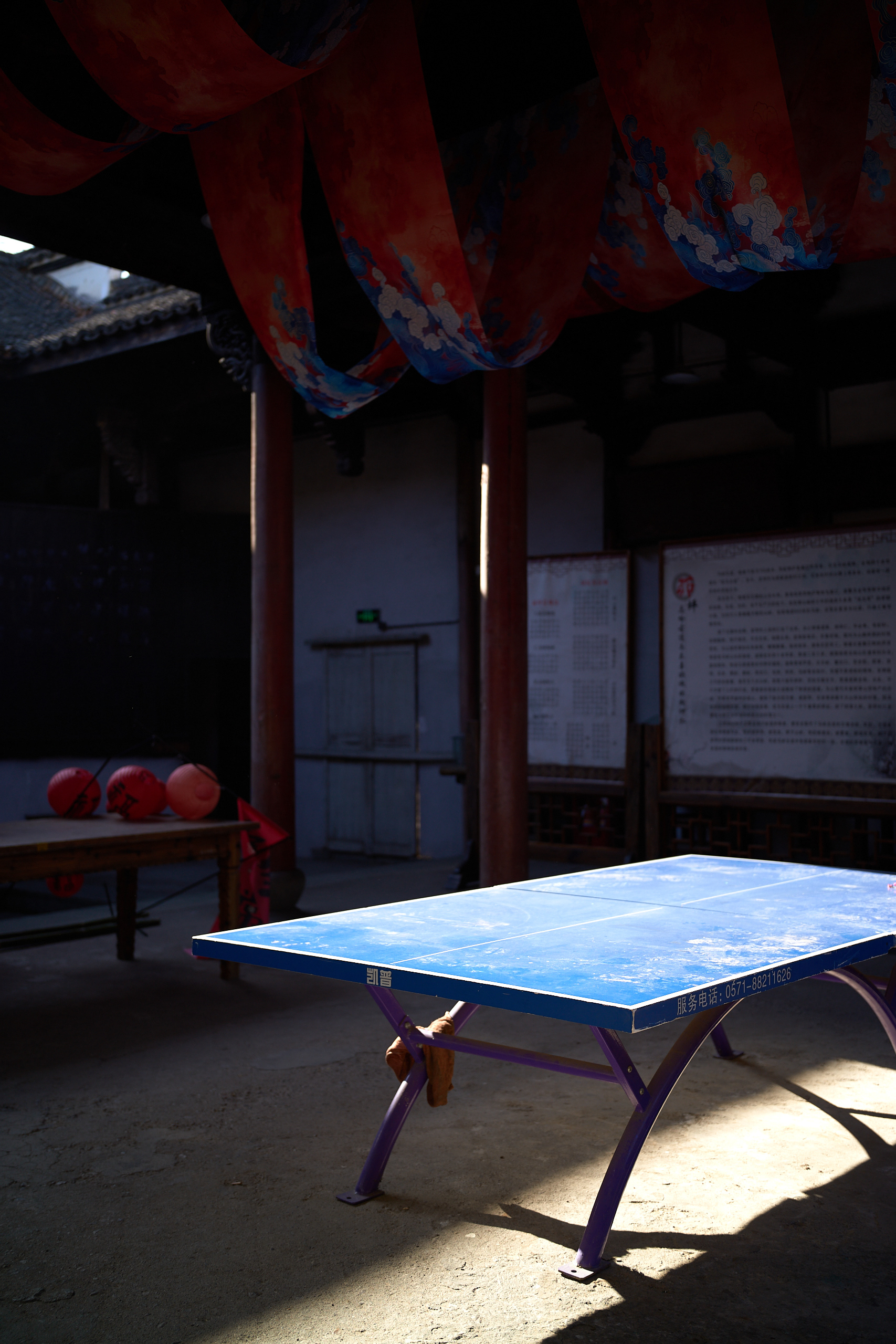
Leica M10-P Reporter - Hangzhou, China

Leica M10-P Reporter - Hangzhou, China

Leica M10-P Reporter - Hangzhou, China

Leica M10-P Reporter - Hangzhou, China

Leica M10-P Reporter - Hangzhou, China

Leica M10-P Reporter - Hangzhou, China
Living with the M10-P (the good, the bad, the workarounds)
The Good
The M10-P colours are... different. Not better than the M8 (my personal favourite for SOOC), and not technically better than the M11's files. But once I learned to shoot within its limits, they required far less editing than the M11-P ever did. The M10-P took a bit of understanding — two things in particular: 1) metering, and 2) highlight preservation. But once I understood this (which required changing the way I shoot), it has largely been a non-issue. In good light, and at night with strong single-point light sources, the colours are fine. Not great. But they require much less editing in post to get where I want compared to the M11-P.
The rest of the experience is the same as the M11-P and M9 — i.e., if you want the rangefinder manual experience, it's great. But the one key factor that really relegates the M11-P to paperweight status is the operating speed.
Honestly, this is the game-changing experience. The ability to pick up the camera and, by the time it's at my eye and I've focused through the rangefinder, take the shot. It's what the M11-P should have been. The reason this is the case is that the M10-P meters off the shutter curtain, so there's no need to open the curtain and initialise the sensor before shooting. When I got the M8 and M10-P, it was clear the M11-P introduced significant friction to the shooting experience. It's a technically superior camera with Sony tech, but Sony don't build good cameras for everyday use — and Leica was supposed to be good in these situations.
The Bad — Where You Have to Learn to Work Around It
Metering — The M10-P has the standard three metering modes you'd expect in any camera (spot, centre-weighted, scene). However, I've come to consider them all to work in essentially the same extremely centre-weighted way. You will blow highlights and under- or over-expose in the beginning. You will have to learn to understand the way the camera works. I eventually learned to meter with a half-press and recompose, the old-fashioned way.
Highlight protection — The M10-P is very sensitive to blowing highlights. If you meter for the highlights to protect them, you will crush blacks, which, as I mentioned before, seems to lend itself to the high-contrast "Leica colour/look" people talk about.
The general consensus on the internet is to underexpose the scene by -1/3 to -2/3 stop, even at night. After a month or two, I've generally accepted this view and have learned to spot meter, recompose, and underexpose as needed without needing to chimp too much. I have actively moved towards more manual control of shutter speed and ISO to counter this in dull and fading light (which, I suppose, is not a bad thing). It is one more thing to remember to do, but it doesn't add as much friction to the shooting experience compared to the slow operations of the M11-P.

Leica M10-P Reporter - Hangzhou, China

Leica M10-P Reporter - Hangzhou, China
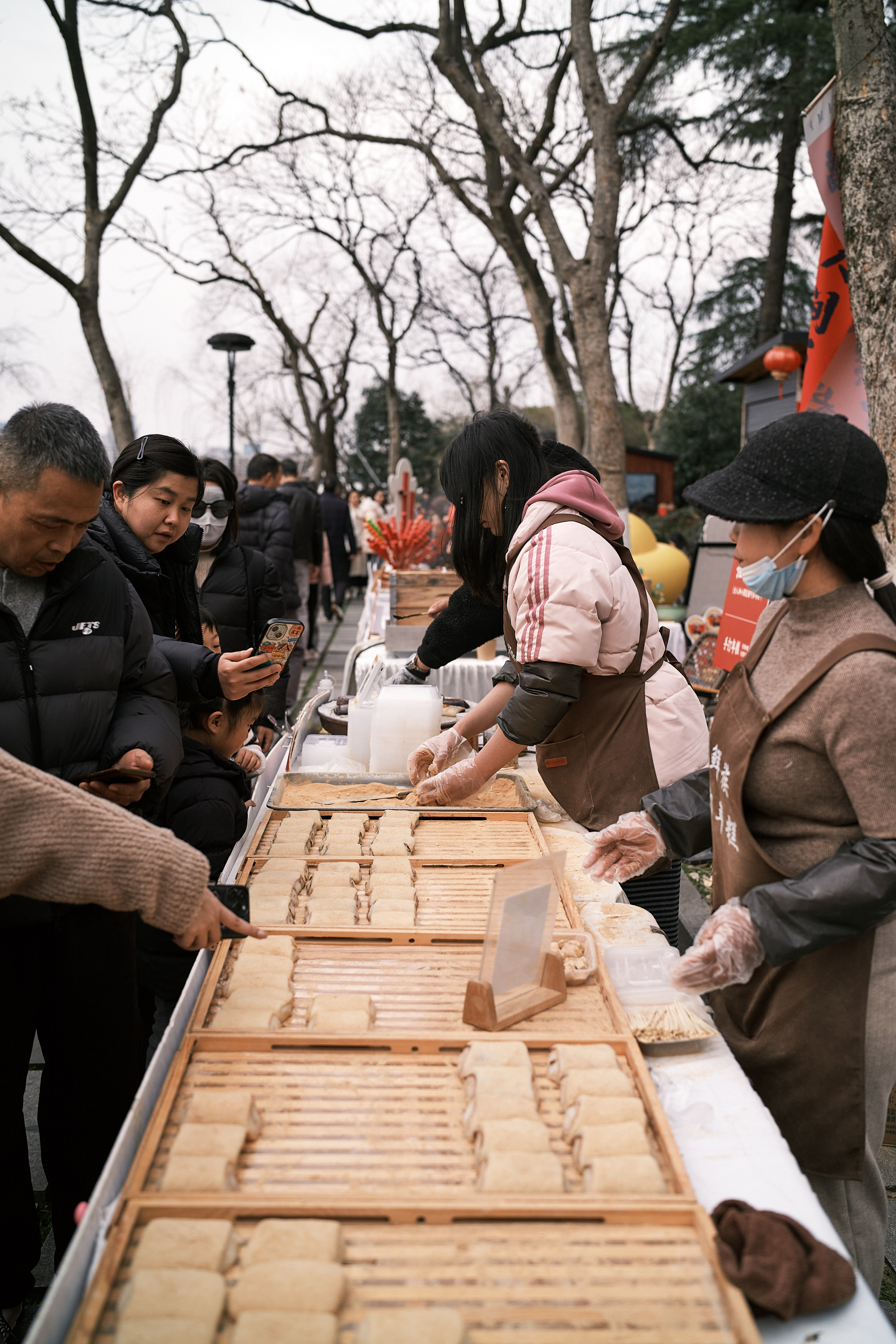
Leica M10-P Reporter - Hangzhou, China

Leica M10-P Reporter - Shanghai, China
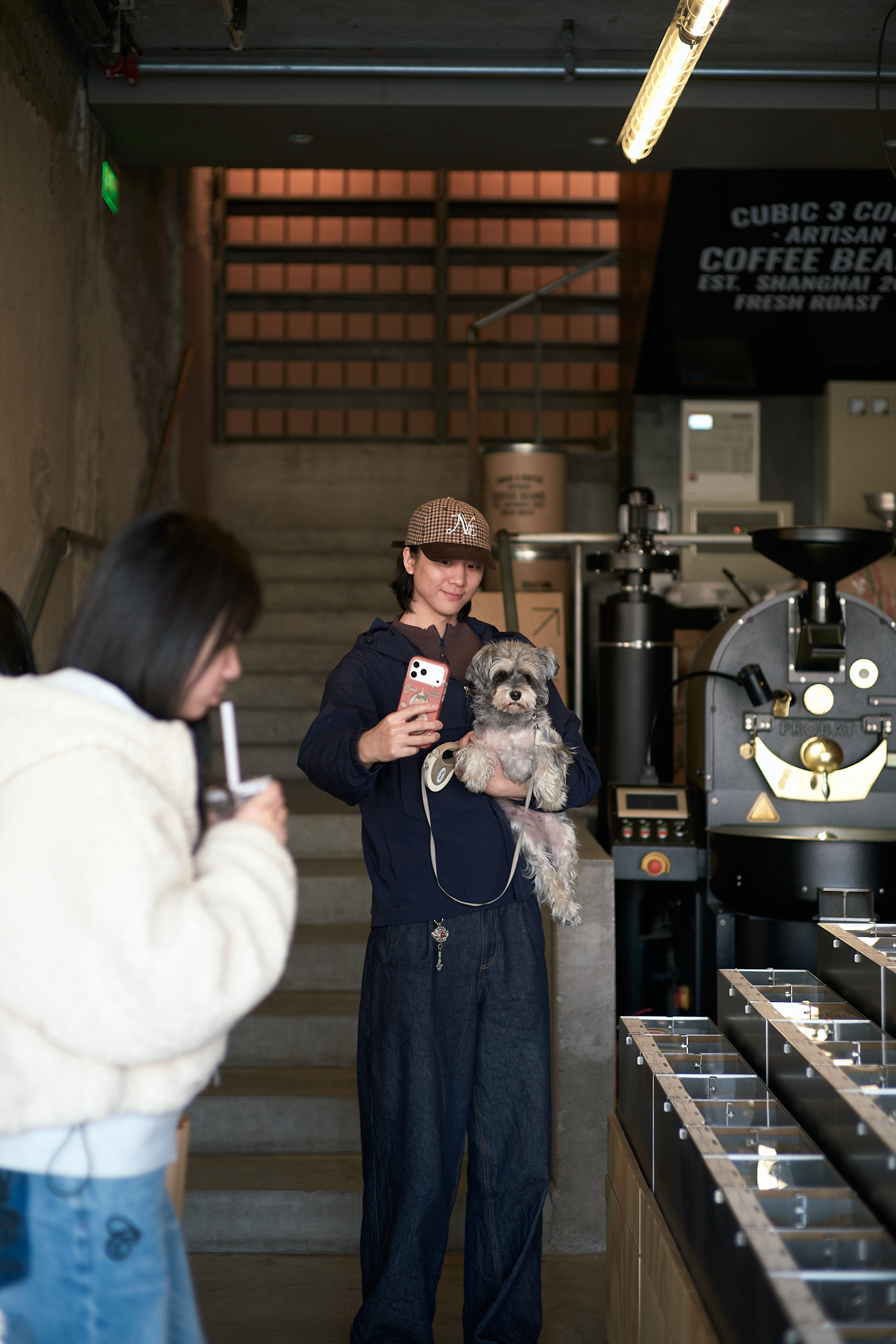
Leica M10-P Reporter - Shanghai, China

Leica M10-P Reporter - Shanghai, China

Japan - Leica M10-P Reporter + Zeiss C Biogon 35mm f/2.8

Japan - Leica M10-P Reporter + Zeiss C Biogon 35mm f/2.8

Japan - Leica M10-P Reporter + Zeiss C Biogon 35mm f/2.8

Japan - Leica M10-P Reporter + Zeiss C Biogon 35mm f/2.8
The Differences with the M11-P
Battery life is better than expected after having read reports online about poor battery life. It was something I was concerned about, and I have three batteries with me at considerable cost. However, on two separate occasions, I've shot a full day of 500 shots on one battery — that's on par (realistically slightly below) the M11-P, a camera which is considered to have the best battery life. I actually attribute this not to camera and battery tech, but to the fact that with the above-mentioned metering and risk of blowing highlights, people tend to chimp more using the LCD screen. After a month or so, when I was more confident using the M10-P, I largely stopped needing to chimp so much and the battery life significantly improved.
The Things Worse Than the M11-P (But Largely Insignificant)
The LCD screen, live view, and focusing are essentially the same as the M11-P (obviously better than the M8). There is no USB-C charging, so you need to carry the charger — not a deal breaker, but a good point to note. The Leica Fotos app transfer works but at a much slower setup time and transfer speed than the M11-P — again, not a deal breaker.
Would I Do It Again?
All in all, the M10-P is a great camera. If I were to start again with Leica M one year ago, I may have started with the M10-P and skipped the M11-P completely. I suppose that's saying a lot. The essence of the shooting experience remains the same, but the operational speed — both when shooting and in post — reduces so much friction that it makes the entire M shooting experience more enjoyable. This is the reason I haven't picked up the M11-P since the M10-P arrived.
Should You Buy One?
Should you buy an M11-P?
- If you shoot studio, landscape, or tripod-based work where startup time doesn't matter: It's technically excellent
- If you absolutely need 60MP and modern connectivity: It delivers
- If you don't mind post-processing: Maybe
- If you shoot slowly and deliberately: Consider it
- If you shoot street, candids, or fast-moving life: Absolutely not
- If you shoot studio, landscape, or tripod-based work where startup time doesn't matter: It's technically excellent
- If you absolutely need 60MP and modern connectivity: It delivers
- If you don't mind post-processing: Maybe
- If you shoot slowly and deliberately: Consider it
- If you shoot street, candids, or fast-moving life: Absolutely not
Should you buy an M10-P?
- If you want the rangefinder experience without startup lag: Yes
- If you prefer SOOC colours with minimal editing: Yes, once you learn it
- If you're patient enough to learn its metering quirks: Absolutely
- If you want the rangefinder experience without startup lag: Yes
- If you prefer SOOC colours with minimal editing: Yes, once you learn it
- If you're patient enough to learn its metering quirks: Absolutely
- Also, it's cheaper than the M11-P — although the much-sought-after M10-R is actually more expensive!
And yes — the M10-P Reporter edition absolutely rocks. I hope Leica makes an M12 version. But if they don't? I'm not sure I'd upgrade anyway.

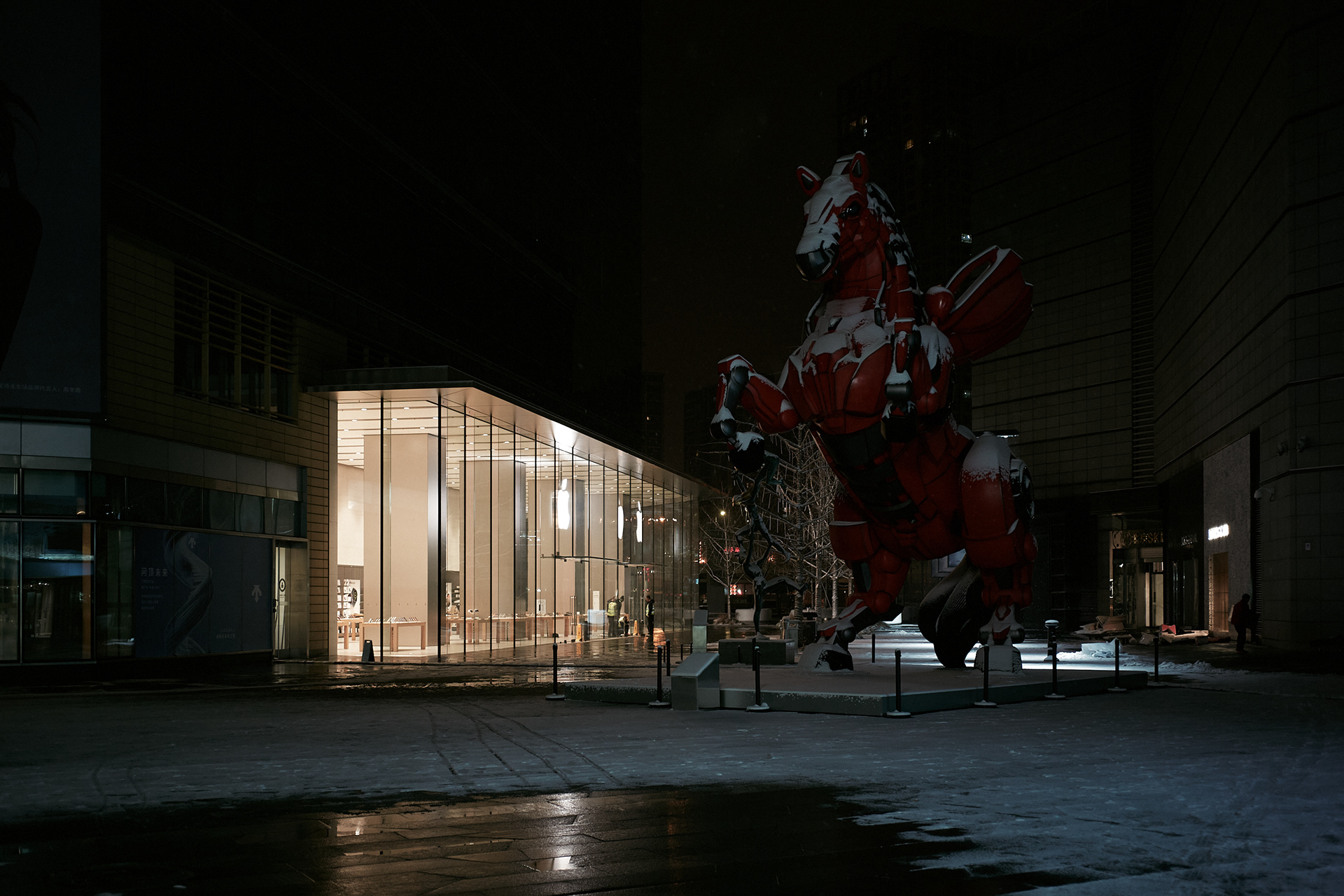

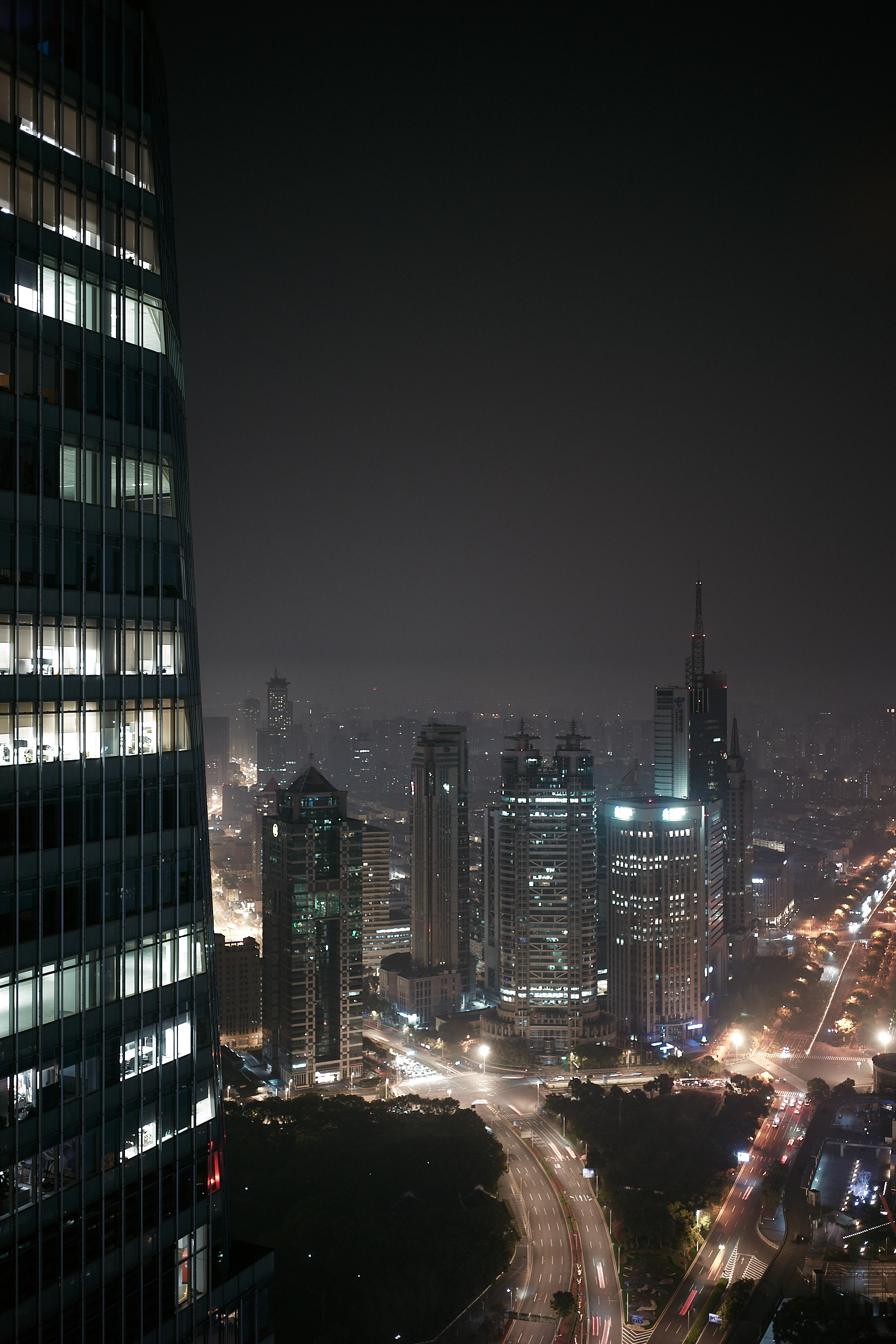


Beijing and Shanghai travel photography with the Leica M10-P Reporter

Hong Kong - Leica M10-P Reporter + Zeiss C Biogon 35mm F/2.8

Hong Kong - Leica M10-P Reporter + Zeiss C Biogon 35mm F/2.8

Hong Kong - Leica M10-P Reporter + Zeiss C Biogon 35mm F/2.8

Hong Kong - Leica M10-P Reporter + Zeiss C Biogon 35mm F/2.8
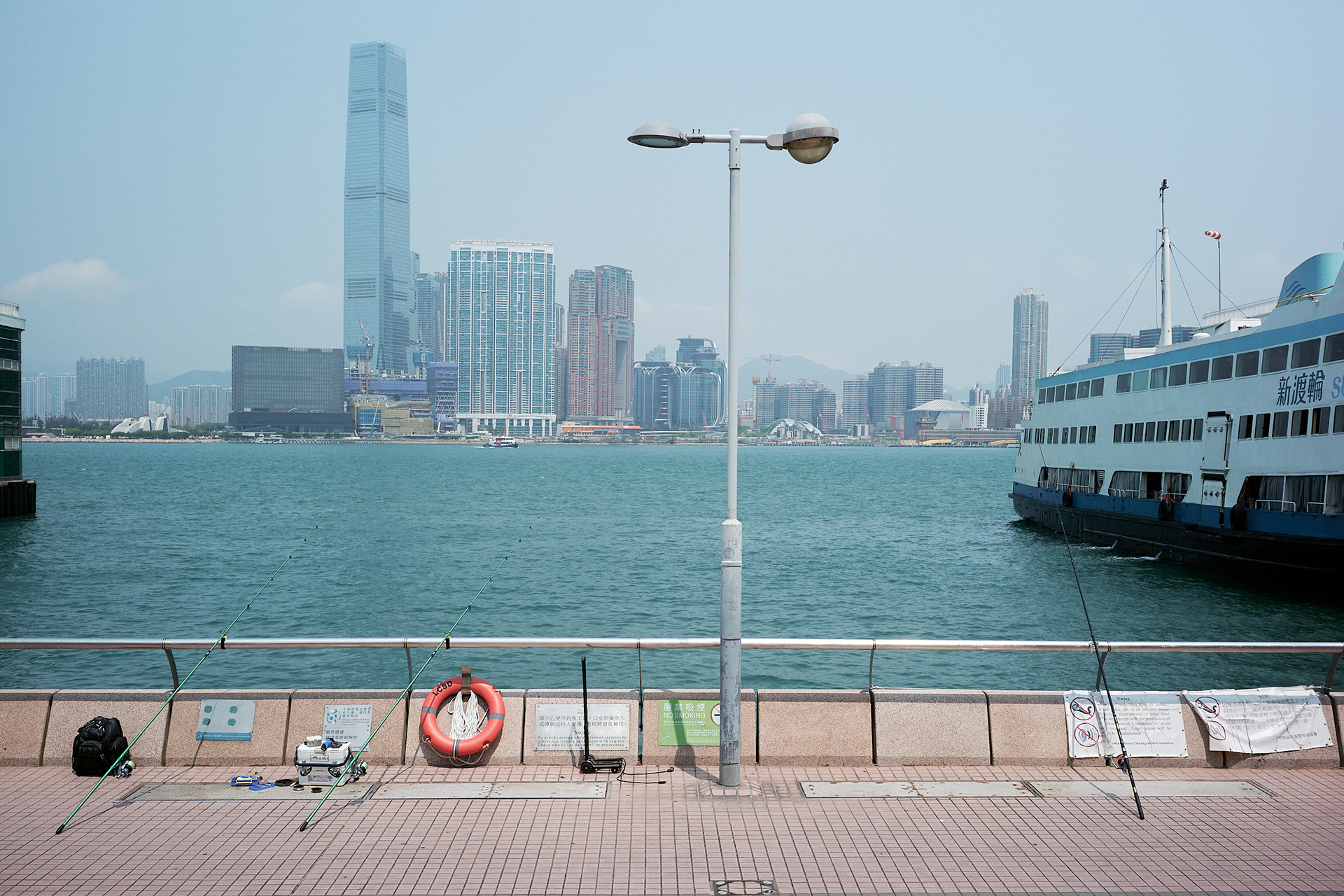
Hong Kong - Leica M10-P Reporter + Zeiss C Biogon 35mm F/2.8
Day out with the dogs, everyday photography with the Leica M10-P Reporter

Chengdu, China - Leica M10-P Reporter + Zeiss C Biogon 35mm f/2.8

Chengdu, China - Leica M10-P Reporter + Zeiss C Biogon 35mm f/2.8

Chengdu, China - Leica M10-P Reporter + Zeiss C Biogon 35mm f/2.8

Chengdu, China - Leica M10-P Reporter + Zeiss C Biogon 35mm f/2.8
Chengdu vibes with the Leica M10-P Reporter
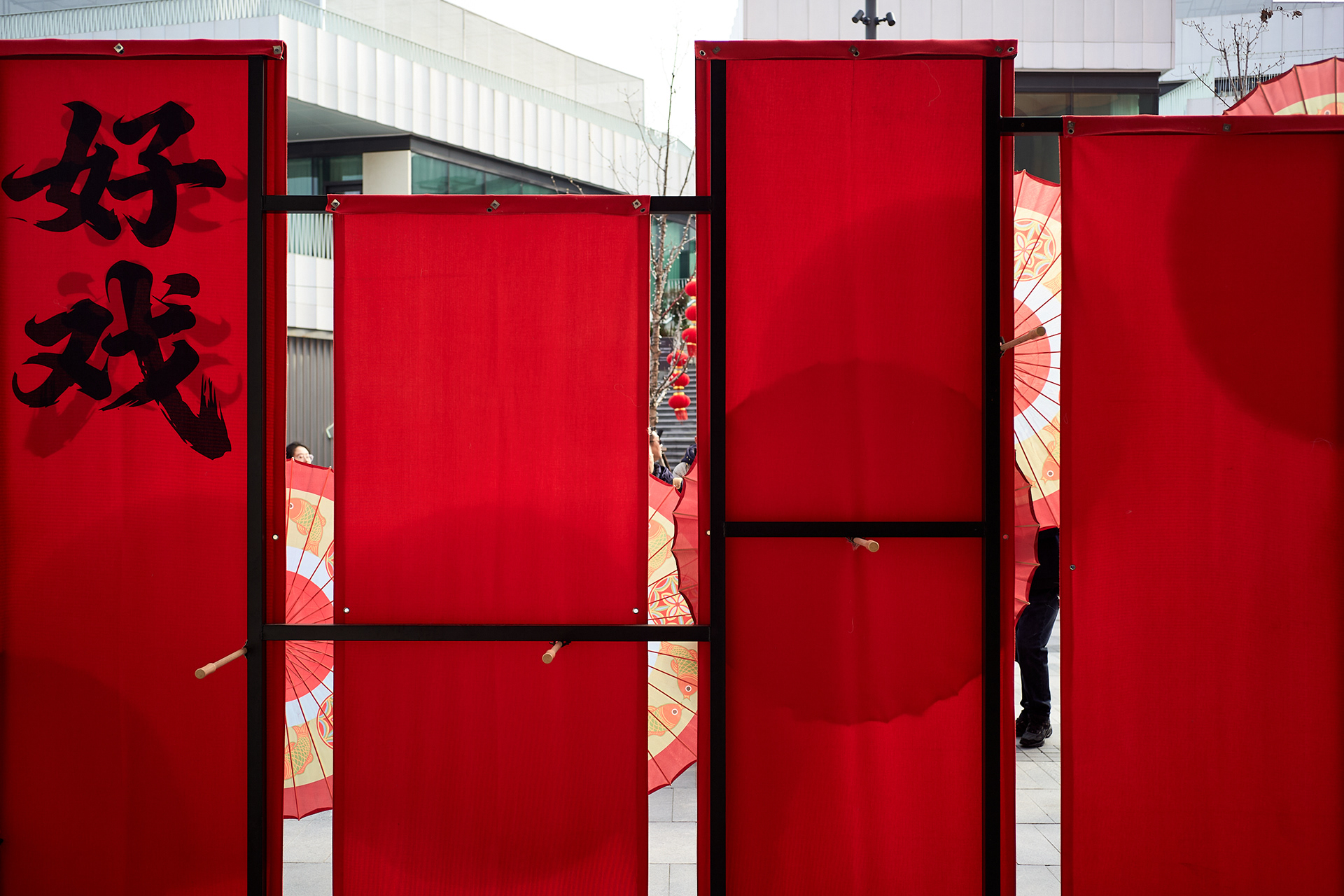
Leica M10-P Reporter - Shanghai, China

Leica M10-P Reporter - Shanghai, China
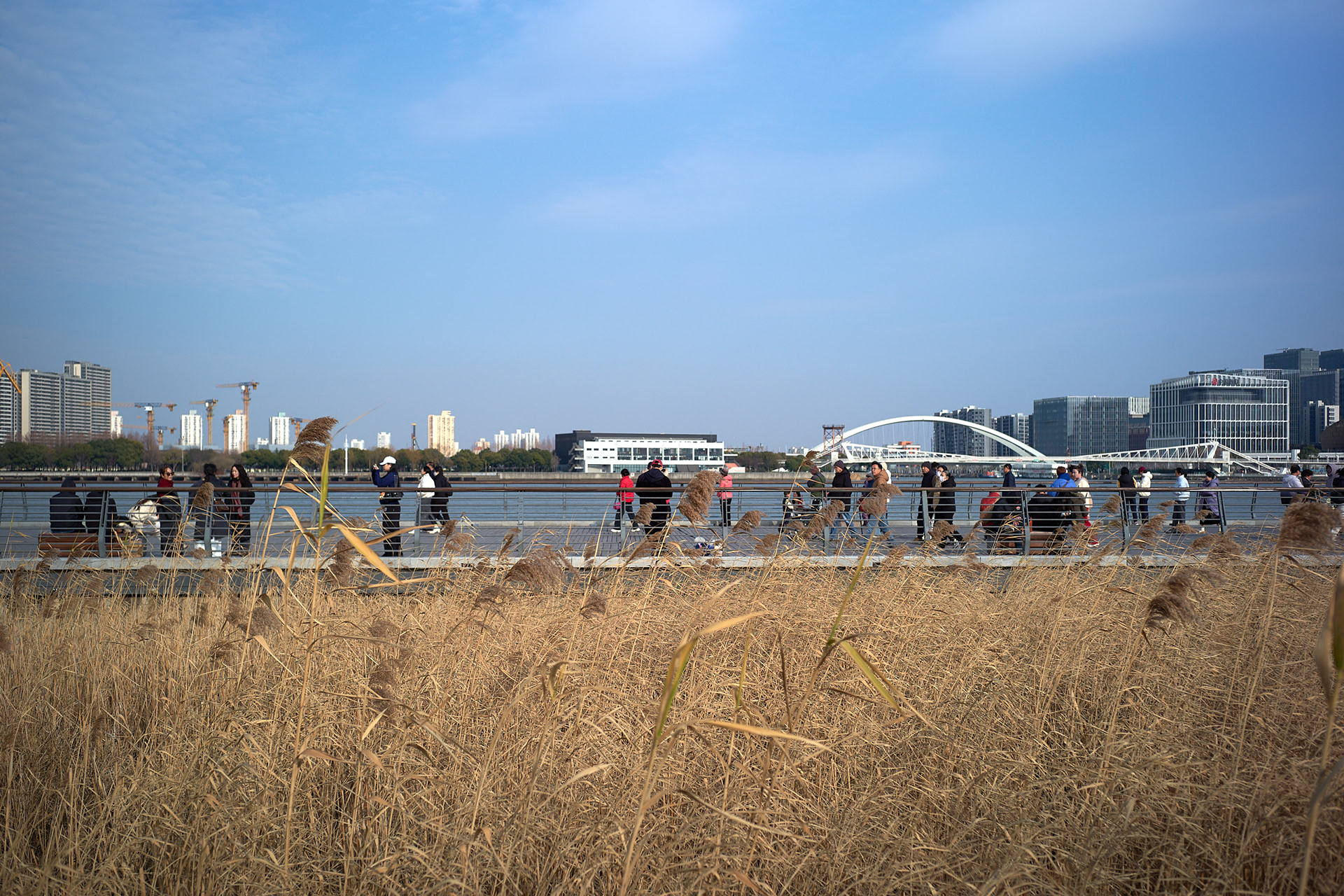
Leica M10-P Reporter - Shanghai, China

Leica M10-P Reporter - Shanghai, China

Leica M10-P Reporter - Shanghai, China

Leica M10-P Reporter - Shanghai, China

Leica M10-P Reporter - Shanghai, China

Leica M10-P Reporter - Shanghai, China
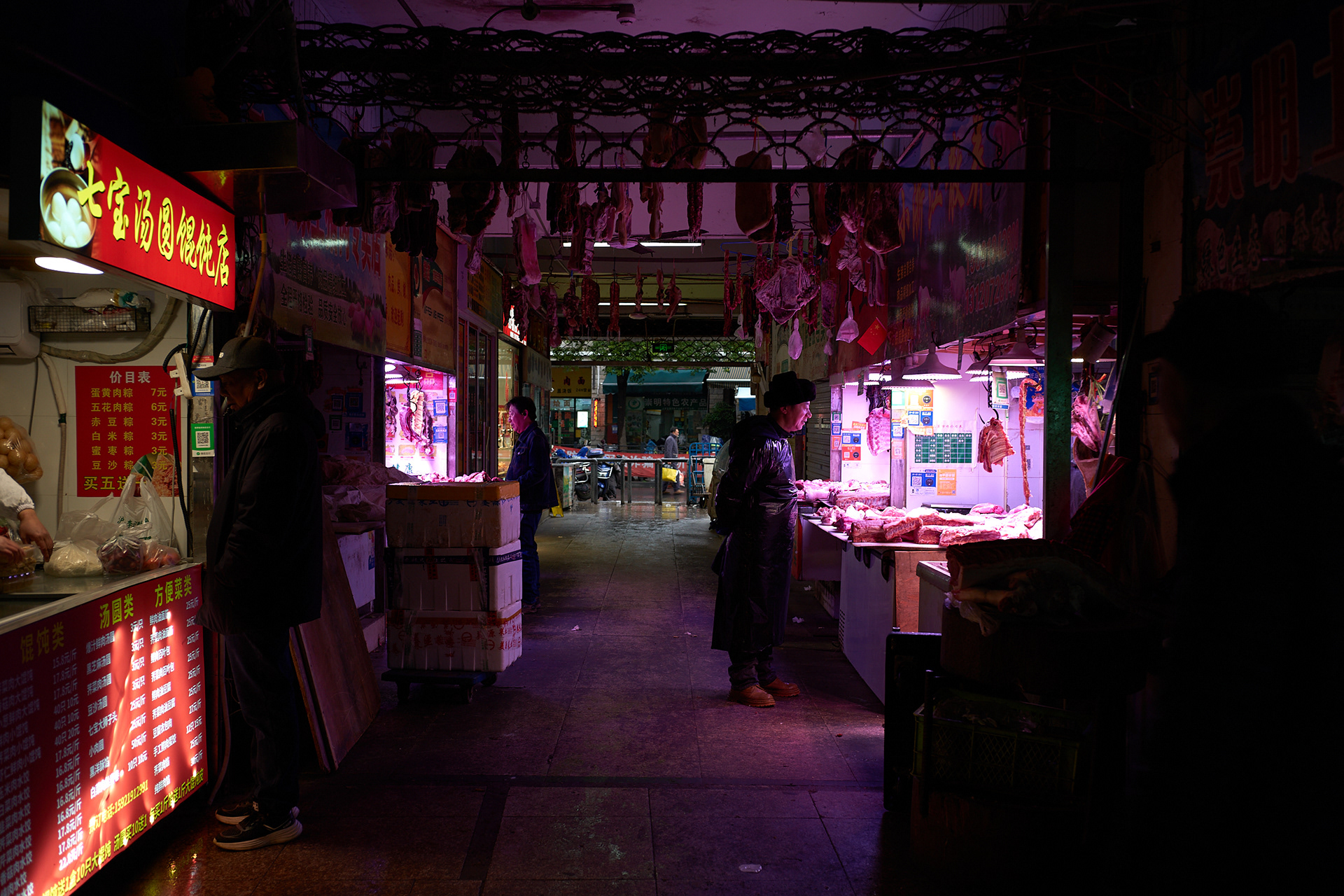
Leica M10-P Reporter - Shanghai, China

Leica M10-P Reporter - Shanghai, China

Leica M10-P Reporter - Hong Kong

Leica M10-P Reporter - Hong Kong

Leica M10-P Reporter - Hong Kong
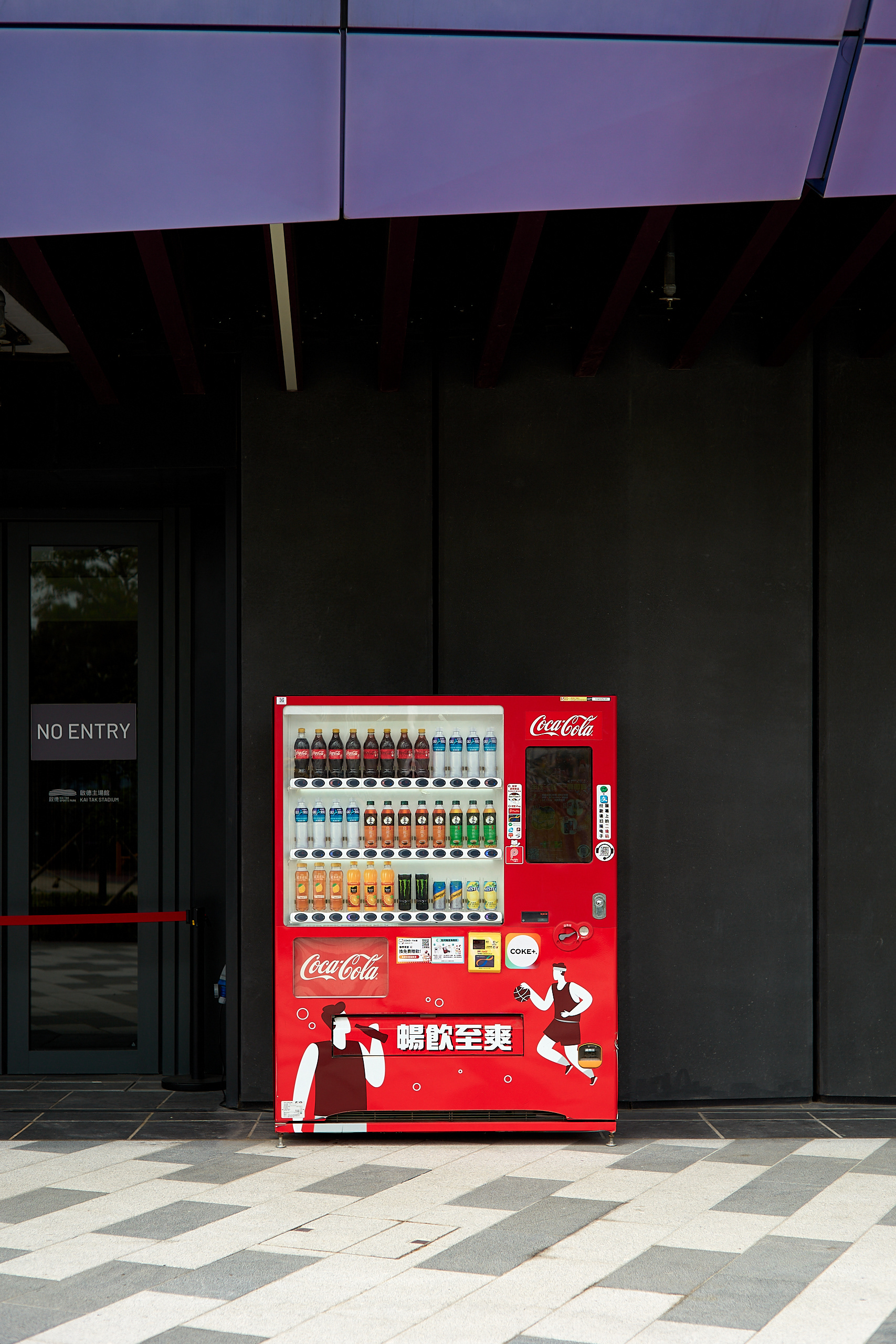
Leica M10-P Reporter - Hong Kong

Leica M10-P Reporter - Hong Kong

Leica M10-P Reporter - Hong Kong

Leica M10-P Reporter - Hong Kong

Leica M10-P Reporter - Hong Kong

Leica M10-P Reporter - Hanoi, Vietnam

Leica M10-P Reporter - in the air between Singapore and Hanoi
Random Hong Kong, Shanghai, Hanoi photographs when using the M10-P Reporter as an EDC

Chengdu, China - Leica M10-P Reporter + Zeiss C Biogon 35mm F/2.8

Chengdu, China - Leica M10-P Reporter + Zeiss C Biogon 35mm F/2.8

Chengdu, China - Leica M10-P Reporter + Leica APO-Summicron 50mm F/2

Chengdu, China - Leica M10-P Reporter + Leica APO-Summicron 50mm F/2
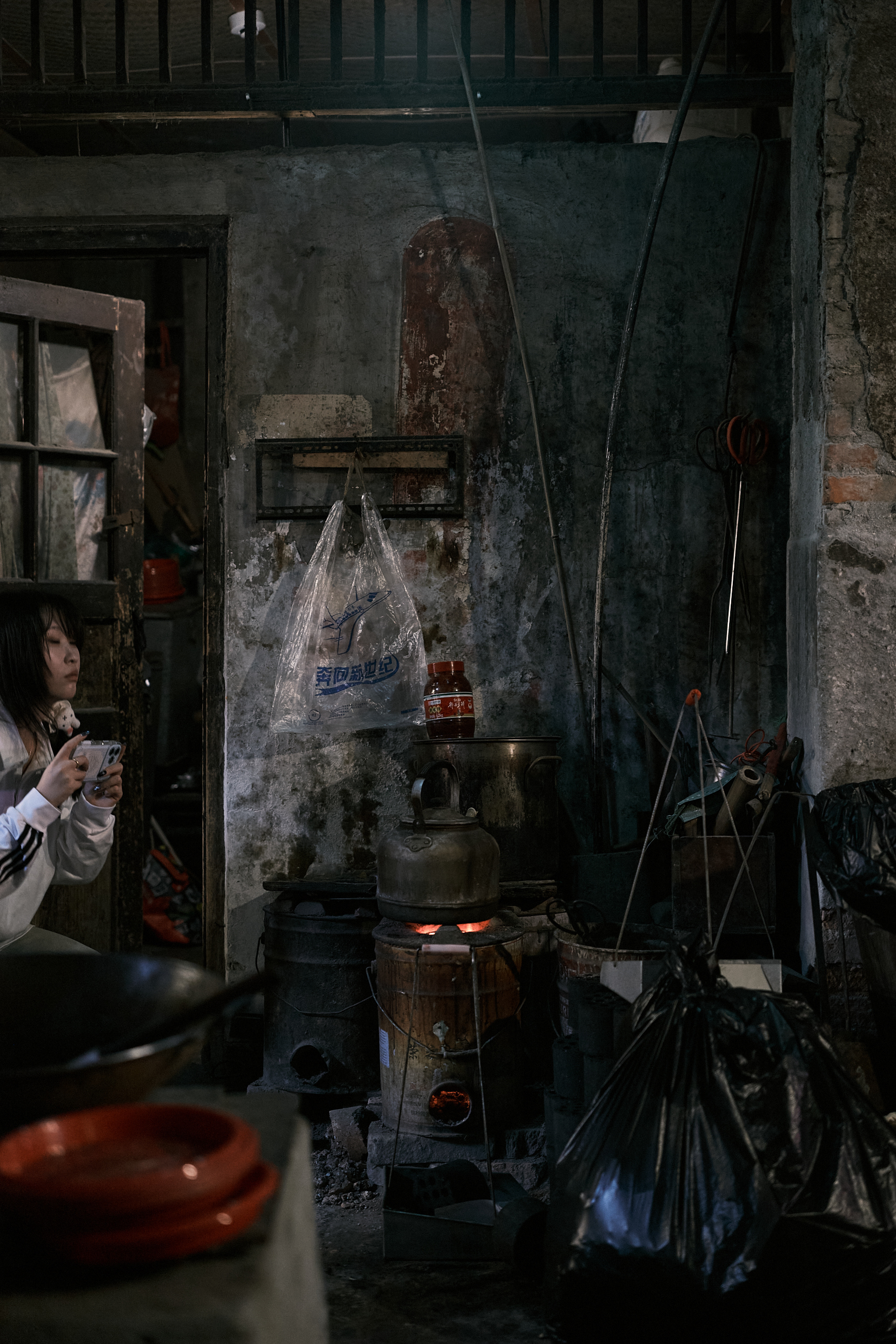
Chengdu, China - Leica M10-P Reporter + Leica APO-Summicron 50mm F/2
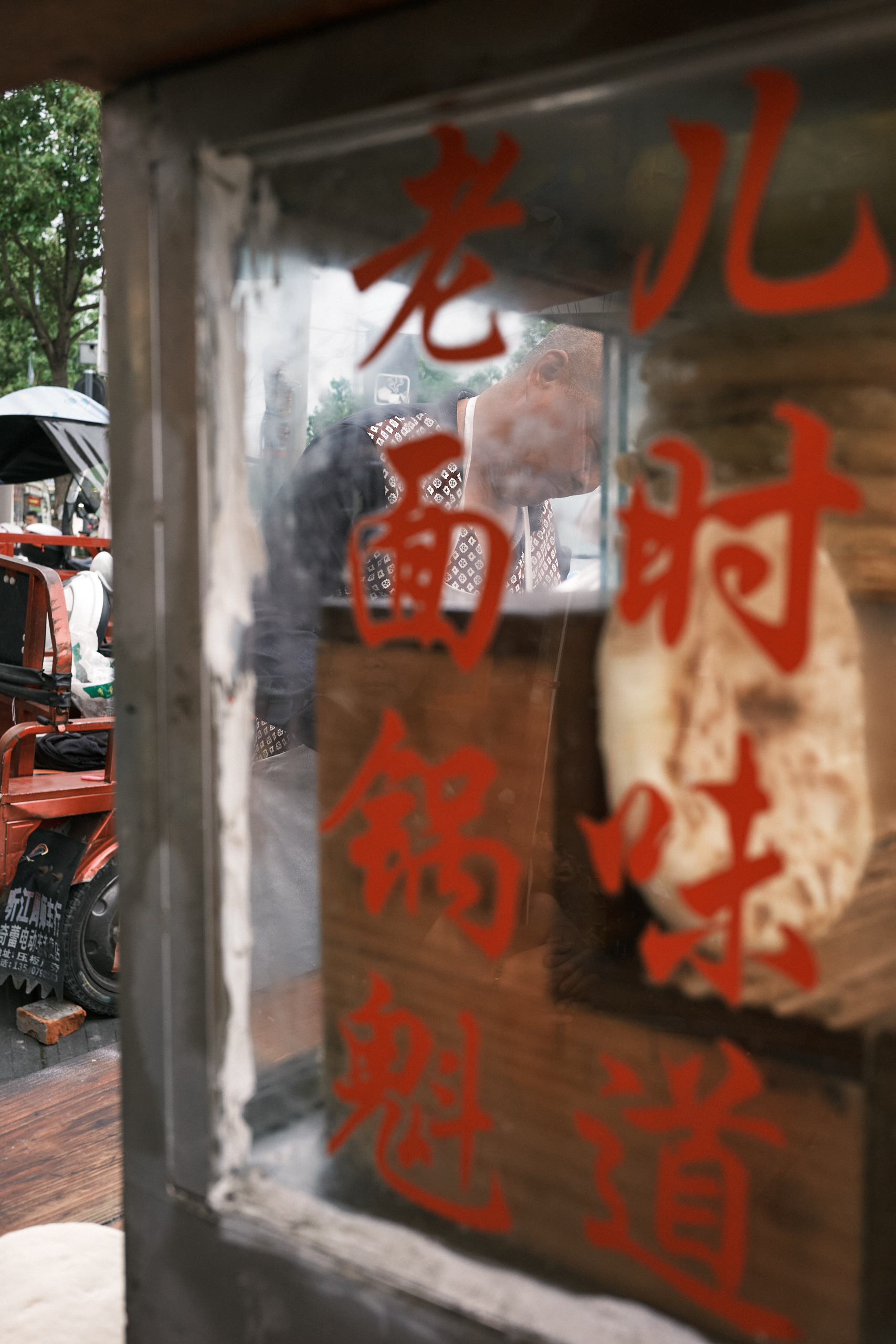
Chengdu, China - Leica M10-P Reporter + Zeiss C Biogon 35mm F/2.8
Street and travel photography in Chengdu, China with the Leica M10-P Reporter

UK - Leica M10-P Reporter + Zeiss C Sonnar 50mm f/1.5

Hong Kong - M10-P Reporter + Zeiss C Biogon 35mm f/2.8
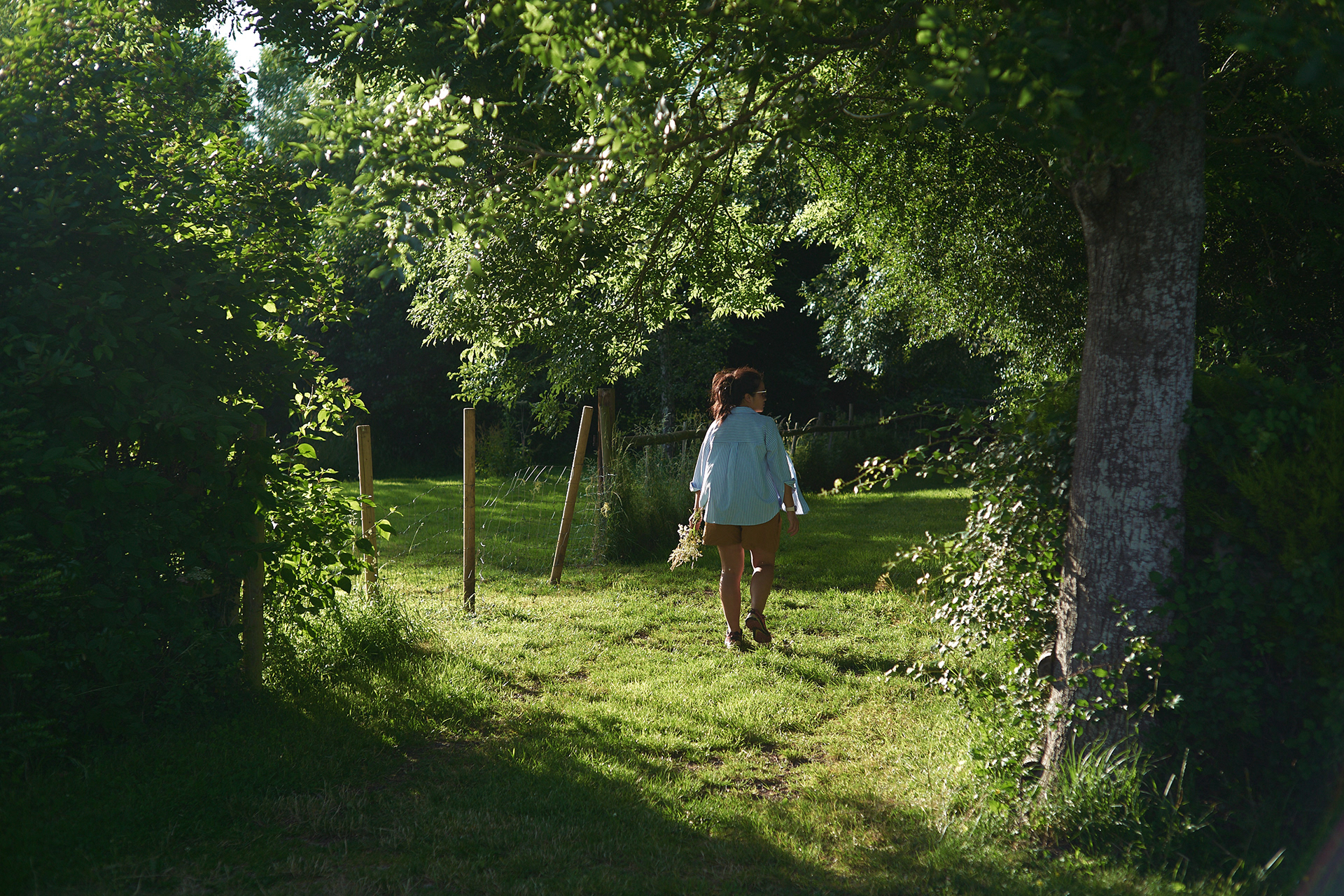
UK - Leica M10-P Reporter + Zeiss C Sonnar 50mm f/1.5

Hong Kong - M10-P Reporter + Zeiss C Biogon 35mm f/2.8

Hong Kong - M10-P Reporter + Zeiss C Biogon 35mm f/2.8

Hong Kong - M10-P Reporter + Zeiss C Biogon 35mm f/2.8

Hong Kong - M10-P Reporter + Summicron 28mm f/2 Matte Black

Hong Kong - M10-P Reporter + Summicron 28mm f/2 Matte Black

Hong Kong - M10-P Reporter + Summicron 28mm f/2 Matte Black

Hong Kong - M10-P Reporter + Summicron 28mm f/2 Matte Black

Hong Kong - M10-P Reporter + Summicron 28mm f/2 Matte Black

Hong Kong - M10-P Reporter + Summicron 28mm f/2 Matte Black

Hong Kong - M10-P Reporter + Zeiss C Biogon 35mm f/2.8

Hong Kong - M10-P Reporter + Zeiss C Sonnar 50mm f/1.5

Hong Kong - M10-P Reporter + Zeiss C Sonnar 50mm f/1.5

China - M10-P Reporter + Zeiss C Biogon 35mm f/2.8

China - M10-P Reporter + Zeiss C Biogon 35mm f/2.8

China - M10-P Reporter + Zeiss C Biogon 35mm f/2.8

Shanghai, China - M10-P Reporter + Zeiss C Biogon 35mm f/2.8

Shanghai, China - M10-P Reporter + Zeiss C Biogon 35mm f/2.8